In this article:
- Where Ura Namba Is, and Why It Exists
- How a Standing Bar Works
- What to Eat and Drink in Ura Namba
- Planning an Evening in Ura Namba
- Ura Namba: Frequently Asked Questions
Introduction
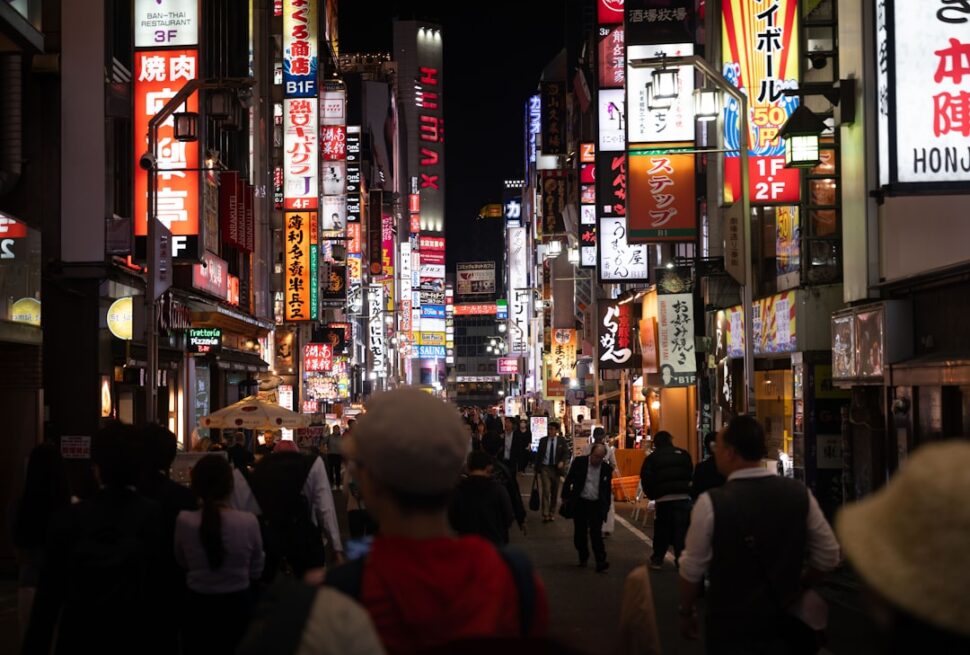
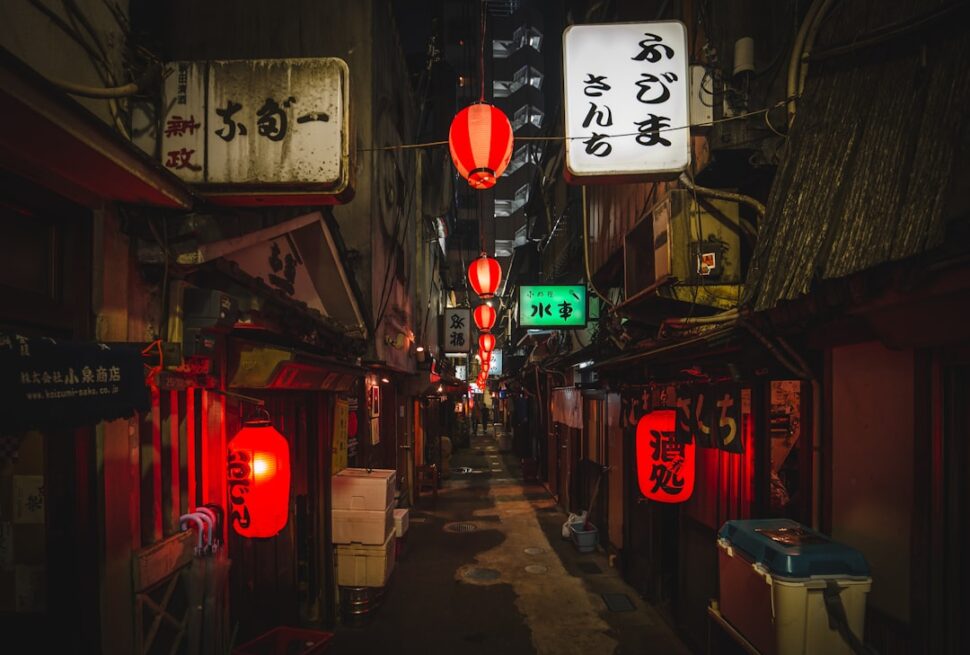
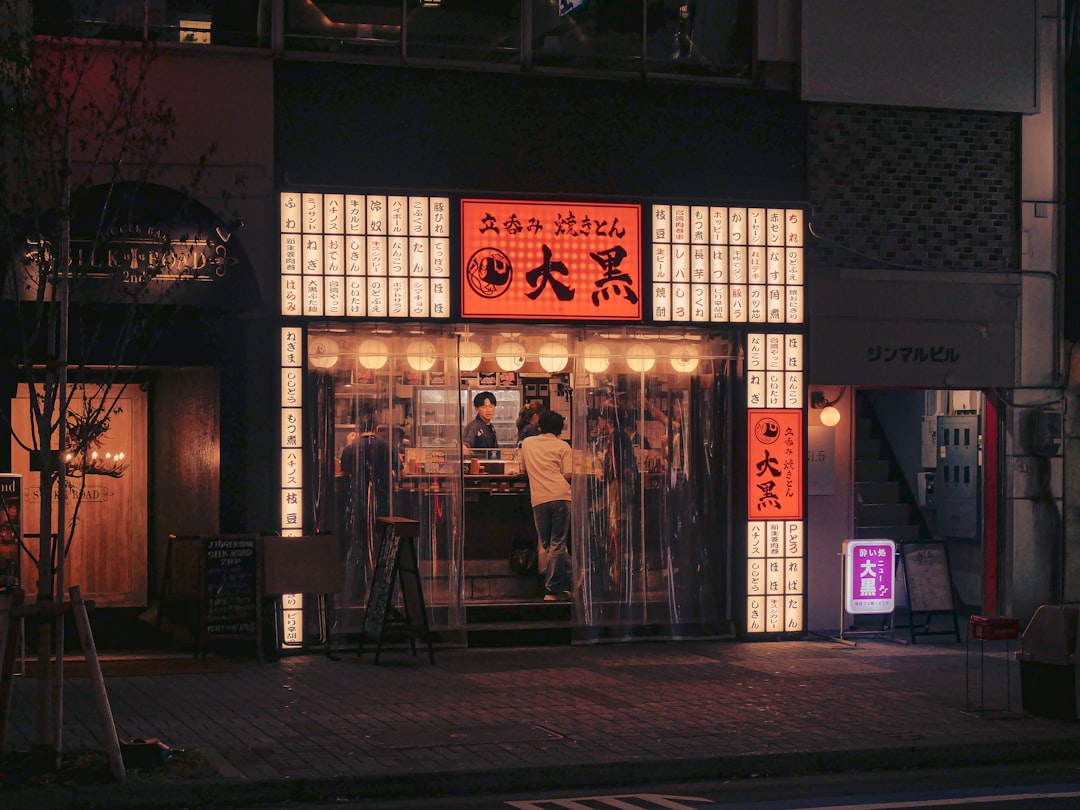
Ten minutes on foot from the Glico sign, the crowd thins, the neon gives way to a single paper lantern over each doorway, and the people around you stop taking photographs. This is Ura Namba, the tangle of lanes behind Namba where Osaka goes to drink after work, and where a surprising number of visitors to the city never quite arrive.
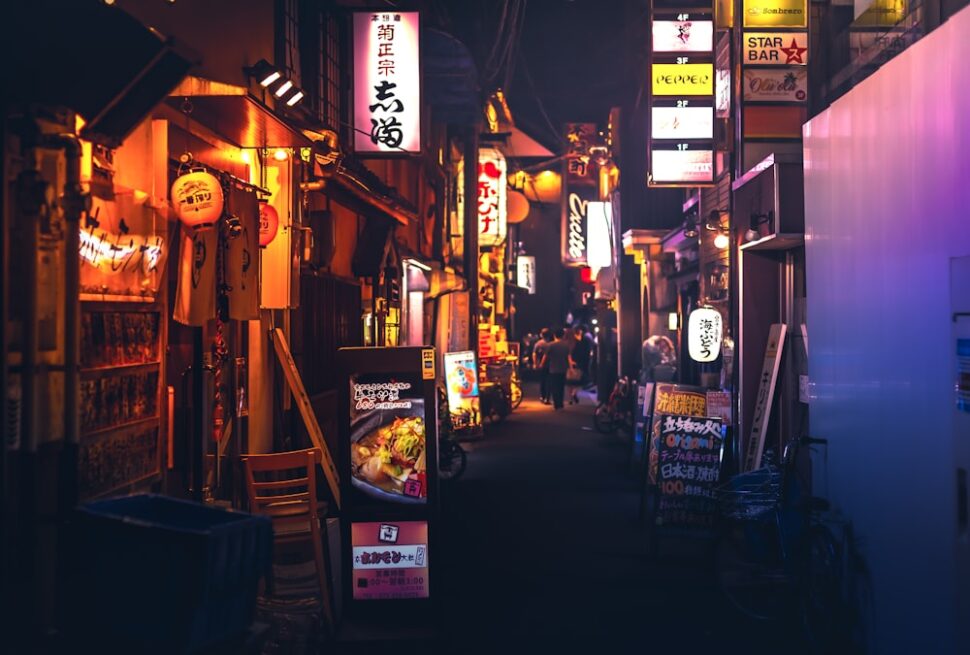
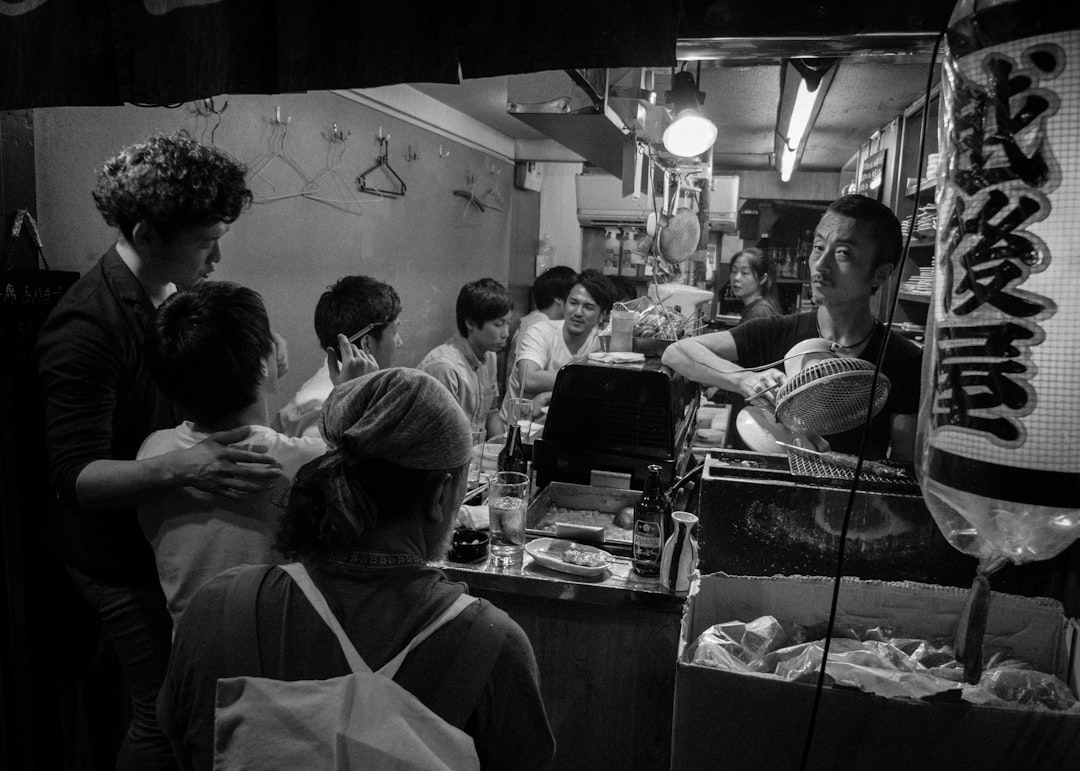
The name means “the back of Namba”, and it is meant literally. Behind the department stores and the station concourse sit more than a hundred small bars and restaurants, many of them standing-only, most of them holding fewer people than a hotel lift. The plates are small, the counters are shoulder to shoulder, and talking to strangers is part of the format rather than an accident.
We spend a lot of evenings here with travelers, and the pattern rarely changes. The first standing bar feels intimidating for about four minutes. After that, it tends to become the part of Osaka people describe when they get home.
Where Ura Namba Is, and Why It Exists
Ura Namba is less a single street than a loose block of lanes, and knowing its edges saves a lot of wandering.
The Grid Between Namba and Nippombashi
Osaka’s official tourism site draws the boundaries as Sennichimae to the north, Nansan-dori to the south, Kuromon Market to the east, and the Takashimaya department store to the west. In practice, the densest cluster of bars sits in the narrow lanes between Namba and Nippombashi stations.
Sennichimae Doguyasuji, the covered arcade where Osaka’s restaurant trade buys its knives, pots, lanterns and plastic food models, sits right beside it. That is a fitting neighbour for a district that exists to feed people.
Nothing marks the entrance. You turn off a main road into a lane barely wide enough for two people to pass, and the change in volume is immediate.
A Name Chosen by the People Who Run the Bars
Unlike Dotonbori or Shinsekai, Ura Namba is not an old place name. The area became known for bar-hopping only from around 2010, and according to Osaka’s tourism bureau, the name itself came from the shop owners in the area rather than from a planner or an advertising campaign.
That origin still shows. Many of the bars were opened by young owners who chose to do one thing well instead of running a broad izakaya menu: one counter built around grilled offal, another around seafood and vegetables from a charcoal grill, another around a short list of sake.
The result is a district that rewards moving on. One room does one thing; the next does something else entirely.
Why It Feels Nothing Like Dotonbori
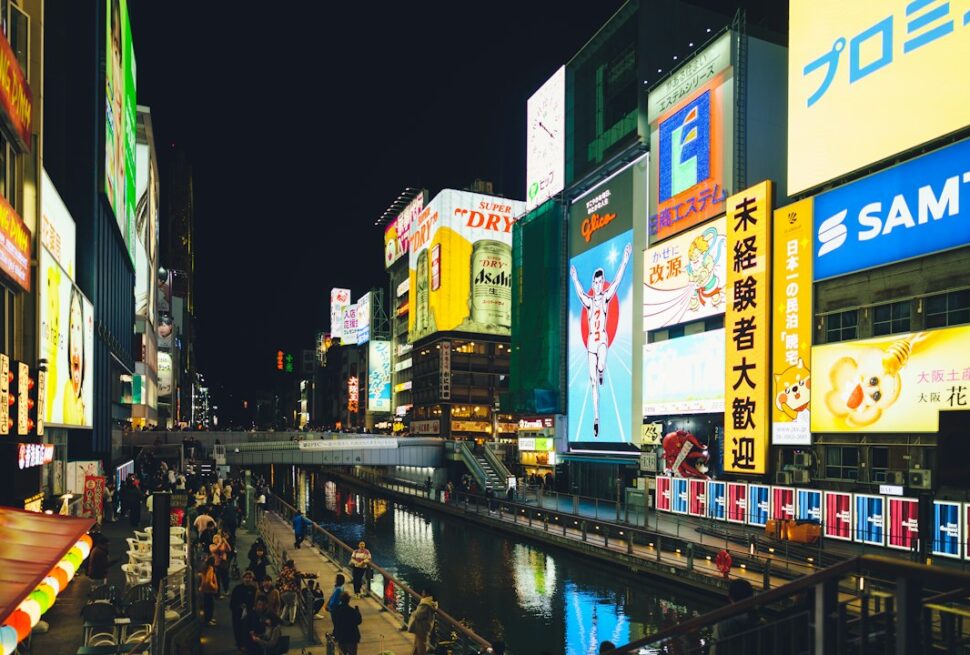
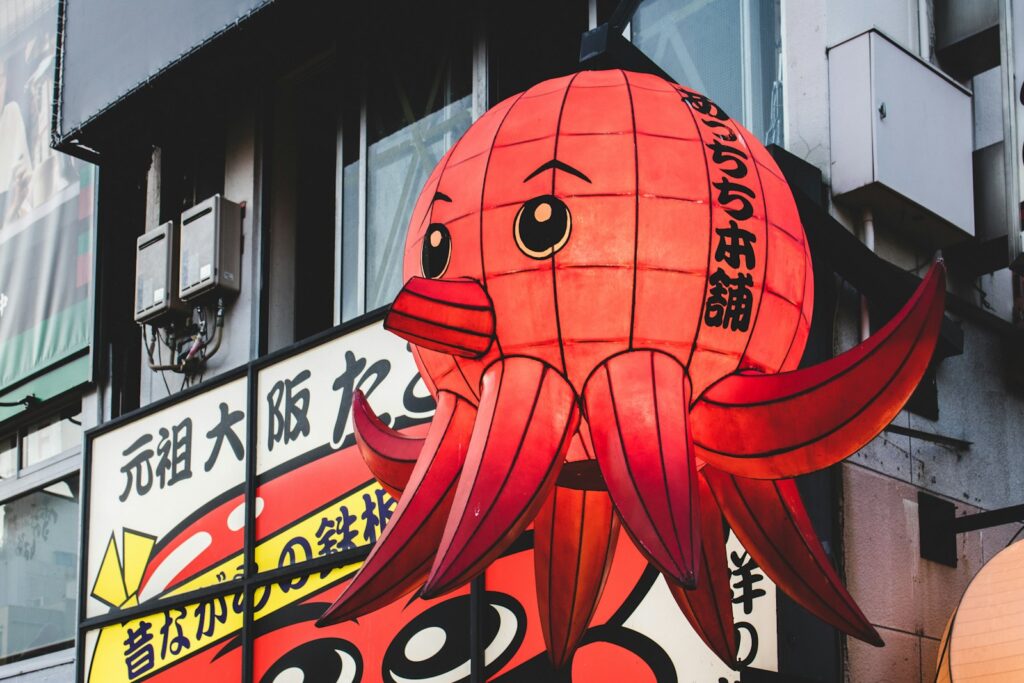
Dotonbori is a performance, and a good one. The mechanical crab, the running man, the queues for takoyaki at nine at night: this is Osaka presenting itself to visitors, and we think everyone should see it once. We cover it properly in our guide to Dotonbori’s street snacks.
Ura Namba is the audience after the show. The customers are office workers still wearing their lanyards, restaurant staff on a night off, and couples who live a few stations away.
People sometimes compare it to Tokyo’s Omoide Yokocho, and the scale is similar. The mood is not. Ura Namba is louder, less self-conscious, and far more willing to include you in the conversation.
How a Standing Bar Works
Most of the rooms in Ura Namba are tachinomi, and five minutes of explanation removes nearly all the uncertainty.
Tachinomi, Explained
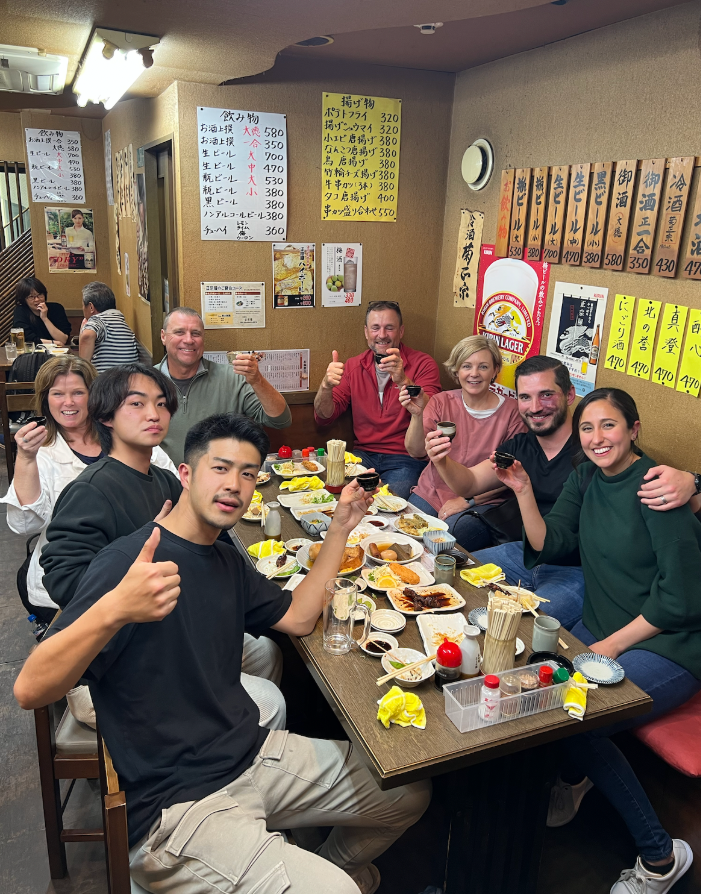
Tachinomi means, literally, standing and drinking; a tachinomiya is the bar itself. There are no chairs, or only a few, and customers stand at a counter or around a high table with a glass in one hand. The format keeps prices low and turnover high.
It also changes how people behave. Nobody is settled in for the night, so space keeps opening up and someone new keeps arriving beside you.
The etiquette is light. Stand where the staff direct you, keep your bag off the counter, and order a drink before anything else. Food then follows in small rounds, one or two plates at a time, rather than as a long list at the start.
A drink, a plate or two, perhaps half an hour, then on to the next room. That rhythm is the whole idea of the district.
Cash, and Often Paying As You Go
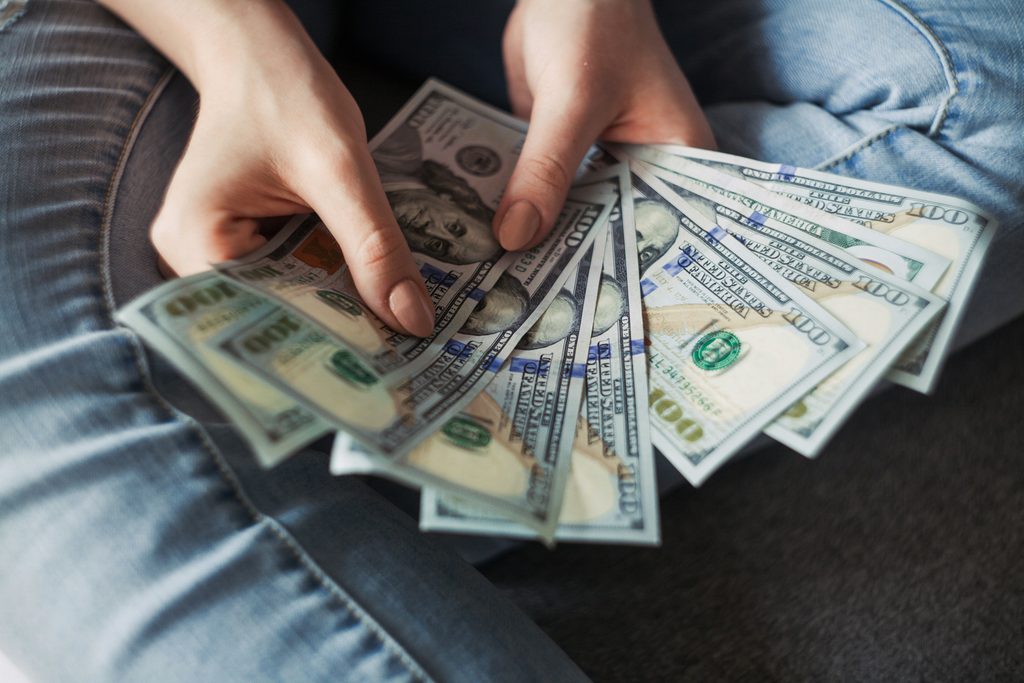
Bring cash. Some Ura Namba bars take cards or QR-code payments, but many small standing bars still take cash only, and you often will not find out which until you are ready to pay.
Payment comes in two styles. At some tachinomi you pay for each drink and plate as it arrives, handing over cash on the spot; at others the staff keep a tally and you settle when you leave. Watch the people next to you. If money is changing hands with every order, follow their lead.
When you want the bill at a tally-style bar, “okaikei onegaishimasu” is the phrase. Said with a small nod, it works in any bar in Japan.
Cover Charges, Smoking, and Small Rooms
Many izakaya add a small cover charge that arrives as a dish you did not order, known as otoshi. Pure standing bars often skip it, while places with seats are more likely to charge a few hundred yen. It is a normal line on the bill, not a trick, and our izakaya ordering guide explains how it works.
Smoking is the other surprise. Since April 2025, Osaka Prefecture has required restaurants and bars with more than 30 square metres of customer space to go smoke-free indoors, apart from enclosed smoking rooms. Many Ura Namba counters are smaller than that, and smoking inside is still common. If it matters to you, check the sign at the door or ask before you step in.
The rooms are small in every sense. Large groups struggle to fit, and strict dietary requirements are hard to meet in a kitchen run by one or two people. Two to four is the ideal party; a group of eight will spend the evening split across counters.
Expert Tip
If the first counter you try is full, do not wait outside it. In Ura Namba the next standing bar is usually a few doors away, and the room with space at 7pm is often the one you end up remembering. Queues form at the handful of places that circulate on social media; the rest of the district fills and empties all evening.
What to Eat and Drink in Ura Namba
Osaka’s reputation as a city that eats more seriously than it drinks holds true here. The food is reason enough to come, even if you barely drink.
Niku-zushi and Hormone
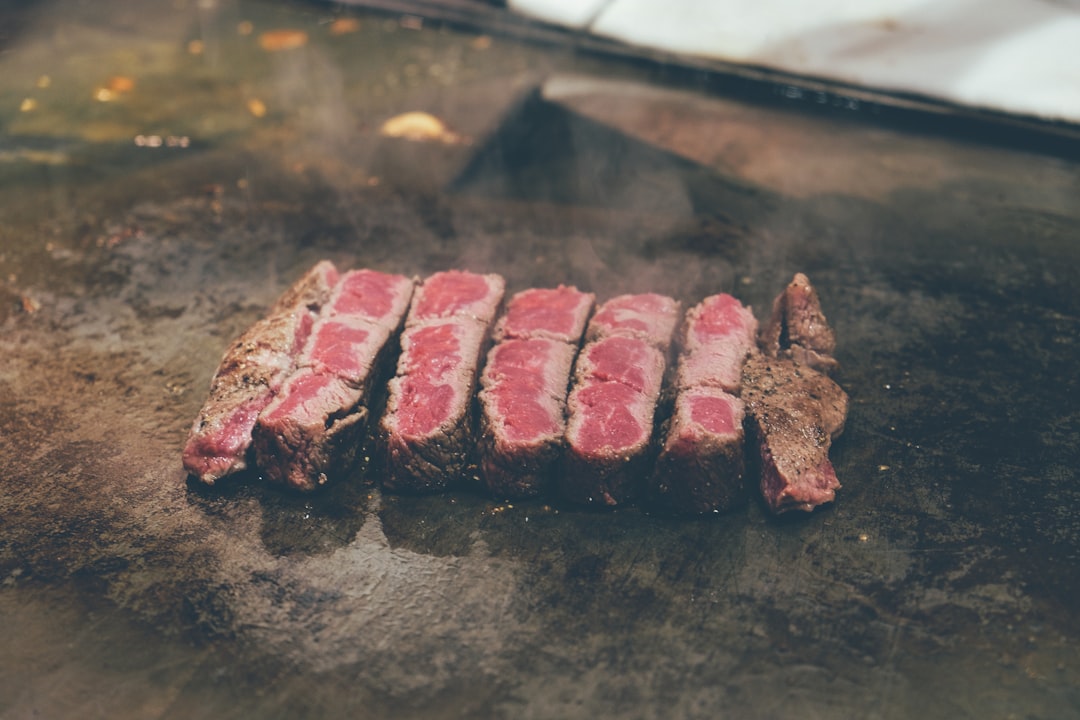
Niku-zushi, sushi topped with meat instead of fish, is the dish most associated with the district. Expect thin slices of lightly seared beef, sometimes duck or horse, laid over rice and finished with a torch or a brush of sauce. It is closer to a bar snack than a sushi meal, and it pairs well with a highball.
Hormone, grilled beef and pork offal, is the other anchor. The counters that specialise in it are smoky, cheap and loud, with plates of tripe, heart and intestine going onto a grill in front of you.
If offal is new to you, start with heart or tongue, which are the least challenging in texture. Then let the staff choose the rest.
Doteyaki, Kushikatsu, and the Osaka Standards
Doteyaki is beef tendon stewed slowly in sweet miso until it turns soft and glossy, and it sits simmering in a shallow pot on the counter of many bars in Minami. This is Osaka drinking food at its most basic: rich, salty, and served in small portions.
Kushikatsu, skewers of meat and vegetables breaded and deep-fried, comes with a shared tray of thin, dark sauce. The one rule Osaka enforces with real seriousness is no double-dipping. Dip once before your first bite and never again; if you want more sauce, scoop it on with a piece of the raw cabbage served alongside.
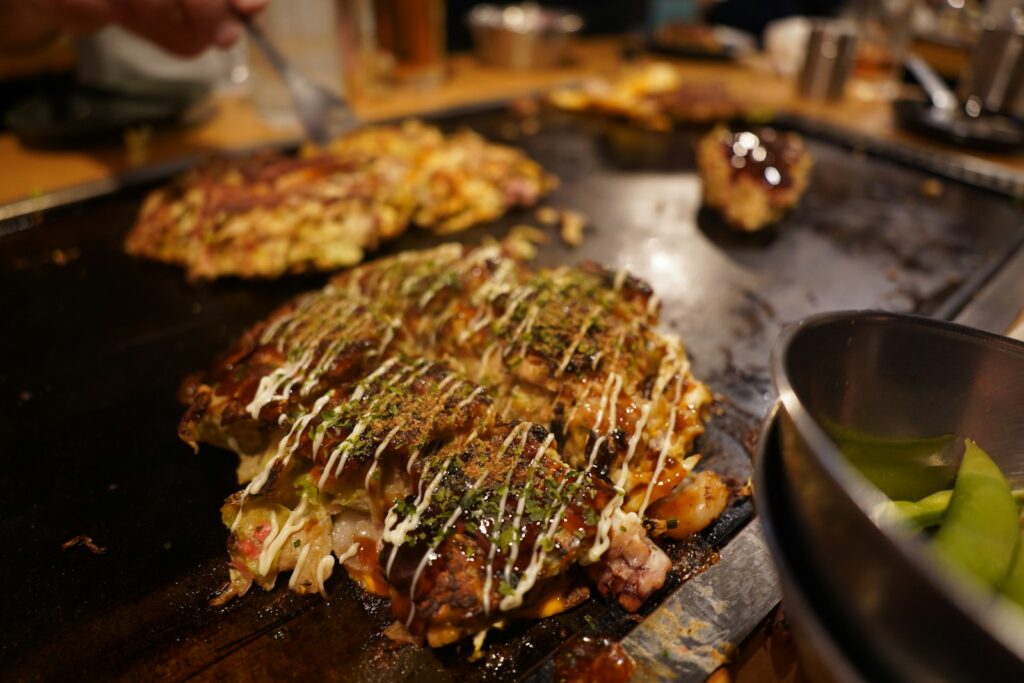
Takoyaki and okonomiyaki are available across the district. Still, we think both are better eaten in Dotonbori, where the specialists compete for passing trade. An evening in Ura Namba is better spent on the things Dotonbori does not do.
Highballs, Sake, and Something Softer
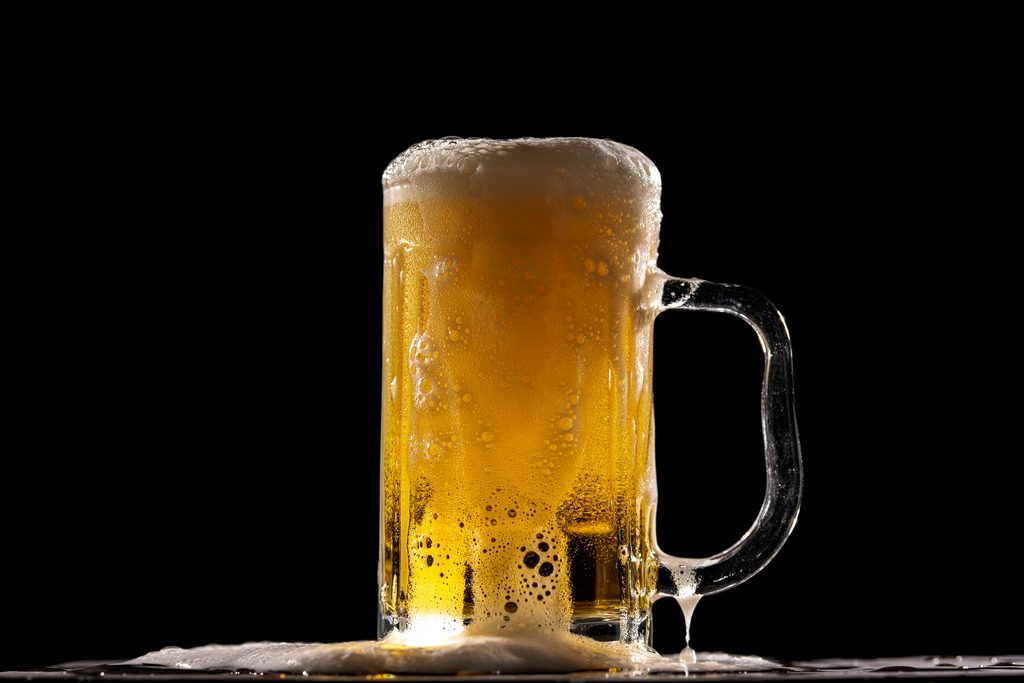
The default drink is a highball, whisky and soda in a tall glass, often a little cheaper than beer and lighter alongside fried food. Draught beer comes next, then shochu mixed with fruit juice or tea. At the more considered counters you will also find a short list of sake, served cold or warm depending on the bottle.
Non-drinkers do fine. Oolong tea, soft drinks and non-alcoholic beer are on nearly every menu, and ordering one draws no attention at a standing bar.
Expert Tip
Order from the wall rather than from the printed menu. Most Ura Namba bars have handwritten boards that change with what came in that day, and those dishes are what the kitchen wants to cook. Pointing at a neighbour’s plate and saying “onaji no, kudasai” (the same one, please) works everywhere, and it usually starts a conversation.
Planning an Evening in Ura Namba
A good night here depends more on timing and pacing than on choosing the right bars in advance.
Which Night, and What Time
Friday and Saturday are the busiest nights, and after 8pm on either the well-known counters fill completely. Midweek is easier. You can usually walk into most rooms, and the regulars have more time to talk.
Many bars open from the late afternoon. We aim to arrive around 6pm, when the first office workers drift in and there is still space at the counter, and to move on before each room reaches its limit.
Arriving early has a second advantage. The staff are less rushed, and a bar owner with a spare minute will often explain what is good that night, which is worth more than any list we could give you.
Start at Hozenji, Not at the Glico Sign
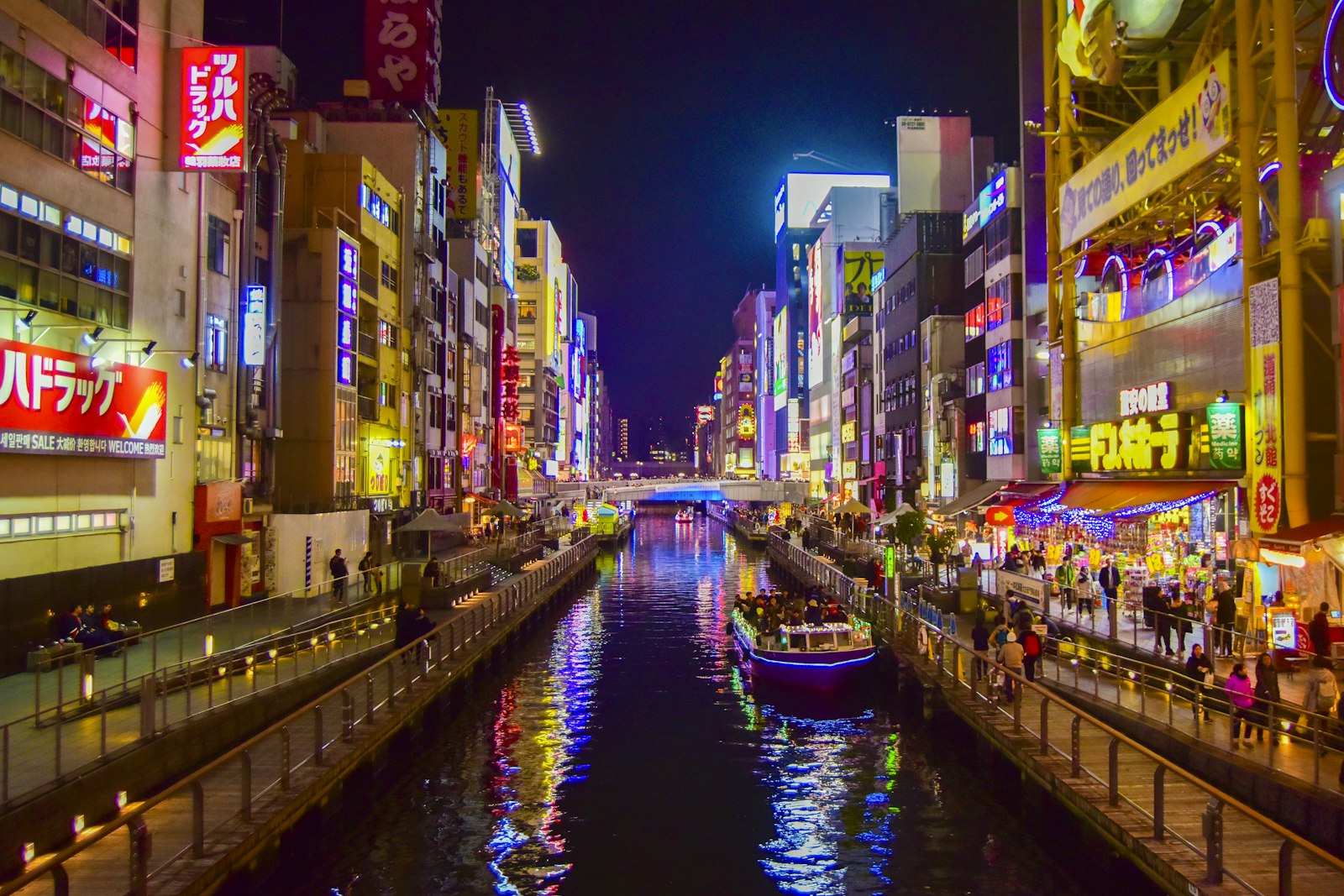
The Glico sign is where most people start, and it is a perfectly good place to meet. However, we prefer to begin the evening a few minutes’ walk away at Hozenji, a small temple founded in 1637. Its statue of Fudo Myoo is so thickly covered in moss that its features have almost disappeared.
Visitors ladle water over the statue as they make a wish, and the moss is the accumulated result. The temple was destroyed in the air raids of 1945, and the statue was all that survived.
Hozenji Yokocho, the stone-paved alley beside it, is lined with old restaurants under lanterns. Walking it before dark sets up the rest of the night: the older, quieter Osaka first, then the loud one.
Our Osaka bar crawl follows exactly this order. It meets near the Glico sign, pauses at Hozenji, then spends most of its three hours moving between Ura Namba counters, with the guide ordering in each room.
How Many Rooms, and What It Costs
Three or four stops is the right length for a first visit. Fewer, and you miss the point of the district. More, and the evening turns into a blur of identical highballs.
Budget in cash. On our bar crawl, food and drinks paid on the night come to around ¥7,000 per person, which is a fair guide for three or four rooms with a reasonable amount of food. Heavier drinkers, and anyone ordering premium sake or wagyu niku-zushi, will spend more.
If you would rather eat dinner than drink your way through the evening, a food-led route suits better. Our Dotonbori food tour ends in the same backstreets: takoyaki at a stall, then an izakaya and a tachinomiya, with thirteen dishes and two drinks in total.
Ura Namba: Frequently Asked Questions
How far is Ura Namba from Dotonbori?
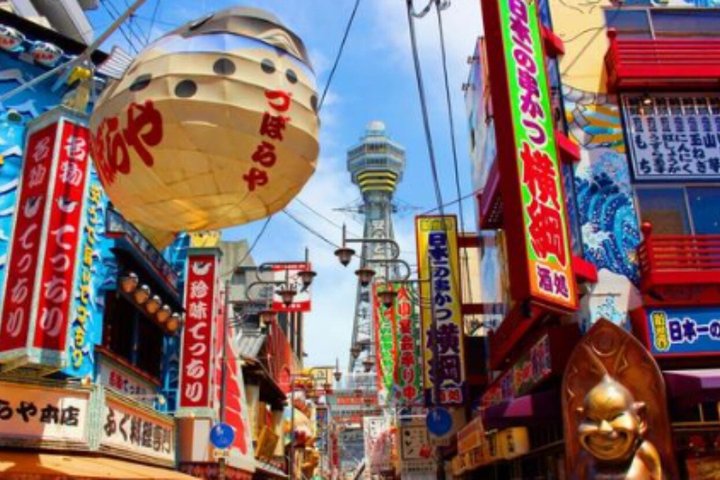
About ten minutes on foot. Walk south from the Dotonbori canal through the Sennichimae area and you reach the northern edge of the district, with the busiest lanes lying toward Nippombashi. Namba Station, served by the Osaka Metro and Nankai lines, and Nippombashi Station are both a short walk away.
Can I go to Ura Namba without speaking Japanese?
Yes, although it takes more effort than Dotonbori. Some bars have English or picture menus, many do not, and the handwritten boards on the wall are in Japanese only. Pointing, a translation app, and a willingness to let the staff choose will carry you a long way; what you mostly miss without Japanese is the day’s specials.
How much cash should I bring to Ura Namba?
Around ¥7,000 to ¥10,000 per person covers a three- or four-stop evening with food for most people. Convenience store ATMs in the area accept foreign cards, so there is no need to carry much more than that. Bring smaller notes and coins, because paying as you go with a ¥10,000 note at every stop slows the whole counter down.
Related Tours
Conclusion
Go midweek, arrive early, carry cash in small notes, and leave the first bar sooner than feels natural. Those four decisions account for most of the difference between a night in Ura Namba that feels like an intrusion and one that feels like being let in.
If a counter is full, walk on. If the person beside you offers a bite of whatever they ordered, accept it. The district was named by the people who run its bars, and it still works on their terms: short visits, small plates, and conversation with whoever happens to be standing next to you.
Plan Your Japan Trip with Local Experts
Our team has guided 40,000+ travelers across Japan. Tell us about your trip and we’ll get back to you within 24 hours.