In this article:
- Why Ginza Is a Serious Ramen Neighborhood
- The Ginza Ramen Bowls Worth Planning Around
- How Ordering and Queuing Actually Work
- Building a Day Around a Ginza Bowl
- Ginza Ramen: Frequently Asked Questions
Introduction
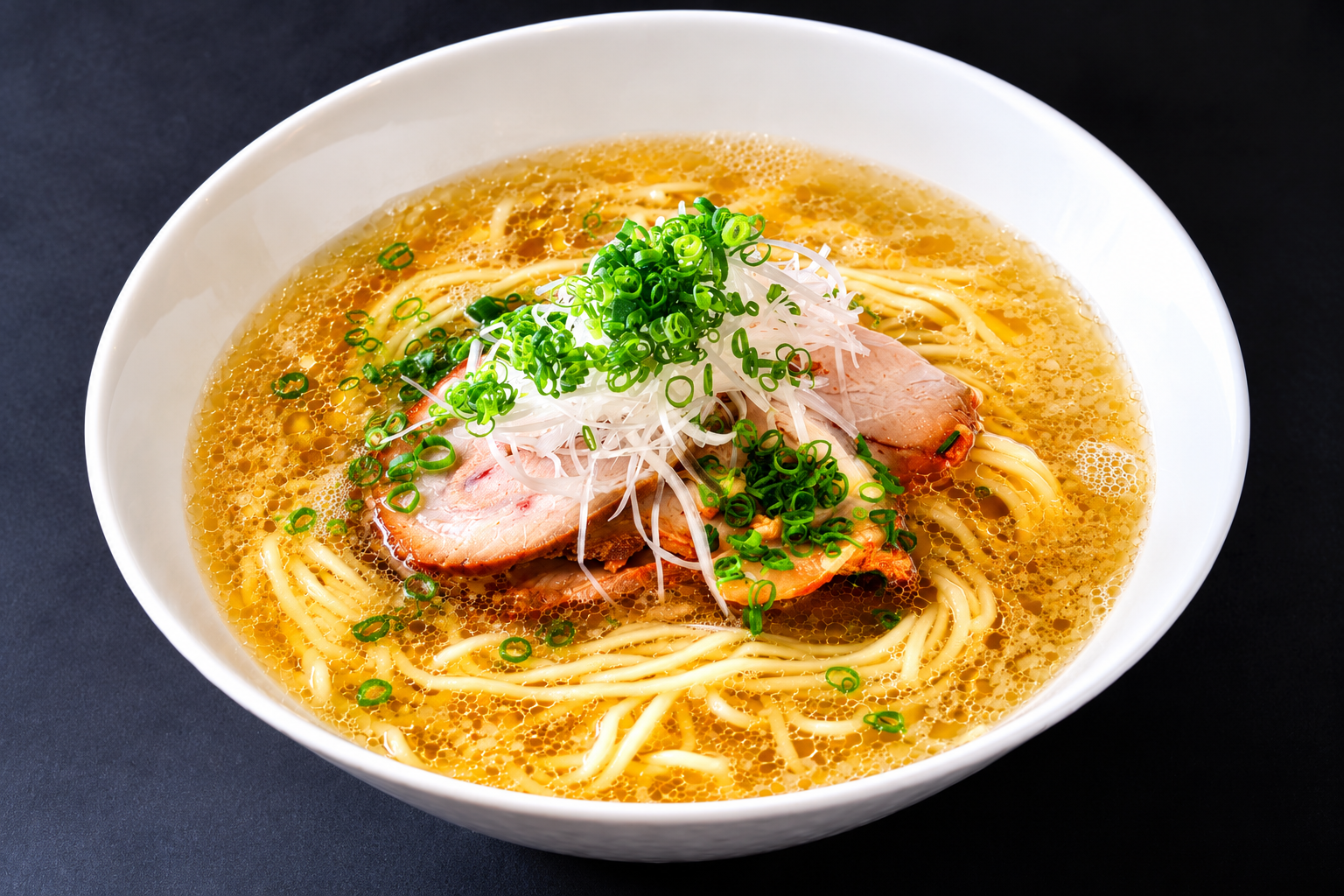
Ginza ramen surprises most travelers we guide. They usually arrive expecting only sushi counters and department stores.
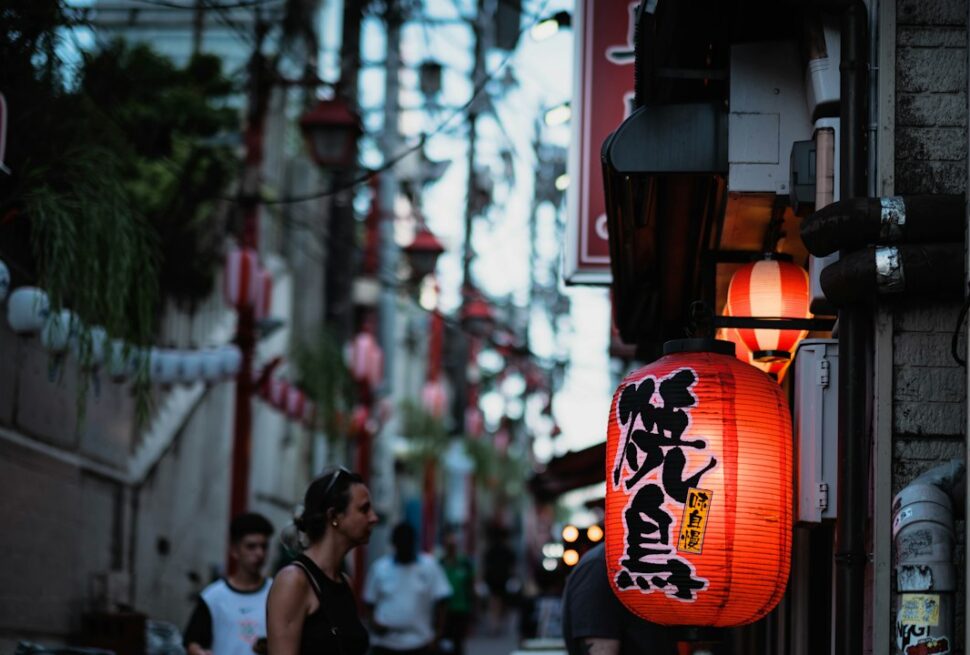
However, things look different just one block off Chuo-dori at 11:50 on a weekday. You will find a silent line of office workers in dark suits. They are waiting outside a door without any sign in English. That line is the clue.
Ginza feeds a very large daytime workforce. These people eat lunch quickly and well. They also pay a fraction of what an upstairs sushi counter would charge.
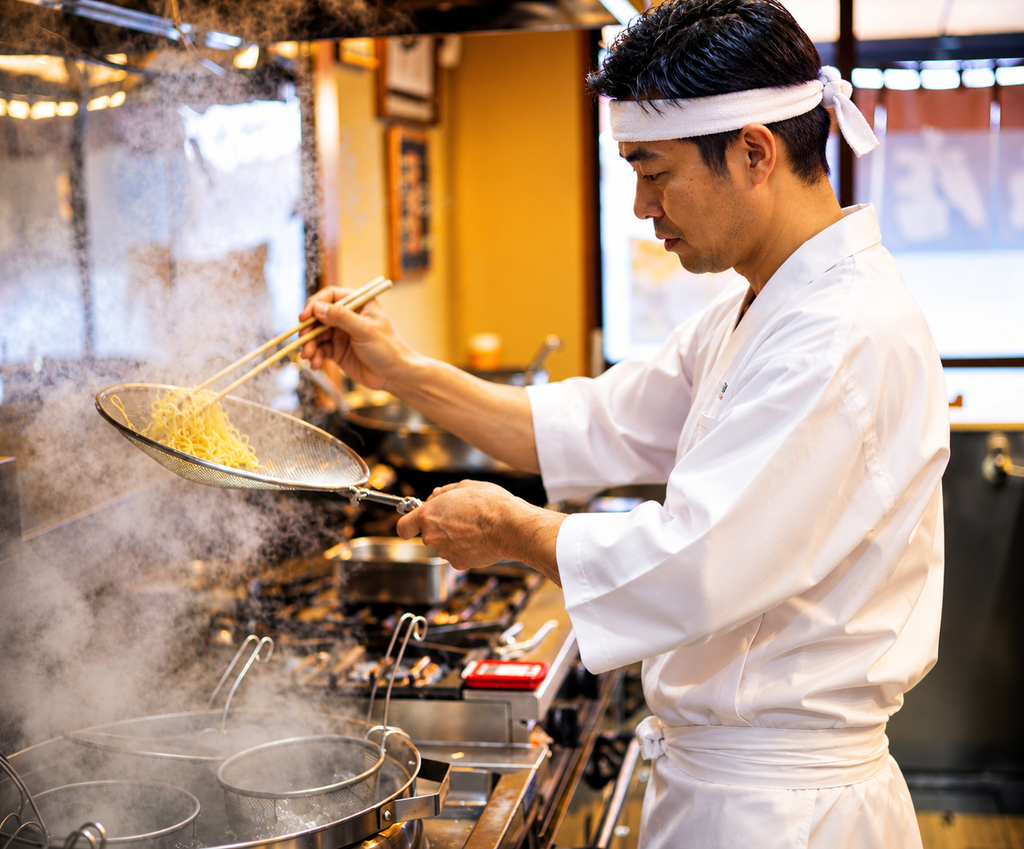
The ramen shops that survive here do so by cooking to a standard that matches the neighborhood. Broths tend to be lighter and more precise. Toppings are more carefully considered. In addition, the rooms are often small enough that the chef works just an arm’s length away from you.
For a visitor, this makes Ginza one of the more rewarding places in Tokyo to eat a bowl of noodles. Still, it rewards planning. The shops worth seeking out have short opening windows. They close as soon as the soup runs out. Moreover, they run their queues in ways that are not obvious if you cannot read Japanese. What follows is how we approach it.
Why Ginza Is a Serious Ramen Neighborhood
Ramen in Ginza is shaped by who eats it: people who work here, five days a week.
Office Workers, Backstreets, and the Lunch Rush
Most of the well-regarded shops sit not on the main avenues but in the numbered side streets of 6-chome, 8-chome, and the blocks running east toward Higashi-Ginza. Rents on Chuo-dori go to fashion houses. Ramen ends up a floor below ground, at the back of a narrow building, or behind a plain noren curtain between two bars.
The rhythm follows the office calendar. Queues build sharply from about 11:30 to 13:00 on weekdays and thin out by mid-afternoon. Weekends are different again, since the workforce disappears and is replaced by shoppers, so some shops shorten their hours or close on Sundays entirely.
In practice, the same shop can mean a forty-minute wait at noon on a Tuesday and almost none at 14:30. That timing matters more than which shop you pick.
The Ginza Style: Lighter Broths and Restaurant Technique
No single Ginza ramen style exists in the way Sapporo has miso or Fukuoka has tonkotsu. What the district does have is a tendency. Many of its best-known bowls lean toward clear, refined soups built from chicken, seafood, or shellfish, and several of its chefs came to ramen from other kitchens.
That background shows. You see bowls seasoned with salt rather than heavy tare, broths made with duck or clams, and toppings that would look at home on a tasting menu. If you want a broad primer on how these styles differ from one another, our guide to the types of ramen covers the main families.
Our view is that Ginza is the place to eat the delicate end of ramen. Rich, fatty tonkotsu is easy to find here too, but it is not what the neighborhood does best.
The Ginza Ramen Bowls Worth Planning Around
Choose by broth first, then by shop. The four below cover the styles Ginza is known for, and each is worth a deliberate trip rather than a passing stop.
Chicken Paitan at Ginza Kagari
Kagari began as a tiny counter of about eight seats in a Ginza alley and is now one of the most recognized ramen names in the district, with its main shop in 6-chome. The signature is tori paitan soba: chicken simmered until the broth turns opaque and thick, closer in texture to a velvety potage than to a soup.
It is rich without being heavy, and the vegetables on top are cooked with real attention. For a first bowl in Tokyo, this is the one we suggest most often to travelers who are unsure whether they like ramen at all.
Queues here are long and constant. That said, the shop has used a sign-in system at the entrance that lets you register and come back, so ask at the door before assuming you have to stand.
French Technique at Ginza Hachigou
Hachigou is the bowl that most clearly shows what Ginza does differently. Owner-chef Yasushi Matsumura spent more than thirty years in French cooking before turning to ramen, and the soup reads like a consommé. It is clear, pale gold, and built from a long list of ingredients that includes Nagoya Cochin chicken, duck, scallop, dried tomato, shiitake, and cured ham, seasoned with salt instead of a conventional tare.
The result is quiet and layered. You taste it slowly, which is not how most people eat ramen. The shop has also held a Michelin star, which has made it one of the harder bowls in the city to get.
Hachigou runs a short daily service that ends when supplies do, and part of it is bookable online in timed slots. Walk-ins are taken early in the service, and the line forms before opening.
Shio Ramen and Sea Bream Rice at Ginzasa
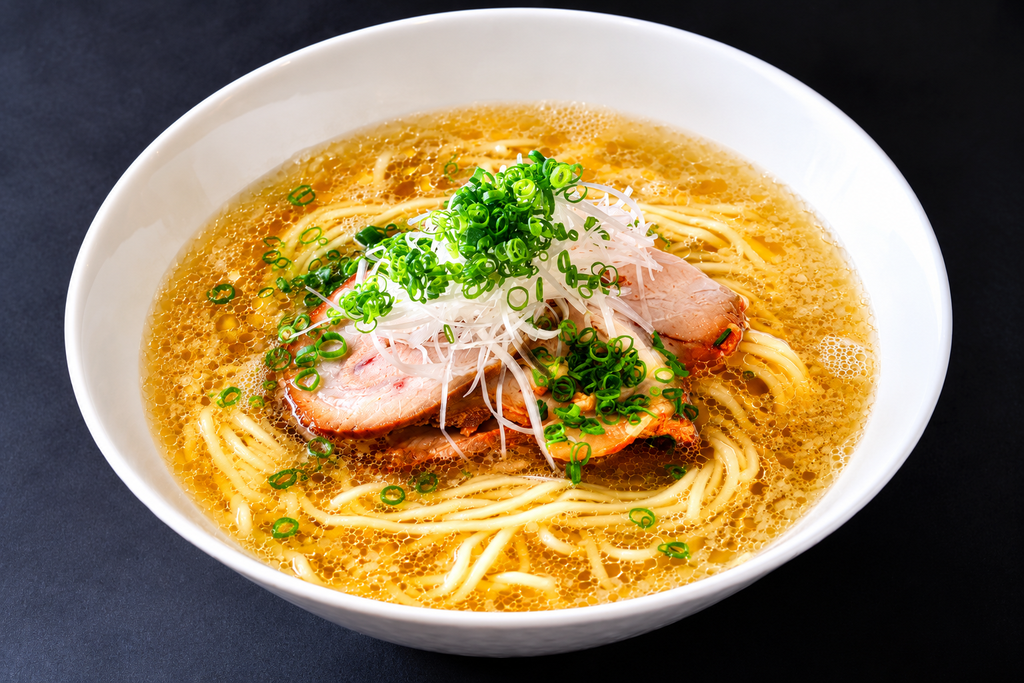
Mendokoro Ginzasa, in the southern part of Ginza near 8-chome, is known for shio ramen: a clear, golden salt broth drawn from seafood, chicken, and pork. The bowl itself is light. The reason people return is what comes alongside it.
Order the sea bream rice, served separately. When the noodles are gone, you pour the remaining soup over the rice and eat it as a kind of ochazuke, which turns one meal into two quite different ones. We think it is one of the most considered endings to a bowl in Tokyo.
Ginzasa closes on Sundays and holidays, and may close early when the soup runs out.
Clam Broth at Mugi to Olive
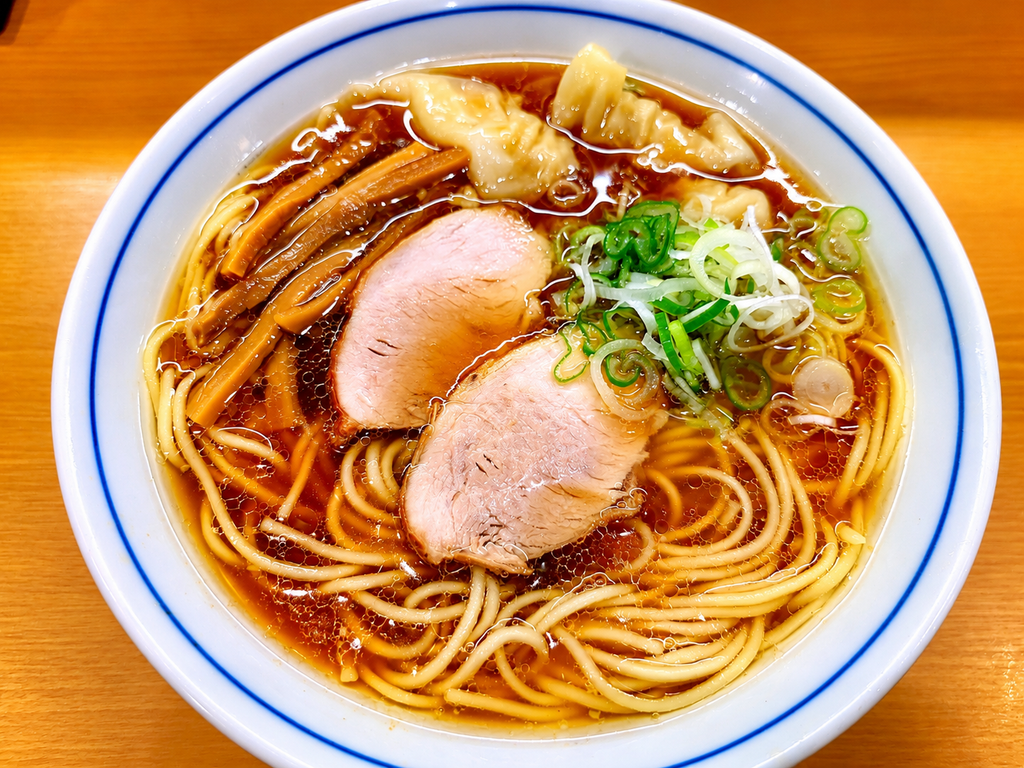
Mugi to Olive built its reputation on a soy-based broth made with hamaguri clams. It is bright, briny, and much cleaner than most ramen, and the shop suggests finishing it with a little olive oil, which sounds odd and works well. Chicken and dried-sardine versions are on the menu for anyone who wants a shoyu bowl without shellfish.
The shop appeared in the Michelin Guide Tokyo’s Bib Gourmand selection in 2015. For travelers who find tonkotsu overwhelming, this is the bowl we point to first.
Duck, Tsukemen, and the Reliable Chains
Two more styles are worth knowing. Ginza Kamo Soba Keisuke serves duck ramen in a lighter clear version and a richer, longer-simmered one, and the contrast between the two is the reason to go. Ginza Oborozuki is a well-known tsukemen shop: thick noodles dipped into a concentrated seafood sauce, finished by asking for soup-wari, a hot broth added to the leftover sauce so you can drink it.
Then there are the chains. Ichiran, near Shimbashi, seats you in individual booths and lets you set noodle firmness, richness, and garlic on a paper form. Ippudo has a branch by Higashi-Ginza Station. Neither is distinctive to Ginza. However, both open long hours, both are easy for first-timers, and on a wet evening when the independent shops have closed, they are a sensible answer.
Expert Tip
Ginza ramen shops are concentrated enough that you can walk between several of them in ten minutes. If the line at your first choice is longer than you want, walk to the next one rather than waiting. A shop with no queue at 14:00 is usually a better meal than a famous one you reach exhausted at 13:15.
How Ordering and Queuing Actually Work
The food is the easy part. Getting a seat is where visitors lose time.
Ticket Machines, Cash, and Timing
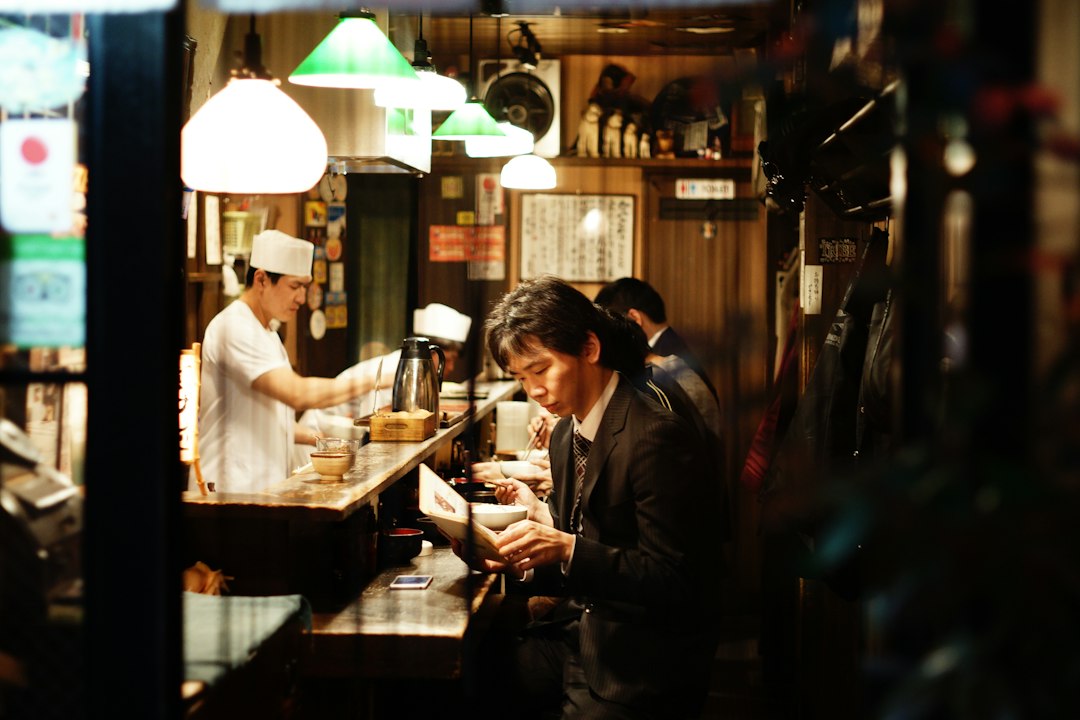
Many ramen shops in Japan use a ticket machine by the door. You choose your bowl and any toppings, pay, take the ticket, and hand it to the staff when you sit down. Buttons are often in Japanese only, though photos and numbers help, and some machines now have English options.
Carry cash. Some newer machines accept IC cards or QR payment, but not all of them, and you do not want to find out at the front of a line. A few thousand yen in notes covers almost any bowl in Ginza.
Timing matters more than anything else. Arrive ten to fifteen minutes before opening, or go after 14:00. Early dinner, just after the evening service opens, is the other quiet window. For a broader look at how restaurant ordering works in Japan, see our guide on how to order food in Japan.
Reservations and Walk-In Windows
Reservations are unusual for ramen, but Ginza has a few exceptions. Hachigou takes online bookings for part of its service through TableCheck, released about a week ahead, with walk-ins handled separately. Other shops use sign-in tablets or numbered tickets handed out in the morning.
These systems change often. Check the shop’s official site or social accounts the week you travel, and treat anything written on a third-party blog, including this one, as a starting point rather than the final word.
At the Counter
Ramen counters run on a few simple expectations. Slurping is normal and nobody will notice it. Eat while the bowl is hot, since noodles soften quickly in broth, and leave once you are done when people are waiting outside. These are lunch rooms for people with a meeting at 13:00, and a long conversation over an empty bowl reads as inconsiderate.
Water is often self-serve from a jug or dispenser at the counter. Beyond that, there is little to worry about.
Building a Day Around a Ginza Bowl
Ginza ramen works best as lunch, placed inside a day that starts somewhere else.
Tsukiji in the Morning, Ginza at Noon
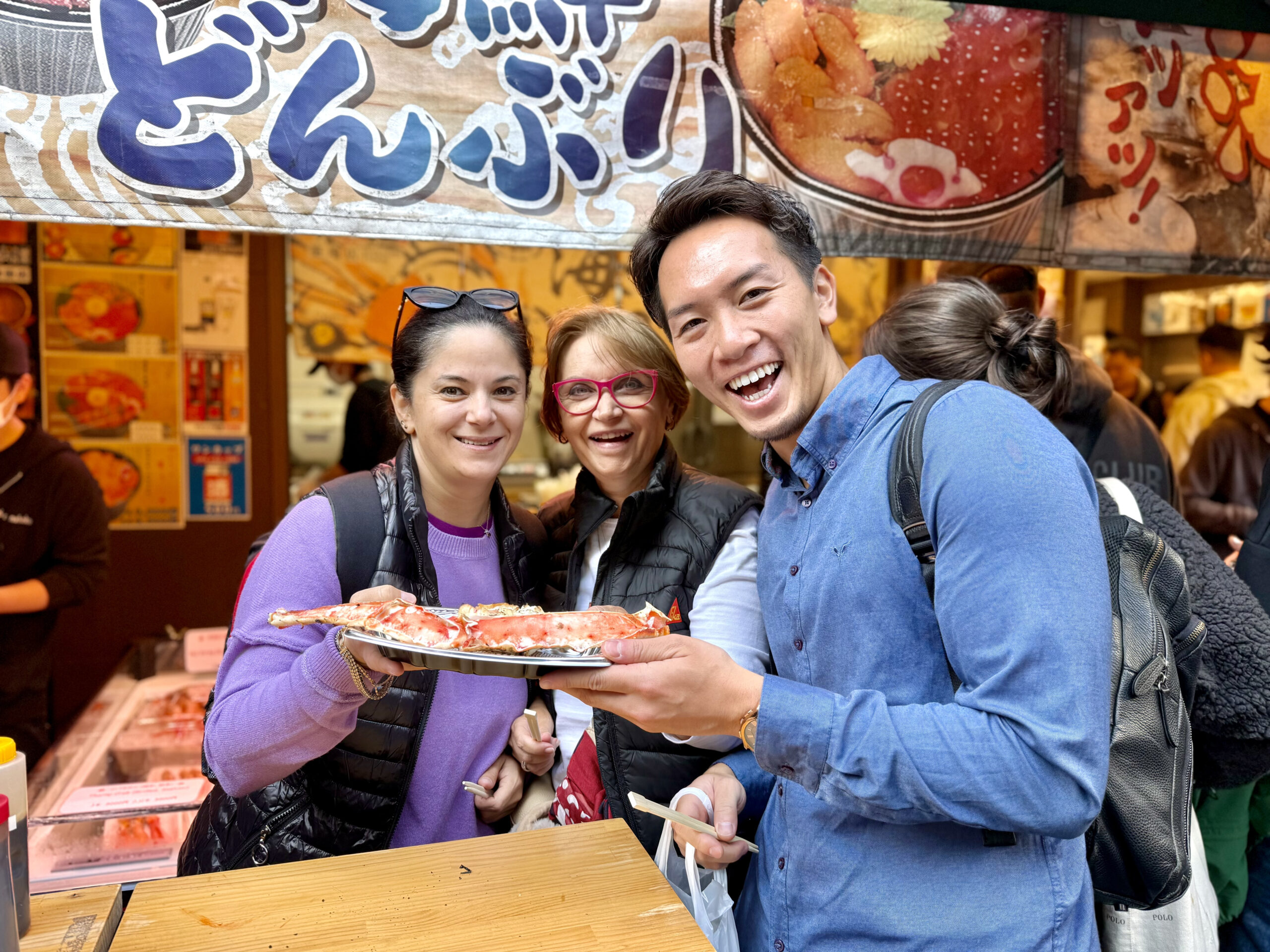
The Tsukiji Outer Market sits immediately east of Ginza, close enough to walk. That makes the two a natural pair. The market is busiest in the morning, and much of what it sells is small, standing food: tamagoyaki, grilled skewers, sea urchin sold by the tray. Our Tsukiji Outer Market street food guide covers what to look for.
On our Tsukiji tour, we begin at Tsukiji Hongwanji, the temple rebuilt in the 1930s in an Indian style at the edge of the market, and then work through the stalls for about two hours. Travelers often ask us where to go next. Our answer is to eat lightly at Tsukiji, walk west, and arrive in Ginza for a bowl after the lunch rush has eased.
The pairing works because the two meals are so different. Tsukiji is loud, outdoors, and eaten on your feet. A Ginza counter is quiet, enclosed, and focused on one bowl.
Ramen as Lunch, Not Dinner
We steer travelers away from Ginza ramen in the evening. Several of the shops above close after lunch or run out of soup early, and Ginza at night is better spent on a longer dinner or a bar.
If you want noodles after dark, Shinjuku suits the mood better. Our Shinjuku food tour meets by Kitakata Ramen in Omoide Yokocho, the post-war lane of tiny smoky counters, and moves through four eateries over about three hours. It is a looser evening than a Ginza lunch, and the contrast between the two districts says a lot about how Tokyo eats.
Expert Tip
If you only have one Tokyo lunch for ramen, choose by broth rather than reputation. Travelers who rarely eat ramen at home are usually happiest with clam broth or shio, while chicken paitan suits those who want something richer without the weight of pork. Decide this before you leave the hotel, and you can go straight to the right street.
Ginza Ramen: Frequently Asked Questions
Is ramen in Ginza more expensive than elsewhere in Tokyo?
Somewhat, at the top end. A standard bowl at most Ginza shops costs about the same as anywhere else in central Tokyo, while the more elaborate bowls, with premium toppings or special broths, cost more. Even so, a bowl at the most celebrated shops in Ginza is a small fraction of what a sushi counter in the same block would charge, which is a good part of the appeal.
Can I get vegan ramen in Ginza?
Options are limited, because most ramen broths and seasonings contain meat or fish. Kyushu Jangara, a chain with a Ginza branch, offers plant-based ramen with a vegetable broth. Check the current menu before you go, and for wider strategies, read our guide to vegetarian food in Japan.
When is the best time to avoid ramen queues in Ginza?
Weekdays between 14:00 and the end of lunch service are the quietest. Arriving ten to fifteen minutes before opening is the other reliable option. Avoid noon to 13:00 on weekdays, when the office crowd is out, and remember that some shops close on Sundays or after lunch.
Related Tours
Conclusion
Decide which broth you want before you choose a shop. Clam, shio, chicken paitan, and duck are where Ginza is strongest, and each is a different meal. Once you know which one you are after, the choice of street follows.
Then choose the hour. Go just before opening or after 14:00 on a weekday, carry cash for the ticket machine, and check the shop’s own site that week for closures and reservation rules. Do that, and a Ginza ramen lunch becomes a quiet bowl at a counter rather than a long wait on a pavement.
Plan Your Japan Trip with Local Experts
Our team has guided 40,000+ travelers across Japan. Tell us about your trip and we’ll get back to you within 24 hours.