In this article:
- The Japanese Surf Scene
- Top Surf Destinations
- Typhoon Seasons and Swell Windows
- Gear, Wetsuits, and Rentals
- Lineup Etiquette
- Surfing in Japan: Frequently Asked Questions
Introduction
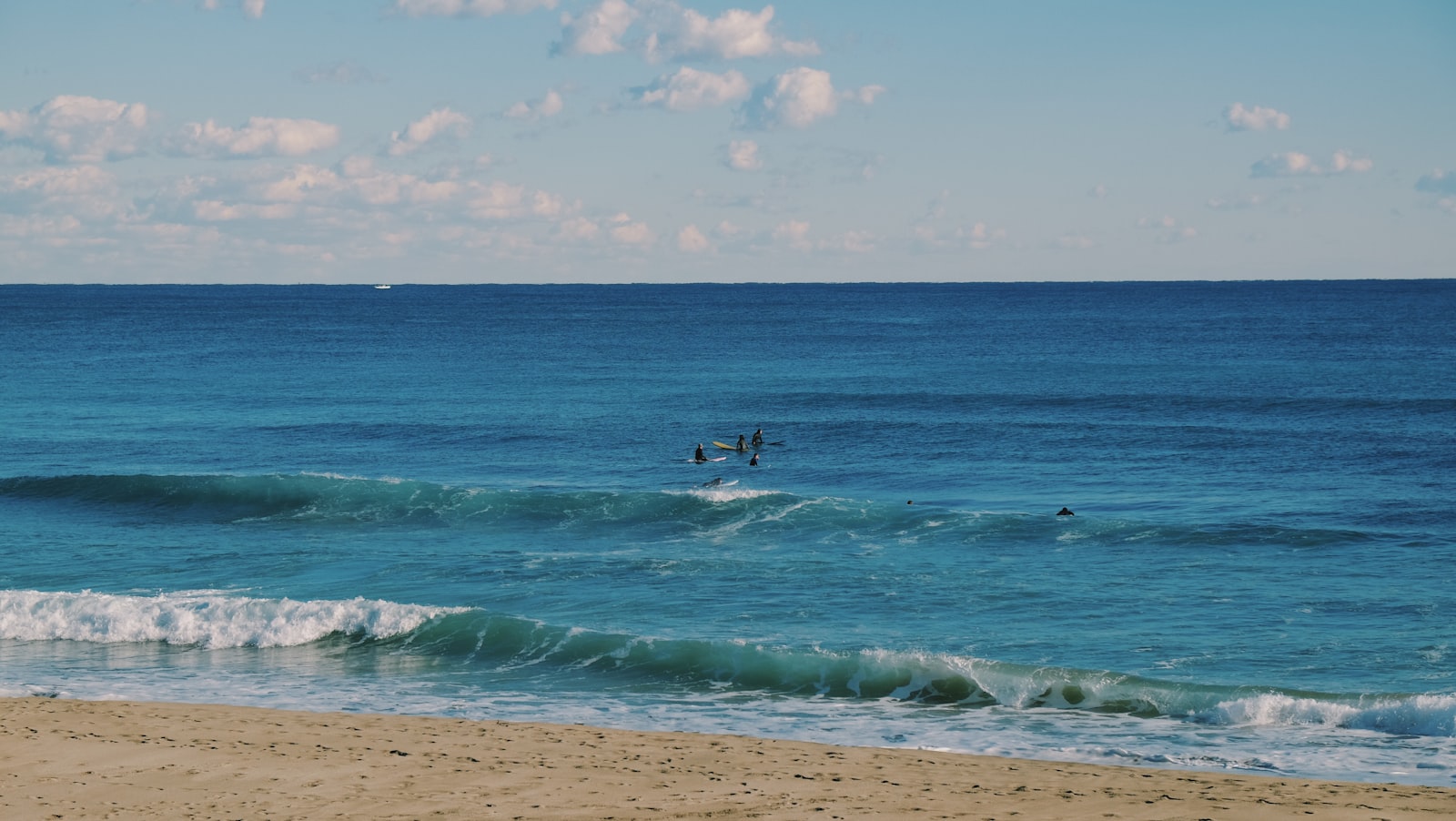
Japan is not the first place most people picture for surfing, but its long island coastline catches swell from every direction, and it hosted Olympic surfing for a reason. From consistent beach breaks an hour from Tokyo to tropical reefs in the far south, there is a surprising amount of good, varied surf.
The catch is timing — Japan’s best waves ride on typhoon swells and seasonal winds. Here is where to surf, when to go, and how to do it respectfully.
The Japanese Surf Scene
The scene is more developed and welcoming than outsiders assume.
World-Class Breaks
Japan’s coast delivers real quality, from Chiba’s Olympic-hosting beach breaks near Tokyo to the subtropical point breaks of Miyazaki in Kyushu. The range means there is something for every level and style, often within a manageable trip from a major city.
The Surf Culture
Japanese surf culture is friendly and well-established, with coastal surf shops, beach cafes, and tight-knit local lineups. As with anywhere, respect earns respect; approach local breaks humbly and you will find a warm scene. The infrastructure makes visiting straightforward.
Seasonal Swells
Japan’s waves are driven by weather — Pacific low-pressure systems, typhoons, and seasonal winds — so surf here means reading the forecast closely. The swell can switch on and off quickly, rewarding flexibility and a bit of chasing. Understanding the seasons is key to scoring.
Top Surf Destinations
Chiba
The Chiba peninsula, especially around Ichinomiya and the Olympic break at Tsurigasaki, offers Japan’s most consistent beach breaks roughly an hour from Tokyo. It is the country’s surf heartland and the easiest quality surf to reach from the capital, with a full surf-town infrastructure.
Shonan
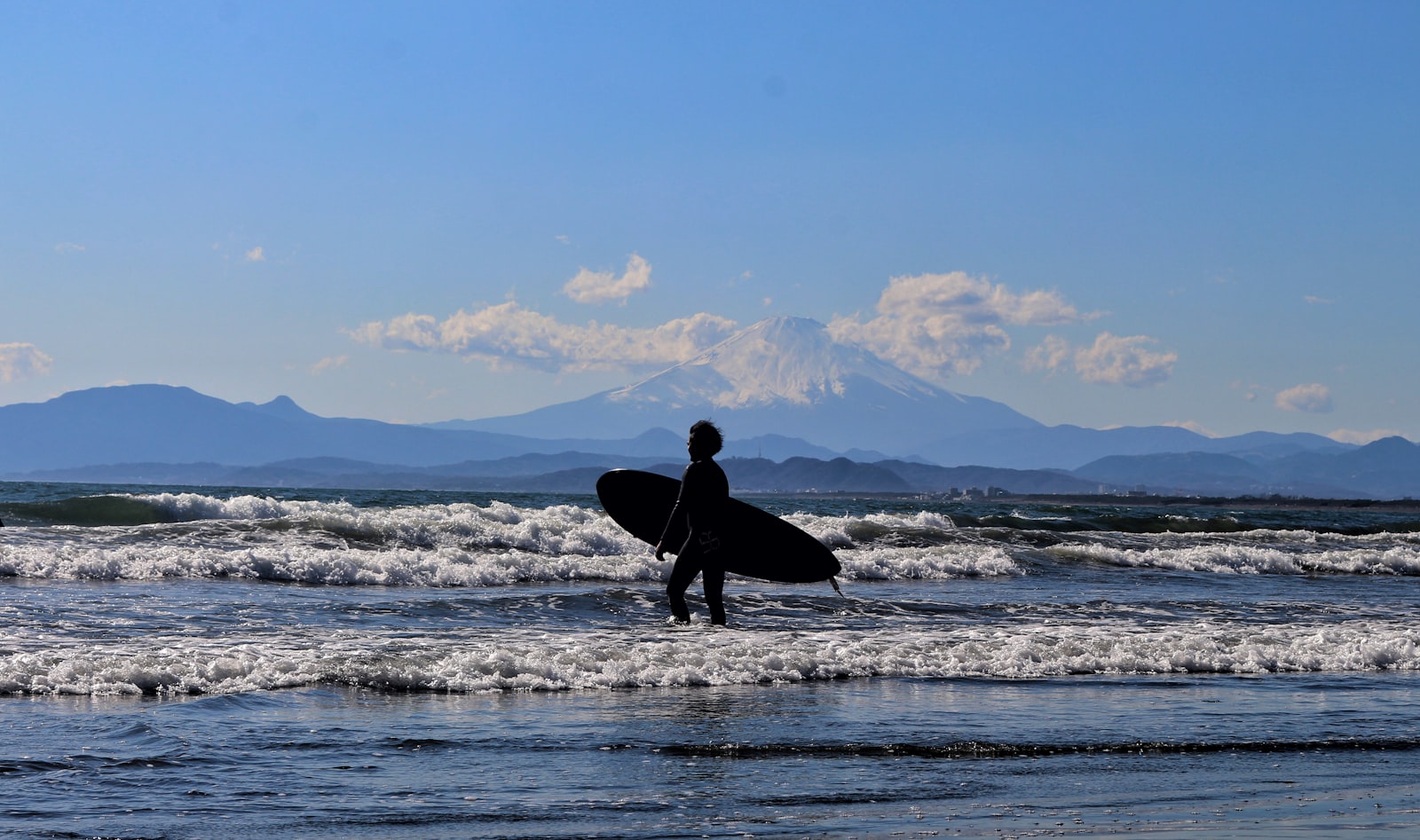
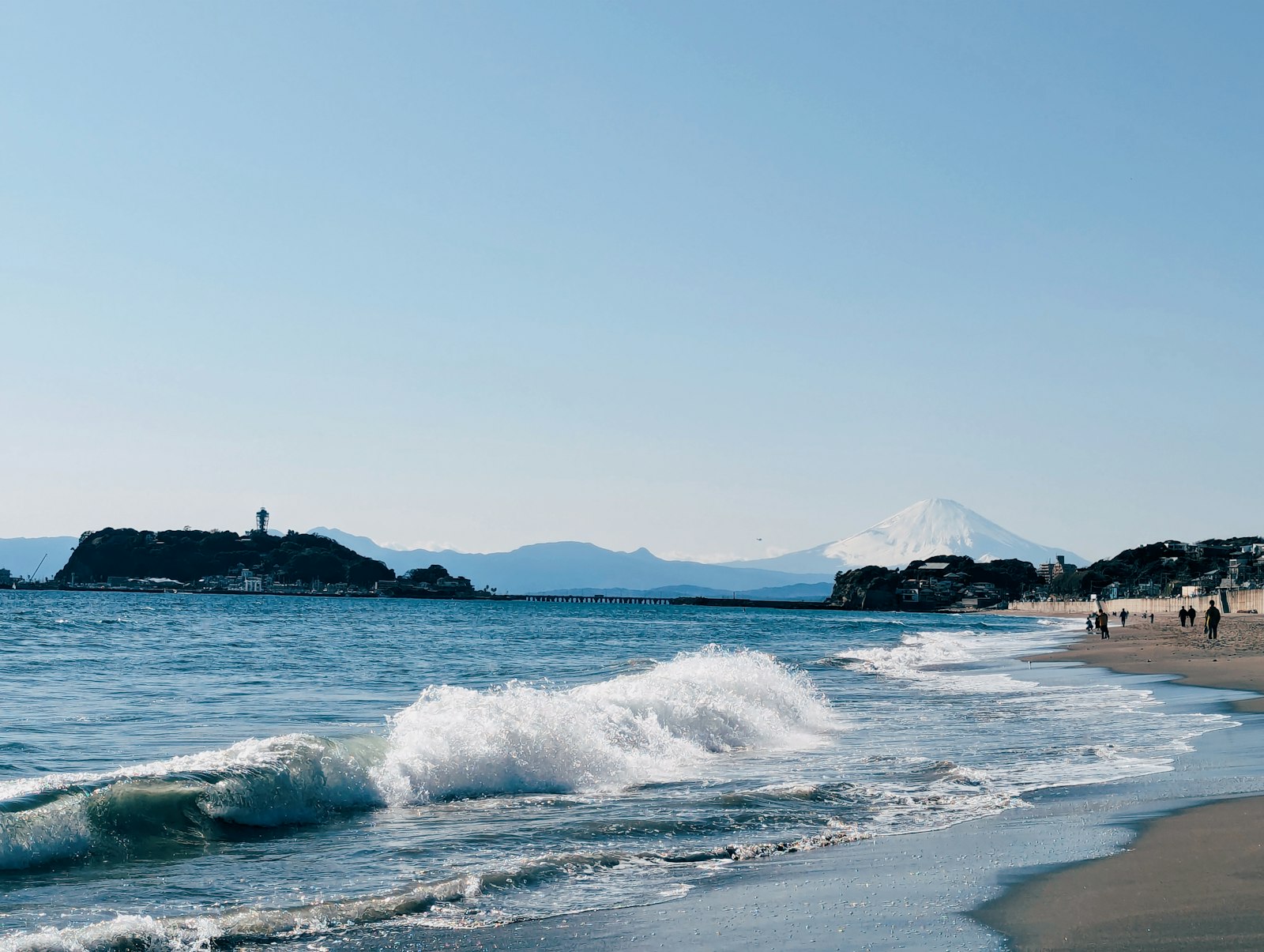
The Shonan coast near Enoshima is the classic Tokyo day-trip surf, mellow and beginner-friendly, sometimes with Mount Fuji on the horizon. It gets crowded and the waves are gentler than Chiba, but for an easy first surf near the city, it is ideal.
Miyazaki and Okinawa
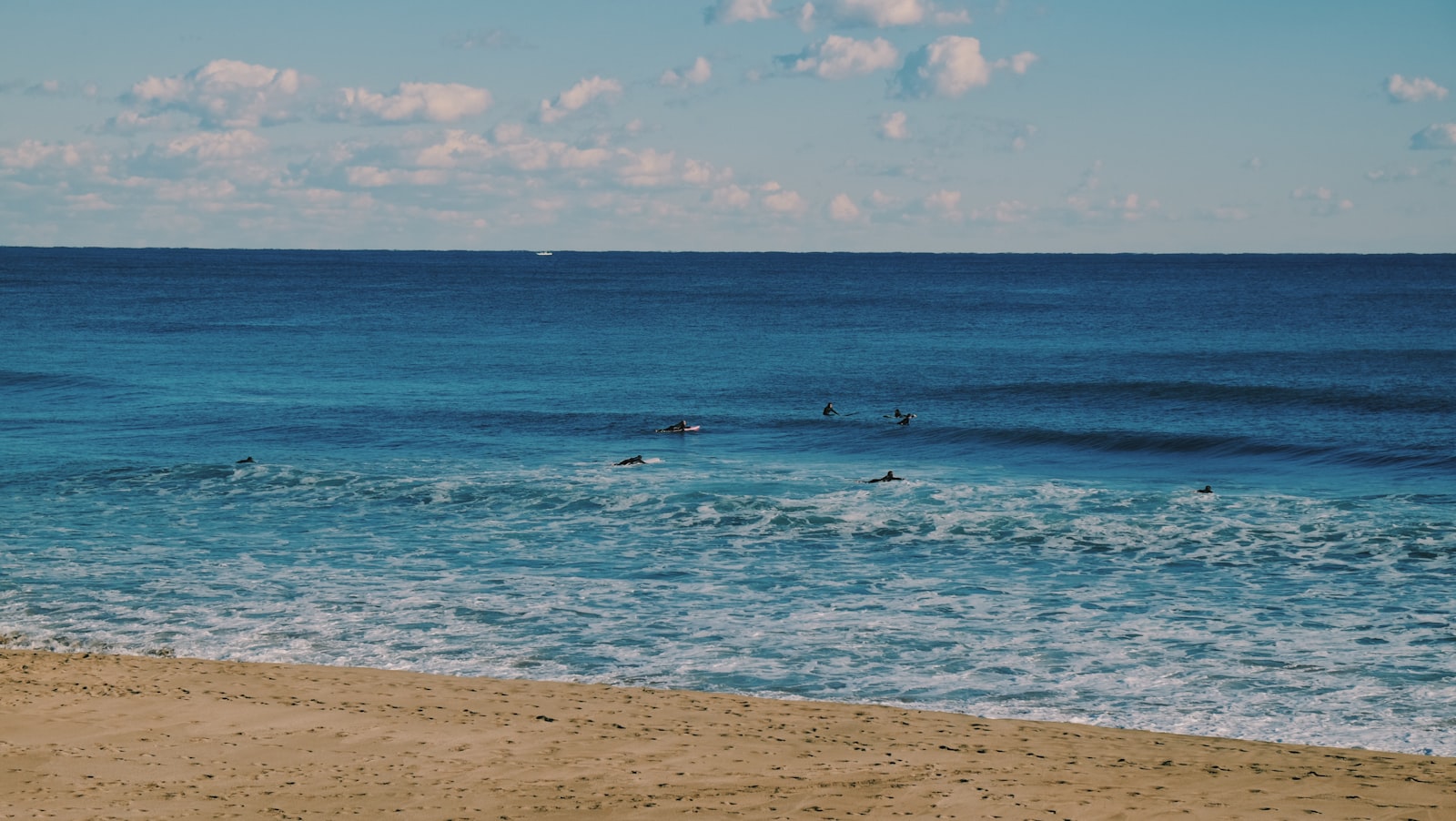
For warmer water and tropical waves, Miyazaki in Kyushu has excellent point breaks, and Okinawa offers reef breaks in subtropical seas. These southern spots trade the Tokyo convenience for warmth and, often, quality — worth the trip for a dedicated surf journey.
Typhoon Seasons and Swell Windows
Typhoon Season
Late summer through autumn, roughly August to October, is prime time, when typhoon swells send the biggest, best waves to Japan’s Pacific coast. Experienced surfers plan trips around these systems. Watch the storm tracks and be ready to move; the payoff is peak conditions.
Winter Swells
Winter brings cold northern winds that generate clean, consistent lines along coasts like Chiba and the Sea of Japan side. The water is cold and the crowds thinner; with the right wetsuit, winter offers quality waves for those who brave the chill.
Spring
Spring tends toward mellower, more forgiving waves, ideal for beginners and longboarders easing into the season. If you are learning or want relaxed sessions, the gentler spring conditions are the friendliest window.
Gear, Wetsuits, and Rentals
Choosing a Wetsuit
Water temperature swings hugely by season and latitude. Winter near Tokyo demands a thick wetsuit with boots and gloves, while a subtropical summer in Okinawa may need only a rashguard. Match your wetsuit to the season and region, and when renting, ask the shop what is appropriate for the day.
Renting Boards
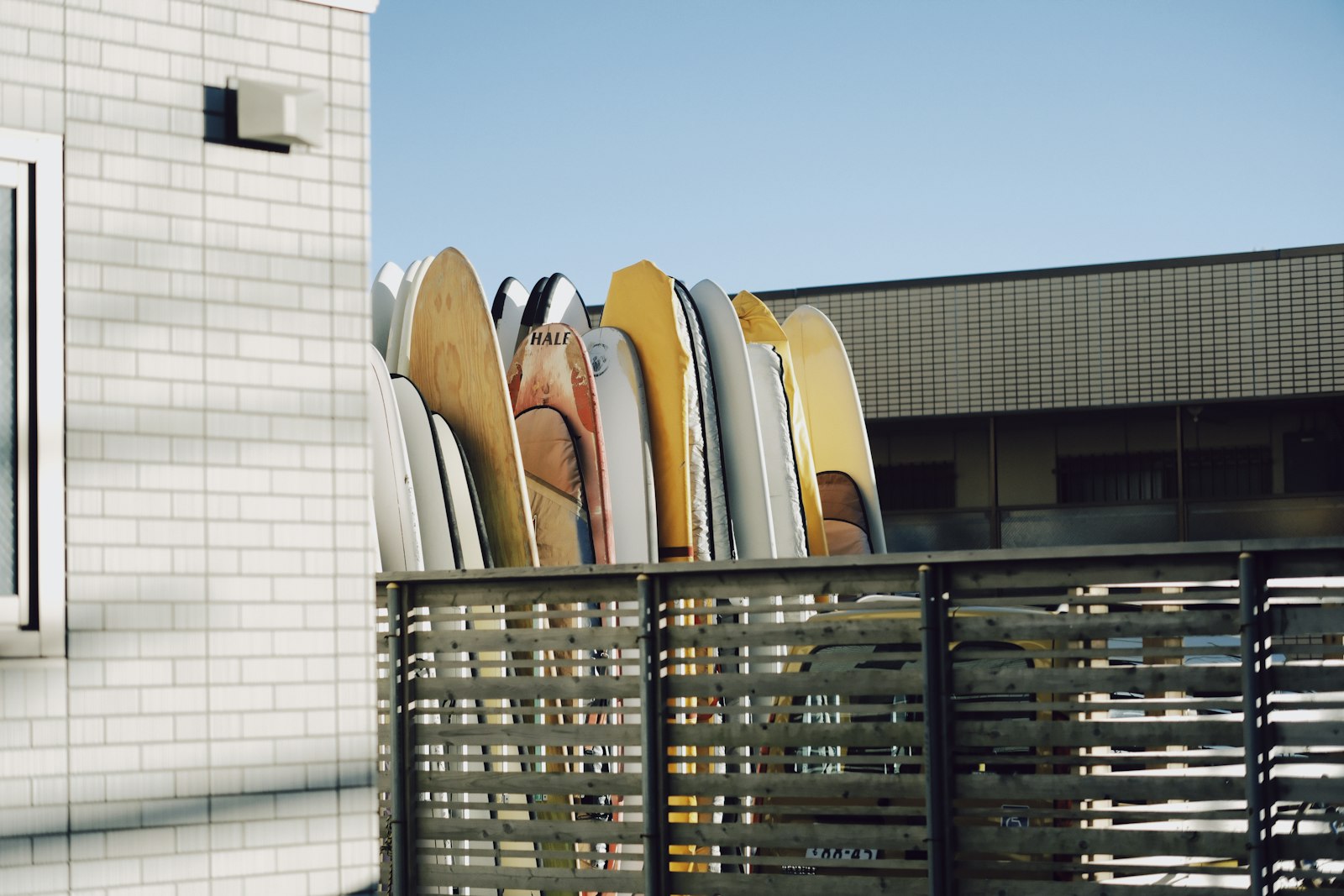
English-friendly surf rental shops line the coasts of Chiba and Shonan, making it easy to surf without bringing your own board. Renting locally is far simpler than traveling with a board, and shop staff can advise on the day’s conditions and spots.
Getting to the Waves
A rental car with roof racks is the most practical way to reach breaks and carry boards, especially for longboarders and for chasing swell between spots. Public transit works for some near-city breaks, but a car gives you the flexibility surf trips reward.
Lineup Etiquette
Respect the Locals
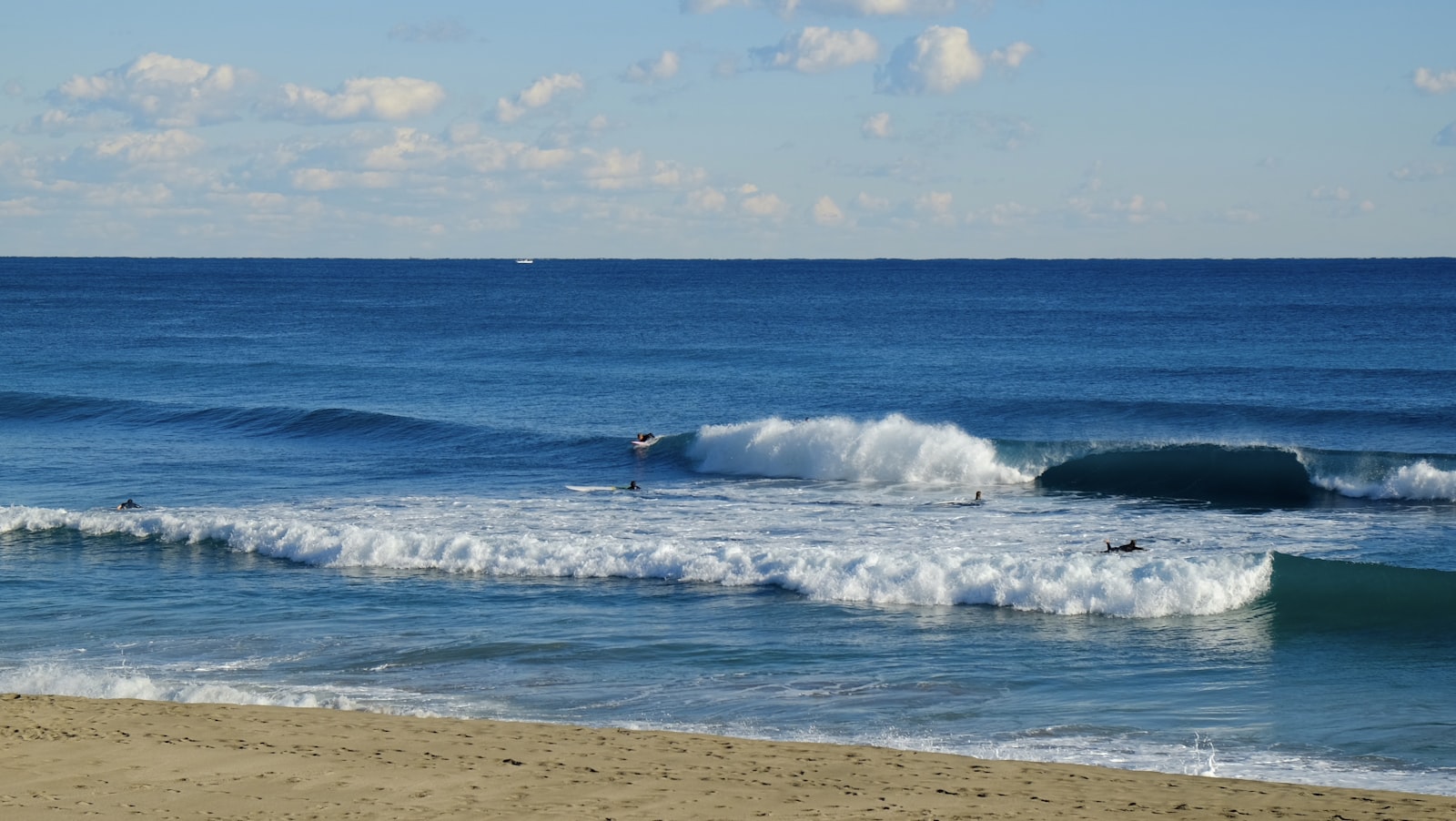
Local surfers have priority, especially at crowded point breaks, so do not drop in on their waves and wait your turn in the lineup. Surf etiquette is universal, and Japanese breaks value it highly. A humble, patient approach keeps you welcome.
Keep the Beach Clean
Park considerately, take all your rubbish, and respect the coastal areas and the communities around them. Japanese surf spots are kept clean, and visitors are expected to leave no trace. It is a small effort that maintains goodwill.
Know the Conditions
Check tides and, especially in Okinawa, be aware of shallow reef before paddling out, since reef breaks can be hazardous at low tide. Ask local shops about conditions and hazards for any unfamiliar spot. Local knowledge keeps you safe.
Expert Tip
Base a Tokyo surf trip around Chiba, not Shonan, if you actually want to surf. Shonan is closer and famous, but its waves are often small and its lineup packed. Chiba, only a little further, holds the region’s most consistent quality — the Olympic break is there for a reason. Rent from an English-friendly shop near Ichinomiya, check a typhoon-swell forecast in late summer, and you will find far better, less crowded waves within a day trip of the city.
Surfing in Japan: Frequently Asked Questions
Do I need a thick wetsuit near Tokyo in winter? Yes. Winter water near Tokyo is cold, so a thick full wetsuit, often with boots and gloves, is necessary to surf comfortably. Rental shops can supply the right thickness for the season.
Is public transit board-friendly? It is possible to reach some near-city breaks by train, but carrying a board on crowded trains is awkward and sometimes restricted. For a proper surf trip, a rental car with racks is far more practical.
Are there beginner surf schools with English instructors? Yes, especially around Shonan and Chiba, where surf schools cater to beginners and some offer English-speaking instruction. Book ahead and confirm English availability when you reserve.
Related Tours
Conclusion
Japan’s surf is a pleasant surprise: quality beach breaks near Tokyo, subtropical points in the south, and a friendly scene throughout, all driven by seasonal and typhoon swells. Time it right, dress for the water, and respect the local lineups.
Plan Your Japan Trip with Local Experts
Our team has guided 40,000+ travelers across Japan. Tell us about your trip and we’ll get back to you within 24 hours.