In this article:
- Principles of Traditional Architecture
- Master Joinery Without Nails
- Historic House Styles
- Modern Architectural Wonders
- Features You Will Encounter
- Japanese Architecture: Frequently Asked Questions
Introduction
Few countries express their values through building as clearly as Japan. A traditional room, with its tatami, sliding paper screens, and veranda opening to a garden, is a philosophy made physical — impermanence, flexibility, and closeness to nature. The same instincts run through its modern masters, who work in concrete and glass but chase the same light and calm.
Understanding a little of the vocabulary transforms how you see everything from a temple to a hotel lobby. Here is a guide to what you are looking at.
Principles of Traditional Architecture
A few core ideas underpin nearly all traditional building.
Wood, Not Stone
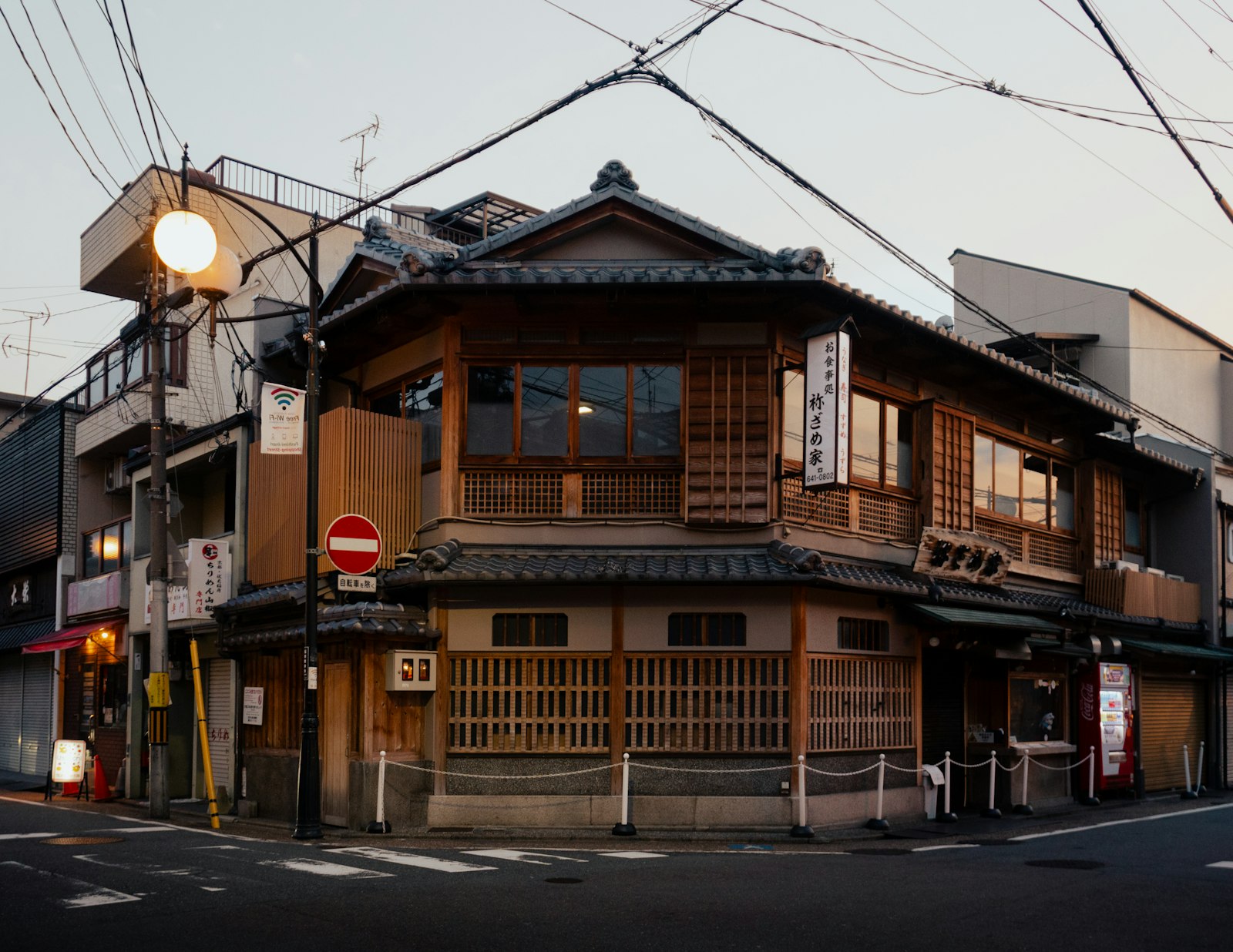
Traditional Japanese architecture is built primarily of wood, bamboo, and paper rather than the heavy stone of European tradition. Light, natural materials suit the climate and the frequent earthquakes, and they express a preference for the organic and the impermanent over the monumental.
Flexible Space
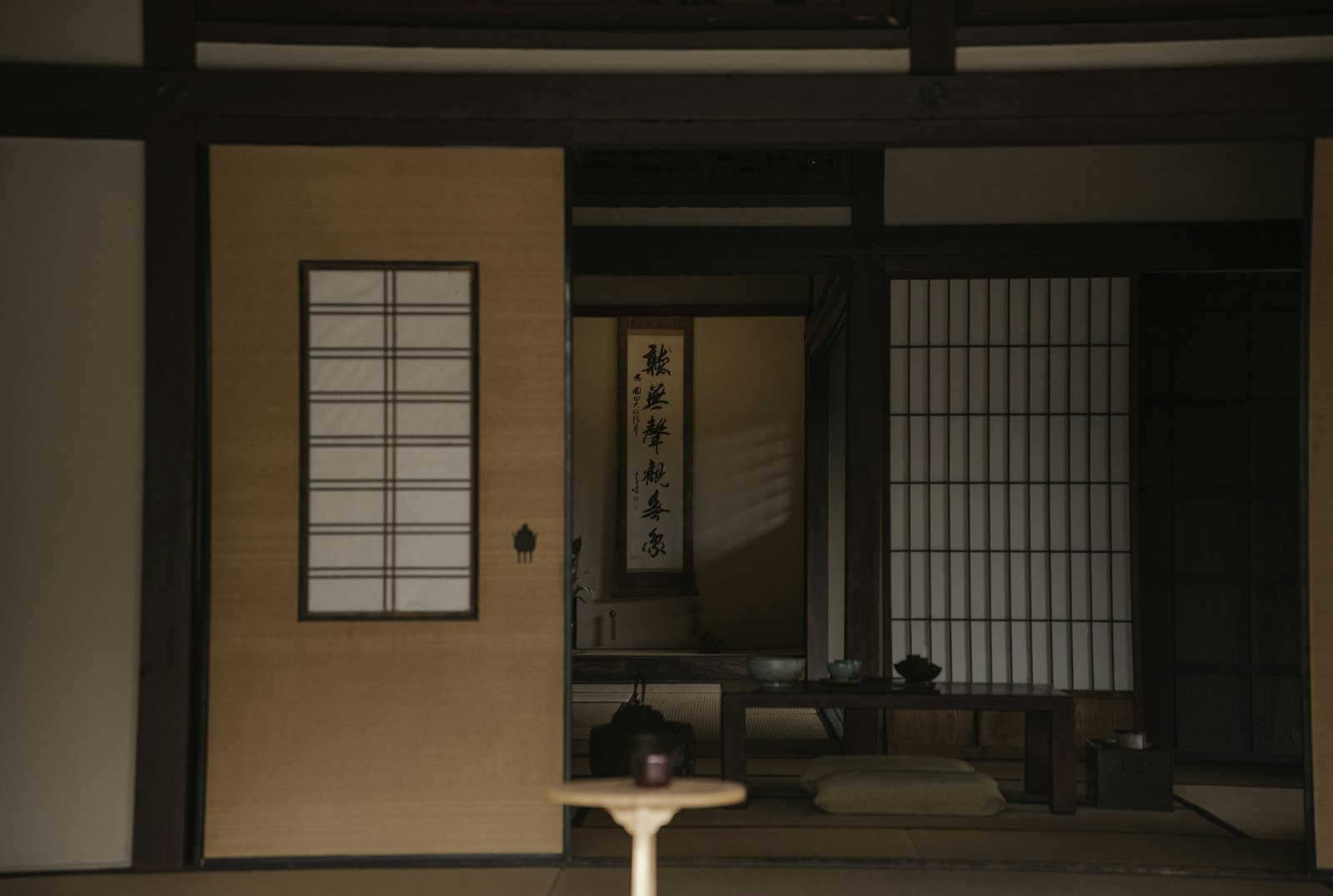
Interiors are defined by movable elements — sliding fusuma screens and tatami-mat floors — so a single space can shift from bedroom to dining room to gathering hall. This flexibility, rather than fixed-purpose rooms, is central to how traditional Japanese buildings live and breathe.
Filtering Light
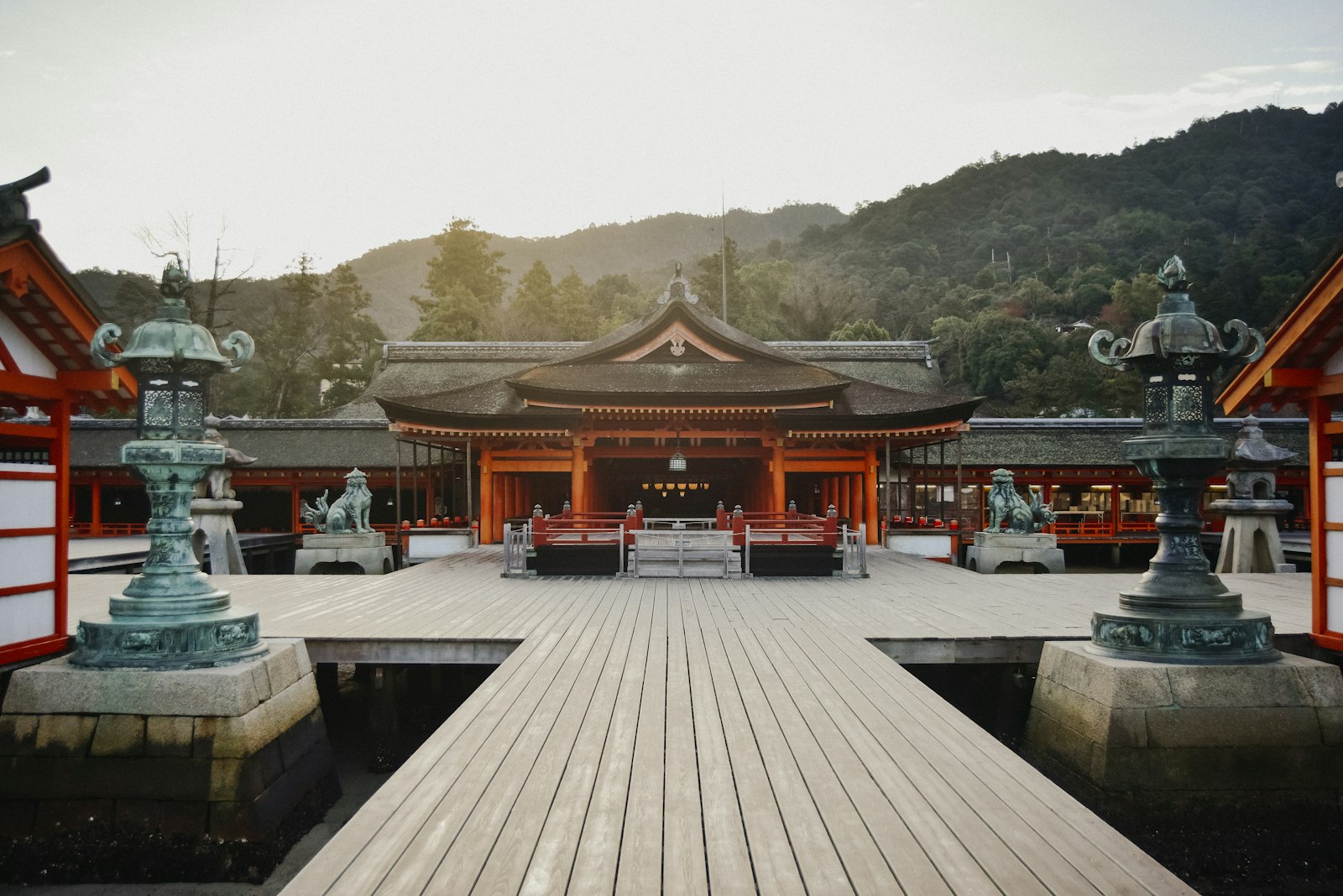
Deep eaves (noki) and paper screens filter harsh sunlight into a soft, diffuse glow and shelter interiors from rain. This careful management of light and shadow gives traditional rooms their distinctive, gentle atmosphere, a quality celebrated in Japanese aesthetics.
Master Joinery Without Nails
The Art of Kigumi
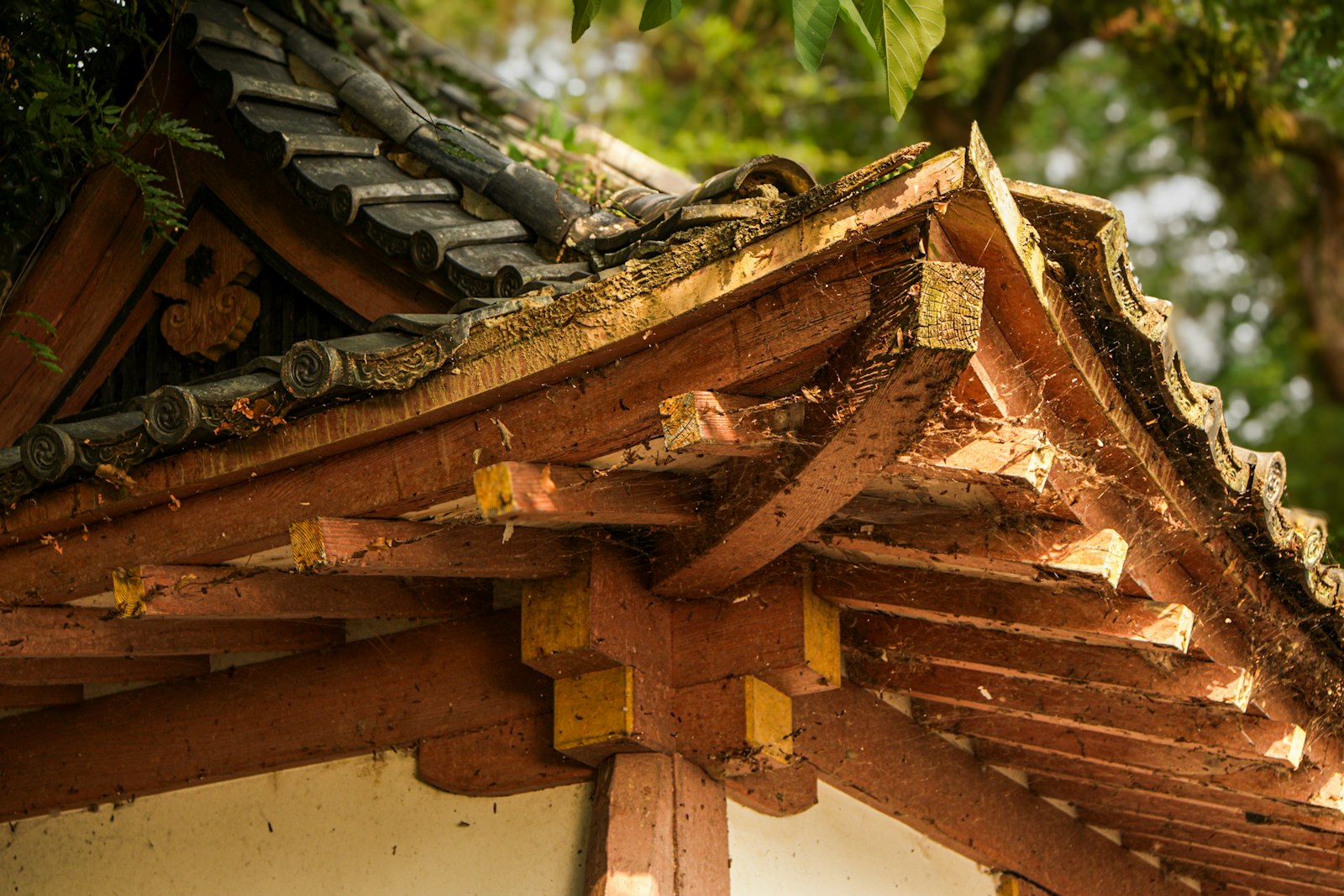
Traditional structures are assembled with kigumi — interlocking wooden joints cut so precisely that beams lock together without nails or glue. Beyond craftsmanship, this flexibility lets buildings sway and absorb earthquake energy rather than snapping, which is part of why they survive.
The Master Carpenters
Specialist temple carpenters (miyadaiku) preserve these ancient techniques, maintaining and rebuilding temples and pagodas using methods passed down over centuries. Their knowledge is a living heritage, and the precision of their work up close is astonishing.
Built to Endure
Because they are joined rather than glued, traditional timber structures can be carefully dismantled, repaired, and rebuilt, which is how some have endured for many centuries. This capacity for renewal is central to how Japan’s oldest wooden buildings have lasted.
Historic House Styles
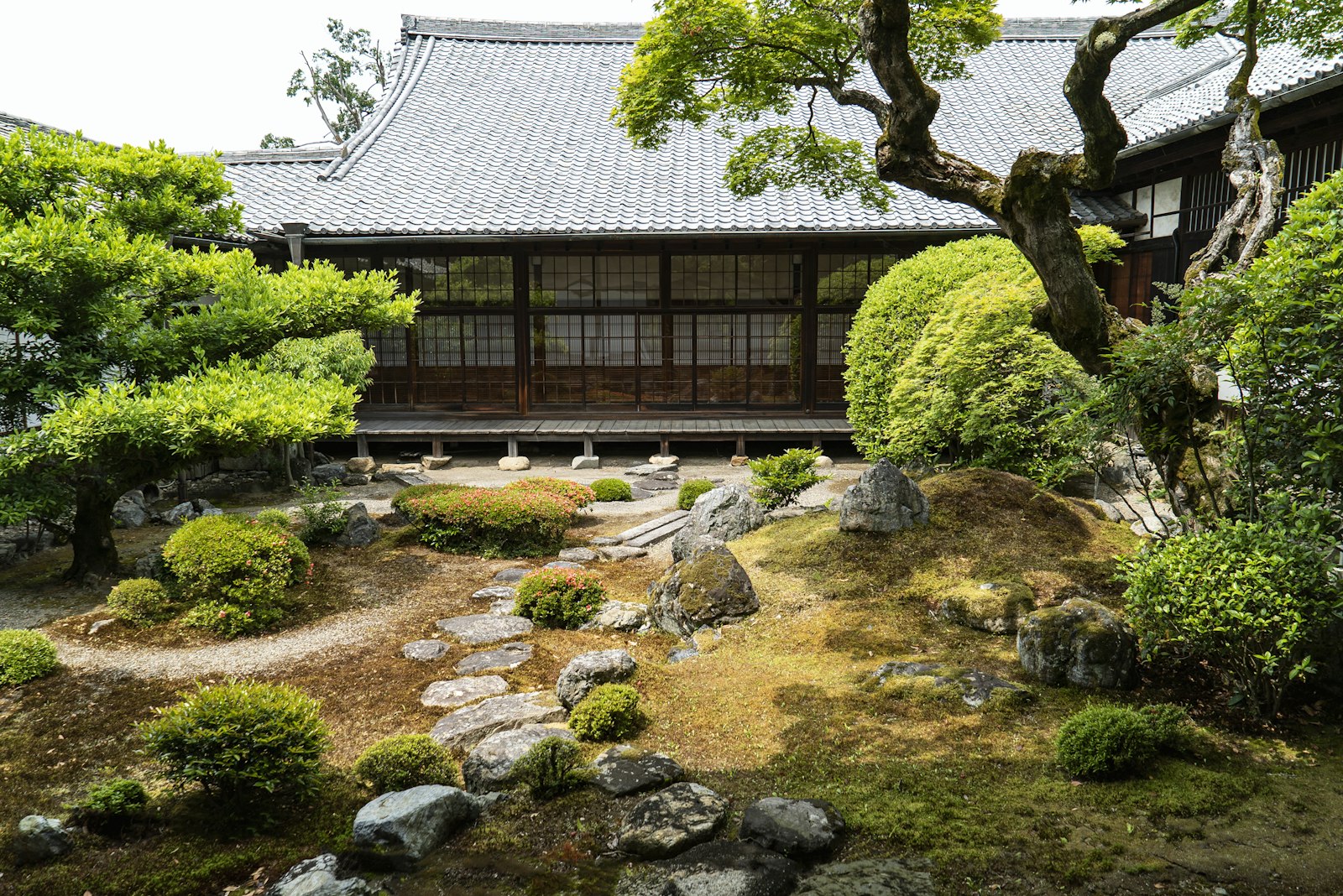
Kyoto Machiya
The machiya is the traditional wooden townhouse, long and narrow, often with a small interior courtyard garden (tsuboniwa) bringing light and greenery into the depth of the building. Kyoto preserves many, and stepping inside one reveals an ingenious response to a cramped urban plot.
Gassho-Zukuri
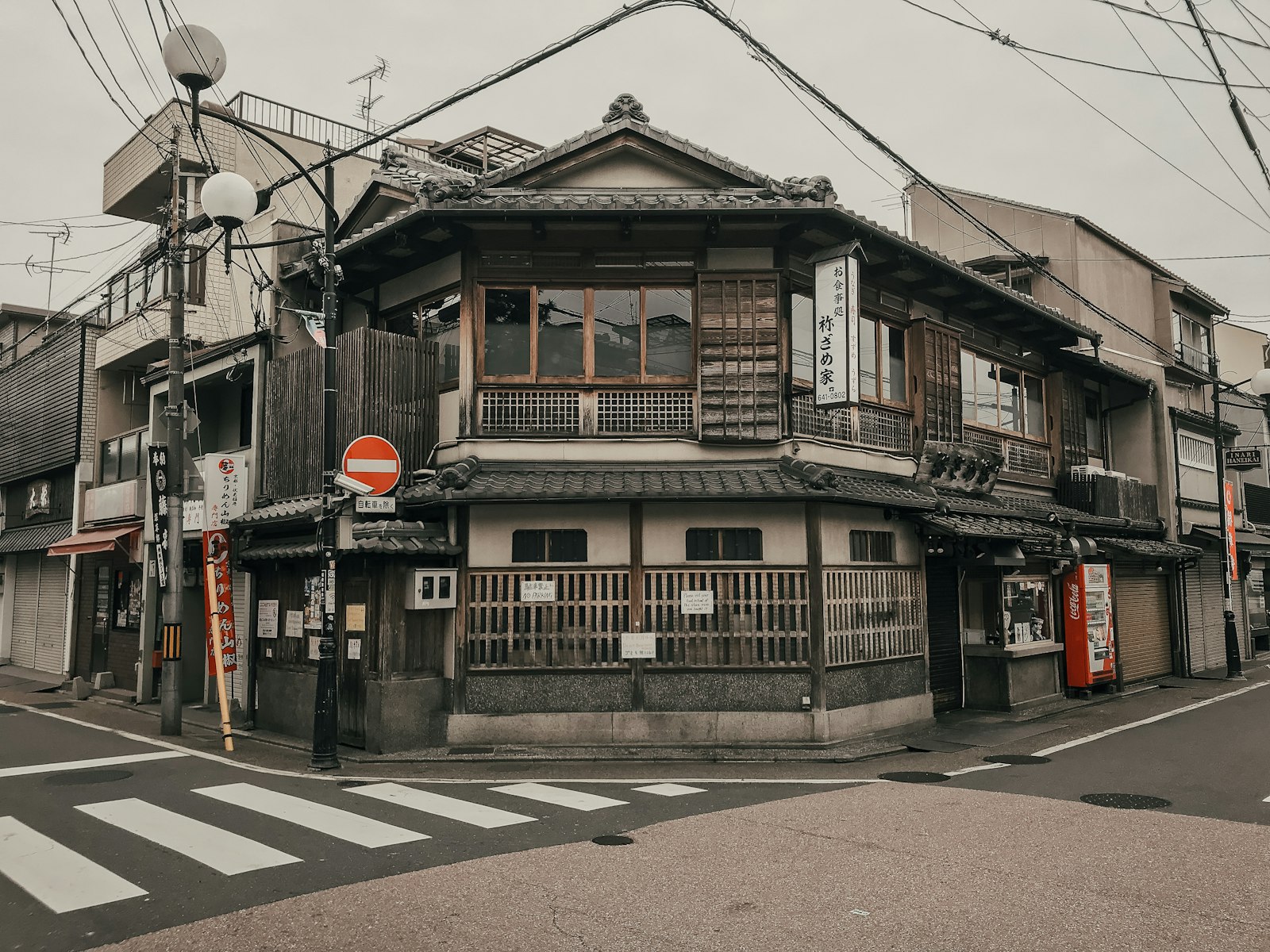
The gassho-zukuri farmhouses of snowy regions like Shirakawa-go have steep thatched roofs pitched to shed heavy snow, with vast attics once used for silk farming. Their dramatic form is a direct answer to a harsh climate, and among the most striking of Japan’s rural buildings.
Minka Farmhouses
Across the countryside, minka — traditional rural homes with clay walls, timber frames, and thatched or tiled roofs — reflect regional materials and needs. Many are preserved in open-air museums and villages, offering a look at everyday historic life.
Modern Architectural Wonders
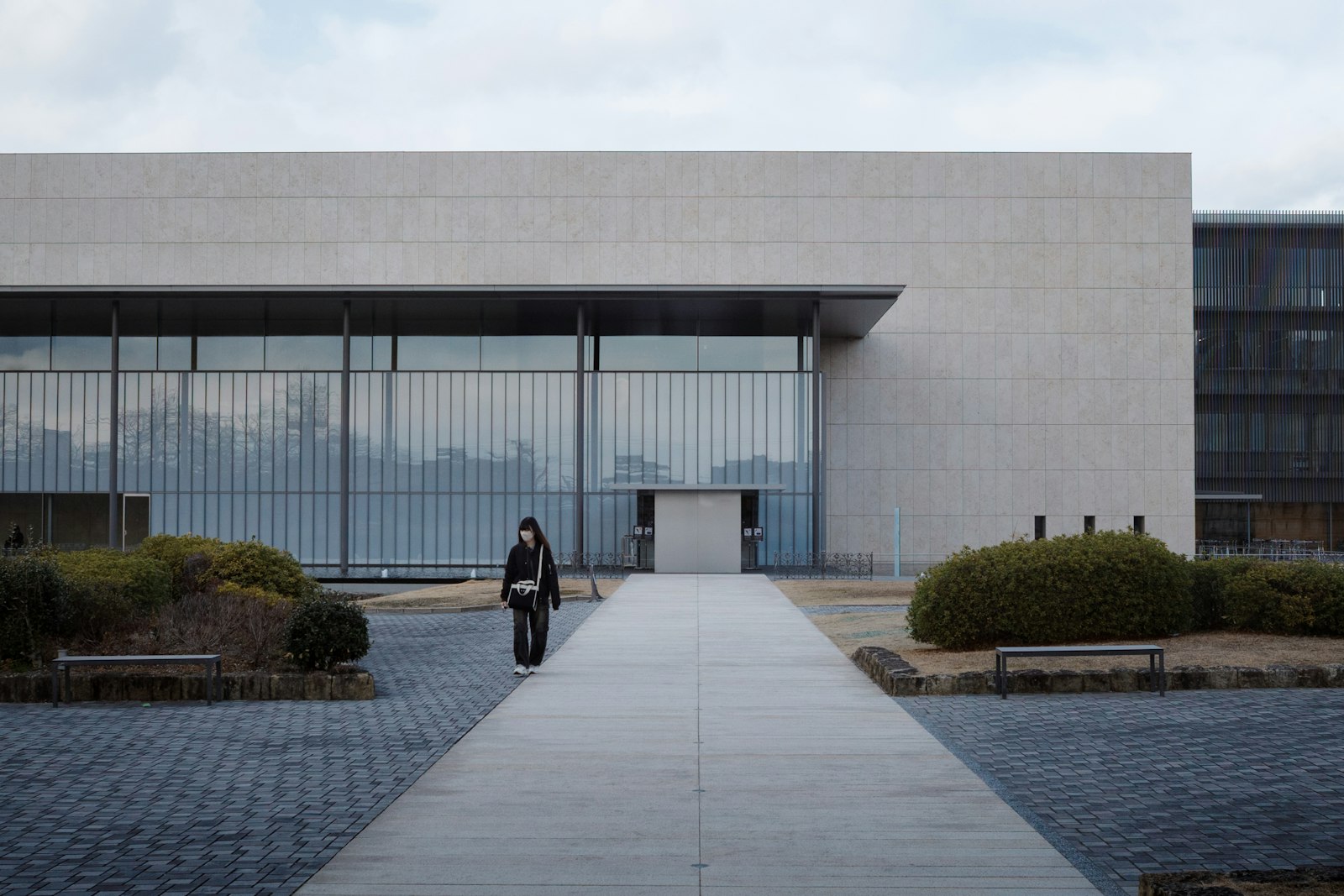
Tadao Ando
Tadao Ando is famous for his masterful use of smooth concrete, light, and water, from the retail folds of Omotesando Hills to the celebrated art sites of Naoshima. His spare, meditative spaces bring a traditional sense of calm and light into stark modern form.
Kengo Kuma
Kengo Kuma is known for blending natural wood and traditional craft with contemporary design, seen in works like the National Stadium. His architecture consciously reconnects modern building with Japan’s timber heritage, softening the modern with the natural.
SANAA, Toyo Ito, and Beyond
Japan’s other acclaimed architects — the studio SANAA, Toyo Ito, and their peers — have produced luminous glass-and-steel cultural landmarks admired worldwide. Seeking out their museums and public buildings reveals a country at the cutting edge of global architecture.
Features You Will Encounter
The Engawa
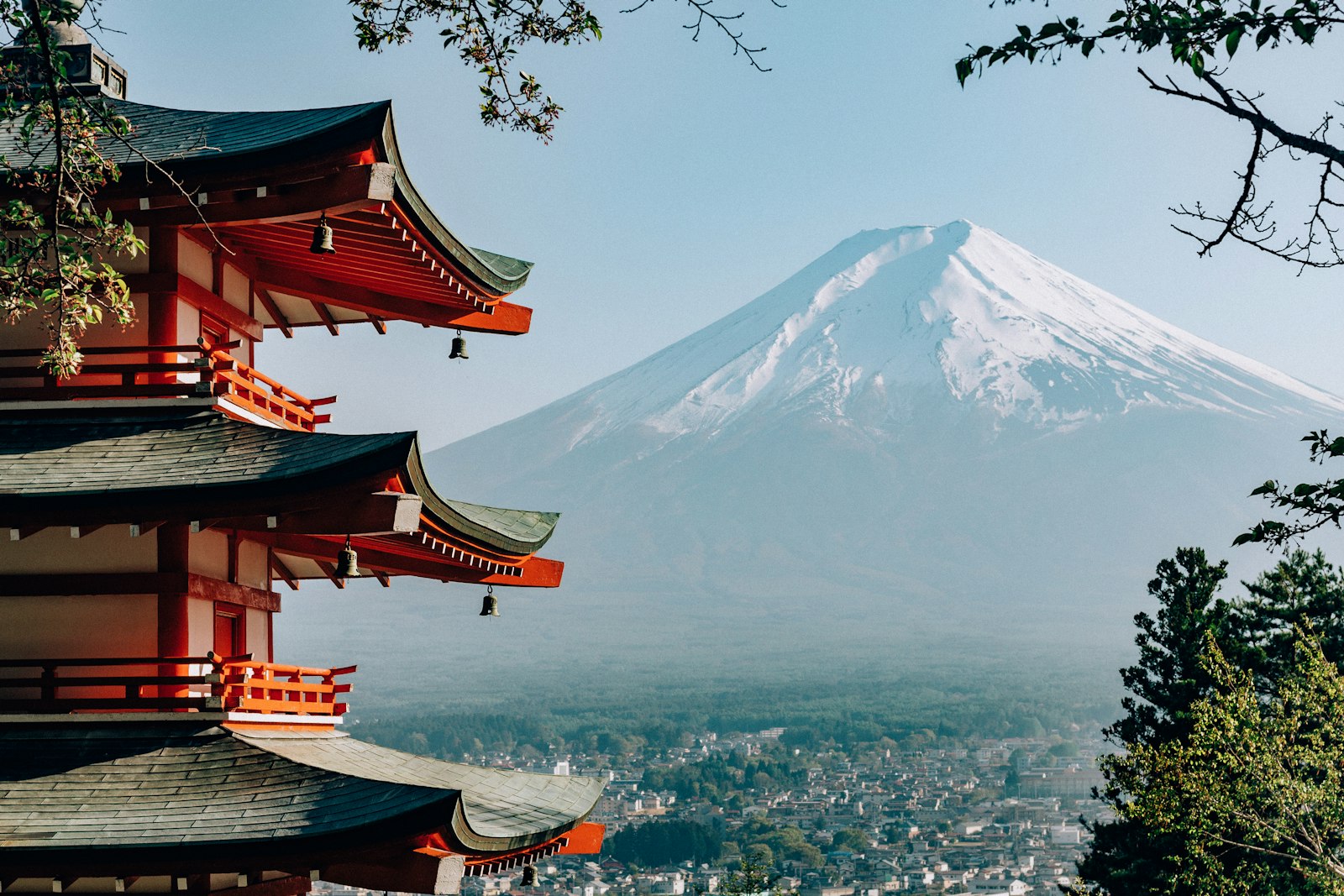
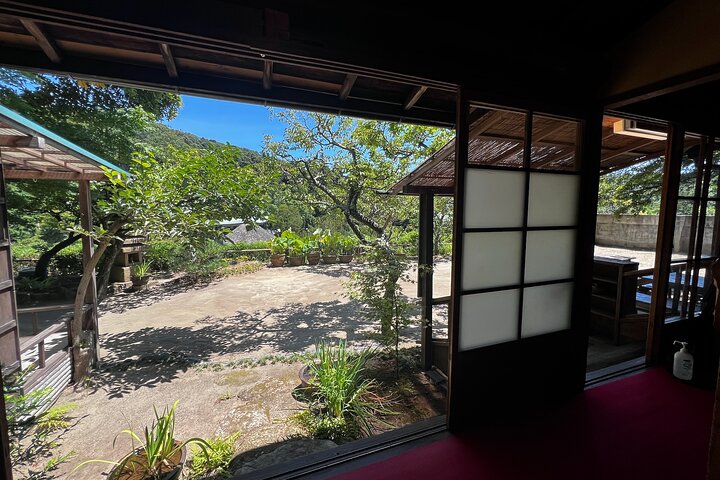
The engawa is a wooden veranda running along the edge of a traditional building, a transitional space between inside and the garden. Neither fully indoors nor out, it embodies the Japanese love of thresholds and the blurring of interior and nature.
Shoji and Tokonoma
Shoji are the translucent paper screens that diffuse light, and the tokonoma is a recessed alcove where a scroll or seasonal flower arrangement is displayed. Together they shape the aesthetic of a traditional room — soft light and a single, considered focal point.
The Genkan
The genkan is the recessed entryway where you remove your outdoor shoes before stepping up into the home. More than practical, it marks the threshold between the outside world and the clean, private interior, a distinction Japanese culture takes seriously.
Expert Tip
Book a night in a traditional machiya or ryokan to understand the architecture from the inside, not just on a tour. Reading about tatami, shoji, and the engawa is one thing; waking in a timber room as filtered light comes through paper screens, sliding open a door to a courtyard garden, teaches you what the design is actually for. A single night living in the architecture conveys more than any museum, and it is one of the most rewarding stays in Japan.
Japanese Architecture: Frequently Asked Questions
How do wooden pagodas survive earthquakes? Their flexible timber joinery and a central pillar system allow the structure to sway and dissipate seismic energy rather than resisting it rigidly and cracking. This centuries-old engineering is remarkably effective, and modern skyscrapers borrow from the same principle.
Where can I tour preserved machiya? Kyoto has the greatest concentration of preserved and restored machiya, some open as museums, shops, cafes, or accommodation, and other historic districts preserve them too. Staying in a machiya guesthouse is the most immersive way to experience one.
What is the significance of the genkan? The genkan marks the boundary between the outside world and the clean interior, where outdoor shoes come off. It reflects the deep cultural importance of cleanliness and the separation of public and private space in Japanese life.
Related Tours

Conclusion
Japanese architecture is a single conversation carried across a thousand years — nail-free temples and steep farmhouses answering the same questions of nature, light, and space that Ando and Kuma still ask in concrete and wood. Learn its vocabulary and every building you pass has more to say.
Plan Your Japan Trip with Local Experts
Our team has guided 40,000+ travelers across Japan. Tell us about your trip and we’ll get back to you within 24 hours.