In this article:
- Tokyo’s Michelin Map in 2026
- Choosing the Right Star for Your Trip
- How to Book a Michelin Table in Tokyo
- At the Table: Dress, Timing, and Etiquette
- Tokyo Michelin Star Restaurants: Frequently Asked Questions
Introduction
Most travelers planning a dinner at one of the Tokyo Michelin star restaurants start with the wrong question. They ask which is the finest. The better question is which one you can realistically book, for the night you are free, cooking the thing you came to Japan to eat.
Tokyo holds more stars than any city in the world, and the density changes how you should approach it. In Paris a starred dinner is an event you build a trip around. Here there are starred counters above convenience stores, in basements off side streets in Ginza, and behind unmarked doors in Nishiazabu. Many seat eight people. Some open their books on a single day each month, and the seats are gone within hours.
We book tables like these regularly for the travelers we work with, and the pattern is consistent. The people who eat well plan the reservation before they plan the rest of the week, and they are flexible about which star rather than fixed on one name. What follows is how to do that.
Tokyo’s Michelin Map in 2026
The current edition is the MICHELIN Guide Tokyo 2026, announced in late September 2025. It is the list that applies to any trip you take between now and early 2027.
The Numbers: 12 Three-Star, 26 Two-Star, 122 One-Star
The 2026 selection gives Tokyo 160 starred restaurants: 12 with three stars, 26 with two, and 122 with one. Beyond those sit more than a hundred Bib Gourmand addresses, the guide’s category for good cooking at moderate prices.
Numbers like these are easy to quote and harder to use. In practice, 160 restaurants means you do not need to chase the handful everyone has heard of. A one-star kappo counter in Kagurazaka that you can book for Thursday is a better dinner than a three-star name you spend three weeks refreshing a booking page for and never get.
The Twelve Three-Star Restaurants, and What They Cook
The three-star list is smaller and more stable than people expect. Six of the twelve are Japanese, five are French, and one is Chinese.
On the Japanese side: Azabu Kadowaki, Kagurazaka Ishikawa, Kanda, Japanese Cuisine Ryugin, Myojaku, and Harutaka, the only sushi counter at this level. Myojaku, in Nishiazabu, is the newcomer, promoted from two stars in the 2026 edition. The French restaurants are Gastronomy Joël Robuchon in Ebisu, Quintessence, L’Effervescence, L’Osier, and Sézanne. Sazenka in Hiroo is the Chinese restaurant, cooking Chinese technique with Japanese seasonal produce.
Several of these have held three stars for well over a decade. Kanda, Quintessence, and Joël Robuchon have been on the list since the first Tokyo guide. That continuity matters more than novelty. A restaurant that has held the rating that long is a safe dinner in a way a new promotion is not yet.
Why Some Famous Counters Are Not in the Guide
Visitors are often surprised that a few of the most famous sushi restaurants in the city do not appear at all. Sukiyabashi Jiro, which held three stars for years, was left out from the 2020 edition onward because it no longer took reservations from the general public. Michelin’s position was that a restaurant the public cannot book falls outside the guide’s scope.
That tells you something useful. The guide lists places you can, in principle, reserve. The counters that run entirely on regulars and introductions exist in a parallel world, and no amount of planning from abroad gets you in on your own. We would not build a trip around one.
Choosing the Right Star for Your Trip
Choose by cuisine first and by star count second. The difference between a two-star and a three-star dinner is smaller than the difference between kaiseki and a French tasting menu.
Japanese, French, or Sushi: Deciding What You Came For
For a first visit, we steer most travelers toward Japanese cuisine. Kaiseki is the one format you cannot replicate at home: a sequence built around a single week of the season, served in ceramics chosen for that course, in a room designed to be quiet. At a restaurant like Kagurazaka Ishikawa or Kanda, the meal is as much about pacing and restraint as it is about flavor.
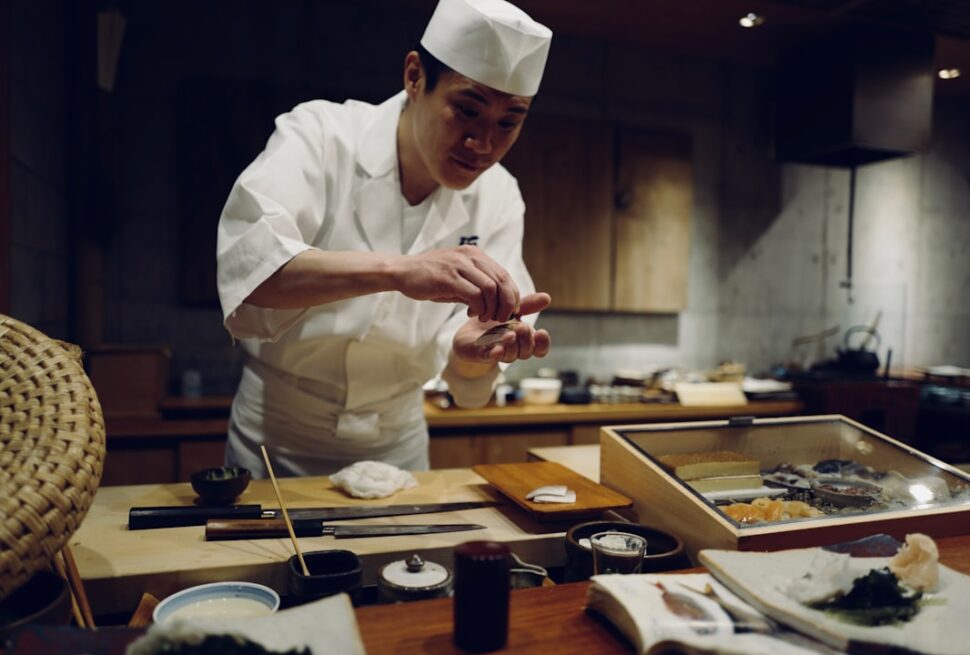
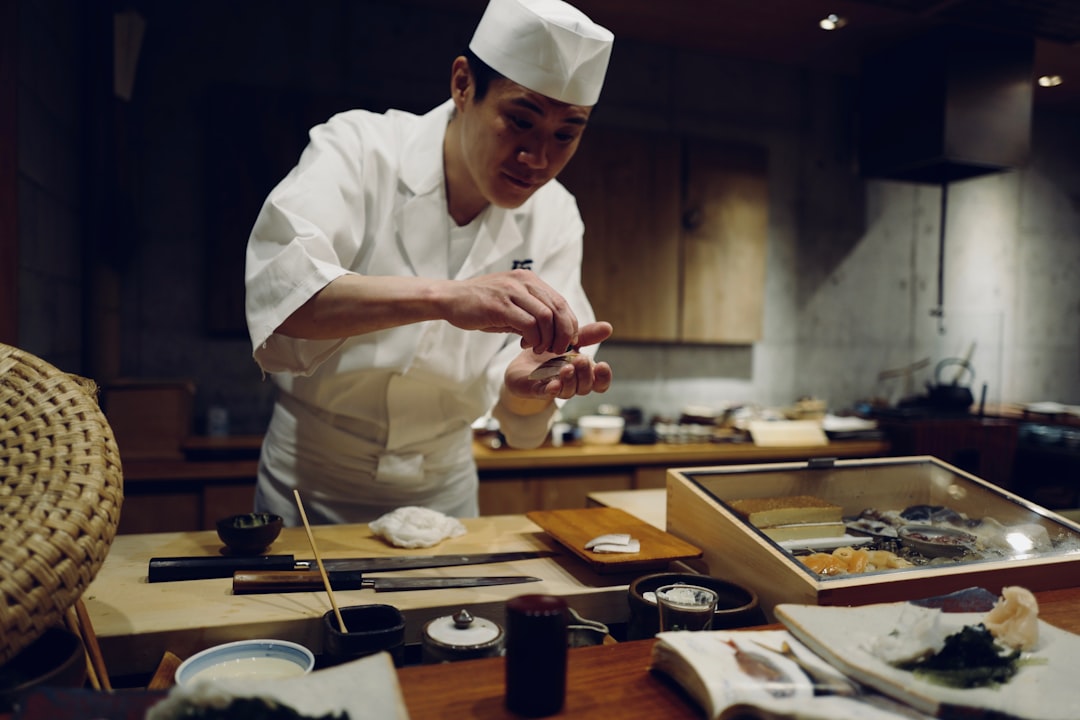
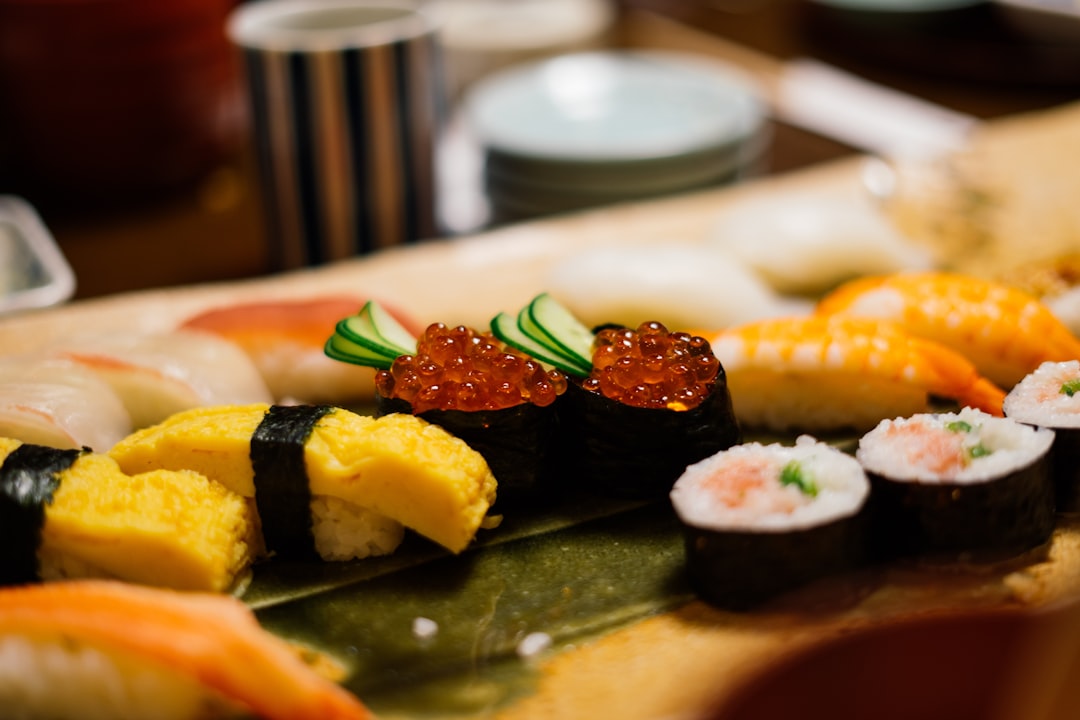
Sushi is the other obvious choice, and it is a different experience. You sit at the counter, the chef works in front of you, and each piece is handed over at the moment it is ready. Our guide to Tokyo omakase dining covers that world in more depth.
French in Tokyo is excellent, and the city’s French kitchens have a following of their own. Still, if you eat at serious French restaurants at home, we would spend the reservation on something you cannot get there.
Lunch as the Smarter Entry Point
Many starred restaurants in Tokyo serve lunch, and it is often the most sensible way in. The lunch menu is usually shorter and priced well below dinner, and lunch seats are frequently easier to secure.
It also suits jet lag. A long kaiseki dinner that starts at 7pm is hard work on your second night in Japan. A midday meal, eaten while you are alert, often leaves a stronger impression. Not every restaurant offers lunch, and some serve it only on certain days, so check the individual restaurant before planning around it.
One Star and Bib Gourmand: Where the Value Sits
The one-star list is where Tokyo’s depth shows. There are specialist tempura counters, soba restaurants, yakitori grills, and small kappo rooms where a single chef cooks for a handful of guests. Several are far easier to book than anything at three stars.
Bib Gourmand is worth a look for the other meals of your trip. It covers ramen, soba, tonkatsu, and neighborhood restaurants that locals queue for. A week in Tokyo that combines one serious starred dinner with a few of these tells you more about how the city eats than three tasting menus in a row.
Expert Tip
If a specific three-star restaurant is fully booked, ask the booking platform or your hotel concierge for its waiting list and a second-choice restaurant at the same time. Cancellations do reopen seats close to the date, and travelers with a flexible night, or a willingness to eat lunch instead, get those seats far more often than those holding out for one exact evening.
How to Book a Michelin Table in Tokyo
Booking is the whole game. The cooking at these restaurants is reliably excellent; the variable is whether you secure the seat.
Reservation Platforms and the Official Partner
Many starred restaurants now release seats through online reservation services with English interfaces. OMAKASE is the MICHELIN Guide’s official reservation partner in Japan, and it handles many of the high-end sushi and Japanese counters. TableCheck and Pocket Concierge cover others. Each restaurant chooses its own channel, so the first job is finding out which one your restaurant uses.
Timing matters more than the platform. Seats at the most sought-after counters open on a set schedule, often one or two months ahead, and they go quickly. Note the release date and time in Japan, convert it to your home time zone, and be at the screen when it opens.
Reserving by phone is still common, especially at older Japanese restaurants. Many of those will not take a call in English from an overseas number, which is where the next option matters.
Hotel Concierges and When They Help
The concierge desks at Tokyo’s luxury hotels book these restaurants constantly and know how each one prefers to be approached. If you are staying at one, contact the concierge as soon as your stay is confirmed, not after you arrive. Give them two or three restaurant names and a range of dates rather than one fixed request.
A concierge cannot manufacture a seat that does not exist. What they can do is reach restaurants that only book by phone, relay your dietary requirements in Japanese, and put you on a waiting list you would not otherwise know about.
Cancellation Policies and Dietary Requirements
Expect a strict cancellation policy and a credit card held against the booking. At many high-end counters, cancelling within a few days of the meal means paying for most or all of it. With eight seats and ingredients bought for each guest, an empty chair is a real loss, and restaurants price that in. Read the policy before you confirm.
Dietary needs must be declared at the time of booking, not at the table. A kaiseki kitchen plans each course days ahead, and a same-day request for no shellfish may not be possible. If you have allergies, our guide to food allergies in Japan explains how to communicate them clearly. Strict vegan requirements are difficult at most traditional Japanese restaurants, because dashi made from fish runs through nearly everything.
At the Table: Dress, Timing, and Etiquette
Once you are seated, the rules are fewer than people fear. The restaurant expects foreign guests and wants you to enjoy the meal.
Arrive on Time, Not Early
Punctuality matters more here than anywhere else in your trip. At a counter where every guest starts together, a late arrival holds up the room. Aim to arrive five minutes before your booking, and allow for the fact that many of these restaurants are hard to find, with small signs or none at all.
Dress is smart casual at most places. Some French restaurants expect a jacket for men, so check when you book. Leave shorts and flip-flops at the hotel.
Fragrance, Photos, and the Counter
Skip strong perfume or cologne, especially at sushi and kaiseki counters. The food is delicate, the room is small, and scent carries. This is one of the most commonly cited points of etiquette at high-end Japanese restaurants, and chefs do notice.
On photography, ask first. Many restaurants are happy for you to photograph the food; some prefer no photos of the chef or other guests, and a few ask for no photos at all. At a sushi counter, eat each piece soon after it is placed in front of you rather than stopping to photograph every one.
Beyond that, follow the chef’s lead. If a piece is already seasoned, you will be told not to add soy sauce. For wider context, our guide to dining rules and etiquette in Japan covers the basics that apply everywhere.
Kagurazaka and Evenings Beyond the Guide
The Michelin list is not the whole of fine dining in Tokyo. Some of the city’s most traditional rooms, the old ryotei, operate on introductions rather than reservations and never appear in any guide.
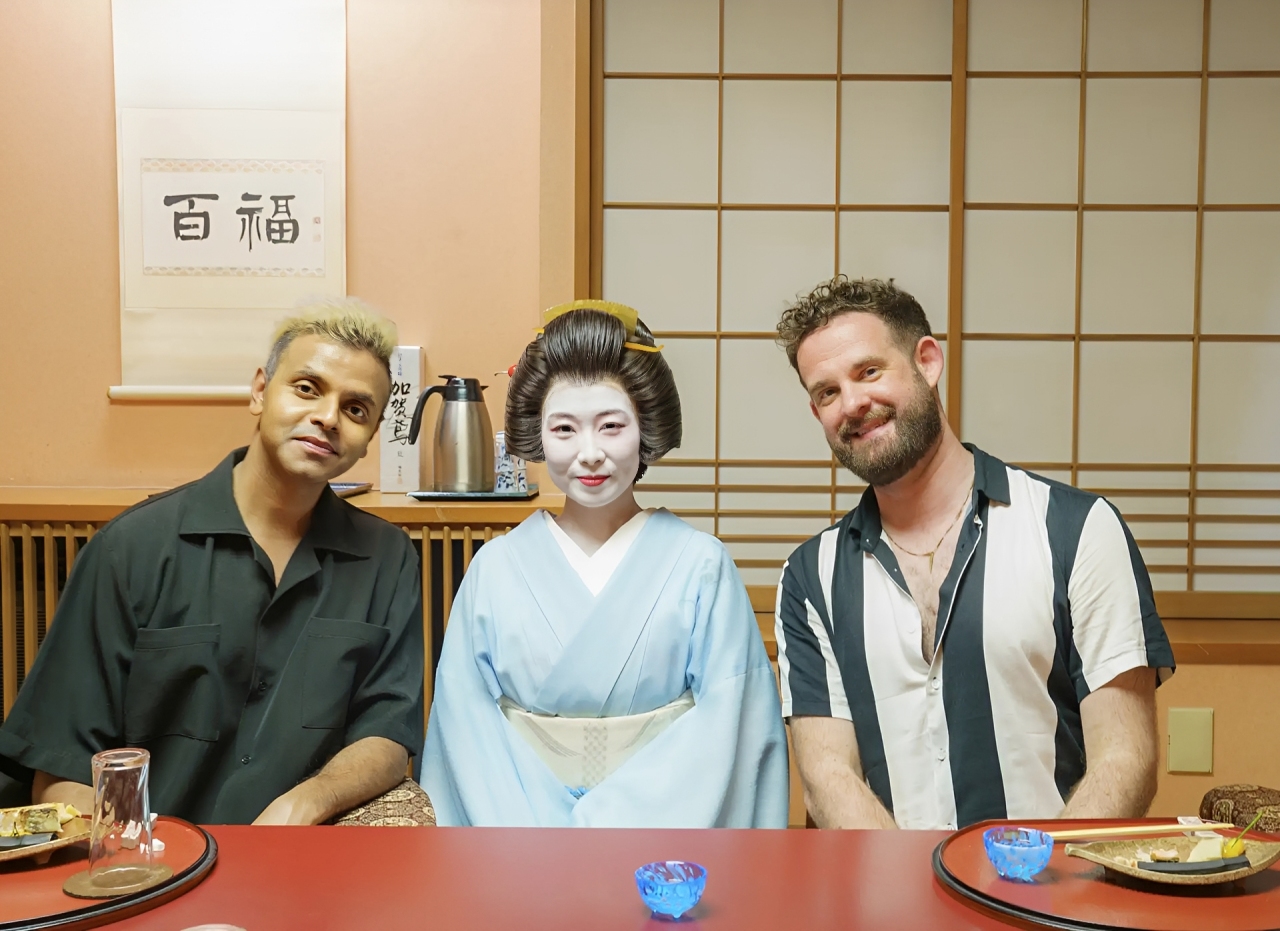
Kagurazaka is a good example. It is the neighborhood of Kagurazaka Ishikawa, and it is also Tokyo’s own geisha quarter, where cobbled lanes run off the main slope and the ryotei keep their doors shut. On our geisha dinner in Kagurazaka, guests eat a full kaiseki course in a members-only ryotei while a geisha dances, plays, and talks with them, with a guide interpreting throughout. For many travelers it answers a question the Michelin Guide cannot: what a formal Japanese dinner feels like in a room that does not take walk-ins at all.
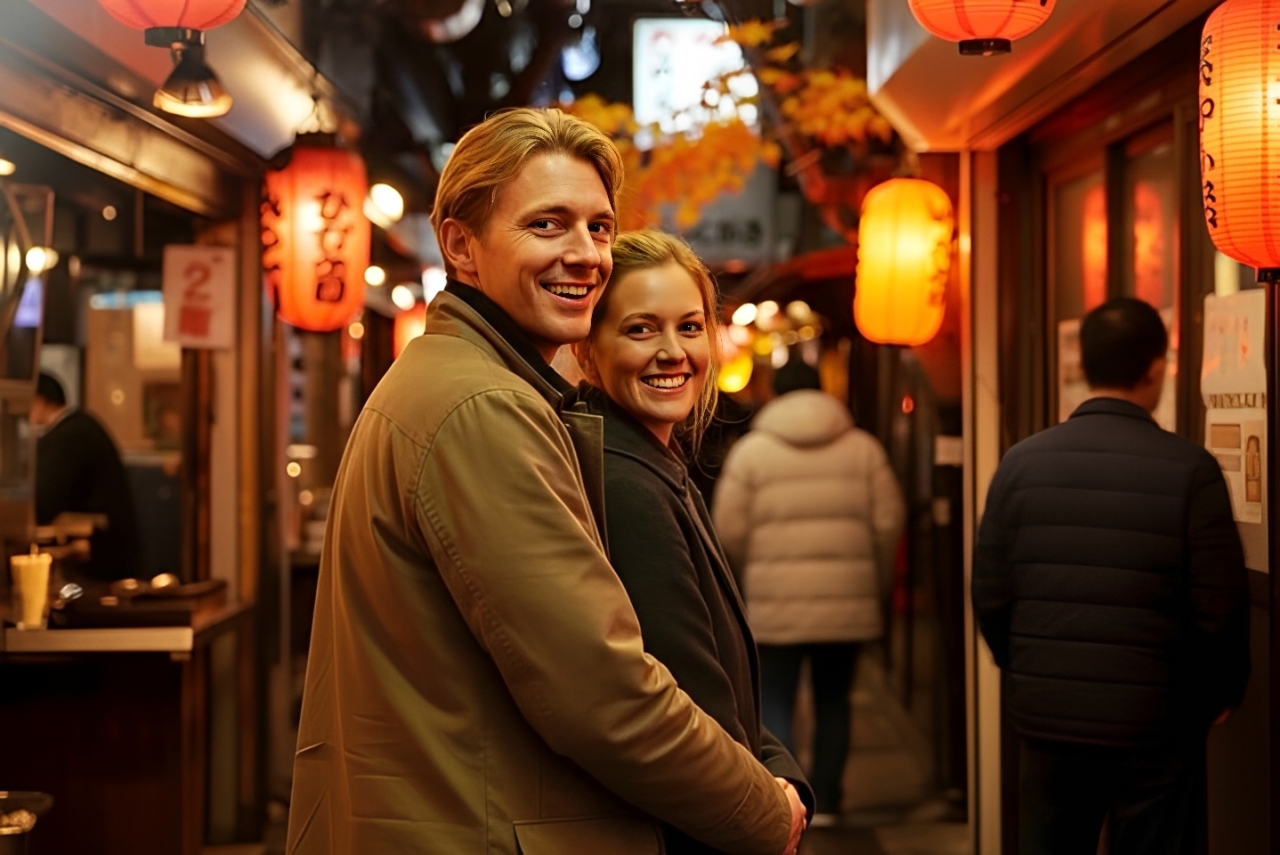
At the other end of the scale, the counters of Omoide Yokocho in Shinjuku are where much of Tokyo actually eats after work. We think a trip is better balanced with both. A three-star kaiseki dinner makes more sense after a night of yakitori and draft beer under the tracks than it does on its own.
Expert Tip
Book your starred dinner for the middle of your stay rather than the first or last night. On the first night, jet lag blunts a long tasting menu. On the last, packing and an early flight cut the evening short. Nights three to five, when you are adjusted and still unhurried, are when these meals land best.
Tokyo Michelin Star Restaurants: Frequently Asked Questions
How far ahead should I book a three-star restaurant in Tokyo?
As early as the restaurant allows, which is often one to two months ahead. Top sushi counters can fill within hours of opening their books. Find out which platform or channel the restaurant uses as soon as your dates are fixed, note the release date, and have a second choice ready.
Can I walk in to a Michelin-starred restaurant in Tokyo?
At almost all starred restaurants, no. They work by reservation, cook for a fixed number of guests, and buy ingredients accordingly. Some Bib Gourmand places, particularly ramen and soba shops, do take walk-ins and queues, but for anything with a star, assume you need a booking.
When is the next Michelin Guide Tokyo published?
The MICHELIN Guide has announced that its 2027 selections for Tokyo, Kyoto-Osaka, and Nara will be unveiled together in February 2027, marking twenty years of the guide in Japan. Until then, the 2026 edition is the current list. If your trip falls after the announcement, check the new selection before booking, since promotions and new entries tend to become harder to reserve immediately.
Related Tours

Conclusion
Start with the reservation, not the restaurant name. Decide what you want to eat, pick three restaurants rather than one, find out how each takes bookings, and put the release dates in your calendar before you book flights around them.
If you are unsure where to begin, choose a one- or two-star Japanese restaurant at lunch, in the middle of your stay. It is easier to book, gentler on jet lag, and it will show you why Tokyo’s kitchens hold the reputation they do. Spend the other evenings eating the way the city eats every night, and the starred meal will make more sense for it.
Plan Your Japan Trip with Local Experts
Our team has guided 40,000+ travelers across Japan. Tell us about your trip and we’ll get back to you within 24 hours.