In this article:
- What “Edomae” Actually Means
- From Street Stall to Counter
- The Work Behind Each Piece
- Eating at an Edomae Counter
- Edomae Sushi: Frequently Asked Questions
Introduction
The piece of edomae sushi that surprises our travelers most is rarely the tuna. It is a small, silver-skinned slice of gizzard shad, cured in salt and vinegar. It has a sharpness that cuts straight through the rice. Most people have never eaten anything like it at a sushi restaurant at home.
That piece, called kohada, explains the whole style. Edomae sushi is Tokyo’s own tradition of nigiri. It grew up in a city with no refrigeration, where chefs had to cure, marinate, or simmer fish to last the day. The techniques that began as necessity became the craft. Today they are the reason a counter in Ginza tastes different from a conveyor-belt shop anywhere else in the world.
For travelers who plan a serious sushi meal in Tokyo, understanding this changes what you notice. You stop judging a counter by the size of its tuna. You start paying attention to the rice and the vinegar. You also notice the quiet work done hours before you sat down. Here is what the word means, where the style came from, and how to eat it well.
What “Edomae” Actually Means
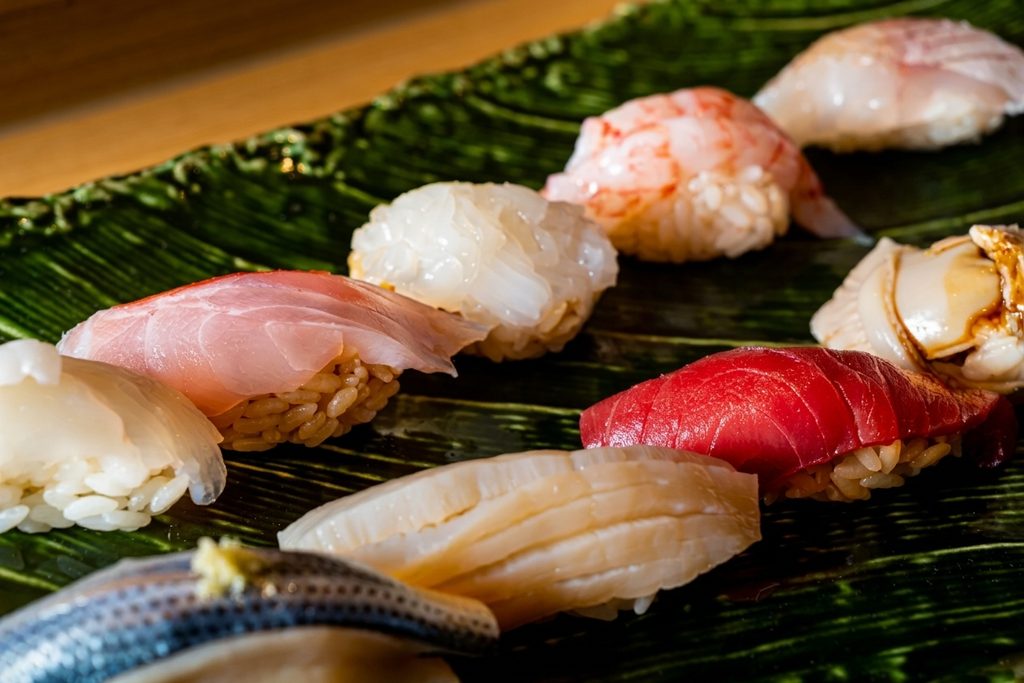
Edo was the name of Tokyo until 1868, and “mae” means “in front of.” Put together, the word carries two meanings at once, and both matter.
The Sea in Front of Edo
The literal meaning is geographic. Edomae referred to the waters in front of the city. It meant the part of what is now Tokyo Bay that lay before Edo Castle. It also referred to the fish and shellfish taken from those waters. Gizzard shad, conger eel, icefish, prawns, clams, and mackerel all came from those shallows.
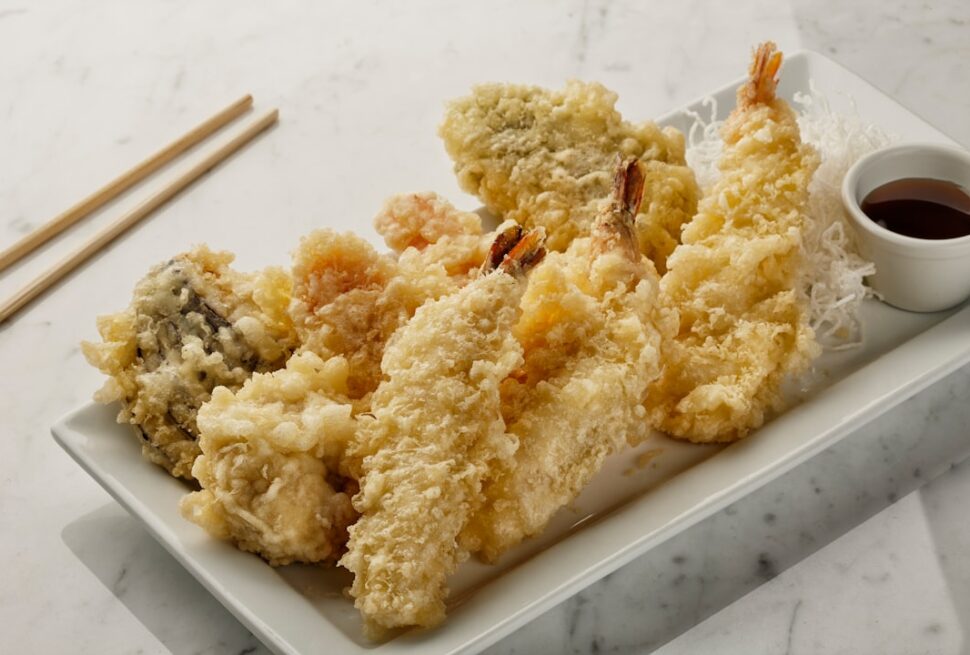
The same word attached itself to other Edo street foods made from that catch. People also called tempura and grilled eel edomae for exactly this reason.
A Method, Not a Postcode
The second meaning is the one sushi chefs use today. Edomae now describes a way of working. It refers to the curing, marinating, and simmering that Edo chefs developed to keep bay fish good without ice. A counter in Tokyo serving tuna from Oma and sea urchin from Hokkaido can still be a thoroughly edomae restaurant, because the word describes what happens in the kitchen rather than where the boat set out.
In our view, this is the definition worth holding on to. A restaurant abroad calling itself edomae may or may not use these techniques. In Tokyo, a counter that does will show it in almost every piece.
Edomae Versus the Sushi Most Visitors Know
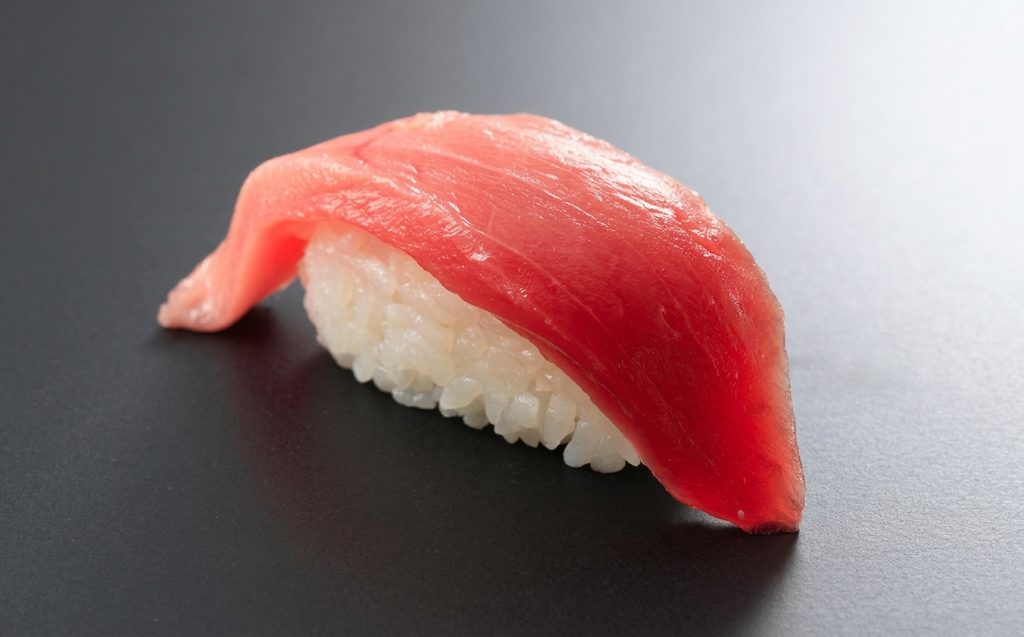
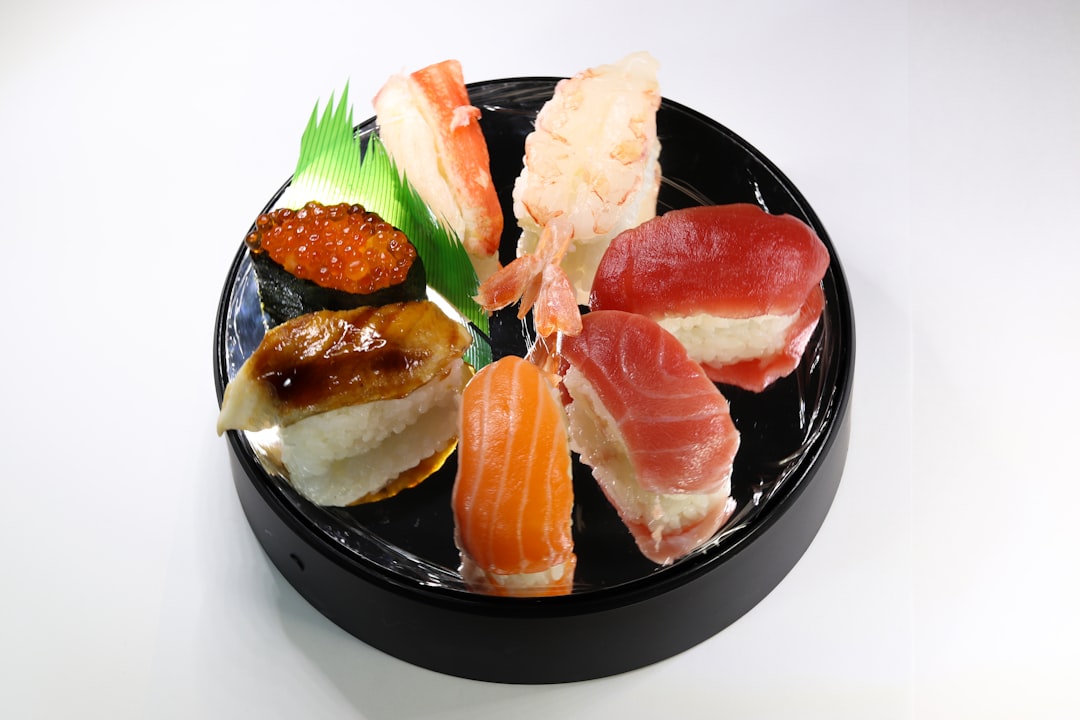
Chefs and restaurants outside Japan build most sushi around raw fish and serve it as fresh as possible, often with rolls, sauces, and toppings. Edomae sushi is nearly the opposite in spirit. The chef works on much of the fish before it reaches you and seasons each piece so you rarely reach for a dish of soy. The focus is on the balance between one piece of fish and one mouthful of rice.
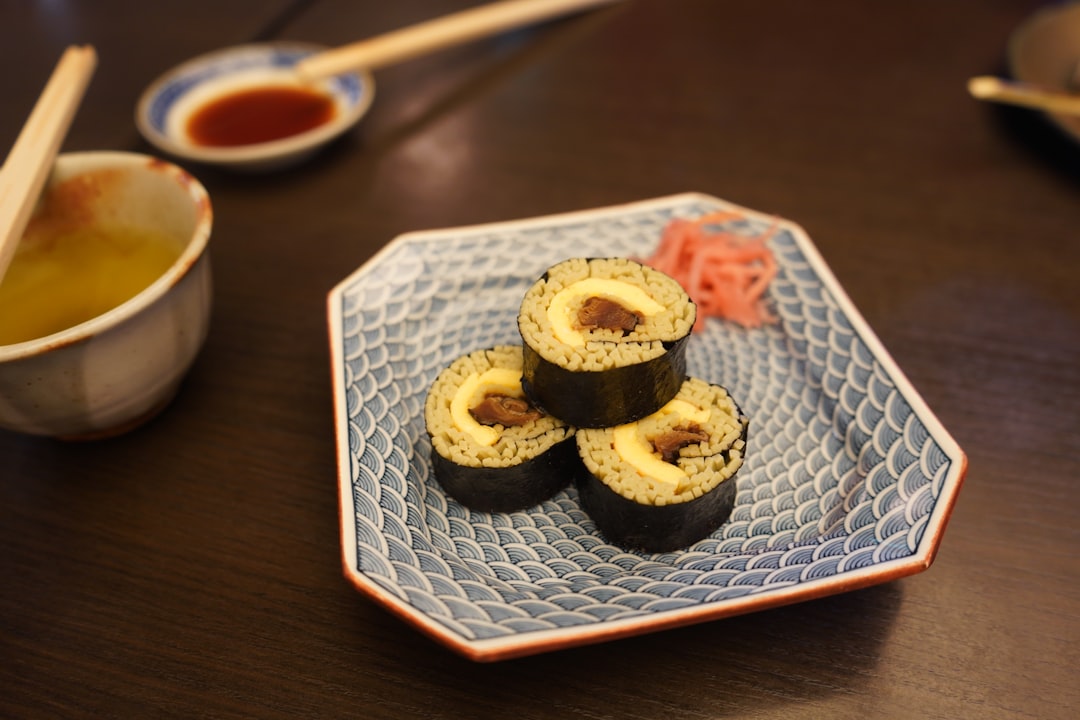
Rolls exist in the tradition, but they are simple ones: thin maki of tuna, cucumber, or kanpyo, a dried gourd simmered in soy and sugar. You will not find a dragon roll at an edomae counter, and that absence is part of the point.
From Street Stall to Counter
Edomae sushi began as fast food. That fact still shapes how people eat it, even at counters where a single meal is a serious expense.
Fast Food for a City of Workers
Early nineteenth-century Edo was a crowded city of craftsmen, laborers, and merchants, many of them single men living in cramped quarters without kitchens. Street stalls selling sushi, tempura, and soba fed them quickly and cheaply. Customers stood at the stall, picked a piece from the display, ate it with their fingers, and moved on.
Prices were low. According to period records cited by Nippon.com, a piece of sushi sold for around 8 mon, while tamagoyaki cost 16, because eggs were a luxury. The pieces themselves were two to three times the size of modern nigiri, closer to a small rice ball with fish on top than the single bite served today.
Hanaya Yohei and Nigiri
The chef most often credited with nigiri as we know it is Hanaya Yohei, who lived from 1799 to 1858. Before him, people in Edo mostly pressed or fermented sushi, a process that could take hours or days. His innovation was to press a small mound of freshly vinegared rice by hand and lay a slice of bay fish across it, ready in moments.
His shop, Yohei-zushi in the Ryogoku district, became one of the most famous in the city after it opened in the 1820s. It lasted into the twentieth century before closing in 1930. Whether he invented nigiri outright or refined and popularized it, historians still debate the question; either way, the style took his shape.
Red Vinegar From Sake Lees
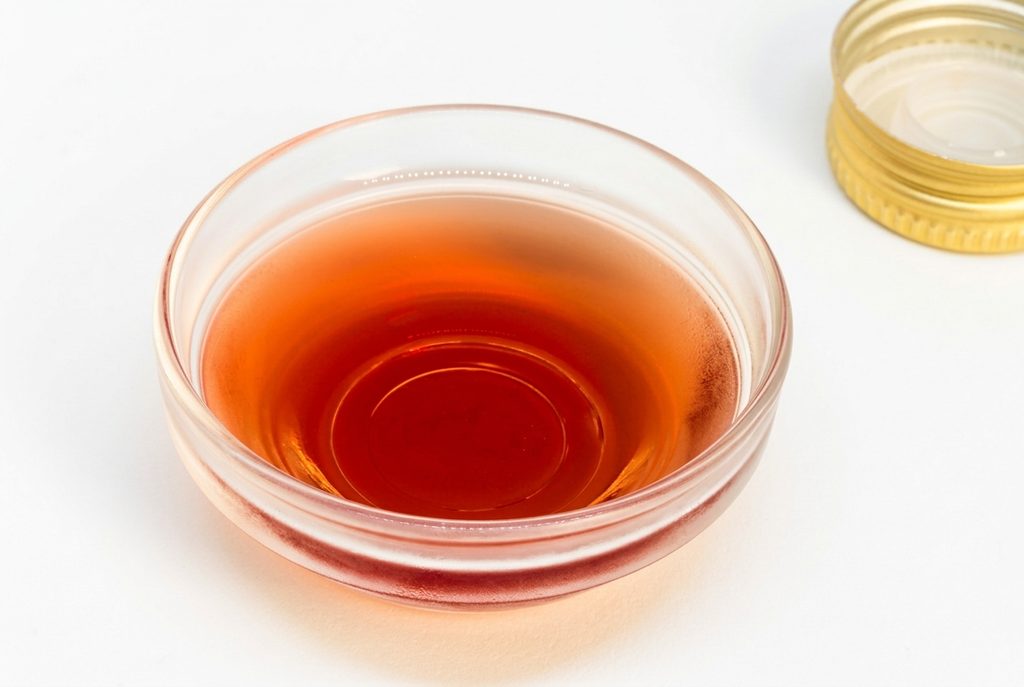
The rice needed vinegar, and the vinegar that won Edo over was not the white rice vinegar most people know. In 1804, according to the company’s own history, Nakano Matazaemon, the founder of what is now Mizkan, visited Edo from Handa in present-day Aichi and tasted the new quick sushi. He went home and began making vinegar from sake lees, the leftover solids from brewing.
That vinegar, known as akazu, is reddish brown, mellow, and rich in umami. It was cheaper than rice vinegar and suited the style, and it was carried to Edo on wooden cargo ships from Handa. Many traditional counters in Tokyo still season their rice with it, which is why edomae shari can look faintly tan rather than white.
Expert Tip
Pay attention to the rice before the fish. At a serious edomae counter the shari is served close to body temperature, loosely packed so it falls apart on your tongue, and seasoned firmly enough that you can taste the vinegar. If the rice is cold and dense, the fish on top matters much less than the price suggests.
The Work Behind Each Piece
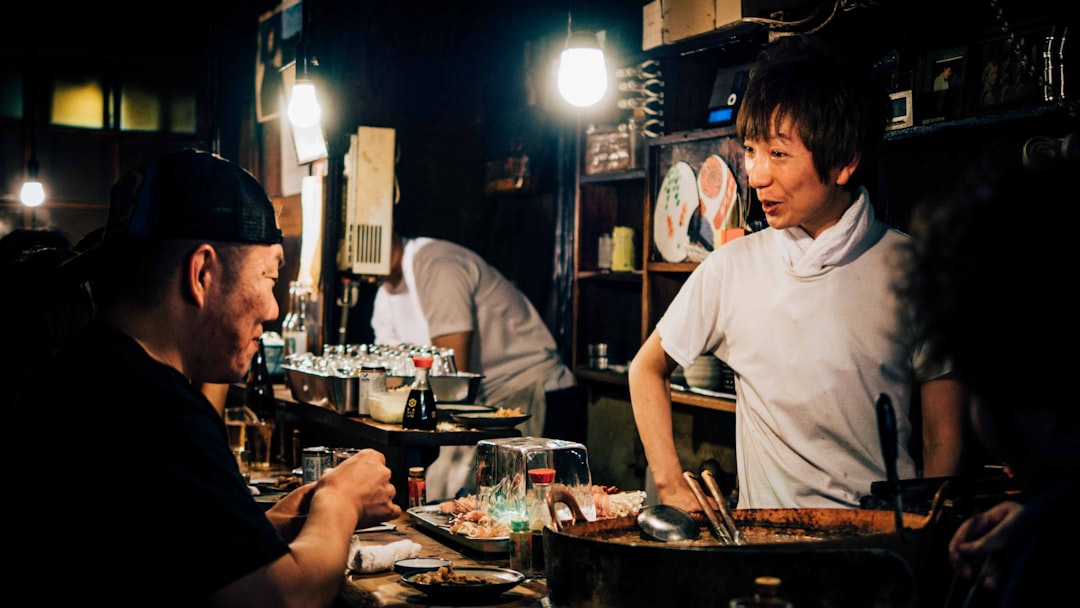
Edomae chefs call their preparation shigoto, meaning simply “work.” Almost every piece at a traditional counter has had some done to it, and learning to spot it is the most rewarding part of the meal.
Shime: Salt and Vinegar
Silver-skinned fish such as kohada and mackerel are salted, rinsed, and then cured in vinegar. The salt draws out moisture and firms the flesh; the vinegar tightens it further and adds a clean acidity. How long each stage lasts depends on the size and fat of that day’s fish, and chefs adjust it by feel.
Kohada is the piece many regulars and chefs point to as the measure of an edomae shop. It is small, inexpensive, and entirely dependent on judgment. We tend to agree: when the kohada is good, everything else usually is too.
Zuke: Tuna in Soy
Zuke means marinated. The classic example is lean tuna, the deep red akami, briefly steeped in a soy-based marinade that seasons it and deepens its flavor. In Edo, the salt helped the fish keep; today the technique survives because the result tastes better.
That said, a lot of first-time visitors expect fatty toro to be the highlight. At an edomae counter, try the zuke first. It is the older expression of what Tokyo did with tuna, and it often lands with more flavor than the richer cuts.
Nitsume and Simmering
Some ingredients are cooked. Conger eel, anago, is simmered gently until it is soft enough to fall apart, then brushed with nitsume, a thick, sweet glaze made by reducing the simmering liquid. Clams, octopus, and prawns are often simmered or poached too.
Nitsume is not the same as nikiri. Nikiri is a thin mixture of soy sauce and other seasonings that the chef brushes onto many raw pieces before serving. Both do the same job: they season the piece for you, so the dish of soy on the counter becomes almost unnecessary.
Tamago: The Piece That Tells You About the Shop
Tamagoyaki, the layered sweet omelette, is usually served near the end. It is also traditionally seen as a window into a shop’s care, since making it well takes time and nothing about it can be bought ready. Some counters make a denser, custard-like version with ground shrimp or fish folded into the egg.
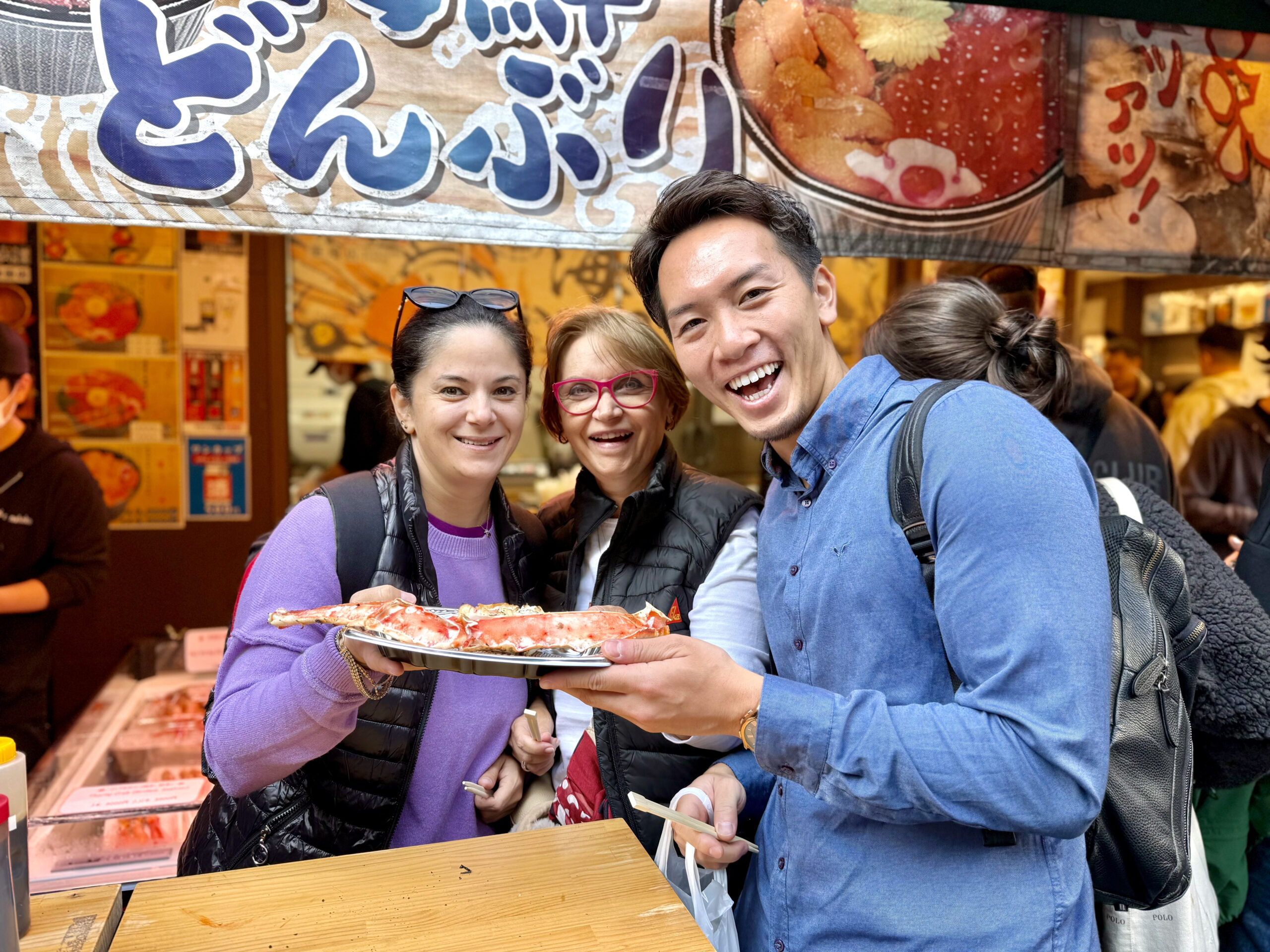
The best place to understand tamago before a sushi dinner is not a restaurant at all. In the Tsukiji Outer Market, family-run tamagoyaki stalls still cook it in square pans in front of you, and on our Tsukiji food tour, where the guide chooses which stalls are worth stopping at, a slice eaten standing and still warm is a common pick. Taste it there first, and the version at the end of an omakase meal makes more sense.
Eating at an Edomae Counter
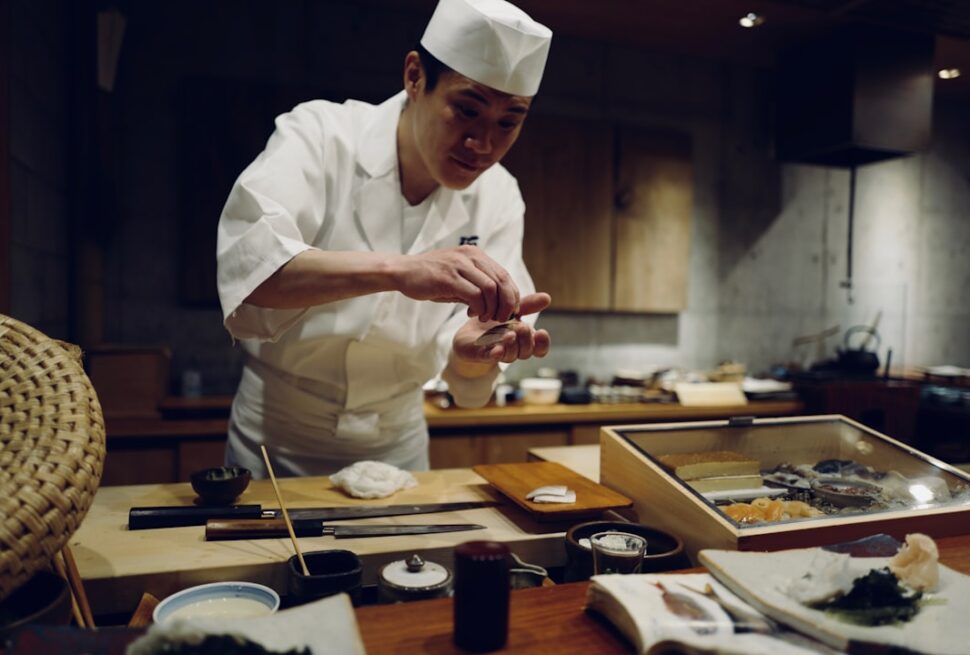
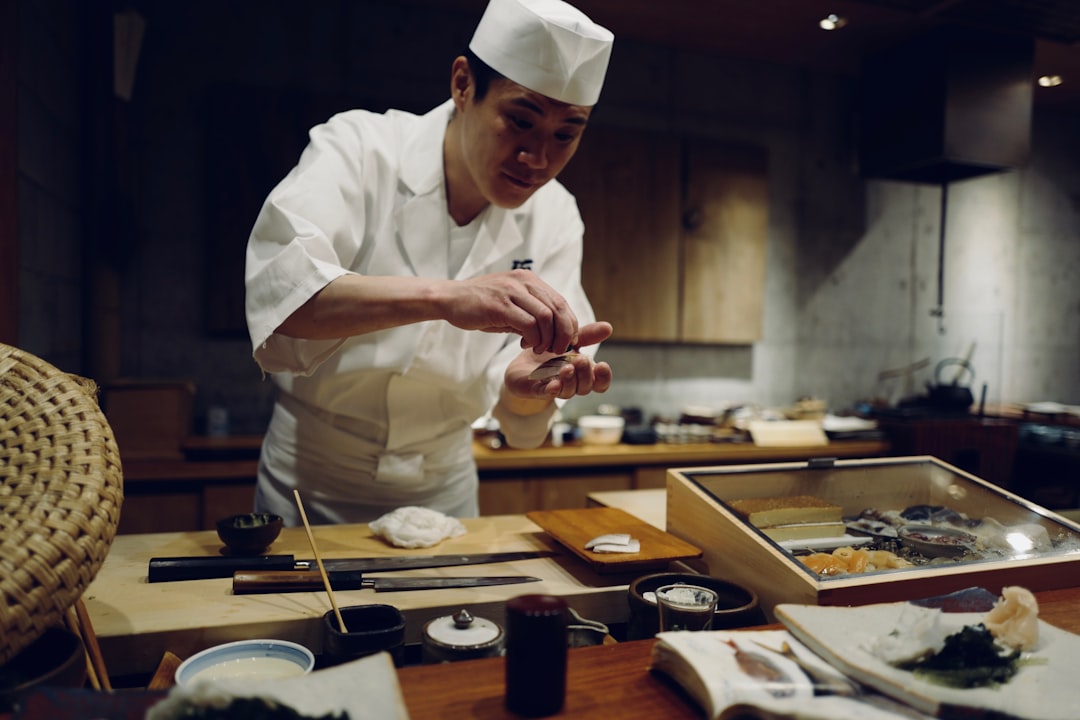
Sitting at the counter is the right way to eat edomae sushi. Each piece is made for you, placed in front of you, and meant to be eaten while the rice is still at the temperature the chef intended.
Omakase or Okonomi
Most high-end counters in Tokyo now serve omakase, a set sequence chosen by the chef, often starting with a few small cooked dishes before the nigiri. Many mid-range shops still let you order piece by piece, called okonomi. Both are legitimate, and we would steer first-time visitors toward omakase: the order of pieces is part of the craft, moving from lighter white fish through cured and marinated pieces to richer ones.
Booking is the harder part. The most sought-after counters fill weeks or months ahead and often accept reservations only through a hotel concierge or a booking service. We cover this in more detail in our guide to booking omakase in Tokyo.
Hands, Chopsticks, and Soy Sauce
Nigiri began as finger food, and eating it by hand is still accepted at sushi counters in Japan. Chopsticks are equally fine. Pick whichever lets you lift the piece without it falling apart, and eat it in one bite.
If a piece arrives already brushed with nikiri or nitsume, eat it as it is. For pieces that are not seasoned, turn them slightly and touch the fish, not the rice, to the soy; rice soaks it up and breaks apart. The pickled ginger is there to reset your palate between pieces, not to be eaten alongside them.
Beyond that, the rules are mostly common sense. Eat each piece soon after it is served, keep conversation at a level that suits a small room, and ask the chef about anything you do not recognize. Most are glad to explain. If you want to brush up on the basics, our note on chopstick etiquette in Japan covers the handful of mistakes that do matter.
Where to Start in Tokyo
Ginza has the densest concentration of serious edomae counters, from long-established shops to younger chefs trained under them. Around Toyosu Market, which took over Tokyo’s wholesale fish trade from Tsukiji in October 2018, a cluster of sushi restaurants serves early breakfasts to anyone willing to queue.
Tsukiji itself still has its outer market, where the knife shops, dried-fish sellers, and tamagoyaki stalls that supplied Tokyo’s kitchens remain. For a wider view of how these areas fit together, from Ginza counters to market breakfasts, see our Tokyo sushi guide.
Expert Tip
Ask for the kohada early, even at an omakase meal, if you are ordering extra pieces at the end. The chef will usually have cured that day’s batch in the morning, and it can sell out before the last seating. A short “kohada, onegaishimasu” is enough.
Edomae Sushi: Frequently Asked Questions
Is edomae sushi the same as omakase?
No. Edomae describes a style of sushi and the techniques behind it, while omakase describes a way of ordering, in which the chef chooses what you eat. Many edomae counters serve omakase, but you can eat edomae sushi ordered piece by piece, and an omakase meal is not necessarily edomae in style.
Does edomae sushi still use fish from Tokyo Bay?
Sometimes, but not necessarily. Tokyo Bay still lands fish, conger eel among them, yet modern edomae counters buy from across Japan through Toyosu Market. Today the word refers mainly to the techniques of curing, marinating, and simmering, not to where the fish was caught.
Why is edomae sushi rice sometimes brown?
Many traditional counters season their rice with akazu, a red vinegar made from sake lees. It has a darker color and a rounder, deeper flavor than white rice vinegar, which gives the rice a faintly tan tint. Some shops blend it with white vinegar; others use it alone.
Related Tours

Conclusion
Edomae sushi rewards attention more than it rewards spending. The difference between a good counter and an ordinary one sits in details that take a few seconds to taste: the temperature of the rice, the sharpness of the kohada, the depth of a piece of zuke, the texture of the tamago at the end.
Before your first serious sushi meal in Tokyo, spend a morning in the Tsukiji Outer Market and eat a slice of tamagoyaki at a stall. Then, at the counter, order the kohada and the zuke before the toro. Those three pieces will tell you more about edomae sushi than any menu can.
Plan Your Japan Trip with Local Experts
Our team has guided 40,000+ travelers across Japan. Tell us about your trip and we’ll get back to you within 24 hours.