In this article:
- The Essence of Omakase
- Securing Hard-to-Book Seats
- Top Counters in Ginza and Roppongi
- Essential Omakase Etiquette
- Beverage Pairings
- Tokyo Omakase: Frequently Asked Questions
Introduction
Omakase means, roughly, “I’ll leave it to you,” and that surrender is the whole experience. You sit at the counter, you do not order, and the chef serves you a sequence of the finest seasonal pieces, one at a time, each placed before you at its ideal moment. It is dining as performance, trust, and craft.
At the top level it is among the great meals available anywhere, and also among the hardest to book. Here is how to secure a seat and enjoy it as it is meant to be enjoyed.

The Essence of Omakase
Understanding what you are participating in transforms the meal.
Leaving It to the Chef
There is no menu. The chef selects and prepares each course around the day’s best ingredients and the flow of the meal, and you eat what you are given in the order intended. Letting go of control is the point — you are trusting a master to guide you through their vision of the season.
Edomae Craft
Tokyo’s sushi tradition is Edomae, a set of techniques developed to prepare fish precisely: seasoning the rice (shari) to a specific temperature and acidity, curing and marinating the fish, and balancing each element. So much of the skill is invisible, done before you arrive, and it is what separates great sushi from merely fresh fish.
The Counter as Theater
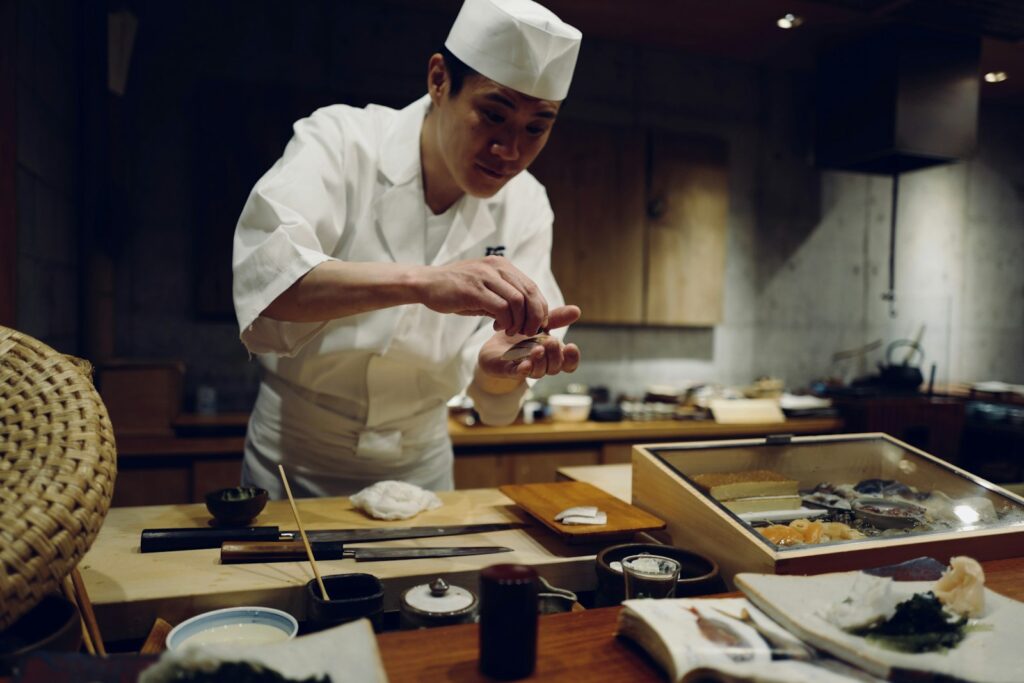
Sitting at the counter, you watch the chef slice, mold, and present each piece an arm’s length away. This intimacy — the quiet focus, the precise movements, the direct handoff of each nigiri — is central to the experience. You are not just eating the food but witnessing its making.
Securing Hard-to-Book Seats
Booking Platforms
The top counters are tiny and in high demand, and many take reservations through platforms built for it, such as Omakase and Pocket Concierge, which handle foreign guests in English. These sites are often the most practical route for visitors to book seats that are otherwise nearly impossible to reach.
Deposits and Cancellations
High-end counters commonly require a deposit and enforce strict cancellation policies, sometimes charging the full amount for late cancellations. This is standard given how few seats exist. Read the terms, and treat the booking as a firm commitment once made.
Hotel Concierge
For the most exclusive counters, a luxury hotel concierge can sometimes secure seats through relationships that the public cannot access. If you are staying somewhere with a strong concierge, ask early — it can open doors that booking sites cannot.
Top Counters in Ginza and Roppongi
Ginza’s Icons
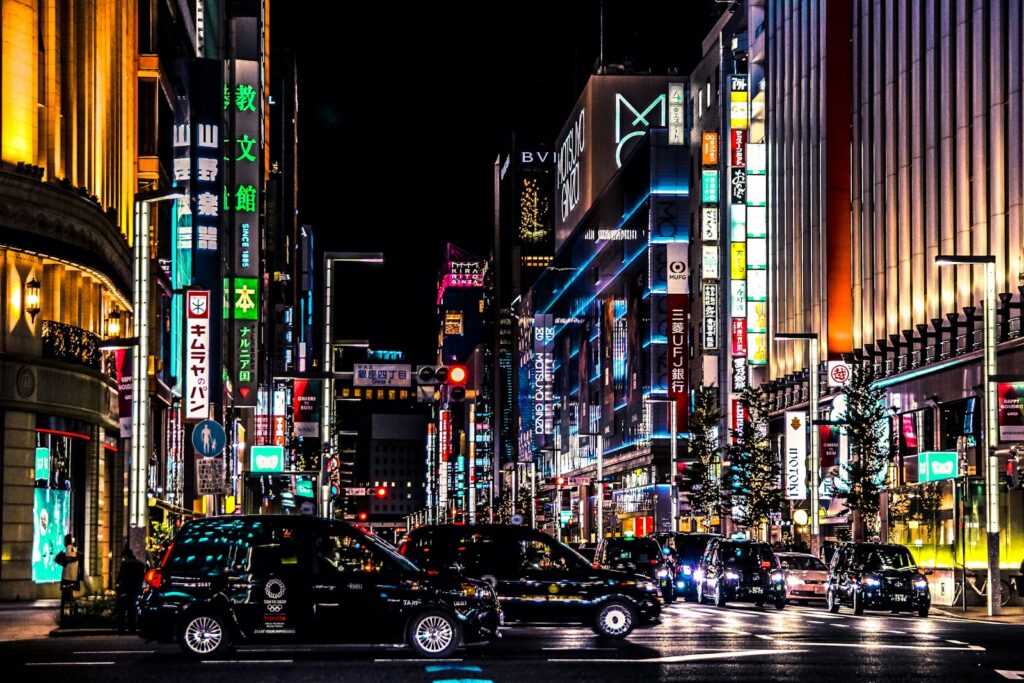
Ginza is the heart of high-end sushi, home to legendary counters where masters have refined Edomae over decades. These institutions offer the most traditional, revered omakase experiences in the city, and their seats are the hardest to get. Expect precision, restraint, and quiet perfection.
Modern Counters in Roppongi and Beyond
Beyond the Ginza classics, a newer generation of chefs in Roppongi, Shibuya, and elsewhere brings innovation to the form. These counters can be a touch more accessible and offer a more contemporary take, without sacrificing craft. They are excellent options if the famous names are booked out.
Lunch Omakase
Many top counters serve a lunch omakase at a lower price than dinner, offering much of the same quality for less. For travelers wanting to experience a high-end counter without the full evening cost, lunch is the smart, and often easier to book, route.
Essential Omakase Etiquette
Eat Each Piece Immediately
When the chef places a piece of nigiri before you, eat it right away, while the rice is at its intended temperature and the balance is perfect. Do not let it sit while you photograph or chat. Eating promptly respects the chef’s timing and is the single most important piece of etiquette.
No Strong Perfume
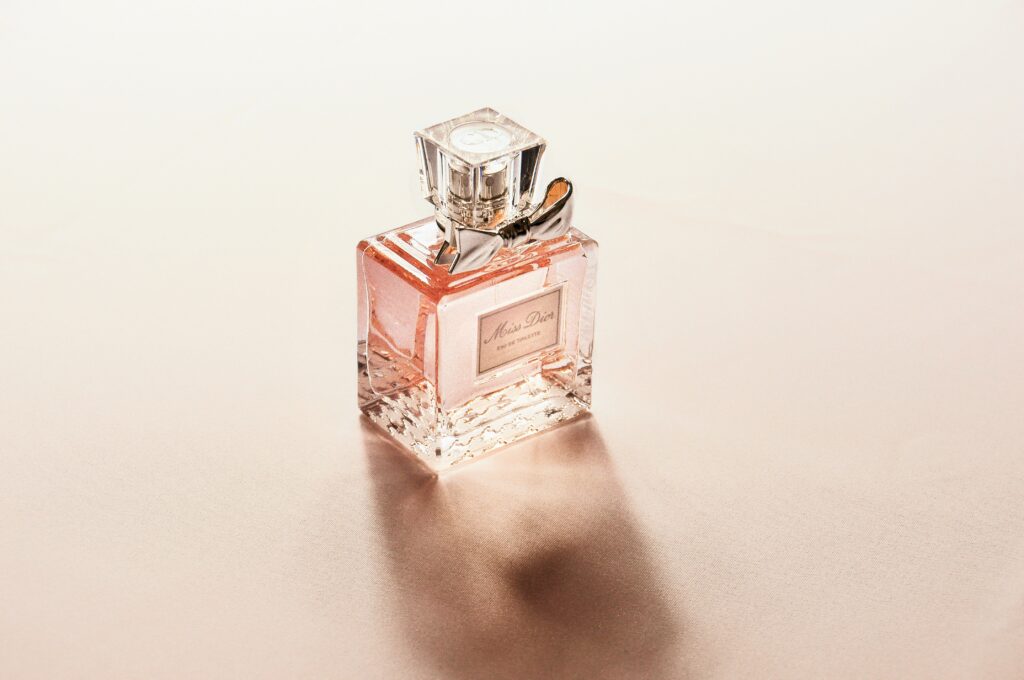
Skip cologne and perfume, which interfere with the delicate aromas of the fish and the hinoki counter and affect other guests. Dress neatly and cleanly. The experience is built around subtle scents and flavors, and a strong fragrance disrupts it for everyone.
Go Easy on the Soy Sauce
The chef has already seasoned each piece precisely — many are brushed with sauce (nikiri) or salted to taste as intended. Dunking a pre-seasoned nigiri in extra soy sauce overrides that balance and can read as disrespecting the chef’s work. Trust that it is seasoned for you.
Expert Tip
Tell the restaurant about any allergies when you book, not at the counter. Omakase is planned around specific ingredients, and a master chef can adjust a menu with notice but cannot easily improvise around a shellfish allergy revealed mid-meal. A quiet note at reservation lets the chef prepare a seamless experience — and it is the difference between a graceful accommodation and an awkward interruption of a meal built on flow.
Beverage Pairings
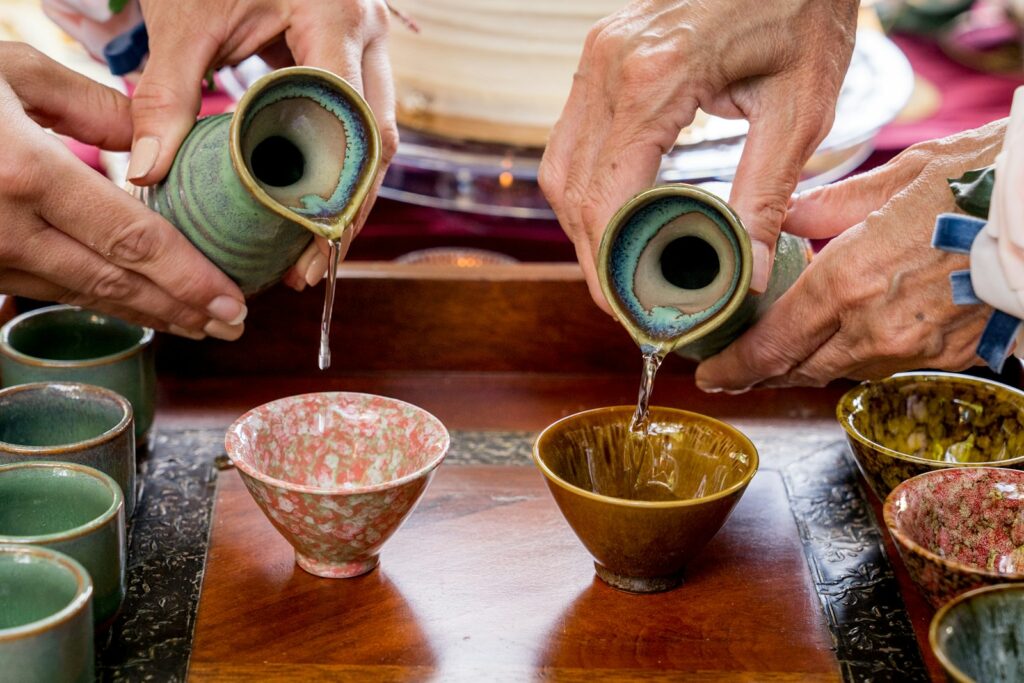
Sake Pairings
Sake is the classic partner for sushi, and many counters offer pairings chosen to complement the progression — a crisp sake to cut fatty otoro, something rounder for uni. Letting the restaurant guide the sake, as you do the food, deepens the experience.
Green Tea
Green tea cleanses the palate between richer pieces and courses, and warm tea is offered throughout. It is the humble, essential counterpoint to the fish, resetting your taste between bites. Accept it as part of the rhythm.
Beer and Wine
Crisp lagers and clean white wines also pair well with seafood, and many counters offer them. If sake is not your preference, a light beer to start and a mineral white through the meal work beautifully. Ask the counter for their recommendation.
Tokyo Omakase: Frequently Asked Questions
How far ahead should I book? For the most sought-after counters, book as far ahead as reservations open — often a month or more, sometimes longer. Popular seats vanish quickly, so plan omakase early in your trip planning rather than leaving it to chance.
What does a high-end Ginza omakase cost? Top dinner omakase in Ginza commands a significant per-person price reflecting the ingredients and craft, with lunch notably cheaper. Confirm the current price when booking, and consider lunch for a more accessible entry.
Can chefs accommodate allergies? Many can with advance notice, since the menu is planned ahead, but shellfish and seafood allergies are challenging at a sushi counter. Inform the restaurant when booking so they can advise whether they can accommodate you.
Related Tours

Conclusion
Omakase is Tokyo dining at its most refined: no menu, no choices, just a master chef guiding you piece by seasonal piece across a wooden counter. Book early through the right platform, dress simply, and eat each nigiri the moment it is placed.
Plan Your Japan Trip with Local Experts
Our team has guided 40,000+ travelers across Japan. Tell us about your trip and we’ll get back to you within 24 hours.