In this article:
- The Art of the Kimono
- Kimono vs. Yukata
- Wearing It Correctly
- What to Expect at the Rental Shop
- The Best Places to Stroll
- Kimono Rental: Frequently Asked Questions
Introduction
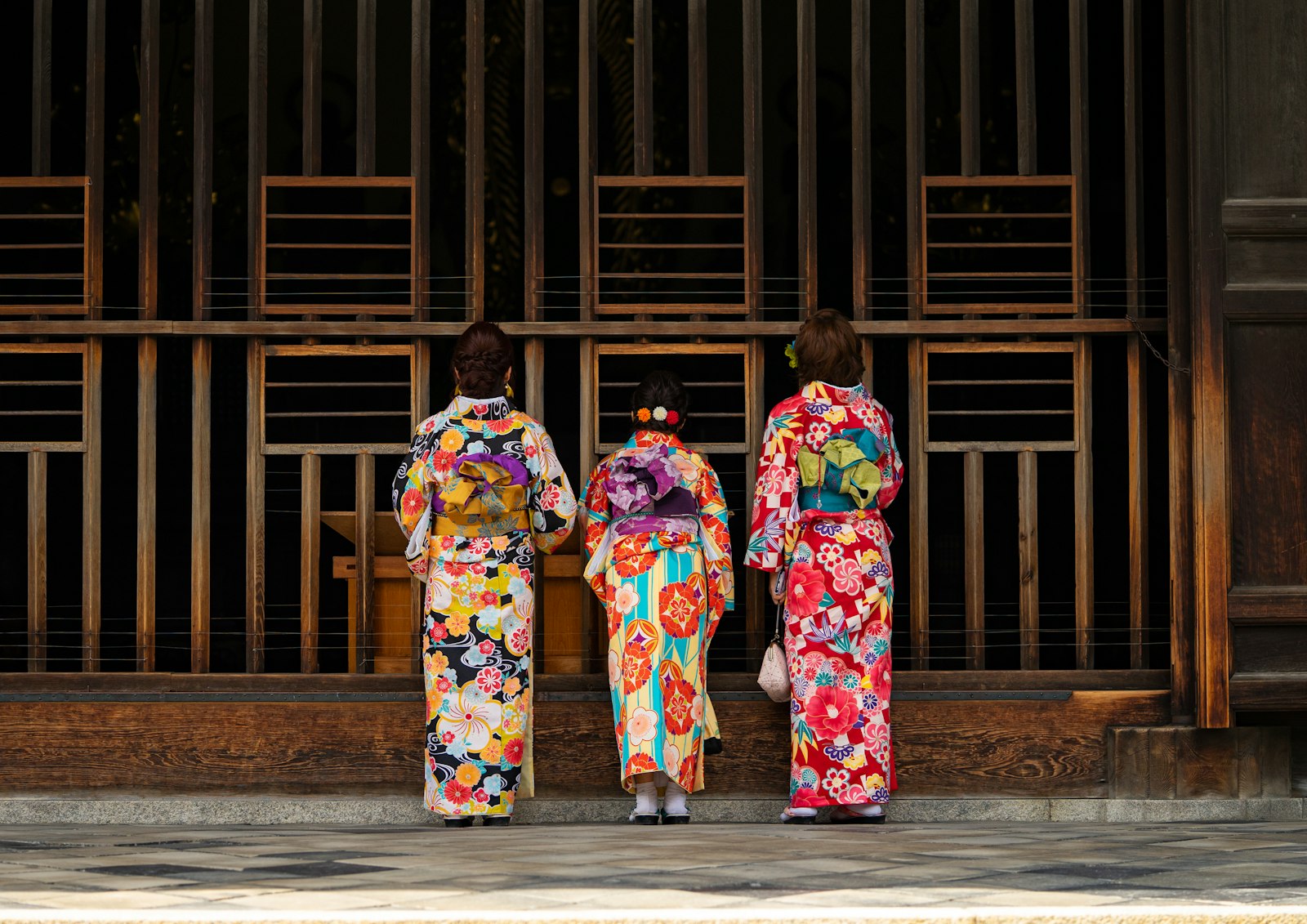
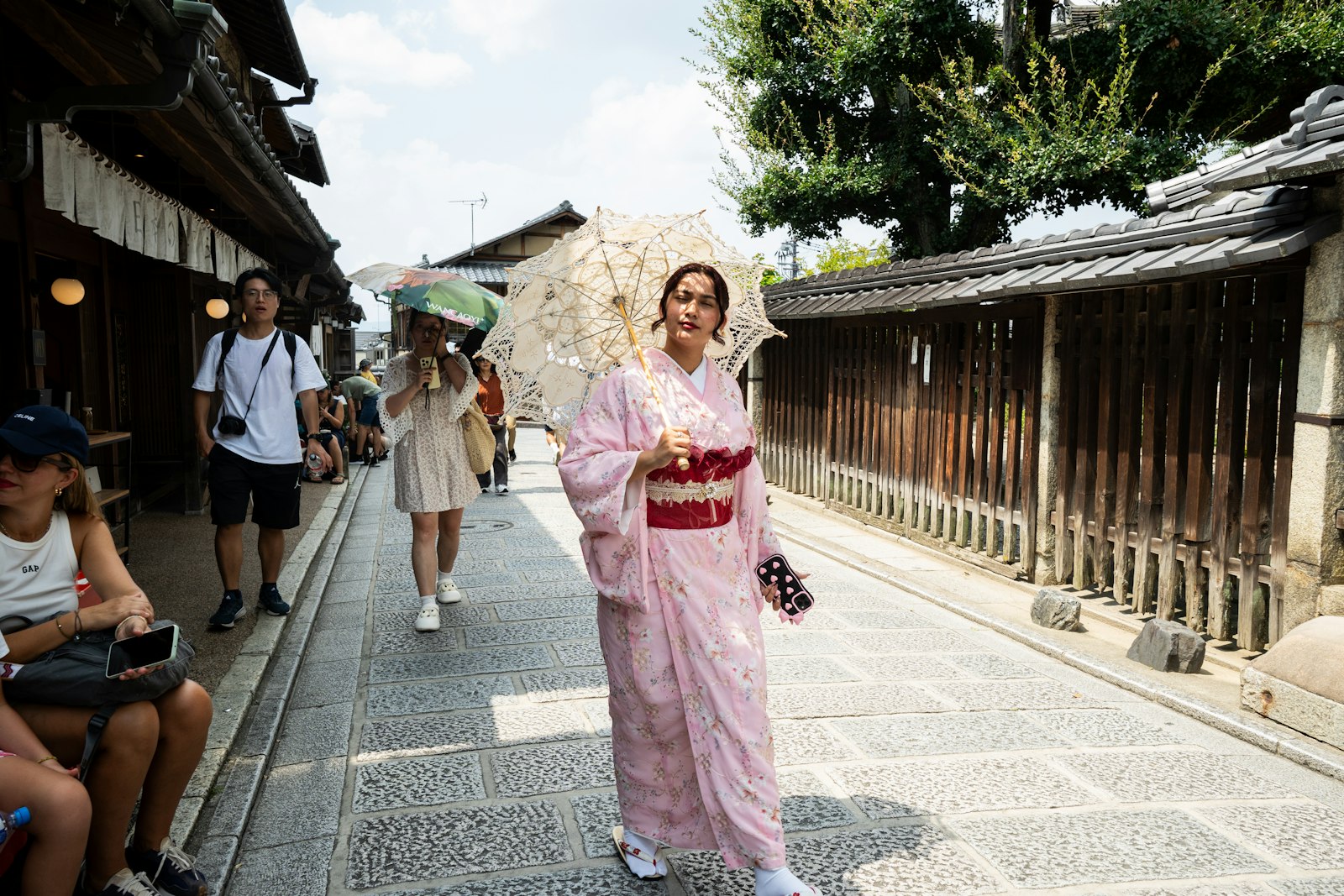
Wearing a kimono changes how you move through a place. The garment slows your steps, straightens your posture, and — walking a lane of wooden machiya houses in Kyoto — makes the setting feel less like sightseeing and more like belonging to it for an afternoon. Rental shops make it easy: you arrive in your own clothes and leave dressed, styled, and ready.
There is a little etiquette to know and a few practical tips that make the day comfortable. Here is how to do it well.
The Art of the Kimono
A kimono is more involved than it appears, and understanding it adds to the experience.
More Than a Garment
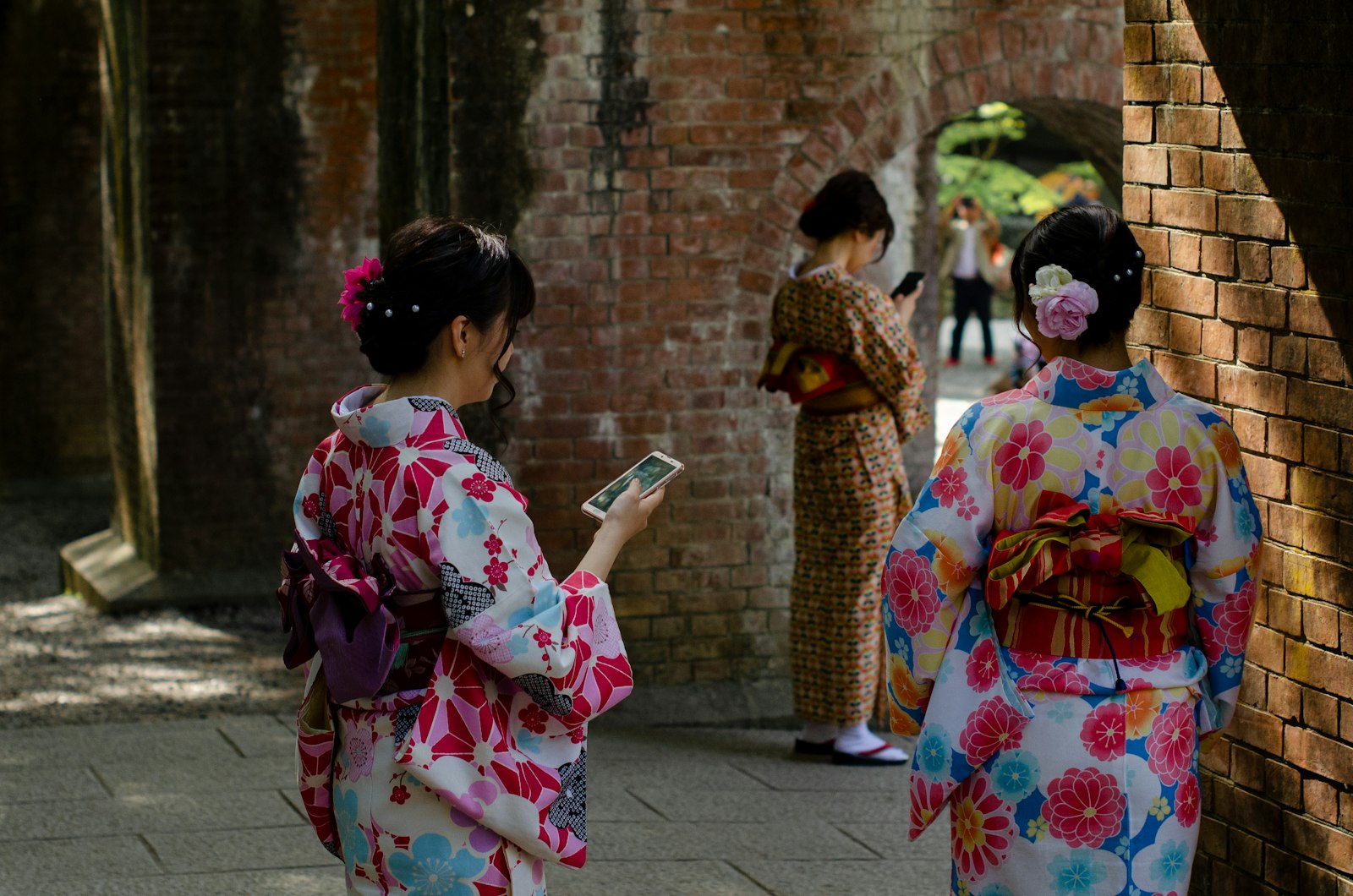
A kimono is built from layers of fabric, often silk, cut and wrapped rather than tailored to the body, and the finest are hand-woven and hand-dyed works of craft. What looks like a single robe is in fact a careful assembly, which is why professional help to put it on is the norm rather than the exception.
The Obi Sash
The wide obi sash wrapped around the waist is central to the look, tied in one of many decorative knots at the back. Tying an obi properly is a skill in itself, and the shop staff will do it for you — it is the piece that pulls the whole silhouette together.
Seasonal Patterns
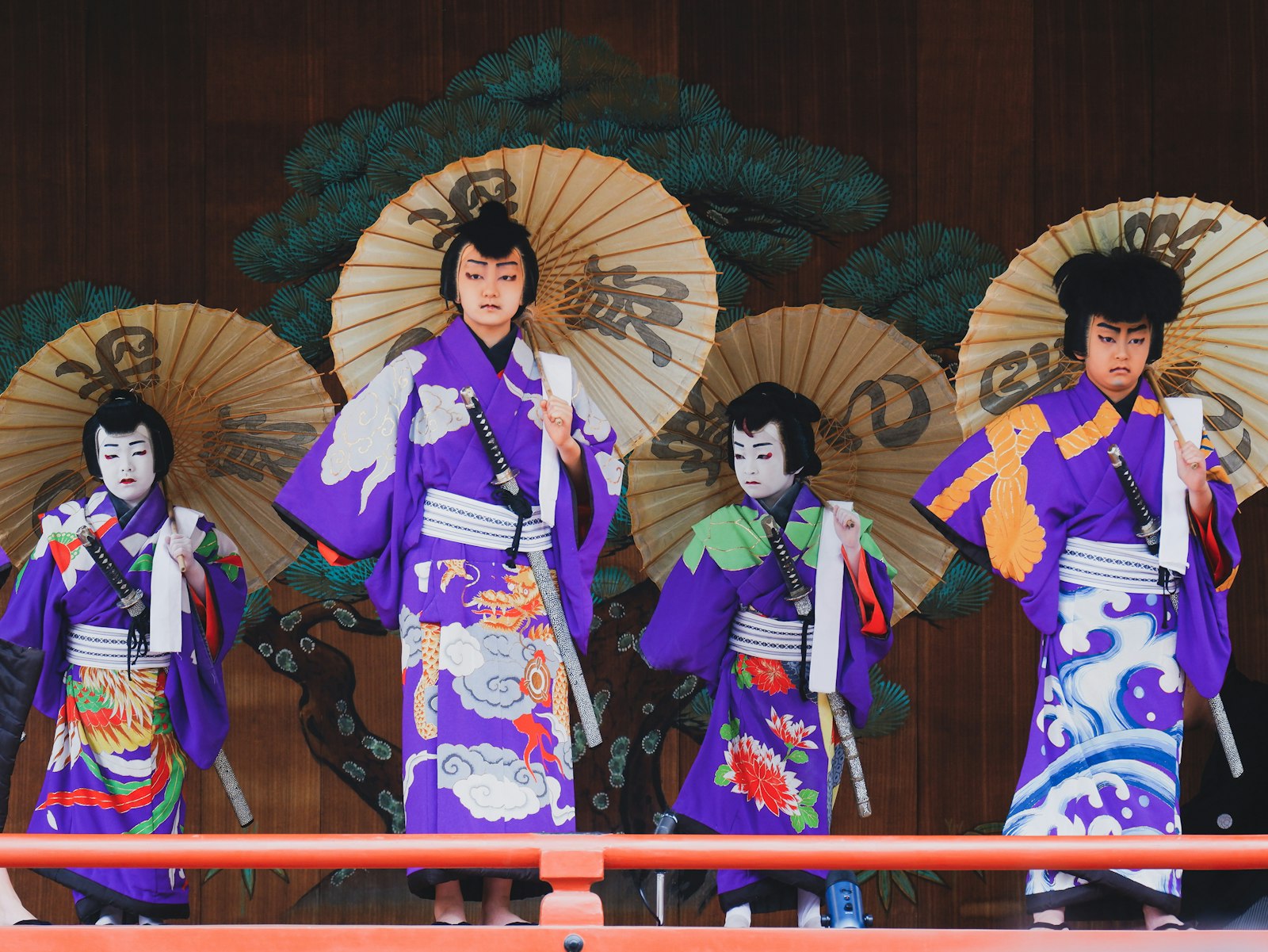
Kimono designs traditionally follow the seasons, with motifs of cherry blossom in spring, maple leaves in autumn, and snow or plum in winter. Choosing a pattern that matches the time of year is a lovely, subtle way to dress in tune with the season.
Kimono vs. Yukata
Silk vs. Cotton
The main distinction is simple: a kimono is a heavier, more formal garment often of silk with multiple layers, while a yukata is a light, casual cotton robe made for summer, festivals, and hot-spring towns. Rental shops offer yukata in the warm months as a cooler, simpler alternative.
The Undergarment
A kimono is worn over an underlayer, the nagajuban, which provides the visible collar beneath the silk and protects the outer garment. A yukata is worn more simply, without this formal layering, which is part of why it is lighter and less involved to put on.
Footwear
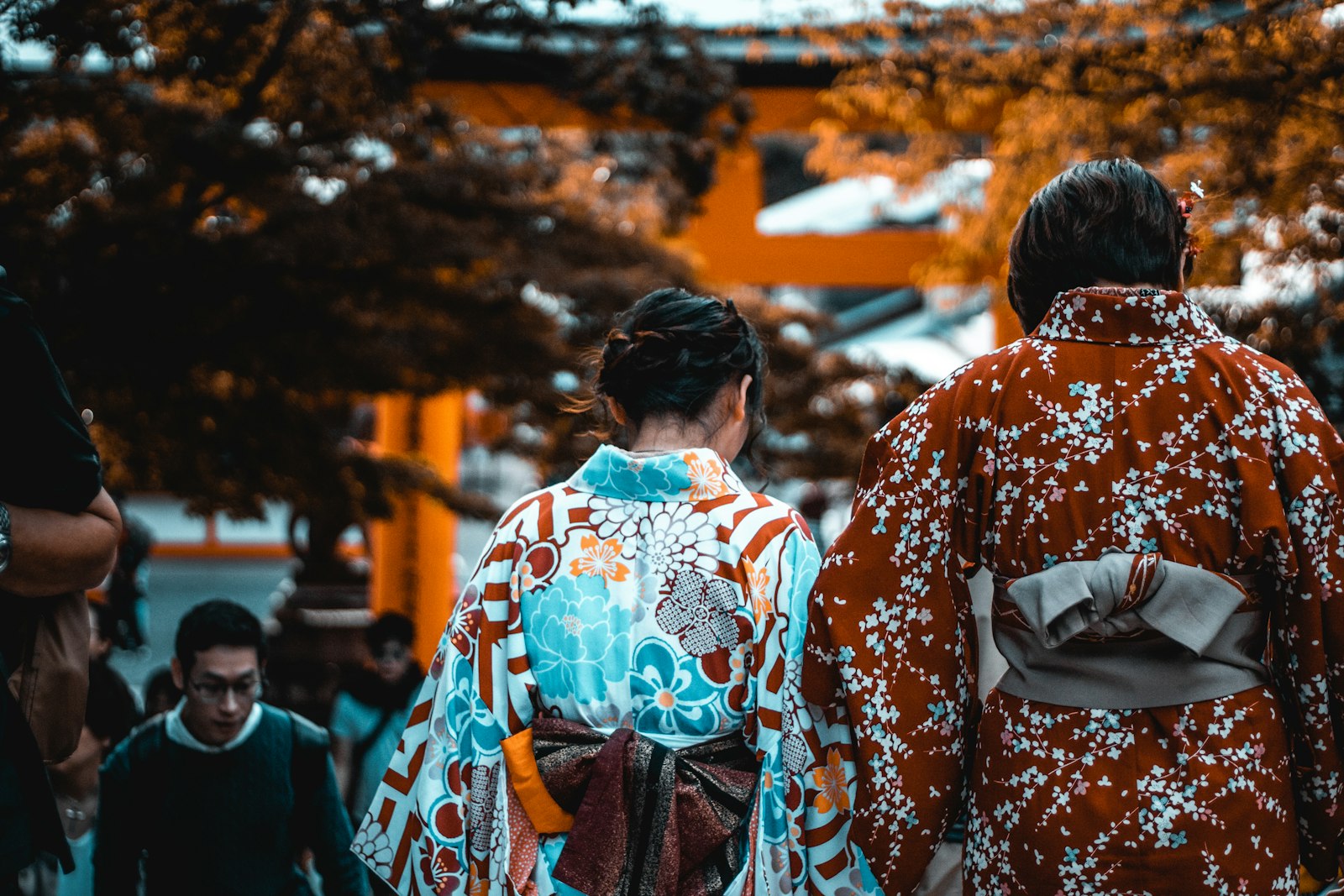
Both are worn with traditional footwear — white tabi socks with zori sandals for kimono, and often geta, raised wooden sandals, with yukata. The shop provides the appropriate footwear with your outfit, so you do not need to bring your own.
Wearing It Correctly
Left Over Right
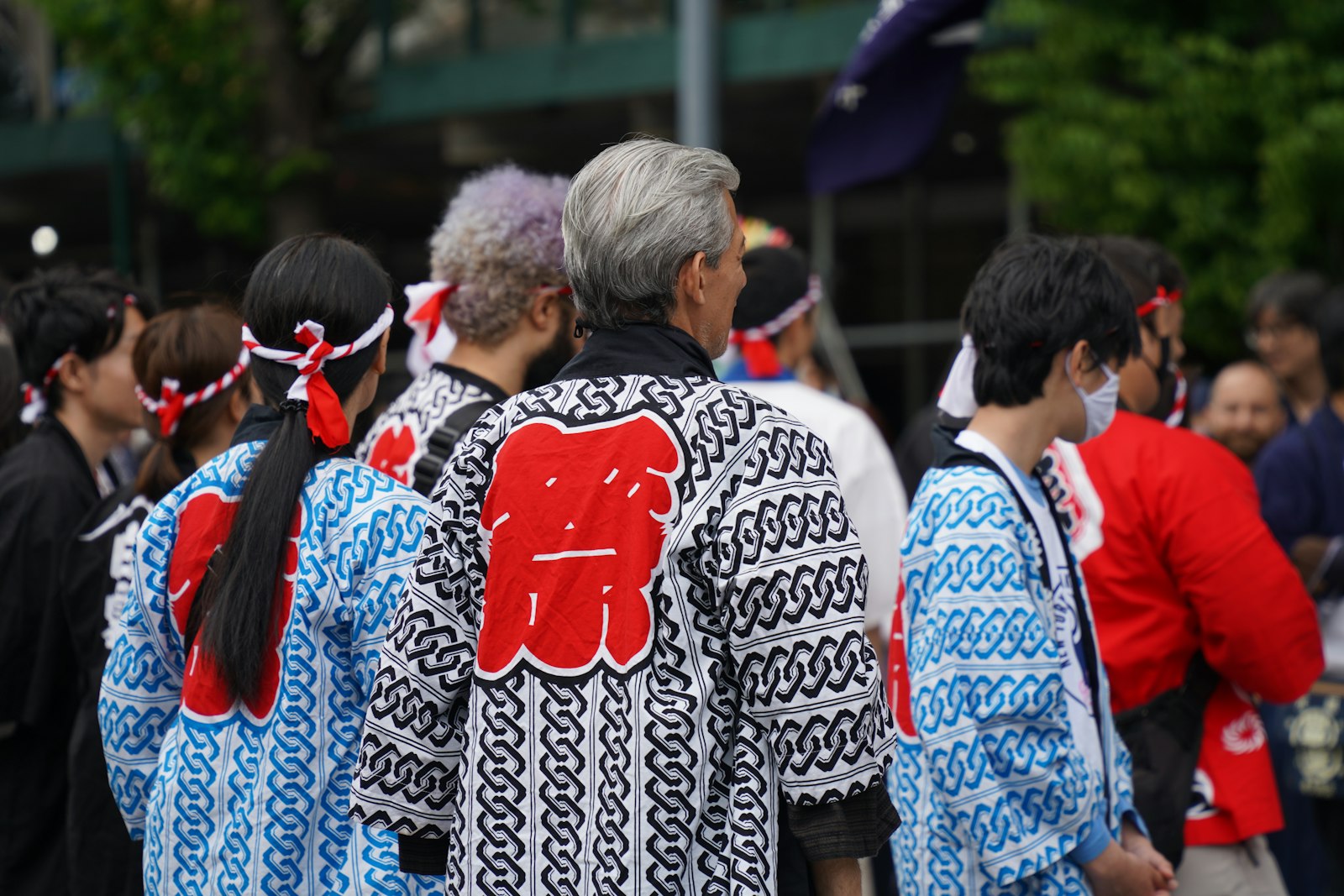
The single most important rule: always wrap the left side over the right. Right-over-left is used only to dress the deceased, so getting this backward is a meaningful mistake. Your dresser will do it correctly, but it is worth knowing so you never adjust it the wrong way yourself.
Walking and Sitting
A kimono asks for smaller, more measured steps and a careful way of sitting to avoid straining the wrap. Move gently, take shorter strides, and gather the fabric neatly when you sit. It is part of the grace the garment imposes, and you adapt within minutes.
Using the Restroom
Managing the layers in a restroom takes a moment of planning — lift and hold the layers carefully to keep them clean and in place. Rental staff will explain the technique when you are dressed, and once shown it is straightforward. Keep the hem clear of the floor.
Expert Tip
Book your kimono rental for first thing in the morning and reserve online in advance, especially in Kyoto’s peak seasons. You get the best choice of patterns before the popular designs are taken, your hair styling and dressing are done before the district fills with crowds, and you have the whole day to walk and photograph rather than rushing to return the outfit by closing. Confirm the return time when you book.
What to Expect at the Rental Shop
Choosing Your Look
You start by selecting from a wide range of kimono, obi, and matching bags, mixing colors and patterns to your taste. Shops carry hundreds of options, so allow time to browse and enjoy the choice — it is part of the experience.
Professional Dressing
Certified staff dress you, securing the kimono with a series of hidden cords and pads to create the proper shape and keep everything in place all day. The process takes a little while and is done with care; you emerge properly and comfortably dressed.
Hair Styling
Most shops offer hair styling as an add-on — an elegant updo with floral accessories to complete the look. It is worth adding for photos, and staff will match the style to your outfit and the season.
The Best Places to Stroll
Higashiyama, Kyoto
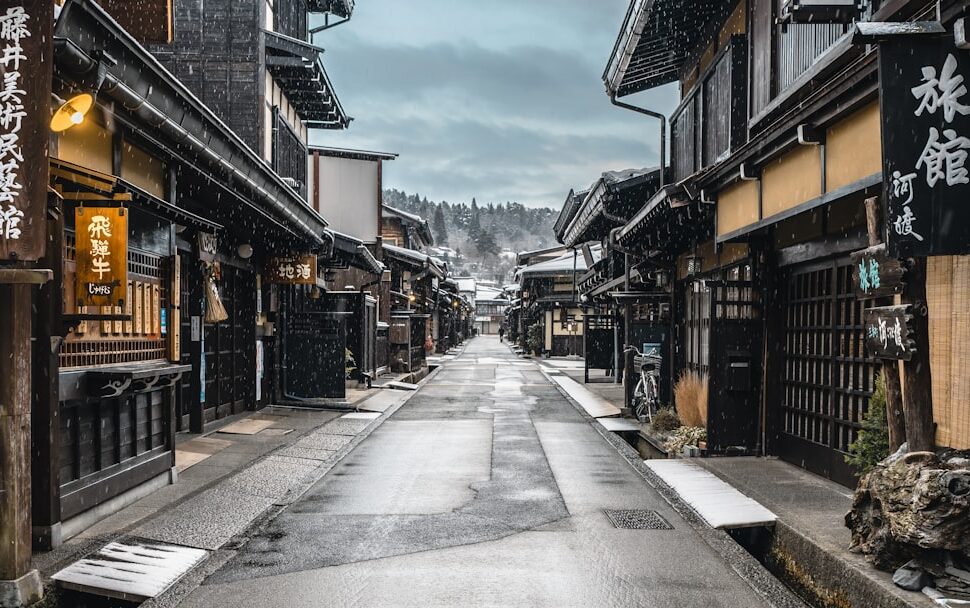
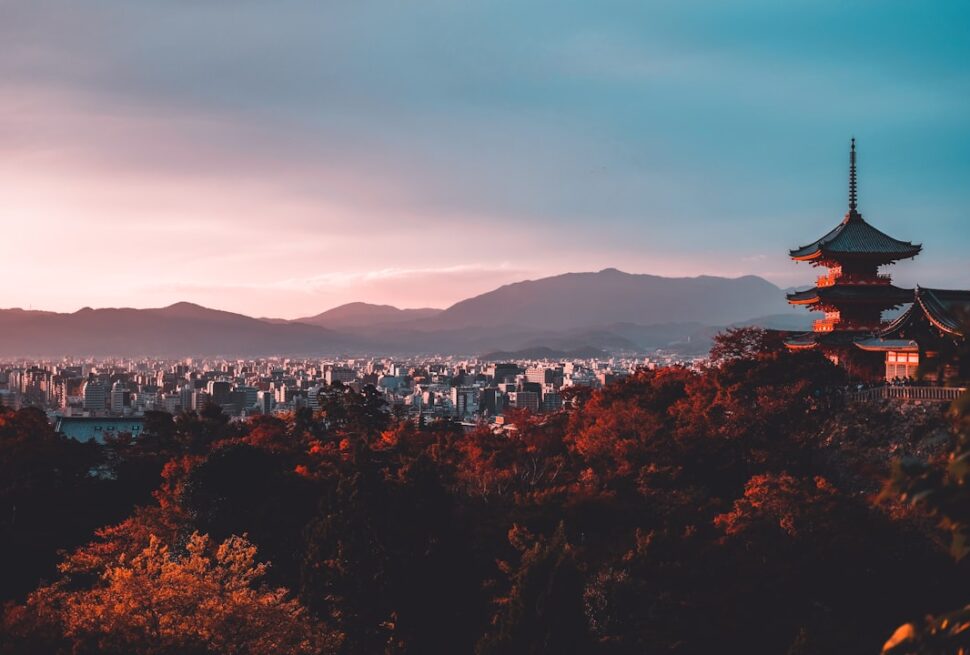
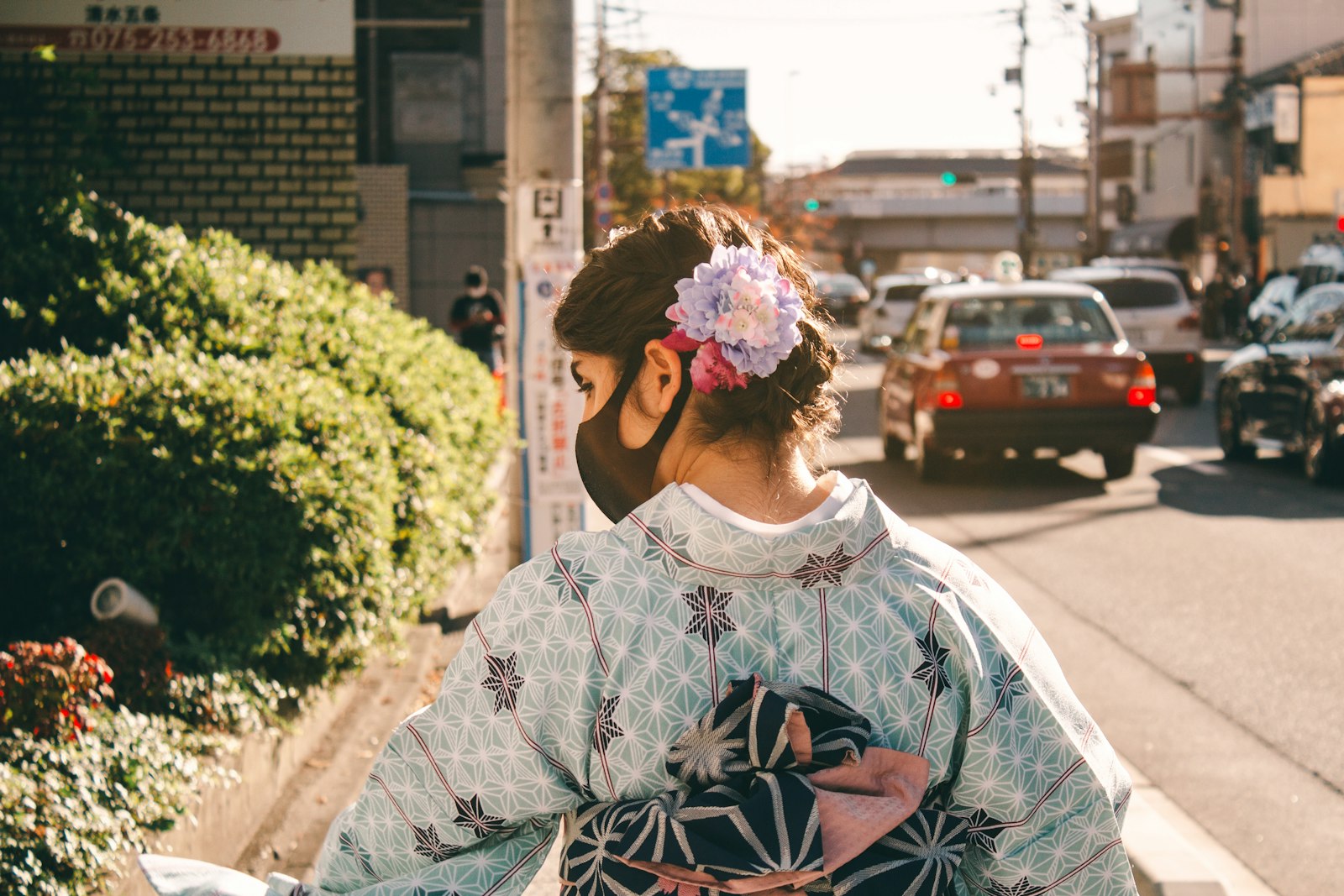
Kyoto’s Higashiyama district, with its preserved wooden lanes climbing toward Kiyomizu-dera, is the classic kimono backdrop. The historic streets and temple approaches make every corner photogenic, which is why so many rental shops cluster nearby.
Asakusa, Tokyo
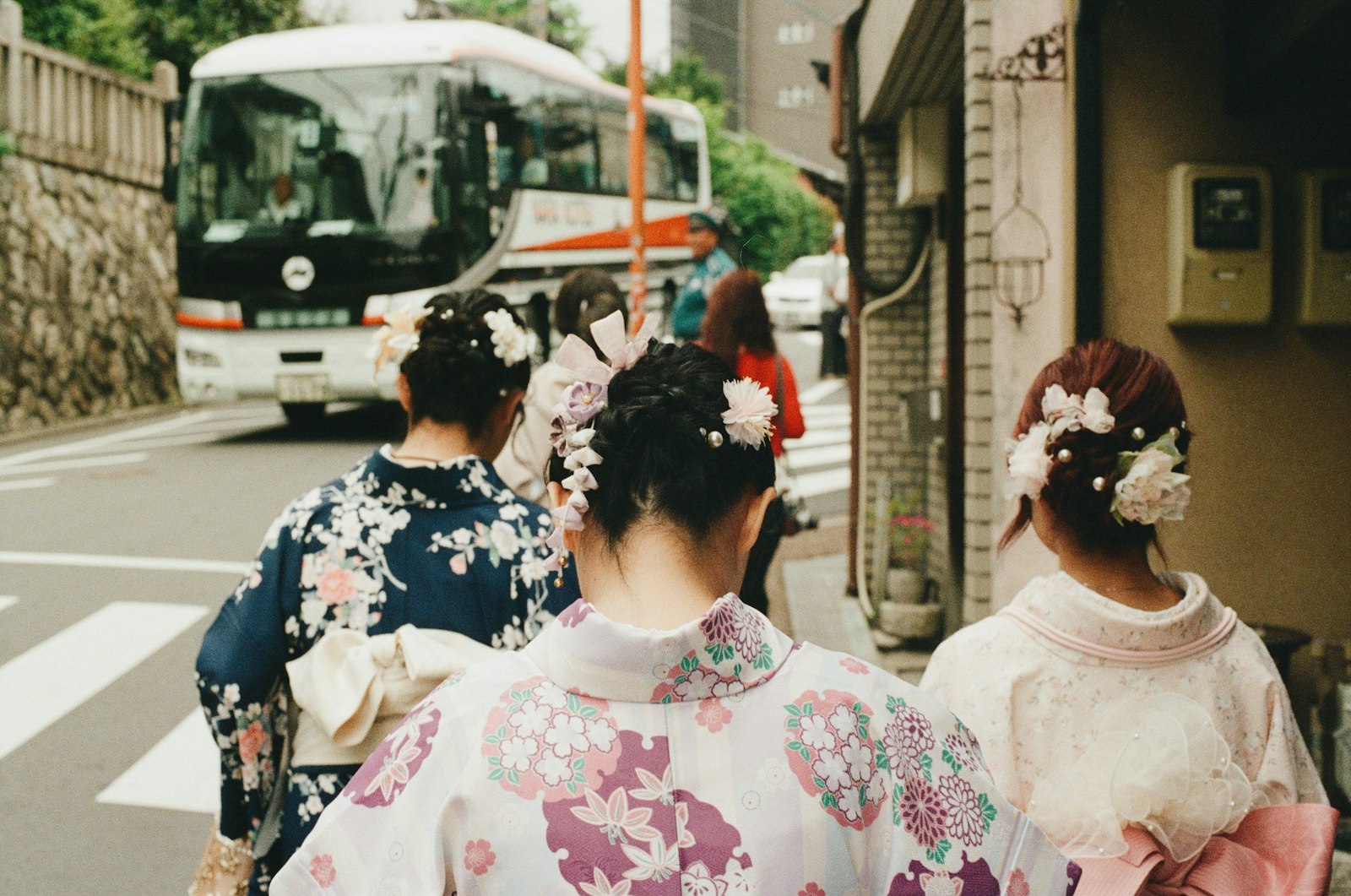
In Tokyo, Asakusa offers the giant red lantern and temple gate of Senso-ji as a striking setting, with plenty of rental shops in the area. It is the most convenient place in the capital to dress up and stroll a traditional district.
Kanazawa’s Tea Districts
Kanazawa’s preserved chaya (teahouse) districts, with their wood-latticed facades, make an atmospheric and less-crowded alternative to Kyoto. Walking these quiet, historic streets in kimono feels like stepping into another century.
Kimono Rental: Frequently Asked Questions
Is it disrespectful for tourists to wear kimono? No. Wearing kimono respectfully is welcomed in Japan and widely encouraged by the rental industry itself, which exists in large part to share the tradition. Wear it with care and courtesy, and you are honoring the culture, not appropriating it.
Are there options for plus-size or tall travelers? Many rental shops carry a range of sizes, and some specialize in accommodating taller or larger guests. Mention your measurements when booking, and choose a shop that confirms it can fit you comfortably.
What if I stain the kimono? Minor accidents happen and shops generally understand; many offer optional insurance for peace of mind. Check the shop’s policy on stains and damage when you book, and take reasonable care while eating and walking.
Related Tours
Conclusion
Renting a kimono is one of the easiest ways to slow down and step into Japan’s traditional world for a day. Book early for the best choice, let the professionals dress you, remember left over right, and give yourself time to walk somewhere worthy of the outfit.
Plan Your Japan Trip with Local Experts
Our team has guided 40,000+ travelers across Japan. Tell us about your trip and we’ll get back to you within 24 hours.