
In this article:
- Four Centuries in the Making: How Ritsurin Came to Be
- Walking the South Garden: Hills, Pines, Tea, and the Boat
- Planning Your Visit: Hours, Tickets, and Timing
- Beyond the Garden: Takamatsu and the Ferry to Naoshima
- Ritsurin Garden: Frequently Asked Questions
Introduction
Most travelers who reach Ritsurin Garden arrive with low expectations and leave rearranging their list of Japan’s great gardens.
That gap exists because of geography. Ritsurin sits in Takamatsu, on the northern coast of Shikoku, a city many itineraries only pass through on the way to the art islands. Yet the Michelin Green Guide gives it three stars, the national government lists it as a Special Place of Scenic Beauty, and by area it is the largest garden of its kind in the country. The pines alone would justify the detour. Gardeners here have shaped them by hand for more than three hundred years, and the results look less like trees than like calligraphy.
We build our Takamatsu days around this garden, and we tell every traveler heading for Naoshima to give it a morning first. What follows is how to read it, when to go, and how it fits into a wider trip through the Seto Inland Sea.
Four Centuries in the Making: How Ritsurin Came to Be
Ritsurin was not designed in one campaign. It was accumulated, lord by lord, over roughly a century and a half.
From the Ikoma Lords to the Matsudaira Clan
The garden’s origins go back to a private garden of the Sato family in the late sixteenth century. Around 1625, Ikoma Takatoshi, then ruling Sanuki Province, had Nanko, the South Pond, created. The Ikoma did not keep the domain for long.
In 1642 Matsudaira Yorishige took over Takamatsu and inherited the garden. His family held the domain for 228 years across eleven generations, and each lord added, reshaped, or refined. By 1745, under the fifth lord, Matsudaira Yoritaka, sixty scenic spots had been named. That date is usually treated as the point at which the garden reached its finished form.
After the feudal domains were abolished, Ritsurin opened to the public in 1875. It was designated a Special Place of Scenic Beauty in 1953.
The South Garden and the North Garden
The two halves feel like different places, and it helps to know why before you walk in. The South Garden is the Edo-period strolling garden: ponds, islands, bridges, and hills arranged so that the view shifts every few steps. This is where you will spend most of your time.
The North Garden was reworked in a more Western manner after the garden became public, with open lawns and broader ponds. It also holds two buildings worth a short visit. The Commerce and Industry Promotion Hall was built in 1899 as the Kagawa Prefectural Museum, and its second floor displays furniture by George Nakashima. Nearby, the Sanuki Folk Craft Museum shows regional ceramics, lacquerware, woodwork, and tools.
Behind everything stands Mount Shiun. The wooded slope is used as borrowed scenery, closing the view from almost every point in the South Garden. Without it, Ritsurin would be a fine park. With it, the garden appears to run straight into the mountain.
Where Ritsurin Stands Among Japan’s Great Gardens
Japan’s “three great gardens” are Kenroku-en in Kanazawa, Korakuen in Okayama, and Kairakuen in Mito. Ritsurin is not on that list, and it is regularly compared with all three.
In our view the comparison favors Ritsurin more often than not. Kenroku-en, which we cover in our guide to Kanazawa’s gardens and samurai districts, is exquisite but compact and heavily visited. Ritsurin’s garden area covers about 16 hectares, within a total site of about 75, and the mountain gives it a scale the others lack. It also sees far fewer tour groups.
Walking the South Garden: Hills, Pines, Tea, and the Boat
Start at the East Gate and walk the South Garden slowly, in a loop around Nanko Pond. The official recommended route from this gate takes about an hour on foot, plus thirty minutes if you add the boat.
Hiraiho: The View That Explains the Garden
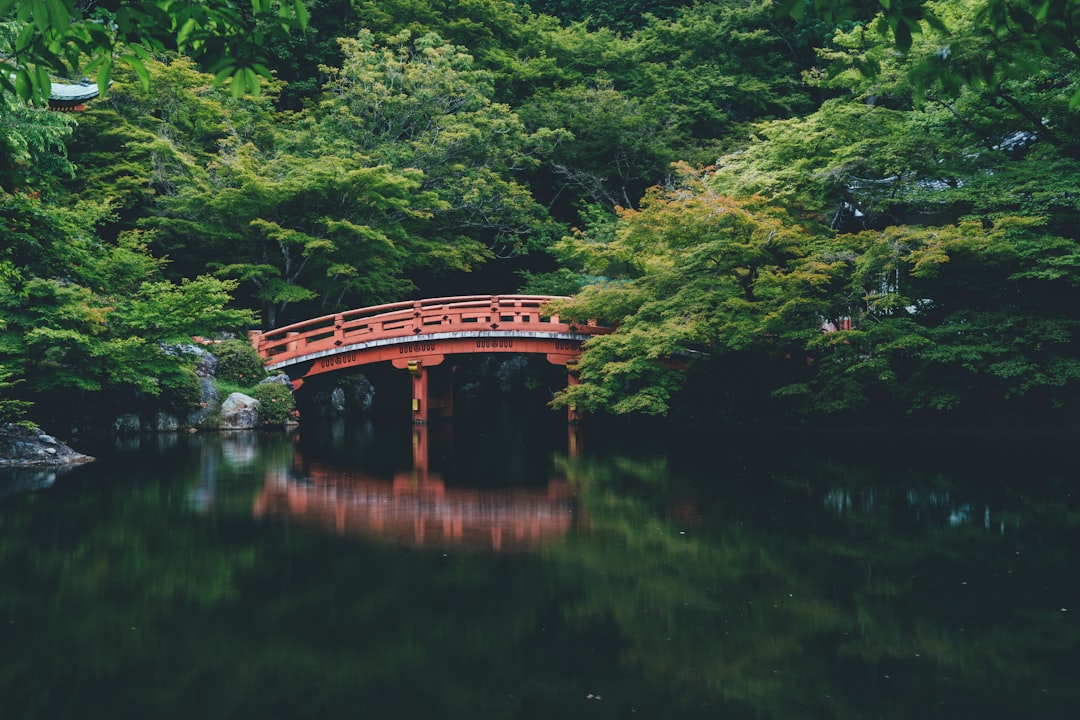
Hiraiho is a small artificial hill shaped to recall Mount Fuji. It takes a minute to climb. From the top you see the whole composition at once: Kikugetsu-tei teahouse on the water, the arched Engetsu-kyo Bridge, the islands in Nanko Pond, and Mount Shiun rising behind.
Go up here early in your walk rather than at the end. Once you have seen how the parts fit together, every view you meet on the path below makes more sense. It is the closest thing the garden has to a map.
The Pines: Tsurukame-matsu, Hako-matsu, and a Shogun’s Bonsai
About 1,400 pines grow in the garden, and roughly 1,000 of them are pruned by skilled gardeners. If gardeners are at work during your visit, stop and watch. The patience in their pruning is part of what you came to see.
Three trees stand out. Tsurukame-matsu is a black pine rising from a formation of about 110 rocks arranged as a turtle, with branches spread like a crane’s wings. The crane and the turtle are both symbols of long life. Further along, the Hako-matsu pines are clipped into box shapes and line the path in a dense row.
The third tree has the best story. Neagari-goyomatsu, a Japanese white pine with its roots raised above the soil, began as a bonsai given to the Takamatsu Domain by the eleventh Tokugawa shogun in 1833. It is now a full-sized tree.
Expert Tip
Ritsurin opens at 5:30am from April through September, which almost no visitor takes advantage of. The first hour after opening is when local residents walk the paths, the pond is still, and the gardeners have not yet started. If you are staying overnight in Takamatsu, go before breakfast and come back later for tea.
Matcha at Kikugetsu-tei
Kikugetsu-tei is the garden’s principal teahouse, used by successive lords of the domain. Its name comes from a line of Tang dynasty poetry about scooping the moon from water. The rooms open directly onto Nanko Pond.
A bowl of matcha with a Japanese sweet costs 800 yen, and sencha with a sweet costs 600 yen. We recommend the matcha, and we recommend taking your time over it. Sit facing the pond, not the room. The view from the floor is the one the building was designed around, and it is lower and closer to the water than any view from the paths.
If you have never been to a tea gathering, our beginner’s guide to tea ceremony etiquette covers the basics. Kikugetsu-tei is relaxed, though, and nobody expects formal manners.
The Wasen Boat on Nanko Pond
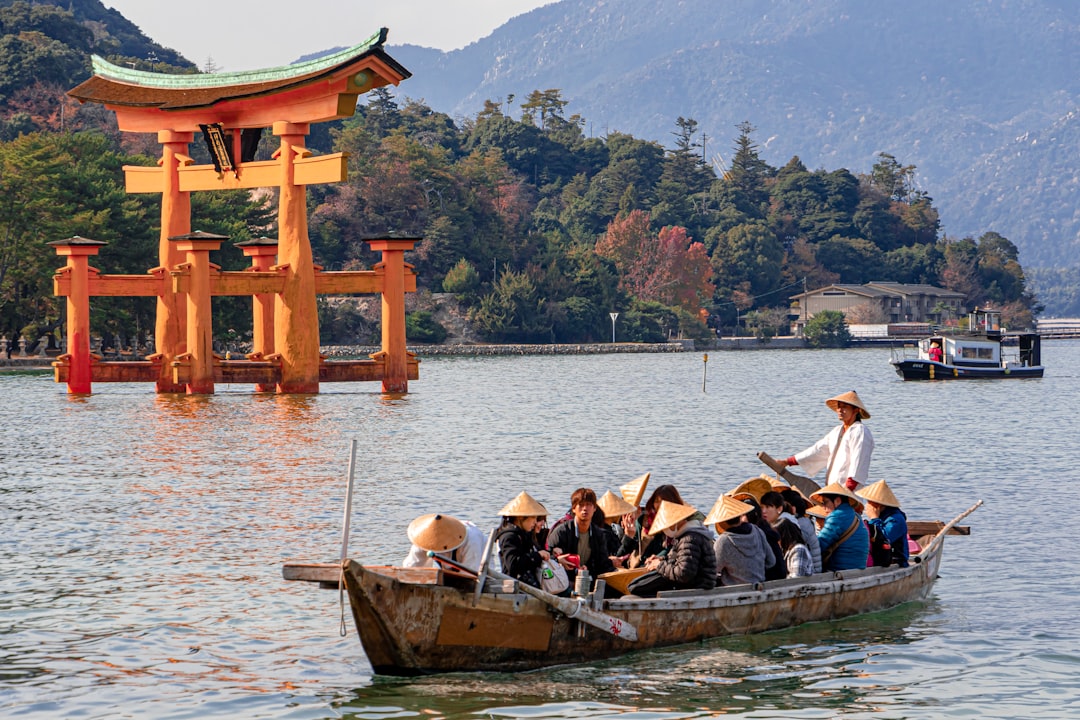
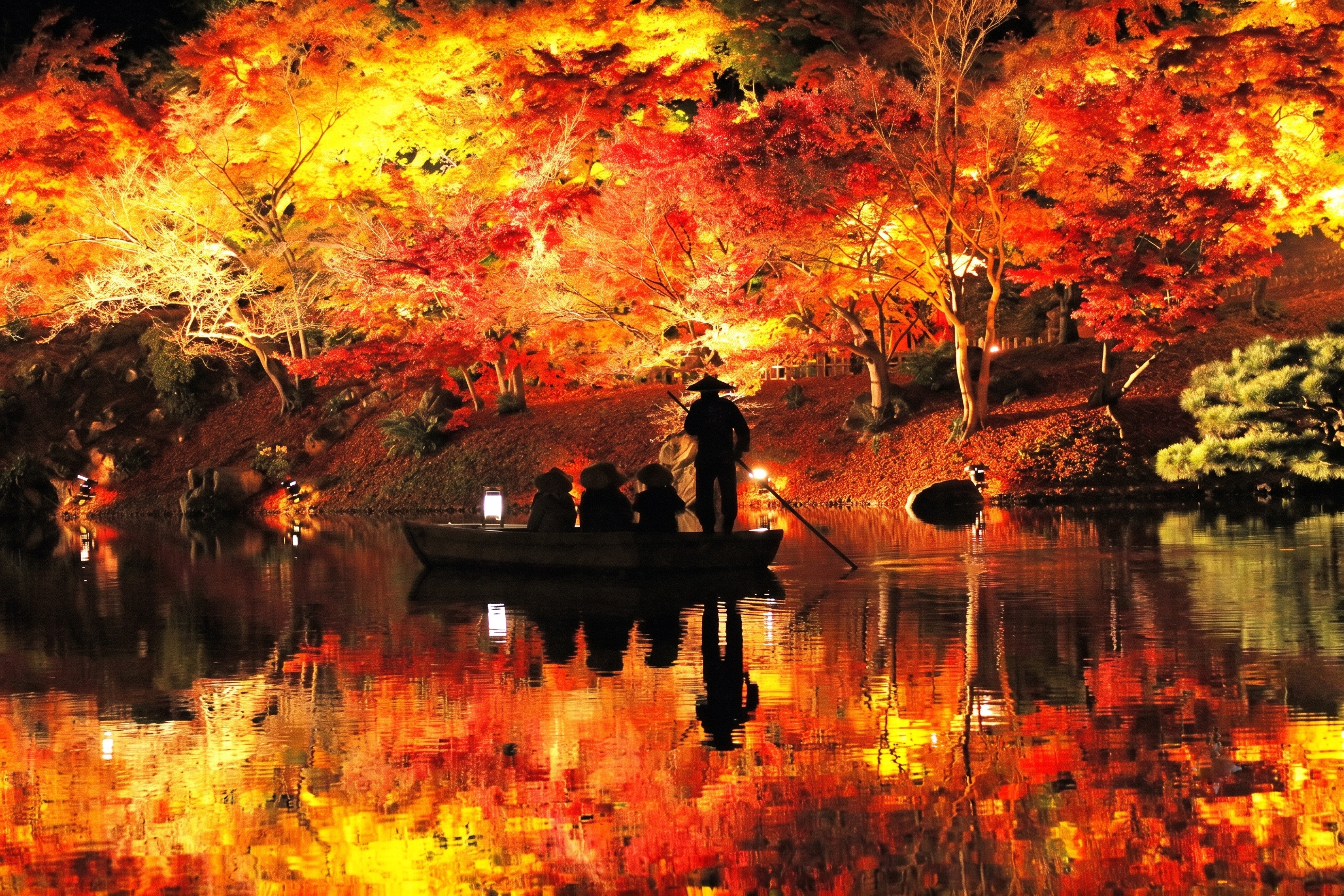
A wooden boat, poled by a boatman, makes a loop of Nanko Pond in about thirty minutes. The fare is 620 yen for adults. Boats run from 9:00am to 4:30pm, with the last departure moved to 4:00pm from November to January.
It is worth doing. From the water, the bridges frame the teahouse and the pines lean out overhead, a completely different garden from the one on the paths. However, spaces are limited. The garden recommends booking online at least a day ahead, since same-day places tend to go quickly.
Planning Your Visit: Hours, Tickets, and Timing
Ritsurin is easy to reach and open every day of the year. The practical questions are mostly about time.
Getting There From Takamatsu Station and the Port
From JR Takamatsu Station, a local JR train takes about five minutes to Ritsurin-Koen-Kitaguchi Station, which is a three-minute walk from the garden. Alternatively, the Kotoden Kotohira Line runs to Ritsurin-Koen Station, about a ten-minute walk away. Buses from Takamatsu Station stop at Ritsurin Koen-mae, directly outside.
A taxi from the station or the Sunport area is short and uncomplicated, and it is what we suggest if you are coming off a ferry or a cruise ship with limited time. Otherwise, the train is cheaper and just as quick.
Hours, Tickets, and How Long to Stay
Adult admission is 500 yen and 170 yen for children. Entry is free on January 1 and on March 16, the anniversary of the garden’s opening.
Opening hours change month by month:
- December and January: 7:00am to 5:00pm
- February: 7:00am to 5:30pm, and March: 6:30am to 6:00pm
- April, May, and September: 5:30am to 6:30pm
- June, July, and August: 5:30am to 7:00pm
- October: 6:00am to 5:30pm, and November: 6:30am to 5:00pm
Allow at least ninety minutes. That is the minimum we plan for on our guided days, and it covers the South Garden at walking pace. Add thirty minutes for the boat and another thirty for tea. Two and a half hours is comfortable, and there is no reason to rush.
Free guiding by volunteer staff is offered at the garden. Even so, a guide who knows the history and the pruning traditions changes how much of the design you notice.
Choosing a Season and a Time of Day
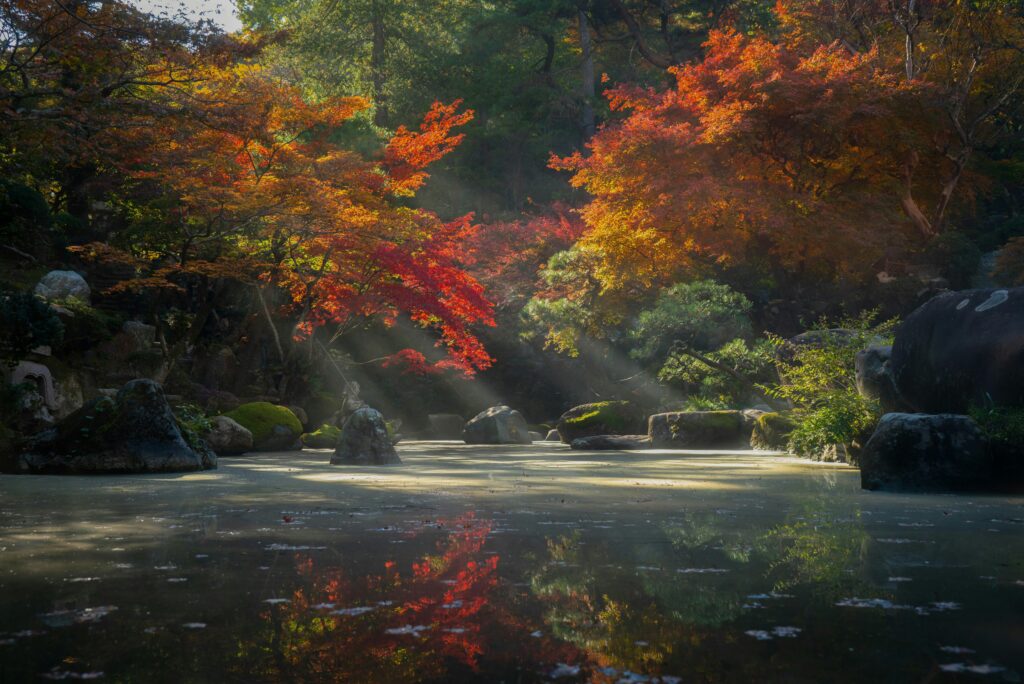
Spring brings plum blossom and then cherry blossom, and autumn brings maple color around the ponds. Those are the peak periods, and they are also the busiest.
We think winter and early summer are underrated here. Pines are evergreen, so Ritsurin never goes bare, and the structure of the garden reads more clearly without blossom competing for attention. The rainy season softens the mountain in mist, which suits the place.
Time of day matters more than season. Mornings are cooler and quieter, and the light comes low across the ponds. By early afternoon, day-trippers arrive, and the paths around Nanko Pond fill up.
Expert Tip
Book the wasen boat online the day before, then plan your walk around the departure time. The order we use is Hiraiho first, the boat next, and Kikugetsu-tei last. After seeing the pond from above and from the water, you will recognize every island and bridge from the teahouse floor, and tea becomes the natural place to end.
Beyond the Garden: Takamatsu and the Ferry to Naoshima
Ritsurin is the reason to come to Takamatsu, but it should not be the only thing you do there.
Castle Moats, Warehouses, and Udon
Takamatsu is compact, and most of what is worth seeing sits near the port. Tamamo Park holds the remains of Takamatsu Castle, built on the shoreline with moats filled with seawater, and sea bream swim in them. The keep is gone, but the stone walls, gates, and turrets remain.
Walk along the waterfront to Kitahama Alley, a row of old timber and corrugated-iron warehouses that now house cafes, galleries, and small shops. Nobody has tidied it up, and that is the appeal.
Then there is udon. Kagawa eats more udon per person than anywhere else in Japan, and the best places are often self-service canteens where you carry a tray and add your own toppings. The procedure is not obvious the first time. On our Takamatsu private tour, the guide walks you through the counter, after starting the day at Ritsurin and moving on to the castle moats and Kitahama Alley.
Taking the Ferry On to Naoshima
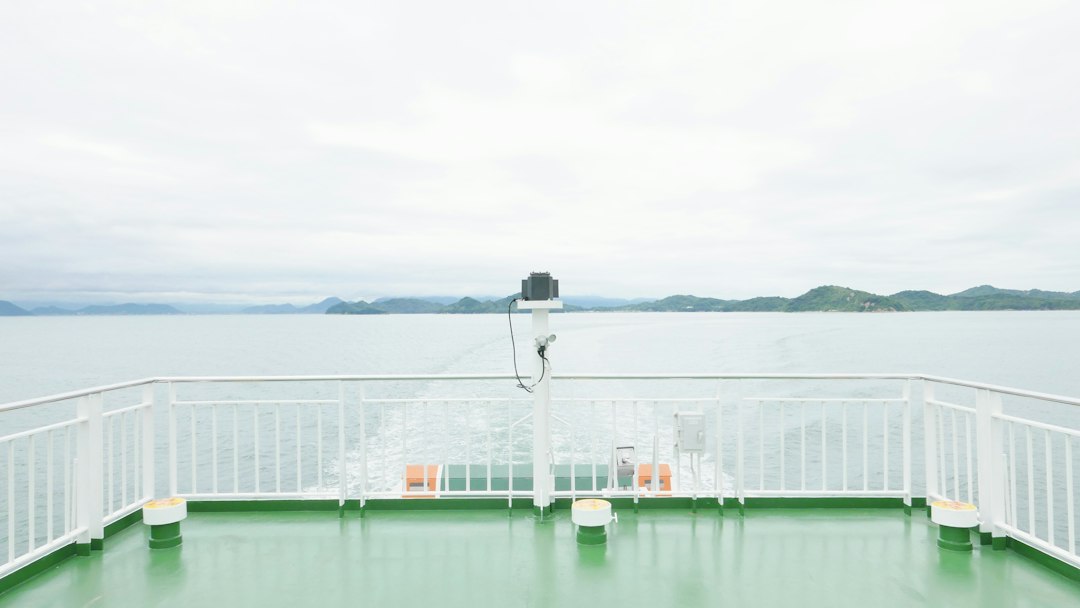
Takamatsu Port is one of the two main gateways to Naoshima. Shikoku Kisen runs a car ferry to Miyanoura Port that takes about 50 minutes, and a passenger-only high-speed boat that takes about 30. The two leave from different piers, so check which one you are catching.
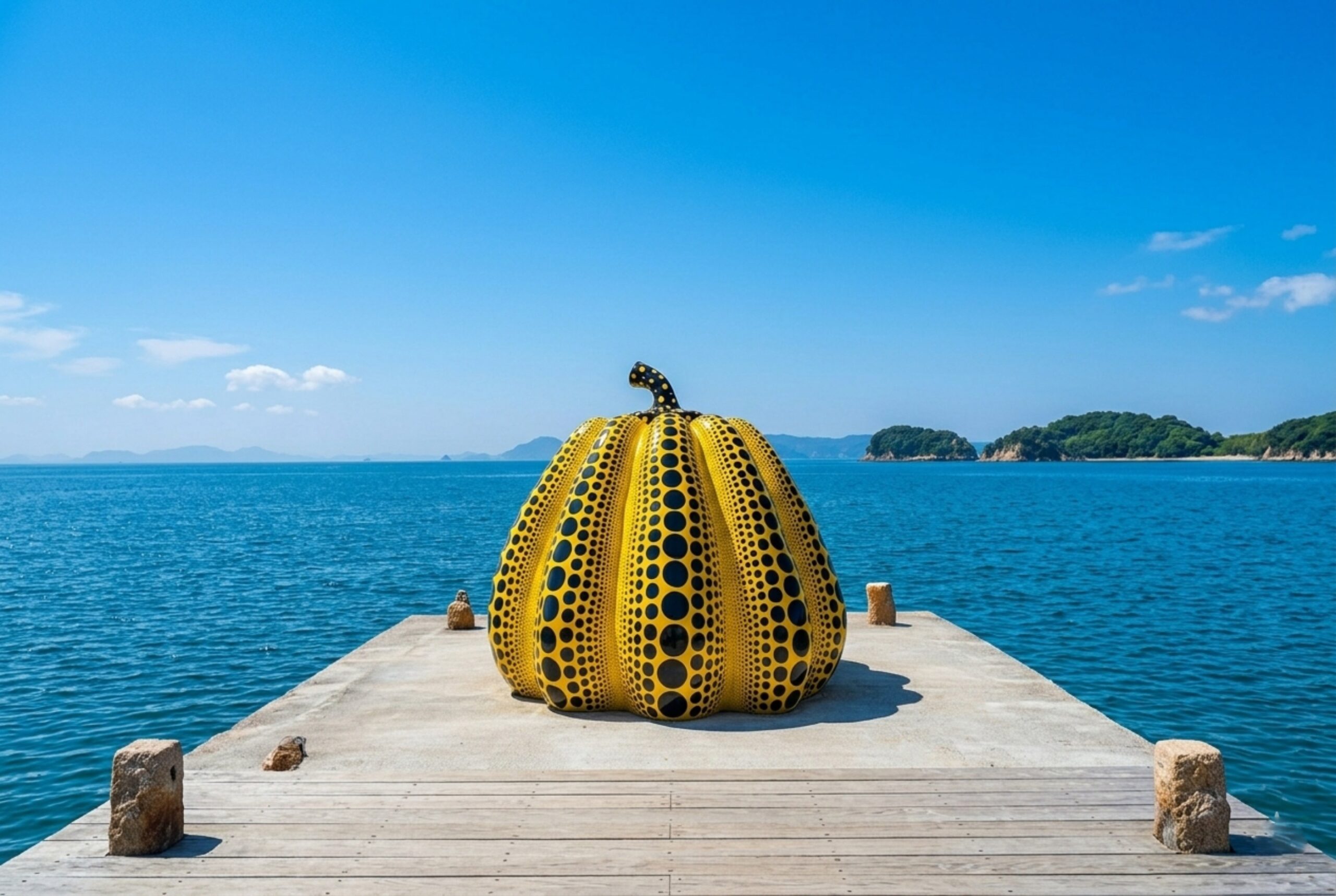
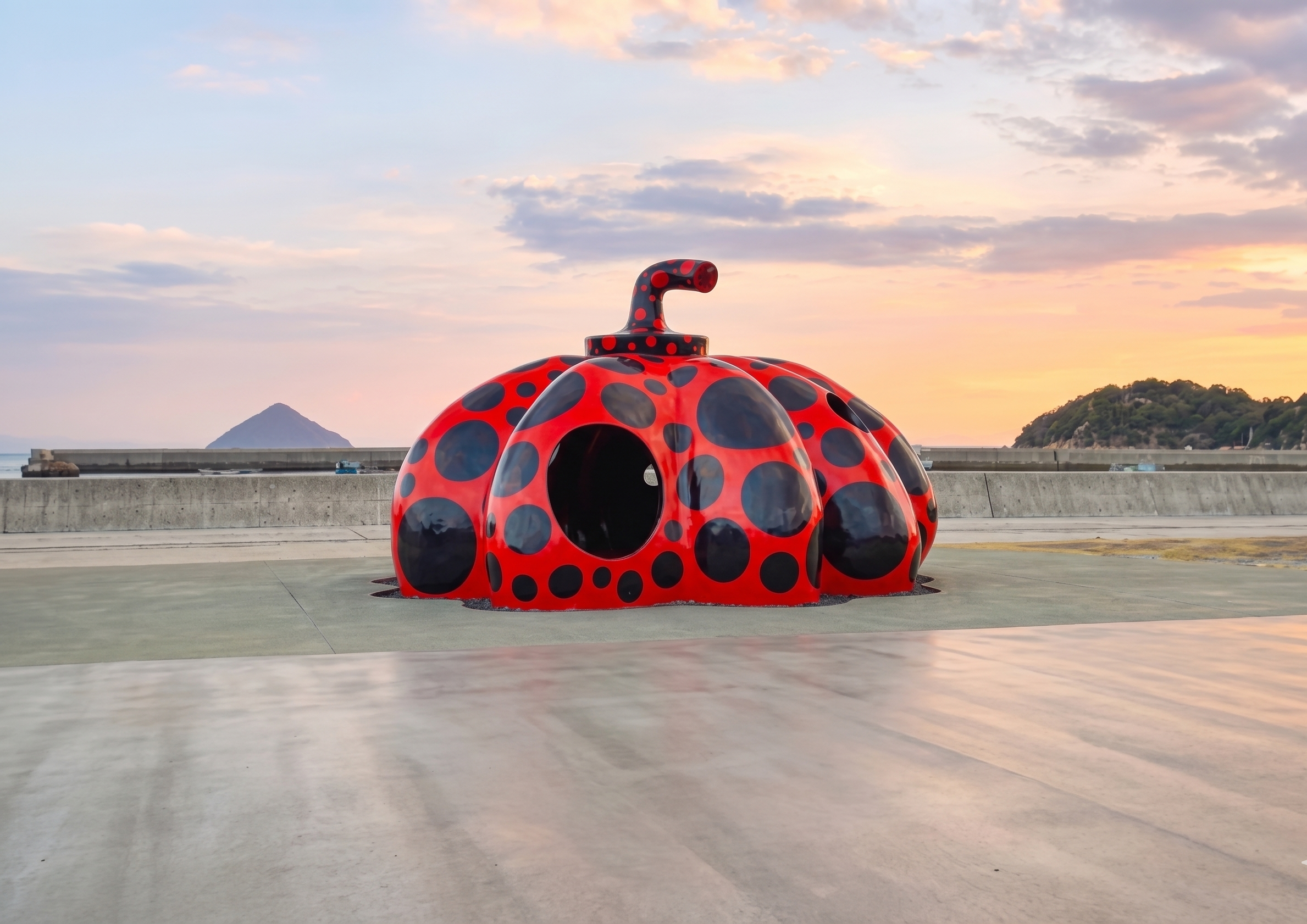
This is why we suggest treating Ritsurin as the entrance to the region. Spend a morning in the garden, sleep in Takamatsu, and cross to the island early the next day. Naoshima rewards an early start, because the Chichu Art Museum sells entry in timed slots that must be bought in advance, and the museums close on fixed days. Our guides on Naoshima plan the day around those closures and the island buses. For the wider picture of the islands, read our guide to Naoshima, Teshima, and the Setouchi art islands.
Ritsurin Garden: Frequently Asked Questions
How much time do you need at Ritsurin Garden?
Plan on ninety minutes as a minimum for the South Garden on foot. With the thirty-minute boat ride and tea at Kikugetsu-tei, two and a half hours is a comfortable visit. Travelers who add the North Garden and its museums can easily spend half a day.
Is Ritsurin Garden worth it if I have already seen Kenroku-en?
Yes. It is a different kind of garden: larger, wilder at the edges, and built against a mountain rather than set within a city. The hand-pruned pines are its signature, and they are shaped with a degree of care you will not find at the same scale elsewhere. Seeing both makes the differences between them easier to read.
Can I visit Ritsurin Garden and Naoshima on the same day?
It is possible, but we do not recommend it. You would need to leave the garden by late morning to catch a ferry, reach Naoshima around midday, and fit the museums around a timed Chichu slot and the last sailing back. Both places are better with a full day each, with a night in Takamatsu in between.
Related Tours
Conclusion
Arrive early, climb Hiraiho first, and book the boat the day before. Those three decisions shape a visit to Ritsurin more than anything else, and none of them costs extra.
Then give Takamatsu the night it deserves. Eat udon for lunch, walk the castle moats in the late afternoon, and take a morning ferry to Naoshima. The garden and the island were made four centuries apart, and they belong on the same itinerary.
Plan Your Japan Trip with Local Experts
Our team has guided 40,000+ travelers across Japan. Tell us about your trip and we’ll get back to you within 24 hours.




