
In this article:
- Understanding Ise Jingu: Two Shrines and 125 Sanctuaries
- Planning Your Visit: Order, Hours, and Access
- Walking the Grounds: Etiquette at the Shrine
- Oharai-machi, Okage Yokocho, and Futami
- Ise Jingu: Frequently Asked Questions
Introduction
Most travelers arrive at Ise Jingu expecting gold, and leave talking about wood.
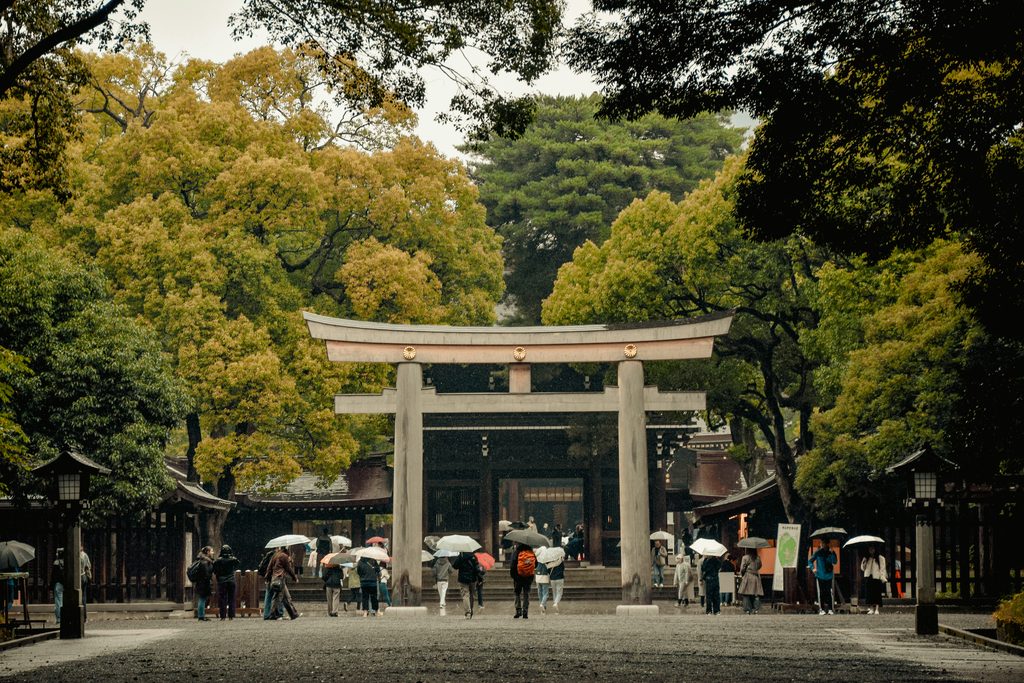
After Kyoto’s vermilion gates and the lacquer of Nikko, the most sacred shrine in Japan turns out to be almost entirely unornamented. The buildings are raw Japanese cypress under thatch. The approaches are wide gravel paths through cedar trees older than most of the countries our guests fly in from. What you hear is gravel underfoot and, near Naiku, the Isuzu River.
That restraint is the point. Ise is where the sun goddess Amaterasu is enshrined, and for centuries ordinary people walked here from every corner of Japan to pay their respects. For a traveler who wants to understand Shinto rather than just photograph it, we think no other site in the country comes close. The difficulty is that almost nothing at Ise explains itself, so this guide covers what to know before you step onto the gravel.
Understanding Ise Jingu: Two Shrines and 125 Sanctuaries
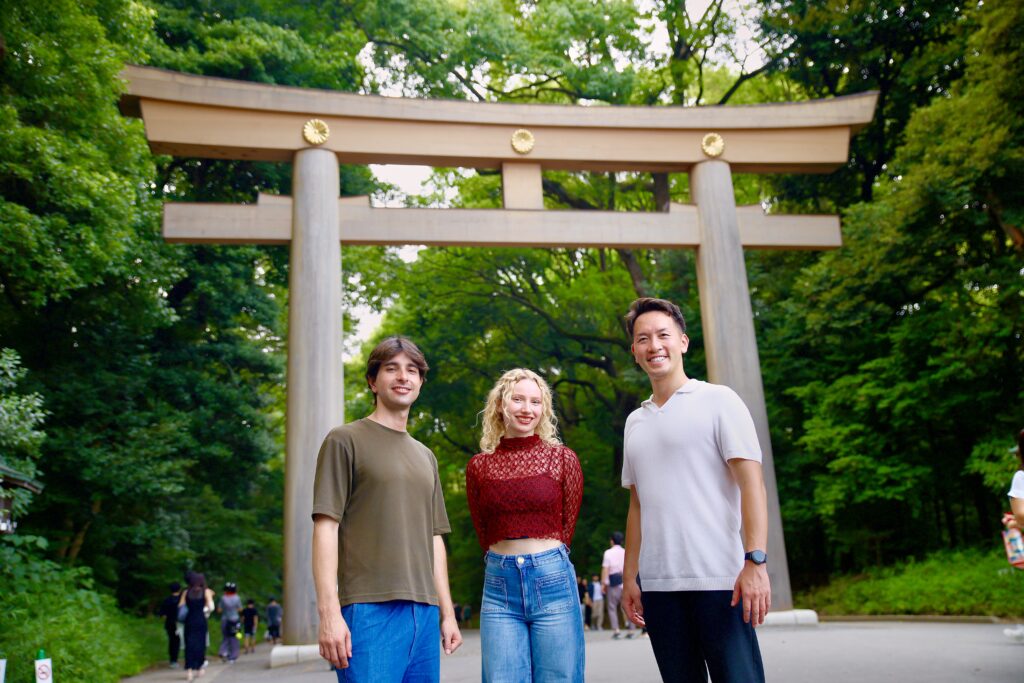
Ise Jingu is not one shrine. Officially called just “Jingu”, it is a network of 125 shrines spread across Ise and the surrounding area, centred on two main sanctuaries several kilometres apart.
If the difference between a Shinto shrine and a Buddhist temple is still hazy, our guide to shrines versus temples is a useful fifteen minutes before you go.
Naiku and Geku
Naiku, the Inner Shrine, enshrines Amaterasu-Omikami, the ancestral deity of the Imperial family. According to the shrine, she was enshrined here around 2,000 years ago. This is the heart of the complex and the one place to prioritise if you only have time for one.
Geku, the Outer Shrine, enshrines Toyo’uke-no-Omikami, who provides the sacred food offered to Amaterasu and is regarded as the guardian of food, clothing, and shelter. Geku sits in the town centre, a short walk from Iseshi Station. Naiku is further south, deeper in the forest.
The other 123 shrines range from sizeable subsidiary sanctuaries to small structures along the paths. Most visitors see a handful of them without realising they are part of the same institution.
Rebuilt Every Twenty Years
Every twenty years, the main sanctuaries are rebuilt from new cypress on an adjacent plot of land, and the deity is moved across in a night ceremony. The ritual is called Shikinen Sengu. Beside each main sanctuary you will see an empty gravel plot, the kodenchi, waiting for the next rebuilding.
The most recent transfer took place in 2013. The next, the 63rd, is scheduled for 2033, and the long sequence of preparatory ceremonies began in 2025. In practice this means that any visit in the coming years falls within an active cycle, although the major public events happen on specific dates rather than continuously.
What makes this remarkable is not the age of the buildings. None of them is old. The continuity is in the knowledge: carpenters who worked on one rebuilding train the ones who will lead the next. Ise is arguably the purest example of Japan valuing a living technique over a surviving object.
What You Can and Cannot See
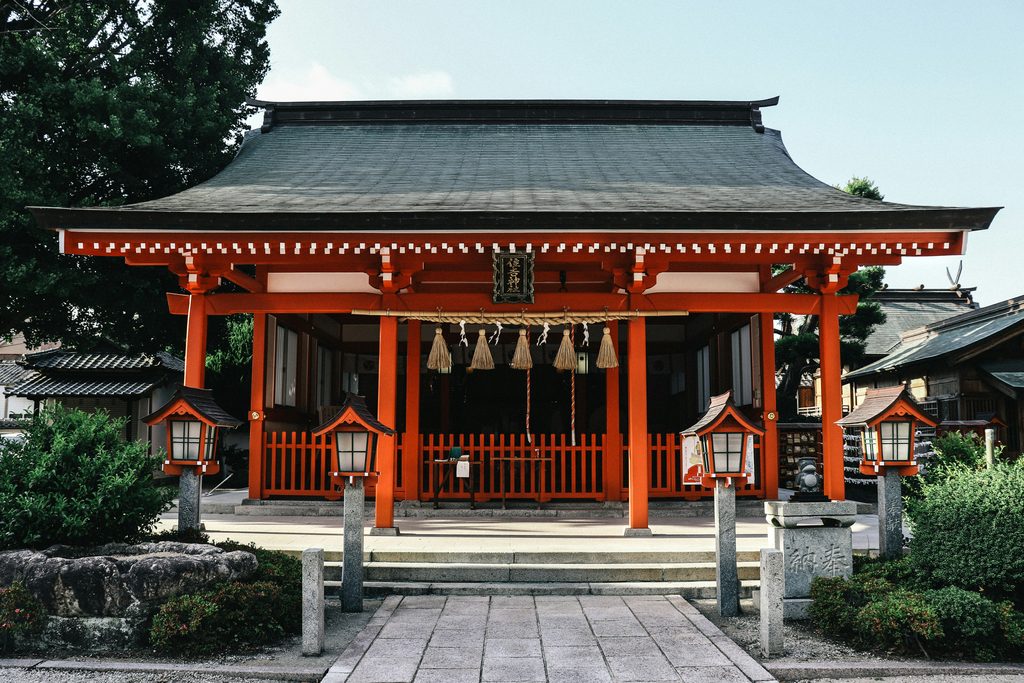
This surprises people. The main sanctuaries sit behind layers of wooden fences, and visitors pray at a point outside them, looking at a curtain and the roofline beyond. You will not walk up to the building.
Photography is not permitted at the prayer area in front of the main sanctuaries. That said, the approaches, bridges, and forest are fair game. Our guides find that once guests understand why the inner buildings are screened, the fence becomes more interesting than an open doorway would have been.
Expert Tip
Look for the empty plot next to each main sanctuary. It is the easiest way to grasp the twenty-year cycle, and very few visitors notice it. When the next rebuilding happens, the new sanctuary will rise on that gravel, and the one you prayed at will be dismantled.
Planning Your Visit: Order, Hours, and Access
A good Ise day is decided before you arrive. The shrines are far enough apart that the sequence, the start time, and the train you take all shape the experience.
Geku First, Then Naiku
Custom is to visit Geku before Naiku. The logic follows the offerings: food is prepared at Geku for Amaterasu, so pilgrims traditionally pay respects there first. Nobody will stop you from reversing it, but we keep to the traditional order and recommend you do the same.
The two shrines are about 5.5 kilometres apart. A local bus connects them in around 25 minutes, and taxis wait near both. Walking is possible, at roughly an hour, but the gravel approaches at each shrine already add up to a good deal of walking, so we rarely suggest it.
If your time is short, go to Naiku. It is the more atmospheric of the two and it is where Okage Yokocho is.
Opening Hours and When to Arrive
There is no admission fee. The shrine publishes seasonal hours: 5:00am to 6:00pm from January to April and in September, 5:00am to 7:00pm from May to August, and 5:00am to 5:00pm from October to December.
Those early openings are worth using. By mid-morning on weekends and public holidays, the Uji Bridge at Naiku fills with tour groups, and the quiet that defines the place is harder to find. Arriving at Geku by 8:00am on a weekday changes the day entirely.
New Year is the busiest period by a wide margin. Unless you specifically want to see the crowds of hatsumode, the first shrine visit of the year, we suggest avoiding the first days of January.
Getting to Ise From Nagoya, Osaka, and Kyoto
Ise is a day trip from all three cities, although not a short one. The Kintetsu limited express reaches Iseshi Station in around ninety minutes from Nagoya, and in a little over two hours from Osaka and Kyoto. Reserved seats are bought separately from a Japan Rail Pass.
Nagoya makes the most sensible base. If you are building a Chubu itinerary, our Nagoya travel guide covers the city itself. From Osaka or Kyoto the day works, but leave on an early train.
Walking the Grounds: Etiquette at the Shrine
Ise asks less of visitors than people fear. Still, a few gestures done correctly change how the visit feels, both for you and for the Japanese pilgrims around you.
At Geku
The approach to Geku begins almost at the edge of town, which makes the transition into the forest abrupt. Within a few minutes of the road, the traffic noise is gone.
The main sanctuary is modest in scale. Take time with the subsidiary shrines further in, on slightly higher ground; they see far fewer visitors, and in our experience they are where guests first start to feel the character of Ise. The Sengukan museum near the Geku entrance has models and exhibits on the rebuilding cycle, which is useful context before Naiku.
Crossing Uji Bridge Into Naiku
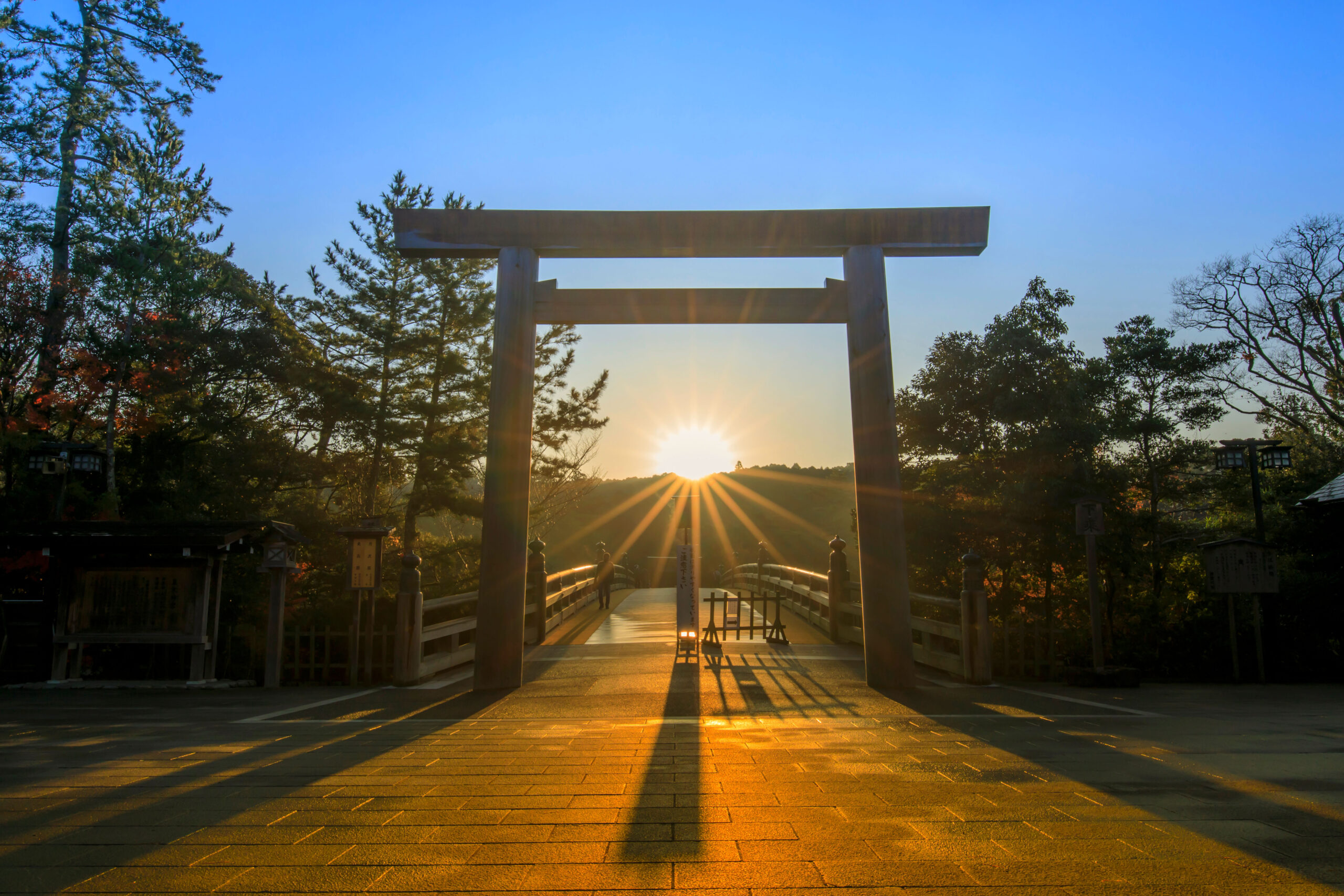
Naiku begins at Uji Bridge, a wooden span of over 100 metres across the Isuzu River. Symbolically, it is the boundary between the everyday world and the sacred one. Walking over it, with the forested hills ahead and the water moving below, is the moment most of our guests remember.
The approach beyond is long, lined with cedar, and considerably grander than Geku’s. Before the main sanctuary, a stone embankment leads down to the river itself, where pilgrims have traditionally rinsed their hands in the current. On a cold morning the water is sharp, and we think it is worth the thirty seconds.
How to Purify and Pray
At the water basins, the shrine describes a simple sequence. Take the ladle in your right hand and rinse your left hand, then switch and rinse your right. Pour a little water into your cupped left hand to rinse your mouth, rinse your left hand once more, and tilt the ladle so the remaining water runs down the handle.
At the sanctuary, bow twice deeply, clap twice, and bow once more. Eating, drinking, and smoking are not allowed in the precincts outside designated areas. For the Shinto thinking behind all of this, our piece on religion in Japan gives the wider picture.
Nobody expects a foreign visitor to perform perfectly. However, doing it quietly and without hurry is noticed and appreciated.
Amulets and Formal Prayers at the Kaguraden
Both Geku and Naiku have a Kaguraden, the hall where amulets and talismans are sold and where visitors can request a formal prayer ceremony with an offering. Few overseas travelers use it, which is a shame. Watching a private ceremony, even one conducted entirely in Japanese, shows the shrine as a working religious institution rather than a heritage site.
Buy amulets at the shrine where they will mean something to you. An omamori from Naiku, bought on the day you crossed Uji Bridge, is a better souvenir than anything on the street outside. Keep it in a bag or wallet rather than treating it as decoration.
Expert Tip
Wear shoes you would happily walk several kilometres in on loose gravel. Between the two approaches, the bus stops, and Okage Yokocho, a full Ise day involves far more walking than the map suggests, and thin-soled city shoes make the second half hard going.
Oharai-machi, Okage Yokocho, and Futami
The walk out of Naiku is as much a part of Ise as the walk in. Pilgrims needed feeding, and the street that grew up to serve them is still there.
Okage Yokocho and Akafuku
Oharai-machi is the long street running along the river toward Uji Bridge, lined with wooden merchant buildings. Okage Yokocho is a compact quarter opening off it, built to recreate the townscape of the Edo and Meiji periods. It is touristed. At the same time, the trade it serves is centuries old, and that is what makes it worth an hour.
Akafuku is the name to know. Founded in 1707 as a teahouse for pilgrims, it serves a soft mochi covered in sweet red bean paste, shaped with three ridges said to represent the flow of the Isuzu River. Eat it at the main store with a cup of tea rather than buying a box to carry home; it is a different thing fresh.
On our private Ise tour, this is where the day usually ends: lunch on the pilgrims’ street after both shrines, with the guide separating the genuinely old shops from the recent ones.
Adding Meoto Iwa
The Wedded Rocks at Futami are a short ride from Ise: two rocks in the sea joined by a thick sacred rope. Futami was traditionally associated with purification before a pilgrimage to Ise, which gives the stop more meaning than a photo opportunity.
We usually suggest Futami in the morning, before Geku. It adds time to an already full day, so it suits travelers staying overnight in Ise or Toba more than those returning to Kyoto.
Ise Jingu: Frequently Asked Questions
Is there an entrance fee for Ise Jingu?
No. Entry to both Geku and Naiku is free, and the grounds open from 5:00am year-round. You will spend money on transport between the shrines, on food in Okage Yokocho, and on amulets or formal prayers at the Kaguraden if you choose, so bring some cash.
How much time do I need for Ise Jingu?
Plan for a full day. Geku takes around an hour, the transfer about half an hour, and Naiku with a slow walk along the approach at least ninety minutes. Add lunch in Okage Yokocho and the train each way, and a day trip from Osaka or Kyoto fills from early morning to evening.
Can I take photos at Ise Jingu?
Yes, along the approaches, on Uji Bridge, and in the forest. Photography is not allowed at the prayer area in front of the main sanctuaries. Watch for signs, and if Japanese visitors around you have put their phones away, take that as your cue.
Related Tours


Conclusion
Ise Jingu rewards the traveler who arrives prepared. Knowing that the buildings are new but the technique is ancient, that the sanctuary is meant to be screened, and that Geku comes before Naiku turns a walk through a forest into something you understand.
Take an early train, start at Geku, and give Naiku the unhurried time it asks for. Then cross back over Uji Bridge, sit down at Akafuku, and let the day settle before the long ride home.
Plan Your Japan Trip with Local Experts
Our team has guided 40,000+ travelers across Japan. Tell us about your trip and we’ll get back to you within 24 hours.




