In this article:
- Spring in Tokyo: Cherry Blossoms and the Crowds That Follow Them
- Summer in Tokyo: Rain, Heat, and Evenings Worth Staying Out For
- Autumn in Tokyo: The Long, Slow Turn
- Winter in Tokyo: Clear Air, Short Days, and the New Year Pause
- Seasons of Tokyo: Frequently Asked Questions
Introduction
The seasons of Tokyo are not a backdrop. They decide what you eat, what you wear, which hour of the day is pleasant to be outside, and whether a given garden is a quiet green space or a crowd of fifty thousand people with cameras.
Travelers often pick their dates around flights and school holidays, then look up the weather. We would suggest doing it the other way round. The same walk from Meiji Shrine to Shibuya is a cool, shaded pleasure on a November morning and a test of endurance at two in the afternoon in August. Nothing on the map has changed. Everything about the day has.
What follows is how each season in Tokyo behaves in practice: the numbers from the Japan Meteorological Agency, the events that define the calendar, and the adjustments our guides make so that a day in the city works with the weather rather than against it.
Spring in Tokyo: Cherry Blossoms and the Crowds That Follow Them
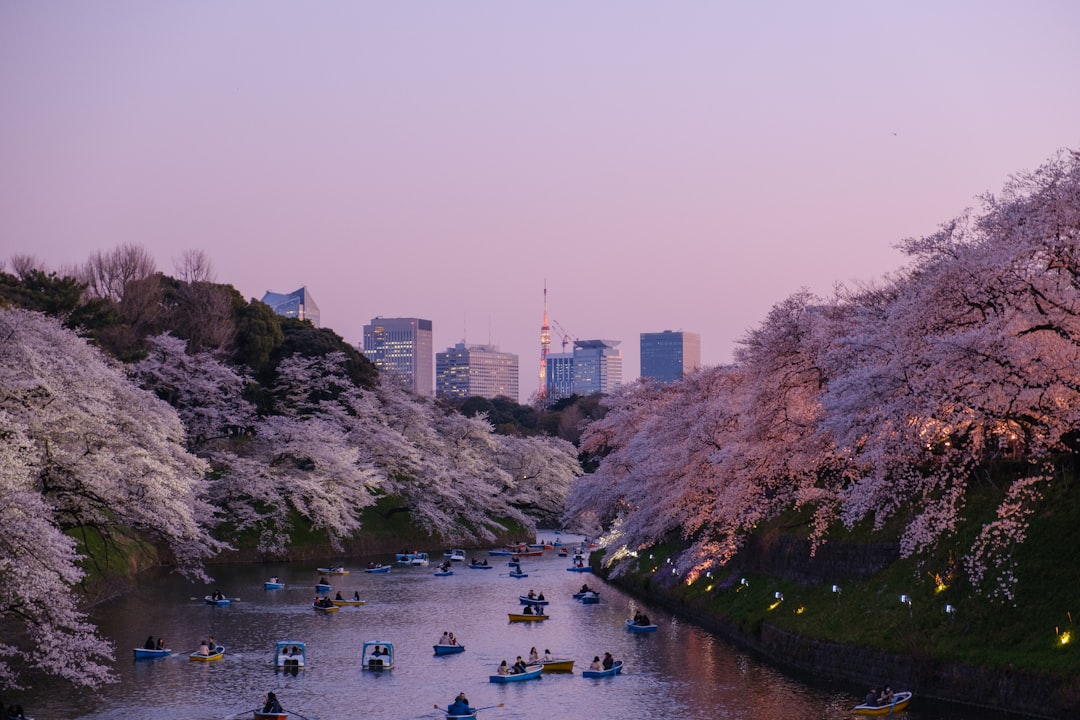
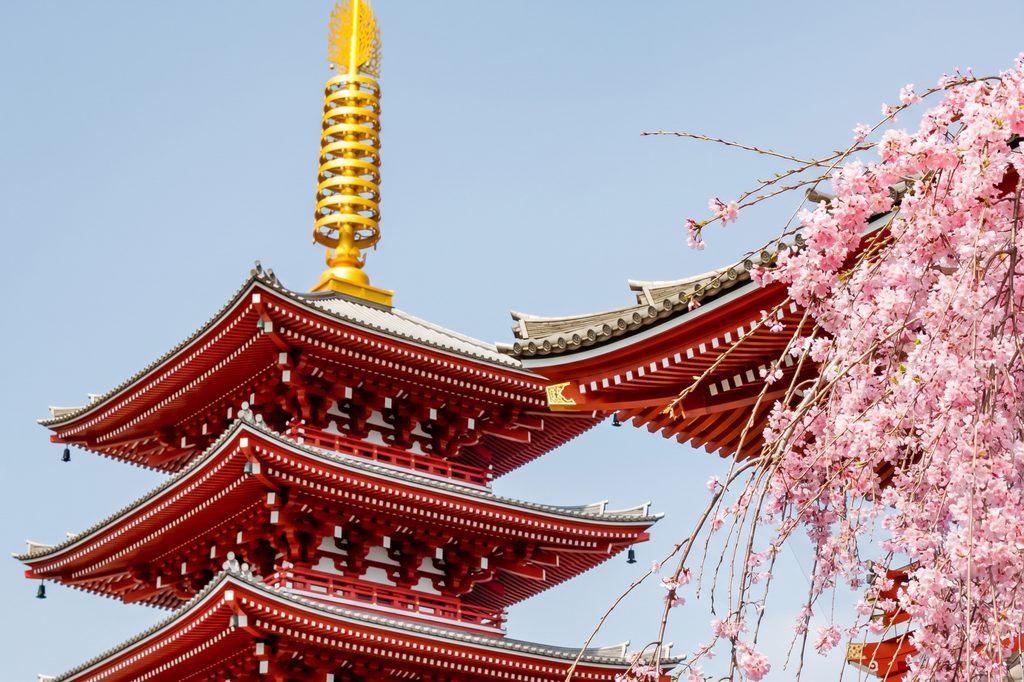
Spring is the season everyone has already imagined before they arrive. Pale blossom over dark water, picnic sheets under the trees, the whole city briefly outdoors.
That picture is accurate. It is also the picture everyone else in the city has in mind that week, which is the part the photographs leave out.
When the Blossoms Actually Open
The Japan Meteorological Agency tracks a single sample tree at Yasukuni Shrine to declare the official start of the cherry season in Tokyo. On the long-term average, that tree flowers around March 24 and reaches full bloom around March 31. In 2026 it opened on March 19, five days early, which is a reminder that the average is a guide rather than a promise.
Full bloom lasts roughly a week before the petals start to fall. Wind or a heavy shower can shorten it. For that reason we tell travelers who care about the blossoms to build a window of at least five days around the last week of March and the first days of April, rather than aiming for a single date.
The city at this point is mild but not warm. The average daily high in March is 14.2°C (58°F), rising to 19.4°C (67°F) in April. Evenings under the trees get cold quickly, and a light down jacket earns its place in the suitcase. Our guide to Tokyo’s cherry blossom spots and night viewing covers where to go once you know your dates.
Golden Week and the Festival Weekend in Asakusa
Golden Week is a cluster of national holidays from late April into the first days of May. For about a week, much of Japan travels at once. Trains out of Tokyo fill, hotel prices rise, and the major sights inside the city are busy with domestic visitors.
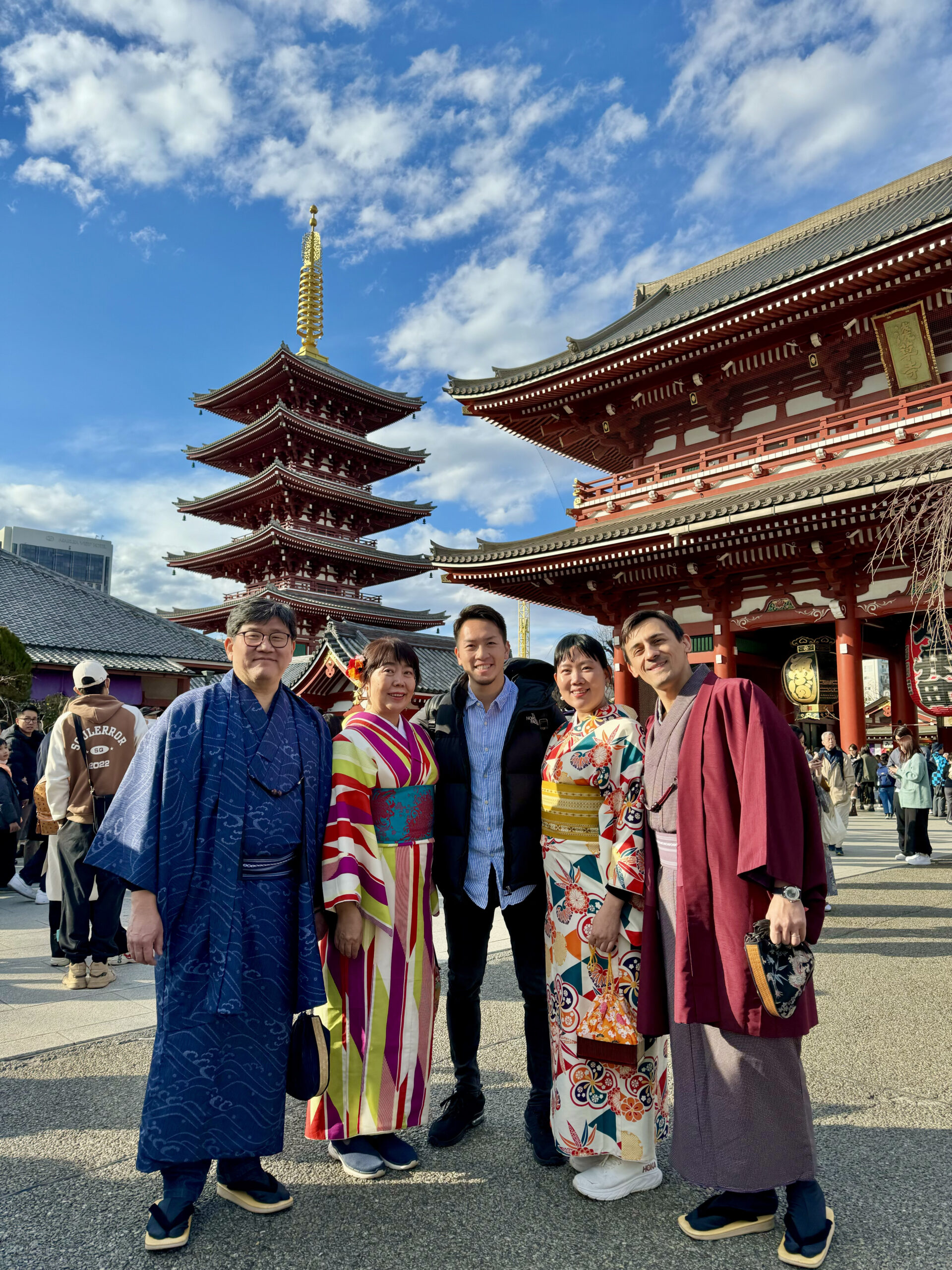
The third weekend of May belongs to Asakusa. The Sanja Matsuri, held by Asakusa Shrine beside Senso-ji, fills the surrounding streets with portable shrines carried on the shoulders of neighbourhood teams. It is loud, crowded, and one of the few times you see the old eastern side of the city behaving as it presumably did a century ago.
Why May Is Our Quiet Favourite
Once Golden Week clears, May is, in our view, the most comfortable month in Tokyo. The average high is 23.6°C (74°F), the humidity has not yet arrived, and the new leaves on the zelkova trees give Omotesando a green canopy.
There is no single headline event, which is precisely why it works. Gardens are calm. Walking between neighbourhoods is pleasant rather than tiring. If a traveler asks us for one month with the fewest compromises, we usually say mid-to-late May.
Expert Tip
During cherry blossom week, the famous parks are at their calmest before 8am. Arrive at a riverside path at seven and you will share it with joggers and a few photographers; arrive at eleven and you will be moving in a queue. The light is also better early, softer and lower, and the petals photograph without the harsh midday glare.
Summer in Tokyo: Rain, Heat, and Evenings Worth Staying Out For
Tokyo’s summer comes in two parts, and they feel like different climates. First the rain, then the heat.
Neither is a reason to avoid the city. Both are reasons to plan the day differently.
Tsuyu, the June Rainy Season
The rainy season in the Kanto region, called tsuyu, begins on average around June 7 and ends around July 19, according to the Japan Meteorological Agency. In 2026 it began on exactly the average date and ended one day late.
Tsuyu is not a monsoon. Most days bring grey skies, drizzle, and occasional heavier bursts rather than continuous downpours. June has the fewest sunshine hours of any month in Tokyo on the long-term average, and the air turns soft and damp. Hydrangeas come into flower in temple gardens across the city, and they look their best with rain on them.
We plan June days with an indoor anchor, a museum or a long lunch, and keep the outdoor sections flexible. Our rainy season travel tips go into packing and planning in more detail.
The Heat of July and August
After the rain ends, the temperature steps up almost overnight. August averages a daily high of 31.3°C (88°F) and a low of 23.5°C (74°F), which means the nights offer little relief. Individual days regularly go well past those averages.
In practice, the answer is to move the day. Temples, shrines, and walking neighbourhoods go first thing in the morning. The middle of the day is for air-conditioned interiors: department store food halls, museums, a long lunch. Outdoor plans resume in the late afternoon, when the light turns gold and the streets start to fill again.
Carry water, a small towel, and a folding umbrella for shade. Convenience stores sell all three if you forget.
Fireworks and Neighbourhood Festivals
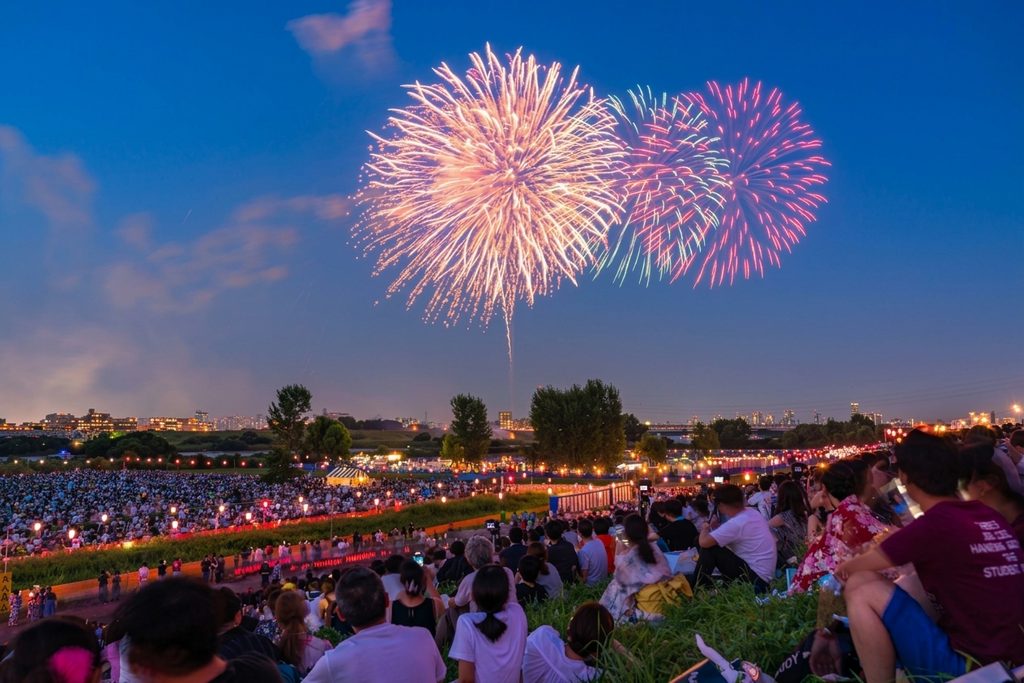
Summer evenings are the reason to put up with summer days. The Sumida River Fireworks Festival takes place on the last Saturday of July, launching over the river near Asakusa. It draws enormous crowds, and the best viewing positions along the banks are claimed in the afternoon.
Smaller neighbourhood festivals run through July and August, with food stalls, drums, and people in cotton yukata. These are often more enjoyable than the famous events. A local shrine festival on a weeknight has room to breathe, and you can buy grilled corn without queuing for twenty minutes.
Autumn in Tokyo: The Long, Slow Turn
Autumn in Tokyo arrives later than most visitors assume. Travelers who book for early October expecting red maples usually find green ones.
The payoff for patience is the best stretch of weather in the year.
September Is Still Summer
September’s average high is 27.5°C (82°F), and it often feels hotter. It is also the start of the wettest period of the year. On the long-term average, September and October are Tokyo’s two rainiest months, wetter even than June, largely because this is peak typhoon season.
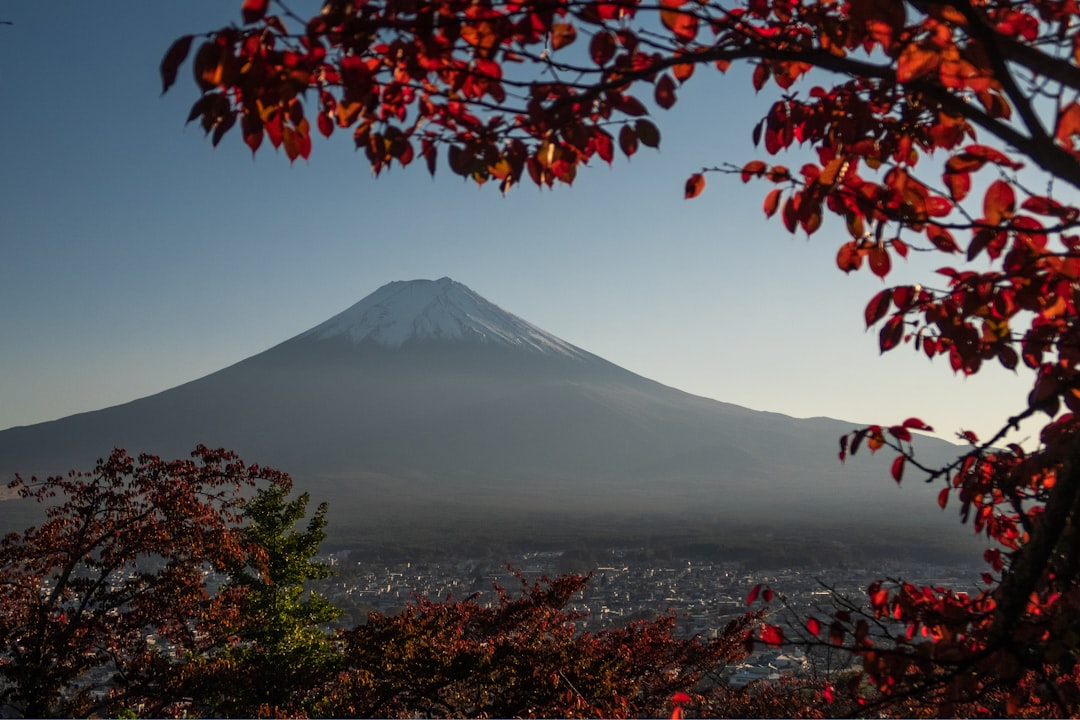
A typhoon passing near Tokyo usually means a day or two of heavy rain and wind, some suspended trains, and then a spell of clear, washed air afterward. It is manageable if your itinerary has some slack. It is stressful if you have a single day for something fixed, such as an outdoor dinner booking or a day trip to Mount Fuji.
By the second half of October the heat has broken. October’s average high is 22°C (72°F), and walking the city becomes a pleasure again.
Late November Gold
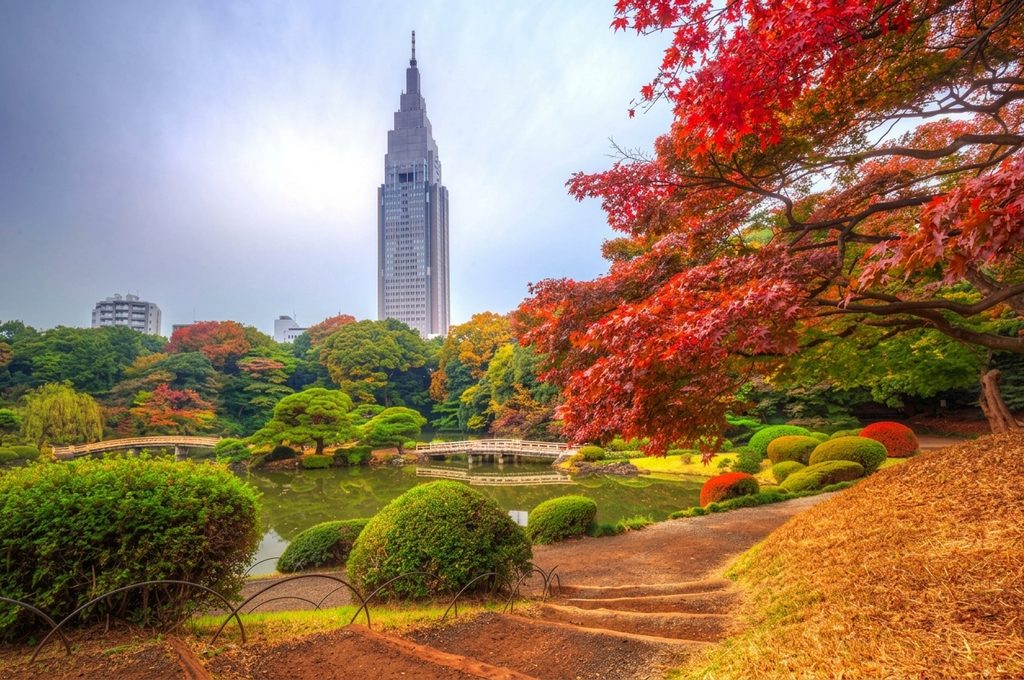
Autumn colour in central Tokyo peaks from late November into early December. The ginkgo trees turn first, and the ginkgo avenue at Meiji Jingu Gaien, a double row of trees running roughly 300 metres, becomes the city’s most photographed street for about two weeks. Maples in the older gardens follow shortly after.
November itself is, for us, a close second to May. The average high is 16.7°C (62°F), the skies are clearer than in spring, and the city’s parks carry a crispness that suits long walks. Our guide to visiting Japan in November looks at how this plays out beyond Tokyo.
The same timing logic as spring applies. Ginkgo Avenue at 8am on a weekday is a different place from Ginkgo Avenue at 2pm on a Saturday.
Expert Tip
If you are travelling in September or early October, leave one day in the middle of your Tokyo stay unplanned. When a typhoon forecast appears, it usually does so several days out, and a spare day lets you shift a Mount Fuji trip or an outdoor walking day around it rather than cancelling. The clear, cool day that often follows a typhoon is one of the best of the season for views.
Winter in Tokyo: Clear Air, Short Days, and the New Year Pause
Winter is the most underrated of the seasons of Tokyo. It is cold, dry, and bright, and the city is noticeably less crowded than in spring or autumn.
The main cost is daylight. Sunsets in December come before 5pm, so the day needs to start earlier than you might expect.
Dry, Bright, and Colder Than It Looks
January is the coldest month, with an average high of 9.8°C (50°F) and a low of 1.2°C (34°F). It is also the sunniest. Tokyo averages more sunshine hours in January than in any other month, and the dry winter air is what gives you clear views of Mount Fuji from high points in the city on good mornings.
Snow falls in central Tokyo only occasionally and rarely stays long. What catches visitors out is the wind between tall buildings and the cold inside older temples, where you remove your shoes and stand on wooden floors. Warm socks matter more than a heavy coat.
Winter evenings bring illuminations to shopping districts and parks from late November through December. Food shifts too: this is the season for oden simmered at convenience store counters, hot pots, and winter citrus.
The New Year Pause
The first days of January are the most important holiday period in Japan, and Tokyo changes character around them. Many offices, smaller restaurants, and some museums close for several days either side of New Year’s Day. Shops and major attractions largely stay open, but plan meals with that in mind.
Meiji Shrine draws some of the largest New Year crowds in the country for hatsumode, the first shrine visit of the year. The first three days of January are the busiest. If you want the atmosphere without the densest crowds, go early in the morning a few days later, when the New Year decorations are still up. By the second week of January the city is back to normal and markedly quieter.
Plum Blossoms Before the Cherries
February belongs to the plum trees. They flower weeks before the cherries, on bare branches, in white and deep pink, and they smell faintly sweet in a way cherry blossom does not.
Yushima Tenjin, a shrine in Bunkyo associated with scholarship, holds a plum festival from February into early March. It is a small, local occasion compared with cherry season, and that is its appeal.
Seasons of Tokyo: Frequently Asked Questions
What is the best season to visit Tokyo?
For comfort, mid-to-late May and November are hard to beat: mild temperatures, relatively settled weather, and no single event pulling the whole city into one park. Late March and early April offer the cherry blossoms but also the heaviest crowds and some of the highest hotel prices of the year. Winter is the best value, with clear skies and fewer visitors.
Does it snow in Tokyo?
Occasionally, and usually only a few times a winter at most. When it does, it tends to be light and melts within a day or two. If snow is the point of your trip, go north to Hokkaido or into the mountains of Nagano rather than counting on Tokyo.
Is summer in Tokyo too hot for sightseeing?
Not if you change the shape of the day. The midday hours in July and August are uncomfortable outdoors, but early mornings and evenings remain workable, and summer brings fireworks and neighbourhood festivals you cannot see at any other time. Plan outdoor sights before 10am, spend the afternoon indoors, and go back out after five.
Related Tours

Conclusion
Choose your season for what you want to see, then choose your hours for how you want to feel. Cherry blossoms and autumn colour reward early starts. Summer rewards mornings and evenings, and winter rewards anyone willing to be out before the sun gets low.
If your dates are already fixed, work backward from them. Look up the average high for your month, decide which part of each day you will spend outside, and put the most important sight of the trip into that window.
Plan Your Japan Trip with Local Experts
Our team has guided 40,000+ travelers across Japan. Tell us about your trip and we’ll get back to you within 24 hours.