In this article:
- What Shibuya Scramble Square Actually Is
- Shopping and Eating Below the 15th Floor
- SHIBUYA SKY: What the Ticket Buys
- Using the Tower as the Start of a Shibuya Evening
- Shibuya Scramble Square: Frequently Asked Questions
Introduction
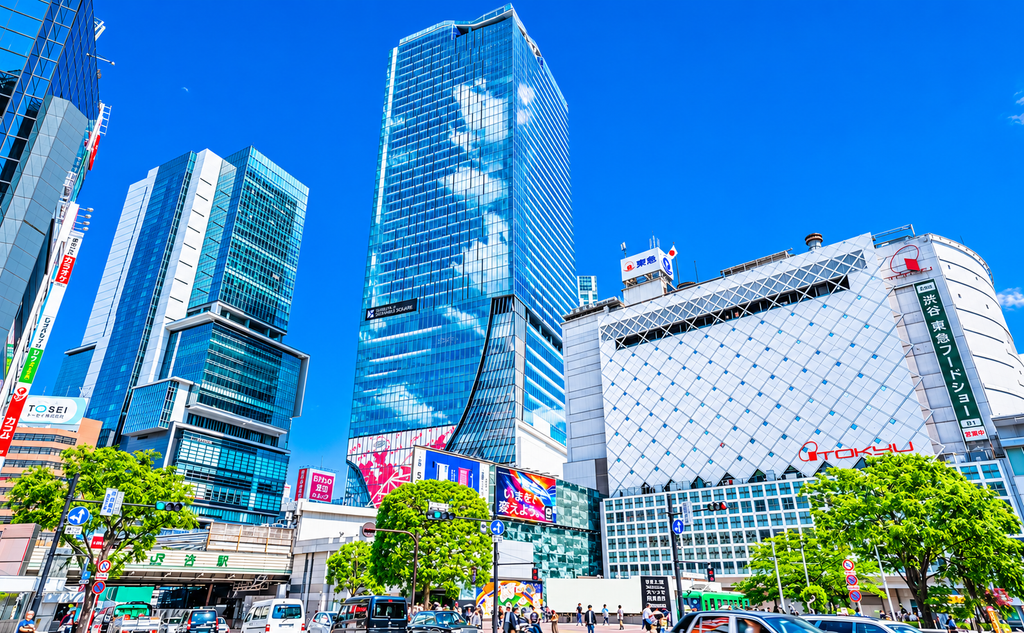
Most people meet Shibuya Scramble Square without realising it. They come up from the Ginza Line or off the JR Yamanote platforms. They follow the crowd through a long glass concourse. They only notice the building when they look up from the crossing. There, they see a tower of glass and pale fins climbing almost 230 metres over their heads.
That tower is the most useful single building in Shibuya for a visitor, and it is also the most misunderstood. Many travelers treat it as nothing more than the lobby for SHIBUYA SKY. They buy a rooftop ticket. They ride up, ride down, and leave. They miss the food halls in the basement. They also miss the restaurant floors that stay open well after the shops close. Finally, they miss the fact that the building is the easiest way to move between the station and the streets around it.
We use it constantly. Our evening walks through Shibuya begin here. Private guests want one clear look at the city before deciding what to do with the rest of their week. Because of that, they tend to end up on its roof. What follows is how we would spend time in it, floor by floor.
What Shibuya Scramble Square Actually Is
Shibuya Scramble Square is a station building first and a skyscraper second. It opened on 1 November 2019. It was the first phase of a much larger rebuilding of Shibuya Station. It was developed jointly by three railway companies whose lines meet underneath it. Those companies are Tokyu, JR East, and Tokyo Metro.
A Station Building, Not Just a Skyscraper
The East Building is the tower everyone means when they say the name. It stands about 230 metres tall with 47 floors above ground. Shops and restaurants fill the floors from B2 to 14F. Offices take up most of the middle, and the rooftop observation space sits at the very top.
The design team included Nikken Sekkei, Kengo Kuma and Associates, and SANAA, which goes some way to explaining why the building feels calmer than its neighbours. It is a corporate tower, but a considered one.
Two smaller buildings, the Central and West sections, belong to later phases of the same project and are still to come. When you see hoardings and cranes around the station, this is what they are building toward.
Finding the Way In From the Platforms
The building connects directly to Shibuya Station, so you never need to step outside to reach it. That matters more than it sounds. Shibuya Station is a layered maze of JR, Tokyu, Keio, and Tokyo Metro lines under constant construction, and even residents get turned around in it.
Our advice is to stop hunting for numbered exits and follow the signs for Shibuya Scramble Square itself. Once you are inside the building, the escalators and lifts take you anywhere you need to go. The lowest retail floor, B2, links to the station below, so arriving from the deeper subway lines often puts you close to the food hall.
On the way out, the same logic works in reverse. Leaving through the building is often quicker than fighting through the main Hachiko exit at rush hour, and you emerge within a short walk of the crossing. If you want the story behind the meeting spot outside, our piece on the Hachiko statue covers it.
Shopping and Eating Below the 15th Floor
More than two hundred shops, cafes, and restaurants occupy the floors between B2 and 14F. Shops generally open from 10:00 to 21:00, while the restaurant floors run from 11:00 to 23:00, though individual stores set their own hours within that.
Not all of it deserves your time. The fashion floors are well curated but resemble upscale department stores across Tokyo. The food floors are where the building earns its place on an itinerary.
The Food Halls at B2 and 1F
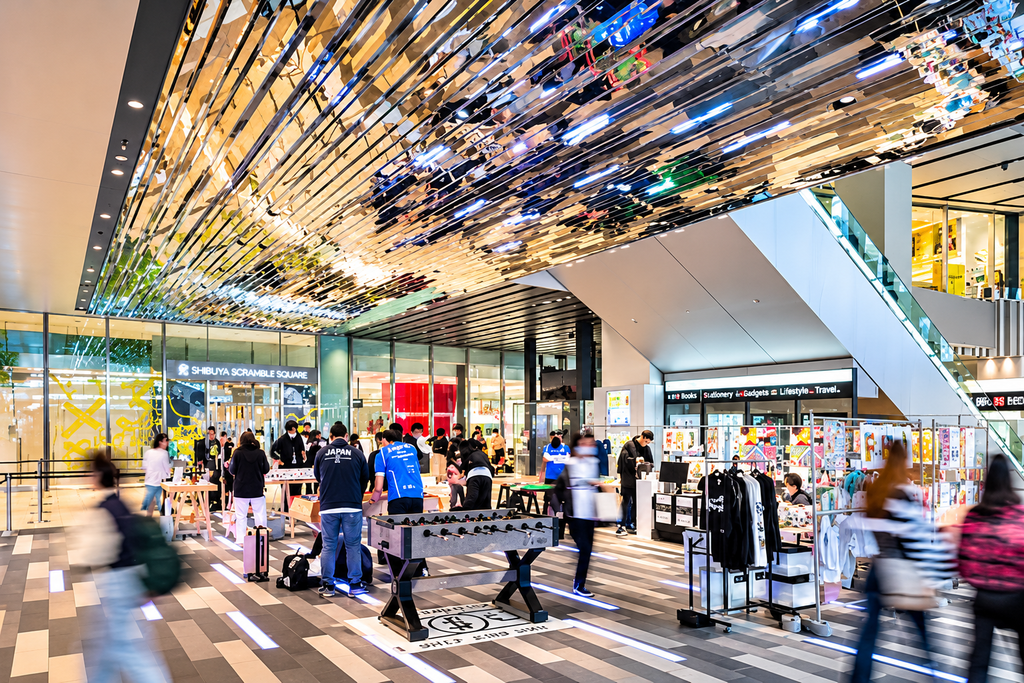
Tokyu Foodshow Edge spreads across B2 and 1F, and it is a very different animal from the sprawling depachika basements of Ginza or Nihonbashi. It is smaller and more focused on newer names, with many brands making their first appearance in Shibuya or in Japan.
The 1F level leans toward sweets and boxed gifts, which makes it the place to buy something for a host or a colleague back home. The basement is more about eating. Live kitchens, seasonal pop-ups, and counters where you can take something prepared and sit down for ten minutes make it a practical stop before or after the rooftop.
We steer guests here in the late afternoon. Lunch crowds are gone, the pastry counters have not yet been picked over by commuters, and you can assemble a small spread to carry to a hotel room for later.
The Restaurant Floors at 12F and 13F
The 12th and 13th floors are given over to restaurants, with Japanese cooking in the majority. Several rooms sit against the windows, and the view from a table at that height is part of what you are paying for.
Here is the honest assessment. These are reliable, comfortable restaurants that stay open until 23:00 and are easy to navigate without Japanese. They are not where you will eat the most memorable meal of your trip. For that, you need the smaller places off the main streets, where the menu is handwritten and the counter seats eight.
Still, there is a strong case for them on a first night in Tokyo, when jet lag has you hungry at an odd hour and you want something decent without a search.
Tax-Free Shopping and the November 2026 Change
The building’s tax-free counter is on 4F. Until the end of October 2026, the familiar rule applies: spend ¥5,000 or more before tax in a single day, show your passport, and receive the tax back on the spot, minus a 1% handling charge.
From 1 November 2026, Japan moves to a refund system nationwide. You will pay the full tax-inclusive price at the till and claim the consumption tax back when you leave the country, after your purchases are checked at the airport. If your trip falls after that date, keep receipts together and allow extra time at departure.
Expert Tip
The basement food hall is also the most comfortable waiting room in Shibuya. If you have a SHIBUYA SKY slot an hour away and nowhere to sit, buy a coffee and something sweet on B2 rather than circling the 14F ticket area. The lifts up to the rooftop are only a few minutes away, and the ticket gate will not let you through early anyway.
SHIBUYA SKY: What the Ticket Buys
SHIBUYA SKY is the reason most visitors come, and it is the best open-air view of Tokyo we know of. The experience starts at the 14F ticket gate, climbs by lift to 45F, and finishes on an open rooftop at about 229 metres, with a long indoor gallery on 46F between the two.
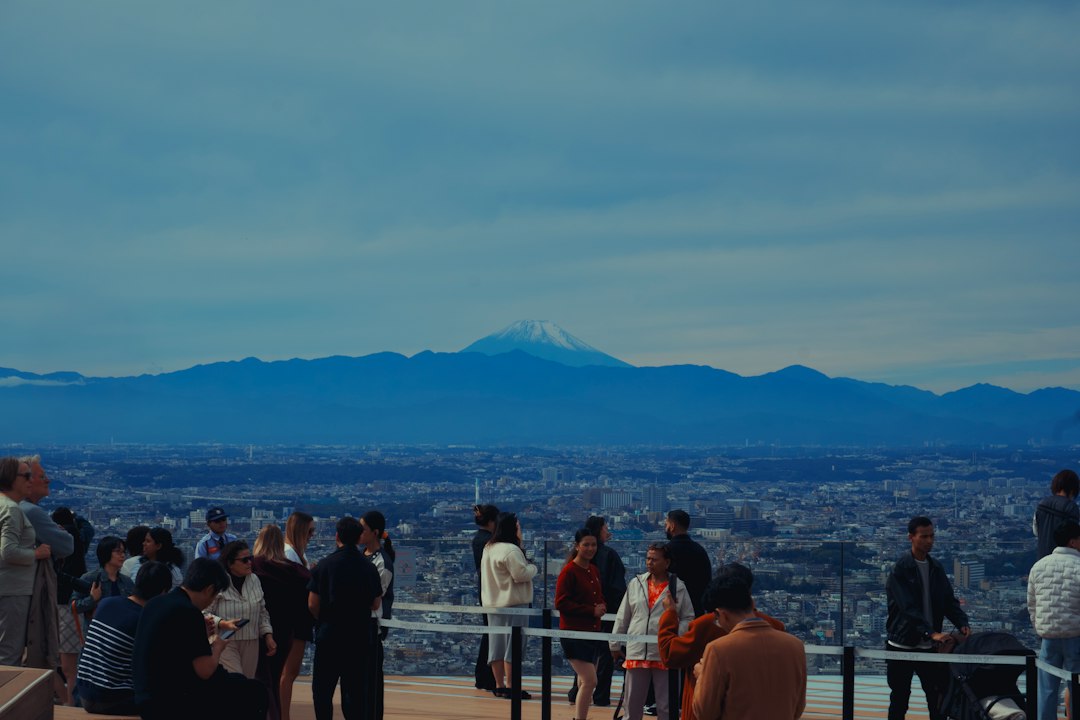
What sets it apart from Tokyo Skytree or Tokyo Tower is the open air. There is no glass between you and the city on the roof, only a glass barrier at the edge. The wind is real, the noise of the streets drifts up faintly, and on clear days you can see Tokyo Skytree to the northeast and, in winter especially, Mount Fuji to the west.
We have written a full guide to SHIBUYA SKY with photo positions and seasonal notes. Here are the practical points that matter when planning around the rest of the building.
Prices, Hours, and Booking Online
Adult tickets bought online cost ¥2,700 for entry before 15:00 and ¥3,400 from 15:00 onward. At the counter, if any remain, the same tickets cost ¥3,000 and ¥3,700. The deck is open from 10:00 to 22:30, with last admission at 21:20.
Book online. The counter is a fallback, not a plan, and when online tickets for a time slot are sold out, the counter has none either. There is no limit on how long you stay once inside, and most visitors spend around ninety minutes.
What You Cannot Take to the Rooftop
The rooftop has strict rules, because anything dropped from that height is a hazard to the streets below. Luggage, food, drinks, loose hats, tripods, and selfie sticks are not allowed. Phones and cameras with a strap are fine.
Lockers on 46F take everything else, so there is no need to leave bags at your hotel. Large suitcases are another matter. Those belong in a station locker before you go up.
The rooftop also closes in rain, strong wind, or snow, while the indoor floors stay open. Tickets are not refunded once you have entered, so look at the sky and the forecast before you scan in.
Timing the Visit Around Sunset
The most sought-after slot is about half an hour before sunset. In Tokyo that moves from around 16:30 in early December to around 19:00 in late June and early July, so the sunset slot shifts across the year.
In our experience, the best compromise is to book a slot that puts you on the roof roughly forty minutes before sunset and stay until full dark. You see the city in three states of light from one spot. Note that this almost always means paying the post-15:00 price, which we think is worth it.
Morning visits are cheaper and far emptier. If you are an early riser and the forecast is clear, a 10:00 slot on a weekday gives you Fuji in the distance and space at the edge of the roof.
Using the Tower as the Start of a Shibuya Evening
The best use of Shibuya Scramble Square is as a starting line. Go up, get your bearings, then come down into the streets with a plan.
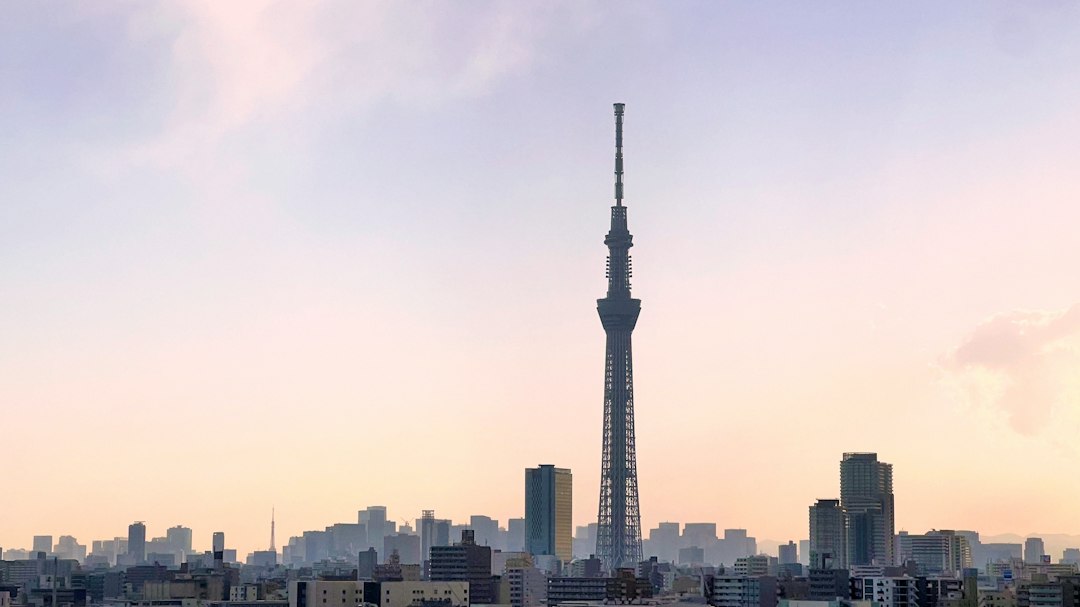
From the roof you can trace the whole neighbourhood in a few minutes: the crossing directly below, Center-gai running northwest from it, the green strip of Miyashita Park along the rail tracks, the slope of Dogenzaka up toward the love hotels and live houses. Once you have seen it from above, the maze at street level makes far more sense.
From the Rooftop to an Izakaya
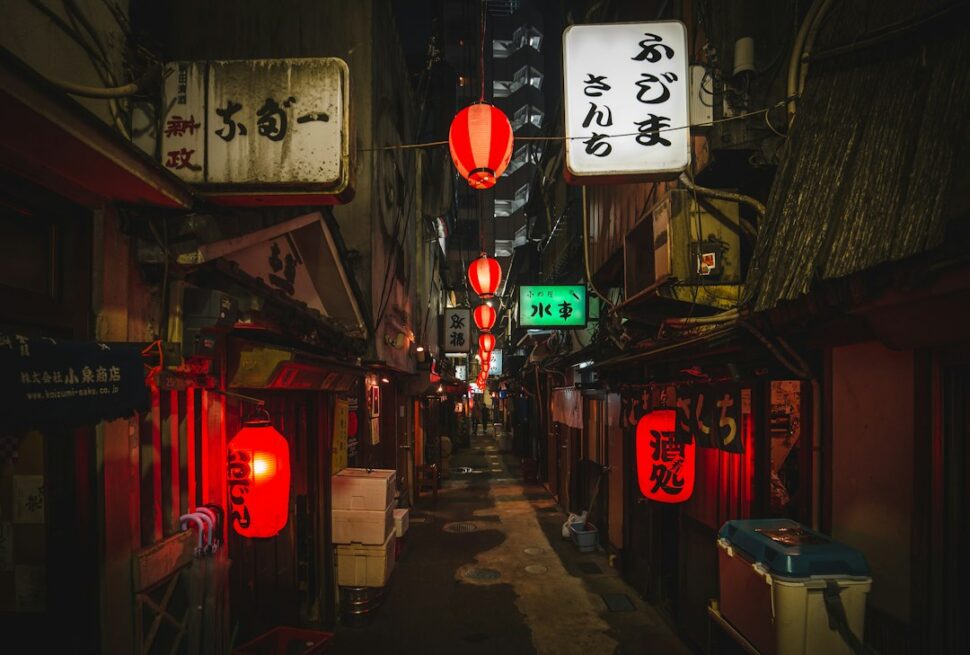
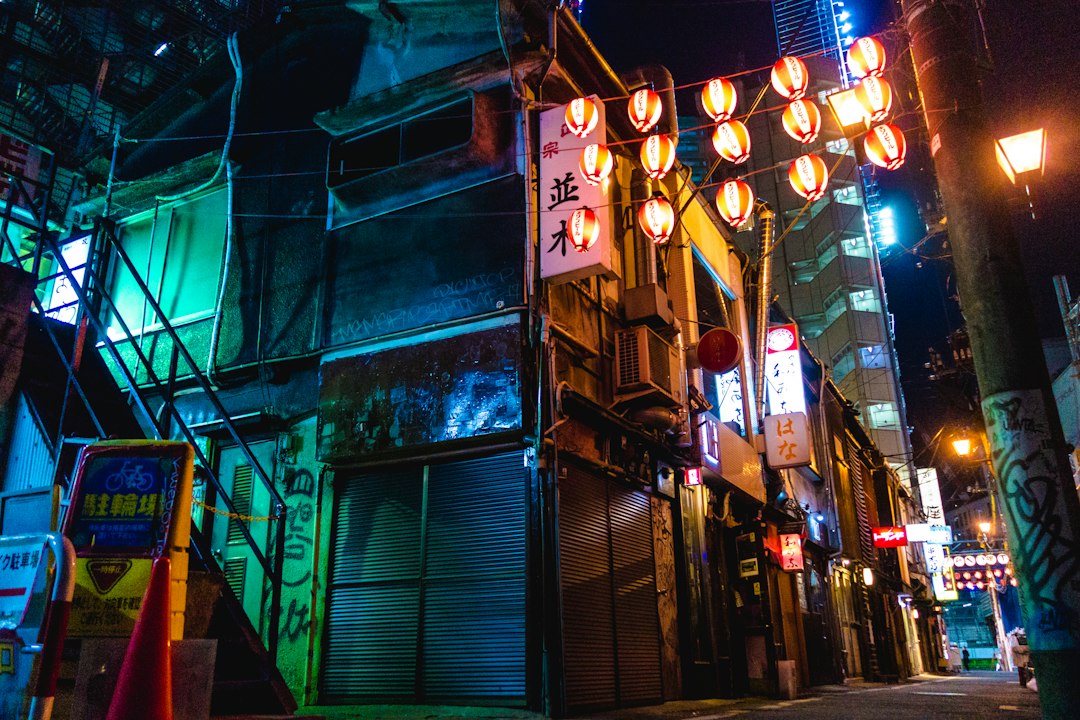
Our Shibuya bar and izakaya crawl follows exactly this logic. Guests meet their guide near the station, start at Shibuya Scramble Square looking down on the crossing, and then head into the first izakaya of the night, the kind of loud, crowded room where office workers unwind after the day.
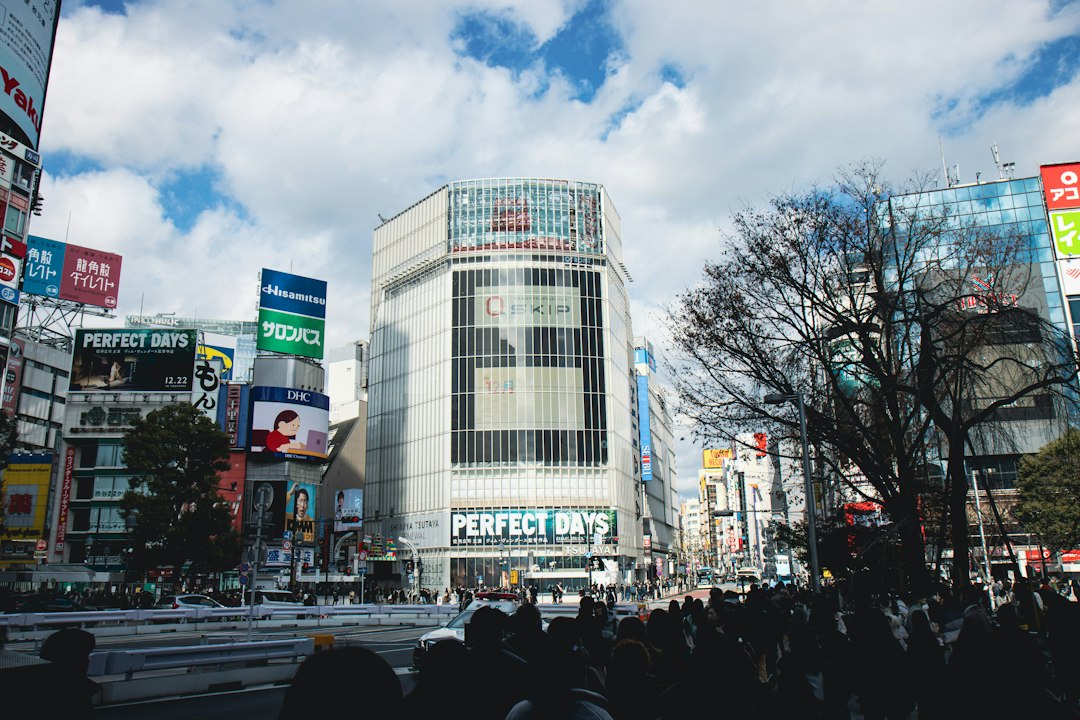
Watching the crossing from above and then joining it a few minutes later is a satisfying sequence. The scale you saw from the roof turns into elbows, umbrellas, and the sound of the Yamanote Line. For more on that moment at ground level, our guide to crossing Shibuya covers the best viewpoints and how the signal cycle works.
Where We Take Guests Next
From the tower, the route that works best runs north along the tracks to Miyashita Park, a rooftop park built over a shopping complex, where the bars draw a younger, local crowd. After that we drop down into the lanes behind Center-gai. These are the counter bars that hold a dozen people and where the owner pours every drink.
Bring cash. Several of the smaller bars in these lanes do not take cards, and that remains true across much of Shibuya after dark.
For guests who want something more tailored, Shibuya also works well as one stop on a private day in Tokyo. A typical pattern is Meiji Shrine in the morning, lunch in Harajuku or Omotesando, and the rooftop in the late afternoon, with the guide adjusting as the day goes.
Expert Tip
Check the sky from street level before you scan your ticket, not after. If the rooftop is closed for wind, the indoor gallery on 46F stays open, but the experience is a different one. On a borderline day we would rather move a booking to the following morning than spend a sunset slot behind glass.
Shibuya Scramble Square: Frequently Asked Questions
Do I need a ticket to enter Shibuya Scramble Square?
No. The shops, food halls, and restaurant floors from B2 to 14F are free to enter, like any department store. A ticket is only needed for SHIBUYA SKY, and the ticket gate for that sits on 14F. The building also offers free Wi-Fi across the retail floors, which is useful while you wait.
Is SHIBUYA SKY worth it if it is cloudy?
Light cloud is fine and sometimes produces the most dramatic light of the day. Low cloud or rain is another matter, since the rooftop may close and the view from the indoor gallery shrinks to grey. Online tickets are tied to a time slot, so check the forecast before buying rather than booking far ahead and hoping.
How long should I allow for Shibuya Scramble Square?
Allow around ninety minutes for SHIBUYA SKY, which is roughly what most visitors spend there. Add half an hour for the food hall and another hour if you plan to eat on 12F or 13F. A sunset visit followed by dinner fills an evening comfortably without needing to leave the building.
Related Tours

Conclusion
Shibuya Scramble Square rewards a little planning and punishes none. Book the rooftop online for the slot that suits the light you want, leave large bags in a station locker, and give yourself time in the basement food hall before or after.
Then go down and walk. The tower is at its most useful as the place where an evening in Shibuya begins, not where it ends. Ten minutes on the roof will tell you where Miyashita Park and Center-gai lie, and the rest of the night is a matter of following the streets you have just seen from above.
Plan Your Japan Trip with Local Experts
Our team has guided 40,000+ travelers across Japan. Tell us about your trip and we’ll get back to you within 24 hours.