In this article:
- The Chains
- Municipal Sports Centres
- Indoor Shoes and Other Rules
- Tattoos
- The Locker Room
- Gyms in Japan: Frequently Asked Questions
Introduction
The most common way a foreign visitor fails to get into a Japanese gym has nothing to do with membership, payment, or language. It is the shoes.
Japanese gyms require indoor training shoes — a clean pair that has not been worn outdoors, carried in and changed into at the entrance. This is not a suggestion at the desk. Staff will check, and a pair of trainers you walked in wearing will be refused.
Once past that, the system is straightforward and cheap. Municipal sports centres charge a few hundred yen for a fully equipped training room and are open to anyone, including tourists, which is the single most useful thing in this article.
The Chains
Commercial gyms in Japan sit at three price points.
Gold’s Gym
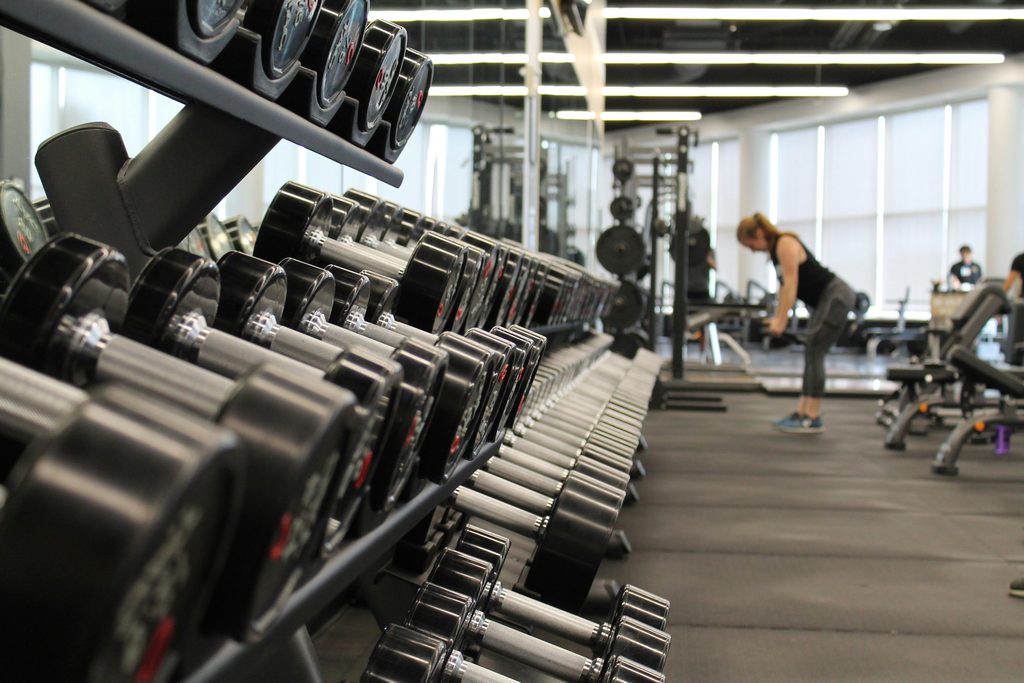
The best-equipped chain in Japan for serious lifting, with well-stocked free weight areas and branches across Tokyo and the major cities.
It sells visitor day passes, typically a few thousand yen, on presentation of photo identification. Bring your passport.
Some branches require a short registration process on the first visit. Call ahead if you are on a tight schedule — the branch websites are Japanese-only but staff at the larger locations manage English.
Anytime Fitness
Extensive branch network, twenty-four hour access, and the chain most likely to be near where you are staying.
Members of Anytime Fitness elsewhere in the world can in principle use Japanese clubs under the global access arrangement, typically after a qualifying period of membership. In practice Japanese clubs are franchises and the process varies — some activate a foreign key fob at the desk, some require a visit during staffed hours, some decline.
Contact the specific branch before relying on it. Do not assume the fob will open the door at eleven at night.
Budget and Unmanned
Chocozap and similar low-cost micro-gyms have expanded rapidly — small unstaffed spaces, minimal equipment, very low monthly fees, entry by smartphone app.
These gyms target Japanese residents with rolling monthly contracts, and they generally require a Japanese phone number and payment method for registration. For a visitor they are usually not accessible.
Konami Sports, Tipness, Renaissance, and Central Sports are the mid-market full-service chains, most with pools, and most selling day passes.
Hotel Gyms
Business hotels increasingly have a small gym, and international hotels have proper ones. Check before booking if it matters.
The typical Japanese hotel gym is three cardio machines and a set of dumbbells to 20kg. It solves cardio and not much else.
Some hotels have arrangements with a nearby commercial gym; ask the front desk.
Expert Tip
Pack a pair of clean trainers in your suitcase specifically for indoor use and never wear them outside. This is the entire barrier to using any gym, pool, or sports facility in Japan, and it applies to public sports halls, climbing gyms, and school facilities as well. A cheap pair bought at a Japanese sports shop on arrival also works and costs less than two day passes.
Municipal Sports Centres
The answer almost nobody gives visitors, and by far the best value.
What They Are
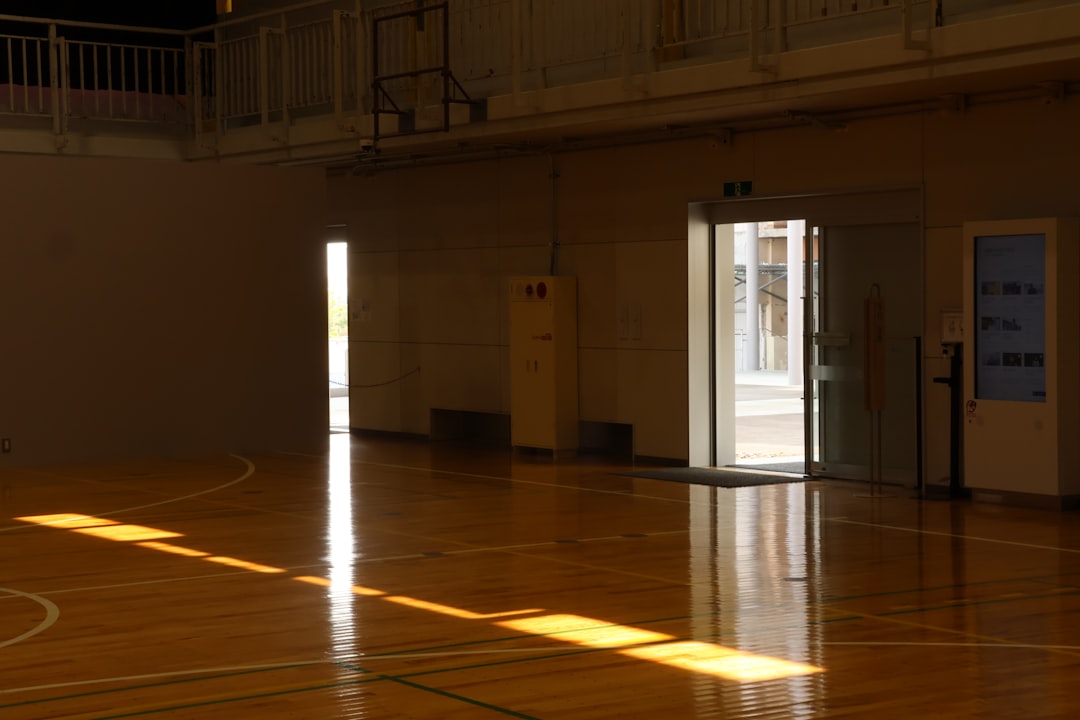
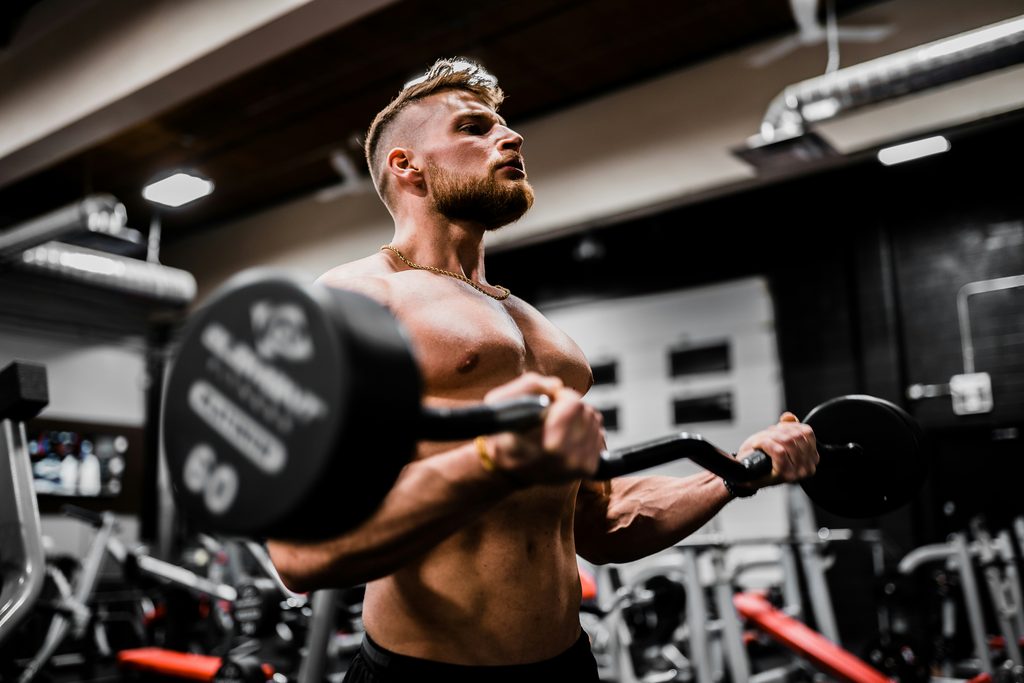
Every ward and city in Japan operates public sports facilities — a taiikukan, or sports centre — with a training room, usually a pool, and often courts and studios.
The training rooms provide cardio machines, a full circuit of resistance machines, free weights, and benches. Not always a squat rack, and rarely a large one.
Staff keep the facilities clean, quiet, and well maintained, and people of all ages, from students to those in their eighties, use them.
Cost and Access
Typically ¥300 to ¥600 for a two-hour session, paid at a ticket machine or the desk. Most facilities do not require residency, so tourists can use them.
You fill in a short form on the first visit with your name and contact details. Some centres require a brief orientation on the equipment for first-time users, which takes ten minutes and is occasionally scheduled rather than on demand.
Ask at the desk. The word is toreningu ruumu — training room.
Finding One
Search the ward or city name plus 体育館, or ask your accommodation. Every district in Tokyo has at least one and larger wards have several.
They keep long hours, usually until nine or ten at night, and close one day a month for maintenance.
The Catch
No English signage, no English-speaking staff in most cases, and a session time limit strictly enforced by the ticket you bought.
None of this is a real obstacle. The equipment is universal and translation apps handle the form.
Indoor Shoes and Other Rules
Japanese gym etiquette is stricter than most countries and it is genuinely observed rather than posted and ignored.
The Shoe Rule
Clean indoor-only trainers, changed into in the changing room. Carried in, not worn in.
This traces to the general Japanese division between outdoor and indoor space — the same principle as taking shoes off at a house entrance — and applies to every sports facility in the country.
You will be refused entry without them. There is no negotiating and staff have no discretion.
Wiping Down
After every use of a machine or bench, you wipe it. Spray bottles and cloths are provided at intervals through the floor.
This is universal and immediate — not at the end of your session, after each piece of equipment. Failing to do it is the fastest way to be spoken to.
Noise
Dropping weights is not acceptable. Neither is grunting, shouting, or slamming a stack.
Japanese gym floors are quiet. Music through the room is low, most people wear headphones, and nobody speaks much.
Chalk is prohibited in many commercial gyms and in most municipal ones. Bring liquid chalk and check, or use straps.
Equipment Sharing
Time limits on cardio machines are common and posted — often twenty or thirty minutes at busy times, sometimes managed by a sign-up sheet on a clipboard.
Some gyms operate similar rotations on squat racks and benches. Read the notice on the equipment.
Working in with someone is less common here than in Western gyms. It is not rude to ask, but expect it to be unfamiliar.
Tattoos
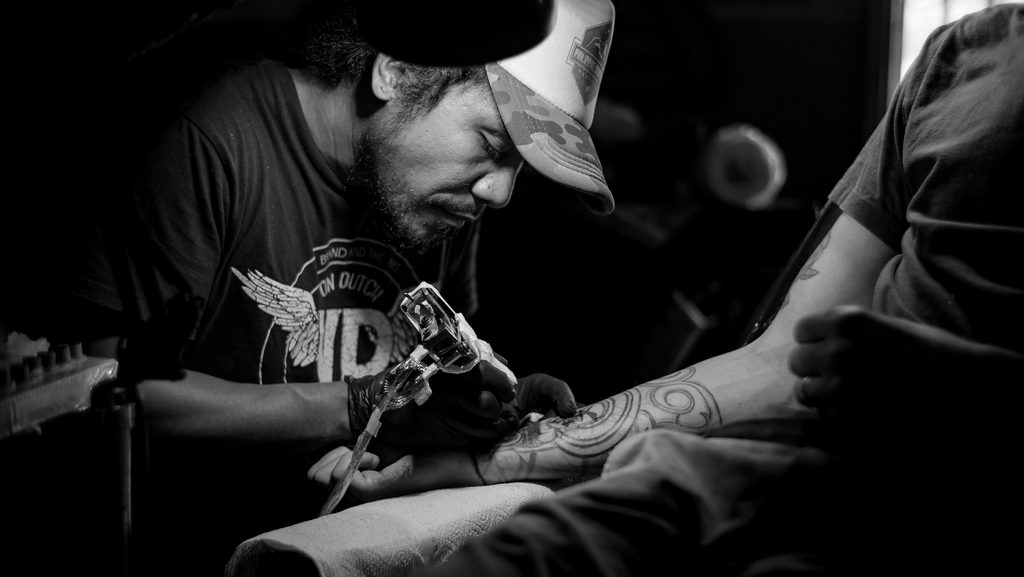
The same restriction that governs onsen extends to a large proportion of Japanese gyms and pools.
The Rule
Many commercial gyms and most municipal sports centres prohibit visible tattoos, and the policy is posted at reception.
The historical association is with organised crime, and while attitudes are shifting, facilities with shared changing rooms and pools have been the slowest to change.
Covering
Where the rule exists, covering is usually sufficient: a long-sleeved compression top, leggings, or skin-tone tape over smaller pieces.
The requirement is that nothing is visible, including in the changing room and shower. Enforcement varies from strict to nominal.
Ask at the desk directly rather than hoping. Staff will tell you clearly and it is a routine question.
Where It Is Not an Issue
Independent strength and powerlifting gyms, boxing and martial arts gyms, and climbing gyms are generally relaxed about it.
International hotel gyms and gyms in areas with large foreign populations tend to be more permissive.
If you train seriously and have visible work, look for an independent gym rather than a chain. The equipment is usually better anyway.
Expert Tip
Photography is banned in almost every Japanese gym, including in the training area, and the rule is taken seriously. No progress photos in the mirror, no filming sets, no phone camera anywhere on the floor, and absolutely nothing in the changing room. Facilities have removed people for this. If you need to film technique, ask at the desk first — some will allow it in a studio room outside busy hours.
The Locker Room
A few conventions that differ from what visitors expect.
Shoes at the Threshold
Many changing rooms have a raised or marked threshold where outdoor shoes come off before you step onto the carpeted or matted area.
Follow what everyone else is doing. If there is a step or a change of flooring, that is the line.
Lockers
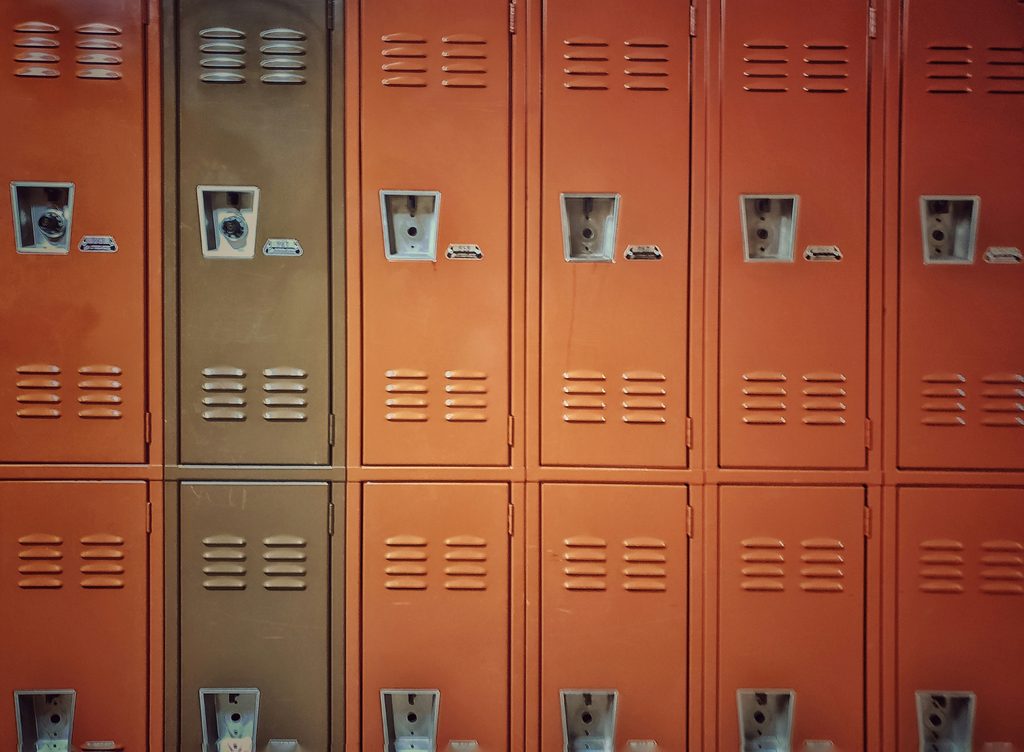
Coin-return lockers are standard — insert ¥100, get it back when you retrieve your things. Some use wristband keys issued at the desk.
Carry a ¥100 coin. Municipal centres in particular assume you have one.
Showers and Baths
Larger gyms and most municipal centres have communal baths as well as showers, run on onsen principles: wash thoroughly at a seated station before entering the bath, no towel in the water, no swimwear.
If you have never used a Japanese public bath, a gym is a gentle introduction.
Pools
Swimming caps are mandatory at virtually every pool in Japan, including hotel and gym pools. Buy one; they cost a few hundred yen at any sports shop.
Many pools also enforce a rest break every hour, when everyone leaves the water for ten minutes. This is normal and universal.
Gyms in Japan: Frequently Asked Questions
Can I use a day pass at Gold’s Gym with a passport?
Yes. Gold’s Gym Japan sells visitor day passes on presentation of photo identification, and a passport is the appropriate document for a foreign visitor — a driving licence from another country generally is not accepted as primary ID. Expect to fill in a short form on the first visit. Prices vary by branch and are typically in the low thousands of yen. Call or check the branch page in advance if your schedule is tight, since some locations restrict visitor entry to staffed hours.
What happens if I forget indoor shoes?
You will not be allowed onto the training floor. This is enforced consistently at every level of facility from municipal sports centres to premium chains, and staff have no discretion to waive it. A few gyms have loan shoes in limited sizes, which is not something to count on. The practical fix is to buy a cheap pair at a sports shop — there is usually one within a few minutes in any Japanese city — and to carry them in a bag from then on.
Will my international Anytime Fitness fob work in Japan?
Sometimes, and not reliably enough to plan around. Anytime Fitness operates a global access arrangement for members who have held a membership for a qualifying period, but Japanese clubs are individually franchised and their handling of foreign fobs varies — some activate access at the desk, some require registration during staffed hours, and some decline entirely. Contact the specific branch you intend to use before you arrive, and have a backup: a municipal sports centre nearby will cost a few hundred yen and will let you in.
Related Tours
Conclusion
Pack the indoor shoes and find the local municipal sports centre. A ward gym in Tokyo costs about the same as a coffee, has everything you need for a session, and is a genuinely interesting hour — you are training in a public facility alongside people who live there rather than in a hotel basement.
If you have visible tattoos, ask at the desk plainly before you change. The answer takes ten seconds, it is given without judgement, and it is a much better outcome than being asked to leave halfway through a session.
Plan Your Japan Trip with Local Experts
Our team has guided 40,000+ travelers across Japan. Tell us about your trip and we’ll get back to you within 24 hours.