In this article:
- What a Kissaten Is
- What to Order
- Morning Service
- Where to Go
- The Rules of the Room
- Kissaten in Japan: Frequently Asked Questions
Introduction
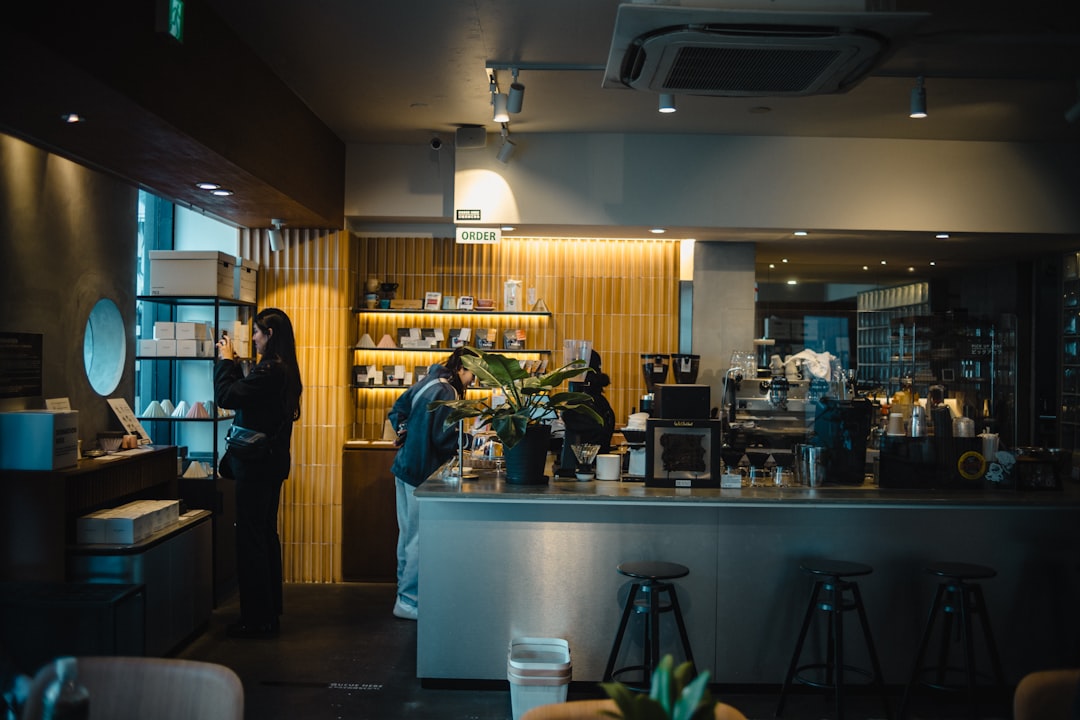
The coffee at a serious kissaten arrives after about six minutes, in a cup the master chose, on a saucer, with a small jug of cream, and nobody asks you for your name.
There is no oat milk. There is no counter to queue at, no music beyond low jazz or classical, and frequently no wifi. The chairs are velvet, the wood is dark, and a substantial proportion of the other customers are over seventy and reading a newspaper.
Japan has an enormous modern coffee scene and some of the best third-wave roasters in Asia. The kissaten is the older thing underneath it, and it is disappearing at a rate of several hundred a year as the people running them retire.
What a Kissaten Is
A distinct category with a legal and historical basis, not just a stylistic one.
The Showa Room
Most surviving kissaten date from the 1950s to the 1970s and have not been redecorated since.
Dark timber panelling, low lighting, deep upholstered chairs, glass ashtrays, a counter with stools facing the master, and often a wall of coffee cups. The aesthetic is not curated retro — it is simply what the room has always looked like.
They are usually small, family-run, and staffed by one or two people, frequently the original owner.
The Coffee
Hand-brewed, one cup at a time, and taken seriously.
Nel drip is the traditional method: a flannel cloth filter, reused and carefully maintained, producing a heavier and rounder cup than paper. Siphon brewing — the two-chamber vacuum apparatus — is the other classic, and watching one being operated is part of the experience.
The roast is typically dark by contemporary specialty standards. This is a different tradition from third-wave light roasting rather than an inferior version of it, and it is worth drinking on its own terms.
Blends are usually house blends with names. Ask what the master recommends; that question is understood everywhere and is usually answered well.
Kissaten Versus Cafe
Historically a kissaten operated under a licence permitting coffee, tea, and light food but not alcohol, which distinguished it from a restaurant or a bar. That regulatory distinction is largely obsolete and the word survives as a category.
In practice: a cafe is fast, has espresso, has wifi, and expects turnover. A kissaten is slow, brews by hand, and does not mind if you sit for two hours with one cup.
The price reflects the second model. A coffee at a good kissaten runs ¥600 to ¥1,000 and includes the chair.
Expert Tip
Sit at the counter if there is space. The master is brewing a metre in front of you, one cup at a time, and the counter is where conversation happens — including with a foreign visitor who speaks no Japanese. Pointing at the nel drip apparatus and looking interested is enough to start it. Table seating is comfortable and anonymous; the counter is where you actually encounter the place.
What to Order
The kissaten menu is a fixed and largely national canon, and every item on it is a period piece.
Toast
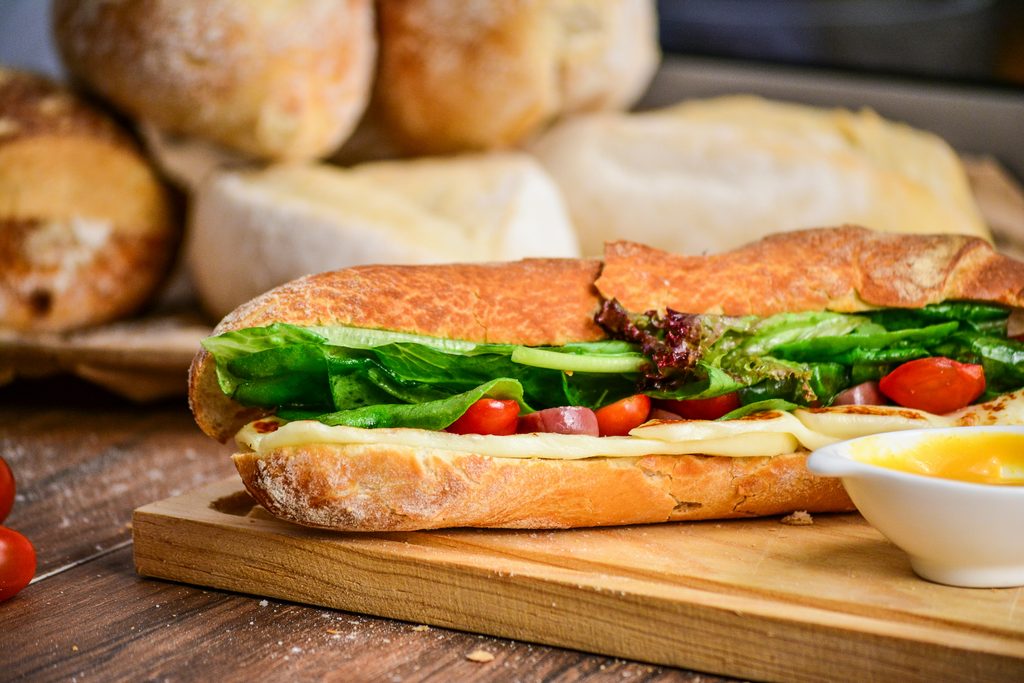
Thick-cut white bread, four to six centimetres, toasted and buttered. It sounds like nothing and it is a genuinely good thing to eat.
Japanese shokupan is soft, milky, and dense, and the thick cut is the point — crisp outside and almost custard-like within.
Ogura toast is the Nagoya version: the same thick toast with sweetened red bean paste and butter. It is one of the great regional breakfasts of Japan.
The Egg Sandwich
Tamago sando comes in two forms and both are worth eating. The mashed egg version is egg salad with Japanese mayonnaise between crustless soft white bread. The Kansai version is a thick folded omelette, hot, in the same bread.
The omelette version at a Kyoto or Osaka kissaten is one of the best sandwiches in Japan and it is not widely known outside the country.
Naporitan
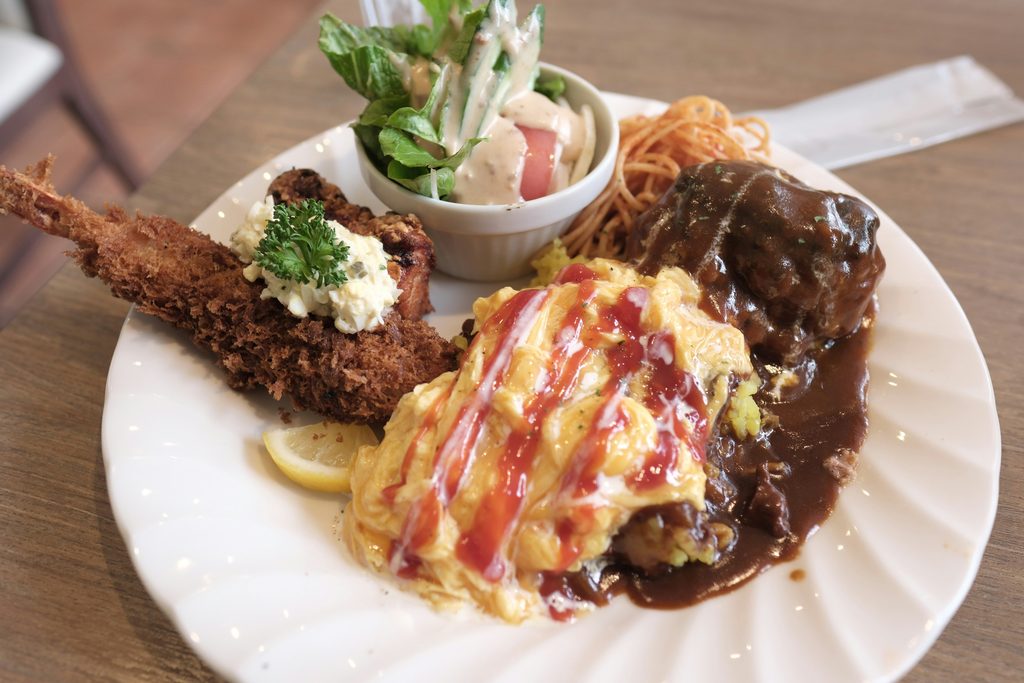
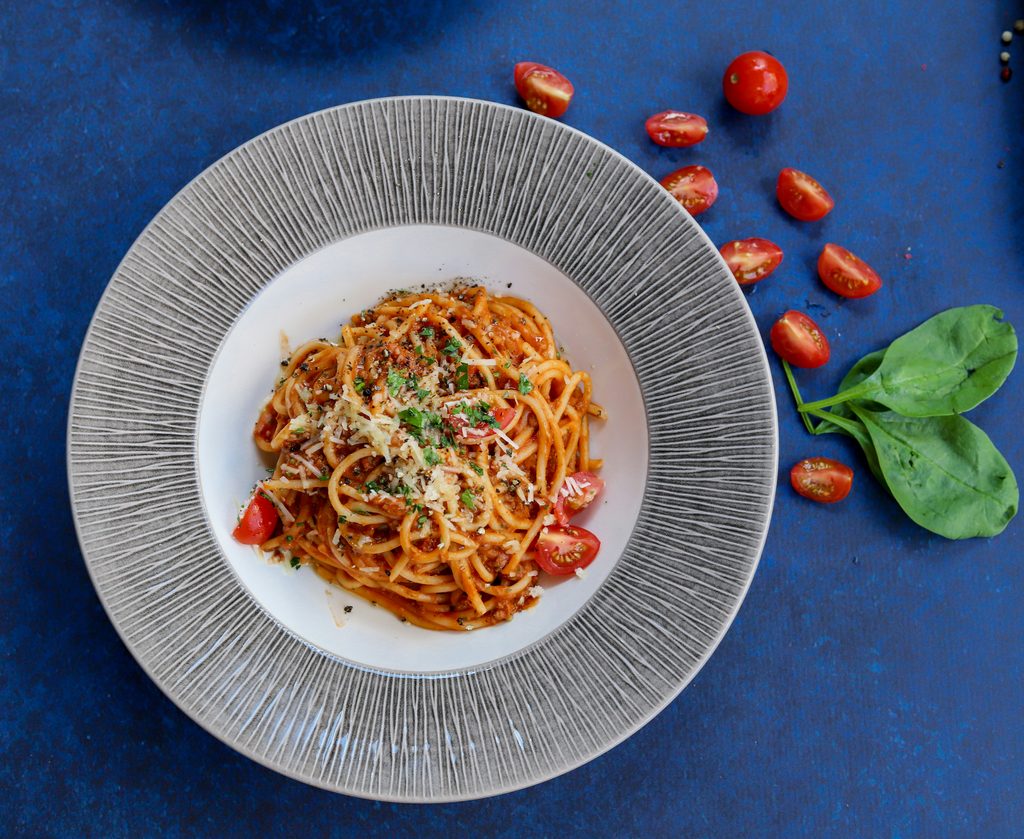
Spaghetti fried with ketchup, onion, green pepper, and sausage, usually with a sprinkle of powdered parmesan and Tabasco on the table.
It is not Italian and it does not claim to be. It was created at the Hotel New Grand in Yokohama in the postwar period, using what was available, and it became a national comfort food.
Order it. It is sweet, soft, faintly nostalgic even if you have no nostalgia to draw on, and it is the defining kissaten dish.
Cream Soda and Pudding
Cream soda is a tall glass of bright green melon soda with a scoop of vanilla ice cream and a maraschino cherry. It is fluorescent, it photographs extraordinarily well, and it is the most-ordered thing in a kissaten by anyone under thirty.
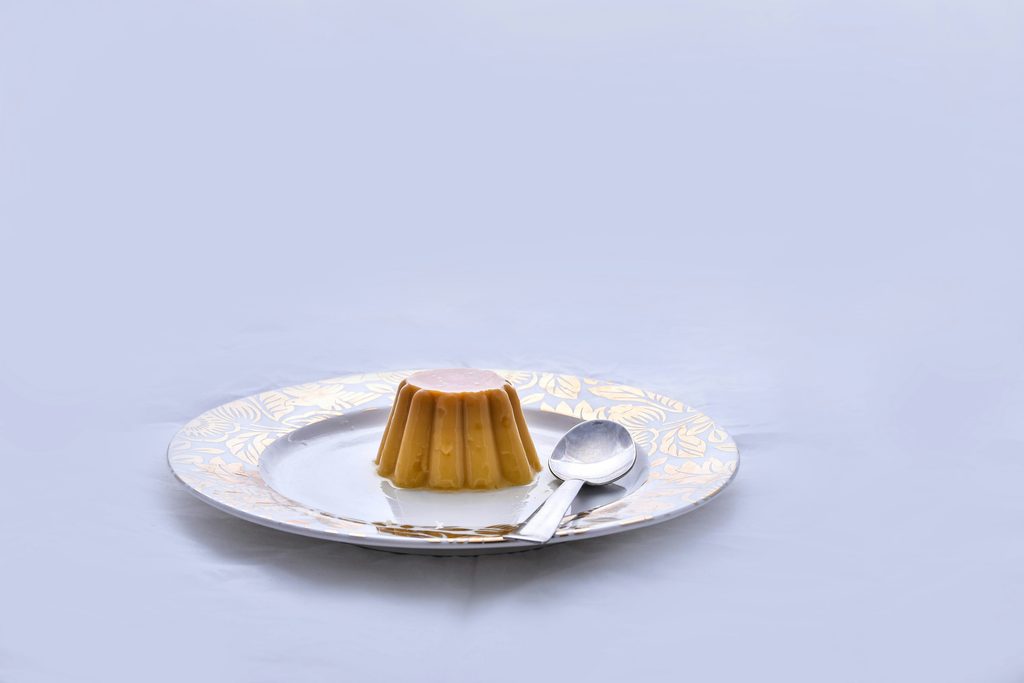
Purin à la mode — a firm caramel custard pudding surrounded by whipped cream and fruit — is the other classic. Japanese purin is denser and less wobbly than a French crème caramel and is better for it.
Both are Showa desserts and both are entirely sincere.
Morning Service
One of the best customs in Japanese food, concentrated in one region.
What It Is
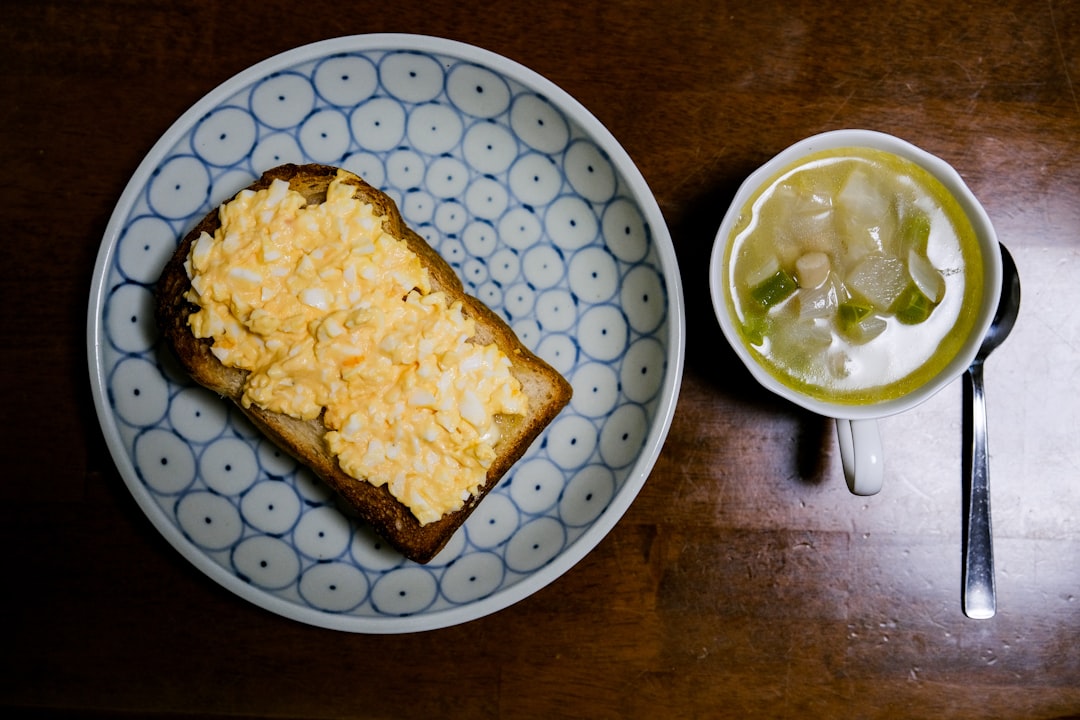
Order a coffee in the morning and food arrives with it at no extra charge — typically thick buttered toast and a boiled egg, sometimes a small salad or a piece of fruit.
You pay for the coffee. The breakfast is included. A cup at ¥450 arriving with toast and an egg is not a promotion; it is how these shops have operated for decades.
Nagoya and Aichi
The custom is strongest in Nagoya and the surrounding Aichi and Gifu region, where competition between kissaten drove the offering steadily upward. Ichinomiya, a city near Nagoya, claims its origin.
Nagoya morning service can be substantial — toast, egg, salad, sometimes red bean paste, occasionally soup — and shops compete on it openly. Komeda Coffee, now a national chain, is the industrialised version and does a creditable job.
If you are in Nagoya, do this rather than eat at your hotel. It is the city’s most distinctive everyday pleasure.
Hours and Elsewhere
Morning service typically runs from opening until around eleven. Some shops finish at ten.
Outside the Nagoya region the custom exists but is less generous — often just toast, or a discounted set rather than a free addition. It is still worth seeking out.
Look for the word モーニング on a sign outside.
Where to Go
Some are institutions and worth a detour. Many more are unmarked and near where you are already standing.
Cafe de L’Ambre, Ginza
Founded in 1948 and specialising in aged coffee — green beans stored for years or decades before roasting, which is a practice almost nobody else attempts.
The room is narrow, dark, and full of smoke-stained wood. The coffee list includes vintages by year.
It is a serious place and one of the genuinely unique coffee experiences in the world. Go, sit at the counter, and ask for a recommendation from the aged list.
Tokyo’s Others
Chatei Hatou in Shibuya, where each cup is made with visible ceremony and the coffee is served in antique European porcelain. Tajimaya in Shinjuku, near Omoide Yokocho, brewing nel drip since the 1960s.
Ginza, Kanda, Jimbocho, and Asakusa hold the highest concentrations of surviving kissaten in Tokyo. Jimbocho in particular, the second-hand bookshop district, is full of them and they are full of people reading.
Kyoto
Smart Coffee near Teramachi has been trading since 1932 and is best known for its French toast and hotcakes, with a queue most mornings.
Inoda Coffee is the Kyoto institution, founded in 1940, with several branches and a house blend served pre-mixed with milk and sugar unless you say otherwise.
Kyoto’s coffee culture is unusually strong for a city better known for tea, and the kissaten here are among the best preserved in Japan.
Finding Your Own
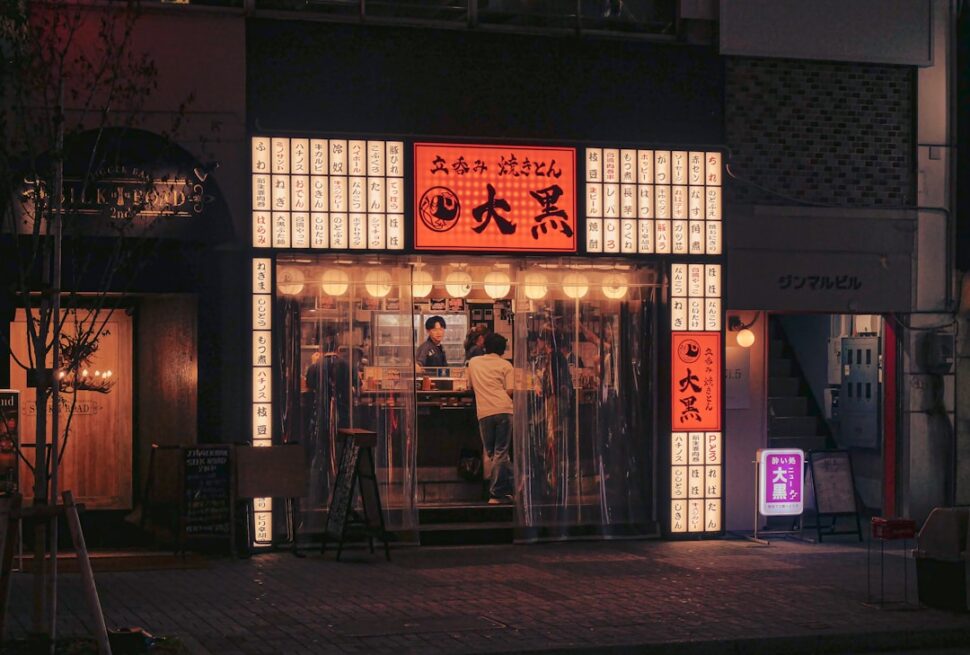
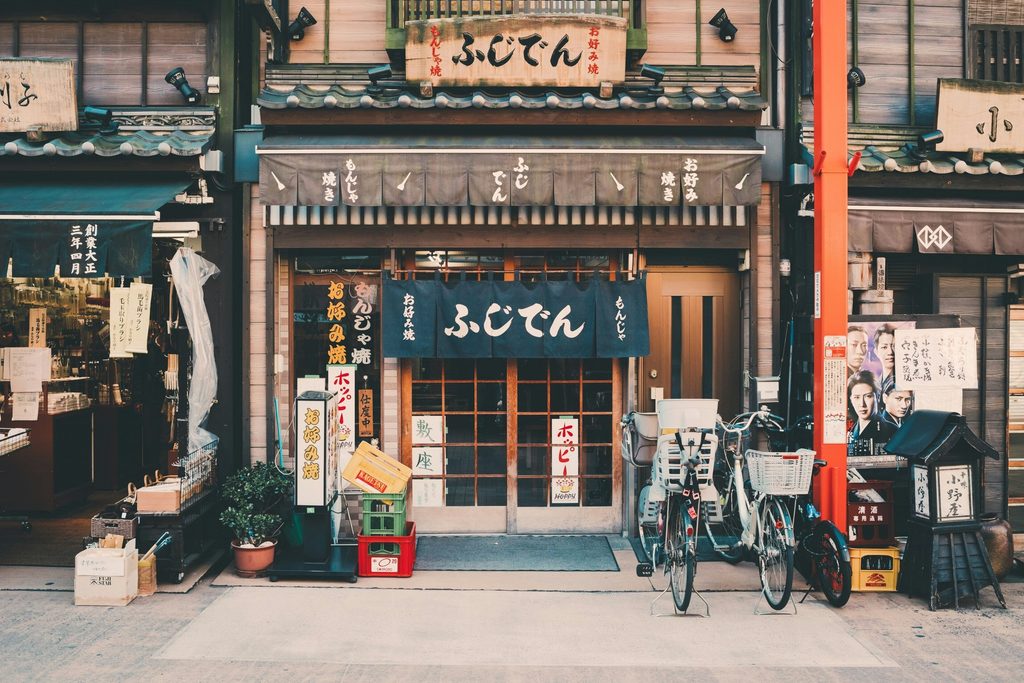
The better approach than any list. Look for a narrow door, a plastic food display in the window, a hand-lettered sign, and no visible branding.
Signs to trust: a coffee cup logo from the 1970s, a display of siphon apparatus, the word 珈琲 written in the older characters rather than the modern katakana.
Every Japanese city has dozens. The one on the corner near your hotel is very likely to be good.
Expert Tip
Go in even if the shop looks closed and intimidating. A great many kissaten have a heavy door, frosted glass, and no view of the interior, which reads to a foreign visitor as a private club. It is not — it is a coffee shop, the master will greet you, and there is no membership. The single biggest barrier between visitors and the best kissaten in Japan is the assumption that they are not allowed in.
The Rules of the Room
Few, and worth respecting.
Cash
A large proportion are cash only, and the ones that have been open longest are the most likely to be.
Carry a few thousand yen. Assume no card.
Smoking
Japan’s indoor smoking restrictions took effect in 2020, but small existing eateries below certain floor area and capital thresholds were granted exemptions — and a great many kissaten qualify.
The result is that some traditional kissaten remain smoking establishments, and the smell of decades of cigarettes is part of what the room is. Signs at the entrance indicate the status.
If this matters to you, check the door before sitting down. Newer and larger places are non-smoking.
Volume and Time
Speak quietly. The room is small and the point of it is calm.
Lingering is fine — a single coffee buys a long sit and nobody will move you on. That is the implicit contract and it is why the coffee costs what it does.
Groups of four talking loudly are the thing that does not fit.
Laptops and Phones
Many kissaten have no wifi and some post signs prohibiting laptops and long phone calls.
This is not hostility to technology; it is protection of the atmosphere. If you need to work, go to a chain cafe — Doutor, Excelsior, and Starbucks exist in abundance and expect it.
Photography of the room is generally fine if you ask, and asking is the right move.

Kissaten in Japan: Frequently Asked Questions
Are English menus available?
Usually not, and it rarely matters. The kissaten menu is short and largely standard across the country, so knowing five words covers it: koohii for coffee, toosuto for toast, tamago sando for the egg sandwich, naporitan, and kuriimu sooda. Many shops have photographs on the menu or a plastic food display in the window that you can point at. Pointing works, and the master will help.
Can I work on a laptop with wifi?
Generally no, on both counts. Most traditional kissaten have no wifi, and a number post signs asking customers not to use laptops. The business model is a long sit with one coffee and a quiet room, and a table occupied by someone working for three hours undermines it. If you need to work, the chain cafes — Doutor, Excelsior, Veloce, Starbucks — all have wifi, power, and no objection. Save the kissaten for when you want to sit and do nothing, which is what it is for.
What is naporitan?
Spaghetti stir-fried with tomato ketchup, onion, green pepper, and sausage or ham, served with powdered cheese and Tabasco on the side. It is a Japanese dish rather than an Italian one, created at the Hotel New Grand in Yokohama after the war using ingredients that were available at the time, and it has been a kissaten staple ever since. The pasta is deliberately soft, the sauce is sweet, and Italians tend to find it alarming. It is comfort food of a very specific era and it is worth ordering once with an open mind.
Related Tours
Conclusion
Push open one heavy frosted-glass door on your trip, sit at the counter, and order a coffee and a naporitan. It costs about a thousand yen and it is an hour in a room that has not changed since 1968.
If you are anywhere near Nagoya, go in the morning instead and order nothing but a coffee. What arrives with it — the thick toast, the egg, the small dish of red bean — is a custom that exists nowhere else and that a great many visitors leave Japan without ever encountering.
Plan Your Japan Trip with Local Experts
Our team has guided 40,000+ travelers across Japan. Tell us about your trip and we’ll get back to you within 24 hours.