In this article:
- Why There Are So Many
- Hot, Cold, and What to Buy
- Paying
- Machines That Are Not Drinks
- The Bin Question
- Vending Machines in Japan: Frequently Asked Questions
Introduction
There is a vending machine at the top of the trail at Mount Fuji’s fifth station. There is another in a residential alley in Kanazawa, with no lighting for fifty metres on either side. Both are intact and fully stocked.
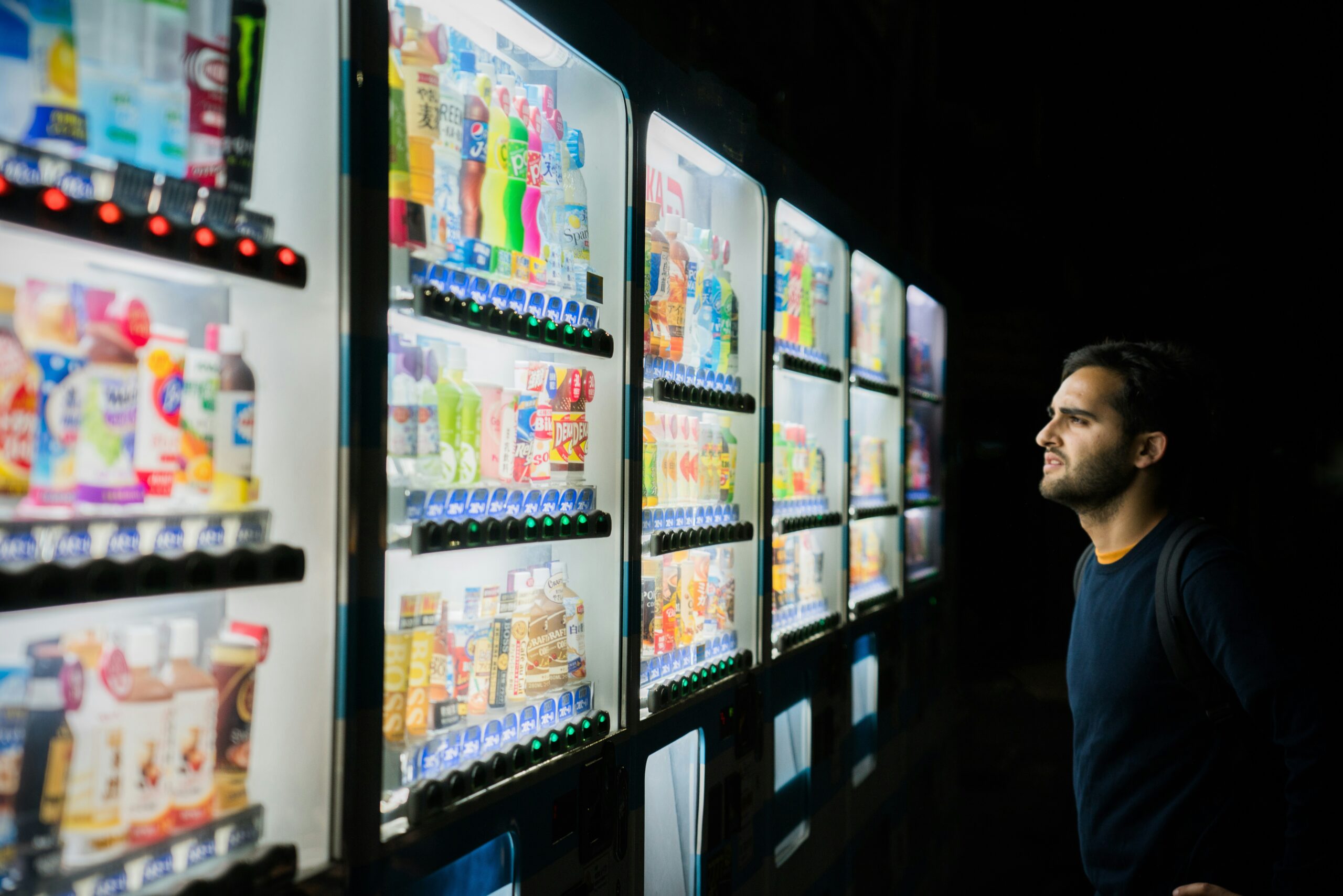
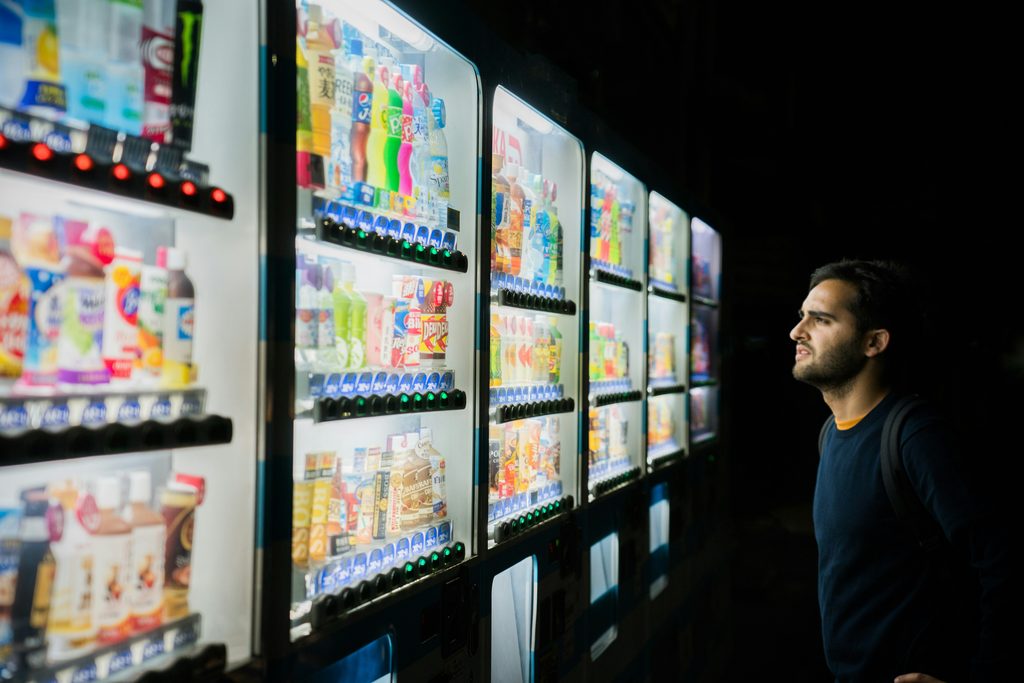
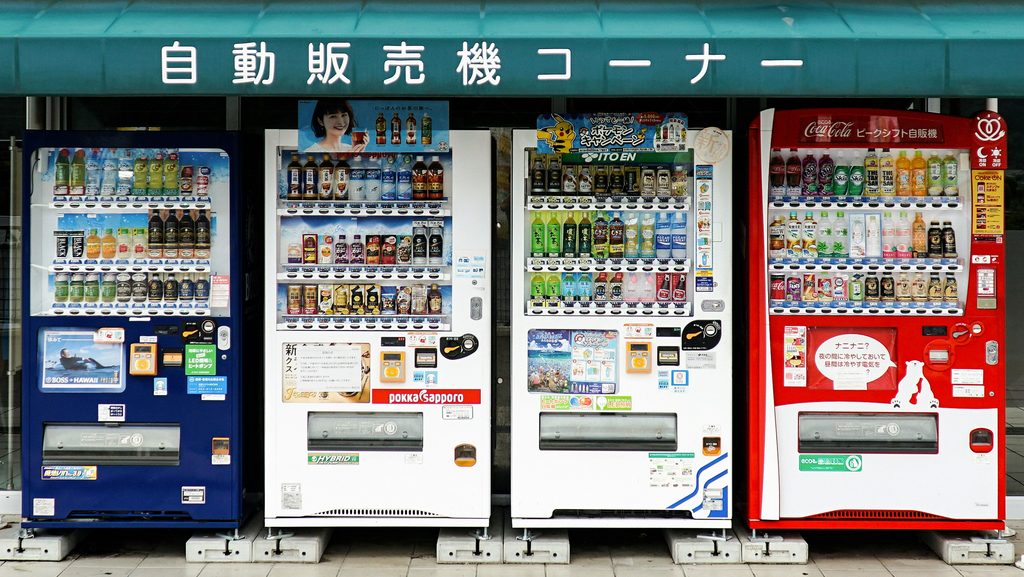
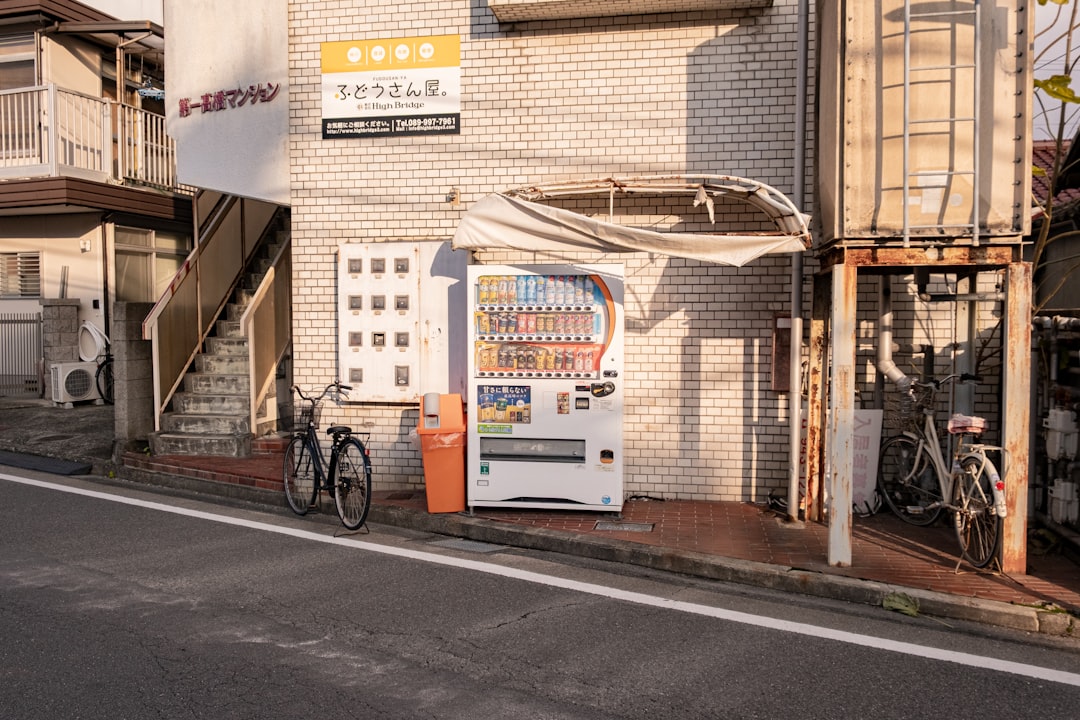
Japan has around four million vending machines. Roughly half of them sell drinks. Japan also has the highest density of vending machines in the world. They are a genuine feature of the landscape rather than a curiosity. In rural areas, they are often the only thing open.
For a visitor, they solve a specific and recurring problem. It is thirty-four degrees in August. You have been walking for two hours. A cold bottle of tea is only forty metres away and costs just 160 yen.
Why There Are So Many
Several factors compound, and the interesting one is not the technology.
Low Crime
A vending machine is a metal box containing stock and cash, left outdoors, unattended, indefinitely. In most countries that is not a viable business model.
Japan’s rates of theft and vandalism make it one. The machines are not reinforced beyond the ordinary and they are not watched, and they are simply not attacked.
This is the precondition for everything else on this list. It is also the thing visitors find most striking once they notice it.
Land, Labour, and Density
Urban land in Japan is expensive. It also often comes in small, awkward parcels. These might be a two-metre strip beside a building or a corner of a car park. A vending machine monetises a space too small for anything else.
Labour costs and the difficulty of staffing small retail also push in the same direction. A machine works twenty-four hours and does not need a shift rota.
Owners of small plots lease space to beverage companies. In return, they receive a share of the revenue. This is why the machines cluster in ways that look uncoordinated but are not.
Coins
Japan uses ¥100 and ¥500 coins rather than notes for those values. This makes coin-operated retail practical. In countries where the equivalent amounts are paper money, it is less practical.
The machines also take ¥1,000 notes and give change, which most visitors discover with relief at some point.
The Engineering
Modern machines are efficient enough to justify their use. Heat pumps use waste heat from the cooling side to warm the hot column. Insulation allows them to cool during off-peak hours. They also use LED lighting.
Many are also equipped to dispense free drinks during declared disasters, switched remotely or by a key held locally. It is a small thing and it says something about how the infrastructure is regarded.
Expert Tip
The red band under a drink means hot and the blue band means cold, and this is worth learning in the first hour of your trip. In winter roughly a third of the columns switch to hot, and the difference between a chilled bottle of tea and a scalding one is not visible from the picture — only from the coloured strip and the small label beneath it. Buying a hot canned coffee in January is one of the genuine small pleasures of Japan; buying one in error when you wanted cold water is not.
Hot, Cold, and What to Buy
The interface is consistent nationwide and takes thirty seconds to learn.
Reading the Buttons
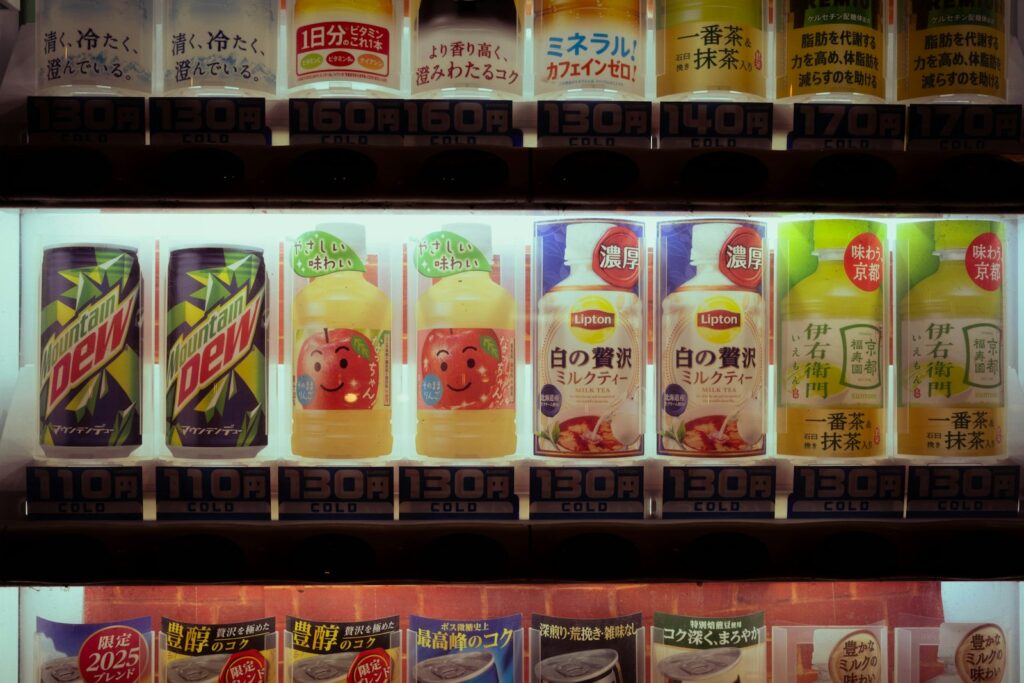
Under each product is a coloured band. Blue with the word tsumetai means cold. Red with atatakai means hot.
The band is lit when the item is available and unlit when sold out. If nothing lights up after you insert money, the machine has not registered the payment.
Hot columns generally appear from around November and disappear in spring. Outside that window everything is cold.
What Is Actually Good
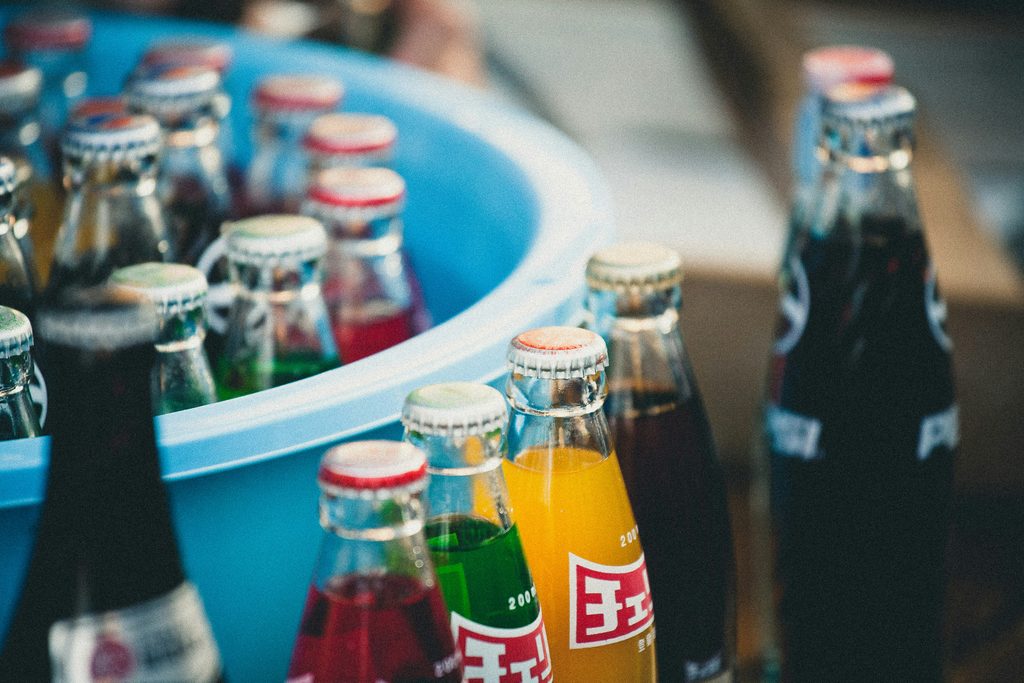
Bottled green tea — Oi Ocha, Ayataka — unsweetened and the default drink for most Japanese people. This surprises visitors expecting sweet iced tea; it is not sweet at all.
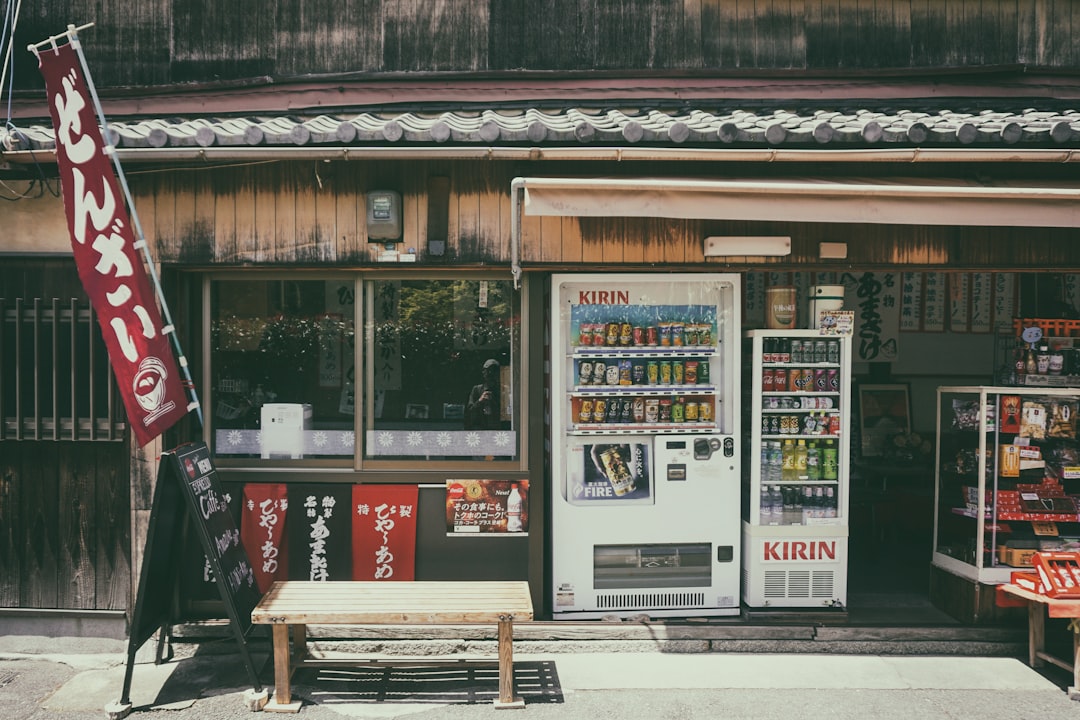
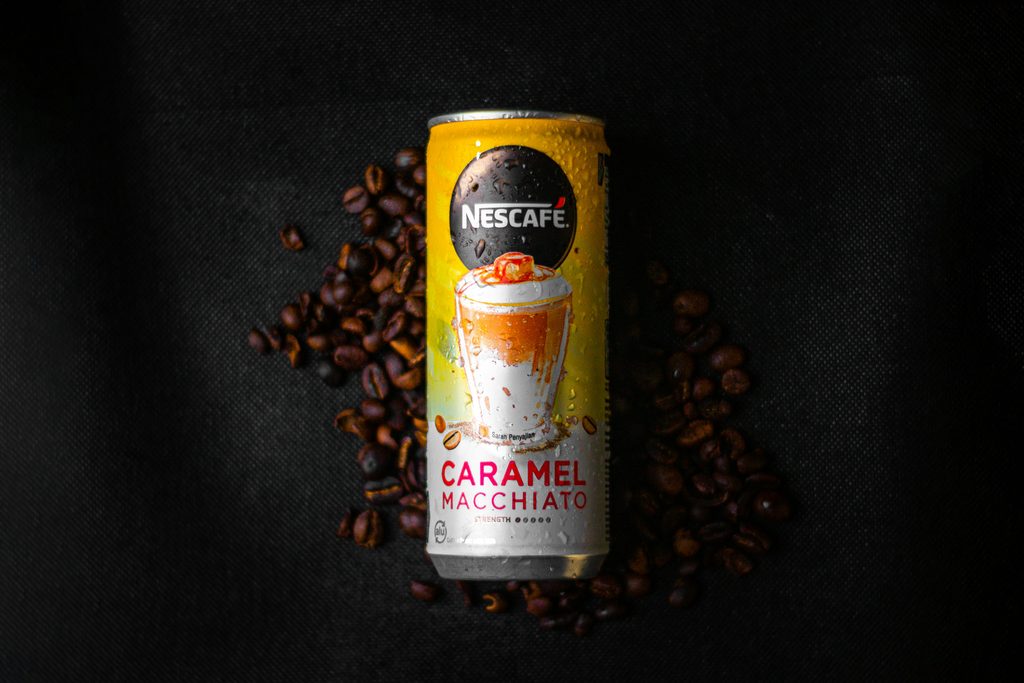
Canned coffee is a national institution and is mostly sweet and milky. Boss, Georgia, and Fire are the major brands, and the black versions are labelled as such.
Pocari Sweat and Aquarius are isotonic drinks. They are mildly sweet and salty. They are well suited to Japan’s humid summers. Calpis is a fermented milk drink and is more pleasant than that description suggests.
In winter, you can find hot canned corn soup. It contains actual corn kernels, so you need to shake the can firmly to get them out. You can also try oshiruko, a hot sweet red bean drink. Depending on your taste, it is either delightful or alarming.
Prices
Standard machines charge roughly ¥130 to ¥190. Discount machines are common in Osaka and around suburban stations. They sell drinks for ¥100 or less. They are usually unbranded and slightly chaotic.
Machines on mountains, at observation decks, and inside secure areas charge more, sometimes substantially. This is a straightforward tax on the difficulty of restocking and is not worth resenting.
Convenience stores are marginally cheaper than vending machines for the same product. They are also open around the clock. This makes vending machines a convenience choice rather than a value choice.
Paying
This is where a foreign visitor’s experience differs from a local’s. It is worth understanding this before you stand in front of one.
Cash
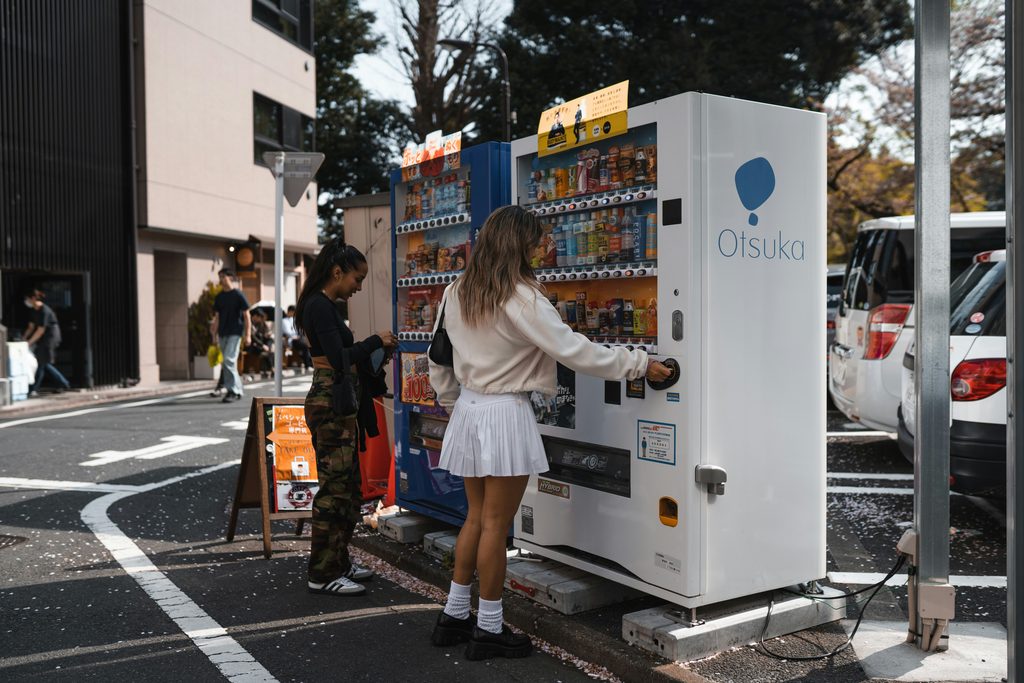
Universally accepted and the reliable fallback. Machines take ¥10, ¥50, ¥100, and ¥500 coins and ¥1,000 notes, and give change.
Higher denomination notes are generally not accepted. Keep a few hundred yen in coins for this and for shrine offerings, coin lockers, and small shops.
The coin return lever is at the bottom. Press it if nothing happens.
IC Transit Cards
Suica, PASMO, ICOCA and the other mutually compatible transit cards work on a large proportion of machines and are by far the easiest method — tap the reader, press the button, done.
The reader is a marked pad, usually to the right of the coin slot. If the machine has one, your card will work regardless of which region issued it.
A digital Suica or ICOCA in Apple Wallet works identically, which is one of several reasons to set one up before you arrive.
Credit Cards and Contactless
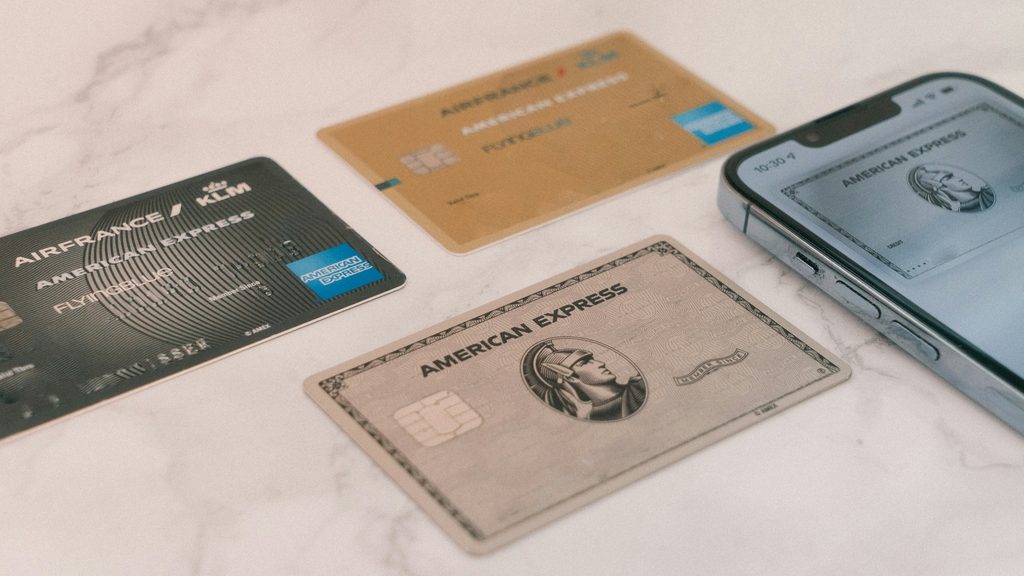
Patchier than visitors expect. Some newer machines accept contactless credit cards and some accept QR code payments through Japanese apps, but a great many accept only cash and IC cards.
A foreign contactless card frequently will not work even where a reader is present, because the machine is configured for domestic transit cards rather than international payment networks.
Do not rely on it. Carry coins or an IC card.
The Coke ON App
Coca-Cola’s machines run a loyalty app that connects by Bluetooth, awards a stamp per purchase, and gives a free drink after fifteen.
It works for foreign visitors, it is free, and if you are in Japan for two weeks and buying a drink a day you will earn one. It also lets you pay by app.
Minor, and the kind of thing that makes a long trip marginally more entertaining.
Machines That Are Not Drinks
Roughly half of Japan’s machines sell something else, and some of it is worth going out of your way for.
Hot Food
Machines dispensing hot ramen in a bowl, fried chicken, chips, and toasted sandwiches exist, concentrated at motorway service areas, late-night arcades, and a handful of dedicated retro spots.
The genre has a following. Places like the Sagamihara and Gunma vending machine arcades are destinations in their own right for people interested in mid-century Japanese machines still in operation, including the famous toast sandwich and udon dispensers.
Quality is variable and the appeal is substantially the novelty. The udon is better than it has any right to be.
Frozen
Frozen gyoza, ramen, curry, and increasingly restaurant-branded meals sold in freezer machines outside the restaurants themselves — a business model that expanded rapidly after 2020 and has stuck.
Ice cream machines are widespread and reliable, and the soft-serve dispensers found at some service areas produce a genuinely good cone.
The Strange Ones
Fresh flowers, eggs from a local farm, dashi stock, canned bread, umbrellas, neckties, phone chargers, live crabs in at least one location, and edible insects.
Mystery boxes and gachapon capsule machines occupy adjacent territory and are their own subject.
Rural roadside egg and vegetable machines are the ones worth stopping for. They are run by farms on an honesty basis and the produce is fresh.
What You Will Not Find
Alcohol machines have largely disappeared from public streets, and cigarette machines require age verification.
The unattended alcohol machines that were once common are now rare and mostly confined to the interiors of hotels and licensed premises.
Expert Tip
The bin next to the machine is for the container you just bought. Japan removed most public waste bins from streets and stations in the 1990s for security reasons and never brought them back, which means the recycling bins beside vending machines are among the very few disposal points in a Japanese city — and they are provided by the beverage company for its own containers. Putting other rubbish in them is a genuine local irritation. Carry a small bag for everything else, as Japanese people do.
The Bin Question
The most common practical confusion for visitors, and worth getting right.
Why There Are No Bins
Public waste bins were removed from Japanese streets and railway stations in the mid-1990s following the sarin attack on the Tokyo subway, as a security measure, and they were never restored.
The result is a country that is conspicuously clean and has almost nowhere to throw anything away. The two facts are connected: people carry their rubbish home, and this is a genuine social norm rather than an inconvenience anyone complains about.
Recent years have seen some bins return to tourist districts specifically because visitors were not carrying rubbish home. That is not a solution anyone is proud of.
Sorting
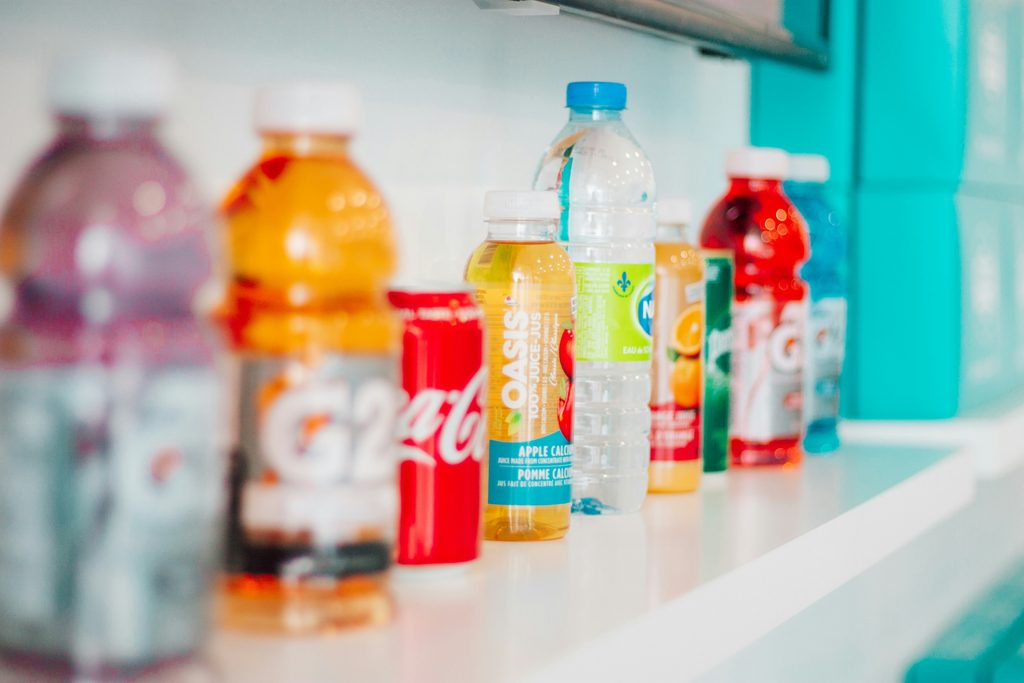
Bins beside machines are usually split between cans and PET bottles, sometimes with a third for glass.
PET bottles should ideally have the cap and label removed, which go in with plastics rather than with the bottle. In practice at a street machine, putting the whole bottle in is normal.
If the bin is full, take the container with you.
Drinking Where You Bought It
The convention is to drink beside the machine, or at least to finish before you move on, and to put the empty in the bin there.
Walking while eating or drinking — tabearuki — is mildly frowned upon generally and actively restricted in some districts, including parts of Kamakura and Kyoto where signs now say so explicitly.
Nobody will confront you. It is a small courtesy and it is the reason there are no drinks cans on the pavement.
Vending Machines in Japan: Frequently Asked Questions
Do machines take foreign credit cards or Apple Pay?
Sometimes, and not reliably enough to depend on. Many newer machines have contactless readers, but a great many are configured for Japanese IC transit cards rather than international payment networks, and a foreign contactless card will simply not register. Apple Pay works if you have a Suica or ICOCA loaded into Wallet, because that is a transit card rather than a credit card transaction. The practical answer is to set up a digital transit card before you arrive and to carry coins as a backup.
Why are the bins only for drinks containers?
Because they are not public waste bins. They are provided and emptied by the beverage company that owns the machine, for the containers sold from it. General street bins were removed across Japan in the 1990s for security reasons and were never reinstated, which is why these are often the only disposal point in sight. Putting food wrappers, tissues, or general rubbish in them creates a problem for whoever empties it, and it is one of the specific complaints Japanese residents raise about visitors. Carry a small bag.
What if the machine takes my money and gives nothing?
First press the coin return lever at the bottom, which recovers unspent money. If the drink did not drop, look for the contact number printed on the machine — every machine carries the operator’s name and a phone number, and calling it works, though it will be in Japanese. If you are at a station, hotel, or shop, tell the staff there; they deal with this and will call for you. Failures are rare and operators do refund. For a ¥150 drink most visitors write it off, which is understandable but slightly a shame, because the system does function.
Related Tours
Conclusion
Learn the red band and the blue band, set up a digital transit card, and keep a few hundred yen in coins. That covers essentially every vending machine transaction you will make in Japan.
Then buy a hot canned corn soup in January from a machine on a station platform, shake it properly, and drink it standing in the cold. It costs a hundred and forty yen and it is one of the more specifically Japanese fifteen minutes available to a visitor.
Plan Your Japan Trip with Local Experts
Our team has guided 40,000+ travelers across Japan. Tell us about your trip and we’ll get back to you within 24 hours.