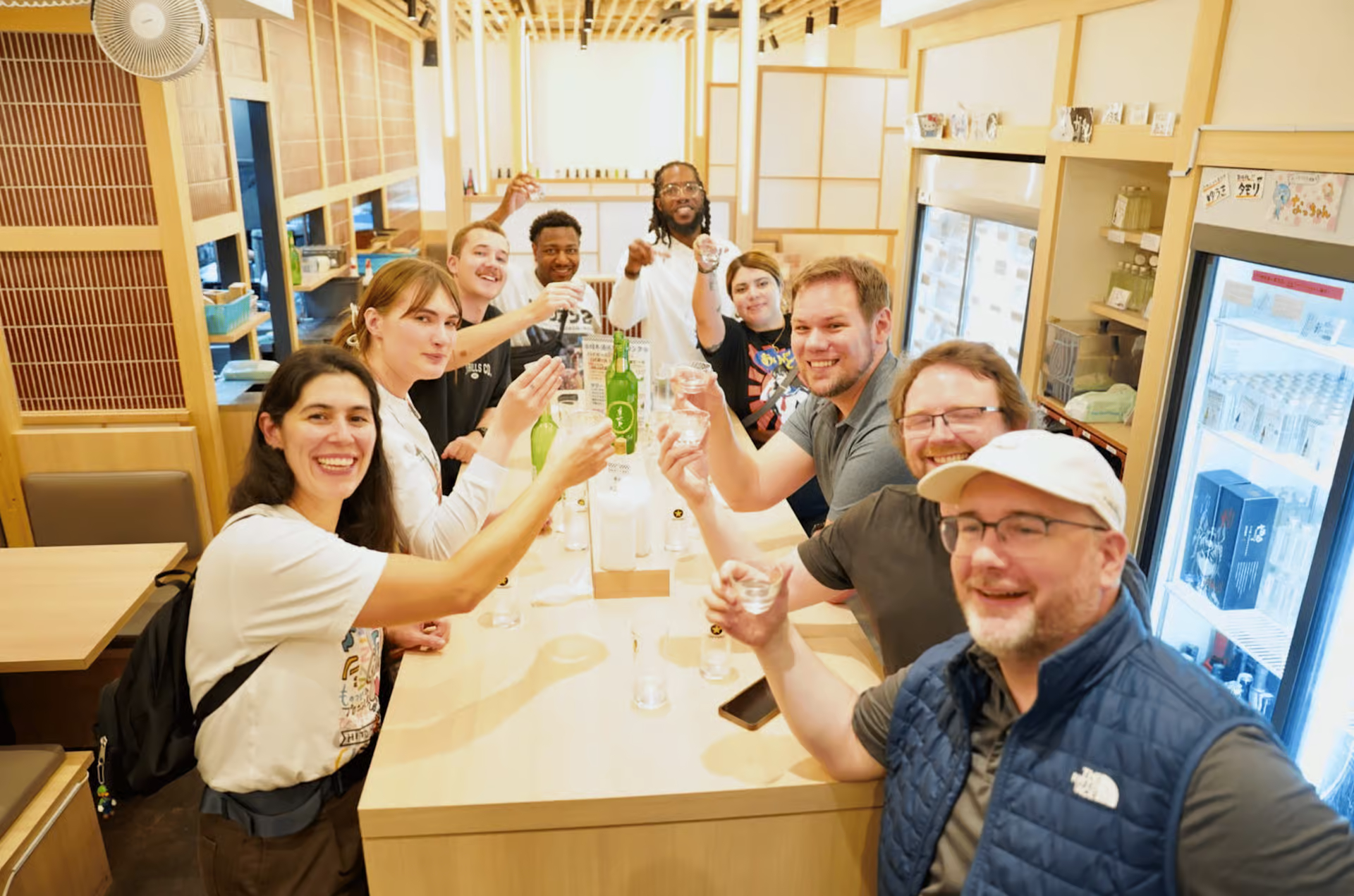
In this article:
- The History of Omoide Yokocho
- What the Alley Is Like Inside
- What to Eat and Drink
- The Etiquette of a Tiny Bar
- Practical Tips for First-Timers
- Visiting Omoide Yokocho: Common Questions
The History of Omoide Yokocho
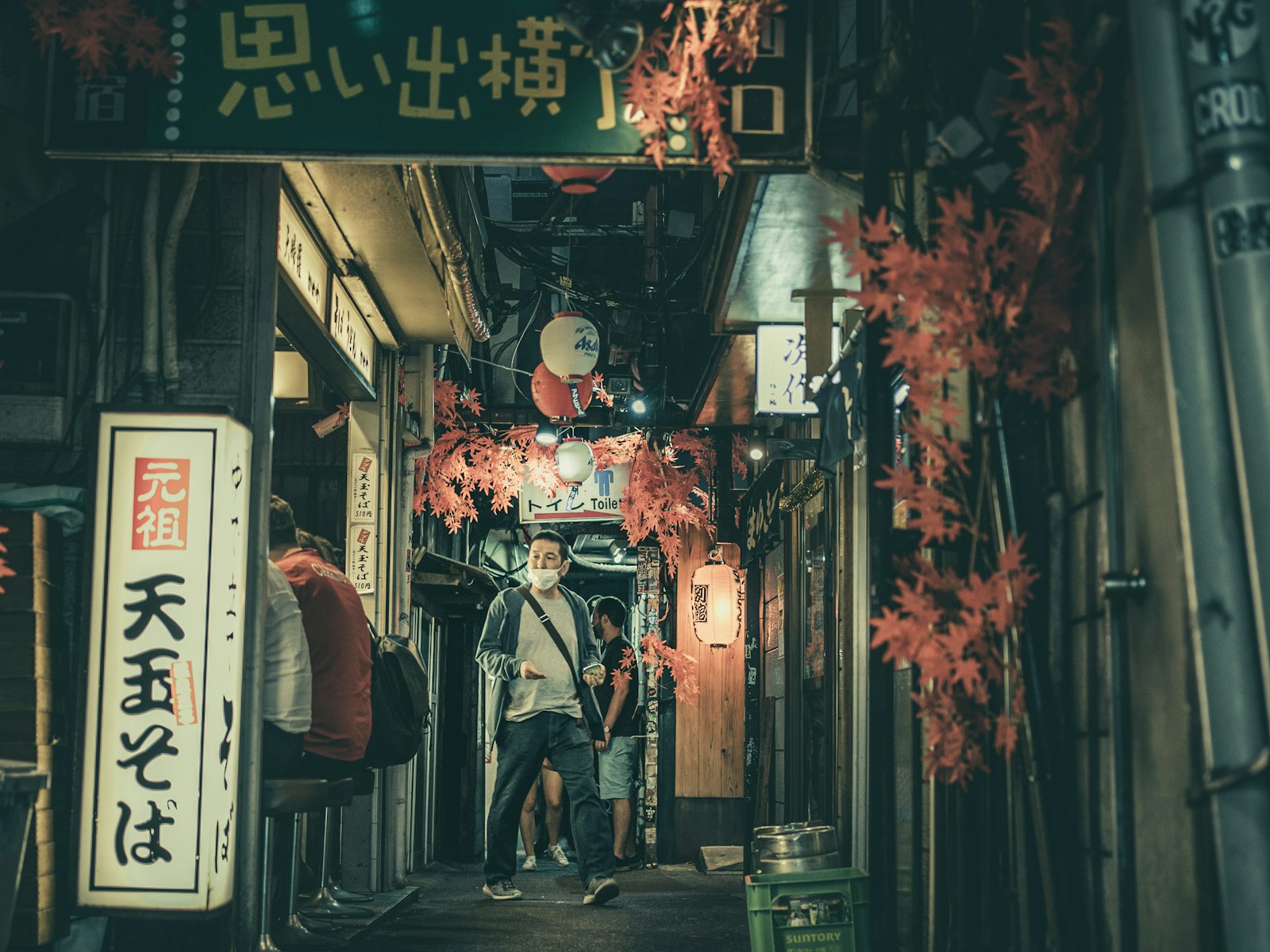
Omoide Yokocho — the name means “Memory Lane” — is a cluster of cramped alleys on the west side of Shinjuku Station, packed with tiny bars and grill counters that have changed remarkably little in decades. To step into it is to leave the glass-and-steel Tokyo of the present and walk into the smoky, low-ceilinged Tokyo of the postwar years. That this survives at all, wedged against one of the busiest transit hubs on earth, is the point of the place.
The alley trades on nostalgia, and it earns it honestly. The bars are real, mostly family-run, and many have grilled the same skewers for generations. It is touristy now, unavoidably, but underneath the cameras it is still a working drinking street where Tokyo salarymen come to eat offal and drink highballs after work, exactly as they have for half a century.
From Black Market to Memory Lane
The alley grew out of the chaotic markets that sprang up around Shinjuku Station in the years immediately after the Second World War, when an unofficial black market traded in goods that were scarce or rationed. Out of that grew a dense warren of tiny eating and drinking stalls. As the city rebuilt and prospered around it, this pocket stubbornly remained, a fossil of an earlier Tokyo preserved in the heart of the modern one.
The Nickname No One Says Politely
For much of its history the alley carried a rather less romantic nickname: Shonben Yokocho, which translates, bluntly, as “Piss Alley” — a reference to the lack of toilets in its early, rough decades, when patrons made do with the surroundings. The genteel “Omoide Yokocho,” Memory Lane, is the rehabilitated name now used on the signage. Locals and old guides still use the older one, and knowing both tells you something about how far the alley has come.
Fire and Survival
A serious fire tore through the alley in the late 1990s, and for a moment its survival was in question. It was rebuilt, deliberately preserving the cramped scale and Showa-era character rather than modernising it away. That choice is why the place still feels authentic rather than like a reconstruction. What you walk through today is a conscious act of preservation, not an accident of neglect.
Finding It
Omoide Yokocho sits immediately beside the west exit of Shinjuku Station, tucked against the railway tracks on the northern side. From the station’s west side it is a two-minute walk; the low entrance, strung with lanterns, appears suddenly off the busy main road. It is easy to walk past, which is part of its charm — look for the glow of lanterns down a narrow gap between buildings.
What the Alley Is Like Inside
The first thing that hits you is the sensory density. Knowing what to expect makes the plunge into it a pleasure rather than a shock.
Smoke, Lanterns, and Eighty Tiny Bars
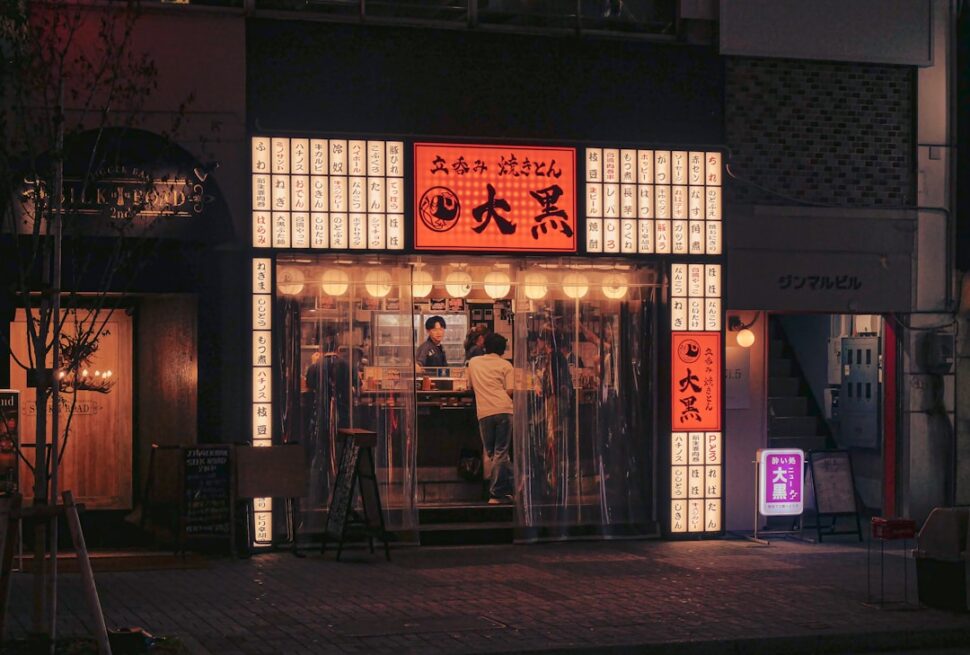
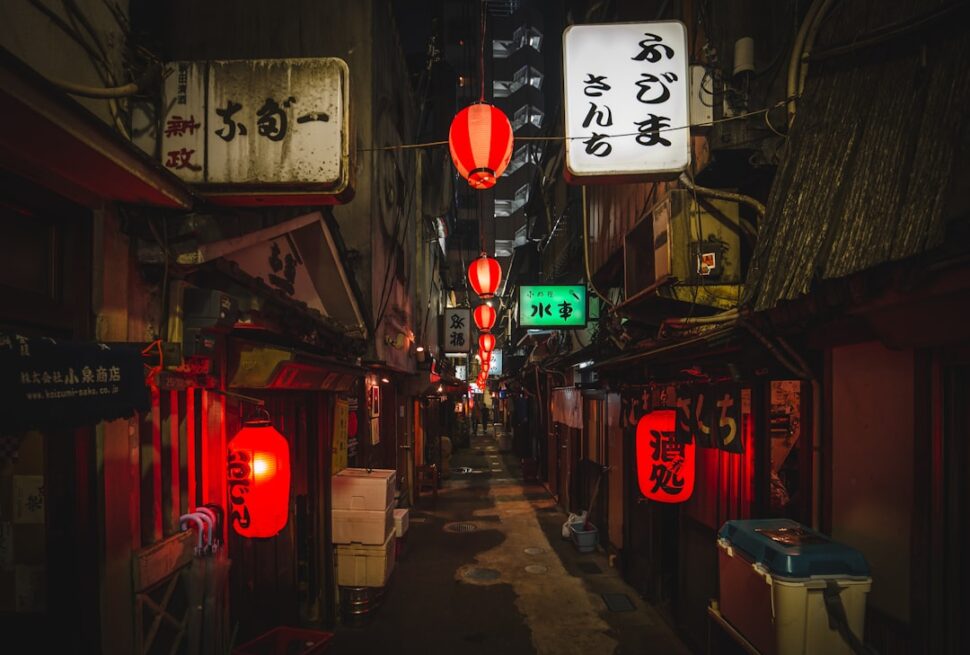
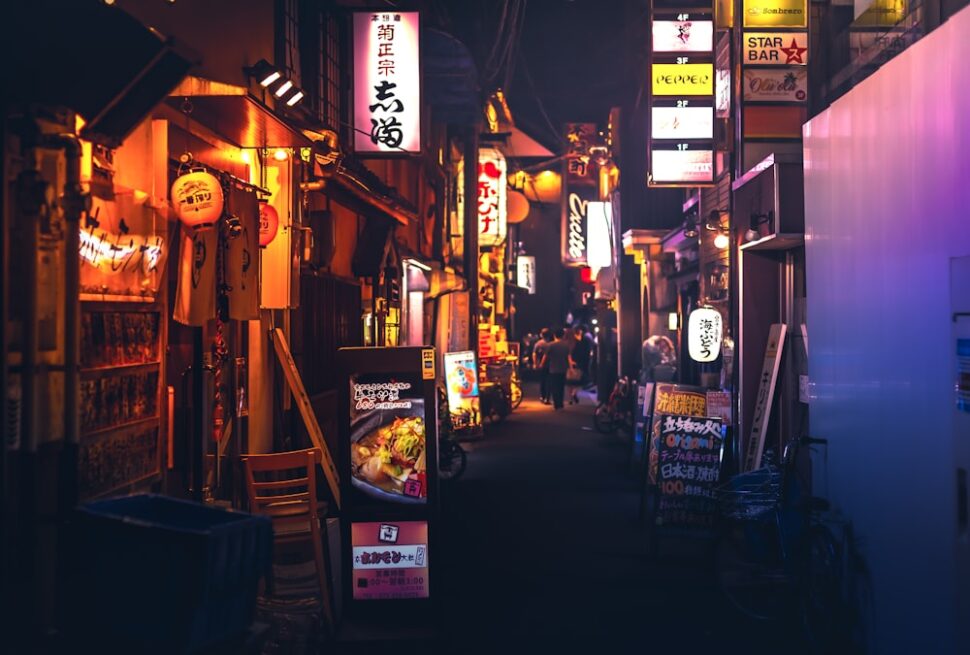
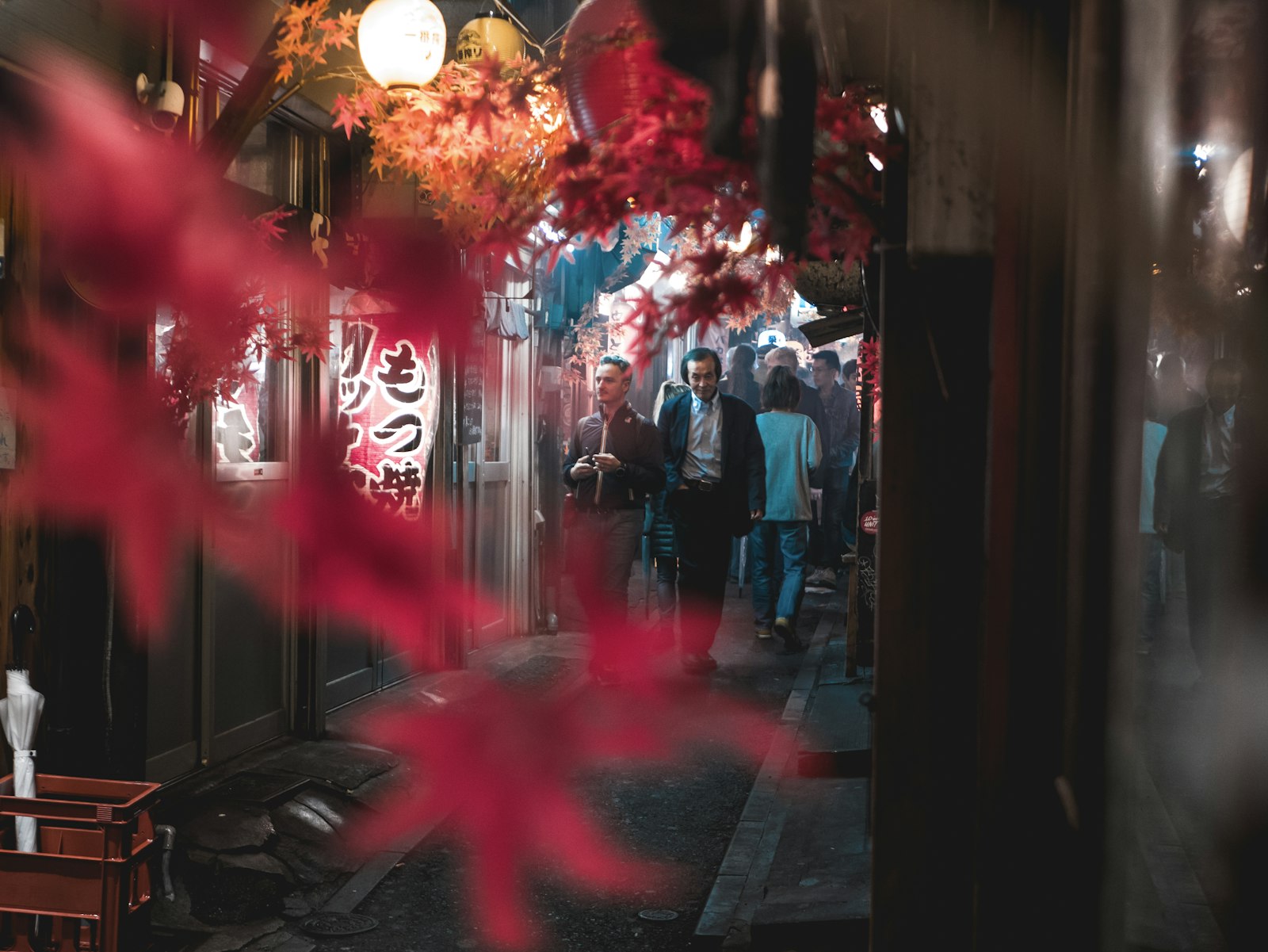
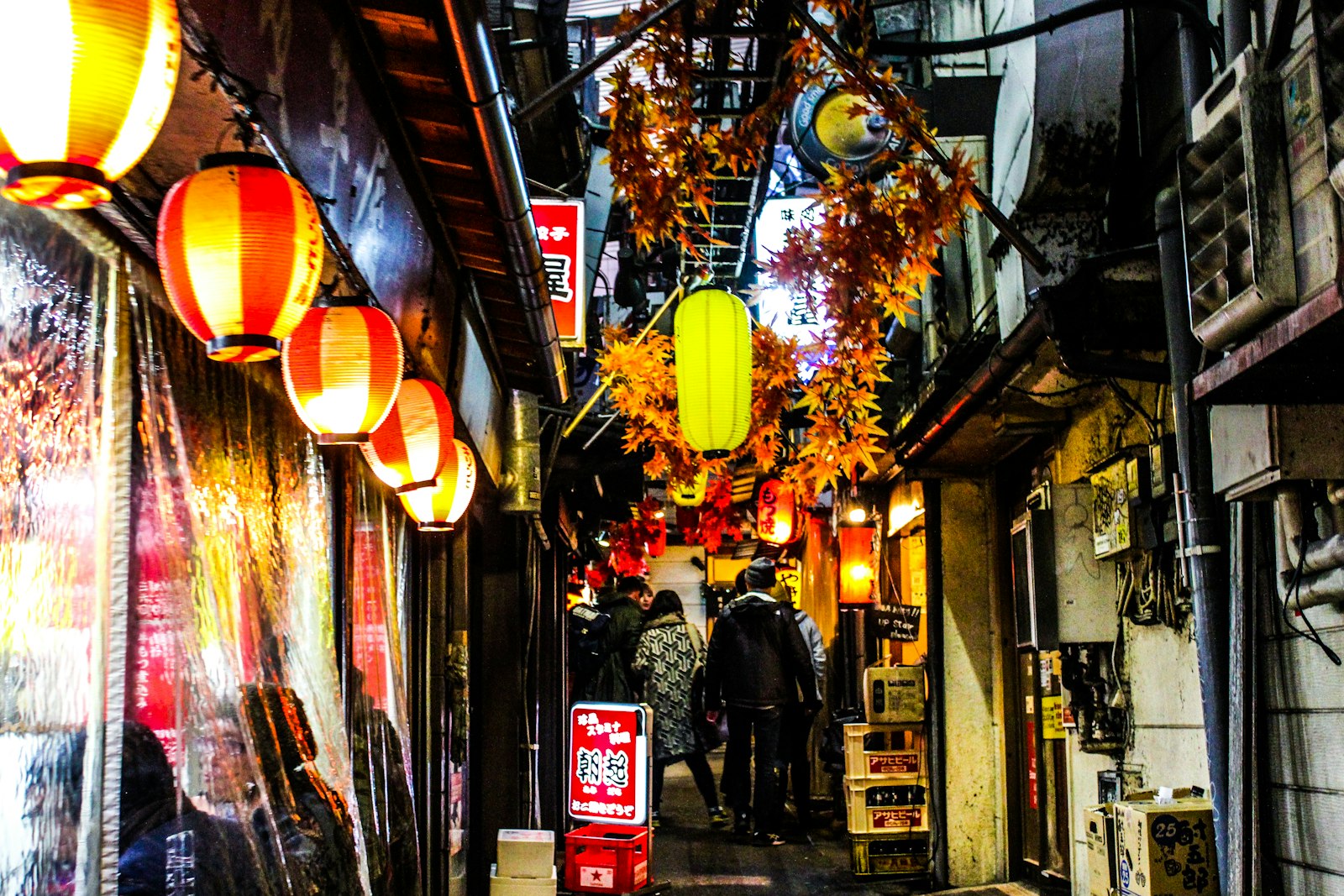
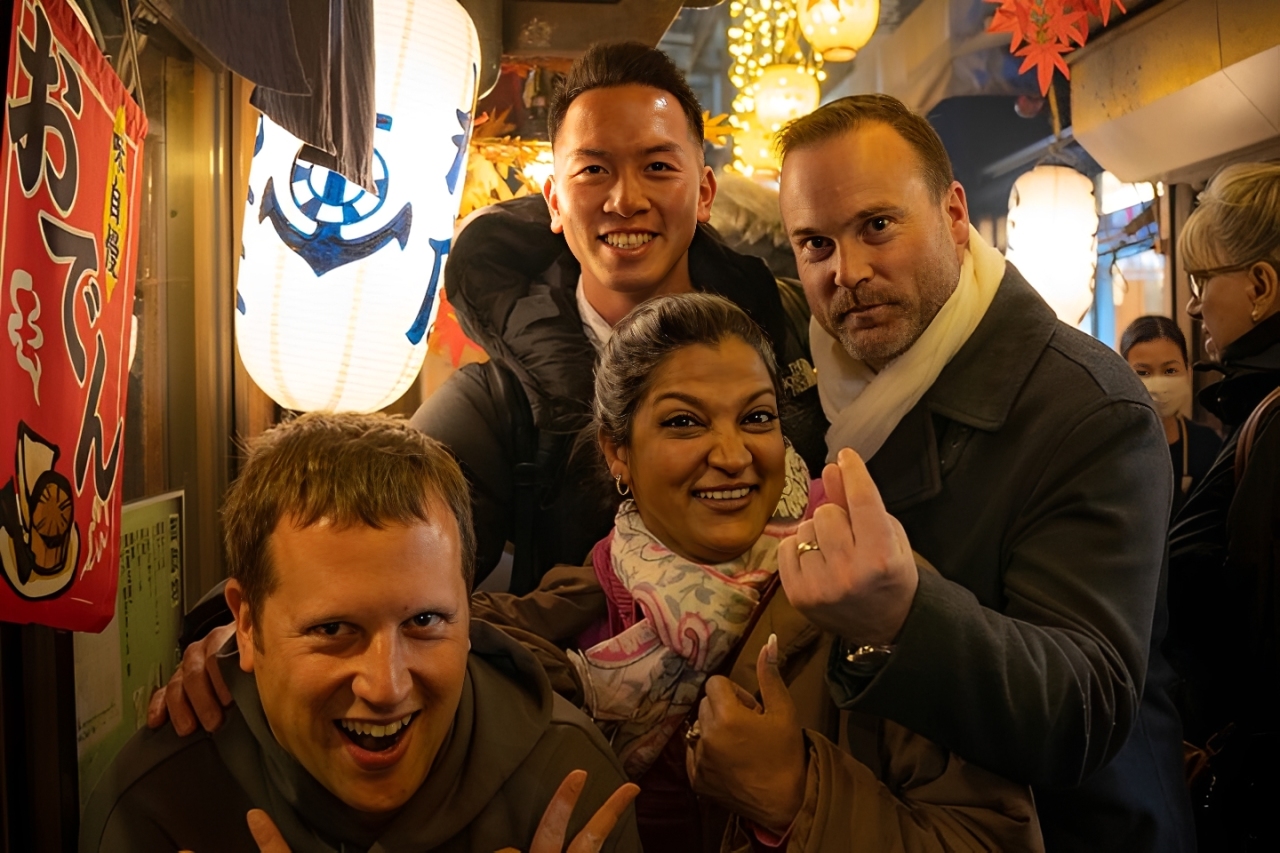
The alley is barely wide enough for two people to pass, lined on both sides with around eighty minuscule establishments, their fronts hung with red paper lanterns and noren curtains. Charcoal smoke from the grills hangs in the air, lit by warm bulbs and neon. The whole hundred-metre stretch is a single, concentrated atmosphere — loud, hazy, intimate. On a cold evening, with the smoke and the lanterns and the press of people, it is one of the most evocative spots in Tokyo.
Counters That Seat a Handful
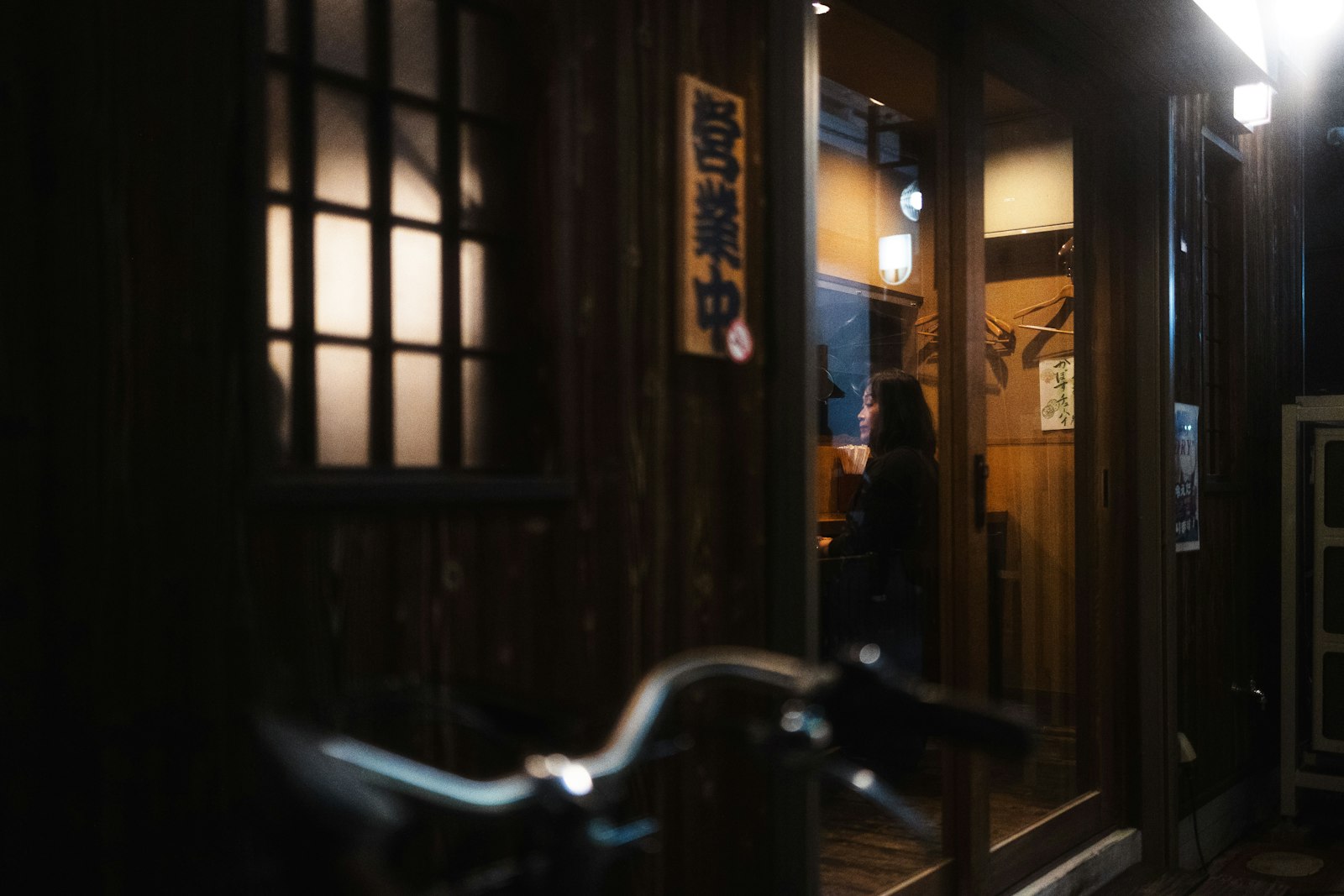
Most of these bars seat only five to ten people, often around a single counter where the cook works an arm’s length in front of you. There is no privacy and no personal space; you sit shoulder to shoulder with strangers and the person grilling your food. This enforced closeness is the experience — you are not visiting a restaurant so much as squeezing into someone’s tiny working kitchen for an hour. Embrace it, or the cramped scale will frustrate you.
Old Tokyo Against the Skyline
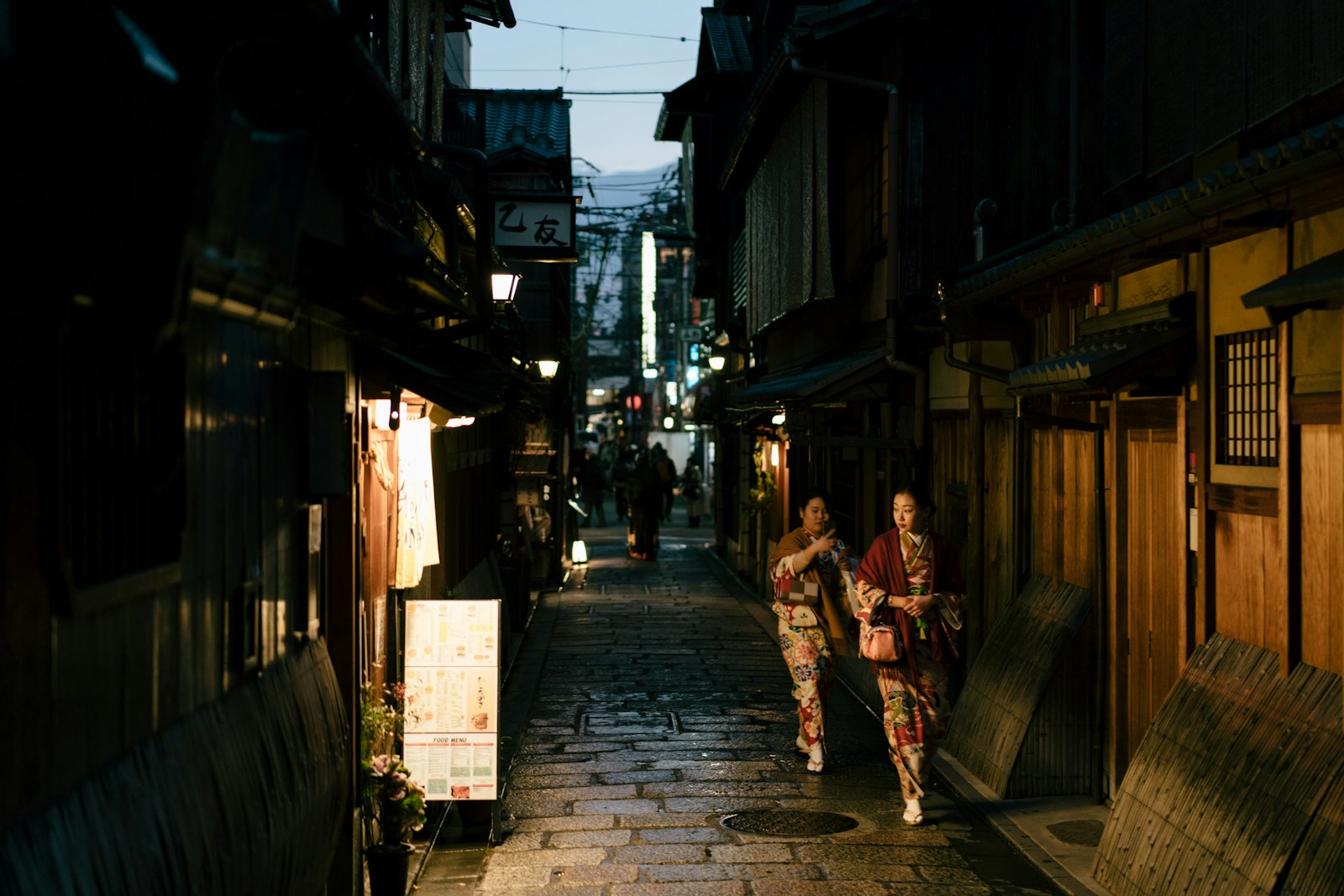
Part of what makes the alley so photographed is the contrast at its edges: look up from the lanterns and the corrugated roofs and you see Shinjuku’s skyscrapers rising directly behind. Old Tokyo and new Tokyo stacked in a single frame. The juxtaposition is the image everyone comes home with, and it is best at dusk, when the lanterns are lit but the sky still holds some colour behind the towers.
What to Eat and Drink
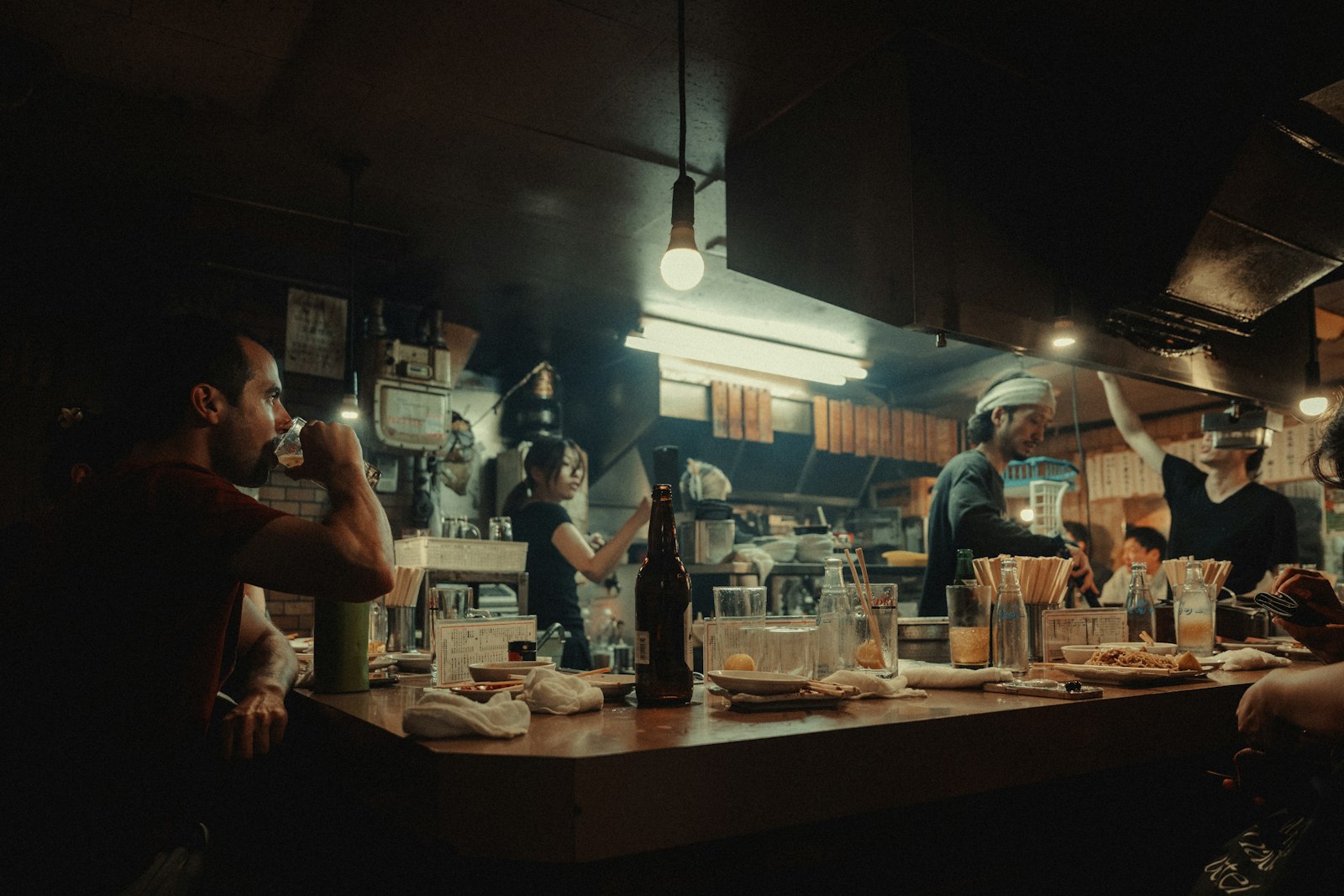
The food here is unfussy, smoky, and built for drinking alongside. This is not a place for a refined meal; it is a place for skewers, stew, and another glass.
The Grills: Yakitori and Motsuyaki
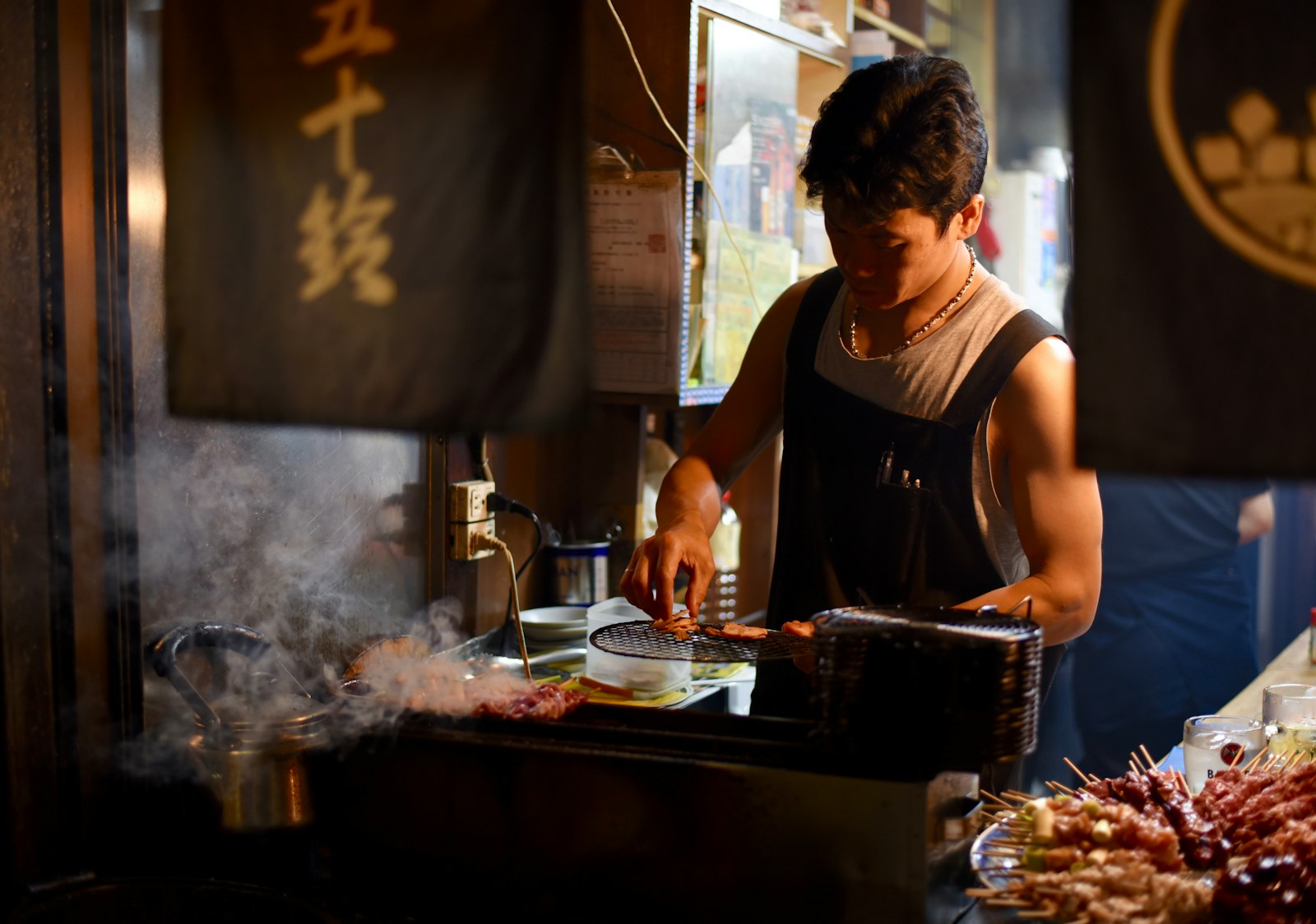
The alley’s backbone is the charcoal grill. Yakitori — skewers of chicken, every part of it, salted or glazed with sweet tare sauce — is the staple, and motsuyaki, grilled pork offal, is the other. Order a few skewers at a time, let the cook recommend, and do not be squeamish about the organ meats; they are the alley’s specialty and far better than they sound. A handful of skewers and a cold drink is the classic Omoide Yokocho order.
Hearty Bowls and Old-School Dishes
Beyond the grill, look for motsu nikomi — offal slow-stewed in a rich, savoury broth until meltingly soft — which is deep winter comfort food, and crisp vegetable tempura. A few establishments still serve more unusual old-Tokyo dishes, including whale, a relic of postwar eating habits that endures here more than almost anywhere else in the city. Late at night, a small bowl of ramen or noodles is the traditional way to finish.
What to Drink
Drinking is half the reason to come. Cold draft beer, sake served warm or cold, and the Japanese highball — whisky and soda, sharp and refreshing — are the standards, and they pair perfectly with smoky grilled food. Each bar expects you to drink, not just eat. Order a drink as you sit, and keep one in front of you; the alley runs on the pairing of charcoal and alcohol, and a dry counter feels out of place.
The Etiquette of a Tiny Bar
A five-seat counter has its own unwritten rules, and following them is what separates a welcome guest from an awkward one. None of it is difficult; most is simple consideration in a very small space.
The Otoshi Charge
As at any izakaya, expect a small dish you did not order, accompanied by a seating charge called otoshi — usually a few hundred yen per person. It functions as a cover charge and is entirely normal, not an attempt to overcharge tourists. Treat it as the price of the seat. Knowing it is coming saves the small flash of suspicion that catches out first-timers when an unrequested plate appears.
Order a Drink on Sitting Down
The convention at these bars is that everyone orders at least one drink. The bars are tiny and survive on turnover, and a seat occupied by someone nursing only a glass of water is a seat not earning its keep. Order a beer or a highball as you sit, and order food alongside. This is simply how the economics of a ten-seat counter work, and observing it keeps you on the right side of the host.
Share the Space Graciously
Space is the alley’s scarcest resource. Keep your bag on your lap or under the counter rather than on a stool, slide over to make room when newcomers arrive, and keep your voice and your gestures contained. The closeness can lead to friendly conversation with neighbours and the cook, which is part of the charm — but read the room, and do not sprawl. Good counter manners are mostly about taking up as little room as your enjoyment allows.
Don’t Linger Too Long
Because the bars are so small, lingering for hours over a single order is discouraged. The polite pattern is to eat, drink, enjoy, and then move on, freeing your seat for the people waiting at the mouth of the alley. Part of the fun of Omoide Yokocho is bar-hopping anyway — a few skewers and a drink at one counter, then on to the next. Treat each stop as one chapter, not the whole evening.
Practical Tips for First-Timers
A few logistics smooth the whole experience and prevent the small problems that can sour a visit to a cash-only, tightly packed alley.
Carry Cash
Many of these tiny bars are cash-only, and even those that take cards prefer cash for small orders. Carry plenty of yen in coins and small notes before you arrive — there is no graceful way to discover at a five-seat counter that you cannot pay. A few thousand yen per person covers a good evening of skewers and drinks across a couple of bars.
English and Menus
The alley is used to foreign visitors, and many bars now have picture menus, English signage, or staff who can manage the basics. Pointing works everywhere. That said, some of the most atmospheric counters operate with handwritten Japanese menus and little English; at those, ordering by pointing at what a neighbour has, or asking the cook to choose, is both effective and a good way to end up with the best of the house.
When to Go
The alley is open through the day, but it is at its best in the evening, when the lanterns are lit, the grills are going, and the after-work crowd fills the counters. Some bars open for lunch and the early afternoon, which is a quieter, easier time for a first, less crowded look. For the full atmosphere, arrive around dusk; for elbow room, come earlier. The late-night hours have their own deep, smoky character if you stay on.
Visiting Omoide Yokocho: Common Questions
Can I buy food at one stall and eat it at another bar? Generally no. Each tiny bar is its own business surviving on the food and drink you order there, and bringing in items from a neighbour is poor form. The alley’s pleasure comes from moving between bars — order and eat at each counter you sit at, then settle up and walk to the next. Treat each establishment as a complete, if brief, stop rather than a place to consume something bought elsewhere.
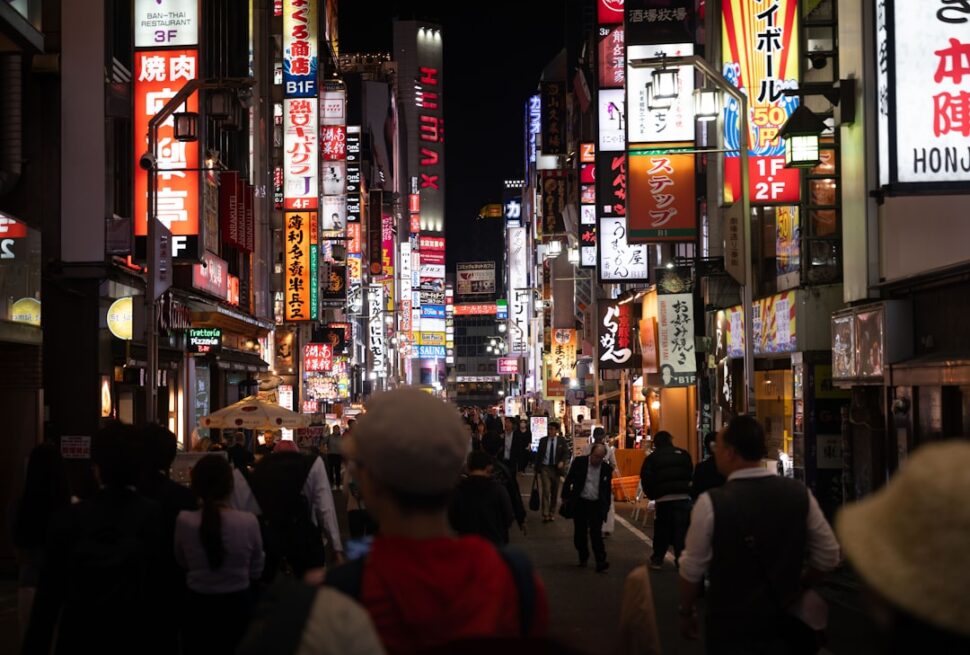
Is it safe for solo travelers and women at night? Yes, broadly. Omoide Yokocho is busy, well-trafficked, and generally safe, and solo travelers and women drink there without trouble; the close quarters tend to make it sociable rather than threatening. As anywhere in a nightlife district, keep an eye on your belongings in the crush and drink at a pace you are comfortable with. Note that it sits near Kabukicho, a larger nightlife district with its own cautions, so know which area you are wandering into afterward.
What if I can’t read the handwritten prices? Some older bars chalk prices on the wall in Japanese, or simply expect regulars to know, which can make the total feel uncertain. Do not be shy about asking the price before you order — “ikura desu ka?” (“how much is it?”), or pointing and raising an eyebrow, is perfectly acceptable. Most bars are honest and the otoshi-plus-skewers-plus-drinks total is modest, but asking up front removes any anxiety about the bill.
Related Tours

Conclusion
Omoide Yokocho works best for the visitor who comes for the atmosphere and respects the scale. Carry cash, order a drink as you sit, eat a few smoky skewers, mind your elbows on the tiny counter, and then move on to the next lantern-lit door rather than settling in for the night. Done that way, it is one of the most atmospheric hours you can spend in Tokyo.
Plan Your Japan Trip with Local Experts
Our team has guided 40,000+ travelers across Japan. Tell us about your trip and we’ll get back to you within 24 hours.