
In this article:
- What Is Wabi-Sabi?
- Wabi-Sabi in Traditional Arts
- Kintsugi: Repairing with Gold
- Recognizing Wabi-Sabi as You Travel
- Wabi-Sabi in Modern Life
- Wabi-Sabi: Frequently Asked Questions
Introduction
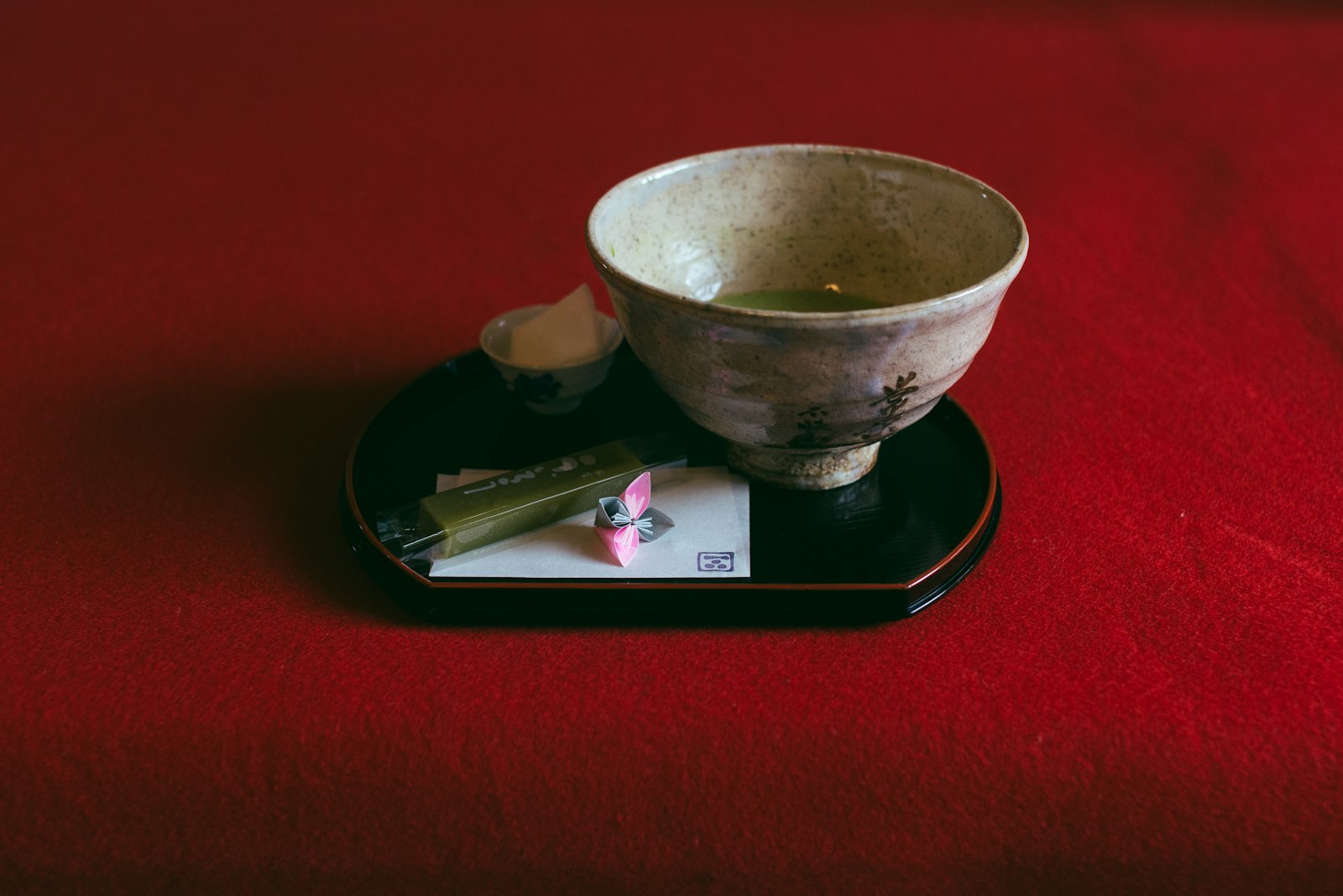
Western beauty often prizes symmetry, polish, and permanence. Wabi-sabi prizes the opposite: the crack, the weathered surface, the asymmetry, the thing that shows its age and its making. It is the beauty of a moss-covered stone, a hand-thrown bowl slightly off-round, a wooden beam darkened by a century of hands.
It is subtle, and it rewards a slower kind of looking. Understanding it changes what you notice in Japan — and, for many travelers, how they see beauty afterward.
What Is Wabi-Sabi?
The idea is easier to feel than to define, but its parts can be described.

Wabi and Sabi
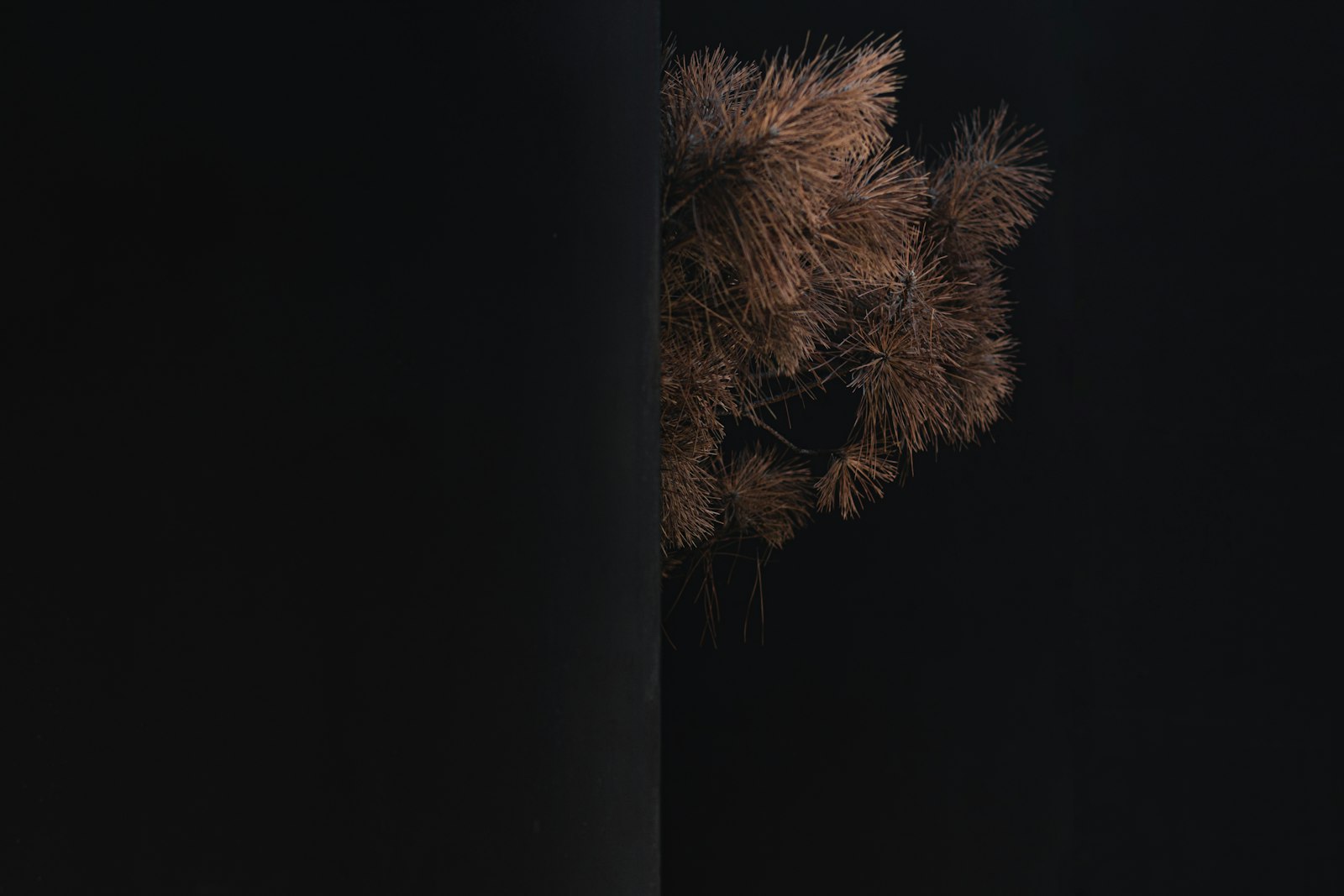
The term joins two ideas: wabi, a rustic, understated simplicity and quiet humility, and sabi, the beauty that comes with age, wear, and the passage of time. Together they describe finding beauty in the modest, the imperfect, and the transient rather than the grand and new.
Zen Roots
Wabi-sabi grows from Zen Buddhist thought, particularly the recognition of impermanence (mujo) — that all things are fleeting and changing. Rather than resisting this, wabi-sabi embraces it, finding beauty precisely in transience and imperfection. It is an aesthetic with a spiritual core.
Beauty in Asymmetry
Where classical Western taste seeks balance and flawlessness, wabi-sabi finds harmony in asymmetry, roughness, and the unpolished. A slightly irregular bowl or a weathered wall is not a defect but a source of quiet beauty. This is the perceptual shift at the heart of the idea.
Wabi-Sabi in Traditional Arts
The Tea Ceremony
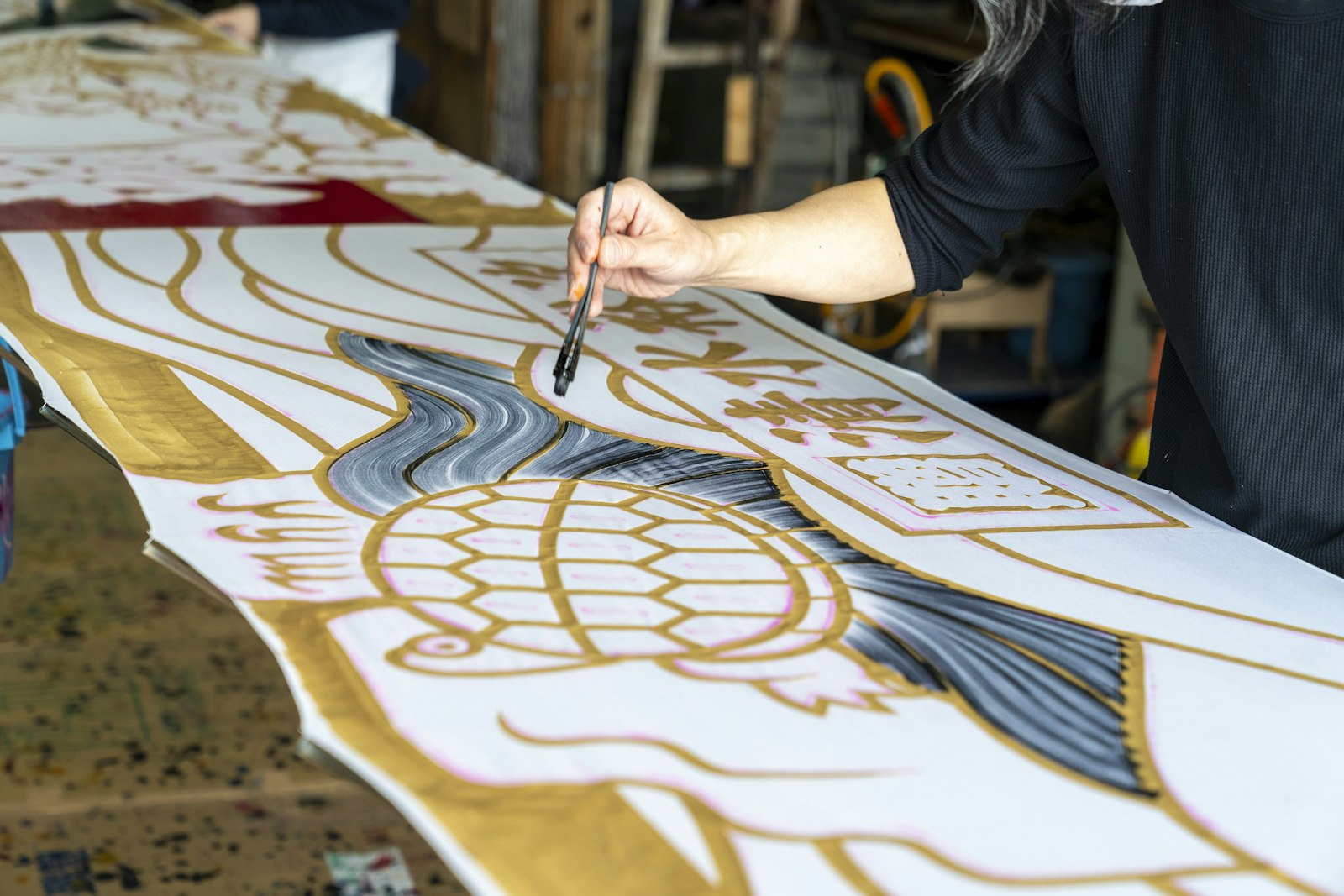
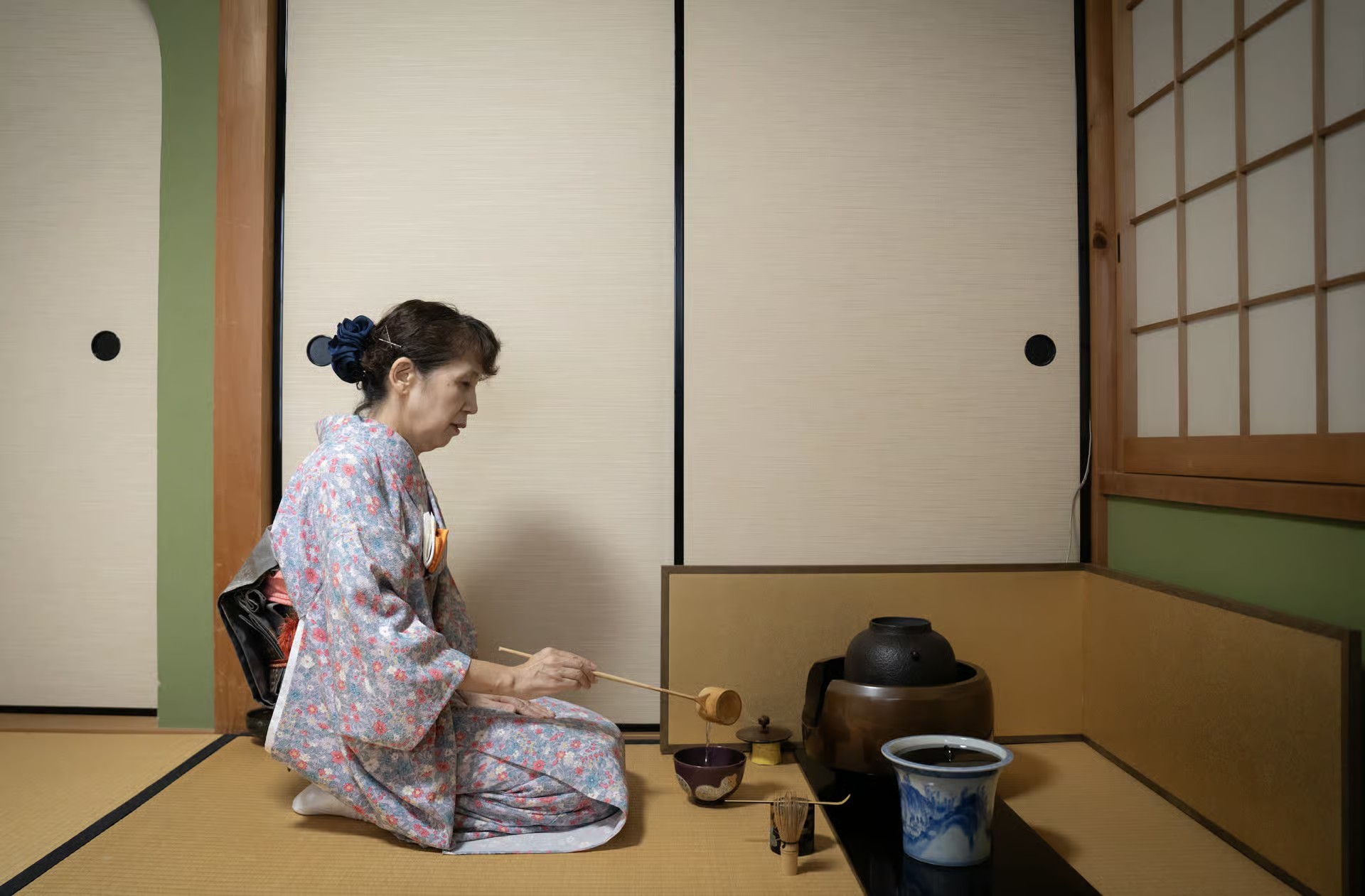
The tea ceremony (chado), refined by the master Sen no Rikyu, is wabi-sabi in practice, favoring simple, asymmetrical, unpolished tea bowls and rustic utensils over ornate ones. The whole ritual — spare, quiet, imperfect by design — is perhaps the purest expression of the aesthetic.
Rock Gardens
The dry rock garden (karesansui), with its raked gravel, weathered stones, and moss, embodies wabi-sabi’s restraint and its embrace of natural aging. Sitting before one, the beauty lies in the modest, the still, and the slowly changing. It invites contemplation rather than admiration.
Bonsai and Ikebana
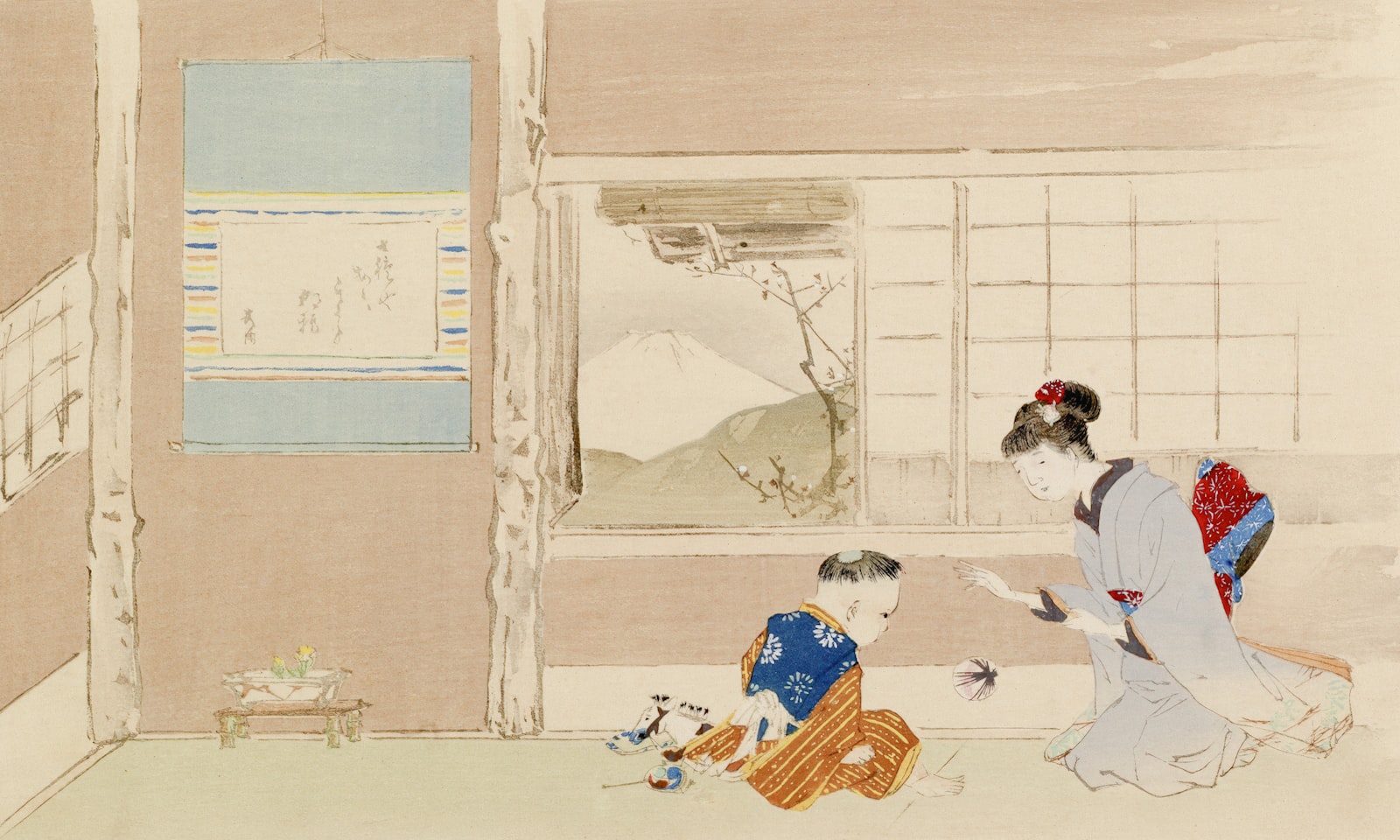
The living arts of bonsai and ikebana honor natural curves, asymmetry, and the imperfections of living plants rather than forcing them into geometric perfection. They celebrate the character that comes from age and growth, a very wabi-sabi way of seeing nature.
Kintsugi: Repairing with Gold
Golden Seams
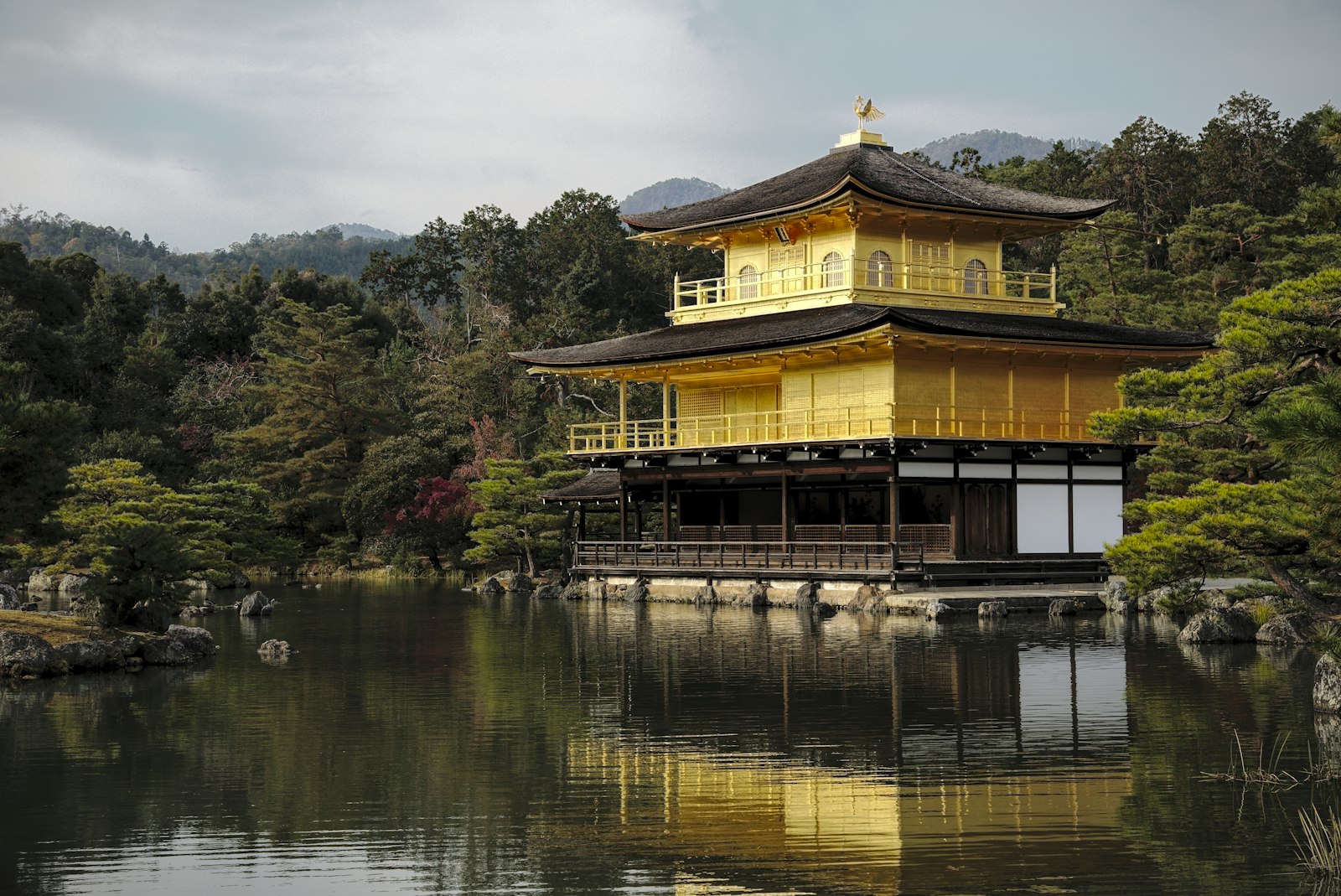
Kintsugi is the art of repairing broken pottery by joining the pieces with lacquer dusted or mixed with gold, so the cracks become luminous golden seams rather than hidden flaws. The repaired object is often more beautiful than the original, its history written in gold.
A Metaphor for Life
Kintsugi carries a philosophy: rather than disguising damage, it honors it, treating breakage and repair as part of an object’s story rather than something to conceal. As a metaphor for embracing our own scars and history, it has resonated far beyond Japan.
The Craft of Lacquer
The technique relies on natural urushi lacquer to bind the fragments before the gold is applied, a slow, skilled process. Understanding the craft deepens appreciation of each mended piece — it is patient restoration, not a quick fix, and the result endures.
Recognizing Wabi-Sabi as You Travel
In Temples and Gardens
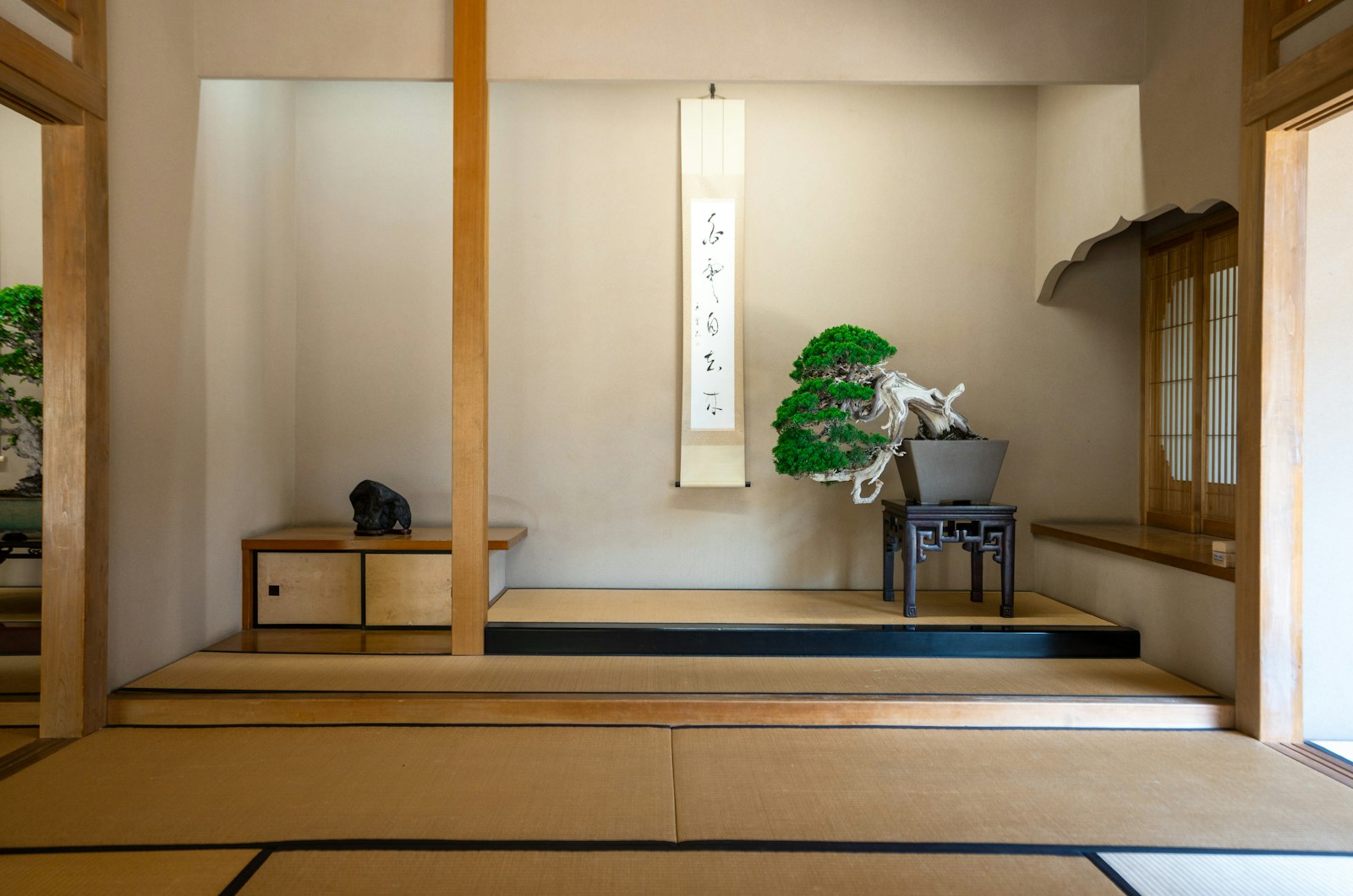
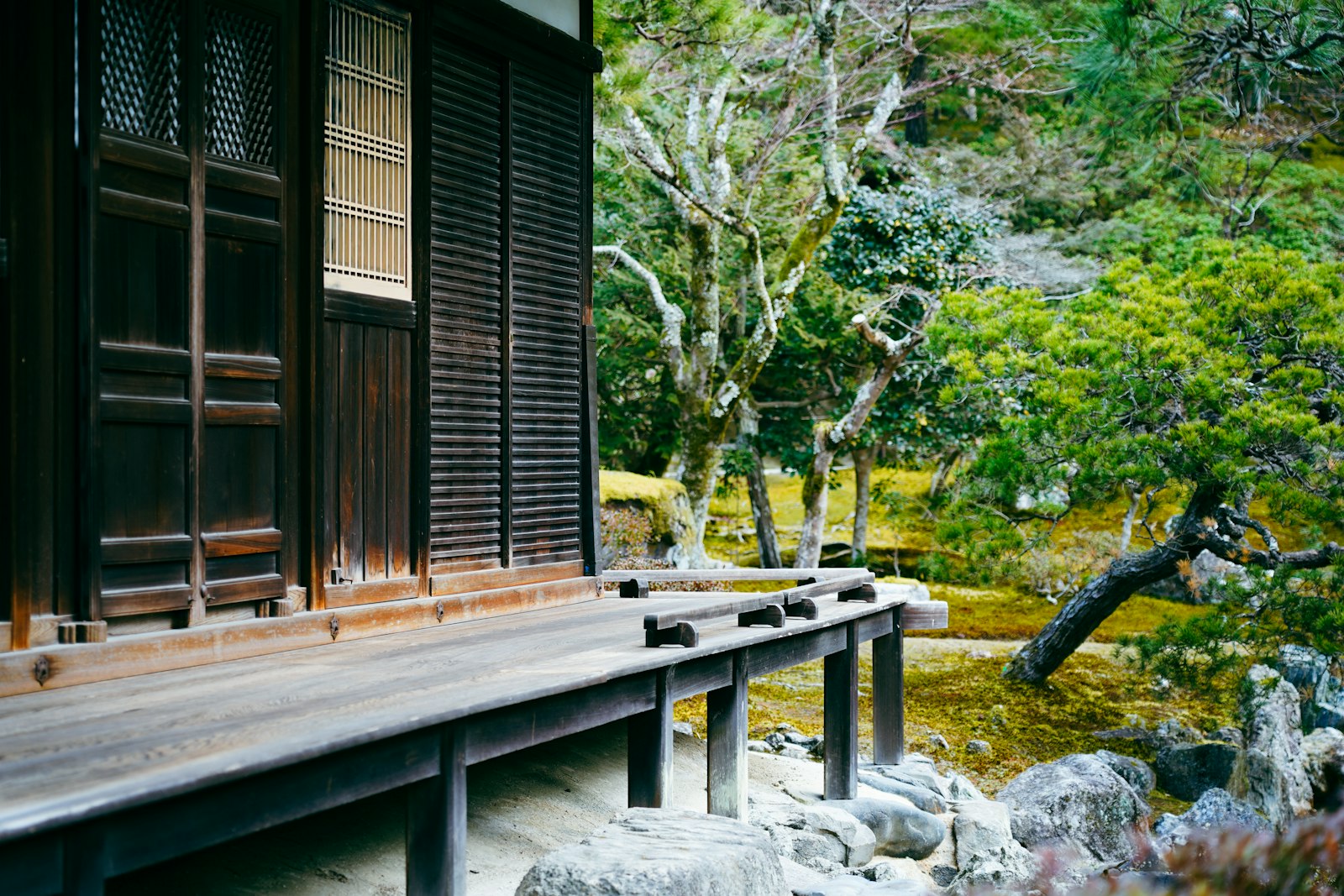
You will feel wabi-sabi most strongly in the weathered wood and moss-covered stone paths of ancient Kyoto temples, where age is not hidden but honored. Slow down in these places and notice the surfaces, the patina, the imperfection. That noticing is the point.
In Everyday Objects
Look for it in the asymmetrical ceramic dishes and hand-molded sake cups at a good izakaya, or in a rustic bowl at a ryokan. Wabi-sabi lives in daily objects as much as in famous art, once your eye is tuned to it.
In Rural Places
Weathered plaster walls, rusted metal, and aged timber in traditional villages carry a quiet wabi-sabi beauty. The countryside, where age and use are worn openly, is full of it. Wandering an old village with this lens transforms the ordinary into the lovely.
Expert Tip
Try a hands-on kintsugi workshop to understand wabi-sabi through your hands, not just your eyes. Several studios in Tokyo and Kyoto offer beginner sessions where you mend a piece of pottery with lacquer and gold over a couple of hours. Slowly repairing a broken bowl, and finding it more beautiful for the golden seams, teaches the philosophy in a way no amount of reading can. It also makes a meaningful, one-of-a-kind souvenir.
Wabi-Sabi in Modern Life
Letting Go of Perfection
As a way of living, wabi-sabi offers a gentle antidote to perfectionism, finding peace in simple, natural, uncluttered spaces and accepting things as they are. Many people outside Japan have embraced it for exactly this reason — permission to value the imperfect.
Appreciating Age
Wabi-sabi encourages choosing natural, long-lasting materials that age gracefully — wood, ceramic, cloth — over disposable, unchanging plastic. The idea that objects grow more beautiful with use runs counter to a throwaway culture, and appeals to a more mindful way of consuming.
Slowing Down
At its core, wabi-sabi is about presence — noticing the light, the season, the small imperfect details of an ordinary moment. Cultivating that slower, more observant attention is perhaps the most valuable thing a traveler can carry home from Japan.
Wabi-Sabi: Frequently Asked Questions
How does wabi-sabi differ from Western ideas of beauty? Western tradition often prizes symmetry, polish, and permanence, while wabi-sabi finds beauty in asymmetry, imperfection, age, and impermanence. It is a fundamentally different lens, valuing the modest and transient over the grand and flawless.
Where can I try a kintsugi workshop? Studios in Tokyo and Kyoto offer beginner kintsugi workshops where you repair pottery with lacquer and gold under guidance. Book in advance, and you leave with both a mended piece and a real feel for the philosophy.
Do modern Japanese people consciously practice wabi-sabi? It is more an ingrained sensibility than a daily conscious philosophy, woven into aesthetics, design, and taste rather than actively discussed. Its influence is felt throughout Japanese culture even when it is not named.
Related Tours


Conclusion
Wabi-sabi is a quiet revolution in how to see: beauty not in the perfect and new but in the imperfect, the aged, and the passing. It shapes the tea bowl, the rock garden, and the golden seams of kintsugi, and once you feel it, you find it everywhere in Japan.
Plan Your Japan Trip with Local Experts
Our team has guided 40,000+ travelers across Japan. Tell us about your trip and we’ll get back to you within 24 hours.