In this article:
- Evaluating Animal Welfare in Japanese Zoos
- Top Bio-Zones: Yokohama Zoorasia and Tama
- Hokkaido’s Asahiyama Zoo
- Open-Air Safaris: Fuji Safari Park
- Visitor Etiquette and Practical Rules
- Zoos in Japan: Frequently Asked Questions
Introduction
Not all zoos are equal, and Japan’s range is wide. Some older city zoos still keep animals in small enclosures that feel dated the moment you walk in. Others have led Asia in rethinking how animals are housed, building expansive habitats and behavior-focused exhibits that are genuinely uplifting to visit.
For a family day out that you can feel good about, the trick is choosing the right park. Here are the ones worth your time, and how to be a considerate visitor when you get there.
Evaluating Animal Welfare in Japanese Zoos
A little awareness before you book shapes a much better visit.
The Shift Toward Spacious Habitats
The best Japanese zoos have moved decisively toward large, naturalistic enclosures that let animals move, forage, and behave more as they would in the wild. This shift, led by a handful of influential parks, has raised the standard across the country, though not every zoo has caught up.
Urban Cages vs. Natural Bio-Zones
The clearest divide is between older, compact city zoos built around cage-style enclosures and newer bio-zone parks set on vast grounds. The bio-zones give animals room and give you a more natural, absorbing experience. When you can, choose the larger-habitat parks.
How to Spot an Ethical Park
Look for generous enclosure sizes, enrichment features that encourage natural behavior, and clear conservation or education programs. A little research on a park’s reputation before you go tells you a lot. If a place looks cramped in photos, it usually is.
Top Bio-Zones: Yokohama Zoorasia and Tama
Yokohama Zoorasia
Zoorasia is organized by world climate zones, so you walk from Asian rainforest to African savanna through habitats designed to match each animal’s environment. The scale and landscaping make it feel more like exploring than viewing, and it is one of the most thoughtfully designed zoos in the country.
Tama Zoological Park
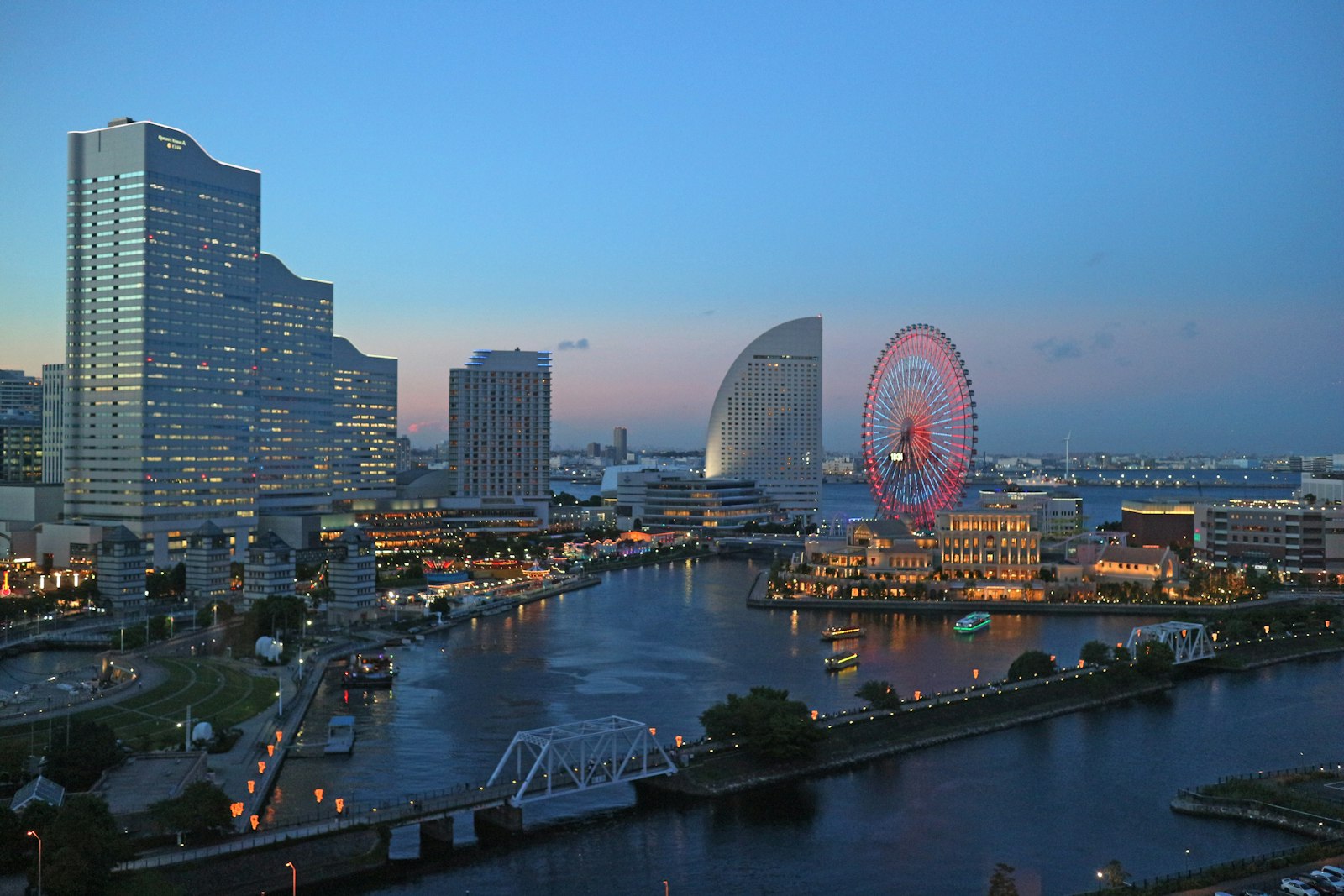
Tama, on Tokyo’s western edge, spreads across hilly, wooded grounds with large open ranges for Asian and African animals. Its Lion Bus drives you through the lion enclosure for a close, safari-style view. The terrain is expansive, so wear good shoes.
Family Logistics
These parks are large, and that scale is the point — but it means real walking. Both offer stroller rentals, and Tama’s hills in particular reward a rented pushchair for young children. Check for shuttle services and plan rest and food stops across the grounds.
Hokkaido’s Asahiyama Zoo
Behavioral Exhibits
Asahiyama, in Hokkaido, transformed Japanese zoo design with its focus on behavioral exhibits — enclosures built to show animals doing what they naturally do, rather than simply standing on display. It became one of Japan’s most visited zoos on the strength of that idea.
The Winter Penguin Walk
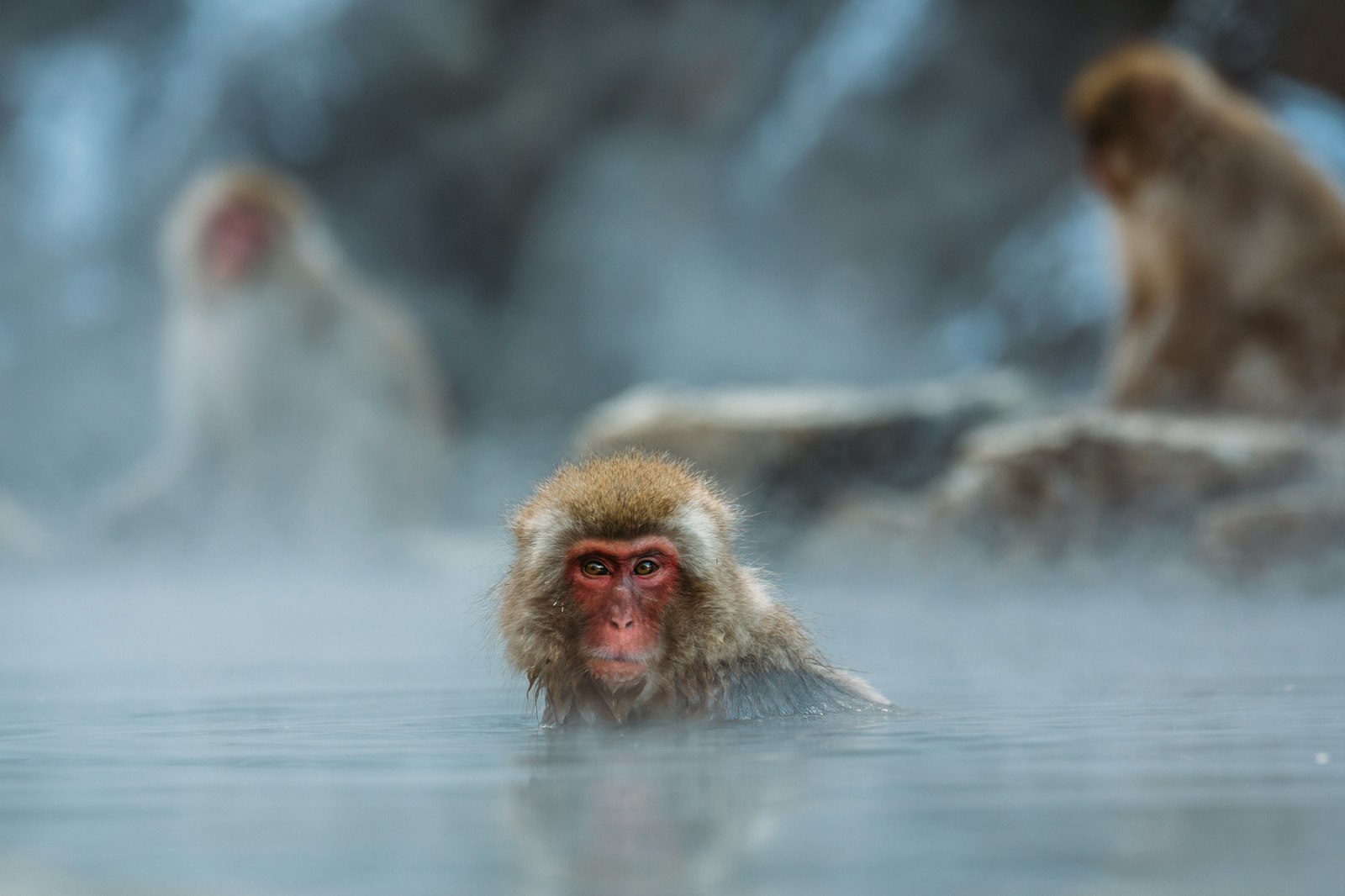
In winter, the zoo lets its king penguins out for a daily walk along a snowy public path, waddling past visitors as exercise. It is charming and genuinely good for the birds, and it has become the zoo’s signature draw. Check the daily schedule when you arrive.
Underwater Views
Clever enclosure design lets you watch polar bears and seals swim past through glass, including a transparent tunnel that puts you in the middle of the action. These viewpoints turn observation into something immersive, especially for children.
Open-Air Safaris: Fuji Safari Park
The Drive-Through Zone
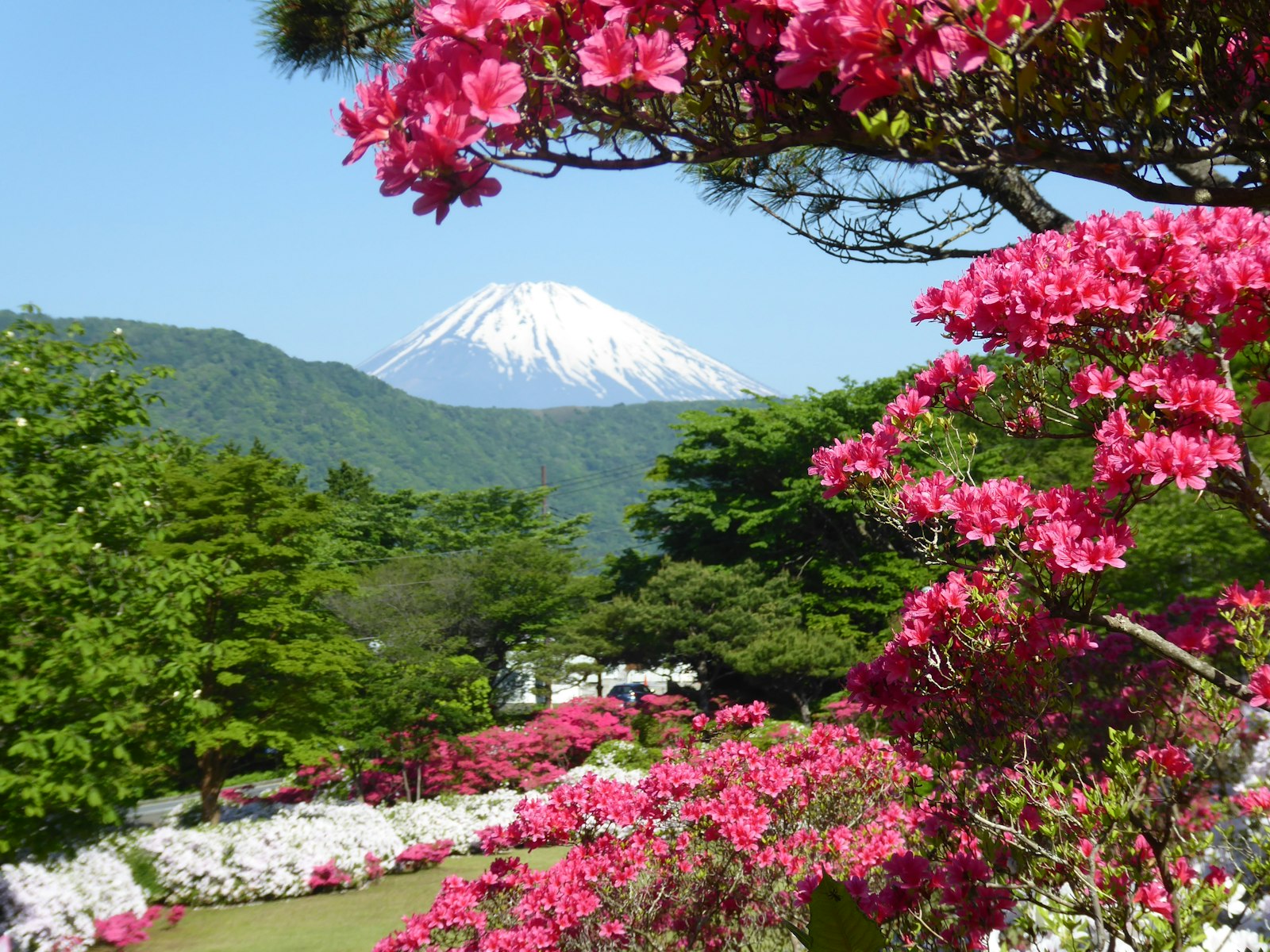
At the foot of Mount Fuji, Fuji Safari Park lets you drive through open ranges where lions, elephants, bears, and more roam, viewed from the safety of your own car. It is a different kind of encounter — animals at a distance in open space rather than behind fences.
The Jungle Bus
For a closer look, the park’s Jungle Bus lets you hand-feed predators through heavy protective mesh as the bus moves through the enclosures. It is a memorable, well-controlled way to see large animals up close. Book the bus ahead on busy days.
Petting Zones for Little Ones
Beyond the safari, gentle interactive areas let toddlers and young children meet smaller, calmer animals safely. These zones balance the big-animal thrills with something hands-on and low-key for the youngest visitors.
Visitor Etiquette and Practical Rules
Do Not Feed the Animals
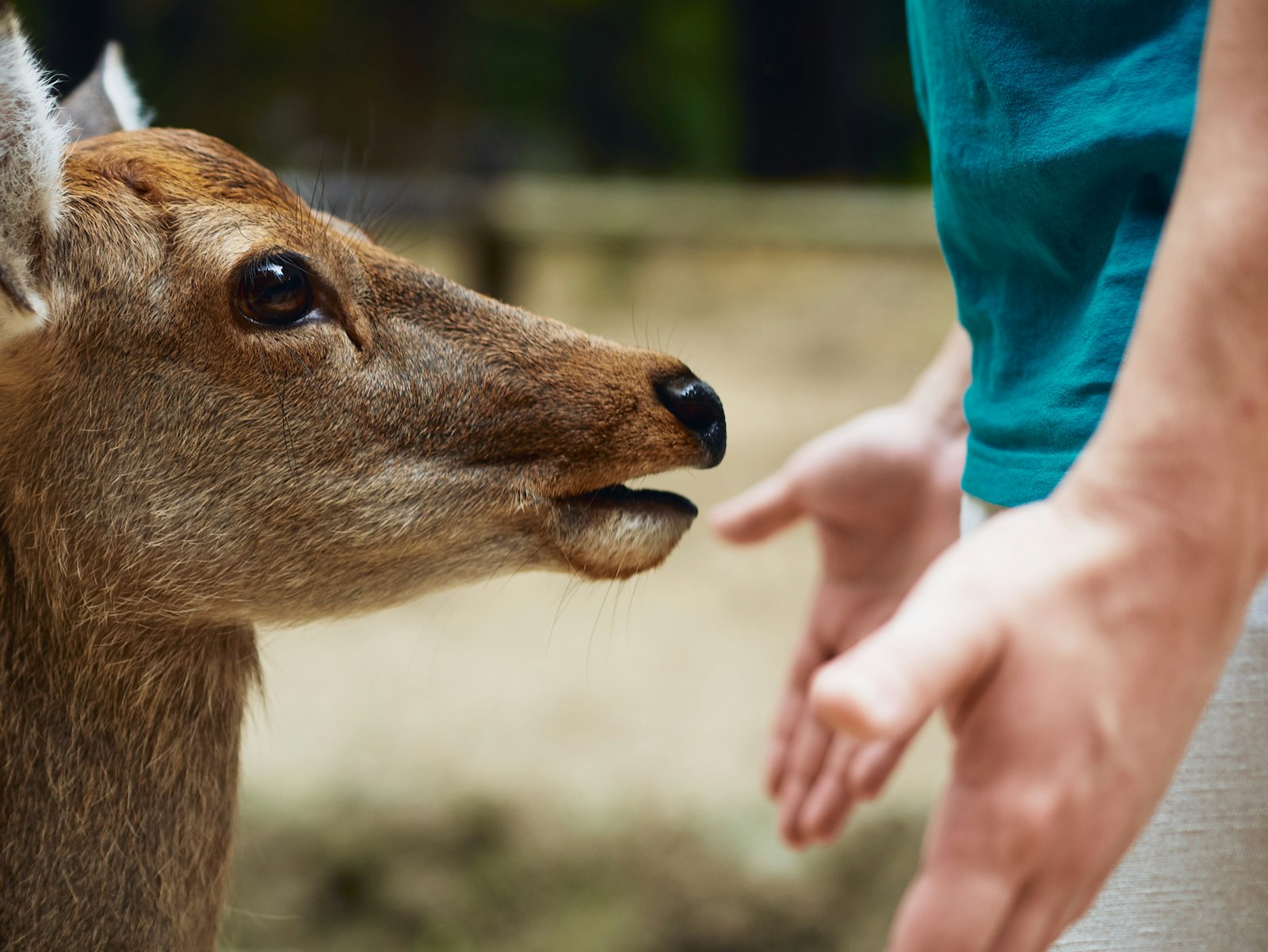
Except where a park explicitly offers supervised feeding, do not give animals your own food. Zoo diets are carefully managed, and outside food can genuinely harm them. Follow each park’s feeding rules exactly.
No Flash Photography
Flash distresses many animals, especially nocturnal and enclosed species, and is banned in many exhibits. Turn your flash off and respect the signs. The photos are better without it anyway.
Take Your Trash With You
Japanese parks stay clean because visitors follow strict rubbish and recycling rules. Sort your waste as directed or carry it out, and keep plastic away from the animals and grounds. It is basic courtesy that keeps these places pristine.
Zoos in Japan: Frequently Asked Questions
Which Japanese zoo is the most ethical with the largest enclosures? Yokohama Zoorasia and Tama Zoological Park are widely regarded for their large, naturalistic habitats, and Asahiyama is celebrated for its behavioral exhibit design. Any of the three is a strong, welfare-conscious choice.
Are the big zoos stroller and wheelchair friendly? The larger parks offer stroller rentals and generally accommodate wheelchairs, though the hilly, expansive grounds mean some effort. Check each park’s accessibility information and rent a stroller for young children.
Can I see giant pandas at Ueno Zoo without a reservation? Panda viewing at Tokyo’s Ueno Zoo can involve timed entry or queues depending on the period, and policies change. Check the zoo’s current panda-viewing arrangements before you go rather than assuming walk-up access.
Related Tours

Conclusion
Japan’s best zoos are a genuine pleasure, and choosing the well-designed ones means a better day for you and a better life for the animals. Aim for the bio-zones and behavioral parks — Zoorasia, Tama, Asahiyama — or the open ranges of Fuji Safari Park, and follow each park’s rules on feeding, flash, and rubbish.
Plan Your Japan Trip with Local Experts
Our team has guided 40,000+ travelers across Japan. Tell us about your trip and we’ll get back to you within 24 hours.