In this article:
- What You Need Before You Book
- Choosing an Agency
- Expressways, ETC Cards, and Toll Passes
- Options Worth Requesting in Advance
- Insurance, NOC, and Returning the Car
- Renting a Car in Japan: Frequently Asked Questions
Introduction
Japan has the best public transport of any country we work in, and there are still places it will not take you.
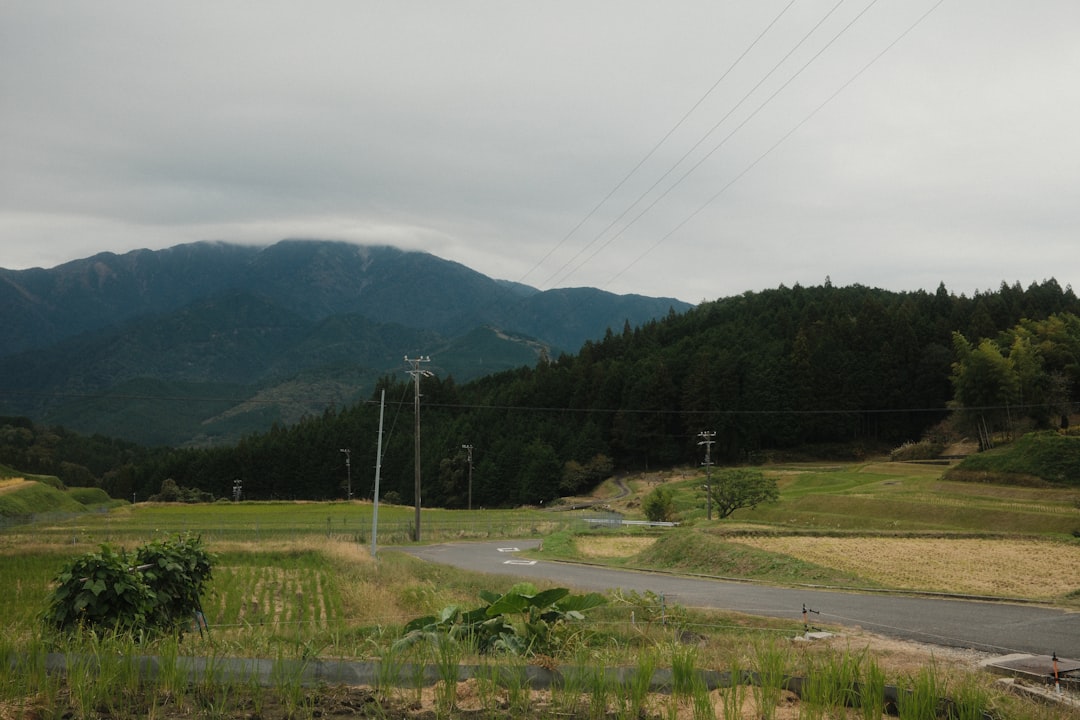
The pottery villages of Okayama, the coastal road along the Noto Peninsula, the farmhouse guesthouses of Hida, the interior of Kyushu — these are places where the bus runs twice a day and the last one leaves at four. A car turns a full-day expedition into a comfortable morning.
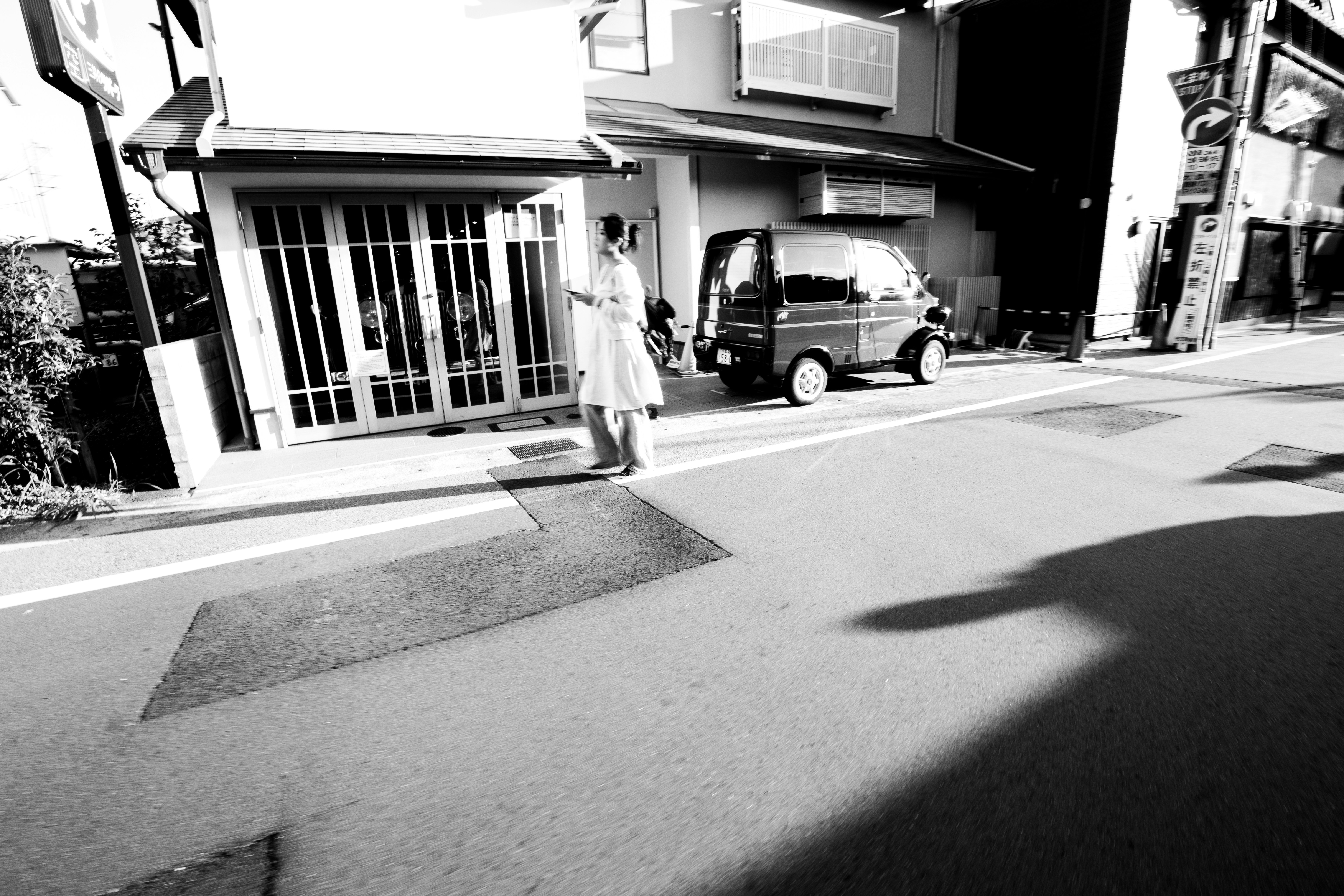
The mechanics of renting one are less daunting than most visitors assume. Authorities maintain Japanese roads well and sign any route you are likely to use in romanised script, while drivers generally obey the rules. The genuine difficulty is entirely in the paperwork, and all of it happens before you leave home.

What You Need Before You Book
You need three documents, and you must obtain one of them before you arrive.
The International Driving Permit
Japan recognises the International Driving Permit issued under the 1949 Geneva Convention. Your home licence alone is not sufficient, and no rental desk in the country will bend on this.
In the United States, AAA and AATA issue them — about twenty dollars, two passport photos, and roughly fifteen minutes in a branch office. The UK issues them through the Post Office, Australia through state motoring clubs. The permit is valid for one year from issue.
You cannot get one in Japan. If you land without it, you cannot rent. Build the errand into the month before departure rather than the week.
A separate rule applies to travelers licensed in Switzerland, Germany, France, Belgium, Monaco, Slovenia, or Taiwan, which are not parties to the 1949 convention. Those drivers need an official Japanese translation of their home licence, obtained through JAF or their embassy, rather than an IDP.
Your Physical Licence and Passport
Bring the original plastic licence itself, not only the permit. The IDP is a translation booklet and is invalid without the licence it refers to. The desk will look at both.
Staff also check your passport, primarily to confirm your entry date, because the permit rules depend on how long you have been in the country. They do not accept photos on a phone for any of the three documents.
Age and Payment
The legal minimum driving age in Japan is 18, and the major chains rent from that age without a young-driver surcharge of the kind common in the US and Europe.
Payment is by credit card in the renter’s own name. Debit cards are accepted inconsistently and cash deposits are generally not an option at airport branches. Bring a card with a sensible limit — the hold placed at pickup is modest, but a one-way drop-off fee can be substantial.
Expert Tip
Book the car itself weeks ahead in Hokkaido, Okinawa, and anywhere near a ski resort in winter, but book the pickup time generously. Rental desks at regional airports and stations close early — often 6pm or 7pm — and a delayed flight into a small airport can leave you with a reservation and no one to hand you the keys. Where a flight arrives after 6pm, take the first night in a hotel near the airport and collect the car in the morning.
Choosing an Agency
The differences between the major Japanese chains are smaller than the differences between them and the international brands, which barely operate here.

Toyota Rent a Car and Nippon Rent-A-Car
These two run the largest networks and the newest fleets, with branches at every airport and beside most Shinkansen stations. Toyota’s English booking site is the most competent of the Japanese operators and their staff are the most consistently prepared for a foreign customer.
You pay a modest premium for both. In exchange you get a car that is two years old rather than six, roadside assistance that answers in English, and a branch in the town you are driving to should something go wrong.
For a first trip driving in Japan, this is the sensible allocation of money.
Times, Orix, and Nissan
Times Car Rental and Orix compete on price, particularly at airport locations and for multi-day bookings. The cars are older and the English support is thinner, but the vehicles are maintained to the same standard — Japanese rental fleets are uniformly in good condition.
Nissan Rent a Car sits between the two tiers. If you specifically want an electric vehicle, Nissan’s Leaf fleet is the largest, though we would not recommend an EV for a rural trip until you have checked charger coverage on your actual route.
Booking Through Aggregators
ToCoo!, Rentalcars, and Klook all resell Japanese rental inventory with English interfaces and occasionally undercut direct booking. ToCoo! in particular bundles expressway passes with the rental in a way that is otherwise awkward to arrange.
The trade-off is that changes and cancellations go through the aggregator rather than the branch. When a typhoon closes a route and you need to reschedule at nine at night, a direct booking with Toyota is easier to move.
Expressways, ETC Cards, and Toll Passes
Japanese expressway tolls are high enough to change how you plan a route. Tokyo to Kyoto by expressway runs to roughly ¥11,000 in tolls alone, before fuel.
How ETC Works
ETC is the electronic toll system. Cars carry a reader, a card goes in it, and you drive through the purple ETC lane at a marked crawl rather than stopping to pay.
Rental cars have the reader built in but no card. Request an ETC card when you book — it costs a few hundred yen for the rental period — and the tolls you accumulate are totalled and charged when you return the car.
Without a card you use the general lanes and pay cash or credit at each gate. This works, but ETC lanes are cheaper on many routes because discounts apply only to ETC users.
Unlimited Toll Passes
Several regional passes offer unlimited expressway use for a fixed daily rate, sold only to visitors on short-stay entry and only in combination with a rental car. The Japan Expressway Pass, the Hokkaido Expressway Pass, and the Kyushu Expressway Pass are the main ones.
Whether one saves money depends entirely on distance. A pass makes sense for a Hokkaido loop or a Kyushu circuit covering several hundred kilometres. For three days pottering around the Izu Peninsula, it does not.
Work out your approximate toll cost first using the NEXCO route search, then compare. Terms and prices change annually, so check the current offer rather than an old blog post.
Getting the Card at the Desk
Ask for the ETC card explicitly at pickup, and confirm it is inserted in the reader before you drive away. A card sitting in the glovebox does nothing, and the first indication of the problem is a barrier that does not open at 80kph.
The reader announces the card status in Japanese when you start the engine. If you hear nothing, the card is not seated.
Options Worth Requesting in Advance
Four things are worth specifying at booking rather than hoping for at the counter.
English Navigation
Most rental cars have satellite navigation, and most units can be switched to English. Request an English-capable unit when booking, because not every car in the fleet has one and the substitution is decided at the desk.
The useful trick with Japanese navigation is that you rarely search by address. You enter the destination’s telephone number, or a MapCode — a numeric coordinate system printed on the websites of most tourist sites, hotels, and roadside stations. Both are faster and more reliable than typing a romanised place name.
Google Maps on a phone works well here too and many travelers use it in preference. Bring a windscreen mount and a car charger.
Child Seats
Children under six must be in an appropriate child seat by law. Rental companies supply them for a small daily fee, but stock at any given branch is limited and cannot be assumed.
Book them at the same time as the car, and specify the child’s age rather than requesting a generic seat.
Winter Equipment
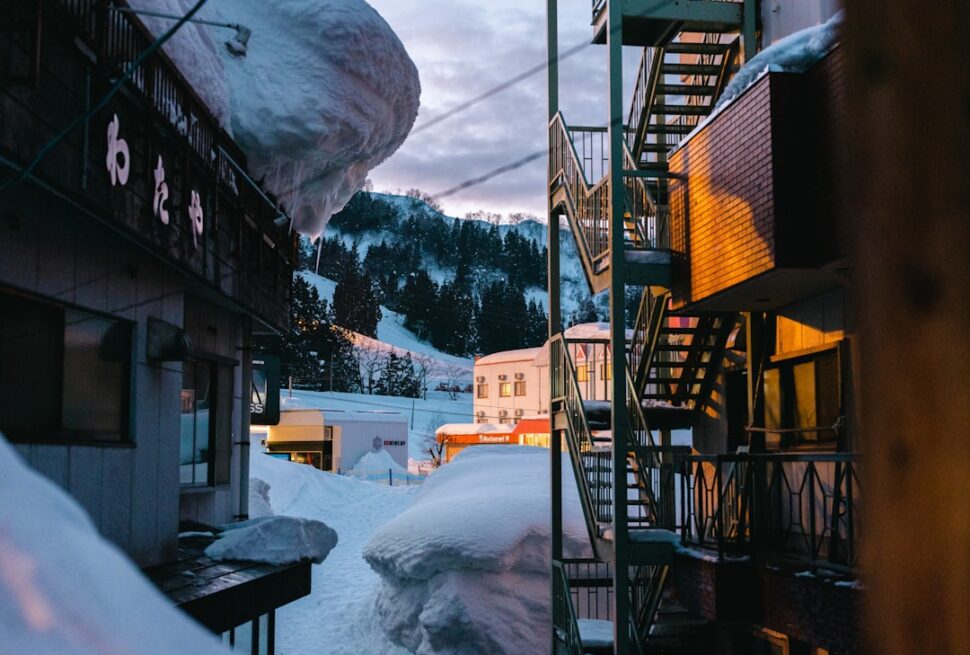
From December to March in Hokkaido, Tohoku, and the mountain regions, cars are fitted with studless winter tyres as standard. Confirm this rather than assume it, particularly with the budget chains.
Four-wheel drive is a separate request and a separate cost. For Hokkaido in January we consider it worth taking. For a ski trip to Nagano on cleared main roads, winter tyres alone are generally sufficient.
ETC and Non-Smoking
Request the ETC card as covered above, and specify a non-smoking vehicle. Smoking cars remain in Japanese rental fleets in numbers that surprise visitors, and the difference is noticeable on a five-hour drive.
Expert Tip
The charge that catches people is not the insurance excess — it is the Non-Operation Charge, a separate fee for the revenue the branch loses while the car is repaired. It applies even when you have taken full collision cover, and it typically runs ¥20,000 if the car is still drivable and ¥50,000 if it must be recovered. Most agencies sell a small daily waiver, often ¥500 to ¥1,100, that removes it. On a rural trip with narrow lanes and stone walls, take the waiver.
Insurance, NOC, and Returning the Car
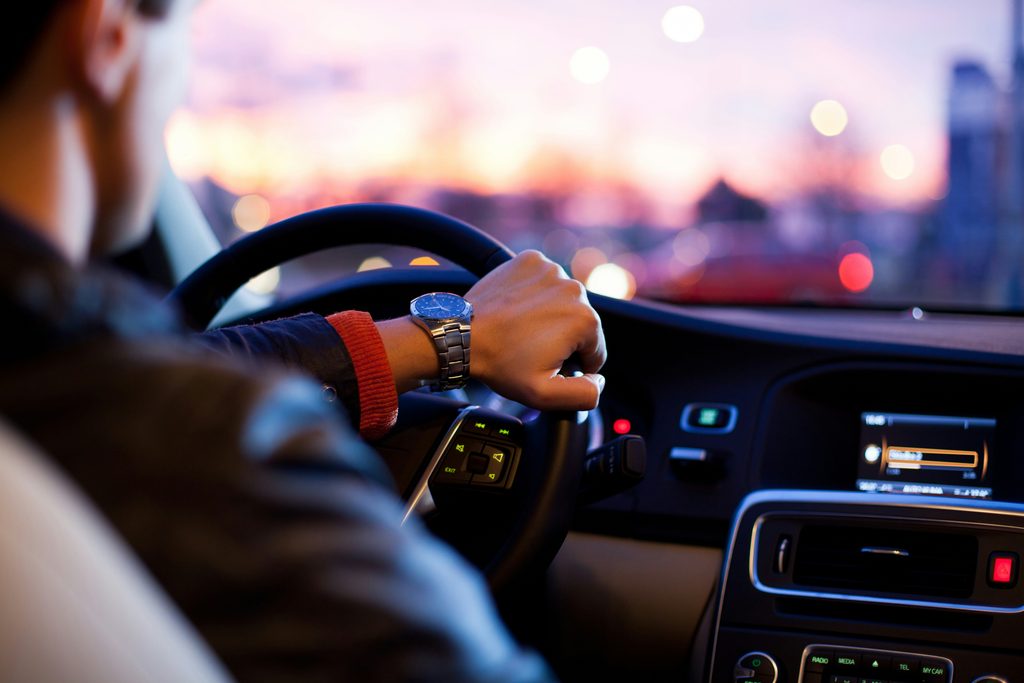
Basic insurance is included by law in every Japanese rental. What you are deciding at the desk is how much of the excess you want to carry yourself.
Collision Damage Waiver
Standard rentals include liability and vehicle cover with an excess — commonly ¥50,000 for the car and ¥100,000 for property damage. The Collision Damage Waiver, sold at roughly ¥1,100 per day, reduces that to zero.
Credit card rental cover from a home-country card sometimes duplicates this, but claiming across borders on a Japanese-language repair invoice is a genuine ordeal. We take the CDW and treat it as part of the rental cost.
Refuelling Before Return
Cars are returned with a full tank, and you must produce the receipt from a petrol station near the drop-off point. Returning it short means the agency refuels at a punitive rate.
Regular unleaded — “regular”, レギュラー — is what almost every rental car takes, and the pump nozzle is red. Diesel is green and high-octane is yellow. Confirm the fuel type on the sticker inside the fuel flap before your first fill.
The Return Inspection
Staff walk the car with you, checking panels and the fuel gauge, and the process takes about five minutes. Photograph the car from all four corners at pickup, including any existing scuffs, and the conversation at return becomes very short.
One-way returns to a different city are possible with all major chains but carry a fee that scales with distance. Osaka to Kyoto is minor. Tokyo to Fukuoka can exceed the cost of the rental itself.
Renting a Car in Japan: Frequently Asked Questions
How hard is it to adapt to driving on the left?
Easier than most people expect, and the adjustment takes about twenty minutes on quiet roads. Japanese traffic moves slowly, drivers are patient, and lanes are clearly marked. The persistent error is not the side of the road but the indicator stalk, which sits on the right of the steering column — expect to operate the wipers instead of the turn signal for the first day. Collect the car at a regional branch rather than in central Tokyo if you can, and give yourself easy roads first.
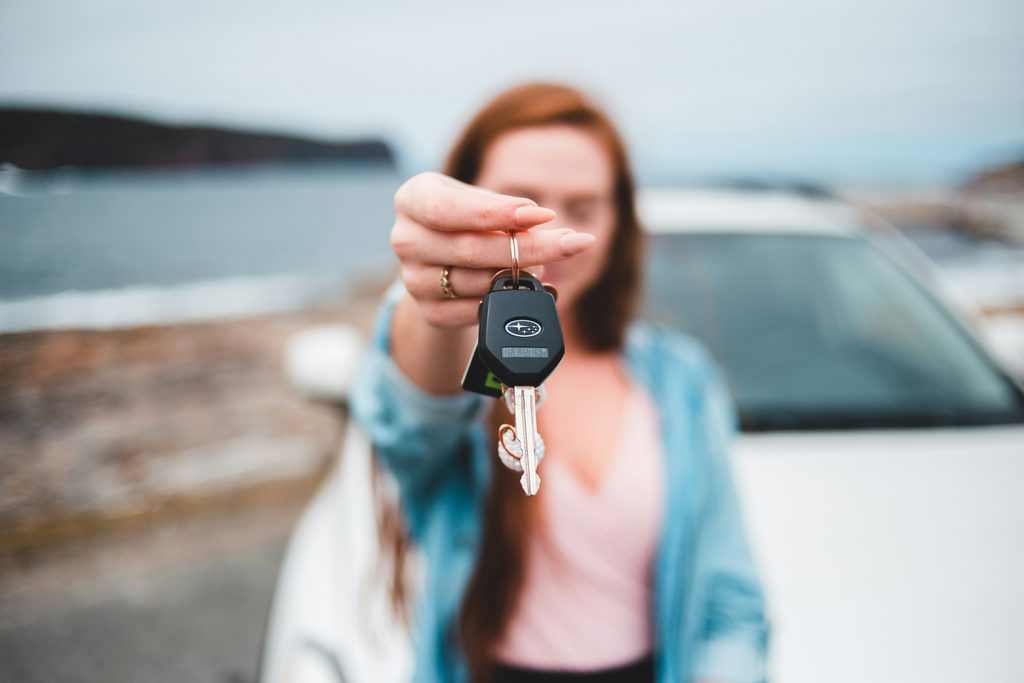
Can I pick up in Tokyo and return in Kyoto?
Yes, all the major chains permit it. The one-way fee for that particular route is moderate rather than trivial, and the drive itself is 450 kilometres with roughly ¥11,000 in tolls. Unless you specifically want the road, the Shinkansen does it in two hours and twenty minutes for less money. One-way rentals make more sense within a region — collecting at Kagoshima and dropping at Fukuoka, for instance.
Are rural petrol stations difficult for visitors?
Full-service stations are common outside cities and are the easier option: pull in, say “regular, mantan” for a full tank of regular unleaded, and hand over a card. Attendants will also empty your bin and clean the windscreen. Self-service stations have English modes on newer machines but not all of them. The genuine rural issue is opening hours rather than language — many close by 7pm and some do not open Sundays. Refuel when you reach half a tank rather than a quarter.
Related Tours
Conclusion
Get the International Driving Permit first and everything else falls into place. It is the only step with a hard deadline attached, and it is the only one that cannot be fixed once you are in the country.
Then decide honestly whether you need the car for the whole trip or for three days in the middle of it. The pattern that works best for most travelers we advise is rail between cities and a car collected for a specific rural stretch — the Noto coast, the Aso caldera, the Iya valley — then handed back before the next Shinkansen.
Plan Your Japan Trip with Local Experts
Our team has guided 40,000+ travelers across Japan. Tell us about your trip and we’ll get back to you within 24 hours.