In this article:
- The Four Quarters Where Kyoto Goes Out
- How a Kyoto Evening Actually Runs
- Kyoto After Dark Without a Bar Stool
- Gion at Night: The Rules Have Changed
- Kyoto Nightlife: Frequently Asked Questions
Introduction
Kyoto nightlife does not announce itself. Walk out of Kyoto Station at eight in the evening. You could reasonably conclude that the city had gone to bed. The temple gates are shut. The souvenir shops on the slopes below them have pulled their shutters down. Meanwhile, the buses are carrying people home rather than out.
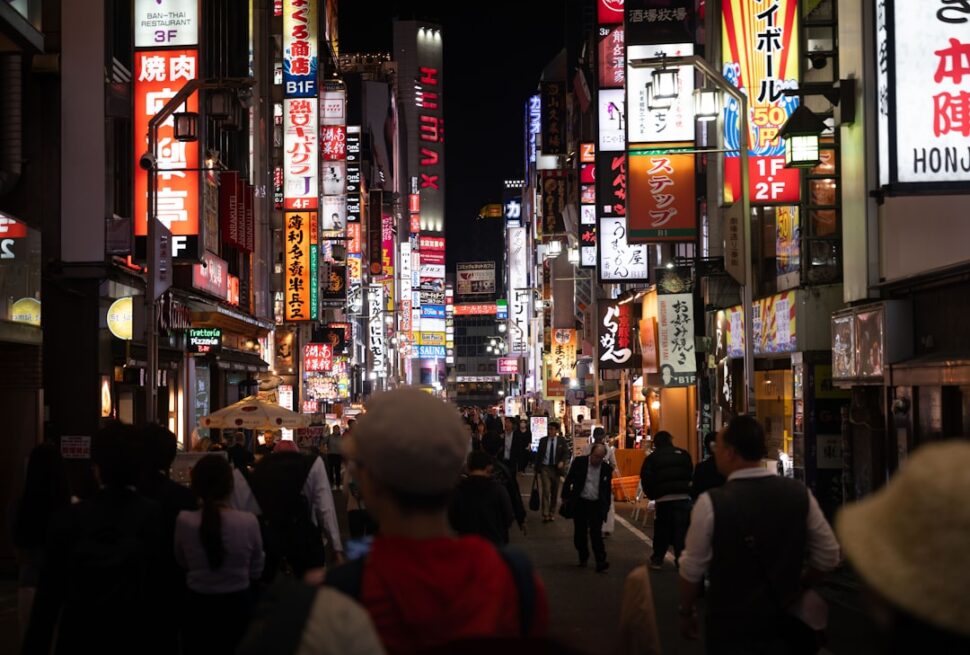
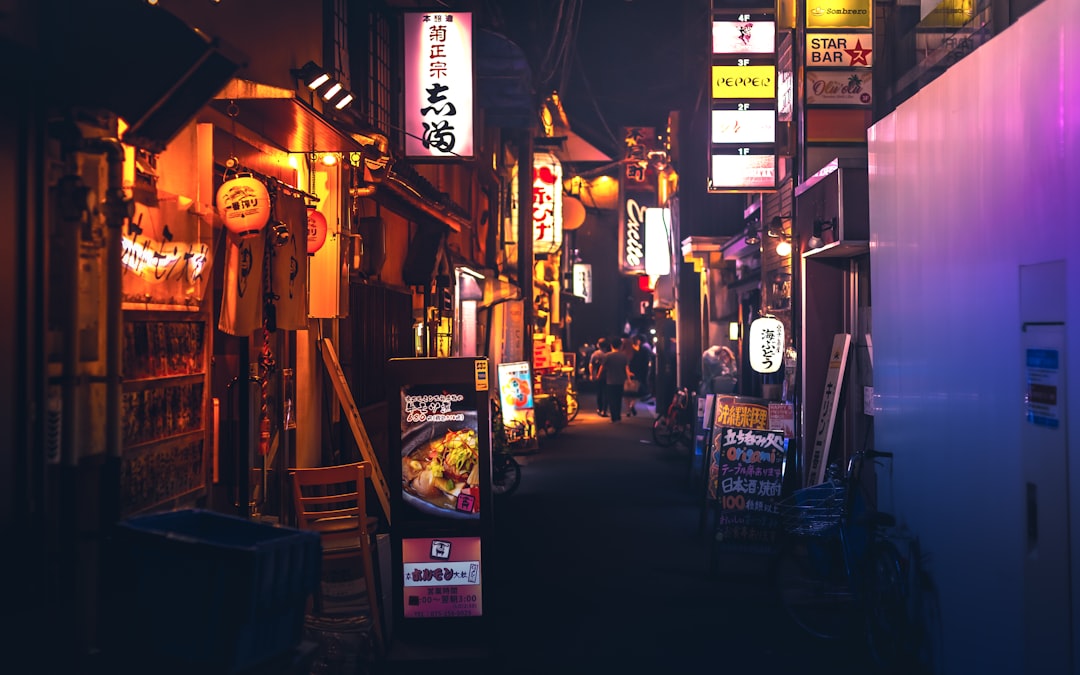
Head north to the crossing of Shijo and Kawaramachi and the picture changeOffice workers are waiting for tables at izakaya. The lanes toward the Kamo River are lit. Many doorways along the Takase Canal have a paper lantern and a handwritten menu. Pontocho, Kiyamachi, Kawaramachi, and Gion all sit within easy walking distance of one another. You can explore the whole area on foot.
That compactness is the good news. The less obvious part is that Kyoto goes out in a particular way: early, small, and mostly seated. Travelers who arrive expecting Osaka’s volume or Tokyo’s late hours often leave underwhelmed. By contrast, those who adjust to Kyoto’s pace often remember their evenings as one of the highlights of the trip. We regularly take guests through these streets. What follows is how a Kyoto evening actually works.
The Four Quarters Where Kyoto Goes Out
Each of the four has its own price level and its own crowd. Each also offers a different idea of what a night out should be. Pick the one that matches the evening you want rather than trying to cover all of them in one night.
Pontocho: One Lane, Two Rows of Lanterns
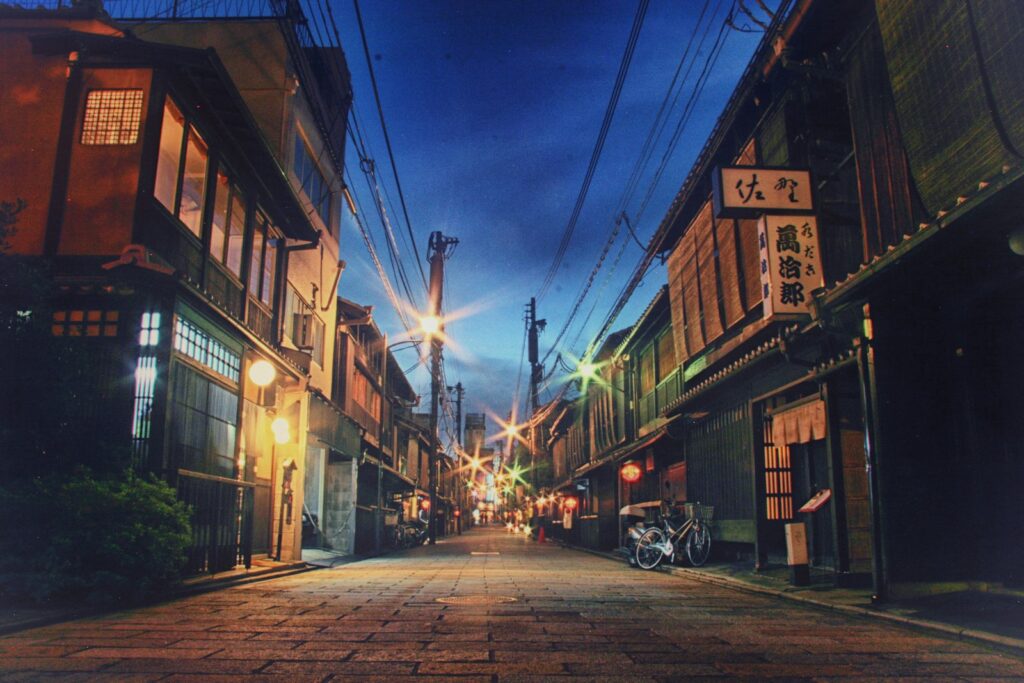
Pontocho is a single stone-paved lane running between the Kamo River and the Takase canal, from Shijo up toward Sanjo. It is narrow enough that two people with umbrellas have to negotiate. The buildings on both sides are wooden. Behind their noren curtains, the restaurants range from yakitori counters to kaiseki rooms with no prices on the door.
The lane is also one of Kyoto’s geisha districts, with its own theatre, the Pontocho Kaburenjo. Now and then, a maiko walks quickly past on her way to an appointment. The right response is to step aside and let her through.
Our view is that Pontocho is for dinner, not for drinks. Prices on Pontocho tend to be higher than for comparable food one street over. The restaurants worth booking also fill up early. Eat here, then walk a couple of minutes west to Kiyamachi for the rest of the night.
Kiyamachi and the Takase Canal
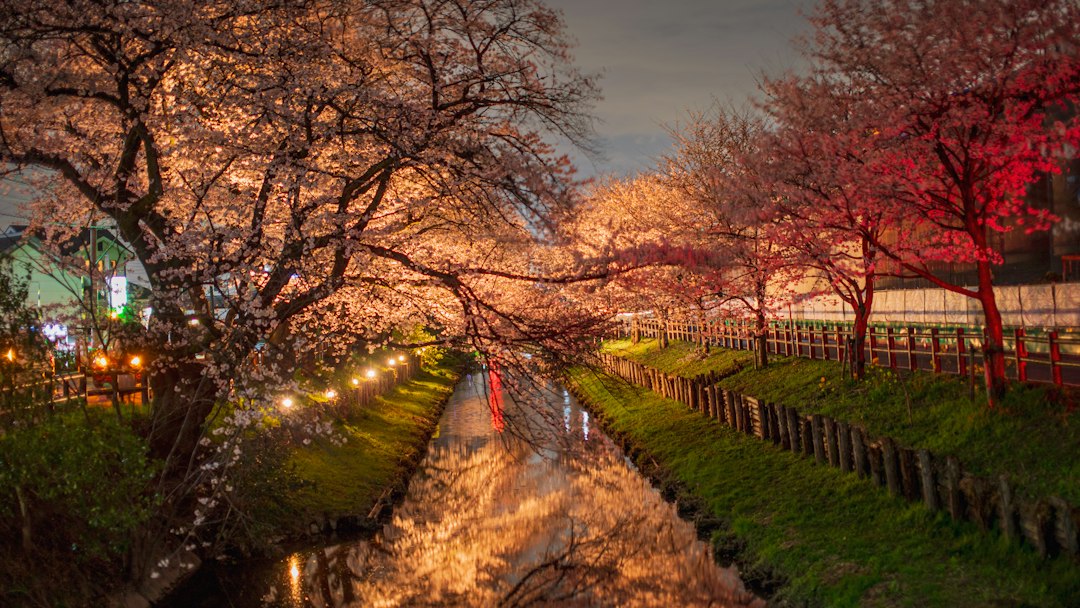
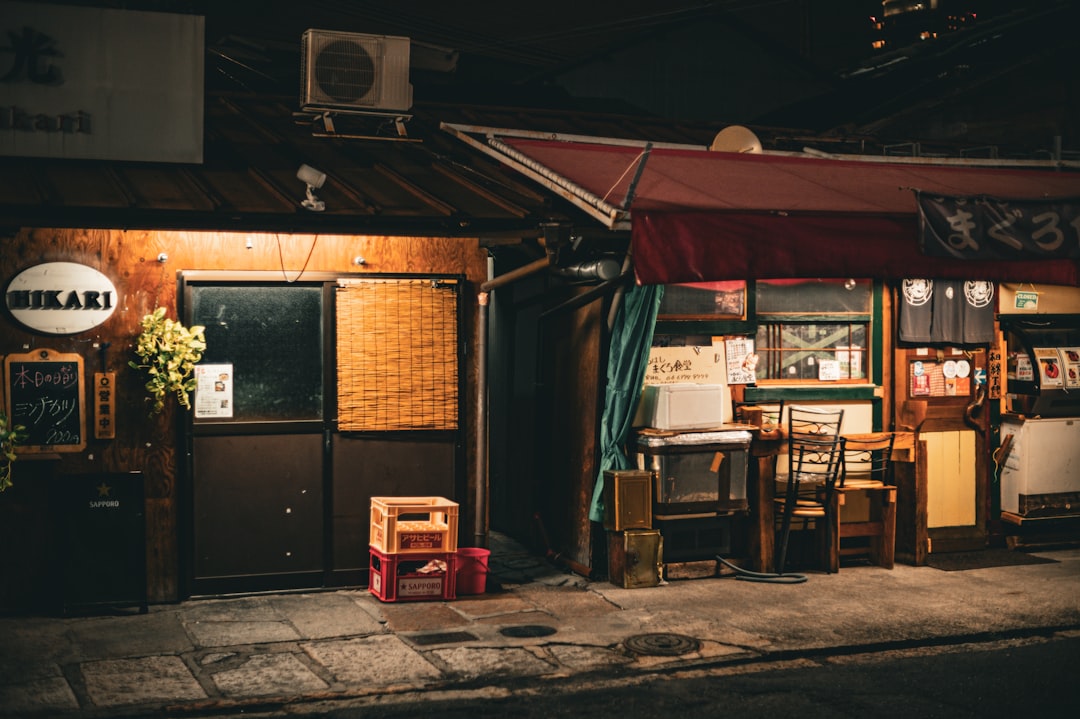
Kiyamachi follows the Takase, a shallow canal lined with cherry trees that is barely wider than a stream. This is where Kyoto’s evening gets later and louder. The street and the surrounding buildings are packed with small bars. Many sit on upper floors reached by narrow stairs. Some hold only six or seven people.
Most of the city’s karaoke rooms and its handful of clubs are here too. Ramen counters nearby feed people after the last round. That said, Kiyamachi is also where you will meet street touts. Anyone on the pavement offering to take you to a bar is being paid by that bar. The bill often reflects that arrangement. Walk past.
Kawaramachi and the Alleys Off Shijo
Kawaramachi is where Kyoto goes straight from the office. The big izakaya around the Shijo crossing are loud, full of people in suits, and a good first stop because nobody is watching what you order.
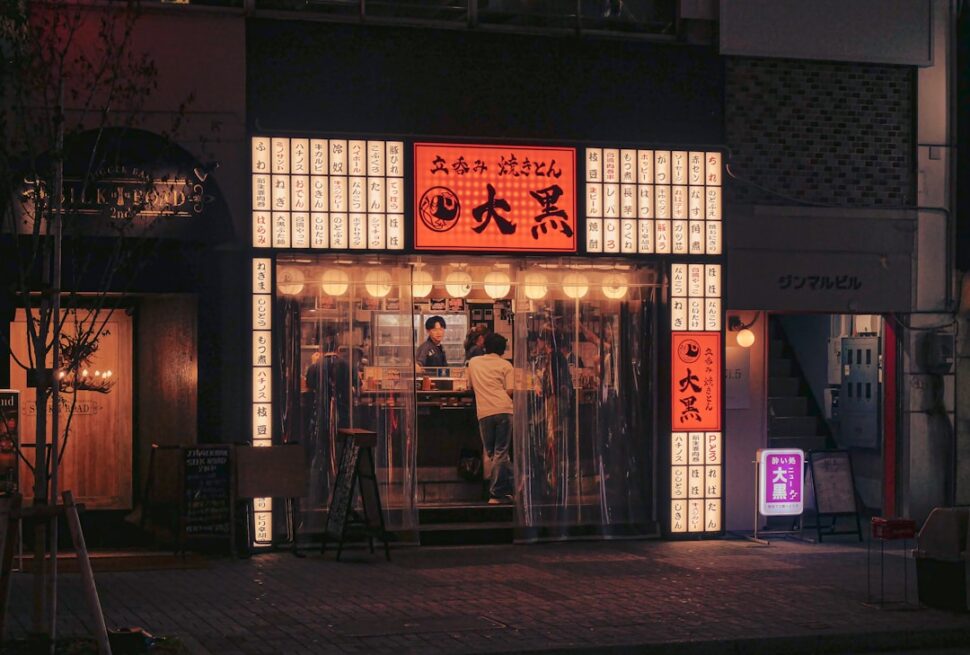
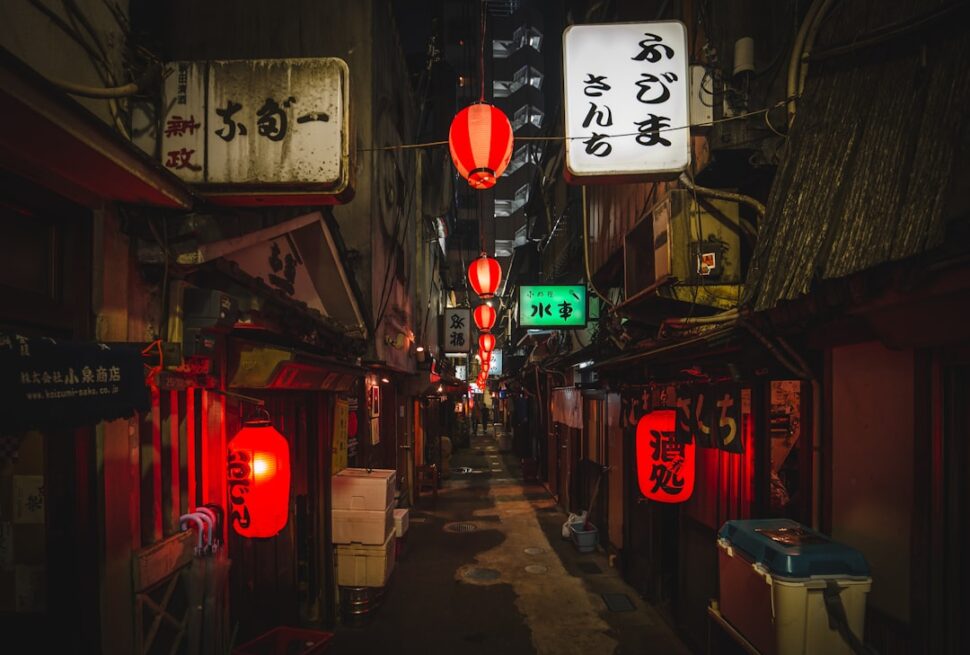
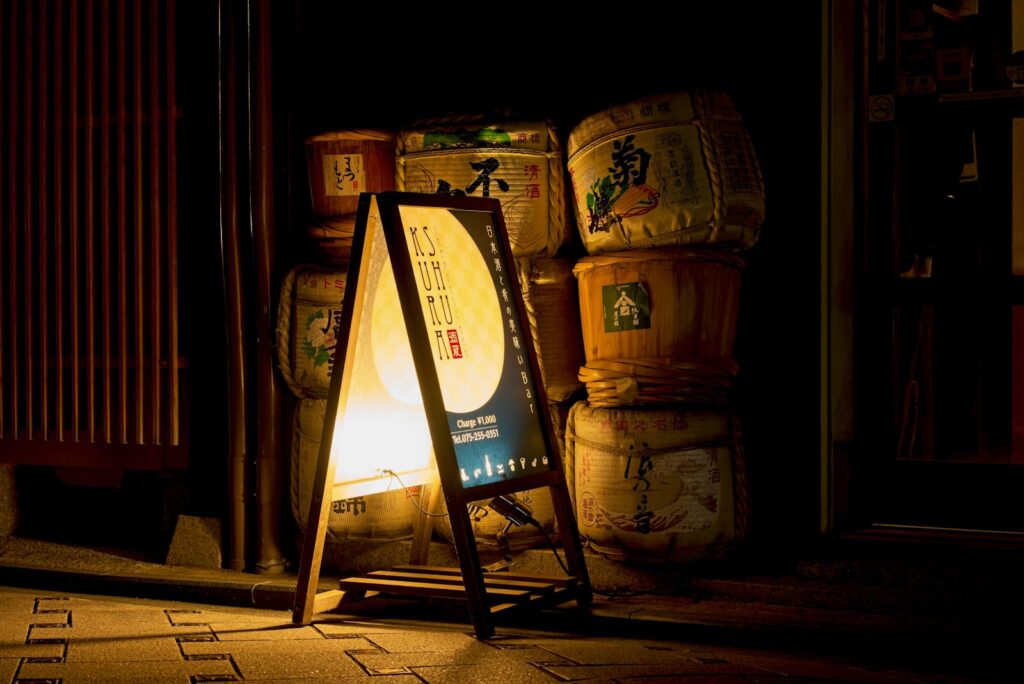
The more interesting part is the grid of narrow lanes between Kawaramachi and Kiyamachi. These alleys hold bars behind unmarked doors, standing counters with room for a dozen people, and rooms that have been run by the same owner for decades. Our Kawaramachi bar and izakaya crawl spends its middle stretch walking these lanes, because they are the part of Kyoto nightlife most visitors never turn into, and the hardest part to read without someone explaining which doors are open to strangers.
Gion: Quieter Than It Looks
Across the river, Gion at night is a different register entirely. Hanamikoji and the willow-lined Shirakawa canal are lit and photogenic, and Yasaka Shrine at the eastern end of Shijo keeps its lanterns glowing after dark. Much of what happens in Gion, however, takes place behind closed doors in ochaya teahouses that do not take walk-in guests.
For a visitor, the realistic Gion evening is a good dinner in one of the restaurants around Hanamikoji and a slow walk afterwards, not a bar crawl. Our guide to visiting Gion covers the district by day as well.
Expert Tip
Walk between Gion and Pontocho across the Shijo bridge at dusk instead of taking a taxi. The crossing takes a few minutes, and the view north along the Kamo River toward the lanterns of Pontocho costs nothing. Look down at the riverbank, too: the couples sitting at almost perfectly regular intervals along the water are a long-running local joke.
How a Kyoto Evening Actually Runs
Kyoto eats first and drinks second, and it does both earlier than most visitors expect. Knowing the sequence saves you from arriving at a quiet bar at nine, hungry, and wondering where everyone went.
Start at an Izakaya, and Start Early
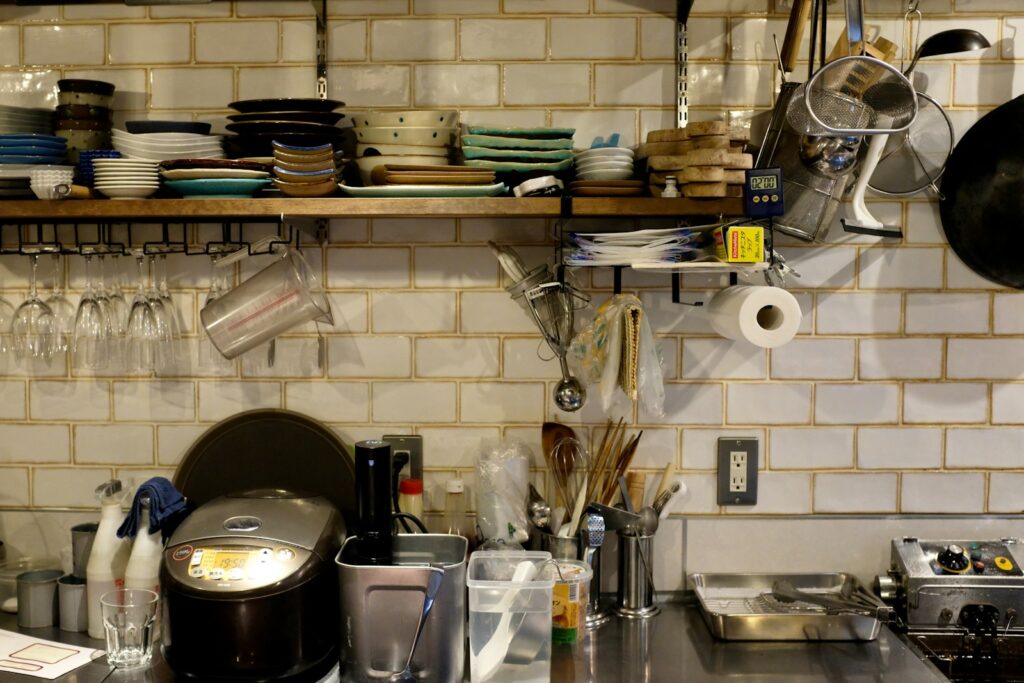
The standard local evening begins at an izakaya, a Japanese pub that takes its food as seriously as its drink, and moves on to a smaller bar afterwards. In Kyoto, look for obanzai on the menu: the city’s home-style small dishes of simmered vegetables, tofu, and dried fish, often laid out in bowls along the counter so you can point at what you want.
Expect a small appetiser to arrive without being ordered, and expect to see it on the bill. This is the otoshi, effectively a seat charge in edible form, and it is normal rather than a trick. We explain the system, and what to order after it, in our guide to ordering at an izakaya.
Order in rounds rather than all at once. Dishes arrive as they are ready, not in courses, and the table fills up faster than you think.
Small Bars, Cover Charges, and Cash
Kyoto’s bars are small. Many seat fewer than ten people along a single counter, and the person pouring is often the owner. Some add a per-person cover charge, and if nothing is posted it is reasonable to ask before you sit down.
Bring cash. Several of the bars we use on our Kiyamachi evenings do not take cards, and that is typical of small independent places across the city. Many small bars also still allow smoking indoors, which surprises visitors who have spent the day in smoke-free trains and temples.
Tipping is not part of it. Leave nothing on the counter; a thank-you on the way out does the job.
Last Orders and Getting Home
Many izakaya and restaurants take last orders somewhere between ten and eleven. Kiyamachi runs later, and some of its bars keep going well past midnight.
Public transport does not. Trains and city buses finish their last runs well before the bars close, so check your last train from Gion-Shijo or Kyoto-Kawaramachi before your second round rather than after it. Once that has gone, a taxi from Kawaramachi or Shijo is the normal way home.
Expert Tip
Take the seats directly in front of the owner in a Kyoto counter bar. Sit there, order one drink you have never heard of, and ask what it is. In our experience that single question opens up an evening more reliably than any list of recommended bars, and it often ends with the owner suggesting where to go next.
Kyoto After Dark Without a Bar Stool
Some of the most memorable Kyoto evenings involve very little alcohol. The city after dark also means shrines without crowds, dinner above a river, and dance performed a few metres away.
Dinner Over the Kamo River
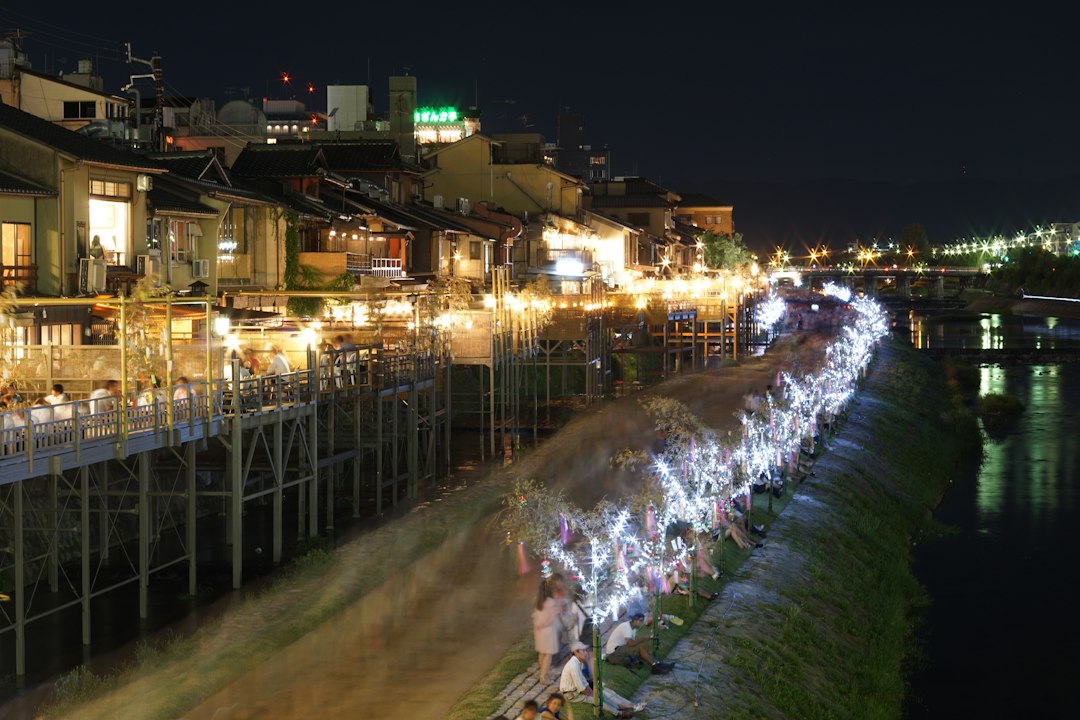
From May to mid-October, restaurants on the west bank of the Kamo, including those on the river side of Pontocho and along Kiyamachi, build raised wooden platforms called noryo-yuka and serve dinner on them. The official season runs from 1 May to 15 October, and a few places also open their platforms at midday in the cooler shoulder months.
The view east across the water toward the Higashiyama hills is the reason to do it. Book ahead, particularly in Pontocho, where the platforms fill first. In July and August we steer guests toward a later seating; the air over the river at seven is still heavy, and it eases once the sun is down.
Gion Corner and the Question of Geisha
Gion Corner, in Yasaka Hall next to the Gion Kobu Kaburenjo theatre, stages a show of about an hour covering seven traditional arts, including Kyo-mai dance by maiko, tea ceremony, flower arrangement, koto, and kyogen comedy. A reduced winter programme runs from December into March.
It is a sampler, and it is honest about being one. For a first evening in Kyoto it gives useful context for everything you see in Gion afterwards. What it cannot give you is the actual format of a geisha evening: conversation, drinking games, and dance at arm’s length over dinner. That requires a private booking through someone with a relationship to the teahouses, and our piece on seeing geiko and maiko respectfully explains how that works and what is real.
Shrines and Temples After Dark
Yasaka Shrine does not close at night, and with its lanterns lit it is the natural start or end point for a Gion evening. Our Gion food tour begins there after dark for that reason, before walking Hanamikoji and sitting down to eat.
Fushimi Inari is open around the clock with no admission charge. After dark the lower torii tunnels are quiet in a way they never are by day, and we think an evening walk there is more atmospheric than the midday crowds. The mountain paths get darker and steeper as you climb, so carry a phone torch and turn back at a sensible point.
Several temples in Higashiyama also open for evening illuminations in set seasons. Kiyomizu-dera holds special night viewings for limited periods, and Kodai-ji lights its gardens in spring and autumn. Dates change every year, so check the temples’ own sites before planning around them.
Gion at Night: The Rules Have Changed
Gion has tightened its rules twice in recent years, and much of the advice online predates both. The district is residential as well as historic, and the people who live and work there have run out of patience with visitors who treat it as a film set.
Private Lanes Are Now Off-Limits
Since April 2024, tourists have been barred from the private side lanes in the Gion Minamigawa area, south of Shijo around Hanamikoji. The ban was agreed by the local district council, signs are posted at the lane entrances, and the notices warn of a ¥10,000 fine. Hanamikoji itself is a public road and remains open.
That rule followed a 2019 decision by the same council to prohibit photography on its private roads. In practice, stay on the main streets, and if a lane has a sign at its entrance, do not go in.
Photographing Geiko and Maiko
Do not photograph them without permission. The women walking between appointments at dusk are on their way to work, many maiko are still in their teens, and harassment by crowds with phones is exactly what pushed the district to act. Photographing the street itself is fine; following, blocking, or touching a person is not.
Introduction-Only Doors
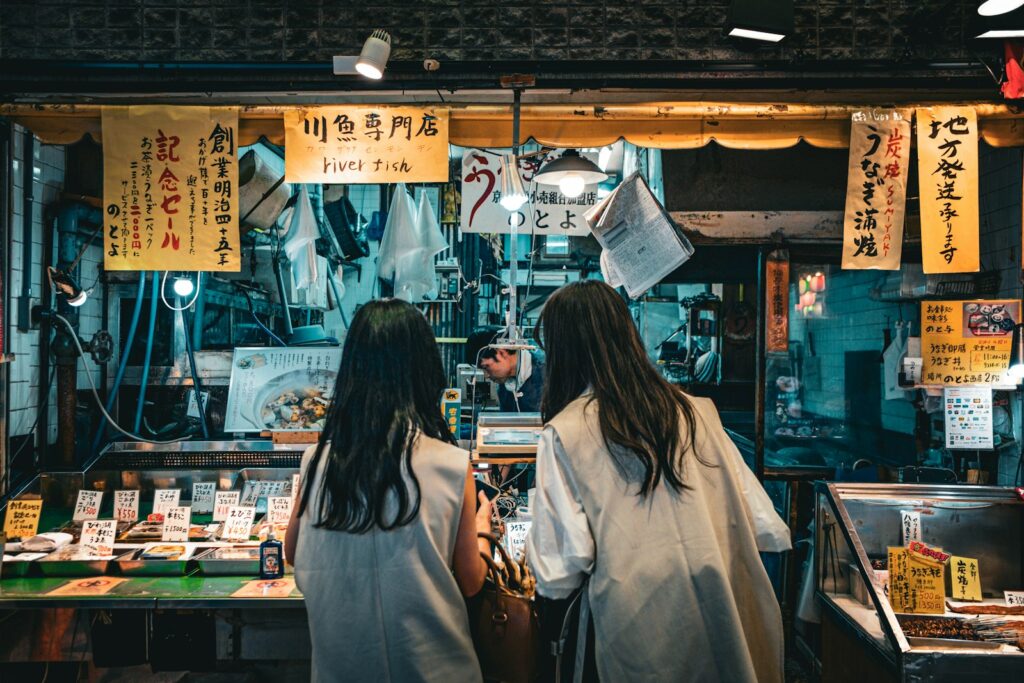
Many ochaya and some high-end Gion restaurants do not accept first-time guests without an introduction, a practice known as ichigen-san okotowari. It applies to that small tier of establishments, not to ordinary bars and izakaya. A polite refusal at the door is about the house’s customs rather than about you.
If you want to go inside that world, it has to be arranged in advance through someone the house already knows. Otherwise, keep your voice down in the side streets late at night, since people live above many of these businesses.
Kyoto Nightlife: Frequently Asked Questions
Is Kyoto nightlife worth it if I have already been to Osaka or Tokyo?
Yes, as long as you want something different from them. Kyoto nightlife is about small rooms, conversation, and food rather than volume. If you want neon, clubs, and crowds until dawn, Osaka is an easy train ride away and does that far better. If you want a counter with six seats, a canal outside, and an owner who explains what you are drinking, Kyoto is the better city.
Is Kyoto safe to walk around at night?
Yes. Central Kyoto is safe by international standards, including late at night. The ordinary precautions still apply: ignore street touts in Kiyamachi, confirm prices or cover charges before sitting down in a bar you know nothing about, and know how you will get back to your hotel.
What time do bars in Kyoto close?
It varies by place. Izakaya and restaurants commonly take last orders around ten or eleven, while many bars in Kiyamachi and Kawaramachi stay open past midnight and some into the early hours. Trains and buses stop earlier than the bars do, so plan on a taxi if you are staying out late.
Related Tours
Conclusion
Plan a Kyoto night the way the city does: dinner early, a small bar afterwards, and the walk home through quieter streets. Book the dinner, especially in Pontocho or on a riverside platform, and leave the rest of the evening open. The bars our guests tell us about afterwards are rarely the ones they planned to visit.
Two practical things decide how the night goes. Carry more cash than feels necessary, since many small bars will not take a card, and look up your last train before the second drink rather than after it. Get those two right, and the rest of the evening comes down to which door you decide to open.
Plan Your Japan Trip with Local Experts
Our team has guided 40,000+ travelers across Japan. Tell us about your trip and we’ll get back to you within 24 hours.