In this article:
- What Nonbei Yokocho Is
- Finding the Alley and When to Go
- How to Walk Into a Bar With Six Seats
- What to Eat, What to Drink, and Where to Go Next
- Nonbei Yokocho: Frequently Asked Questions
Introduction
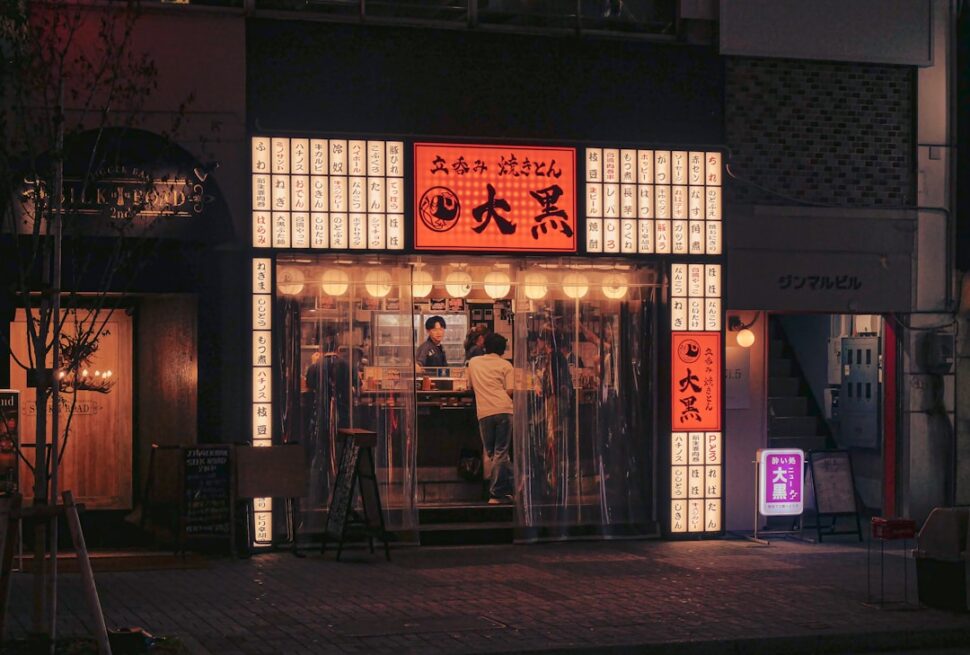
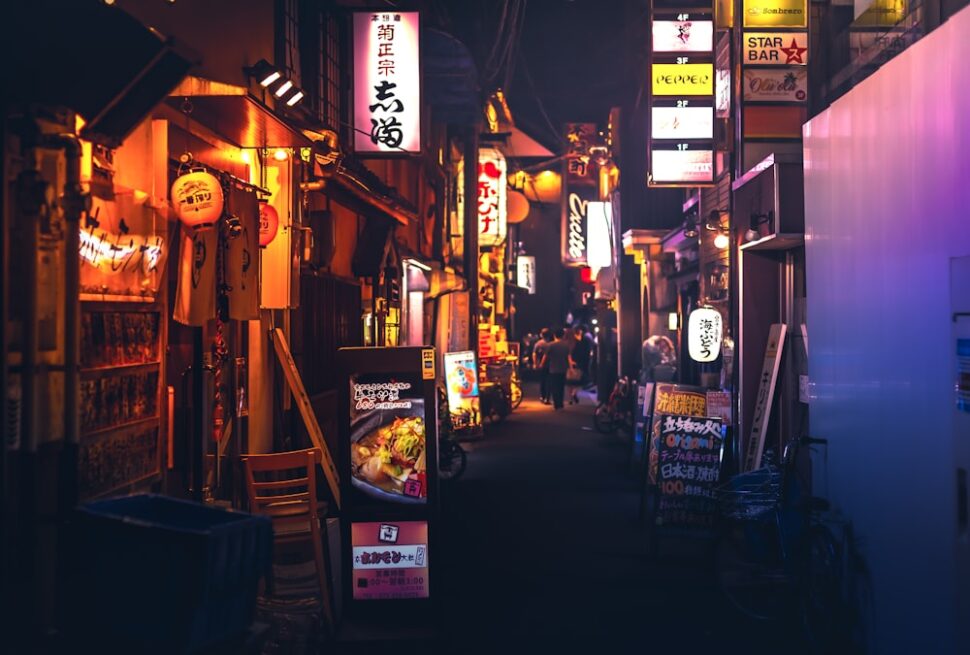
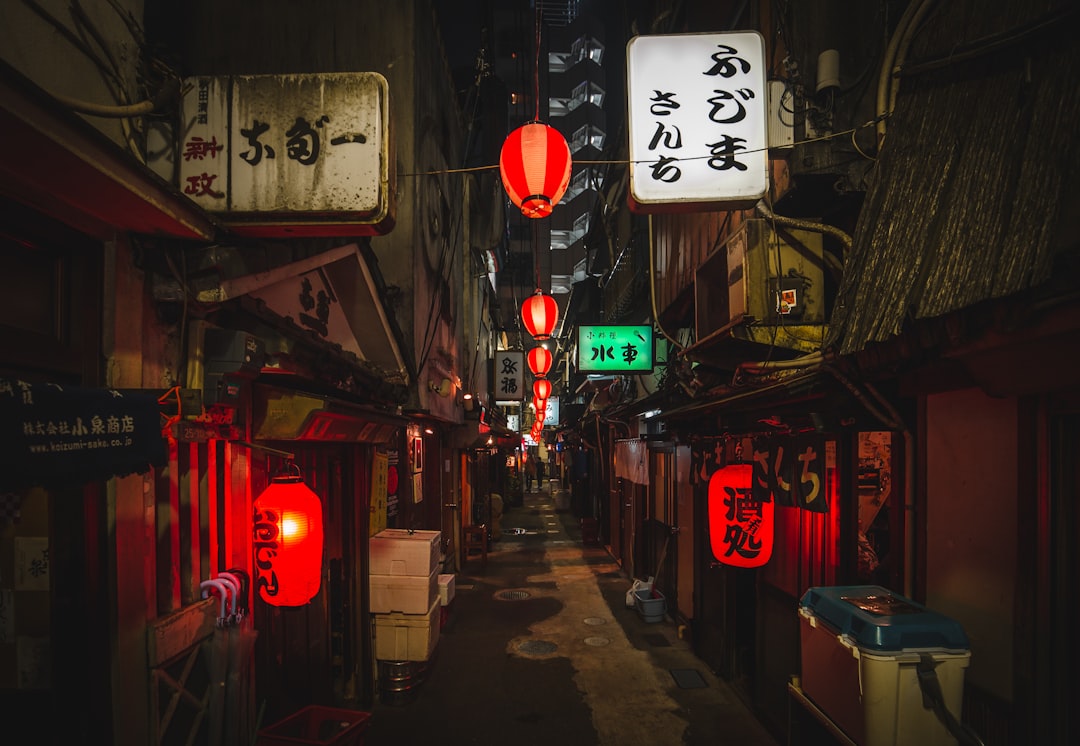
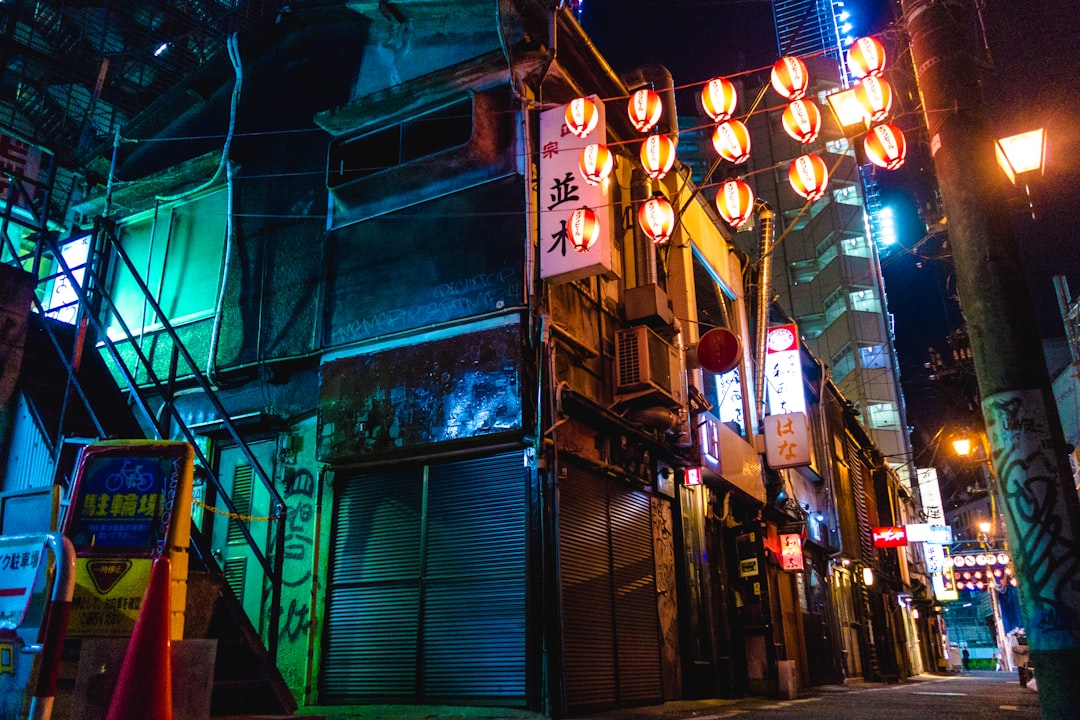
Walk out of Shibuya Station’s Hachiko Exit and pass under the elevated JR tracks. Within a few minutes, you reach Nonbei Yokocho. Two narrow lanes of low wooden bars sit there, most of them smaller than a hotel bathroom and lit by paper lanterns and the glow of yakitori grills. Behind you, Shibuya is glass towers and video screens. In here, it is a counter, a cook, and five strangers with their elbows touching.
The name translates loosely as “Drunkard’s Alley.” The area has been doing more or less the same thing since the early 1950s. This is not a retro-themed food hall built to look old. At least one counter here is run by the third generation of the same family. Many customers have been coming for decades.
For travelers who want a Tokyo evening that feels like it belongs to the city rather than to its visitors, this is one of the easiest places to find it. It is also one of the easiest places to get wrong. Common mistakes include arriving as a group of six, photographing someone’s dinner, or standing in the lane with a beer. What follows is how the alley works and how to be the kind of guest the owners are glad to see.
What Nonbei Yokocho Is
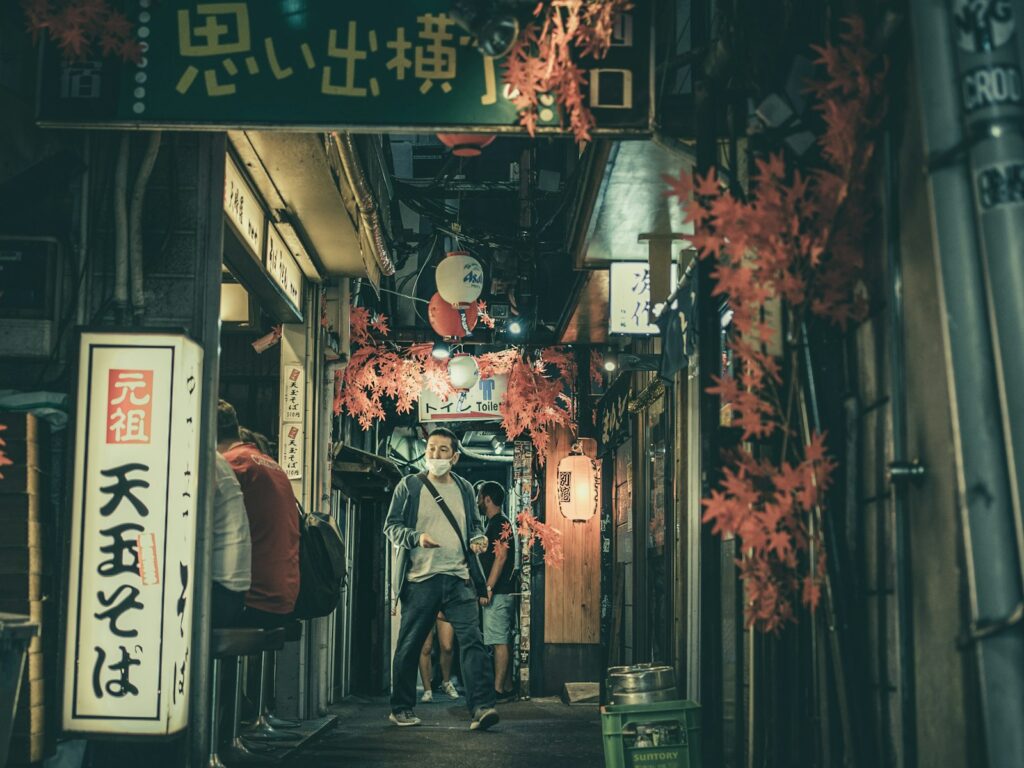
Nonbei Yokocho is a cluster of roughly forty tiny drinking places. They are packed into a narrow strip of land beside the Yamanote Line.The lanes are about two metres wide. Most of the bars seat fewer than ten people, and some hold only four or five.
From Black-Market Stalls to Forty Plots
Like most of Tokyo’s surviving yokocho, Nonbei Yokocho has roots in the postwar era. Black markets grew around the stations after the war, and the alley developed from that culture. Stalls selling drinks and grilled food clustered near Dogenzaka, on the other side of Shibuya Station. In the early 1950s, the authorities moved to clear unlicensed street vendors. They gave the stallholders a new home along the bank of the Shibuya River, dividing the land into forty plots and allocating them by lottery.
The buildings that went up were simple wooden structures. They have been patched, rebuilt, and extended upward ever since, but never swept away. According to the alley’s own association, the shopkeepers later bought the land from the city together, and in a district where almost everything nearby has been demolished and rebuilt in the past decade, we suspect that shared ownership is a large part of why the alley is still standing.
What “Nonbei” Means
Nonbei is colloquial Japanese for a heavy drinker — someone who likes a drink rather more than is sensible. The word is affectionate rather than disapproving. That tells you a good deal about the tone of the place.
You will also see it written as Nonbee Yokocho on maps and review sites. It is the same alley.
Nonbei Yokocho, Omoide Yokocho, and Golden Gai
Travelers often ask which of Tokyo’s old drinking alleys to choose. They are less alike than the photographs suggest.
Omoide Yokocho in Shinjuku is a food alley first: smoky yakitori counters, a steady stream of visitors, and lanes busy enough that you are rarely the only foreigner on a stool. Golden Gai, also in Shinjuku, is much larger — six narrow alleys and more than two hundred micro-bars — and many of its rooms are bars before they are kitchens, with a crowd that arrives late and stays later.
Nonbei Yokocho is smaller than either, and in our experience it is quieter on an ordinary weeknight. It mixes old food counters with a handful of bars, and it sits a few minutes from the busiest part of Shibuya rather than at the heart of a nightlife district. If you have a single evening in Tokyo and want to understand what a yokocho is, we would start here with an early drink and something to eat, then decide how far the night should go.
Finding the Alley and When to Go
Nonbei Yokocho is easy to reach and easy to walk past. The entrance is a gap between buildings, not a gateway, and in daylight it looks like a service lane.
The Walk From Hachiko Exit
From the Hachiko Exit, pass under the elevated JR tracks and follow them north towards Miyashita Park, the long rooftop park built over the shops. The alley opens off the street just before the park, marked by a line of lanterns. The walk takes three to five minutes.
If you are coming from the crossing itself, it is a short detour, and pairing the two makes sense on a first evening in Shibuya. Our guide to Shibuya Crossing covers the viewpoints around it. Should you reach the entrance to Miyashita Park, you have probably passed the alley by a few steps.
Timing Your Visit
Most counters open around six in the evening and run until late. Arriving at six or seven on a weekday gives you the widest choice of seats. By nine, many of the smallest rooms are full.
Several of the older counters close on Sundays, so a Sunday visit can mean half the lanterns are dark. Monday to Thursday evenings are the easiest. Friday is lively, and you will spend more time looking through windows at full stools.
The alley also holds an annual festival in autumn, with a portable shrine carried through the lanes, special menus from the shops, and sake. It is closer to a street party than the everyday alley, and it is crowded. Check the association’s announcements for the date if your trip falls in the season.
Expert Tip
Go early and go in twos. A pair arriving at half past six on a Tuesday can usually find two stools within a few doors; a group of five arriving at nine on a Friday usually cannot. If you are more than three, split up for the first drink and meet again afterwards — the alley is small enough that you will never be more than a minute apart.
How to Walk Into a Bar With Six Seats
This is the part that makes first-time visitors hesitate at the door. It is less difficult than it looks, and the rules are few.
Reading the Door
Many of the doors have glass panels or a small window, so look in before you slide one open. If every stool is taken, you will get an apologetic shake of the head. Thank the owner, close the door gently, and try the next one; nobody takes offence.
Once inside, take the seat you are shown, keep bags on your lap or under the stool, and order a drink without much delay. In a room of six seats, each stool is a sixth of the owner’s evening. If a room feels like a private gathering of old friends, it may well be one, and stepping back out is always acceptable.
Many of Shibuya’s small bars still permit smoking. In a room this size there is no corner away from it, so if smoke is a problem for you, look in first and choose accordingly.
Cover Charges and the Otoshi
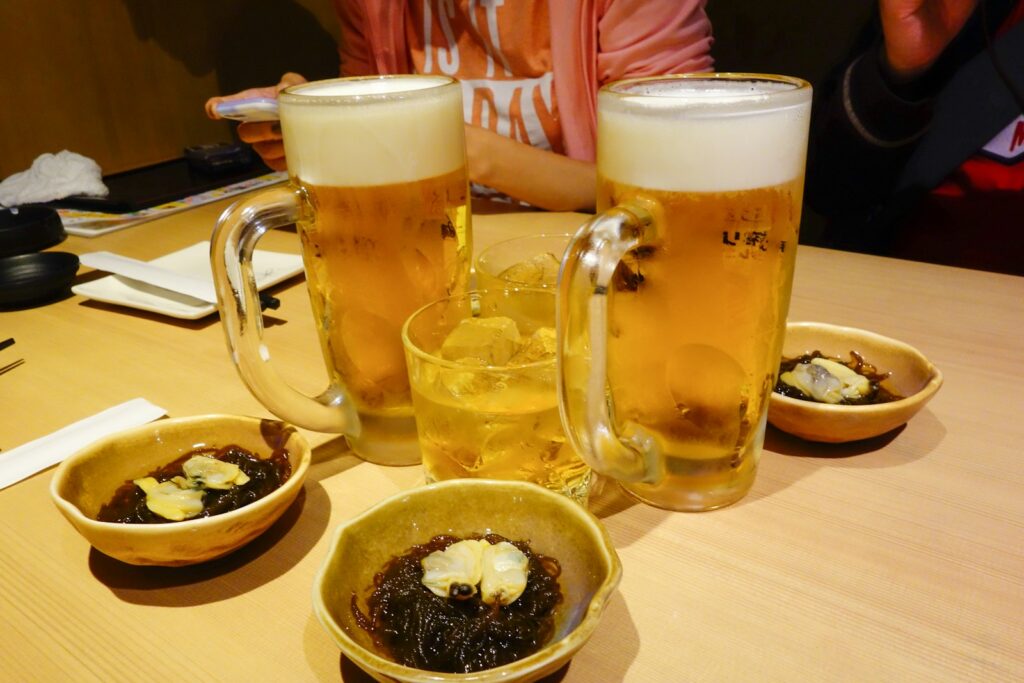
Expect a seat charge at many places, often in the form of an otoshi — a small dish that arrives unasked with your first drink and appears on the bill. Amounts vary, generally from a few hundred yen to around ¥1,000 per person. It is not a trick. It is how a bar with six stools stays open, and our guide to izakaya ordering and the otoshi charge explains the custom in more detail.
Tipping is not part of the custom here. Pay what is on the bill, thank the owner on the way out, and leave it at that.
Cash, Cameras, and the Lane Itself
Bring cash. Most counters in the alley do not take cards, and there is no point discovering that after the second round.
Cameras are the sensitive point. The lanterns seen from the end of the lane are the photograph everyone wants; take it quickly, from the edge, without blocking the path for people trying to get to their seats. Inside a bar, ask before you photograph anything, and do not photograph other customers or the owner without their agreement. The association has its own rules for filming and media shoots, which gives you some sense of how often the owners have been disrupted.
Keep your drinks inside. Beyond the alley’s own manners, Shibuya ward has banned drinking on streets and in parks around Shibuya Station every night from 6pm to 5am since October 2024, and the restricted zone was widened at the same time to take in the area east of the station. Standing in the lane with a glass is exactly what the owners and the ward are trying to discourage.
Expert Tip
Order something to eat at every stop, even if it is only one plate. In a bar this small, a customer who nurses a single beer for an hour costs the owner money, and owners notice. One skewer, one bowl of oden, or one plate of whatever the counter is known for changes how you are received, and it is usually the start of the conversation.

What to Eat, What to Drink, and Where to Go Next
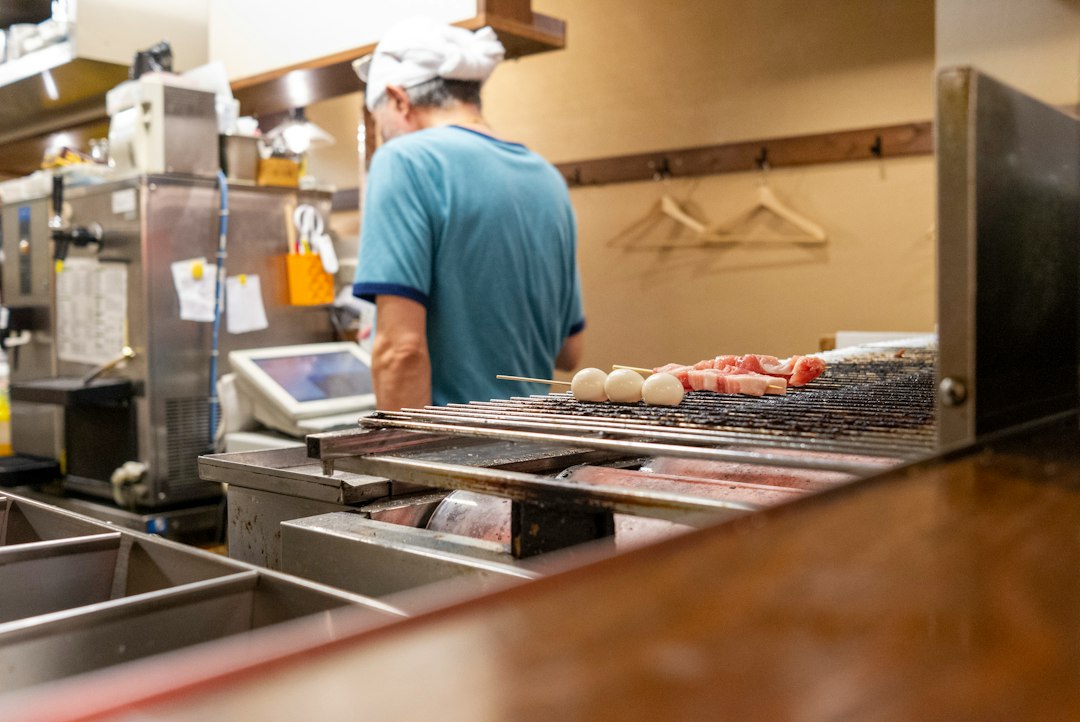
The food here is bar food, cooked an arm’s length from your stool and meant to go with a drink. Portions are small. That is the point — two or three plates at one counter, then another counter.
Yakitori, Oden, and Counters That Specialize
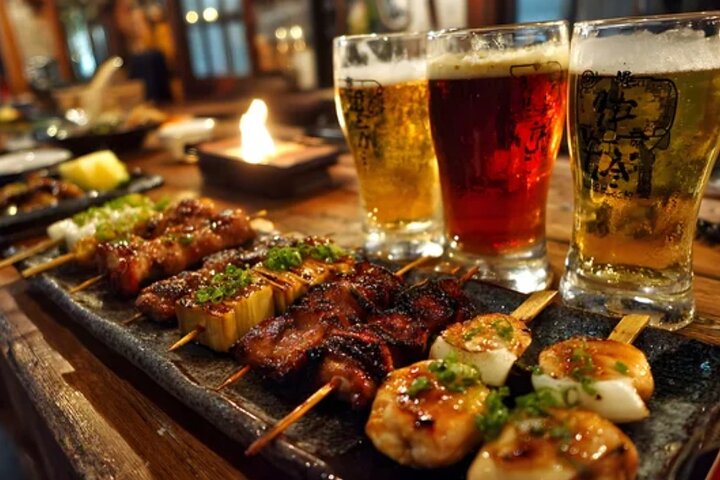
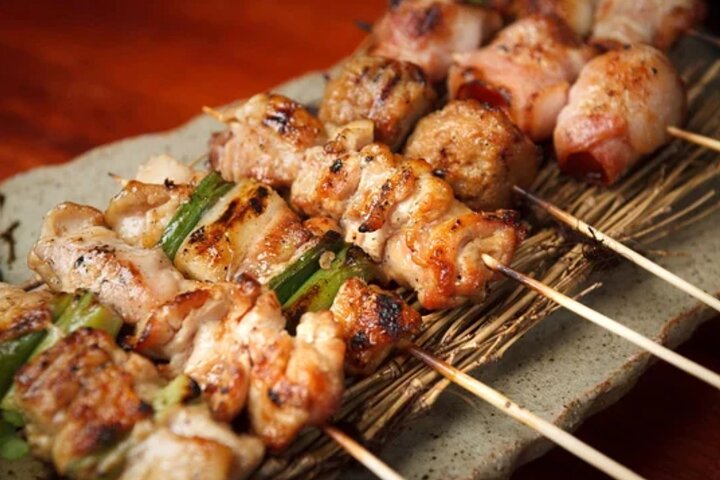
Yakitori is what the alley is known for. Torifuku, one of the longest-established yakitori shops here, lays its skewers out in a glass case at the front, so ordering can be as easy as pointing at what looks good. The room is tight, the grill is close, and the smoke follows you home.
At the far end of the alley, Nadaichi serves oden from a single counter: daikon, egg, tofu, fish cakes, and beef tendon sitting in a pot of broth that has been kept going across generations of the same family. Oden is winter food in most of Japan. On a cold, wet evening in Shibuya, it is the counter we would sit down at first.
Elsewhere you will find counters built around fish, around vegetables, and a few that are bars first and kitchens second. None of them are large enough to need a website, and the menu is often a set of wooden tags or a handwritten sheet on the wall.
Ordering Without Japanese
English menus are the exception here. Pointing works well, at the display case, at the pot, or at whatever the person next to you is eating. Asking the owner for a recommendation — “osusume wa?” — works better still, and tells them you are there to eat what they are proud of.
Drinks are straightforward: draft beer, highballs, shochu with water or soda, and sake by the glass. If you want to go deeper into sake, ask what the owner is pouring that evening rather than naming a brand. Most of these counters keep a short list, chosen to go with the food.
Where the Night Goes Next
Most people spend an hour or two here and then move on. Nonbei Yokocho is a place for one or two stops, not a whole night, and the seats are too few to sit on for long.
Shibuya has plenty of rooms for the second half of an evening, though they are harder to find than the alley. Our Shibuya bar crawl works the other side of the station: an izakaya above the crossing at Shibuya Scramble Square, a bar on the Miyashita Park rooftop a few minutes up the tracks from the alley, and a counter of a dozen seats in the lanes behind Center-gai. It follows the same idea as Nonbei Yokocho — small rooms, a local crowd, food that arrives in no particular order — with a guide doing the ordering.
For a longer night on another day, Shinjuku is a short ride up the Yamanote Line. Our Shinjuku crawl starts in Omoide Yokocho, walks through Kabukicho, and moves between a local izakaya and a sake bar before a walk through Golden Gai and a karaoke bar at the end. Nonbei Yokocho the evening before is a good introduction to the kind of room you will be sitting in.
Nonbei Yokocho: Frequently Asked Questions
Is Nonbei Yokocho welcoming to foreign visitors?
Yes, for the most part. The alley’s association has spoken openly about the growing number of younger and international visitors, and many owners are used to them. What matters more than where you are from is how you behave: come in small numbers, order food as well as drinks, ask before taking photos, and give up your stool when the room fills.
How much should I budget for an evening at Nonbei Yokocho?
Plan on ¥3,000 to ¥5,000 per person for a drink and a couple of plates at one or two counters, including any seat charge. Bring it in cash. Specialist yakitori and fish counters can run higher, particularly if you order the premium cuts.
Should I choose Nonbei Yokocho, Omoide Yokocho, or Golden Gai?
It depends what you want from the evening. Nonbei Yokocho is smaller and calmer, and suits an early drink with something good to eat. Omoide Yokocho is the stronger choice if food is the priority and you do not mind company, and Golden Gai if you want a late night of tiny bars, each with its own personality. Many travelers do Nonbei Yokocho early in their stay and save Shinjuku for another night.
Related Tours

Conclusion
Go on a weekday, go early, and go with one other person. Carry ¥5,000 each in cash, order food at every stop, and ask before you raise a camera. That is most of what separates a stiff twenty minutes at a counter from an evening you will describe to people at home.
Then leave while the room still wants you there. The alley has lasted more than seventy years because its bars are small and its owners are patient, and the guest who takes one stool for an hour, eats what the owner recommends, and walks back out under the tracks is the one who gets waved back in next time.
Plan Your Japan Trip with Local Experts
Our team has guided 40,000+ travelers across Japan. Tell us about your trip and we’ll get back to you within 24 hours.