In this article:
- What Temaki Sushi Actually Is
- The Fillings Japanese Families Reach For
- How to Roll and Eat a Hand Roll
- Where You Meet Temaki in Japan
- Temaki Sushi: Frequently Asked Questions
Introduction
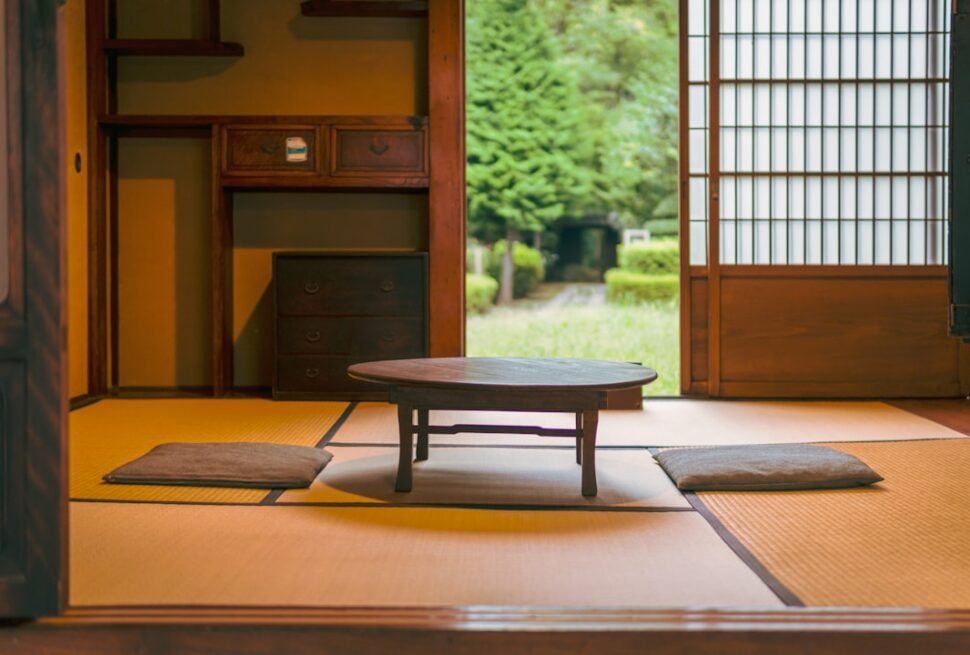
Whoever happens to be sitting closest assembles the best temaki sushi most visitors will ever eat at a kitchen table in a Japanese apartment, from a platter of sliced fish, a bowl of vinegared rice, and a stack of nori—no restaurant serves it.
That is the part of the dish that rarely makes it abroad. Outside Japan, the hand roll is usually a menu item, often a large one stuffed with mayonnaise and crab. In Japan it is closer to a ritual of informality: a meal where nobody is in charge, the children make lopsided cones, and the grandparents quietly take all the salmon roe.
We spend a lot of time explaining sushi to travelers who arrive expecting it to be solemn. Temaki is the easiest way into the other side of that story. What follows covers what it is, what goes in it, how to eat it before the nori goes soft, and where you are likely to meet it on the ground.

What Temaki Sushi Actually Is
Temaki means “hand roll”. The name describes the method, not the ingredients.
A Cone of Nori, Not a Sliced Roll
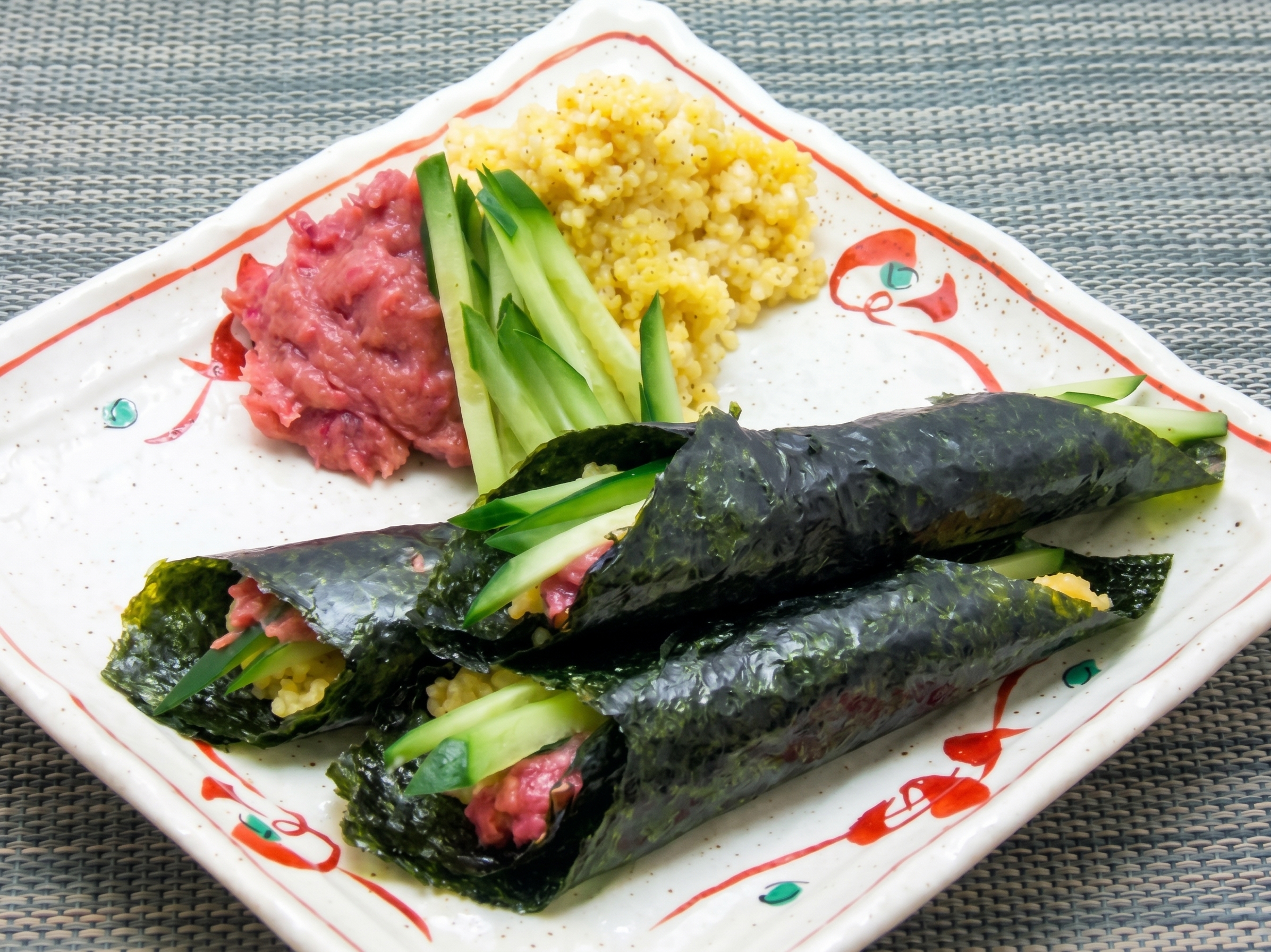
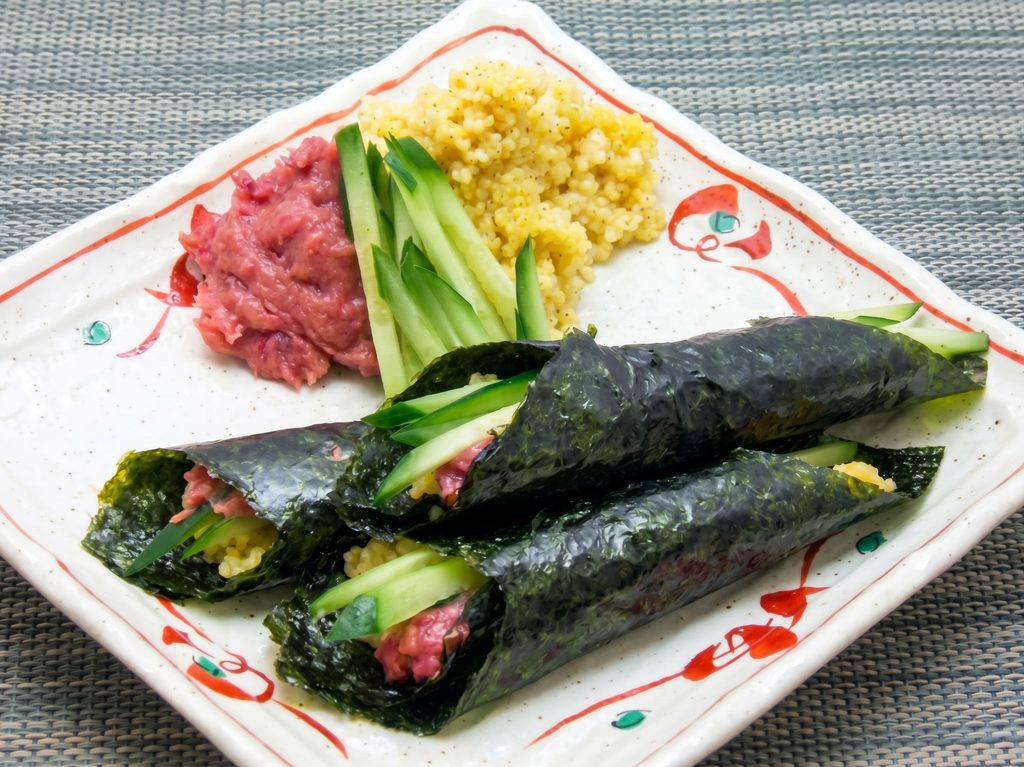
You roll a temaki by wrapping a sheet of toasted nori around a small amount of sushi rice and one or two fillings into a cone with your hands. You use no bamboo mat and no knife. You hold it like an ice cream cone and eat it from the open end down.
That construction is the whole point. Because you wrap the nori around the rice seconds before you bite into it, the nori has not yet absorbed moisture. The first bite cracks audibly, then gives way to cool rice and fish. It is a texture no other sushi format delivers.
Temaki Versus Maki, Futomaki, and Ehomaki
To make maki, the rolls most people picture, you use a bamboo mat, roll them into a tight cylinder, and slice them into rounds. Hosomaki are the thin ones with a single filling, such as the cucumber kappa maki. Futomaki are the thick ones packed with several fillings at once.
Ehomaki is a futomaki with a specific job. On Setsubun in early February, many households eat one whole and in silence while facing the year’s lucky direction. Visitors sometimes confuse it with temaki because both are eaten by hand, but the two are unrelated. An ehomaki is a thick log. A temaki is a cone you make yourself.
Why It Is Home Food First
Rolling maki well takes practice. Shaping nigiri takes years. Temaki takes about ten seconds and forgives almost every mistake, which is why it became the sushi that Japanese families actually make at home.
The format also solves a hosting problem. Nobody has to stand in the kitchen rolling for everyone else. The host prepares the rice and cuts the fillings, then sits down with the guests, and each person builds their own. In our view, that is the most accurate way to understand the dish: temaki is less a recipe than a way of sharing a table.
The Fillings Japanese Families Reach For
There are no fixed rules about what goes inside a temaki, and that freedom is half its appeal. Still, a Japanese temaki platter tends to look remarkably similar from one household to the next.
Raw Fish: Tuna, Salmon, Negitoro, and Ikura
Tuna and salmon, cut into finger-length batons, are the backbone of almost every spread. They sit well in a cone because they hold their shape and do not release much liquid.
Negitoro is the filling many Japanese people would name as the classic hand roll. It is minced tuna mixed with finely chopped green onion, soft enough to spread and rich enough that a small spoonful is plenty. Ikura, the large orange salmon roe, is the luxury item on the platter and usually the first thing to disappear.
Squid, sweet shrimp, and scallop turn up depending on the season and budget. None of it needs to be expensive. Supermarkets in Japan sell sashimi assortments specifically for this purpose, and the quality at an ordinary neighborhood store is higher than most visitors expect.
Cooked and Vegetable Fillings: Tamagoyaki, Cucumber, Shiso
Tamagoyaki, the slightly sweet rolled omelet, is on nearly every temaki table. Children love it, and it gives the non-fish eaters something substantial. Cucumber batons add crunch and water. Shiso, the serrated green herb with a flavor somewhere between mint and basil, is what makes a tuna roll taste distinctly Japanese.
Beyond those, you will see natto, pickled radish, canned tuna mixed with mayonnaise, avocado, imitation crab, and in some households even teriyaki chicken or sausage. Purists may wince. Families do not.
Combinations That Work, and Ones That Fight the Nori
Our favorite pairings are the simplest ones: tuna with shiso, salmon with cucumber, negitoro alone, tamagoyaki with a little cucumber for contrast. Two fillings is usually the right number. A third tends to crowd the cone and push rice out of the bottom.
Wet fillings are the enemy. Heavily dressed salads, marinated fish still dripping with soy sauce, and anything warm will soften the nori before you finish eating. If you want soy sauce, dip the top of the finished roll lightly rather than soaking the filling beforehand.
How to Roll and Eat a Hand Roll
Rolling a temaki is easier than any instruction makes it sound. The only real skill is restraint with the rice.
Half Sheet or Quarter Sheet: Cone Versus Taco
A full sheet of nori measures roughly 21 by 19 centimeters. Cut in half, it makes the classic cone you are served at a sushi counter. Cut into quarters, it makes a smaller, open, taco-shaped roll that many families prefer at home because it is quicker to assemble and easier for children to handle.
Neither is more correct. However, the cone holds its filling better and keeps the nori crisper for longer, so we suggest starting with half sheets. If you are shopping in Japan, supermarkets usually stock nori already cut for hand rolls alongside the full sheets.
Rolling a Cone in Five Moves
Hold a half sheet of nori in your left palm, shiny side down and the rough side facing up. The rough side grips the rice.
With slightly damp fingers, spread a small amount of rice over the left third of the sheet. Most first attempts use twice as much rice as they should. A thin layer, about the size of a golf ball in total, is enough.
Lay your fillings diagonally across the rice, pointing toward the top left corner. Fold the bottom left corner of the nori up toward the middle of the top edge to form the point of the cone. Then roll the rest of the sheet around it, and press the last edge down with a grain or two of rice to seal it.
Eat It Within a Minute
A temaki is not something you set down. The nori begins absorbing moisture from the rice the moment they touch, and within a couple of minutes the crisp shell turns chewy.
That is why you make one roll at a time, eat it, and then make the next. Rolling four in advance to save time defeats the purpose of the dish. Eat it with your hands, from the open top down, in three or four bites.
Keep a small bowl of water and a damp cloth at the table. Rice sticks to dry fingers, and a quick dip between rolls makes the process much less messy.
Expert Tip
Nori loses its snap within hours once the packet is opened, especially in Japan’s humid summers. If your sheets feel soft, pass each one briefly over a gas flame or a hot dry pan, a few seconds per side, until it smells toasty and turns slightly greener. Reseal the packet tightly between rounds rather than leaving the stack on the table.
Where You Meet Temaki in Japan
Temaki exists in three quite different settings in Japan, and each one teaches you something about the dish.
At the Sushi Counter: Taken From the Chef’s Hand
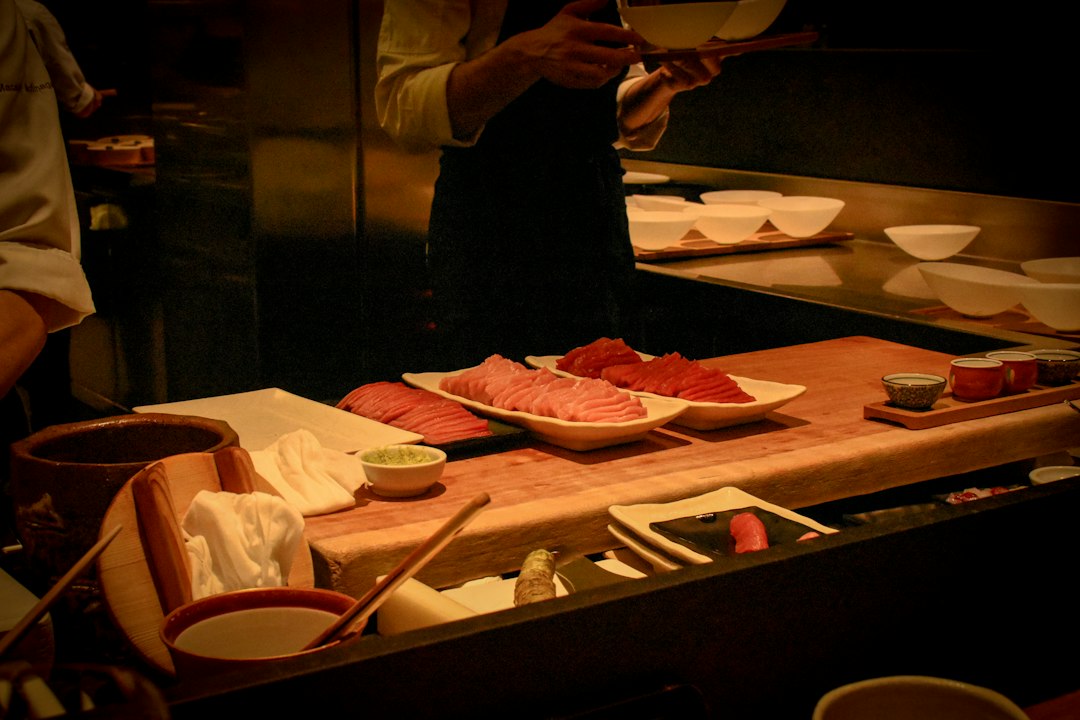
At a traditional sushi counter, a hand roll is made to order and passed straight to you, sometimes placed directly into your hand. At many counters it arrives near the end of the meal, a final note after a sequence of nigiri.
The etiquette follows from the texture. Take it at once and eat it at once, by hand. Leaving it on the counter while you finish a conversation lets the nori soften, and that is the one thing a chef would rather you did not do.
Our guide to sushi in Tokyo covers how to choose a counter at different price levels, from Ginza omakase to market-side breakfast sushi.
At the Market: Tsukiji Outer Market as a Temaki Pantry
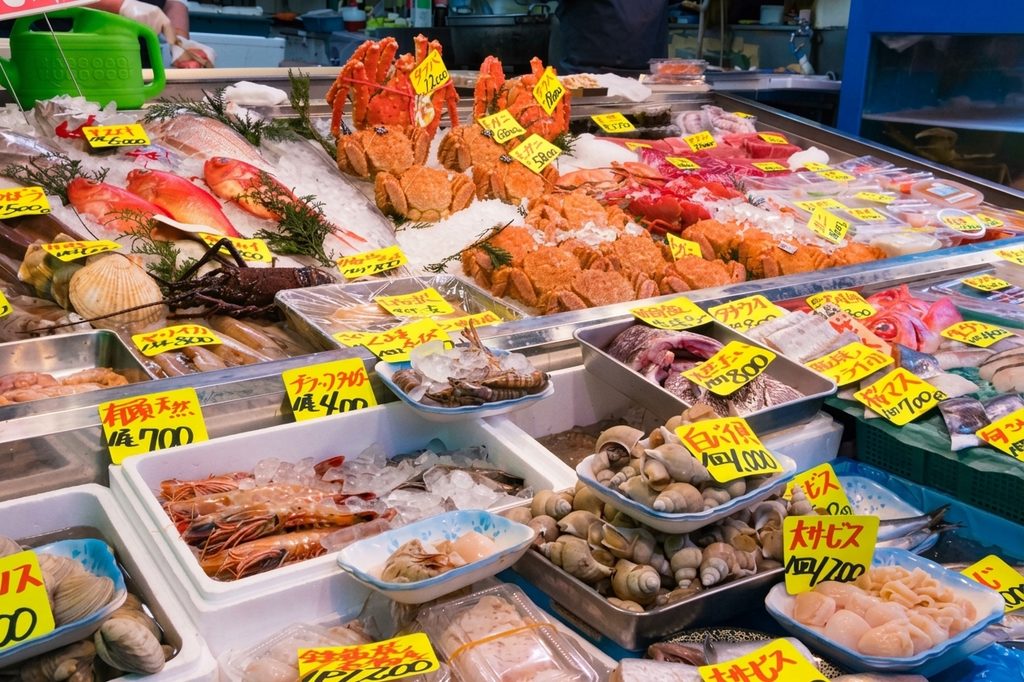
Walk through the Tsukiji Outer Market in the morning and you are, in effect, looking at the components of a temaki spread laid out stall by stall. Tuna is portioned at one counter, tamagoyaki is sliced from thick golden blocks at another, and dried nori is sold by the sheet and by the bundle a few doors down.
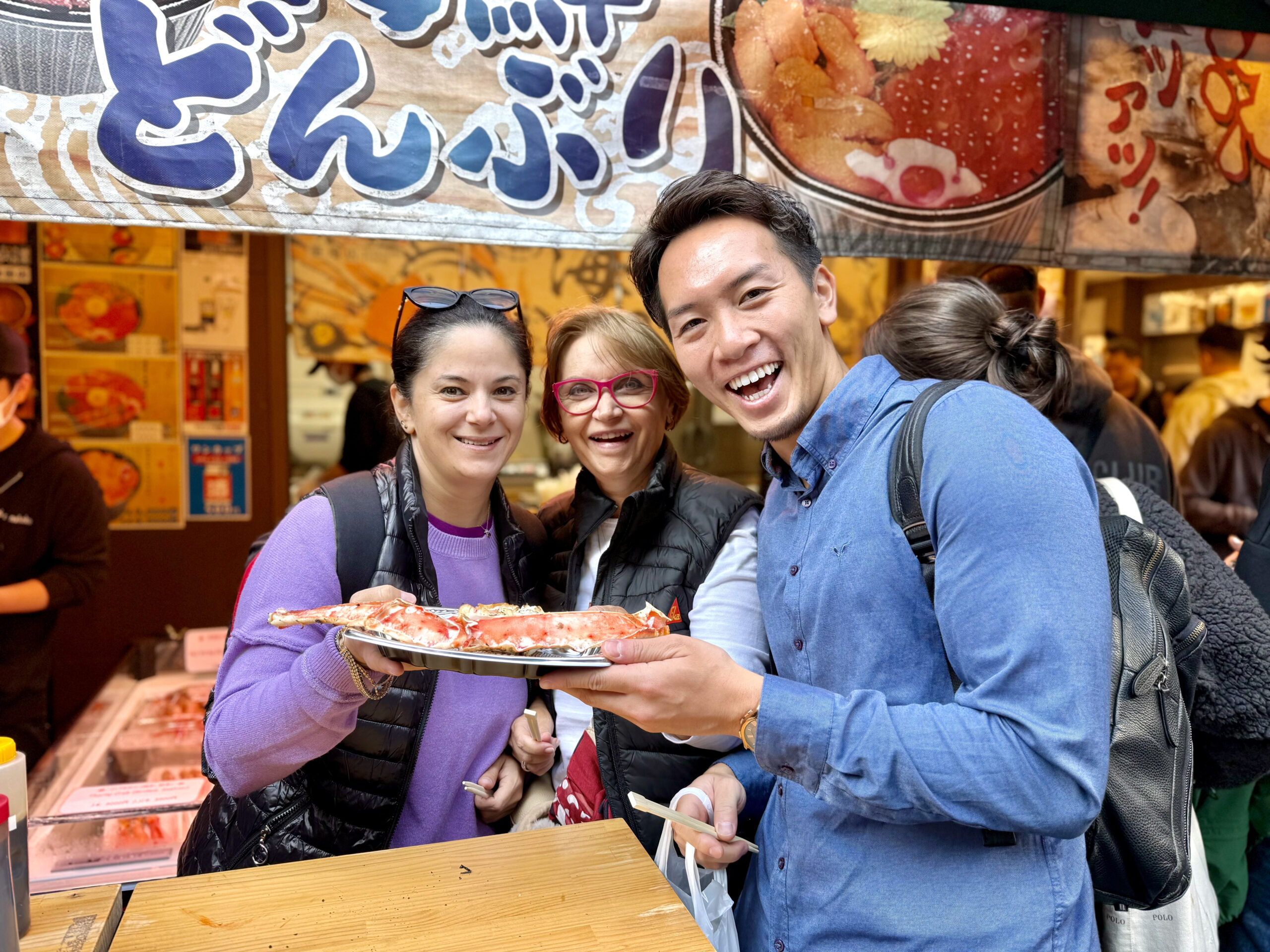
Our Tsukiji street food walk starts in front of the Family Mart near Tsukiji Hongwanji temple and passes through exactly these lanes. Tamagoyaki is one of the things our guides point travelers toward, particularly those who do not eat raw fish. Tasting the omelet on its own explains why Japanese families put it in a hand roll next to tuna. Food is paid for at each stall, and most stalls take cash only, so carry notes.
If you are building a list before you go, our Tsukiji Outer Market street food guide goes through what to eat there in more detail.
At the Supermarket: Building a Temaki Night in Your Rental
If you are staying in an apartment rental with a kitchen, a temaki dinner is the most rewarding meal you can cook in Japan with the least equipment. Everything you need is in an ordinary supermarket.
Go to the fish section in the late afternoon, pick up a sashimi assortment, a pack of nori cut for hand rolls, a cucumber, and a bunch of shiso. Bottled sushi vinegar, already sweetened and salted, sits in the seasoning aisle and removes most of the guesswork from the rice. Our guide to Japanese supermarkets explains how the store is laid out and what to look for in each section.
The whole shop costs little more than a single restaurant main course per person. In our experience, travelers who try this once tend to repeat it on the next trip.
Expert Tip
When buying sashimi in a Japanese supermarket, look at the label rather than the price. Packs sold as sashimi are intended to be eaten raw, while fish labeled for grilling or simmering is not. If you cannot read the label, ask a staff member at the fish counter, who will almost always point you to the right tray.
Temaki Sushi: Frequently Asked Questions
Is it rude to eat temaki with chopsticks?
Not rude, but awkward. Temaki is designed to be held, and trying to lift a cone of nori with chopsticks usually ends with the filling falling out. Eating sushi by hand is widely accepted in Japan, and with a hand roll it is the normal way to do it.
Is temaki the same as a California hand roll?
The California roll was developed outside Japan, and its hand-roll version borrows the temaki format with crab, avocado, and mayonnaise. You can find avocado and imitation crab at Japanese temaki tables too, but the default in Japan is lighter: raw fish, a leaf of shiso, and very little sauce. Portions are also smaller, so a hand roll is eaten in a few bites rather than as a meal on its own.
Can I make temaki without raw fish?
Yes, and many Japanese families include several cooked or vegetable fillings for exactly that reason. Tamagoyaki, cucumber, avocado, pickled radish, boiled shrimp, and canned tuna with mayonnaise all work well. The rice and the nori are the only fixed parts of the dish.
Related Tours

Conclusion
Temaki is the least ceremonial form of sushi in Japan, and that is exactly why it is worth understanding. It shows how the country actually eats at home: generously, a little messily, and with the crispness of the nori treated as non-negotiable.
If you are in Japan with a kitchen for even one night, buy a sashimi pack, a stack of half-cut nori, and a bunch of shiso, and make it yourself. Use less rice than feels right, roll one at a time, and eat each one before you reach for the next sheet.
Plan Your Japan Trip with Local Experts
Our team has guided 40,000+ travelers across Japan. Tell us about your trip and we’ll get back to you within 24 hours.