
In this article:
- Sakurajima: The Volcano Across the Bay
- Sengan-en and the Domain That Remade Japan
- Eating and Drinking in Tenmonkan
- Getting Around, and Going Further
- Kagoshima Things to Do: Frequently Asked Questions
Introduction
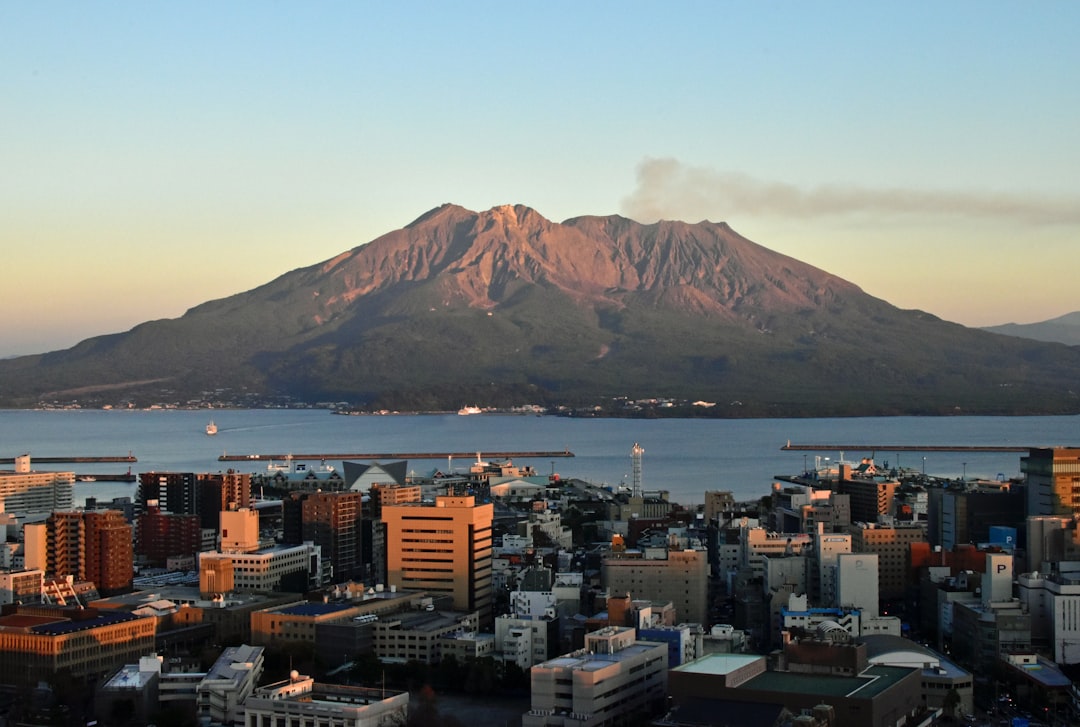
Most lists of Kagoshima things to do start with Sakurajima, and for once the lists are right. The volcano is not a distant backdrop. It sits across a narrow bay from the city centre, it erupts regularly, and on the wrong day its ash settles on your hotel windowsill.
What surprises visitors is how ordinary this is to the people who live here. Residents sweep grey grit off the pavement, bag it, and put it out for collection. The weather report tells them which way the ash will blow. Then they go to work.
We take travelers around Kagoshima on private day tours, many of them arriving by cruise ship, and the city tends to be the part of a Kyushu trip they talk about afterwards. It combines a live volcano, one of Japan’s boldest gardens, and the story of the samurai domain that brought down the shogunate. Here is how we would spend the time.
Sakurajima: The Volcano Across the Bay
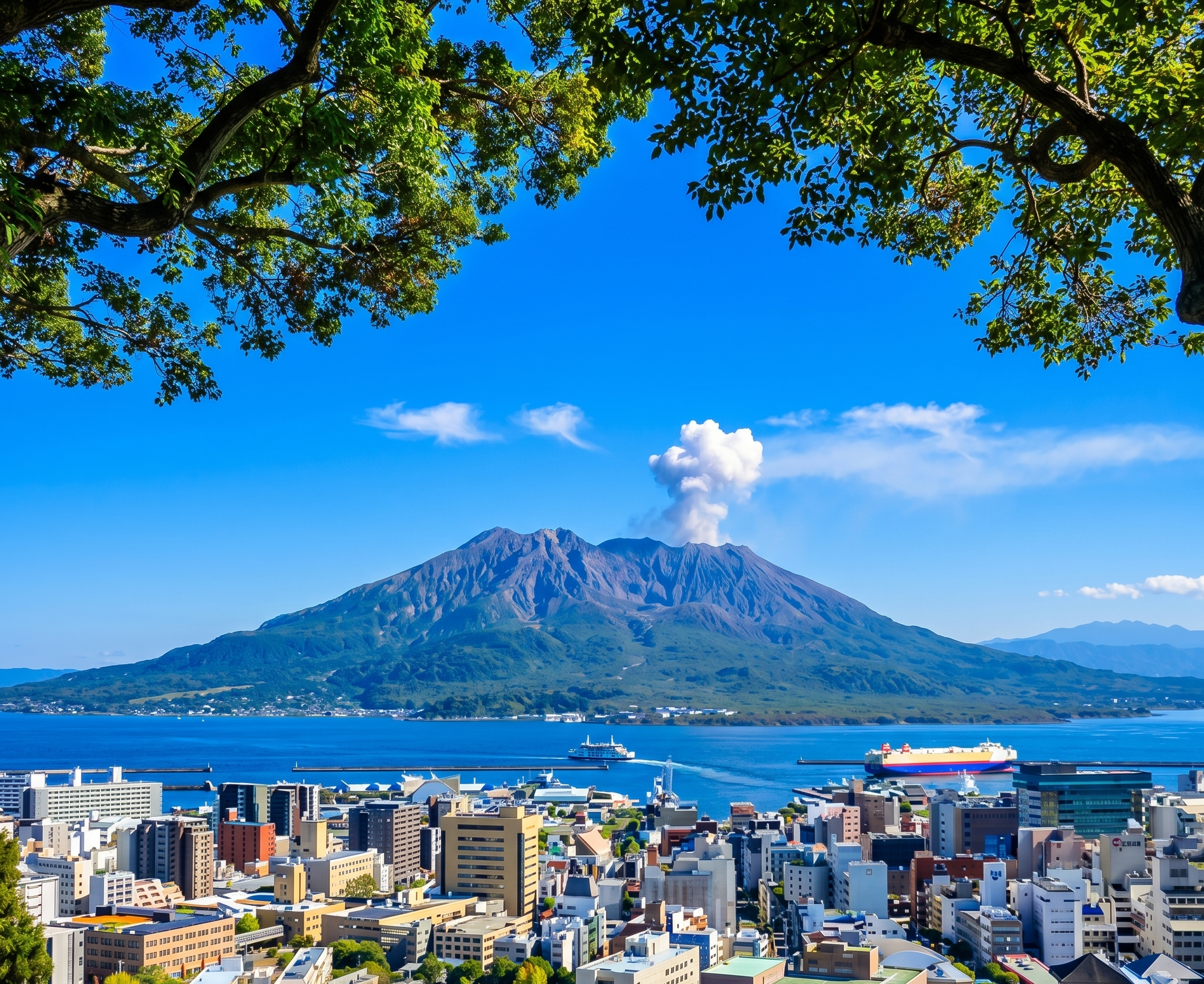
Sakurajima is the reason Kagoshima looks and feels the way it does. You can see it from almost everywhere in the city, and you can be standing on it within half an hour of leaving your hotel.
Taking the Ferry
The Sakurajima Ferry leaves from a terminal near the Kagoshima City Aquarium and crosses in about fifteen minutes. The adult fare is ¥250. You do not buy a ticket before boarding. Whichever direction you travel, foot passengers pay at Sakurajima Port.
Departures run every fifteen to twenty minutes through the day. One change catches out anyone relying on older guides. The ferry ran around the clock for decades, but since October 2025 it operates only from early morning until late evening, with the last sailing from Kagoshima Port at 23:30.
Stand on the open deck on the way over. The cone grows quickly, and the scale of the lava slopes only becomes clear from the water.
Yunohira, Arimura, and the Lava Fields
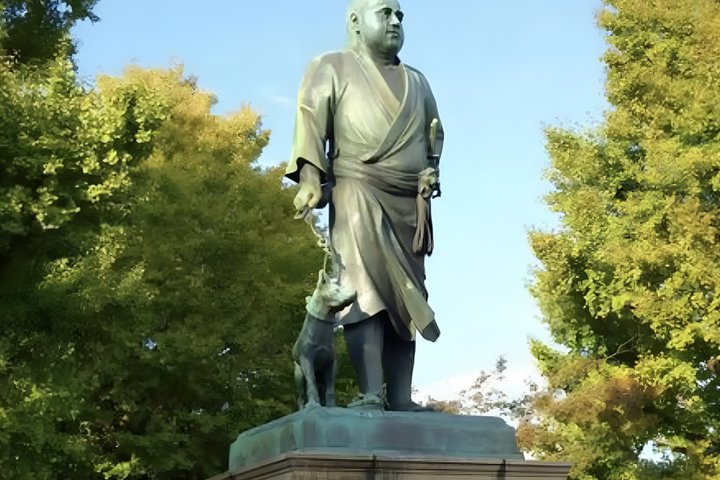
Yunohira Observatory is the highest point on the volcano open to the public, and the view up to the summit craters is close and bare. On a quiet day you hear nothing but wind. On an active one you may watch a plume lift off the crater while you stand there.
Arimura Lava Observatory is lower down, on the lava field left by the great eruption of 1914. Walking paths cross black rock now colonised by pines. It is the clearest place to understand that this island was once separate from the mainland, until lava filled the channel.
Back near the port, the Sakurajima Visitor Center explains the volcano’s history, and the long public foot bath at Nagisa Park faces the bay. We like to end a Sakurajima visit there. Buy a towel at the visitor centre, sit, and watch the ferries come and go.
Living With the Ash
Ash falls on the city when the wind blows from the volcano. It is gritty rather than dangerous at ordinary levels, but it gets in your eyes. A hat and sunglasses make a real difference, and contact lens wearers should carry glasses.
Look out for the yellow bags on street corners. The city issues them to households for collecting ash, and they have become such a local symbol that souvenir shops sell goods printed with the design.
Access to the summit is off-limits. The Japan Meteorological Agency keeps a restricted zone around the active craters, and the observatories are well outside it. If you want to check conditions before crossing, the agency’s volcanic warning page is the place to look.
Expert Tip
Leave the Sakurajima decision until the morning of the day. The summit is often clear early and wrapped in cloud or ash by mid-afternoon, and the ferry is frequent enough that there is no need to fix a time in advance. Keep ¥250 in coins, since you pay on arrival at Sakurajima Port rather than at the gate in Kagoshima.
Sengan-en and the Domain That Remade Japan
For roughly seven centuries, the Shimazu family ruled this corner of Japan as the Satsuma domain. Their story explains more about Kagoshima than any single sight, and three places tell it well.
Sengan-en: Borrowing a Volcano for a Garden
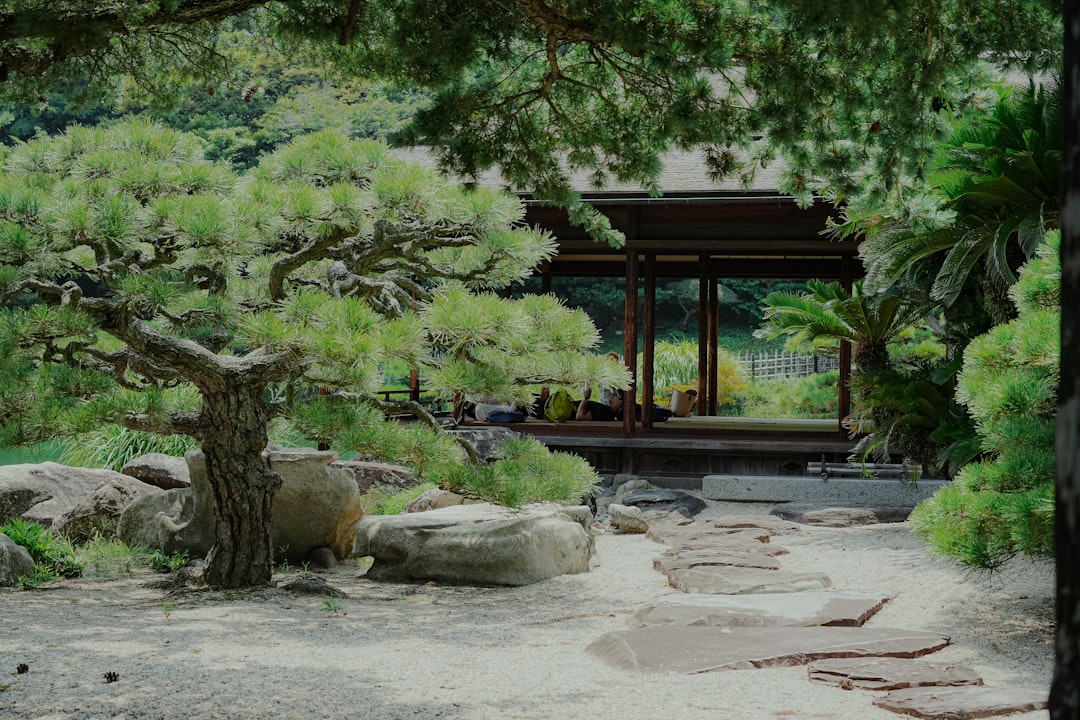
Sengan-en is the Shimazu family’s seaside villa, laid out in the mid-seventeenth century on the shore facing Sakurajima. Japanese gardens often use distant scenery as part of the design. Here the borrowed scenery is an active volcano, with the bay standing in for a pond. We think it is the most audacious garden view in the country.
Admission is ¥1,600 for adults. The ticket covers the garden, the Goten residence, and the Shoko Shuseikan museum next door.
Give the museum real time. The building was part of an industrial complex the Shimazu built from the 1850s to make iron, glass, and machinery on Western lines, years before the rest of Japan followed. It is now part of the UNESCO World Heritage listing for Japan’s Meiji industrial sites. Walking from a formal garden into the remains of a factory makes the domain’s ambitions very clear.
The Meiji Restoration Museum and the Satsuma Students
Satsuma, together with the Choshu domain, led the overthrow of the Tokugawa shogunate in 1868. The Ishin Furusato-kan, the Meiji Restoration Museum, sits beside the river in the district where many of the key figures grew up.
The story that stays with most visitors is that of the Satsuma Students. In 1865, while overseas travel was still banned, the domain secretly sent nineteen young men to Britain, where several studied at University College London. Many came home to help build the new Japan. The museum retells this in a staged drama, and in our experience British travelers in particular leave surprised they had never heard of it.
Shiroyama: The View and the Last Samurai Battle
Shiroyama is a wooded hill above the city centre, and its observatory gives the classic view: rooftops, the bay, and Sakurajima filling the horizon. Go early in the morning, when the light comes from behind you and the volcano is sharpest.
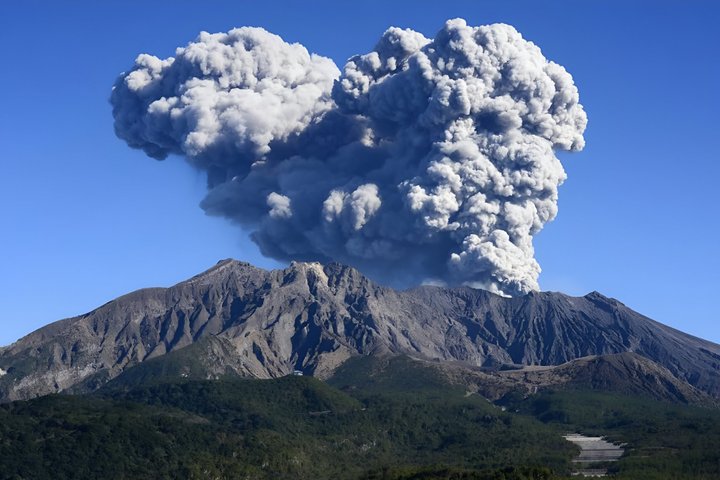
The hill also marks the end of an era. In 1877 Saigo Takamori, a Satsuma hero of the Restoration who later turned against the new government, made his last stand here in the Satsuma Rebellion. The cave where he spent his final days is a short walk from the observatory. His bronze statue stands at the foot of the hill in army uniform, and locals still speak of him with affection.
Expert Tip
Visit Shiroyama first and Sengan-en second. Once you have seen how close Sakurajima sits to the city from the hill, the garden’s view reads as a deliberate statement rather than a pleasant backdrop. It is the order our guides use on the day tour for exactly that reason.
Eating and Drinking in Tenmonkan
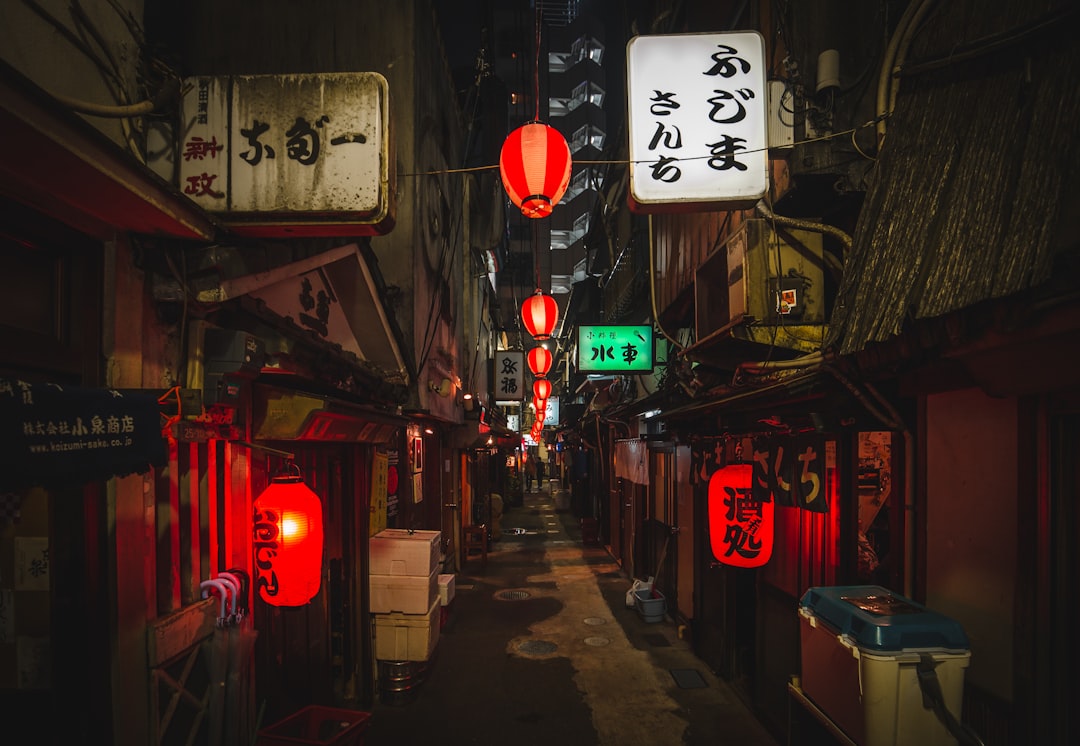
Tenmonkan is the covered arcade district in the centre of the city, and it is where Kagoshima eats. Several blocks of shopping streets are threaded with small restaurants, izakaya, and shochu bars.
Satsuma-age and Kurobuta Pork
Satsuma-age is fried fish cake, and the Kagoshima version is sweeter and softer than what you find elsewhere in Japan. Eat it hot, as a snack from a counter, rather than as a side dish.
Kurobuta is the local black Berkshire pork, and it is taken seriously here. Try it as tonkatsu, or as shabu-shabu in thin slices swished through broth. The fat is clean and slightly sweet. If you see kibinago on a menu, small silver herring served raw in a flower pattern, order that too.
Sweet Potato Shochu
Kagoshima drinks shochu, not sake. The local style is imo-jochu, distilled from sweet potato, with an earthy, faintly roasted flavour that divides first-timers.
Order it with hot water, oyuwari, which is how many locals drink it through the cooler months. The warmth opens up the aroma and softens the alcohol. Most izakaya will have a long list from distilleries across the prefecture. Ask the staff which one they drink themselves.
Shirokuma Shaved Ice
Shirokuma, meaning polar bear, is shaved ice soaked in condensed milk and topped with fruit and beans. It is associated with Tenmonkan above all, and on a humid afternoon it makes more sense than any museum.
On our day tour, Tenmonkan is the lunch stop. Your guide orders, which matters in places where menus are handwritten and the best dishes are not on them.
Getting Around, and Going Further
Kagoshima is compact, and most of the city sights sit along one loop. The day trips are where planning pays off.
City View Bus and the CUTE Pass
The Kagoshima City View bus is a hop-on, hop-off sightseeing loop that connects Kagoshima-Chuo Station, Tenmonkan, Shiroyama, and Sengan-en. A single ride costs ¥230, and a one-day pass covering City View buses, city trams, and city buses costs ¥600.
If you plan to cross to Sakurajima the same day, the CUTE pass is better value. The one-day version costs ¥1,400 and adds the Sakurajima Ferry and island buses to the city network.
Getting to Kagoshima is straightforward from the north. The Kyushu Shinkansen runs from Hakata in roughly an hour and a half, so the city pairs well with a stay in Fukuoka. Our Fukuoka travel guide covers that end of the line.
Chiran: Samurai Gardens and the Peace Museum
Chiran, in the hills south of the city, preserves a street of samurai residences behind stone walls and clipped hedges. Several houses open their small gardens to visitors, and each uses the hills beyond as borrowed scenery, a miniature echo of Sengan-en.
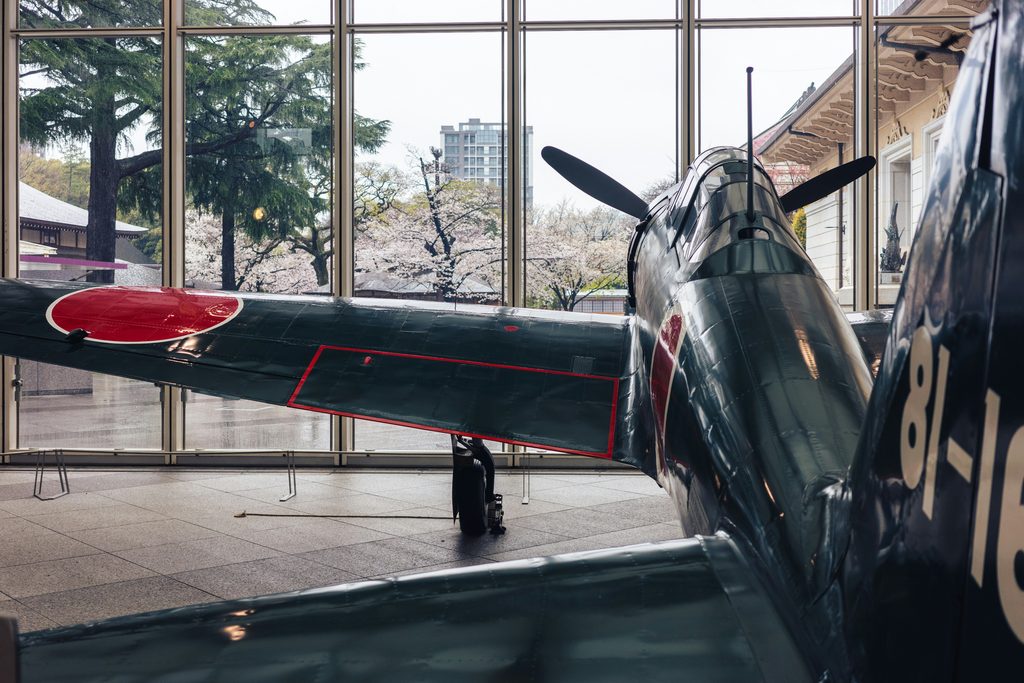
The same town holds the Chiran Peace Museum, built on the site of an airbase from which kamikaze pilots flew in the final months of the Second World War. The letters the young men wrote home are displayed with their photographs. It is a hard visit, and an important one. Allow most of a day for Chiran, because public transport is slow.
Ibusuki: Sand Baths by the Sea
Ibusuki, at the southern tip of the Satsuma Peninsula, is known for sand bathing. You change into a yukata, lie down on the beach, and staff shovel naturally heated sand over you up to the neck. It is heavier and hotter than you expect, and ten minutes is plenty.
The Ibusuki no Tamatebako sightseeing train runs from Kagoshima-Chuo in about fifty minutes, with seats facing the sea. If you have already tried the sand baths in Beppu, our Beppu hot spring guide is a useful comparison. For how Kagoshima fits into a wider route, see our guide to Kyushu’s volcanic landscapes and regional food.
Expert Tip
Entry fees and meals in Kagoshima are easiest paid in cash, especially at small restaurants in Tenmonkan and on Sakurajima. On our tours, entrance fees and lunch are paid as you go, including your guide’s, so withdraw yen at a convenience store ATM before setting out.
Kagoshima Things to Do: Frequently Asked Questions
How many days do I need in Kagoshima?
Two full days is the right amount for most travelers. Spend one on the city itself, covering Shiroyama, Sengan-en, the Meiji Restoration Museum, and dinner in Tenmonkan, and one on Sakurajima. Add a third day for Chiran or Ibusuki.
Is it safe to visit Kagoshima with Sakurajima erupting?
Yes, for ordinary visitors. Sakurajima is monitored constantly, and entry is prohibited in a restricted zone around the craters, well away from the city and the observatories. The practical nuisance is ash, not danger. Check the Japan Meteorological Agency’s volcanic warnings before crossing, and carry a hat and sunglasses.
Can I see Kagoshima on a cruise ship stop?
Yes. Large cruise ships dock at Marine Port Kagoshima, and a single day is enough for Shiroyama, Sengan-en, and lunch in Tenmonkan. Adding Sakurajima is possible if your ship stays long enough, since the ferry crossing itself takes about fifteen minutes.
Related Tours


Conclusion
Kagoshima is easy to treat as the last stop on a Kyushu rail pass. Give it two days instead. The city asks for slower attention than its size suggests, and the connections between the volcano, the garden, and the men who went to Britain only come together once you have seen all three.
Start on Shiroyama in the morning, cross to Sakurajima in the afternoon, and end the day with a glass of oyuwari shochu in Tenmonkan. Pack a hat, carry cash, and check the ash forecast the evening before. That is most of what you need to know.
Plan Your Japan Trip with Local Experts
Our team has guided 40,000+ travelers across Japan. Tell us about your trip and we’ll get back to you within 24 hours.




