In this article:
- Why Hakone
- Day-Use Baths
- Private Baths and Ryokan Rooms
- The Districts
- The Freepass and Logistics
- Hakone Onsen: Frequently Asked Questions
Introduction
Hakone is the onsen most visitors to Tokyo actually go to, and it is a caldera rather than a town.
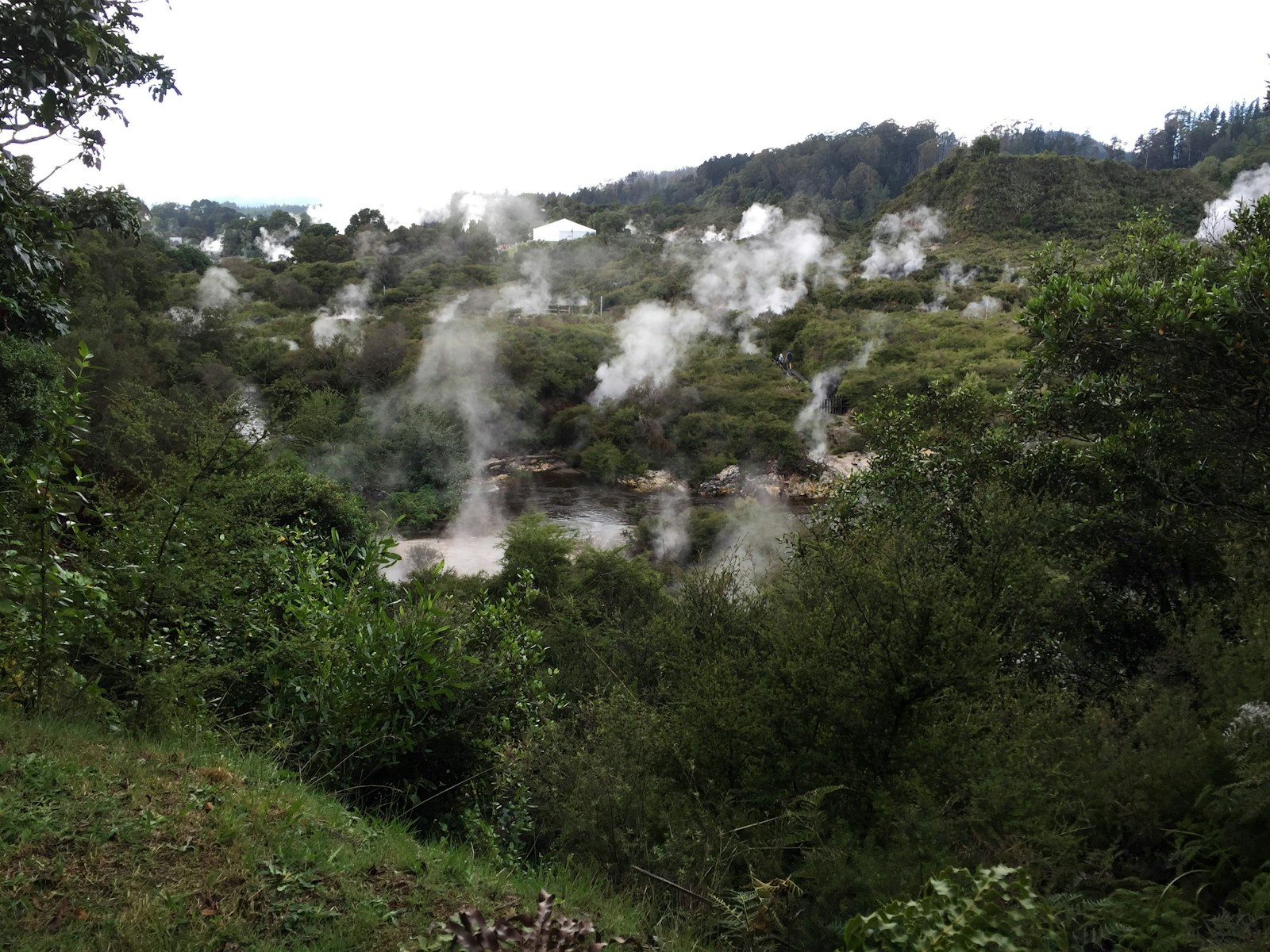
The seventeen recognised spring groups are scattered across a volcanic basin fifteen kilometres across, and they produce different water — clear and mild at Yumoto near the entrance, milky and sulphurous higher up where the source is Owakudani, saline and iron-tinged elsewhere. There is no single Hakone bath.
That variety is the argument for Hakone over a more unified onsen town, and it is also the thing that makes planning necessary. Arriving without deciding where to bathe usually means bathing wherever the hotel happens to be, which in Hakone is a wasted opportunity.
Why Hakone
Proximity, variety, and the fact that there is a great deal to do here besides bathe.
Eighty-Five Minutes
The Odakyu Romancecar runs from Shinjuku to Hakone-Yumoto in about eighty-five minutes, on reserved seats, with no changes.
Nowhere else with this quality of hot spring is that close to Tokyo. It is the reason Hakone has been the capital’s weekend escape since the Meiji period and the reason it is busy.
The Shinkansen to Odawara is faster and requires a change onto the Hakone Tozan line. If you hold a Japan Rail Pass, that is the route; otherwise the Romancecar is more pleasant and goes further.
Seventeen Springs
The Hakone Seventeen Hot Springs — Hakone Juunana-yu — is the formal grouping, expanded over centuries from an original seven.
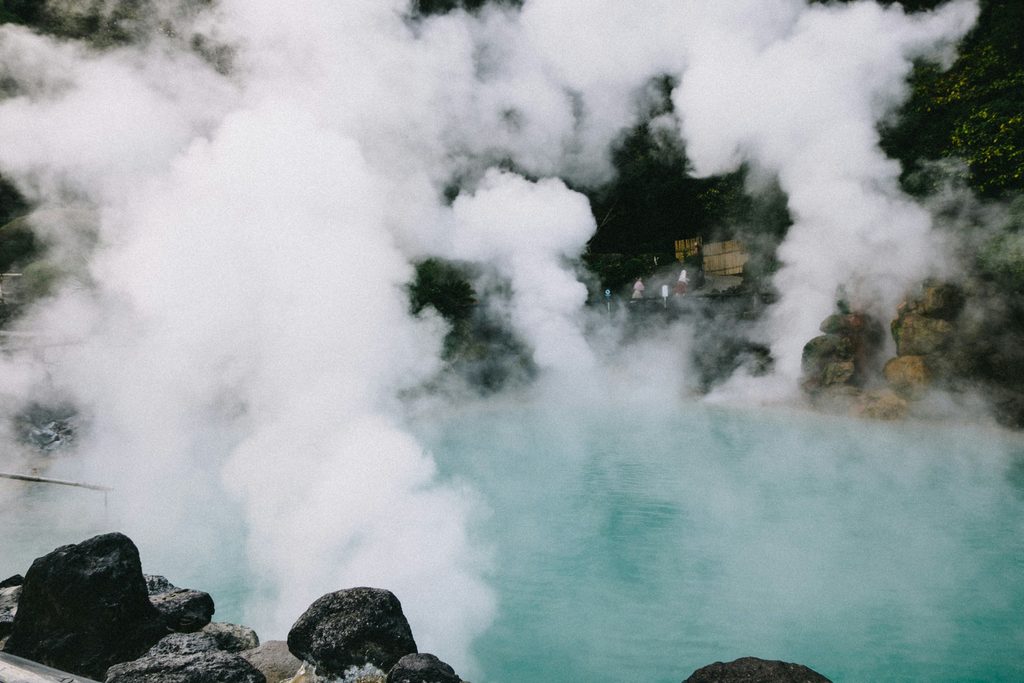
Water chemistry varies genuinely between them. Yumoto is a mild alkaline simple spring. Gora and the higher districts draw on sulphurous water piped from Owakudani, which is milky white and smells of it. Sengokuhara, Ashinoko, and the outer areas differ again.
Reading a ryokan’s spring analysis before booking — every Japanese onsen facility posts one — tells you what you are getting. It is the single most useful piece of research for a Hakone trip and almost nobody does it.
Not Only Bathing
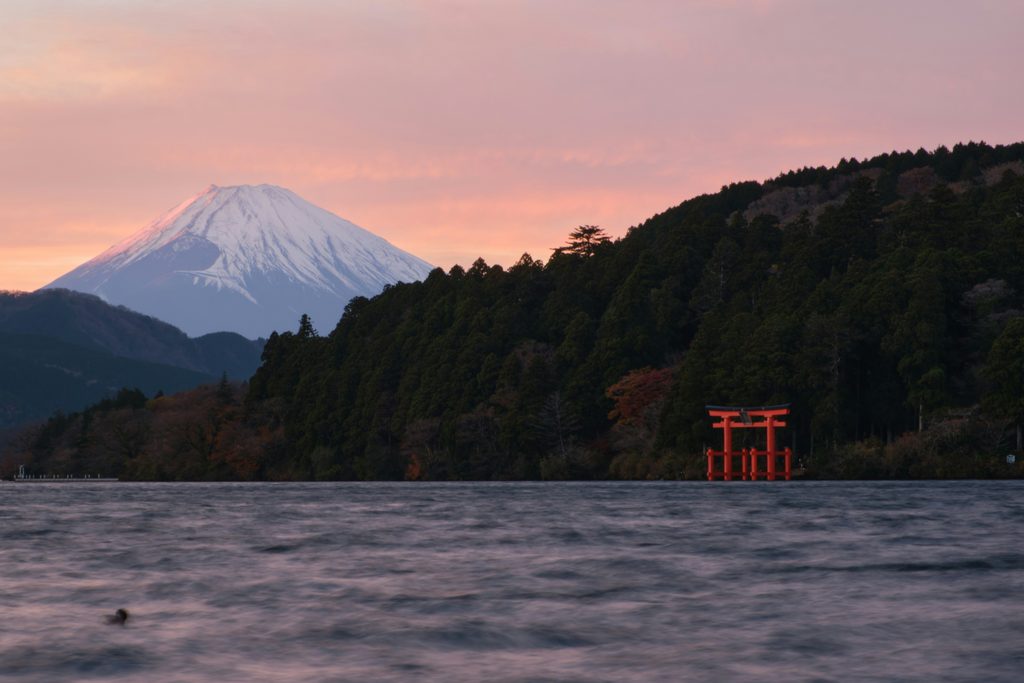
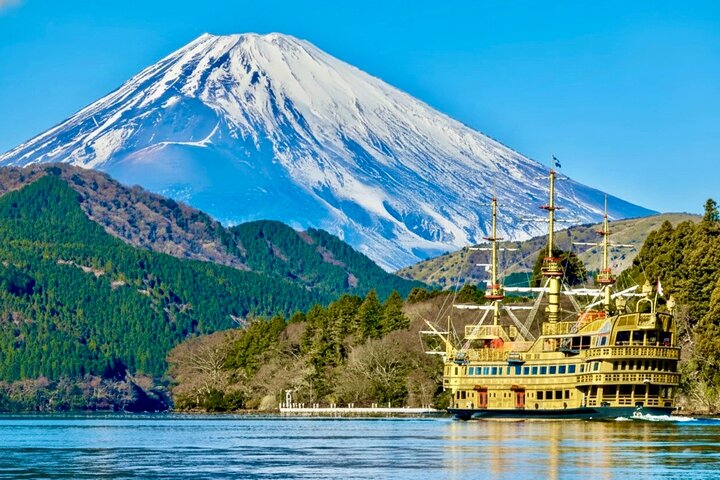
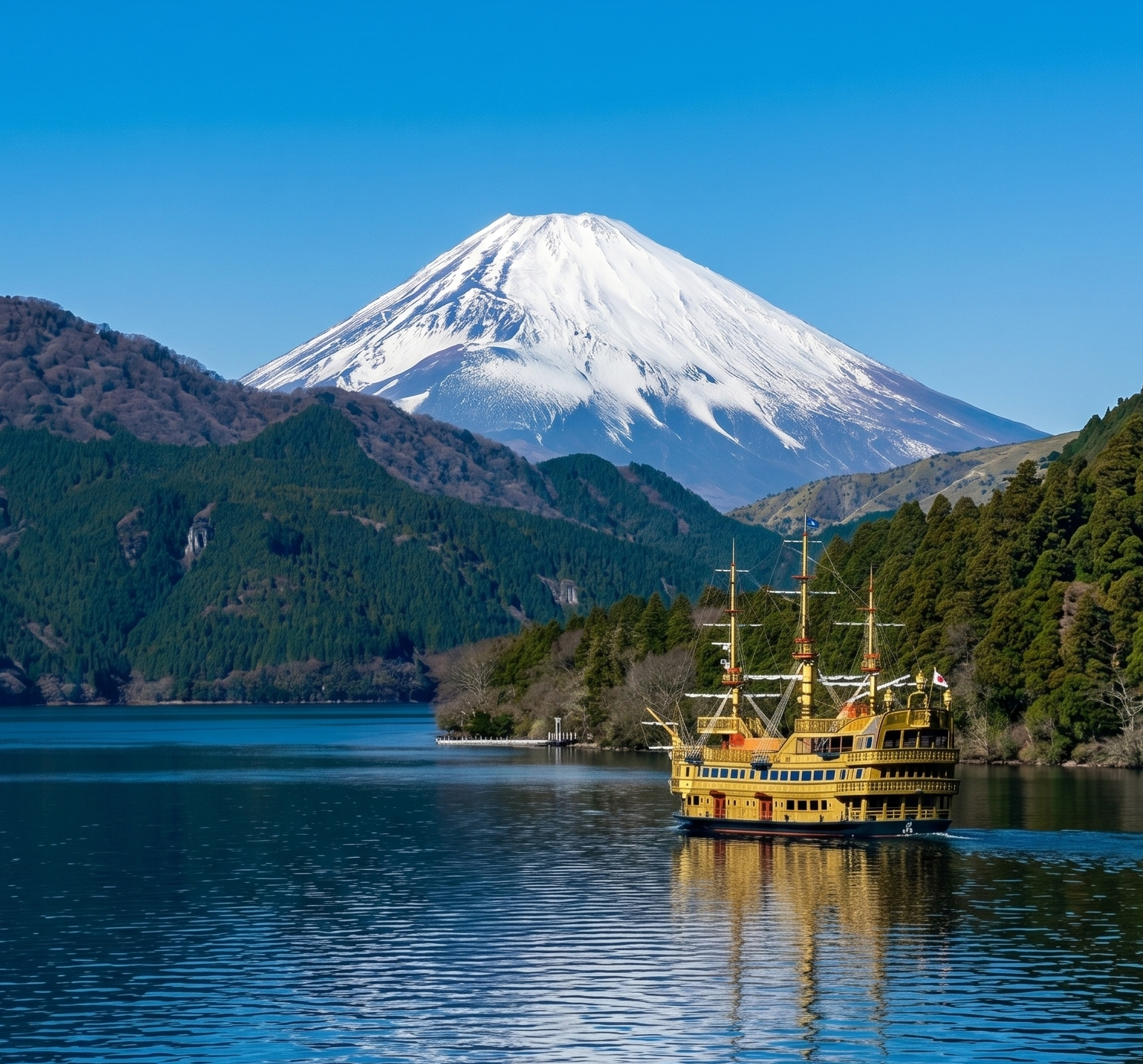
The Hakone Open-Air Museum, the Pola Museum of Art, the Hakone Shrine with its torii standing in the lake, the ropeway over Owakudani, and the pirate boats on Lake Ashi.
The Open-Air Museum in particular is world-class — a large sculpture park with a substantial Picasso collection and a footbath fed by hot spring water at the edge of it.
This is why Hakone sustains two or three nights while a pure onsen town might not.
Expert Tip
Use the luggage forwarding service at Hakone-Yumoto station rather than carrying bags around the loop. Hand your suitcase in on arrival, name your ryokan, and it is delivered by mid-afternoon. Hakone’s transport is a chain of small trains, funiculars, and gondolas with steps and tight turnstiles, and a large case turns the day into a logistics exercise. The service costs very little and is used by almost every Japanese visitor.
Day-Use Baths
You do not need to stay overnight to bathe well in Hakone. Three facilities cover most cases.
Hakone Yuryo
A short shuttle ride from Hakone-Yumoto, set in woodland, built in a traditional style with a large communal outdoor bath and a substantial number of private rental baths in individual garden huts.
The private baths are the reason to come. Booked by the hour, each in its own small enclosure, they are the easiest way for a couple, a family, or anyone uncomfortable with communal bathing to have a proper Japanese outdoor bath.
Reserve the private baths in advance at weekends. The communal side rarely needs booking.
Tenzan Tojikyo
The connoisseur’s choice: a series of stone and cedar pools stepped down a wooded valley, deliberately traditional, with no music, no plastic, and a very high standard of water management.
It is our preference among Hakone’s day baths for anyone who wants the bathing itself to be the experience. Also the least accommodating: it is genuinely a bathhouse rather than a leisure facility, and the atmosphere is quiet.
A free shuttle runs from Hakone-Yumoto.
Kowakien Yunessun
A different proposition entirely: a swimsuit water park with themed pools — wine, coffee, green tea, sake — alongside a separate traditional nude bathing zone.
It is aimed at families and it does that job well. Children can be in the water with you, which is not the case at a conventional onsen.
The themed pools are a gimmick and are enjoyed as one. Anyone looking for a serious onsen should go to Tenzan instead; anyone travelling with a seven-year-old should come here and not apologise for it.
Private Baths and Ryokan Rooms
Hakone is where a large proportion of visitors to Japan book their one expensive ryokan night, and the money goes to a specific thing.
What a Room With a Bath Buys
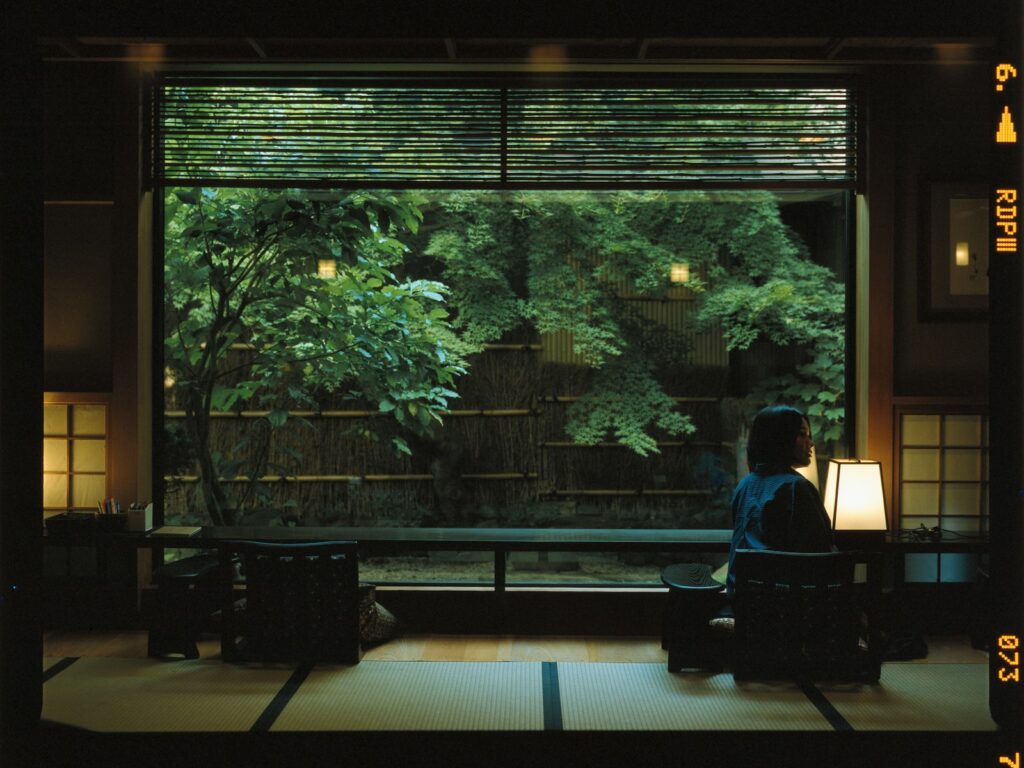
A guest room with its own open-air bath — rotenburo-tsuki kyakushitsu — means a private tub on your balcony or terrace, fed continuously from the same spring, available at any hour with nobody else in it.
The value is not luxury so much as freedom. You bathe at two in the morning, in the rain, in the snow, for ten minutes or an hour, without a schedule and without navigating communal etiquette.
For travelers with tattoos, with mobility issues, with religious or personal reasons for not bathing communally, or simply on a honeymoon, this converts Japanese bathing from something to negotiate into something to enjoy. It is the reason we recommend it as often as we do.
What It Costs
Substantially more than a standard room, and the range is wide. Hakone’s high-end ryokan sit among the most expensive accommodation in Japan.
Rates include dinner and breakfast, which is standard for ryokan and materially changes the comparison with a hotel — a multi-course kaiseki dinner is part of what you are paying for and is often the highlight.
Weekday nights outside peak seasons cost considerably less than Saturdays. Moving a booking by one day can change the rate by a third.
Kashikiri as the Cheaper Route
Many mid-range ryokan and hotels have private baths bookable by the hour for guests, without the in-room version.
This gets you the same privacy for a fraction of the cost. Ask about kashikiri when booking; it is not always advertised in English.
Where to Look
Gora and Sengokuhara hold the highest concentration of quiet forested ryokan with private baths. Yumoto is more convenient and more built up. The Lake Ashi side is quieter still and less well connected.
Book two to three months ahead for autumn colour in November, which is Hakone’s peak, and for any Saturday.
The Districts
Where you stay determines what your days look like more than in most destinations.
Hakone-Yumoto
The gateway. The train from Shinjuku terminates here, and the town is a river gorge lined with inns, souvenir shops, and food stalls.
Convenient, lively, and the most built-up part of Hakone. Good for a first visit, for a single night, and for anyone who wants to be able to walk to dinner.
The water here is a mild alkaline simple spring — pleasant and unremarkable. There are free and cheap public footbaths along the main street.
Gora
Halfway up the mountain, at the top of the Tozan railway and the bottom of the funicular. Quieter, greener, and the base for the Open-Air Museum, which is one stop away.
Much of the water in this district comes down from Owakudani and is milky and sulphurous — the most distinctive bathing in Hakone.
A good compromise between access and atmosphere, and where we most often suggest staying.
Miyanoshita
The historic resort district, and the home of the Fujiya Hotel — opened in 1878, Japan’s first Western-style resort hotel, and a building of genuine architectural interest with a guest list running from Charlie Chaplin to John Lennon.
Staying there is a specific experience rather than a modern luxury one. The public areas, the dining room, and the garden are worth seeing even if you are not a guest.
Sengokuhara and Lake Ashi
The far side of the caldera: a high plateau with a famous field of pampas grass that turns gold in autumn, several of Hakone’s best small ryokan, and the Pola Museum.
Quiet, spread out, and dependent on buses. The Lake Ashi shore around Moto-Hakone has the shrine, the old Tokaido cedar avenue, and the checkpoint museum.
This is where to stay on a second visit, or a longer one.
Expert Tip
Come midweek. Hakone is Tokyo’s weekend destination and the difference between a Tuesday and a Saturday is dramatic — in ryokan rates, in queues for the ropeway, and in whether the Open-Air Museum feels like a sculpture park or a station concourse. Autumn Saturdays in November are the single busiest combination in the calendar. A Monday to Wednesday trip in the same month is a different place.
The Freepass and Logistics
One ticket handles almost everything.
What the Freepass Covers
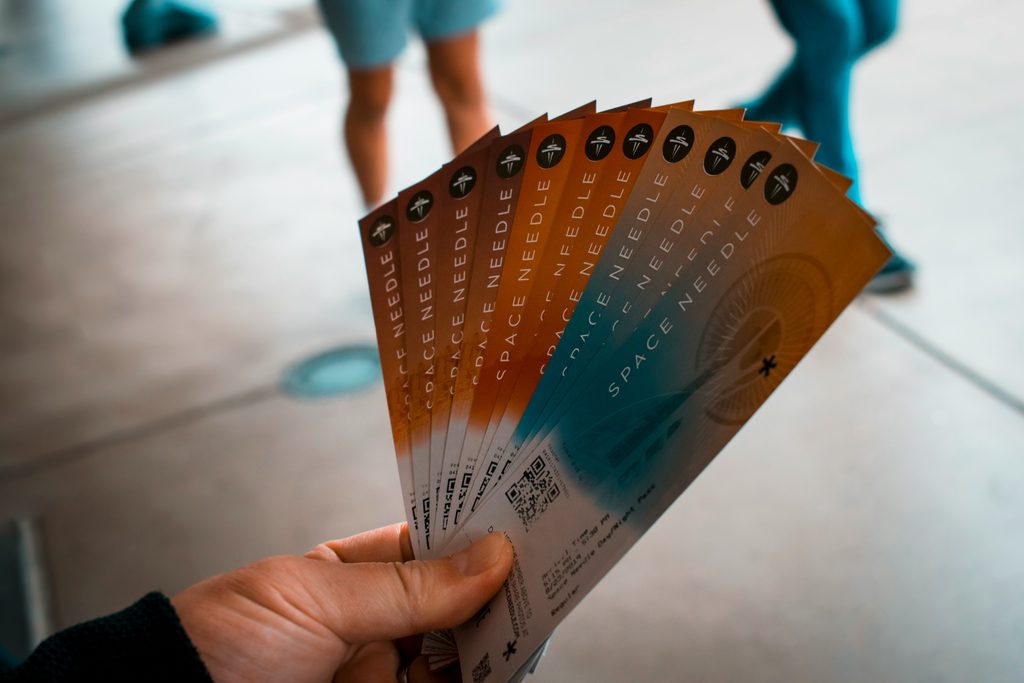
Odakyu’s Hakone Freepass gives unlimited use of the Hakone Tozan railway, the funicular, the ropeway, the Lake Ashi boats, and the local bus network for two or three consecutive days, with an option including the return journey from Shinjuku.
For anyone doing more than sitting in one hotel, it costs less than the individual fares. It also carries discounts at a long list of museums, attractions, and day-use baths, which are worth checking before you pay full price anywhere.
Buy it at Shinjuku before departure.
Getting Around
Hakone’s transport is a chain: train to Yumoto, mountain railway with switchbacks to Gora, funicular to Sounzan, ropeway to Togendai, boat across the lake, bus back. It works and it is slow.
Buses cover everything the rail chain does not, including Sengokuhara and Tenzan. They are frequent on main routes and infrequent elsewhere.
Check the last services. Everything in Hakone stops earlier than you expect, and the ropeway in particular closes before sunset in winter.
When Things Are Shut
The ropeway suspends in high wind and closes for volcanic activity and maintenance. Replacement buses run and are covered by the Freepass.
Have an indoor alternative in mind — the Open-Air Museum has an indoor Picasso pavilion, the Pola Museum is entirely indoors, and the day baths do not care about the weather.
Hakone Onsen: Frequently Asked Questions
Can I have a proper onsen experience without staying overnight?
Yes, comfortably. Hakone Yuryo, Tenzan Tojikyo, and a large number of ryokan offering day-use bathing all take visitors without a room booking, and several run free shuttles from Hakone-Yumoto station. A realistic day trip from Tokyo is: Romancecar out in the morning, the loop or a museum, a long bath in the afternoon, and back by evening. What you miss is the evening and the kaiseki dinner, which is a real loss but not a disqualifying one. Hakone is one of the few onsen destinations where the day trip genuinely works.
Are there tattoo-friendly options in Hakone?
Not uniformly, and the reliable answer is a private bath rather than a communal one. Policies at Hakone’s public and day-use facilities vary and change, and several communal baths do restrict visible tattoos. What does work in every case is kashikiri — a private rental bath booked by the hour, available at Hakone Yuryo in garden huts and at many ryokan and hotels — or a guest room with its own open-air bath. The swimsuit zone at Yunessun is also generally workable since swimwear is worn there. Confirm the specific facility’s current policy when you book rather than relying on an article.
Where should I stay for a Fuji view from the bath?
Honestly, manage this expectation: most Hakone baths have no Fuji view at all, because the caldera walls block it from the valley floors where the springs are. The properties that do have one are on the Lake Ashi and Sengokuhara side, at height, facing west, and they are a small and expensive minority. If a Fuji view from the tub is the priority, search specifically for that and expect to pay for it — and accept that the mountain is invisible on a large proportion of days regardless. For reliable Fuji views generally, the Fuji Five Lakes area on the far side of the mountain is the better destination, and Hakone’s strength is the water and the museums.
Related Tours
Conclusion
Decide where you are bathing before you book where you are sleeping. Hakone’s seventeen springs are genuinely different from each other, and the milky sulphur water above Gora is a completely different bath from the mild water at Yumoto twenty minutes down the hill.
Then book a midweek night with a private bath if the budget allows, or an hour of kashikiri if it does not. Bathing outdoors, alone, at eleven at night, in a caldera, is the thing people remember about Hakone — and it is available at a wide range of prices to anyone who asks for it specifically.
Plan Your Japan Trip with Local Experts
Our team has guided 40,000+ travelers across Japan. Tell us about your trip and we’ll get back to you within 24 hours.