In this article:
- The Kawaii Families: Decora, Fairy Kei, Lolita, and Gyaru
- Ura-Harajuku and the Streetwear Lineage
- Where to See Japanese Fashion Styles in Tokyo Today
- Japanese Fashion Styles: Frequently Asked Questions
Introduction
Most visitors arrive in Harajuku expecting a parade and find a shopping street. That gap is where any honest guide to Japanese fashion styles has to start.
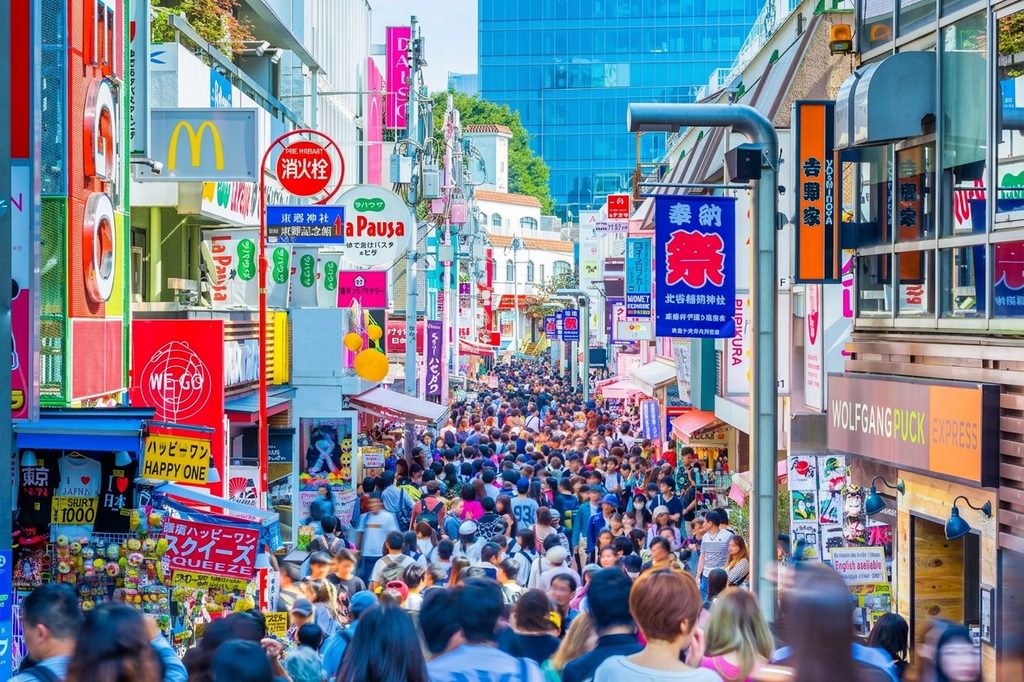
The styles are real, and some of them are thriving. However, they no longer gather in one place on a Sunday afternoon waiting to be photographed. Between 1977 and 1998, Omotesando was closed to cars on Sundays, and that pedestrian zone was the stage on which much of Harajuku’s reputation was built. When it ended, the scene dispersed into backstreets, specialist boutiques, and eventually online communities.
In practice, this means the traveler who knows what they are looking at sees far more than the one who does not. A woman in a knee-length petticoated dress on Takeshita Street is not in costume; she is wearing a style with rules, brands, and a thirty-year history. The man in a faded chore coat and selvedge denim outside a Cat Street shop is part of a lineage too. This guide is about learning to read both.
The Kawaii Families: Decora, Fairy Kei, Lolita, and Gyaru
Kawaii, meaning cute, is the word foreign coverage reaches for first, and it covers several styles that have little in common beyond a refusal to look ordinary.
We find it more useful to think of these as separate tribes. Each has its own logic, and the people who wear them tend to care a great deal about the distinctions.
Decora and Fairy Kei: More Is the Point
Decora takes accessorizing to its logical end. Dozens of plastic hair clips, stacked bracelets, layered socks, stickers on the face, and a color palette with no neutral in it. The point is accumulation. A decora outfit is not finished until there is nowhere left to put anything.
Fairy kei is softer. It borrows from 1980s American toys and cartoons, keeps to pastel pinks, lilacs, and mint, and favors oversized cardigans and tulle skirts. While decora is loud, fairy kei is nostalgic.
Both are rarer on the street than they were in the late 1990s and early 2000s. When you do see them, it is usually on a weekend around Takeshita Street and the side lanes off Meiji-dori.
Lolita: The Most Disciplined Style in Tokyo
Lolita has nothing to do with the novel, and anyone who wears it will tell you so. The silhouette borrows from Victorian and Rococo dress: a knee-length skirt held out by a petticoat, a blouse with a high or rounded collar, headdresses, and carefully matched shoes.
Within it are substyles. Sweet Lolita leans pink and confectionery. Gothic Lolita is black, lace, and crosses. Classic Lolita uses muted florals and wine colors and looks closest to period costume. There is also ouji, sometimes called kodona, a boyish version built on knee breeches and waistcoats.
Our view is that Lolita is the most rigorous of all the Japanese fashion styles. The garments are expensive, the coordination is precise, and wearers often plan an outfit around a single printed dress for weeks. Laforet Harajuku has long been the home of the major Lolita labels, and it is the place to see the style as its wearers intend it.
Gyaru and Visual Kei: Shibuya Glamour and Rock Theatre
Gyaru belongs to Shibuya rather than Harajuku. It emerged as a deliberately glamorous, slightly rebellious look: bleached or dyed hair, heavy eye makeup, tanned skin in its more extreme ganguro form, and an unapologetic interest in being noticed.
The building most associated with it is Shibuya 109, the cylindrical tower opposite Shibuya Station that opened in 1979. By the 1990s and early 2000s it had become the center of gyaru fashion. Gyaru today is smaller and more nostalgic, although the style has seen periodic revivals among younger fans.
Visual kei comes from music rather than retail. It grew out of the Japanese rock scene of the late 1980s, and its signature is theatrical androgyny: dramatic hair, heavy makeup, and a mix of goth, punk, and glam. You are more likely to see it outside a live house on a concert night than on a shopping street.
Expert Tip
If a specific style is the reason you are visiting Harajuku, go on a weekend afternoon rather than a weekday morning. Many people who dress in Lolita or decora do so for meetups, events, or shopping trips with friends, and those happen when school and work are out. On a Tuesday at 10am, Takeshita Street is mostly tourists.
Ura-Harajuku and the Streetwear Lineage
Ura-Harajuku, usually shortened to Urahara, means “back Harajuku.” It refers to the grid of narrow residential lanes behind the main avenues, and in the 1990s it became the most influential menswear neighborhood in the world.
This is the side of Japanese fashion that interests most of the travelers we guide. It is quieter, more collectible, and it explains why so many global streetwear brands look the way they do.
NOWHERE, BAPE, and Undercover: The 1993 Backstreet Story
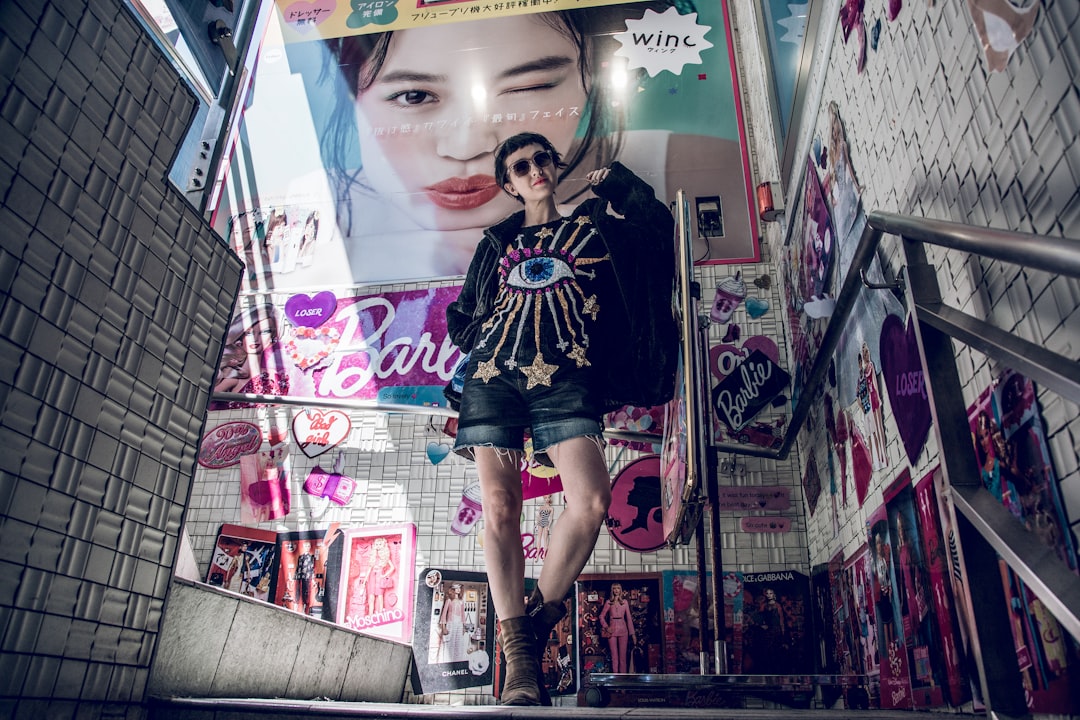
In April 1993, two graduates of Bunka Fashion College, Nigo and Jun Takahashi, opened a small shop in the Urahara backstreets called NOWHERE. Takahashi sold his own label, Undercover, on one side. Nigo sold imported American clothing on the other, and soon his own brand, A Bathing Ape.
Hiroshi Fujiwara, often described as the godfather of Harajuku, was a central influence on the scene around them. With little money and no retail experience, these shops produced goods in small, unpredictable quantities. That scarcity created queues, and the limited-release model that global streetwear brands now use as standard owes a lot to those Harajuku backstreets.
Undercover went on to show in Paris, and A Bathing Ape became an international brand. The lanes themselves, though, have kept a smaller scale. Walking them now, you still find single-room shops with no sign in English and a rack of twenty pieces.
Amekaji and Vintage: Americana Rebuilt in Japan
Amekaji, short for American casual, is Japan’s long-running obsession with American workwear, military surplus, and Ivy League dress. The Japanese version is more exacting than the original. Denim is woven on old shuttle looms, chore coats are reproduced to a specific decade, and fit is discussed in millimeters.
Vintage clothing is the other half of this story. Tokyo has one of the deepest secondhand clothing markets anywhere, and the serious shops grade American vintage with a care that surprises visitors from the United States.
For most of our guests, this is the style they end up buying. It is wearable at home, it is well made, and it does not require explaining.
Avant-Garde and Quiet Minimalism: Kawakubo, Yamamoto, and MUJI
Two very different strands complete the picture. The first is the avant-garde. When Rei Kawakubo of Comme des Garcons and Yohji Yamamoto showed in Paris in the early 1980s, their black, asymmetric, deliberately unfinished clothes challenged how Western fashion defined beauty. Their influence on Tokyo dressing is still visible in any Aoyama side street.
The second is minimalism: neutral colors, clean lines, natural fabrics. MUJI and UNIQLO carried this idea around the world, and it is the most common way people in Tokyo actually dress on a weekday. That said, the minimalism you see in Tokyo offices is less about brand and more about restraint.
Where to See Japanese Fashion Styles in Tokyo Today
Japanese street fashion is scattered across several neighborhoods, each with a different accent. Plan by style, not by landmark.
Takeshita Street and Laforet: The Loud End of Harajuku
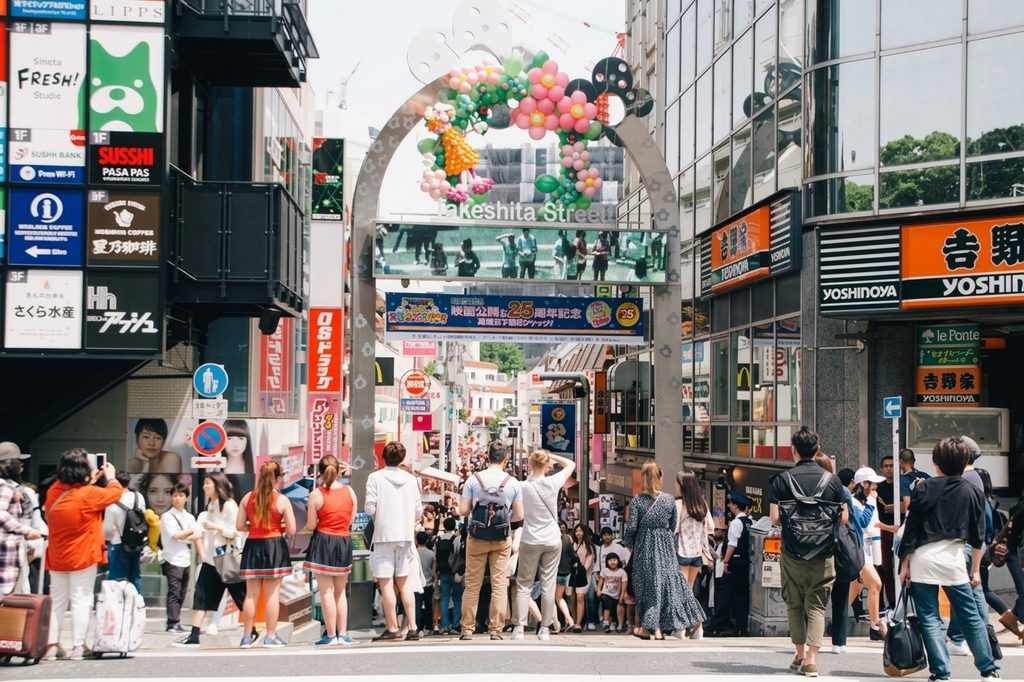
Takeshita Street runs from the exit of Harajuku Station down toward Meiji-dori. It is narrow, crowded, and heavily commercial, full of crepe stands, accessory shops, and costume-adjacent clothing aimed at teenagers and tourists.
Our honest assessment is that the street itself is less interesting than its reputation. Still, it is worth walking once, and the side streets branching off it are where you are more likely to see people dressed for themselves rather than for cameras. For a longer walk through the district, our guide to Harajuku from kawaii to Omotesando covers the route in detail.
Laforet Harajuku, at the corner of Meiji-dori and Omotesando, has been a fashion building since 1978. Its basement floors have long been home to Lolita and alternative labels. Check the current floor guide before you go, as tenants change.
The Backstreets and Cat Street: Where Urahara Still Lives
Cat Street is the pedestrian lane that runs south from Omotesando toward Shibuya along the course of a covered river. Its shops lean toward streetwear, sneakers, and Japanese casual labels.
The lanes east of Meiji-dori, between Omotesando and Harajuku Station, are the Urahara proper. There is no single street to aim for. Instead, walk the grid slowly and look into ground-floor and basement doorways.
This is also the part of Tokyo where a local guide changes the most. On our private Tokyo day tours, guests who say they are interested in streetwear usually spend a large part of the afternoon here, with a guide who knows which small shops are worth the stairs and which are not. The route is built around what you want to see, so a morning at Meiji Shrine and an afternoon in the Harajuku backstreets fits easily into one day.
Shibuya 109, Koenji, and Shimokitazawa
Shibuya 109 is the place to see what Japanese teenage girls are buying right now. It is less of a subculture landmark than it once was, although the building still tracks youth trends closely.
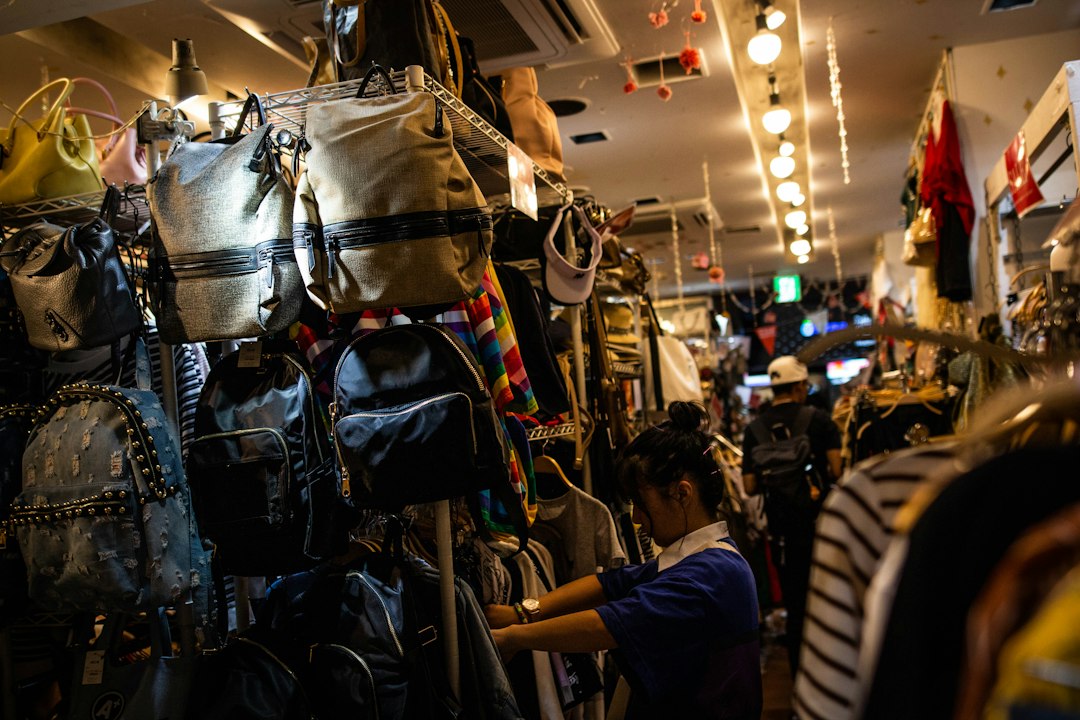
For vintage, go west. Koenji, a short ride from Shinjuku on the JR Chuo Line, has a dense cluster of secondhand shops, some punk, some American vintage, many run by one person. Shimokitazawa is larger and better known, with a mix of curated vintage and inexpensive used clothing.
We recommend Koenji over Shimokitazawa for anyone who already knows what they are looking for. It is scruffier, cheaper, and more likely to hold the piece nobody else has spotted.
Photographing Street Style Without Being That Tourist
The people you see in Lolita or decora are not performers. Ask before you take a photograph, and accept a no without argument. A smile, a gesture toward your camera, and a questioning look is enough if you speak no Japanese.
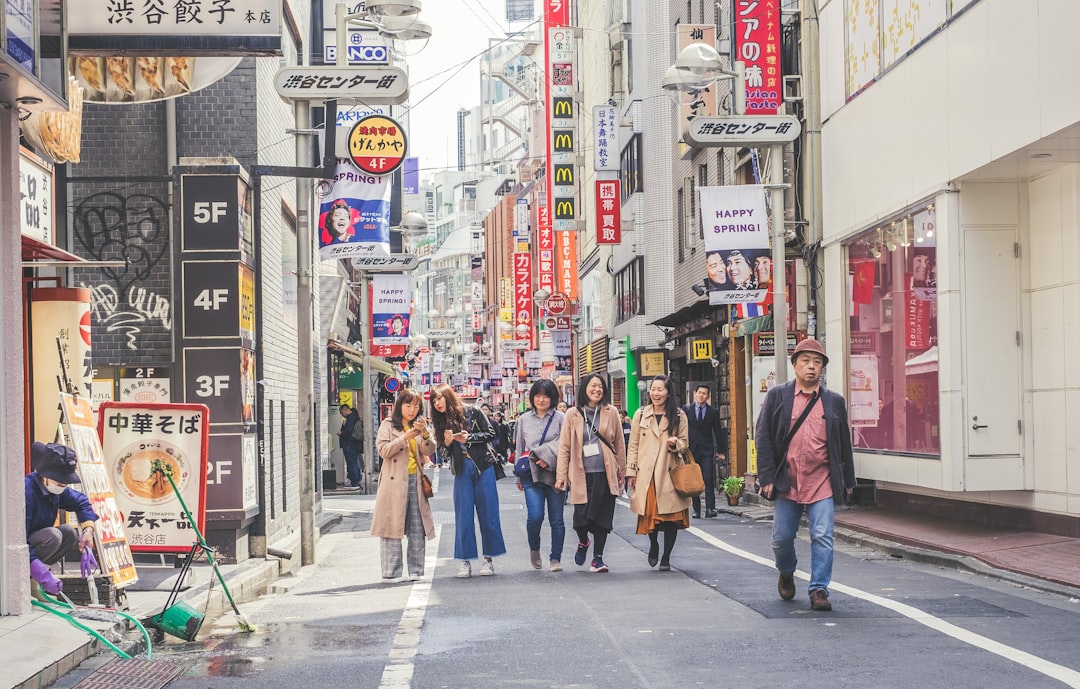
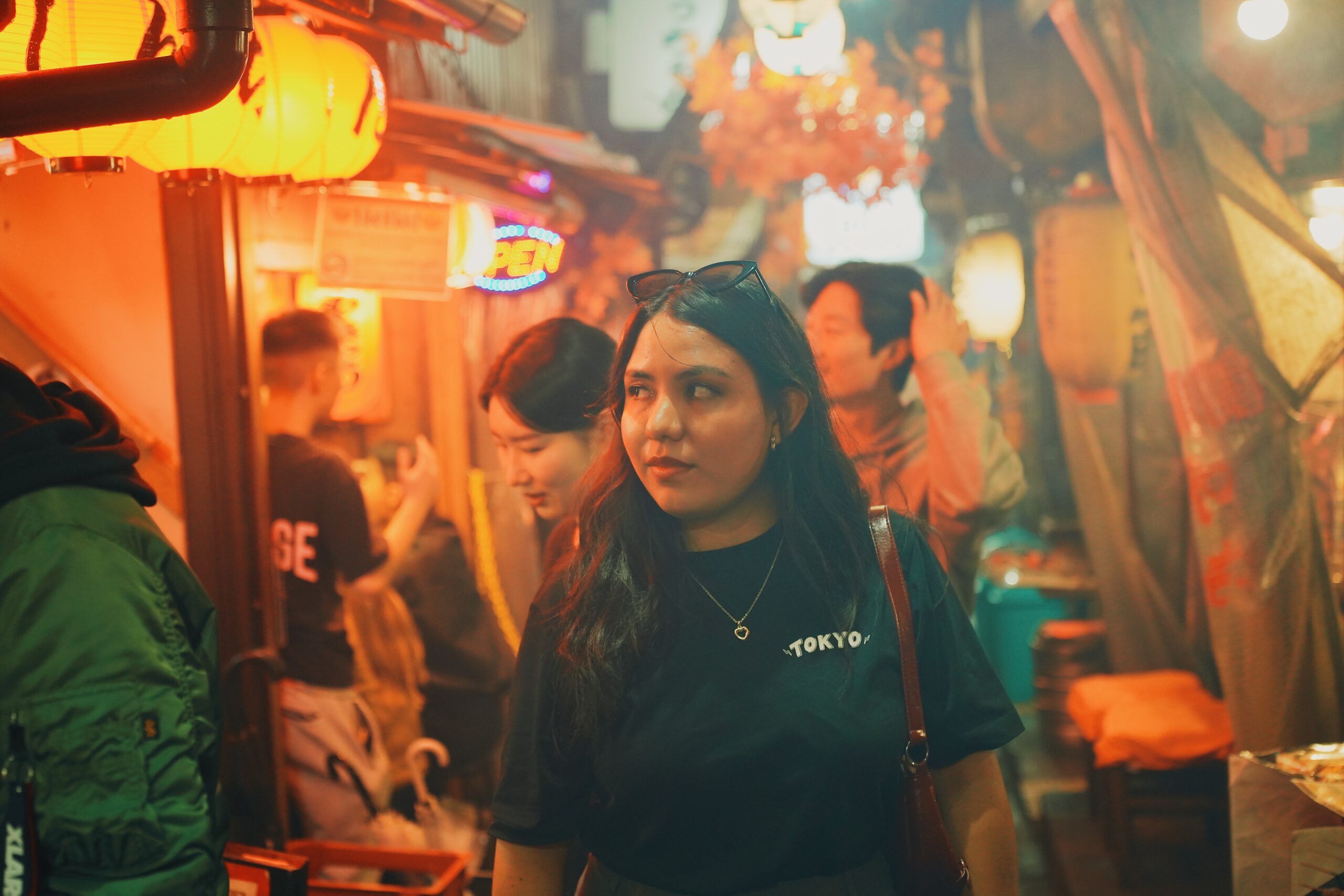
Most visitors never think to put themselves in the frame. On our Tokyo portrait tour, which starts on Shibuya Center Street and runs about ninety minutes through Shibuya and Shinjuku, the photographer’s advice is to wear what you want to be photographed in, and that strong colors photograph well on Tokyo streets. Guests who have spent a morning shopping in Harajuku often wear what they bought. For more on timing and angles, see our Tokyo photography guide.
Expert Tip
Bring your passport when you shop for clothing. Many larger Tokyo stores offer tax-free shopping for eligible visitors, and the process requires the passport itself, not a photo of it. The rules are being revised, so check the current procedure before your trip. Small vintage shops in Koenji usually do not offer tax-free sales, and many still prefer cash.
Japanese Fashion Styles: Frequently Asked Questions
Is Harajuku street fashion still alive?
Yes, although it looks different. FRUiTS, the magazine that documented Harajuku street style from 1997, published its final issue in 2017, and its founder, Shoichi Aoki, said there were no more cool kids to photograph. That was a statement about visibility more than existence. The styles moved into specialist communities, events, and social media, and they still appear in the backstreets on weekends. Streetwear in Urahara has, if anything, grown more influential internationally.
Can I wear Harajuku fashion as a tourist without it being disrespectful?
Generally, yes. These are street styles, not religious or ceremonial dress, and Tokyo shop staff are used to selling them to visitors. The more sensitive case is traditional dress, where the conventions are stricter. If you plan to wear a kimono or yukata, our kimono rental guide explains how to wear it correctly.
Where should I shop for Japanese streetwear rather than souvenirs?
Skip Takeshita Street for this and head to the Urahara backstreets and Cat Street for Japanese labels, then Koenji for vintage. Japanese sizing tends to run smaller than American and European sizing, so try things on rather than buying by the label. Sales staff will usually let you use the fitting room even when the shop is small.
Related Tours

Conclusion
Japanese fashion styles are easier to see once you stop looking for a spectacle. The parade ended in 1998. What replaced it is more scattered, more specialist, and in many ways more interesting: a Lolita meetup on a Saturday afternoon, a one-room shop in Urahara with twenty pieces on the rail, a vintage dealer in Koenji who can date a jacket by its stitching.
Our practical advice is to decide which tribe you are curious about before you go, then plan the neighborhood and the day of the week around it. Go to Harajuku on a weekend afternoon for kawaii and Lolita, walk the backstreets for streetwear, and give Koenji a morning if vintage is the goal. Leave room in your bag.
Plan Your Japan Trip with Local Experts
Our team has guided 40,000+ travelers across Japan. Tell us about your trip and we’ll get back to you within 24 hours.