In this article:
- Drugstore Brands
- Prestige Brands
- Mascara, Lashes, and Liner
- Base and Lips
- Where to Shop and Tax-Free
- Japanese Makeup Brands: Frequently Asked Questions
Introduction
The eyelash curler on the counter at Shu Uemura costs about two thousand yen and has been essentially unchanged since the 1960s, and professional makeup artists in every market in the world buy it.
That is the shape of Japanese cosmetics. Enormous engineering effort applied to a narrow problem, sold without much drama, at a price that does not reflect the development behind it.
The drugstore tier is where this is most obvious. A Canmake cream blush costs under a thousand yen and outperforms products at five times the price, and the reason is that the Japanese market is competitive enough at that price point to force it.
Drugstore Brands
The prestige tier is excellent. The drugstore tier is the reason to shop here rather than at home.
Canmake
The cult brand, priced between about ¥600 and ¥1,200, with packaging aimed squarely at teenagers and formulations that adults keep buying anyway.
The Cream Cheek blushes are the item — a soft cream-to-powder texture in a small pot that blends invisibly and lasts. The Marshmallow Finish powder and the Perfect Multi Eyes palettes are the other two things people restock.
If you buy one Japanese cosmetic, make it a Cream Cheek.
Kate
Kanebo’s drugstore line, darker and more graphic in aesthetic, and technically the strongest of the affordable brands.
The Lip Monster lipsticks are the phenomenon — a moisturising formula with genuine staying power in a shade range built around muted, slightly odd colours, and they have been repeatedly sold out since launch.
Kate’s eyeliners and eyebrow products are also excellent and often overlooked next to the lipsticks.
Cezanne
The cheapest of the three and the one Japanese consumers rate highest for value, with much of the range under ¥800.
The highlighters, UV bases, and natural blushes are the strong categories. Packaging is plain and the formulations are not.
Excel and Visée
A step up in price and finish. Excel’s Skinny Rich Shadow quads and Real Close Shadow palettes are among the best eyeshadow at any price in Japan, with a soft neutral palette philosophy that is characteristically Japanese.
Visée sits in similar territory. Both are drugstore-shelf brands with prestige-level pigment.
Expert Tip
Check the @cosme rankings before you go shopping. @cosme is Japan’s largest cosmetics review platform, its awards are voted by ordinary consumers rather than editors, and the ranking boards are physically printed and displayed in the shops. Photographing the top-ten board in a drugstore and buying from it is a more reliable strategy than any list in an article, because it reflects what is actually working in the current season.
Prestige Brands
Department store floors, and where Japan’s technical reputation was built.
Shiseido
Founded in 1872 and the anchor of the whole industry. The global line is sold everywhere, but the Japan-only sub-brands and the domestic formulations are the reason to buy here.
The cleansing oils are the standout category and Japanese cleansing oil as a format — used before a foam cleanser, in the double-cleanse method — is a genuine national contribution to skincare.
Elixir, Clé de Peau Beauté, and the Shiseido Ginza flagship all sit in this family.
Shu Uemura
The eyelash curler is the item, and it is the best in the world by a consensus that includes people who do not otherwise care about Japanese cosmetics.
The cleansing oils and the hard-formula eyebrow pencils are the other two things worth carrying home.
SUQQU and Cosme Decorté
SUQQU, owned by Kanebo, makes eyeshadow palettes that are widely considered among the finest anywhere — silky, subtly complex, and expensive. The seasonal quads sell out.
Cosme Decorté, from Kose, is the other prestige name, known for its powders and its glowing base products.
Both are department store brands with counters at Isetan Shinjuku, Mitsukoshi, and Hankyu in Osaka.
THREE and Addiction
The modern, design-led end: THREE for botanical formulations and a restrained aesthetic, Addiction for an unusually large shade range across lips and eyes.
Addiction is notable for having a broader colour offering than most Japanese brands, which is relevant to the shade-range question below.
Mascara, Lashes, and Liner
The category where Japanese products are hardest to replace once you have used them.
Heroine Make
Isehan’s Kiss Me Heroine Make Long and Curl mascara is the reference product for waterproof mascara that survives Japanese summer humidity, swimming, and crying.
It genuinely does not smudge. It also genuinely does not come off without an oil cleanser, which is the trade and is why Japanese double cleansing exists.
Around ¥1,200 in any drugstore.
Dejavu
The Fiberwig line uses a fibre film formula that slides off in warm water in tubes rather than requiring remover, which is the opposite proposition to Heroine Make and suits people who dislike heavy cleansing.
Dejavu’s Lasting Fine eyeliner pencil is separately famous and is one of the best-selling eye products in Japan.
Curlers and Lashes
Shu Uemura for the curler. Koji for the more affordable one, which is also excellent.
Koji’s Dolly Wink false lashes, developed with a model and now a long-running line, are the standard for natural-looking Japanese false lashes.
Replacement rubber pads for curlers cost almost nothing and are worth buying several of, since they are hard to find outside Japan.
Eyebrows
Kate, Excel, and Shu Uemura all make excellent brow products, and Japanese brow philosophy — soft, straight, low-arch — is expressed in the pencil shapes and the powder shades.
If you want the sharper Western brow, the shade range will suit you and the shapes may not.
Base and Lips
Where Japanese formulation philosophy diverges most from Western products.
Skincare-Makeup Hybrids
Japanese base products routinely carry high sun protection and skincare actives, because daily sun protection is a mainstream habit here rather than a summer one.
Expect SPF 50 and PA++++ on ordinary foundations, primers, and CC creams. This is a real advantage and one of the better arguments for buying base products in Japan.
SANA Nameraka Honpo, built on soy isoflavones, is the classic cheap example — CC creams and concealers under ¥1,000 that perform sensibly.
Sunscreen
Worth a paragraph of its own, because Japanese sunscreens are the best mass-market sunscreens in the world and cost around ¥800.
Biore UV Aqua Rich, Anessa, Allie, and Skin Aqua are the names. The textures are light, they do not leave a white cast, and they are pleasant enough to wear daily, which is the entire point.
Buy several. This is the single highest-value purchase in a Japanese drugstore.
Lip Tints
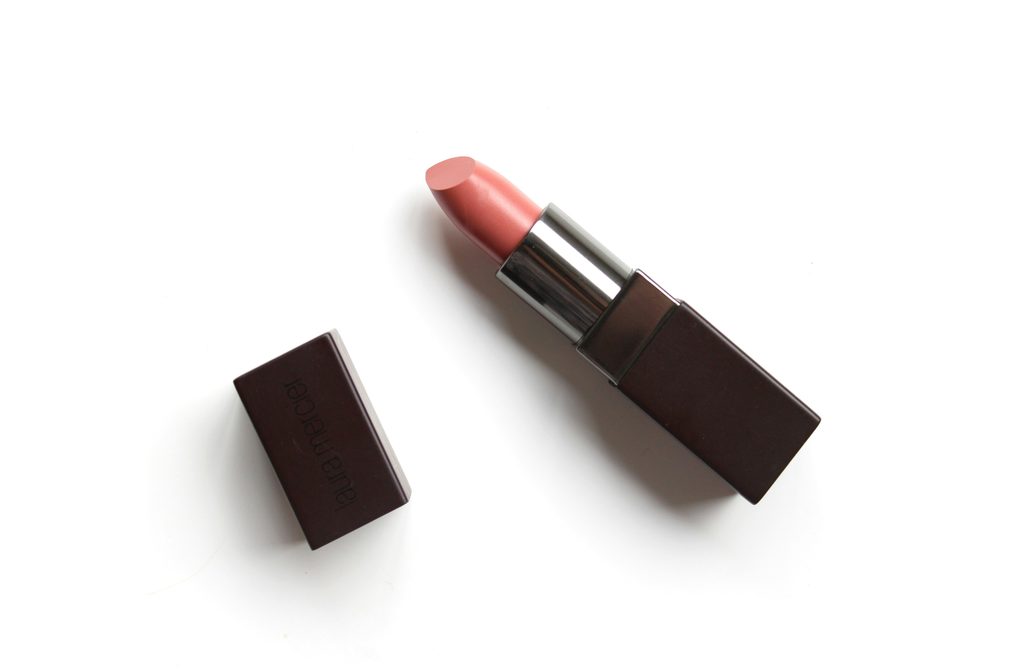
Opera Lip Tint Oil is the best-selling lip product in Japan and has been for years — a sheer oil-based tint that leaves colour behind as the oil wears off.
It is around ¥1,700, comes in a small range of well-judged shades, and is the single most-gifted Japanese cosmetic.
Kate’s Lip Monster occupies the opposite end: full coverage, long wear, unusual shades.
Expert Tip
Japan’s tax-free system for visitors is scheduled to change to a refund-at-departure model, so check the current rules before planning a large purchase. Under the long-standing arrangement, purchases over ¥5,000 at a registered shop are exempt from consumption tax on presentation of a passport, with consumables sealed in a bag that must not be opened before you leave the country. Whichever system is running when you travel, carry your physical passport when shopping — a photograph is not accepted anywhere.
Where to Shop and Tax-Free
Four types of shop, for different purposes.
@cosme Store
The retail arm of the review platform, with a large flagship in Harajuku and branches elsewhere. It stocks across price tiers, from ¥500 drugstore items to prestige brands, arranged partly by ranking.
This is the single best shop in Japan for a visitor who wants to browse everything at once. Testers are available, staff are knowledgeable, and the ranking displays tell you what is actually selling.
Start here, then buy in bulk elsewhere.
Loft and Plaza
Lifestyle stores with strong beauty floors, carrying trend brands, indie labels, and Korean imports alongside Japanese ones.
Loft in particular curates well and is where you will find newer brands that have not reached the drugstores.
Drugstores
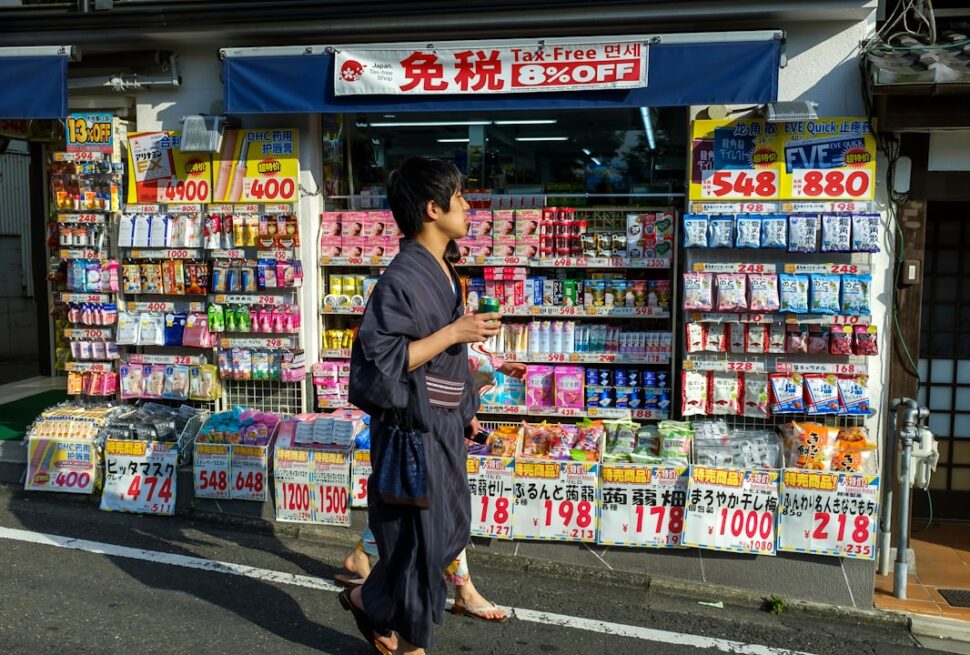
Matsumoto Kiyoshi, Sundrug, Welcia, Tsuruha, Cocokara Fine. These are where the drugstore brands are cheapest and where you should do the bulk buying.
Prices vary between chains and between branches for the same product, sometimes by twenty percent. If you are buying a lot, compare two shops.
Don Quijote stocks cosmetics alongside everything else, open very late, and is chaotic but comprehensive.
Department Stores
Isetan Shinjuku’s cosmetics floor is the most complete in Japan, and Mitsukoshi Ginza, Hankyu Umeda, and Takashimaya are all substantial.
Service is at a level that visitors find startling. Counter staff will do a full consultation and a colour match without expectation of a sale.
Japanese Makeup Brands: Frequently Asked Questions
Which Japanese mascara is the best?
For waterproof staying power and curl retention, Kiss Me Heroine Make Long and Curl is the consensus answer and has been for over a decade — it survives humidity, swimming, and a long day without smudging. The trade-off is that it requires an oil cleanser to remove. If you want something that comes off in warm water, Dejavu Fiberwig uses a fibre-tube formula that slides off without rubbing. Both cost around ¥1,200 to ¥1,600 in any drugstore. Which is better depends entirely on whether you object more to smudging or to cleansing.
Are shade ranges inclusive for deeper skin tones?
Honestly, mostly not. Japanese base makeup ranges are historically narrow and weighted toward light-to-medium tones with pink and yellow undertones, and a great many drugstore foundations offer three or four shades in total. This is improving and some brands — Addiction notably, and Shiseido’s global lines — carry substantially wider ranges. But a visitor with deep skin should expect to find little at the drugstore tier and should shop at department store counters or at the international brands stocked alongside Japanese ones. Colour cosmetics, skincare, and sunscreen are a different matter and are worth buying regardless.
How do I find what is currently ranked highest?
The @cosme website and app publish live rankings by category, voted by users, and the annual Best Cosme Awards are announced in December and January. In physical shops, @cosme Store and many drugstores display printed ranking boards on the shelves, updated regularly, with the top items flagged. Photographing that board and buying from it is the most efficient thing a visitor can do — it reflects the current Japanese market rather than an article written two years ago, and the top-ranked items are almost always in stock in front of you.
Related Tours
Conclusion
Do the browsing at @cosme Store in Harajuku and the buying at a drugstore two streets away. The first tells you what is good and lets you test it; the second sells you the same thing for less.
And whatever else goes in the case, buy the sunscreen. Japanese UV products are generally better and cheaper than those sold in Europe or North America. In fact, few other beauty categories offer the same combination of quality and value. Every traveler we have recommended them to has later asked us how to order more.
Plan Your Japan Trip with Local Experts
Our team has guided 40,000+ travelers across Japan. Tell us about your trip and we’ll get back to you within 24 hours.