In this article:
- What Shibuya 109 Is, and Why It Still Matters
- Inside the Building: How to Move Through Ten Floors
- Shopping Practicalities: Tax-Free, Payment, and Timing
- Walking Shibuya From 109
- Shibuya 109: Frequently Asked Questions
Introduction
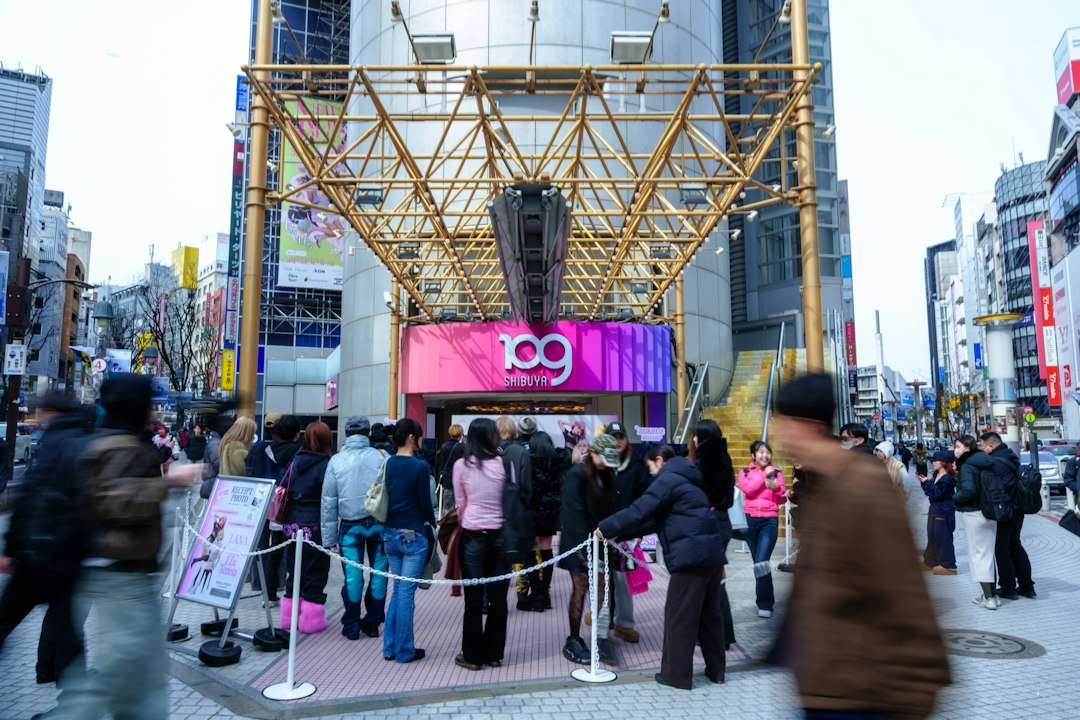
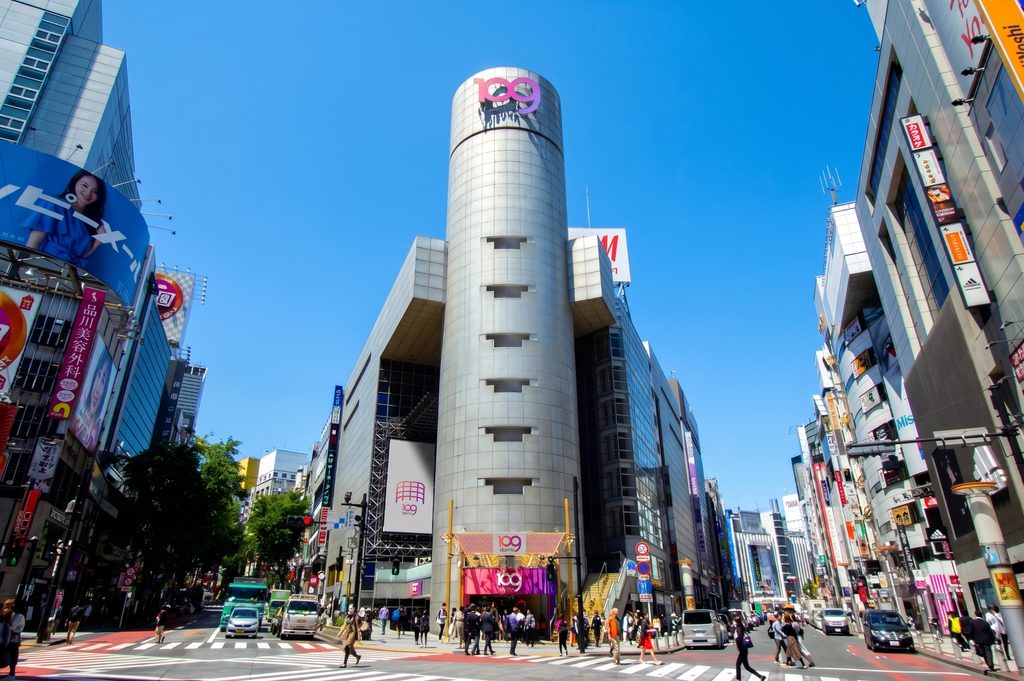
Stand on the station side of the Scramble Crossing and look straight ahead. The silver tower splitting the street in two is Shibuya 109, and it has been the visual anchor of this junction for more than four decades.
Inside, it is a vertical market for young Japanese fashion: around 120 shops across ten floors, most of them small, loud, and changing stock every few weeks. The customers are largely teenagers and women in their early twenties. The music is fast. Staff call out greetings from every doorway.
Our guests tend to fall into two camps. Some want to buy, usually for a daughter or niece who has asked for something specific. Others want to understand why a shopping mall became a cultural landmark. The building serves both, as long as you go in with a plan, and the streets around it are where the visit becomes a proper afternoon.
What Shibuya 109 Is, and Why It Still Matters
Shibuya 109 is less a department store than a stack of independent boutiques under one roof. That structure is the reason it has stayed relevant while larger, grander stores have struggled.
A Cylinder at the Fork of Dogenzaka
The building opened in April 1979, designed by the architect Minoru Takeyama. It sits on the wedge of land where Dogenzaka and Bunkamura-dori part ways, which is why the cylindrical tower faces the crossing so directly.
The name is a pun. In Japanese, ten can be read “to” and nine “kyu”, so 109 spells Tokyu, the railway and retail group that owns it. It is pronounced “ichi-maru-kyu” in Japanese, though nobody will blink if you say “one-oh-nine”.
From Gyaru Headquarters to Today’s Trend Lab
In the late 1990s and 2000s, 109 became the home of gyaru fashion: bleached hair, deep tans, heavy eye makeup, platform boots. Shop staff were celebrities in their own right, and what sold here on Saturday appeared across Japan within weeks.
That era has passed, and the building has moved with its customers. Today the mix leans toward Korean-influenced styling, character collaborations, and pop-up shops that run for a week or two. The pace of turnover is the point. If you visited ten years ago, very little will look the same.
Who It Is Really For
We are direct with guests about this. If you are shopping for yourself and you are past your mid-twenties, the clothes on most floors were not designed with you in mind, and the sizing runs small.
That said, it is one of the clearest windows into how Tokyo teenagers spend their money and their Saturdays. Thirty minutes walking the floors tells you more about contemporary Japanese youth culture than most museums will. Treat it as fieldwork, and it becomes an interesting half hour.
Inside the Building: How to Move Through Ten Floors
The building runs from B2 to 8F, and the floors are not equal. A first visit works best if you take the escalator to the top and walk down, stopping only where something catches your eye.
B2: Sweets, Plaza, and the Purikura Corner
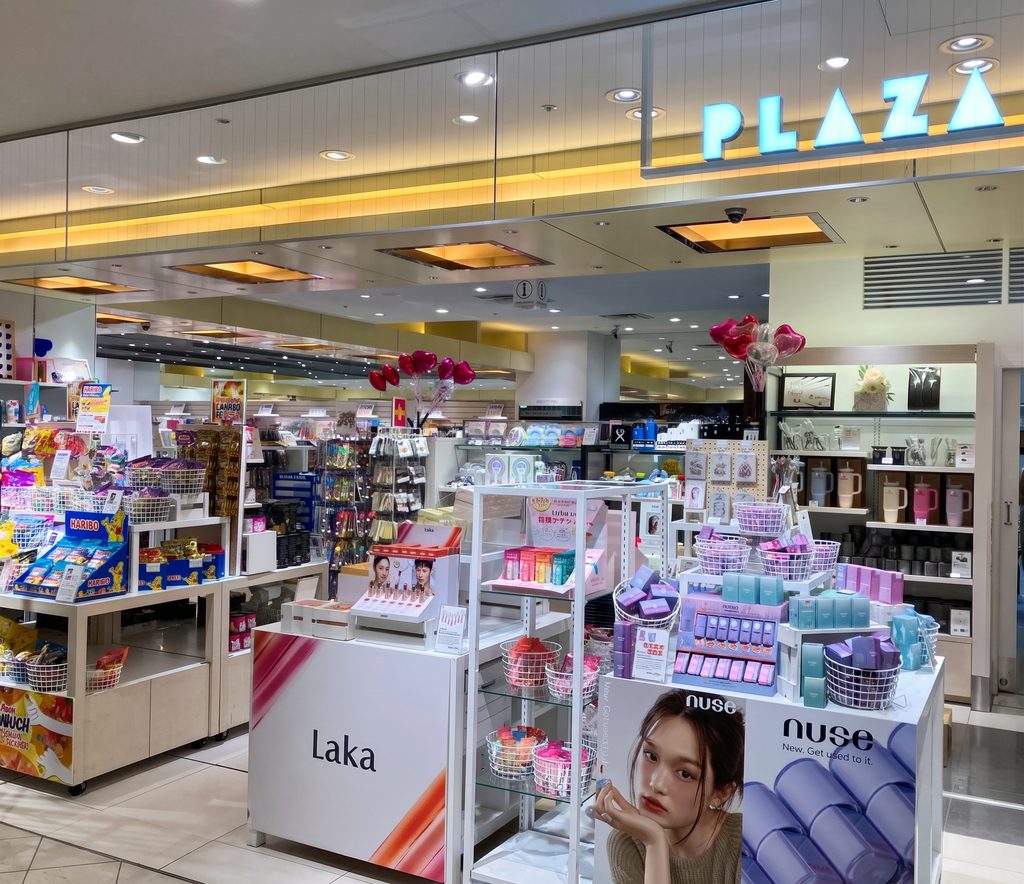
The lowest level is the most fun for visitors who are not shopping for clothes. It holds crepe and ice cream counters, a branch of the lifestyle store PLAZA, and girls mignon, a purikura photo-booth studio.
Purikura are sticker photo booths that smooth skin, enlarge eyes, and let you decorate the result with stamps and handwriting. Groups of school friends queue for them after class. Many purikura corners in Japan do not allow men to enter unless they are with a woman, so couples and mixed groups will have an easier time than men visiting alone.
B1 to 4F: Cosmetics and the Core Fashion Floors
The lower floors carry most of the cosmetics, accessories, and the brands that defined the building’s reputation. B1 is also where the tax-free counter sits, which matters if you are spending more than a few thousand yen.
These floors are the most crowded. Shops are compact, rails are packed, and staff will greet you the moment you step in. Nobody expects you to reply. A small nod is enough.
5F to 8F: Streetwear and Services
The upper floors loosen up. You will find WEGO, SPINNS, and Dr. Martens on 7F, with a more casual, street-leaning feel than the floors below. The top level is smaller and changes often, with accessory and cosmetics shops aimed at the same young crowd.
For visitors with limited time, 7F is where we would start. The clothes are easier to wear outside Tokyo, and the prices suit an impulse purchase.
Expert Tip
Go up by escalator and come down by stairs or elevator only when you want to skip a floor. The escalators deliver you into the middle of each level, so you see the whole floor without trying. Walking down from 8F to B2 in one pass takes about forty minutes at a browsing pace, which is the right length for most visits.
Shopping Practicalities: Tax-Free, Payment, and Timing
The practical questions at 109 are about tax, crowds, and fitting rooms. Each has a simple answer.
The November 2026 Tax-Free Change
From 1 November 2026, Japan’s tax-free system for visitors switched to a refund model. You now pay the full price, including consumption tax, at the till. The tax comes back to you after you leave the shop, once your purchases have been confirmed by customs at your departure airport.
Shibuya 109 runs a PIE VAT Station on B1, near the elevator hall, open 10:00 to 21:00. Bring your passport, keep every receipt, and follow the staff’s instructions on how the refund will be paid. The minimum spend to qualify is ¥5,000 on eligible goods.
For the full mechanics, including what customs will ask at the airport, read our guide to how Japan’s tax-free system works. In our view, the rule change makes one habit more important than ever: pack your purchases where you can show them at the airport rather than burying them in checked luggage.
Hours, Crowds, and the Best Time to Go
Shops open from 10:00 to 21:00, though hours vary by store and facility. The building closes only on New Year’s Day. It is a three-minute walk from the Hachiko Exit of JR Shibuya Station.
Weekday mornings are calm. After school finishes, and all day on weekends and holidays, the lower floors become slow-moving. If you want to look rather than queue, arrive at opening on a weekday and you will have most floors to yourself for an hour.
Sizing, Fitting Rooms, and Shop Etiquette
Many items are sold in a single “free size” cut for a slim frame. Ask before you try something on, and expect staff to offer you a fitting room only for certain items.
Two habits are widely expected in Japanese fitting rooms. You take your shoes off before stepping onto the raised floor, and when trying on tops you use the thin face cover provided so makeup does not mark the fabric. Staff will hand you one if needed. Following both earns quiet goodwill.
Walking Shibuya From 109
Most visitors leave 109 and walk straight back to the station. That is a mistake. The building sits at the point where several of Shibuya’s most interesting streets begin, and a short loop on foot turns a shopping stop into the best part of the day.
MAGNET by SHIBUYA109 and the Crossing View
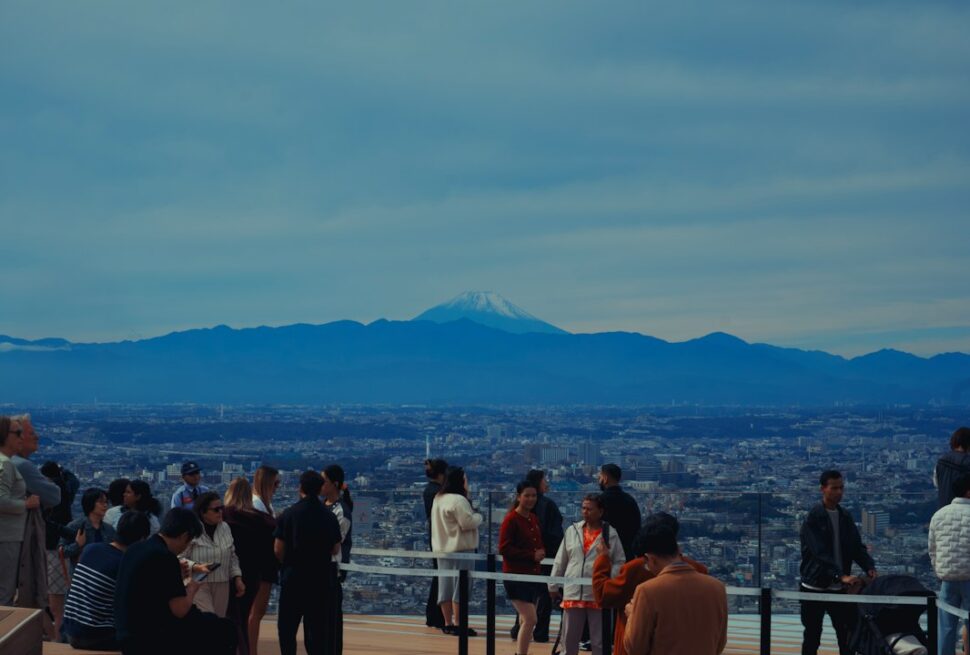
On the corner of the crossing itself stands MAGNET by SHIBUYA109, the sister building that was 109MEN’S until its renaming in 2018. Its rooftop observation lounge, Crossing View, looks almost straight down onto the Scramble Crossing.
Admission is ¥1,800 including one drink, card payment only, from 10:00 to 22:00 with last entry at 21:30. It is lower than the paid deck at Shibuya Sky, and that is its advantage: you watch the crowd at the lights from close enough to pick out umbrellas and shopping bags, rather than as a pattern from far above.
Center-gai and the Lanes Behind It
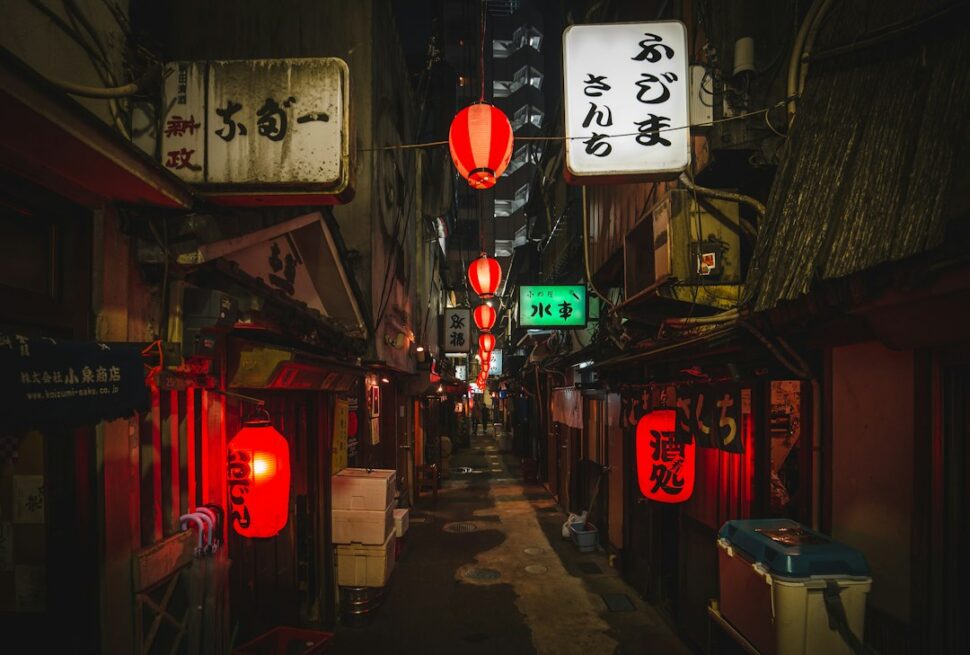
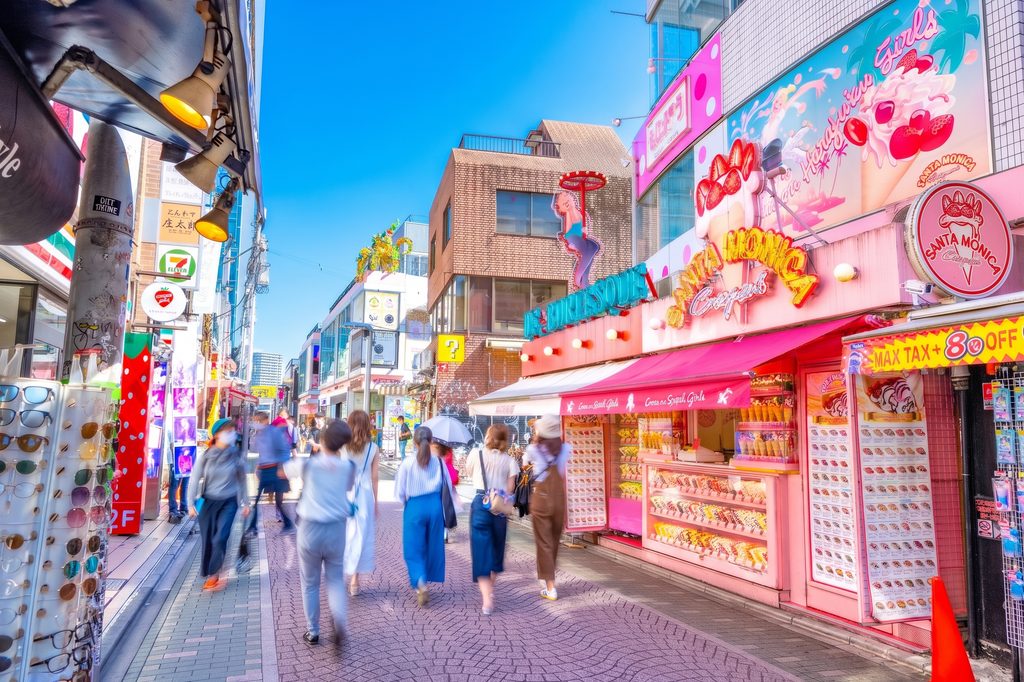
Center-gai runs off the far side of the crossing, a two-minute walk from 109, and is the Shibuya you have seen in films: neon, game centres, chain restaurants, loud music. Walk it once. Then turn into the narrow lanes on either side, where bars hold a dozen people and the owner does the pouring.
This is where our Shibuya bar crawl ends its evening. It meets at the Mizuho Bank branch near the station, starts at an izakaya near Shibuya Scramble Square, moves to a bar on the Miyashita Park rooftop, and finishes at a small counter behind Center-gai. Most of these places take cash only, so carry some even if you paid for everything at 109 by card.
North to Miyashita Park and Harajuku
Miyashita Park is a long rooftop park built above shops and a hotel, a ten-minute walk north of 109. Its upper level is green, open, and much quieter than the crossing, a good place to sit after an hour of escalators.
From its northern end you can keep walking toward Cat Street and Harajuku, where the shopping shifts from teen trends to independent labels and flagship stores. Our guide to things to do in Shibuya covers the wider neighbourhood. On private days in Tokyo, we often pair Shibuya with Meiji Shrine for exactly this reason: the forest approach to the shrine resets the senses after the noise around 109.
Expert Tip
Do your shopping at 109 in the late afternoon, then step outside just as the light goes. Shibuya changes character at dusk: the screens around the crossing take over, the office crowd arrives, and the lanes behind Center-gai start filling. Leaving 109 at around 18:00 puts you on the street at the moment the neighbourhood is most worth walking.
Shibuya 109: Frequently Asked Questions
What are Shibuya 109’s opening hours?
Shops are open from 10:00 to 21:00, with some variation by store and facility. The building is open every day of the year except 1 January. Weekday mornings are the quietest time to visit, and weekend afternoons the busiest.
Can I shop tax-free at Shibuya 109?
Yes. Since 1 November 2026, you pay the full tax-inclusive price in the shop and receive the tax back after customs confirms your purchases at your departure airport. The PIE VAT Station on B1 handles the paperwork. Bring your passport, keep your receipts, and spend at least ¥5,000 on eligible goods to qualify.
Is Shibuya 109 worth visiting if I am not into teen fashion?
For a short visit, yes. Forty minutes walking the floors is an honest look at what young Tokyo is wearing this month, and B2’s sweets and purikura are entertaining at any age. If you are short on time, see it from the outside, then spend your hour at the Crossing View rooftop or in the lanes behind Center-gai instead.
Related Tours

Conclusion
Give Shibuya 109 the time it deserves, which is less than most guidebooks suggest. Walk it top to bottom on a weekday morning or late afternoon, buy something small on 7F or B2, and visit the B1 counter before you leave if your receipts add up to ¥5,000 or more.
Then go outside. The building is a fixed point at the top of the crossing, and everything worth seeing in Shibuya is within fifteen minutes on foot from its door: the rooftop at MAGNET, the lanes behind Center-gai, the long green deck of Miyashita Park. Plan the hour inside around the walk afterwards, not the other way round.
Plan Your Japan Trip with Local Experts
Our team has guided 40,000+ travelers across Japan. Tell us about your trip and we’ll get back to you within 24 hours.