In this article:
- What Makes the Tokyo Marathon Iconic
- Securing Your Bib
- The Course
- Race Day Logistics
- Spectator Viewing Spots
- Tokyo Marathon: Frequently Asked Questions
Introduction
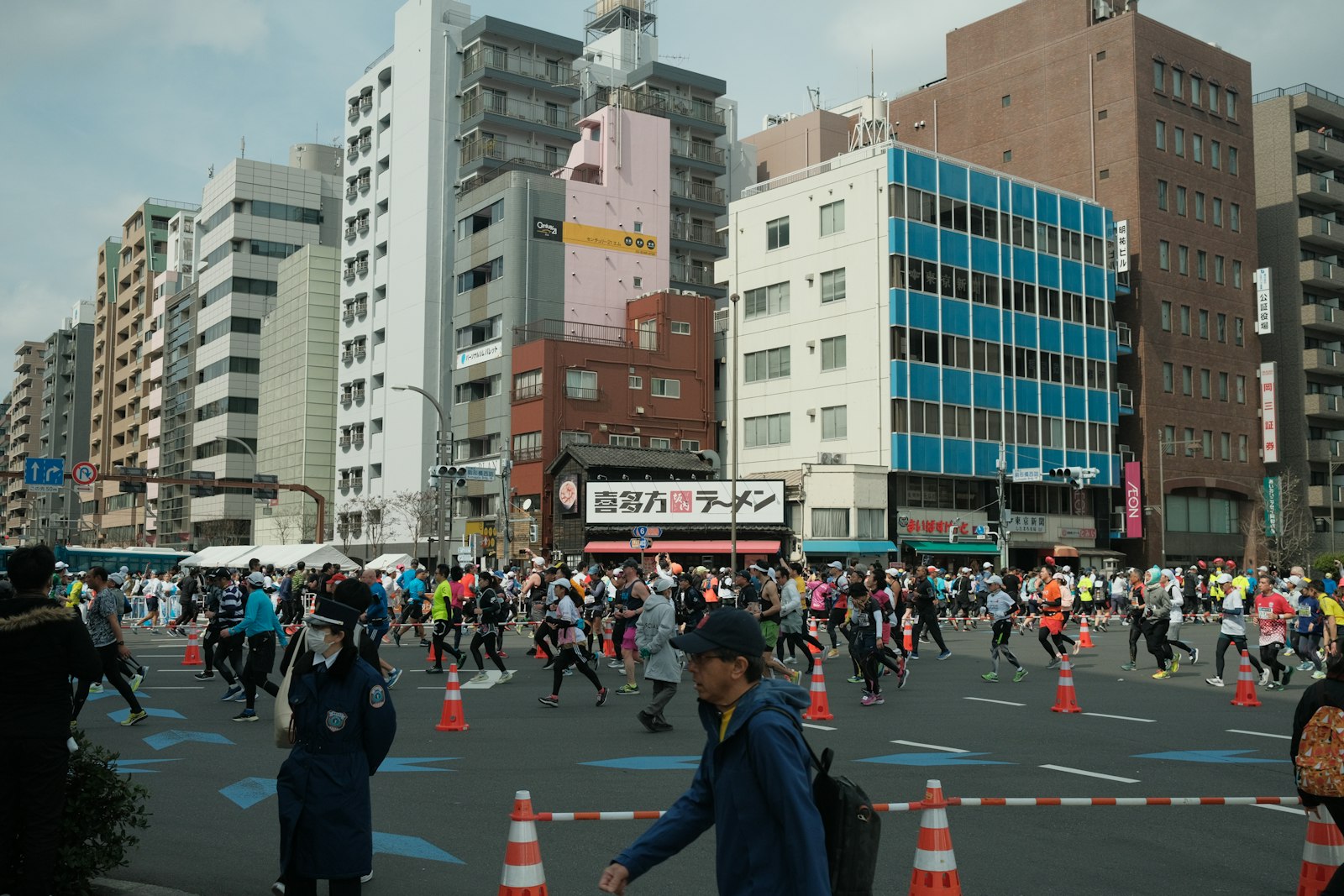
For runners, the six World Marathon Majors are the ultimate collection, and Tokyo is the only one in Asia. Running it means joining tens of thousands of others through the heart of the capital, past temples and skyscrapers, carried by some of the most enthusiastic crowds in the sport. It is a bucket-list race.
The hard part is getting in. Here is how the entry works, what the day looks like, and how to enjoy it whether you are running or supporting someone who is.
What Makes the Tokyo Marathon Iconic
A few things set Tokyo apart even among the Majors.
A World Marathon Major
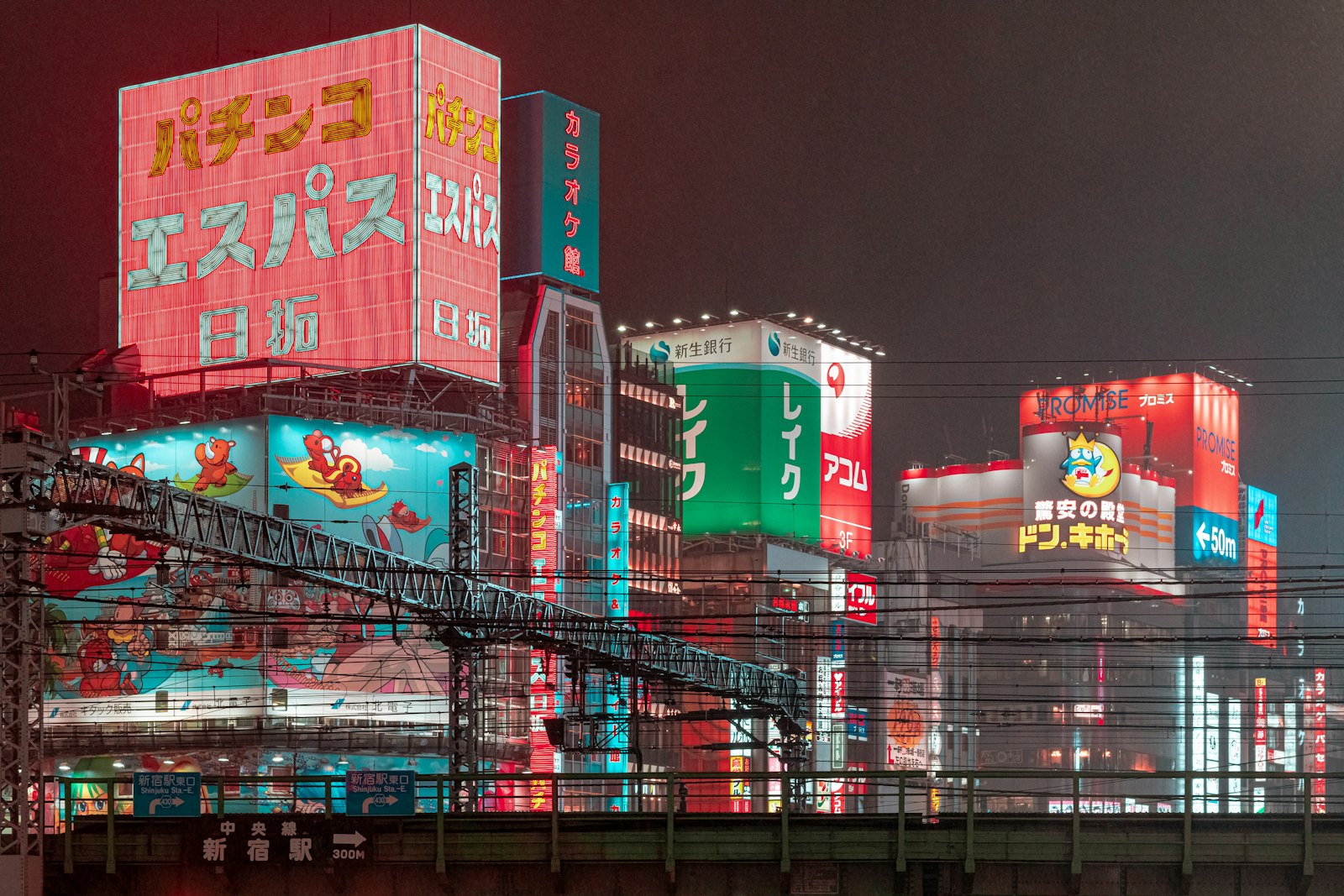
As one of the six Abbott World Marathon Majors, Tokyo draws around 38,000 runners and elite fields from across the world through the city’s historic streets. Completing it earns a coveted Majors medal and, for six-star chasers, one of the essential six. Its prestige is a large part of the appeal.
The Atmosphere
Tokyo is famous for its race-day spirit: legions of cheerful volunteers, dense crowds, and performances lining the route. Japanese marathon support is warm and impeccably organized, and runners consistently describe the atmosphere as a highlight. You are carried by the city as much as by your legs.
Cool March Weather
The race is held in early March, when Tokyo is typically cool and clear — good conditions for running. The crisp late-winter weather suits a marathon far better than summer heat, and it makes for comfortable spectating too.
Securing Your Bib
The General Lottery
Most places are allocated by a general entry lottery, with applications typically opening the summer before the March race. Demand vastly exceeds spots, so the odds are long — apply, but have a backup plan. Enter as soon as the window opens and hope for a good draw.
Charity Entry
Charity entry offers a more reliable route: by committing to raise or donate a set amount for a partner cause, you can secure a guaranteed bib. For runners set on Tokyo who do not want to gamble on the lottery, the charity path is the dependable option.
Tour Operator Packages
Official international travel packages bundle a guaranteed entry with accommodation and race logistics, aimed at overseas runners. They cost more than a lottery entry but remove the uncertainty and the planning, which many traveling runners find well worth it.
The Course
The Start
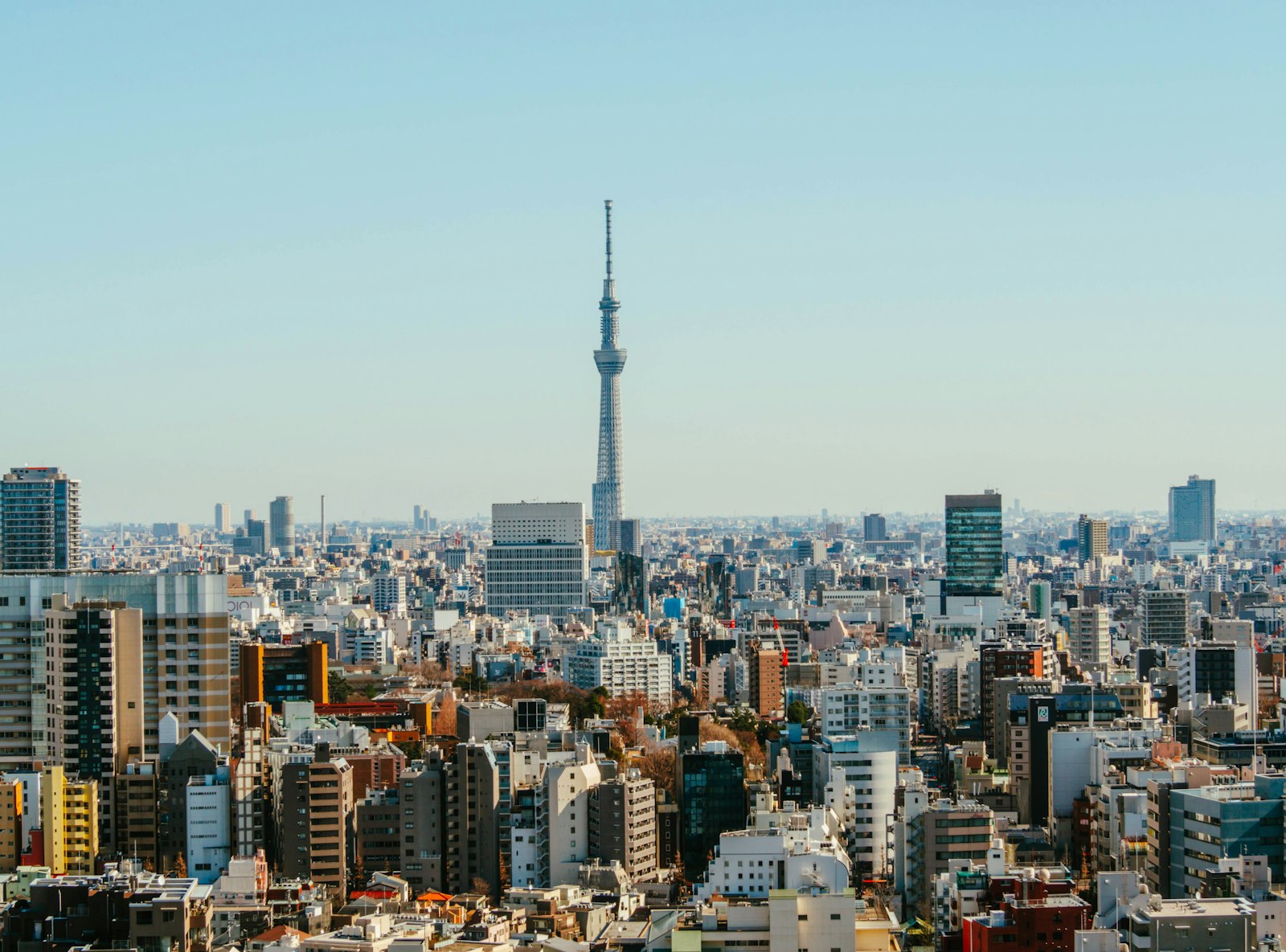
The race starts near the Tokyo Metropolitan Government Building in Shinjuku, sending the huge field off through the western city. The mass start of tens of thousands of runners beneath the skyscrapers is a stirring way to begin.
Landmarks Along the Way
The course threads past many of Tokyo’s icons, including the temple district of Asakusa with Senso-ji, upscale Ginza, and a stretch toward Shinagawa. Running past these landmarks, with crowds throughout, keeps the miles interesting in a way few city marathons match.
The Finish
The route finishes grandly near Tokyo Station, in the stately Marunouchi district, with its historic brick facade as a backdrop. Crossing the line in the heart of the city, medal in hand, is a fitting climax to the day.
Race Day Logistics
The Marathon EXPO
Before race day, you collect your bib and race materials at the Tokyo Marathon EXPO, held at Tokyo Big Sight, where you also find gear and official merchandise. Bib collection is mandatory in advance, so factor a trip to the EXPO into your pre-race plans.
Getting to the Start
On race morning, take the early subway to Shinjuku to reach the start corrals in good time. Tokyo’s transit runs efficiently, but allow plenty of margin for security and finding your corral among the crowds. Plan your route and departure the night before.
Baggage and Security
Expect security checks and a baggage-drop system at the start; follow the official bag rules and arrive early to clear them without stress. Knowing the procedure in advance keeps race morning calm when nerves are already high.
Expert Tip
Do not pin your whole trip on the lottery — decide your entry route before you book flights. The general lottery’s odds are genuinely long, and travelers who assume they will get in are often disappointed. If running Tokyo matters to you, secure a place through the charity program or an official tour package before committing to non-refundable travel. Save the lottery for locals and repeat applicants who can try year after year.
Spectator Viewing Spots
Best Viewing Hubs
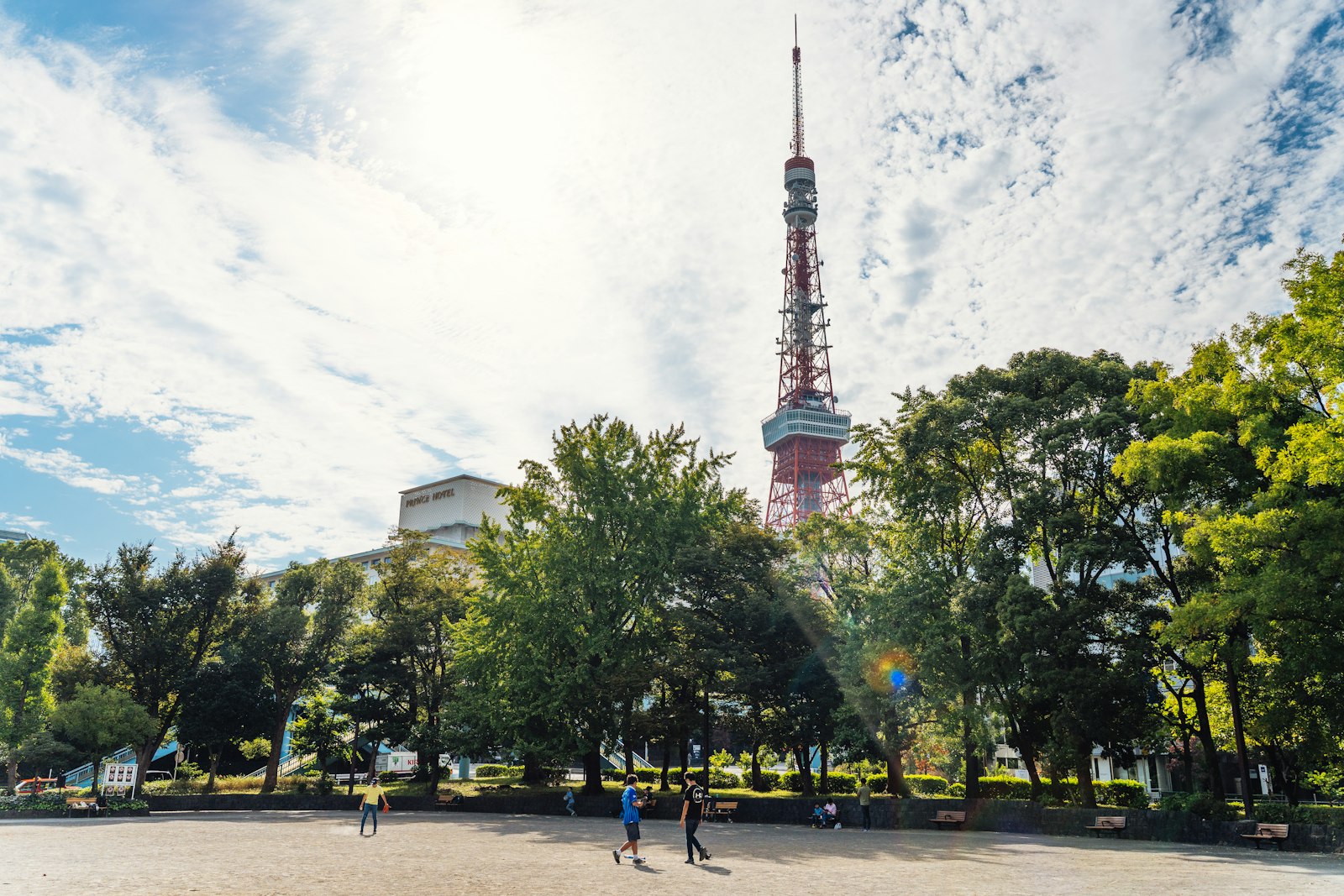
For spectators, spots like Ginza, Asakusa, and Hibiya Park offer great vantage points and easy transit access, letting you catch runners more than once if you move between them. Pick a couple of accessible points along the route and plan your hops in advance.
Tracking Your Runner
The official race app provides live split times, so you can follow your runner’s progress and time your cheering to catch them at the right spot. It is invaluable for supporters trying to intercept a specific person on a crowded course.
Meeting After the Finish
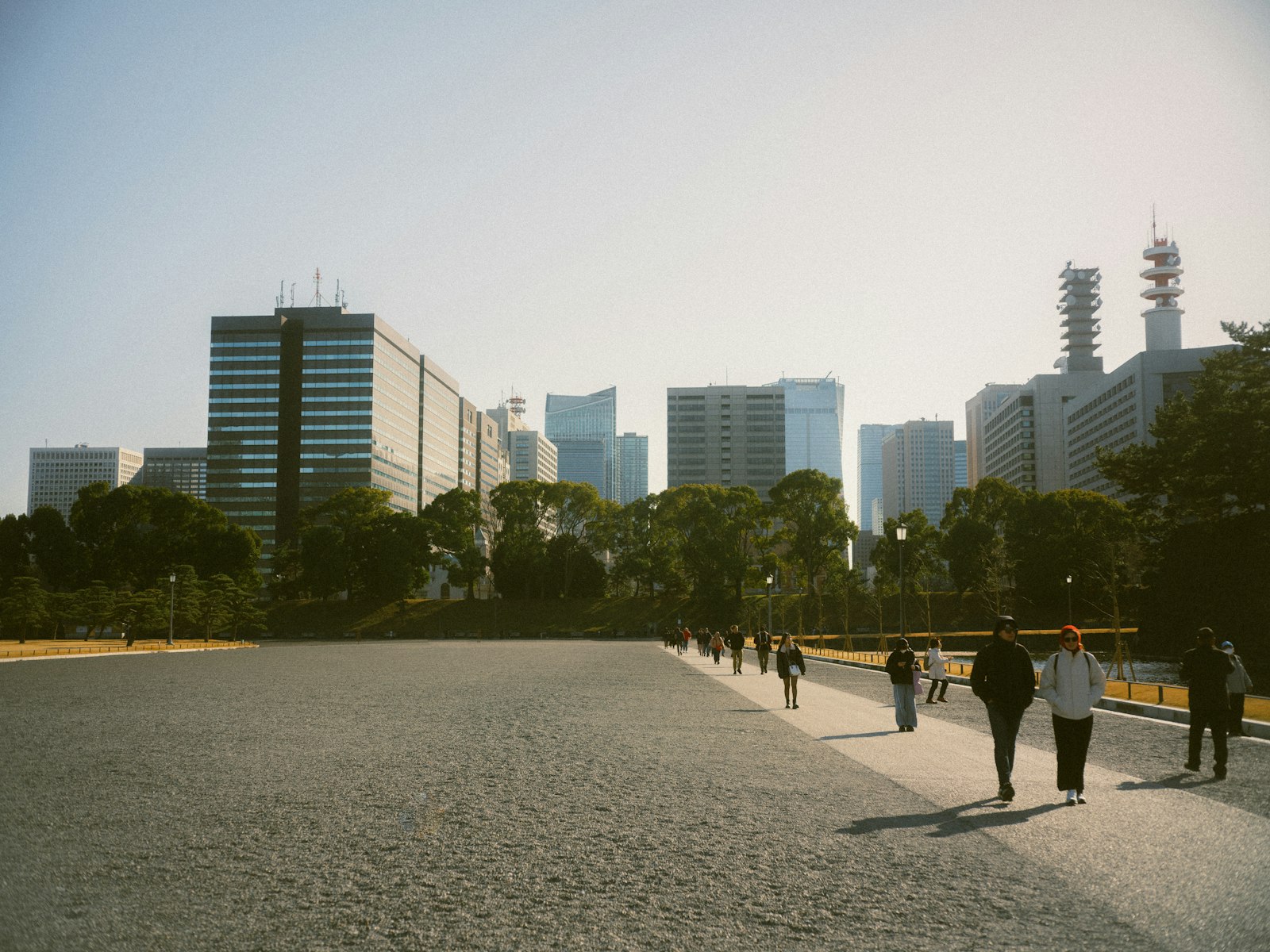
Agree on a post-race meeting point around Tokyo Station and Marunouchi in advance, since mobile networks can be congested and finishers are tired and spread out. A clear, pre-arranged spot saves a frustrating search after the race.
Tokyo Marathon: Frequently Asked Questions
What is the cut-off time? The Tokyo Marathon has a generous overall time limit of around seven hours, with intermediate checkpoint cut-offs along the course. It is achievable for most trained runners, but check the current official limits and checkpoint times when you enter.
What food and drink are provided on course? Aid stations along the route offer water, sports drinks, and food such as snacks and, in Tokyo’s famous style, local treats, though you should confirm the current offerings and carry your own preferred fuel. Never rely solely on course food for a race this important.
What is the weather like on race day? Early March in Tokyo is typically cool and often clear, good running conditions, though it can be cold at the start, so plan your race-morning layers. Bring throwaway warm clothing for the wait in the corrals.
Related Tours

Conclusion
The Tokyo Marathon is a rare thing: a World Marathon Major through one of the planet’s great cities, run on a crisp March morning to the sound of relentless, joyful support. It is worth every bit of the effort to get there.
Plan Your Japan Trip with Local Experts
Our team has guided 40,000+ travelers across Japan. Tell us about your trip and we’ll get back to you within 24 hours.