
In this article:
- Where Toyama Sits, and Why It Is Built the Way It Is
- The Tateyama Kurobe Alpine Route and the Kurobe Gorge
- Toyama Bay: Eating What the Rest of Japan Does Not Get
- Shinminato, Toyama City, and Gokayama
- Toyama Prefecture: Frequently Asked Questions
Introduction
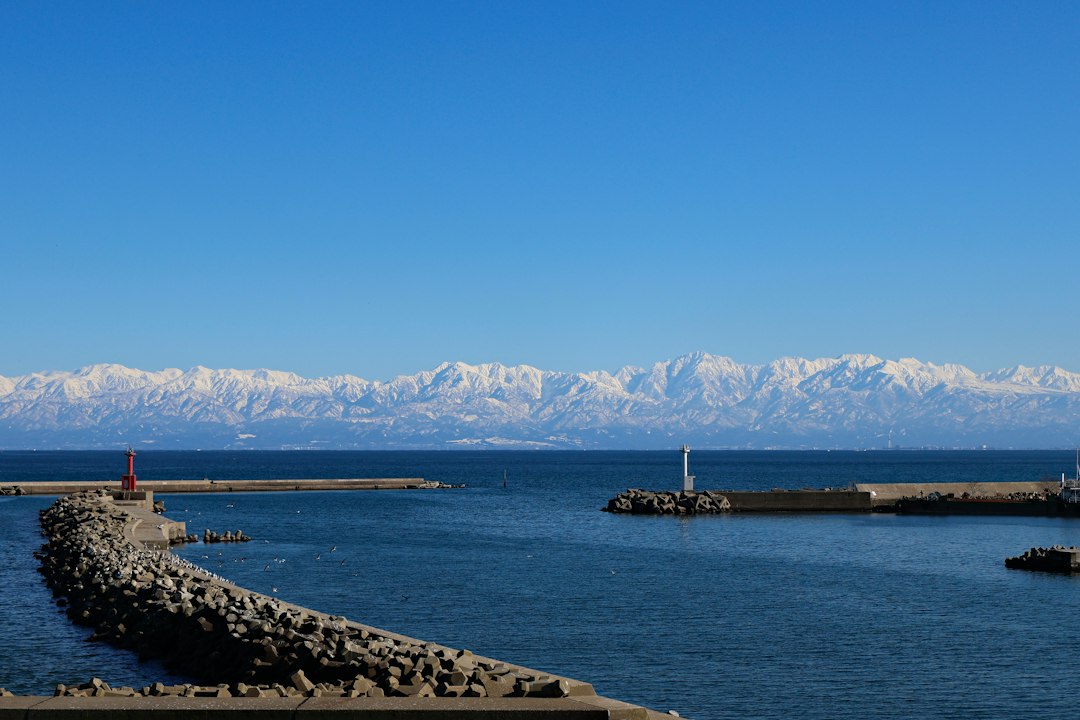
Stand on the waterfront at Shinminato on a clear January morning and the view does not look real. A line of snow-covered peaks, some close to three thousand metres high, rises straight out of the far side of the bay, with no foothill country in between to soften it. This is Toyama Prefecture, and that single view explains most of what makes it worth the trip.
Most visitors pass through. They ride the Alpine Route in a day, change trains at Toyama Station, and carry on to Kanazawa or Takayama. We think that undersells it badly. The mountains are only half the story; the other half is sitting on ice at the fish market, and a good deal of it is rarely eaten fresh anywhere else.
For travelers who want the Japan Alps without a tour-bus schedule, and who care more about what is on the plate than how many sights fit into a day, Toyama rewards two or three unhurried days. Here is how the place fits together.
Where Toyama Sits, and Why It Is Built the Way It Is
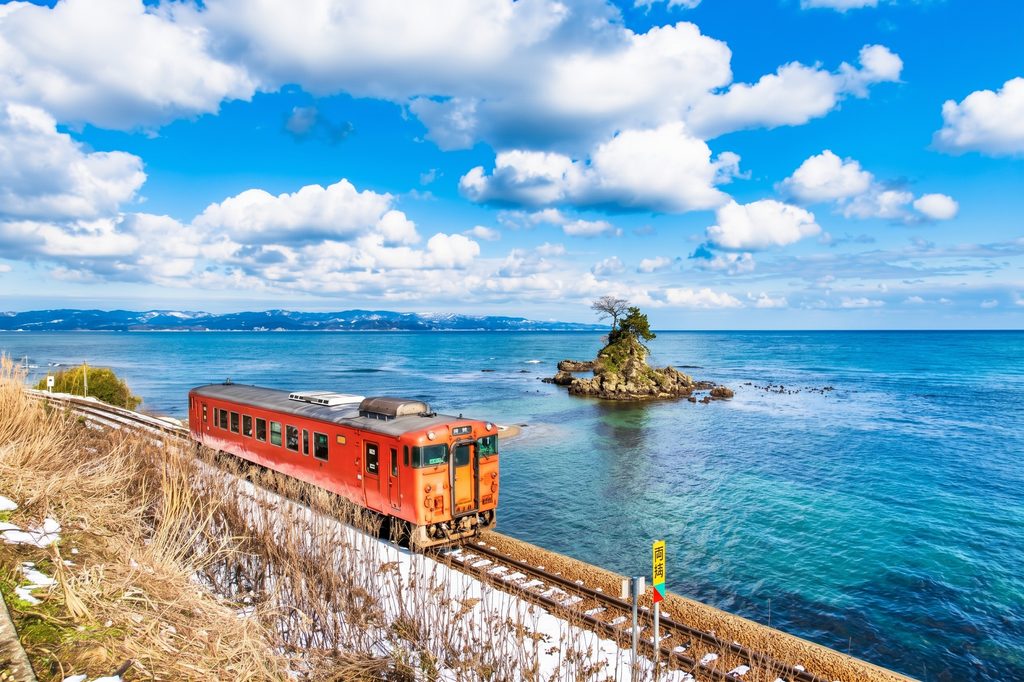
Toyama is a small prefecture shaped like a bowl. Mountains wrap around three sides, and the open side faces the Sea of Japan across Toyama Bay.
That geography is not background detail. It decides the weather, the food, the transport, and the best time of year to come.
Three Thousand Metres to Sea Level
The Tateyama range, part of the Northern Japan Alps, stands close to three thousand metres above sea level. Only a short distance offshore, the floor of Toyama Bay drops away steeply into deep water. Very few places in Japan put high alpine terrain and a deep sea this close together.
Snowmelt from those mountains feeds the bay, and the steep underwater slopes bring deep-water species close to shore. That is why the fishing here is different. Over 30 percent of the prefecture is national park land, most of it in the mountains to the east.
Getting There on the Hokuriku Shinkansen
The Hokuriku Shinkansen made Toyama an easy trip from the capital. The fastest Kagayaki trains run from Tokyo Station to Toyama in about two hours and ten minutes. Kagayaki services have no unreserved cars, so book a seat rather than turning up at the platform expecting to find one.
The same line continues west to Kanazawa and on to Fukui and Tsuruga. Travelers moving between Tokyo and Kyoto along the Sea of Japan side rather than the Tokaido can build Toyama into the route without backtracking.
Toyama, Kanazawa, or Both
Kanazawa gets the attention: the gardens, the teahouse districts, the gold leaf. We have written about Kanazawa’s samurai districts and gardens separately, and it deserves its reputation.
Still, the two cities do different jobs. Kanazawa is refined urban culture; Toyama is landscape and the sea. Our usual recommendation is to base yourself in Kanazawa for its evenings and give Toyama at least one full day, or two nights if the Alpine Route is on your list.
The Tateyama Kurobe Alpine Route and the Kurobe Gorge
The Alpine Route is the reason most international visitors have heard of Toyama at all. It crosses the Northern Alps between Toyama and Nagano using a chain of trains, cable cars, buses, and a ropeway, and it runs only from mid-April to the end of November.
It is a long day. Plan it as the whole day, not as something to fit around other things.
The Route, Vehicle by Vehicle
From the Toyama side, a local train on the Toyama Chiho Railway takes you to Tateyama Station. A cable car climbs from there to Bijodaira, and a highland bus winds up to Murodo, the highest point on the route.
From Murodo, an electric bus runs through a tunnel under Mount Tateyama to Daikanbo. The Tateyama Ropeway then drops to Kurobedaira, a second cable car descends to Kurobeko, and you walk across the top of Kurobe Dam. A final electric bus takes you through the mountain to Ogizawa on the Nagano side.
Most people crossing end to end send their main luggage ahead by courier and carry only a day bag. We recommend the same. Seven vehicles with a large suitcase is not a pleasant way to see the Alps.
Snow Walls in Spring, Dam Discharge in Summer
The famous image of the route is the Snow Otani, a stretch of road near Murodo cut through snow so deep that the walls tower over the buses. It is at its most dramatic in the weeks after the April opening, and the walk between the walls ends in late June.
Summer brings a different spectacle. From June 26 to October 15 each year, Kurobe Dam releases water from its spillway for visitors, and the spray drifts up the valley on warm afternoons. At 186 metres, it is the tallest dam in Japan.
Autumn is our favourite season up here, and the least discussed. The foliage around Murodo turns from late September, earlier than almost anywhere else in the country, and the colour works its way down the slopes through October.
The Kurobe Gorge Railway Returns to Keyakidaira
East of the Alpine Route, the Kurobe Gorge Railway runs small open-sided carriages from Unazuki Onsen deep into one of Japan’s steepest ravines. After the Noto Peninsula earthquake of January 2024 damaged a bridge on the line, trains turned back partway, at Nekomata.
Full service to the terminus at Keyakidaira resumes on October 1, 2026, which means the autumn colour season this year is the first chance in nearly three years to ride the whole line. Pair it with a night at Unazuki Onsen and the gorge in the early morning, before the first trains fill.
Expert Tip
Ride the Alpine Route from Toyama toward Nagano rather than the reverse, and take the earliest cable car you can. The route runs on a chain of timed connections, and an early start leaves room to linger at Murodo and on the dam without watching the clock. Weather changes fast at altitude, so check the official route site for conditions on the morning itself.
Toyama Bay: Eating What the Rest of Japan Does Not Get
The seafood is the real reason to stay longer than a day. Because the bay drops so steeply, deep-water species come close enough to shore for small boats to land them within hours of being caught.
Toyama people call fresh fish “kitokito”, and you will see the word on market signs, restaurant menus, and at least one fish market name. It is local dialect, and it is used with some pride.
Shiroebi, the White Shrimp
Shiroebi are tiny, translucent pink shrimp, only a few centimetres long, and Toyama Bay is the only place in Japan where they are fished commercially. The season runs from April to November, with the best months in early summer.
Eaten raw, they are sweet and almost creamy, peeled by hand one by one and pressed into a small mound on rice. As tempura or kakiage, the whole shrimp goes in shell and all, and the result is light and faintly nutty. If you order one dish in Toyama, make it a bowl of raw shiroebi over rice.
Firefly Squid and the Pre-Dawn Boats
Hotaru-ika, firefly squid, are thumb-sized and glow blue. Between March and May they rise into the shallows of Toyama Bay to spawn, and the fishing fleet at Namerikawa hauls them in from fixed nets just offshore.
The Hotaruika Museum in Namerikawa runs sightseeing boats out to watch the nets come up, leaving the port shortly after 3am. It is an odd hour and a genuinely strange sight: the surface of the water flickering blue as the net rises. Reservations open in early spring and go quickly.
On the plate, firefly squid are usually boiled and eaten whole with a vinegared miso dressing. The flavour is rich and briny, closer to a sea urchin than to calamari.
Winter Yellowtail and Crab
Winter is when the bay is at its most generous. Buri yellowtail, fattened for the cold months, is the fish Toyama is proudest of, and Himi on the western shore of the bay is the town most associated with it. Crab arrives in the same season.
That said, winter here is grey and snowy for long stretches. Come for the food and the mountain views on clear days, and accept that some days will bring neither.
Shinminato, Toyama City, and Gokayama
Beyond the Alpine Route, three places make a strong case for a second day. They sit in different corners of the prefecture and work best as separate outings.
Shinminato: the Tall Ship, the Market, and the Bridge
Shinminato, in the city of Imizu, is a fishing port cut through with canals, and it is where we take travelers who want the bay rather than the mountains. The Kaiwo Maru, a four-masted sail training ship, is preserved at Kaiwomaru Park and open to walk through, from the wheel to the cabins. On a clear day the Tateyama range stands behind her across the water, and it is one of the more unusual views in Japan.
A short walk away, Shinminato Kitokito Market sells what came off the boats that morning, with counters where it is cooked in front of you. The cable-stayed Shinminato Bridge crosses the harbour mouth high enough for ships to pass beneath, and its walkway gives you port, bay, and mountains in a single frame.
On our private Shinminato tour, the guide’s most useful job at the market is telling you what is actually good that day, which changes with the season and the weather. The second most useful is reminding everyone to bring a layer. The wind off the bay is cold, even in summer.
Toyama City in an Afternoon
Toyama City is a practical base rather than a destination in itself, but it has one building worth crossing town for. The Toyama Glass Art Museum sits inside TOYAMA Kirari, a complex designed by Kengo Kuma, with a timber-lined atrium that spirals up through the middle of the building. The sixth-floor Glass Art Garden holds installations by Dale Chihuly.
Evenings in the city are for eating. Masu-zushi, pressed trout sushi wrapped in bamboo leaves, has been a Toyama speciality for a long time and makes a good train lunch.
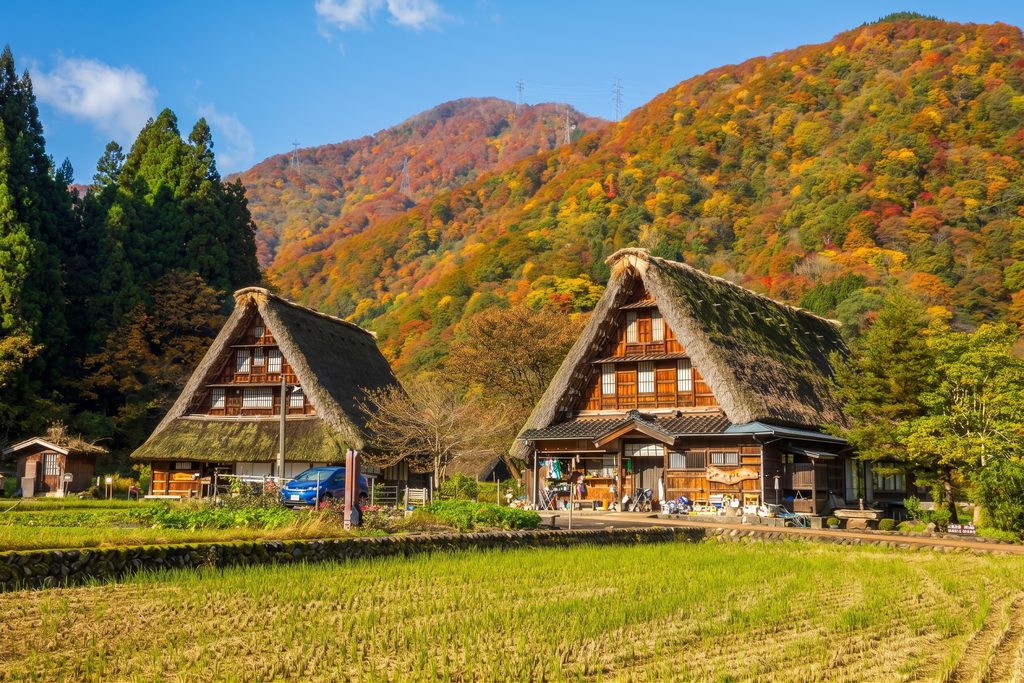
Gokayama’s Thatched Villages
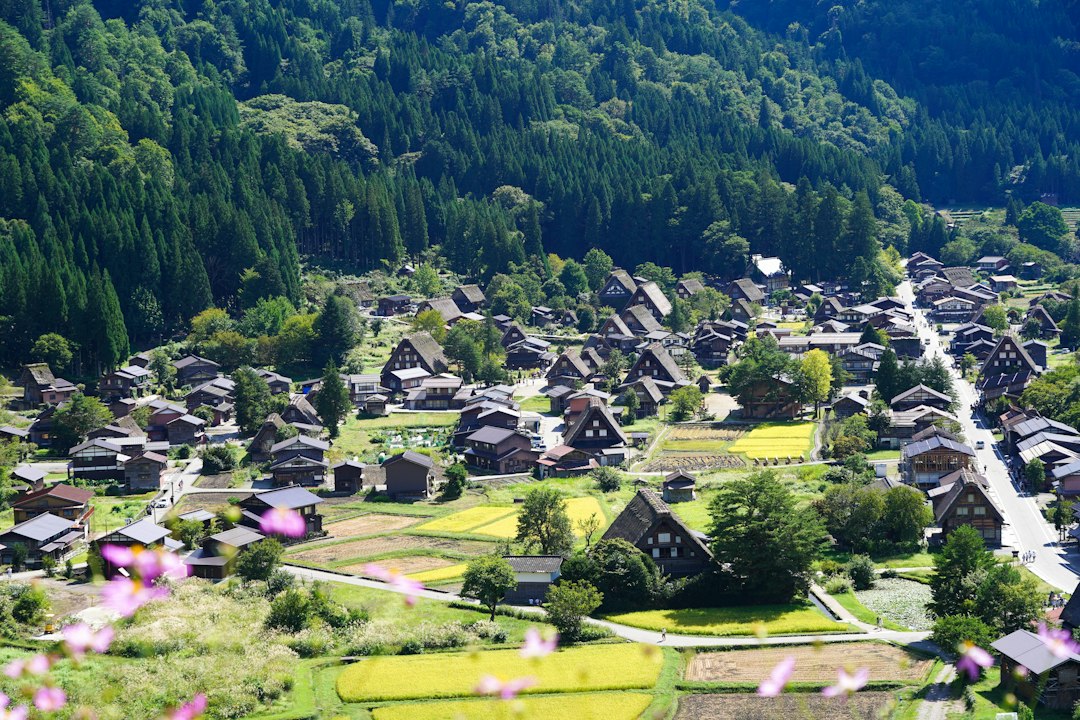
In the southwest corner of the prefecture, the villages of Ainokura and Suganuma in Gokayama share UNESCO World Heritage status with Shirakawa-go across the border in Gifu. The steep thatched gassho-zukuri farmhouses are the same. The atmosphere is not.
Ainokura, the larger of the two with around twenty houses, sees a fraction of Shirakawa-go’s visitors. It feels like a working village rather than an attraction. If you only have time for one of the thatched villages, we would choose Ainokura.
Expert Tip
The clearest views of the Tateyama range across the bay come in winter and early spring, when cold, dry air follows a spell of bad weather. Check the forecast the evening before and keep the morning flexible. Shinminato and the Amaharashi Coast near Takaoka are the two places we send people for it, and early morning is when we have had the best luck.
Toyama Prefecture: Frequently Asked Questions
How many days do I need in Toyama Prefecture?
Two full days is the sweet spot. Give one to the Alpine Route or the Kurobe Gorge, and the other to the bay: Shinminato, a market lunch, and an evening of seafood in Toyama City. Add a third day for Gokayama if you are not already visiting Shirakawa-go.
When is the best time to visit Toyama?
It depends on what you are coming for. Mid-April to May gives you the snow walls and firefly squid season together. Late September and October bring early mountain foliage and the Kurobe Gorge. December to February is the season for yellowtail, crab, and the clearest views of the Alps across the bay, though the Alpine Route itself is closed.
Can I visit Toyama as a day trip from Kanazawa?
Yes. The Hokuriku Shinkansen connects the two cities quickly, and a day in Shinminato or Toyama City works well from a Kanazawa base. The Alpine Route is harder, because the first cable cars leave early and the full crossing takes most of a day. For that, we suggest staying at least one night in Toyama.
Related Tours



Conclusion
Toyama rewards travelers who plan around the seasons rather than around a checklist. Decide first what you are coming for, whether that is the snow walls, the firefly squid, the autumn colour in the gorge, or a winter plate of yellowtail, and the right month follows from that.
Then give it more time than the guidebooks suggest. A night in Toyama City turns a transit stop into a meal, and a second clear morning on the bay gives you another chance at the view across the water. Book the Kagayaki seat, check the Alpine Route conditions the night before, and bring a warm layer whatever the month.
Plan Your Japan Trip with Local Experts
Our team has guided 40,000+ travelers across Japan. Tell us about your trip and we’ll get back to you within 24 hours.




