In this article:
- Miso Soup, Taken Apart
- Why No Two Bowls Taste the Same
- Where Miso Soup Sits in a Japanese Meal
- Miso Soup for Vegetarians and Careful Eaters
- What Is Miso Soup: Frequently Asked Questions
Introduction
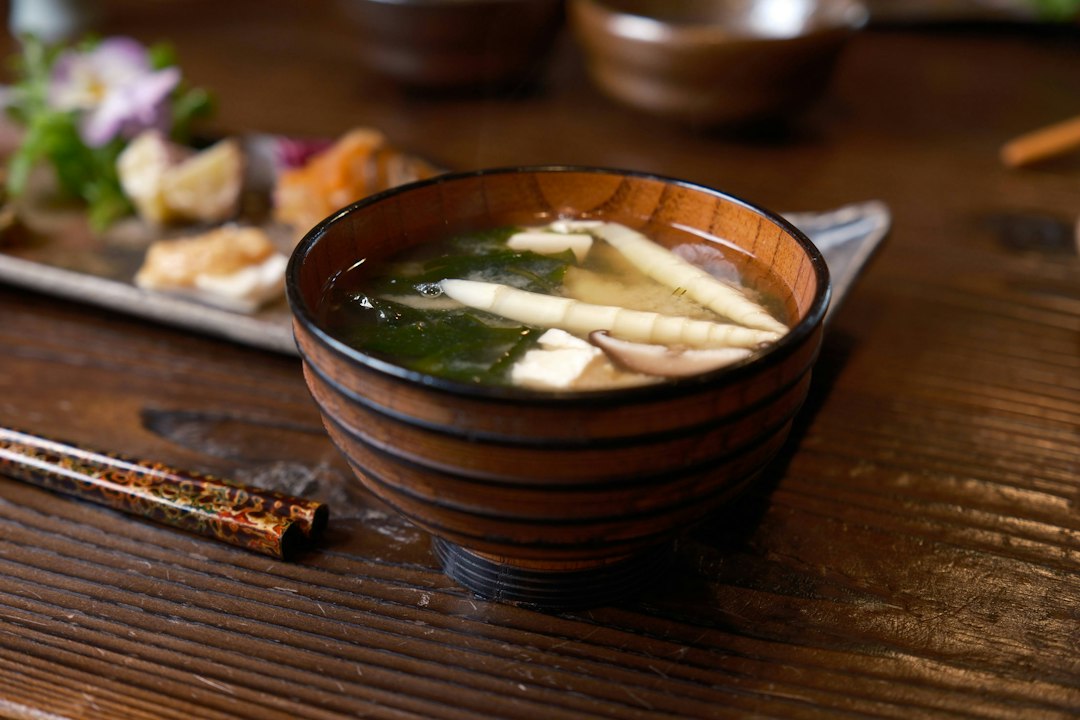
Most visitors first meet miso soup as a free extra in a sushi restaurant abroad, and most never think about it again. So what is miso soup, really? At its simplest, it is a light stock with fermented soybean paste dissolved into it, which people serve in a small bowl beside rice. That description is accurate and tells you almost nothing about why it matters.
In Japan the bowl is everywhere. It comes with the grilled fish set at a train station diner, with the breakfast tray at a ryokan, and in a paper cup from the convenience store at eleven at night. Few dishes appear at so many price points, or get so little attention from the people eating them.
We think it deserves more. Once you understand the three parts of the bowl, the paste, the stock and what floats in it, you start reading Japanese meals differently. You also avoid the one mistake vegetarian travelers make with it every week.
Miso Soup, Taken Apart
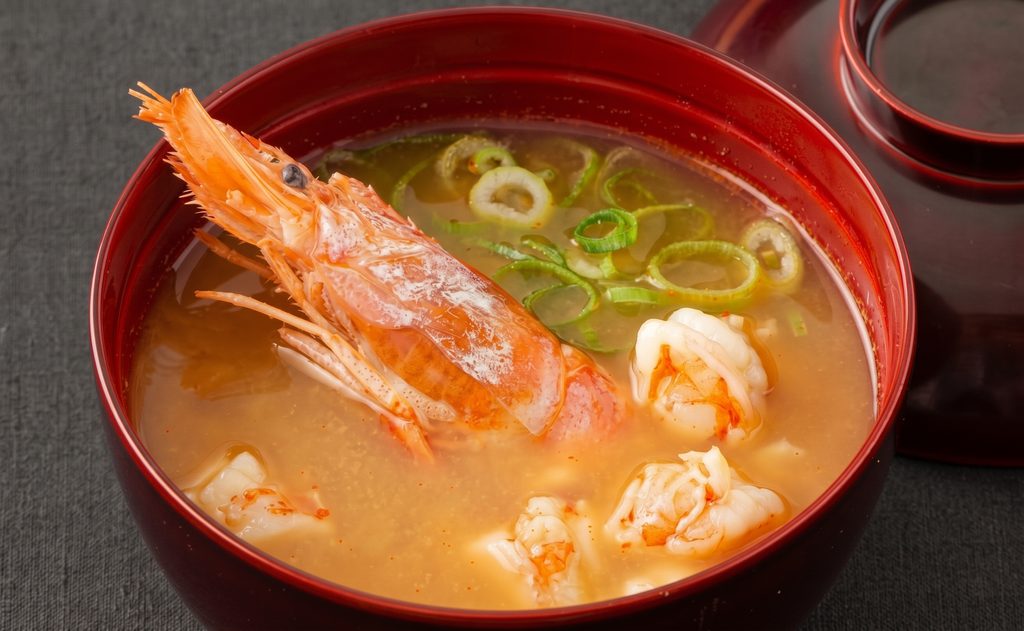
Every bowl has three components, and each one can change the soup completely.
The proportions are modest. A cook heats the stock, adds the solid ingredients, then takes the pot off the heat and stirs in the miso at the very end. That last step is the one that decides whether the soup tastes alive or flat.
Miso: The Fermented Paste That Gives the Soup Its Name
People make miso from steamed soybeans, salt, and koji—a grain that people inoculate with a mould that drives fermentation. Japan’s Ministry of Agriculture, Forestry and Fisheries sorts it into three families by the koji used: rice miso, barley miso and soybean miso. The paste then ages for anything from a few days to around two years.
That range explains the flavor spread. A young, sweet white miso is closer to a mild, creamy seasoning. An aged red miso is dark, salty and sharp, with an almost bitter depth.
Dashi: The Stock Most Visitors Never Notice
Dashi is the foundation of Japanese cooking, and in miso soup it does quiet, essential work. To make the classic version, steep kombu kelp and then add shaved katsuobushi, dried and smoked bonito. Other kitchens use niboshi, small dried sardines, or dried shiitake mushrooms.
Without dashi, miso dissolved in hot water tastes salty and thin. With it, the soup has the savory roundness people call umami. In our experience, this is the component travelers are most surprised by when a guide explains it, because it is invisible in the bowl.
What Goes in the Bowl: Tofu, Wakame, Clams, and Pork
The version most people know holds cubes of soft tofu, wakame seaweed and sliced green onion. It is only one of many. Home cooks use whatever is in season and in the fridge: daikon, potato, onion, mushrooms, or aburaage, thin fried tofu.
Clams are a favorite, particularly small shijimi or asari, which give the stock a sweet, briny edge. At the heavier end sits tonjiru, a pork and root-vegetable miso soup that eats more like a stew. People usually serve it at lunch or dinner rather than breakfast.
The rule behind all of these is restraint. Two or three ingredients per bowl is normal, chosen so their textures differ: something soft, something with bite, something green on top. A bowl crowded with vegetables is closer to a home-style stew than to the miso soup served beside a set meal.
Expert Tip
If you are making miso soup at home after your trip, the rule that matters most is heat. Turn the stock off before adding the miso, and do not let the soup boil again once it is in. Boiling dulls the aroma of the paste, which is the reason restaurant miso soup often tastes brighter than the reheated bowl at home.
Why No Two Bowls Taste the Same
Ask ten Japanese households how they make miso soup and you will get ten answers. The differences are rarely about technique. They are about which miso the family grew up with.
White, Red, and Blended Miso
In shops and on menus you will see three broad colors. Brewers age shiro miso (white miso) for a short time to keep it mild with a gentle sweetness, while they age aka miso (red miso) longer to give it a deeper, saltier flavor. Awase miso is a blend of the two, and it is what many households keep in the fridge.
Color follows time and ingredients rather than dye. The longer the soybeans ferment, the darker and more intense the paste becomes. Our recommendation for anyone buying miso to take home is a mid-colored awase or a light rice miso first. It works in almost any soup and will not overwhelm delicate ingredients.
Rice, Barley, and Soybean Miso by Region
Regional identity is where miso gets interesting. Rice miso is the most common across the country, and Shinshu miso from Nagano is one of its best-known styles. Kyoto has Saikyo miso, pale and distinctly sweet, which suits the city’s restrained cooking.
The Tokai region around Nagoya goes the other way. People make its soybean miso, including the Hatcho miso they associate with Okazaki in Aichi, from soybeans alone, and it ages into something dark, dense and faintly bitter. Barley miso, meanwhile, is more common in Kyushu and parts of western Japan.
In practice, this means the miso soup at a Nagoya lunch counter and the one on a Kyoto breakfast tray can taste like different dishes. We tell travelers moving between regions to order it in each city and compare. It is the cheapest lesson in Japanese regional food you will find.
Supermarkets make the comparison easy. The miso shelf in an ordinary Japanese grocery often runs to dozens of tubs and pouches, labelled by region, grain and salt level. Even without reading Japanese, the colors tell you most of what you need, and daily practice accustoms staff to visitors lingering there.
Where Miso Soup Sits in a Japanese Meal
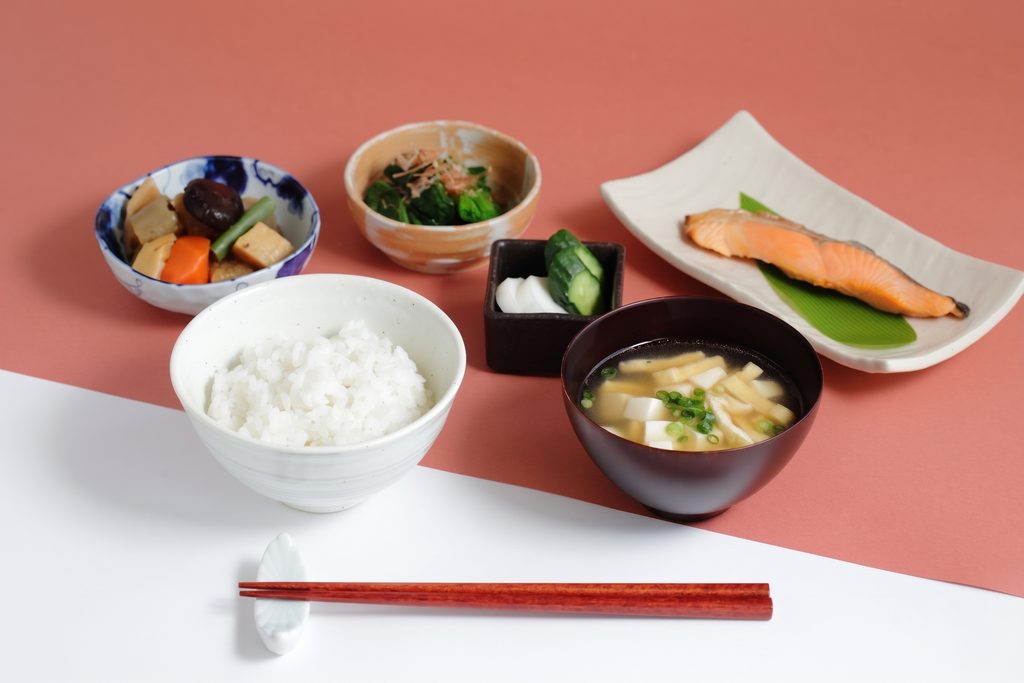
Miso soup is rarely the main event, and that is the point. It is the constant that makes the rest of the meal feel complete.
One Soup, Three Dishes
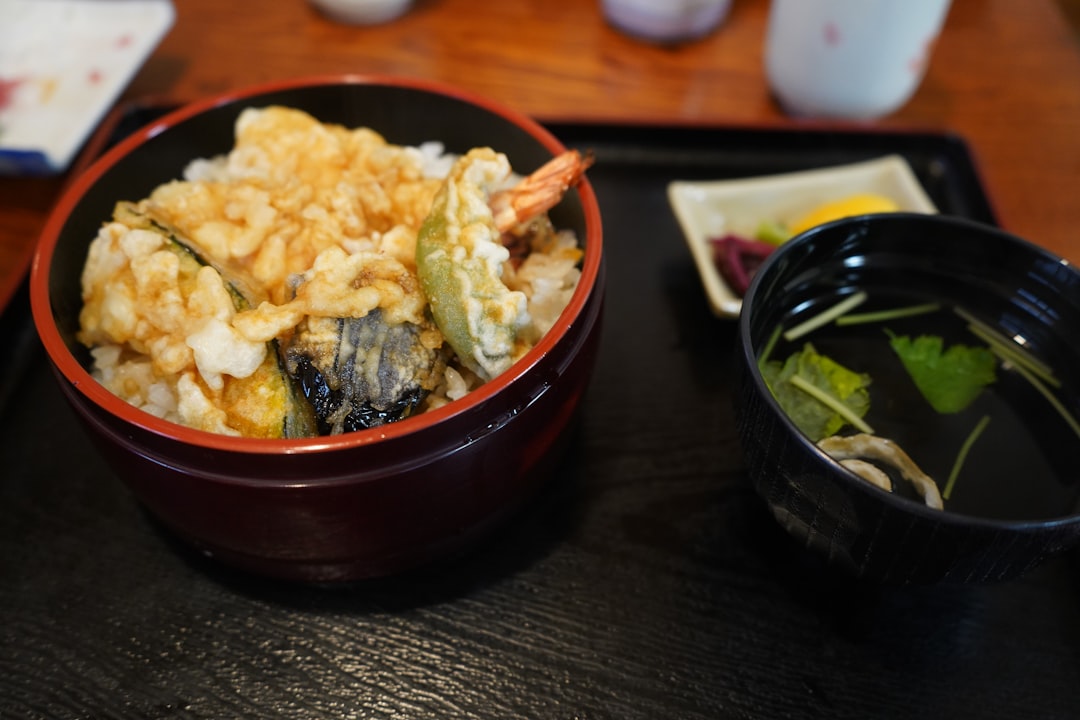
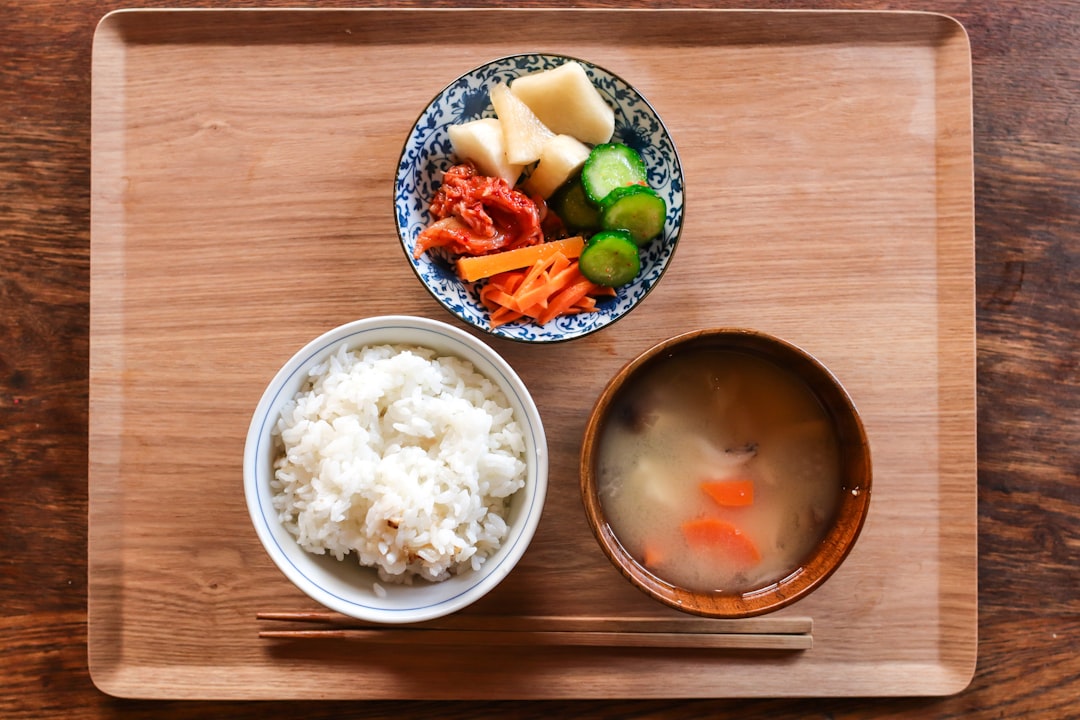
The traditional structure of a home-style Japanese meal is ichiju sansai, which means one soup and three dishes. Rice sits at the center, with the soup and a small number of side dishes around it, usually alongside pickles. The soup is very often miso soup.
The pattern has deep roots. Historians generally trace miso soup as a daily dish to the medieval period, when the samurai meal of one soup and one dish became common and miso moved beyond temple kitchens into ordinary homes. People can see that history on any teishoku set meal tray today.
Breakfast, Set Meals, and the Convenience Store
A traditional Japanese breakfast builds on rice and miso soup, typically with grilled fish, pickles, and perhaps natto or a rolled omelet. If you stay at a ryokan, staff will serve you this breakfast, often on a tray of small lacquered dishes. Our guide to ryokan etiquette and kaiseki covers how chefs lay out those meals.
Outside the ryokan, you will meet miso soup with almost any teishoku set lunch, from grilled mackerel to tonkatsu. Convenience stores and supermarkets stock instant cups and freeze-dried blocks. They are honest, useful food and nothing to be embarrassed about on a cold morning.
At night the picture changes. In the narrow drinking lanes of Omoide Yokocho in Shinjuku, or along Hoppy Street in Asakusa, the evening is built around skewers, small plates and drinks rather than rice and soup. When travelers on our food tours ask where the miso soup is, the answer is that it belongs to the structured meal, not the izakaya crawl, although miso itself turns up everywhere, in glazes, dipping sauces and simmered dishes.
How to Eat It Without Thinking Twice
There is no spoon, and there is not meant to be. Miso soup is drunk directly from the bowl, and the solid pieces are eaten with chopsticks. Lift the bowl in one hand rather than bending down to it on the table.
If the bowl has a lid, remove it and set it upside down beside the tray, then replace it when you finish. The miso settles as the soup cools. A gentle stir with the tips of your chopsticks brings it back. For the rest of the rules at the table, see our note on chopstick etiquette in Japan.
Expert Tip
When a set meal arrives, try alternating between rice, a side dish and a sip of soup rather than finishing each in turn. That rhythm is how the meal is designed to be eaten, and the saltiness of the soup makes more sense against plain rice than on its own.
Miso Soup for Vegetarians and Careful Eaters
Miso soup looks like the safest thing on the menu for a vegetarian. Usually, it is not.
The Bonito Question
The paste is plant-based, and so are tofu and wakame. The stock, however, is most often made with katsuobushi or dried sardines. A bowl with no visible meat or fish can still be a fish broth, and staff may not think to mention it because dashi is considered a seasoning rather than an ingredient.
Vegetarian dashi exists, made with kombu and dried shiitake. You will find it reliably in shojin ryori, the Buddhist temple cuisine, and in restaurants that advertise vegan or vegetarian menus. Elsewhere, assume fish stock unless someone confirms otherwise. Our guide to vegetarian food in Japan goes further into dashi and the phrases that help.
This is one reason we are careful about dietary requests on our evening food tours in Shinjuku and Asakusa. Our guides order in Japanese and can ask the kitchen what is in the stock. Even so, strict vegan requirements are difficult to meet in small izakaya, and we would rather say so than serve someone a broth they did not want.
Salt, and a Sensible Word on Health
Miso soup is often described as a health food. It is fermented, it is light, and a bowl of tofu and seaweed soup is a sensible thing to eat. That said, miso is a salty paste, and several bowls a day add up.
We would not make large claims for it either way. Treat it as what it is in Japan: an everyday dish, eaten in small portions as one part of a balanced meal. Anyone on a low-sodium diet can ask for a smaller portion or leave some of the broth.
What Is Miso Soup: Frequently Asked Questions
Is miso soup vegetarian?
Usually not. The miso paste itself is plant-based, but the dashi stock is most often made with bonito flakes or dried sardines. Kombu and shiitake dashi make a fully vegetarian version, and you will find it in temple cuisine and dedicated vegetarian restaurants. In an ordinary restaurant, ask before you assume.
Why is there no spoon with my miso soup?
Because it is drunk straight from the bowl. Lift the bowl, sip the broth, and pick out the tofu, seaweed or clams with chopsticks. Spoons appear with some dishes in Japan, such as ramen or donburi at certain restaurants, but miso soup is not one of them.
Can you boil miso soup?
You can boil the stock and the ingredients, but not the soup once the miso is added. Japanese cooks turn the heat off before stirring in the paste, because boiling dulls its aroma. When reheating leftovers, warm the soup gently and take it off the heat before it bubbles.
Related Tours


Conclusion
Miso soup rewards attention in proportion to how little it asks for. The next time a bowl arrives beside your rice, taste the broth before anything else and ask whether the miso is white, red or blended. Within a week you will be able to tell a Kyoto bowl from a Nagoya one.
If you want to bring the habit home, buy a tub of light rice miso and a packet of kombu before you fly. Supermarkets stock both at everyday prices, and they will make a better soup than anything in the instant aisle abroad. For vegetarian travelers, the one practical rule holds everywhere: ask about the dashi before you order.
Plan Your Japan Trip with Local Experts
Our team has guided 40,000+ travelers across Japan. Tell us about your trip and we’ll get back to you within 24 hours.