In this article:
- The Big Four Breweries
- Beer Categories: Beer, Happoshu, and More
- The Craft Beer Movement
- Convenience Store and Izakaya Beer Culture
- Brewery Tours and Beer Halls
- Japanese Beer Brands: Frequently Asked Questions
Introduction
The first cold beer in a Japanese izakaya, poured with a precise finger of foam, is a small rite of passage. Japan’s mainstream beer is dominated by crisp, clean lagers, but there is real range beneath the surface — four big brewers with different philosophies, a tax system that shapes what you find on convenience-store shelves, and a craft scene that has quietly flourished.
Whether you are ordering a nama at the bar or browsing cans at the konbini, a little knowledge makes it more fun. Here is the lay of the land.
The Big Four Breweries
Four companies dominate Japanese beer, and each has a signature style.
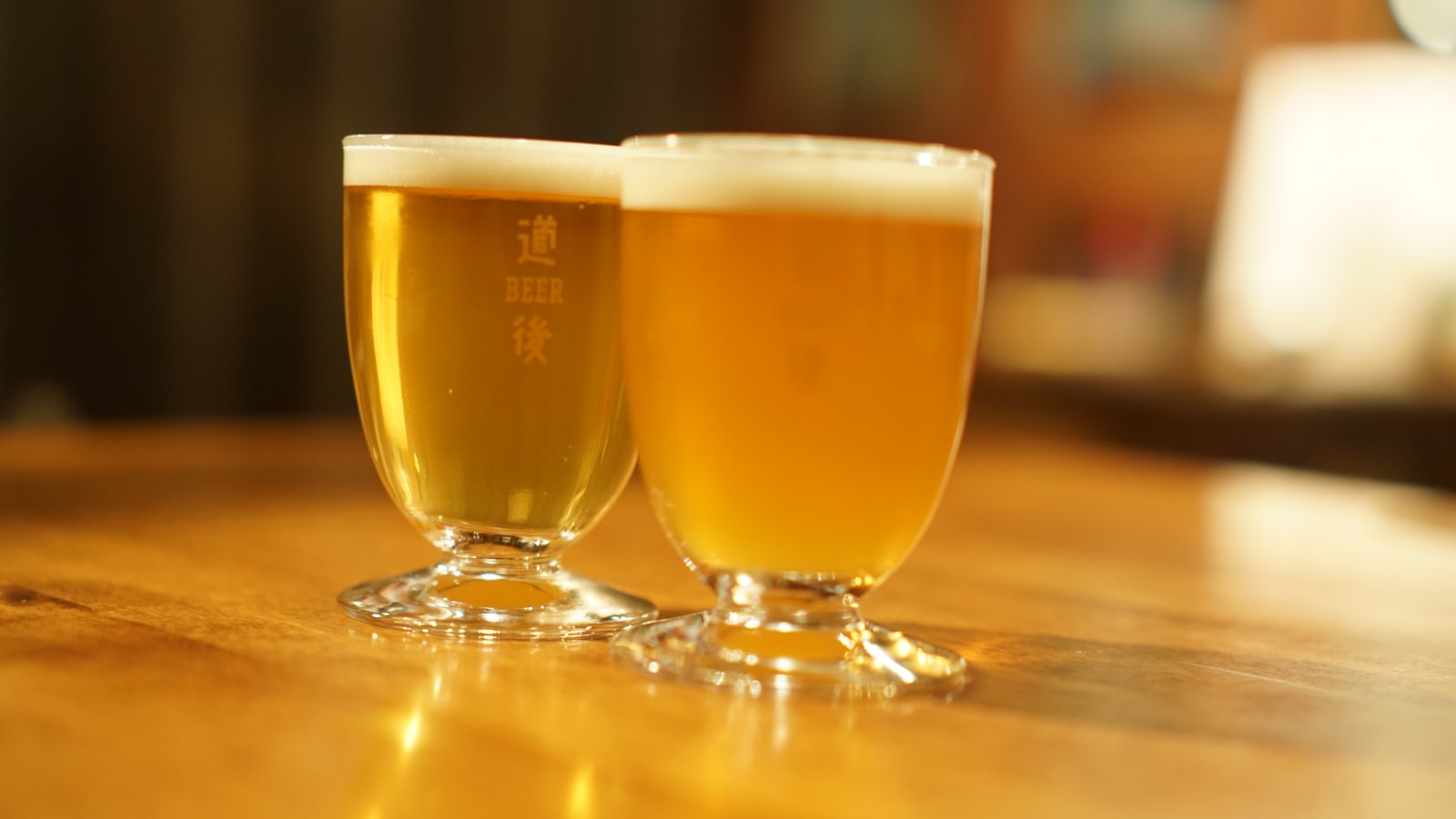
Asahi Super Dry
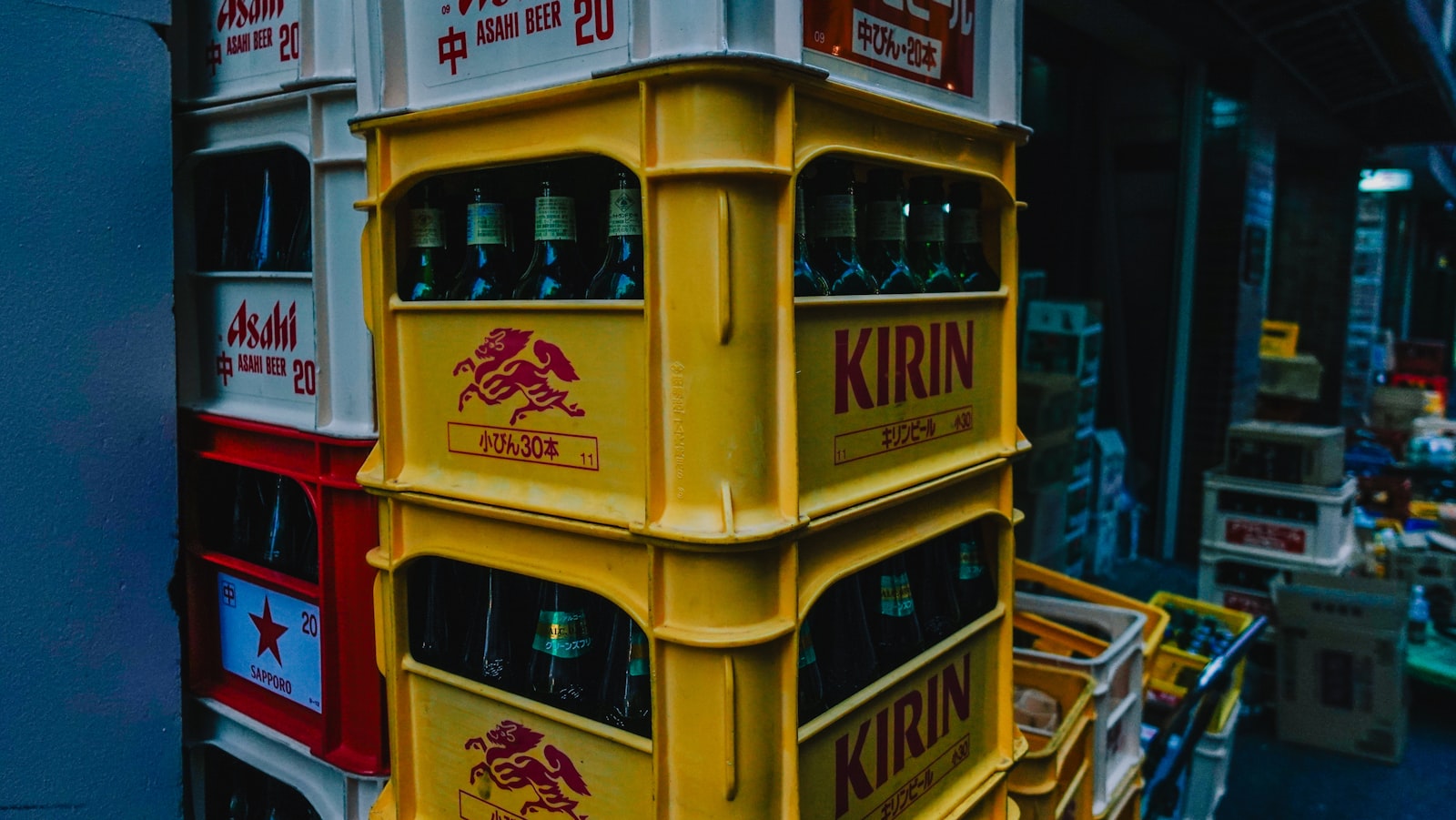
Asahi Super Dry is the country’s defining modern lager, famous for its karakuchi (dry, crisp) finish that redefined Japanese beer when it launched. Sharp, clean, and refreshing, it is the beer many people picture when they think of Japan, and it pairs with almost any food.
Kirin Ichiban Shibori
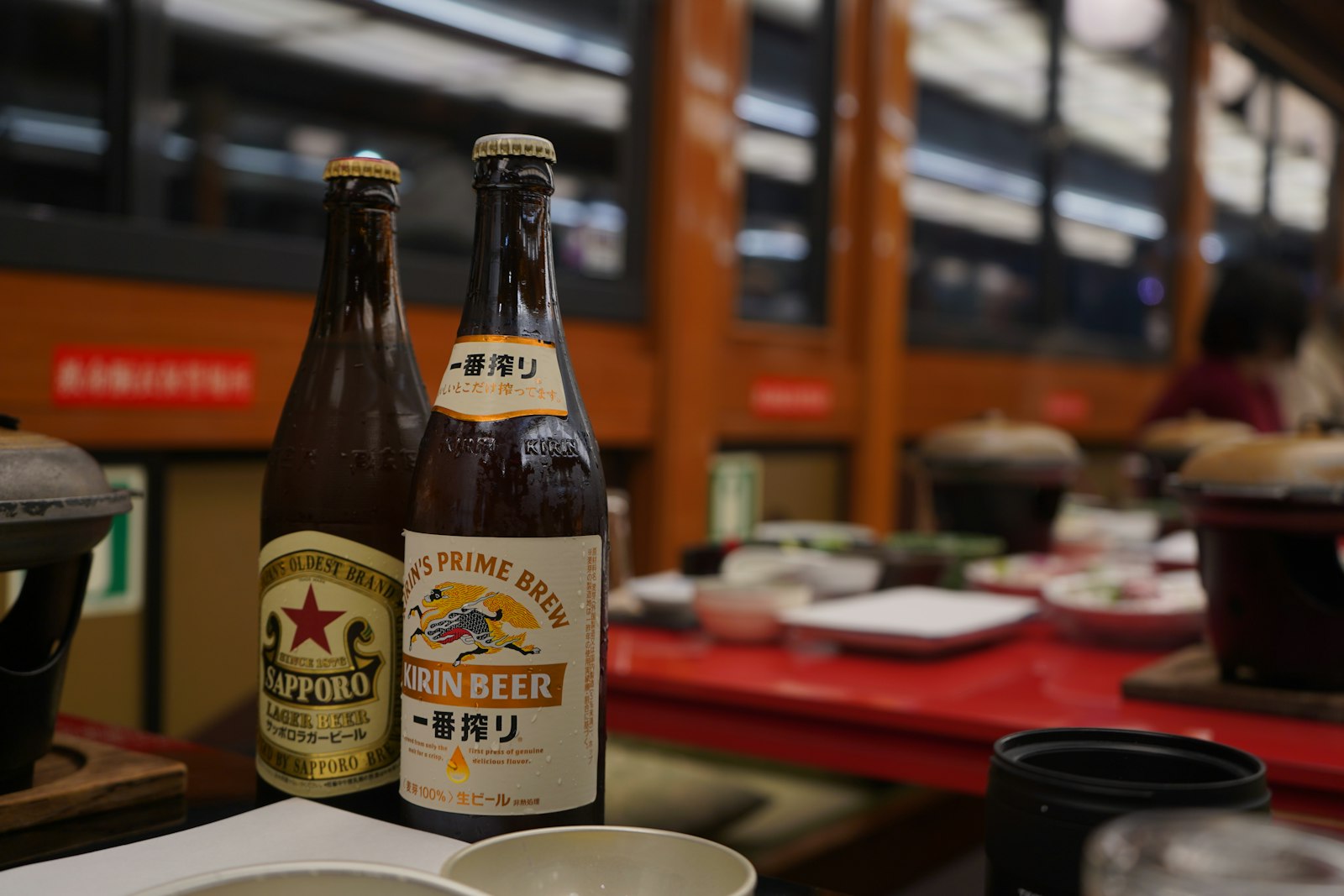
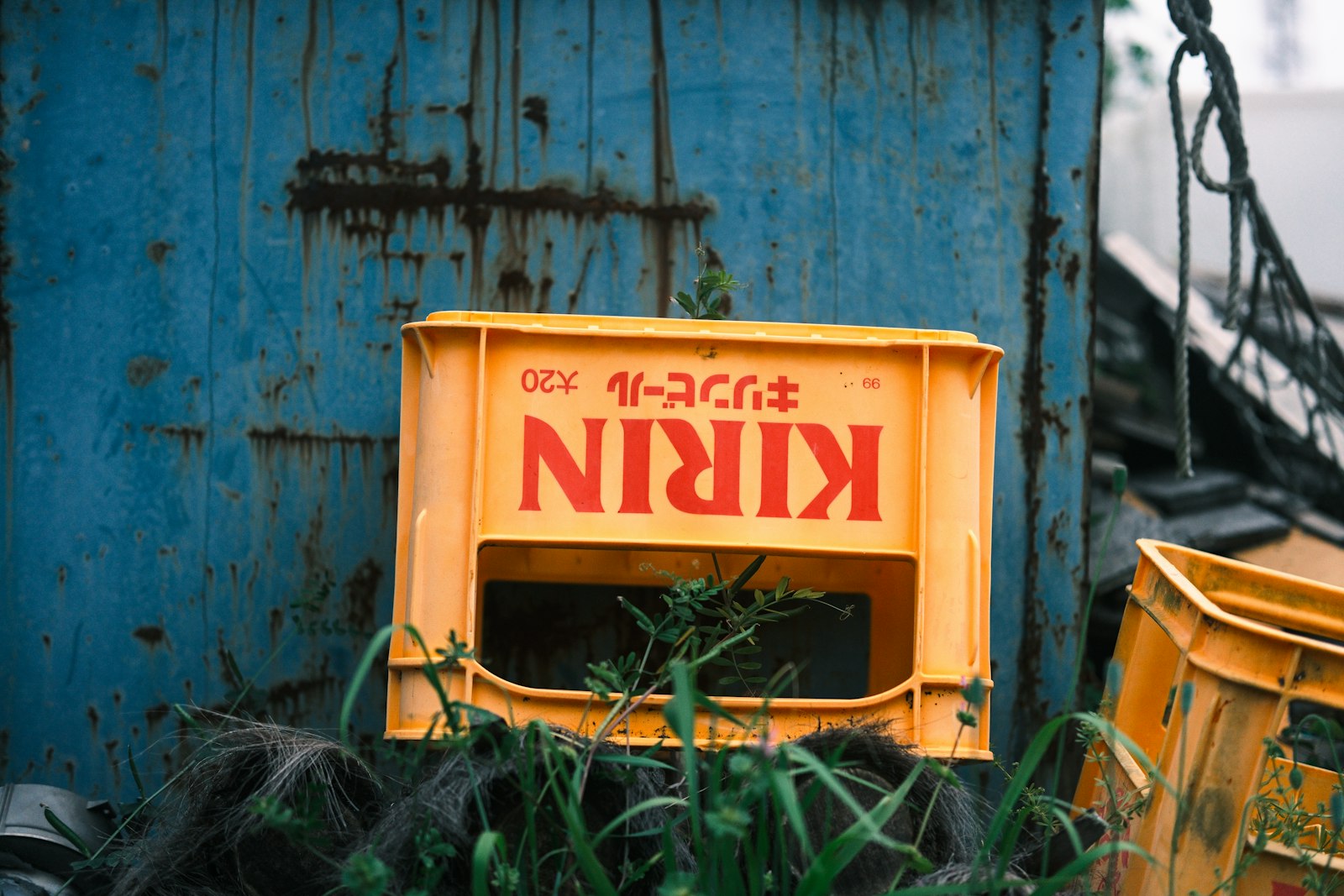
Kirin’s flagship, Ichiban Shibori, is made using only the first press of the wort, giving it a rounder, richer, slightly smoother character than the drier lagers. If Super Dry is crisp, Ichiban Shibori is fuller — a matter of preference many drinkers feel strongly about.
Sapporo and Yebisu
Sapporo, from Japan’s oldest brewing tradition, offers the classic Black Label and the premium Yebisu, both leaning toward richer, German-influenced lagers. Yebisu in particular is prized for its depth and creamy body, a step up in richness from the everyday lagers.
Suntory The Premium Malt’s
Suntory’s The Premium Malt’s is known for its rich, creamy foam and slightly floral, aromatic character, positioned as a premium everyday beer. It rounds out the big four with a fuller, more fragrant profile that has won a devoted following.
Beer Categories: Beer, Happoshu, and More
Draft Beer (Nama)
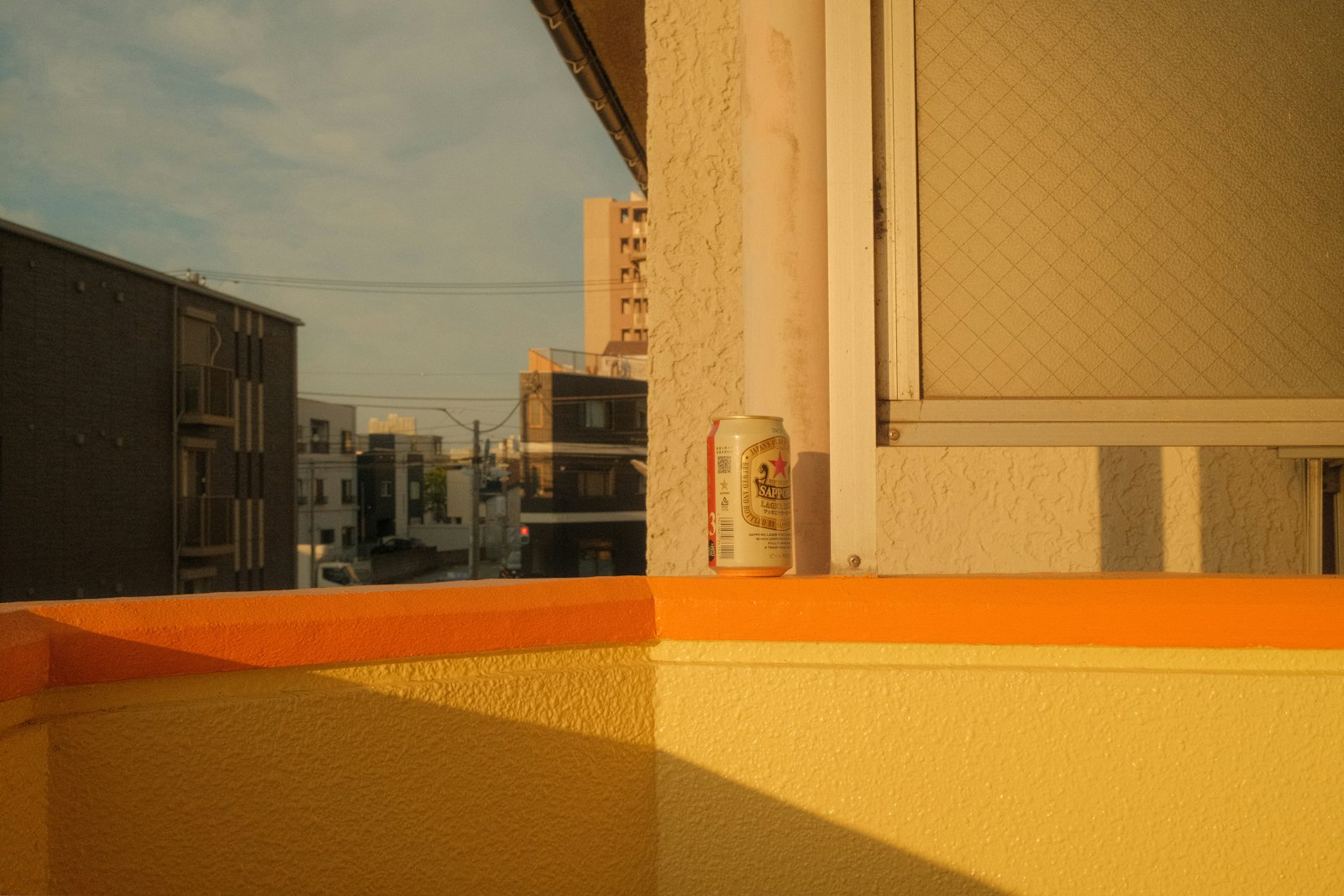
Nama-beer, or draft, refers to fresh, unpasteurized beer served on tap, and ordering a nama at an izakaya is the classic first drink. It is prized for its freshness and the perfect pour, and it is what most people reach for to start a meal.
Happoshu and New Genre
Here is where it gets confusing: Japan taxes beer by malt content, so brewers created happoshu (low-malt) and “new genre” or third-category beers that use less or different ingredients to fall into lower tax brackets. They are cheaper, which is why convenience-store shelves are full of them. Quality varies, but many are perfectly pleasant everyday drinks.
Alcohol-Free Beer
Japan makes some of the best non-alcoholic beers in the world, genuinely enjoyable 0.00% brews widely available everywhere. With strict drink-driving laws, they are popular and taken seriously, so they are a real option rather than an afterthought.
The Craft Beer Movement
Top Craft Labels
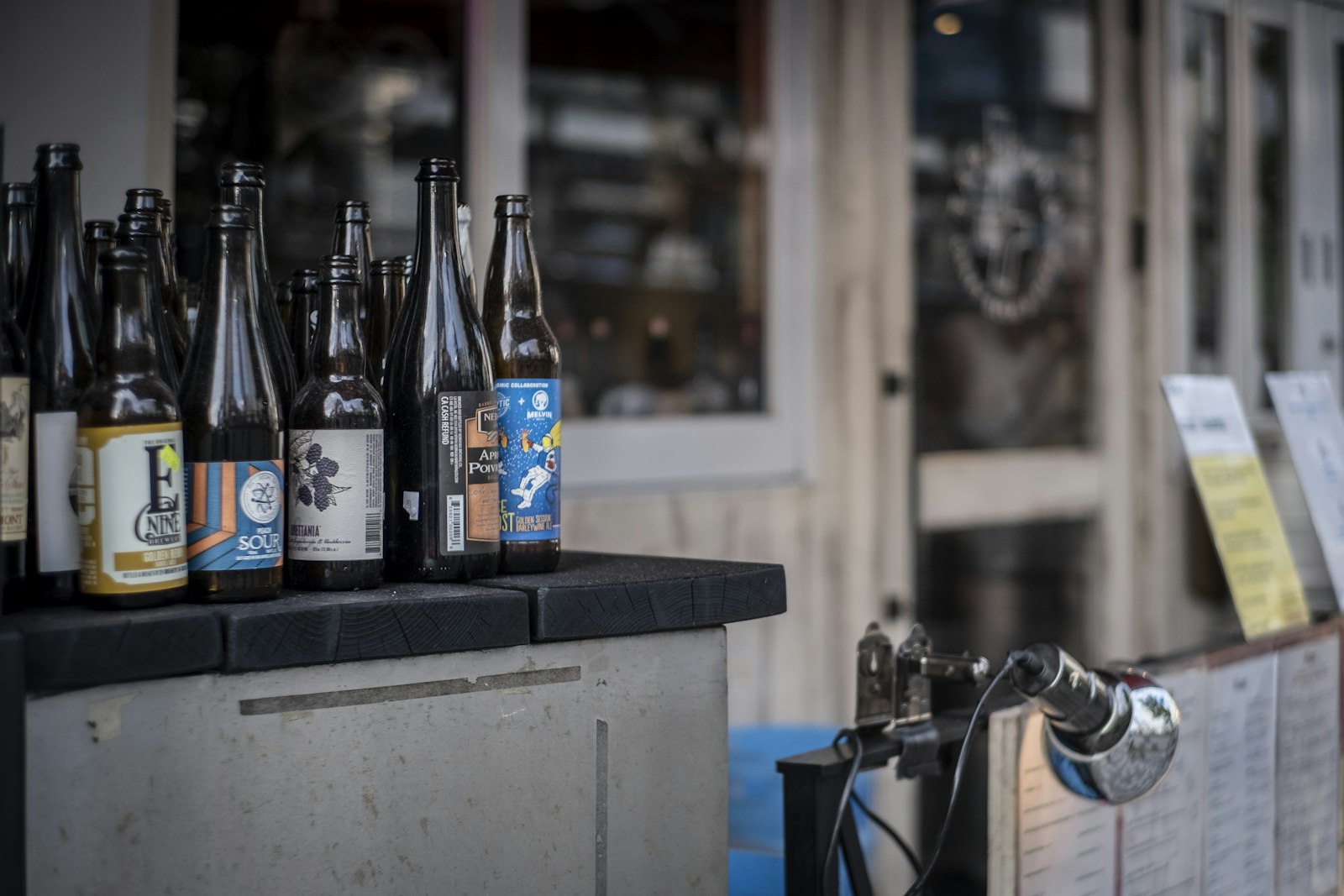
Japan’s craft scene (ji-beer) has produced excellent breweries — Hitachino Nest with its owl logo, Baird Beer, and Yo-Ho Brewing’s Yona Yona Ale among the best known. These labels show a creative, characterful side of Japanese brewing well beyond the mass-market lagers.
Craft Beer Bars
Craft beer bars and brewpubs have multiplied in Tokyo, Kyoto, and other cities, pouring local and imported craft on rotating taps. Seeking one out is a great way to explore the breadth of Japanese brewing in one sitting, often with knowledgeable staff to guide you.
Regional Flavors
Regional craft brewers experiment with local ingredients — fruit beers, rice-infused ales, and seasonal specialties tied to their area. These small-batch brews are worth trying when you travel outside the big cities, offering a taste of place you will not find in a can.
Convenience Store and Izakaya Beer Culture
Seasonal Cans
Japanese brewers release seasonal editions throughout the year — spring, autumn, and winter specials — that make browsing the convenience-store beer fridge a small pleasure. Grabbing a limited seasonal can is a low-stakes way to taste something new.
The Perfect Izakaya Pour
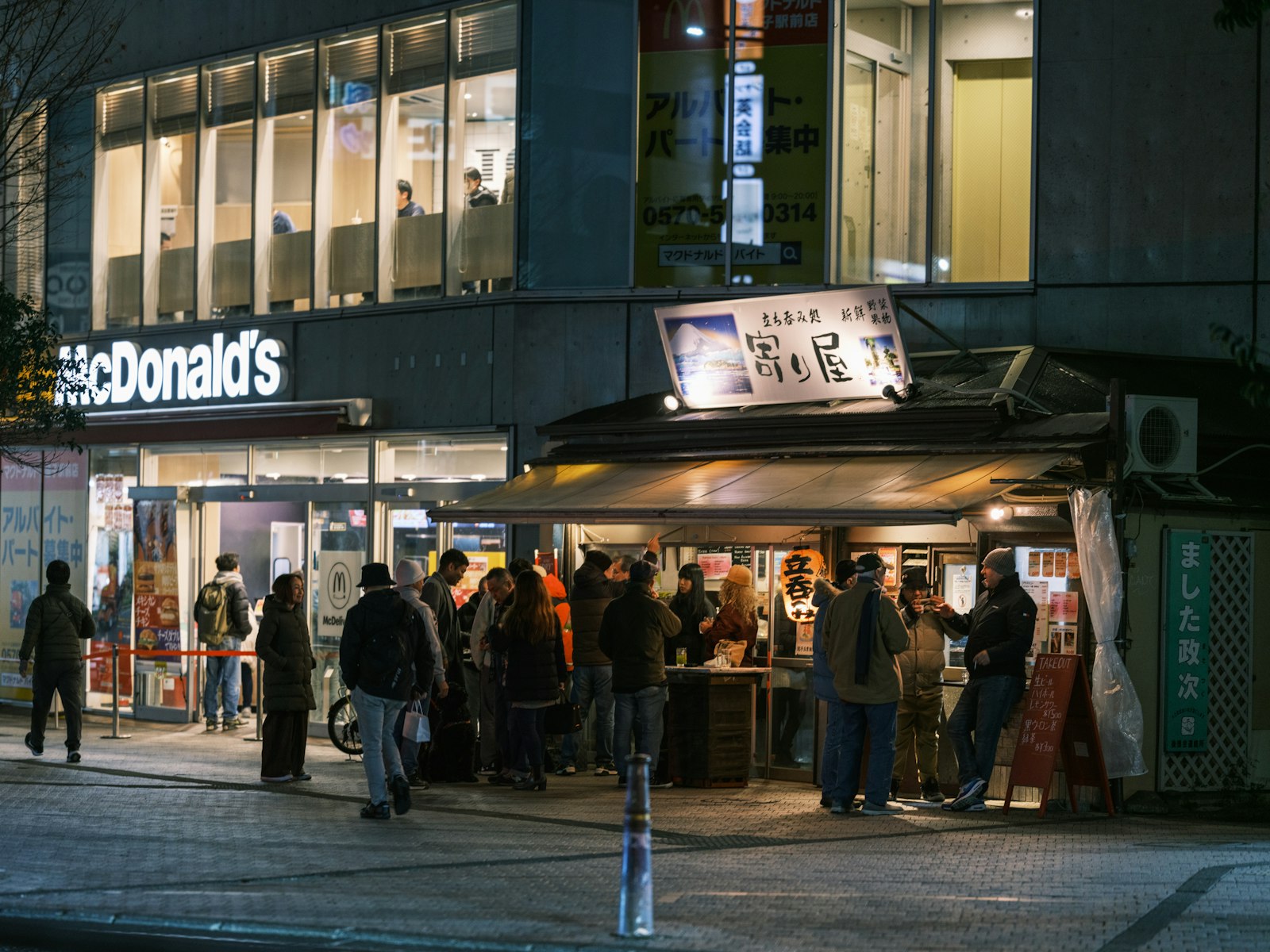
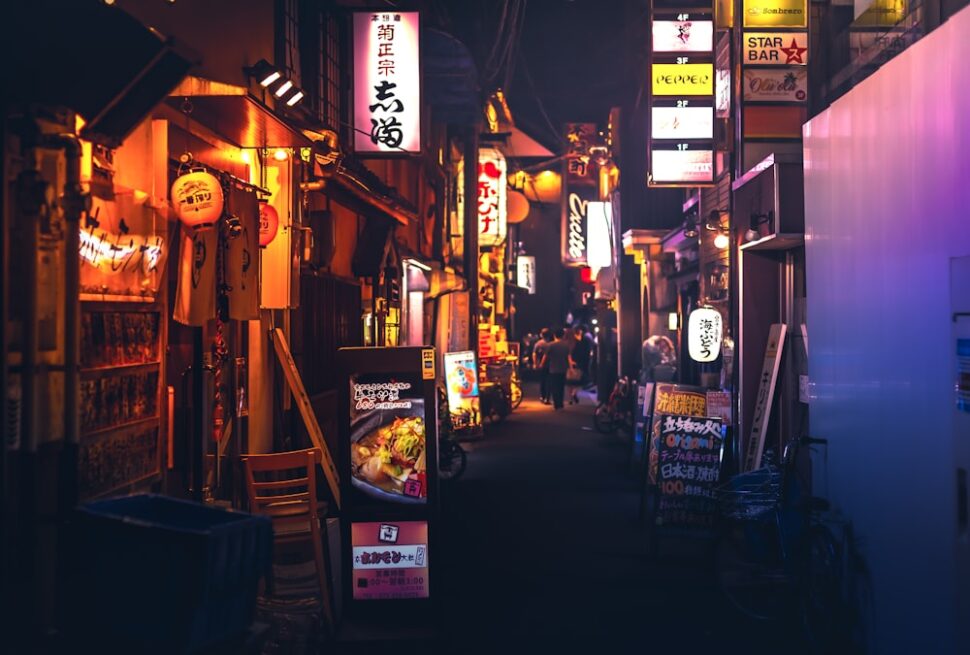
Izakayas take the draft pour seriously, some using automated dispensers to achieve a consistent foam head. That precise pour, with its exact ratio of beer to foam, is part of why a draft in Japan tastes so good. It is a small craft in itself.
Novelty Cans
Even the mainstream brewers innovate on packaging, like Asahi’s self-foaming widget can that produces a draft-like head when opened. These gimmicks are genuinely fun and popular — a reminder that Japanese beer culture takes even the small details seriously.
Brewery Tours and Beer Halls
The Sapporo Beer Museum
In Hokkaido, the Sapporo Beer Museum occupies a historic red-brick brewery and lets you taste heritage brews in atmospheric surroundings. It is a rewarding stop for beer lovers and a piece of Japanese industrial history in one.
Brewery Factory Tours
Asahi, Kirin, and other brewers run factory tours, often free and typically ending with fresh tastings and sometimes a pouring lesson. They are a fun, family-friendly outing and a chance to taste beer at its freshest, straight from the source. Book ahead.
Beer Halls
Traditional beer halls serve draught alongside hearty pub food in a lively, communal setting. They are a great place to settle in for an evening of good beer and comfort food, embodying the sociable side of Japanese beer culture.
Expert Tip
When browsing a convenience-store fridge, read the small print to know what you are buying. Cans that look like beer are often happoshu or “new genre” brews, cheaper because they use less malt to sit in a lower tax bracket. They are fine for a casual drink, but if you want a proper beer, look for the word “beer” (ビール) on the can rather than “発泡酒” (happoshu) or “新ジャンル.” A few seconds reading the label gets you what you actually want.
Japanese Beer Brands: Frequently Asked Questions
What is the legal drinking age in Japan? The legal age to drink and buy alcohol in Japan is 20. Carry ID, as shops and bars may ask, particularly of foreign visitors.
What is the difference between beer and happoshu? Beer meets a higher malt threshold and is taxed accordingly, while happoshu is a lower-malt alternative that is cheaper due to lower tax. Happoshu is lighter and less rich; check the label if the distinction matters to you.
Can I drink beer in public in Japan? Public drinking is generally legal in Japan, unlike in many countries, and drinking on trains or in parks is common. That said, some areas have introduced local restrictions at specific times, so be aware of and respect any local rules.
Related Tours
Conclusion
Japanese beer is more than a crisp lager, though it does that superbly. Learn the four big brewers’ characters, decode the happoshu shelves, and venture into the craft scene, and a simple drink becomes a small education in Japanese taste and ingenuity.
Plan Your Japan Trip with Local Experts
Our team has guided 40,000+ travelers across Japan. Tell us about your trip and we’ll get back to you within 24 hours.