
In this article:
- The Crossing, Hachiko, and the View From Above
- Shibuya by Day: Shopping, Records, and Green Space
- Shibuya After Dark
- How to Plan a Day in Shibuya
- Things to Do in Shibuya: Frequently Asked Questions
Introduction
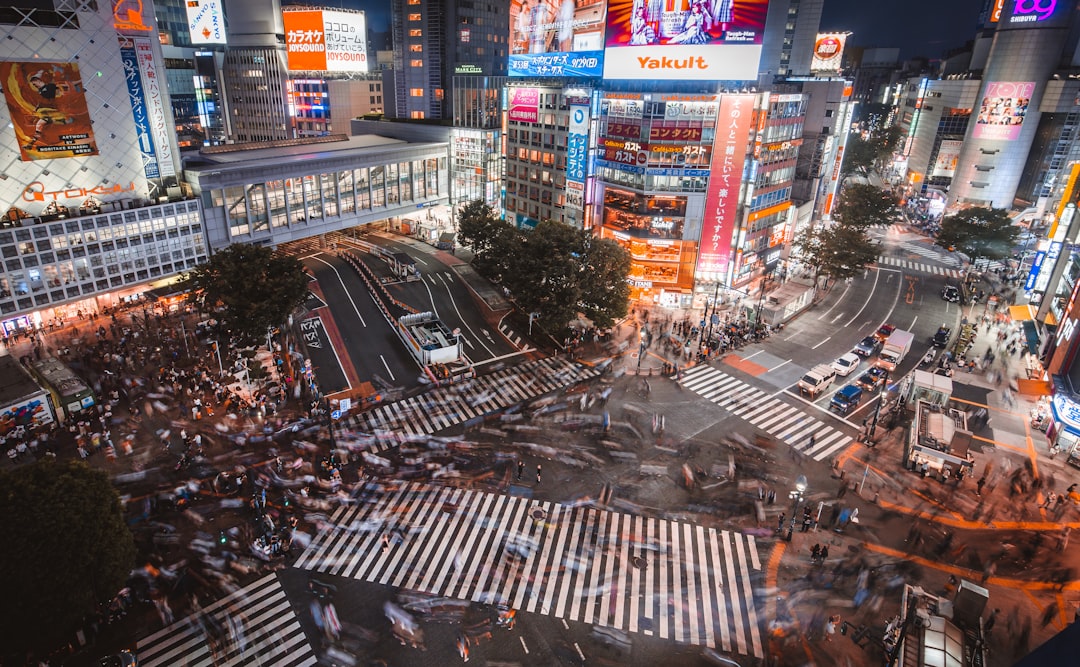
Most lists of things to do in Shibuya are built around the same ten minutes: cross the scramble, photograph Hachiko, leave for somewhere quieter. That is a shame, because the crossing is the least interesting thing about the neighbourhood once you have done it twice.
Stand outside the station at eight on a weeknight and the district is sorting itself. Office workers peel off toward Dogenzaka. Students drift into Center-gai. A few older men turn left along the railway tracks into a pair of alleys lined with bars so small that the regulars’ coats hang on hooks by the door. Each of those directions is a different Shibuya, and visitors who only see the first one tend to describe the whole place as loud and commercial.
We guide in Shibuya most evenings, and the travelers who enjoy it most are the ones who give it a full afternoon and a night rather than a stopover between Harajuku and Shinjuku. What follows is the order we would suggest, with the parts that are worth your time and the parts that are not.
The Crossing, Hachiko, and the View From Above
Start with the famous things, get them out of the way, and then go looking for the rest.
Shibuya Crossing: Where to Stand and When to Cross
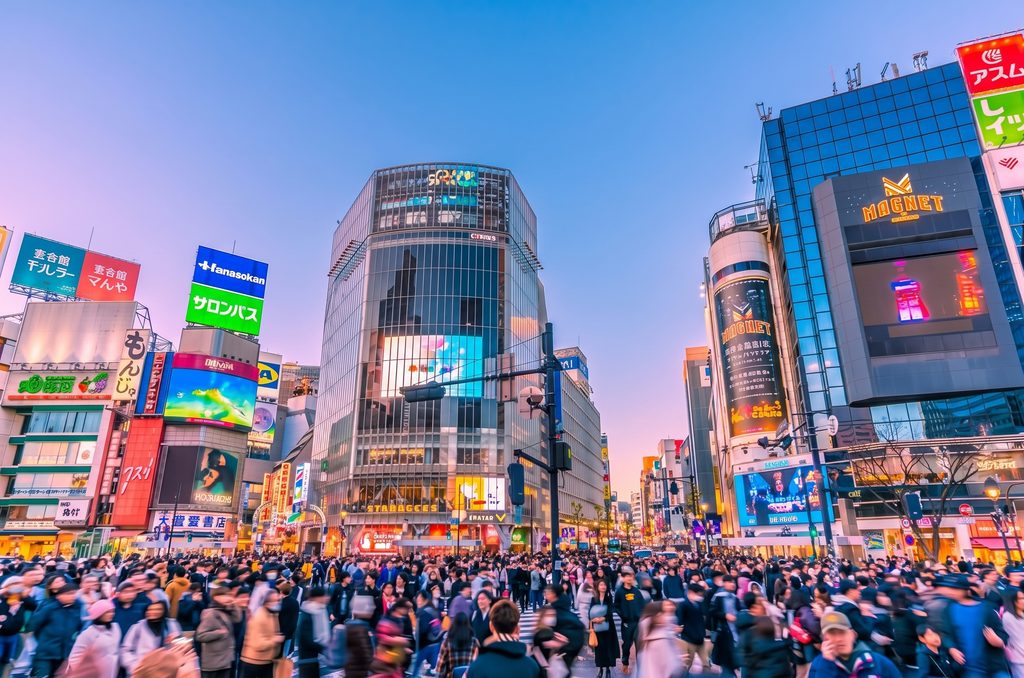
When every light at the junction turns red for traffic at once, the crowd moves in all directions at the same moment. It lasts well under a minute. Walk it once for the experience, then watch it from above, which is where the pattern actually becomes visible.
Timing changes everything here. Late morning on a weekday is thin and forgettable. Friday and Saturday evenings, especially after rain when the road surface reflects the screens, are when the scene looks like the photographs. We have written a longer guide to crossing Shibuya and where to photograph it if the crossing is the main reason you are coming.
One piece of etiquette matters. Do not stop in the middle of the road for a photograph or a video. The lights change quickly, and the people behind you are commuting.
Hachiko and the Station’s Other Landmarks
The bronze statue of Hachiko, the Akita who waited at the station for his owner, sits outside the Hachiko exit and is one of Tokyo’s best-known meeting points. Expect a queue for photographs. That said, it is a two-minute stop, not an attraction to plan around.
Far fewer visitors find the mural inside the station. Taro Okamoto’s Myth of Tomorrow, around thirty metres long, hangs in the connecting passage between the JR station and the Keio Inokashira Line inside Shibuya Mark City. Painted in Mexico in the late 1960s, it depicts the moment of an atomic bomb blast, and it was lost for decades before being recovered and installed here in 2008. Most commuters pass it without looking up. It is a serious work of art in an unlikely place, and it costs nothing to see.
Shibuya Sky: Timed Tickets, Sunset Slots, and Rooftop Rules
Shibuya Sky is the open-air observation deck on top of Shibuya Scramble Square, 229 metres above the street. The rooftop has no glass between you and the skyline, which is the reason to choose it over Tokyo’s enclosed observatories. On a clear winter afternoon Mount Fuji appears to the southwest.
Entry is by timed ticket, and tickets are cheaper bought online than at the counter. Sunset slots often sell out in advance, so book as soon as you know your dates. Prices also rise from 3pm, which means a late-afternoon slot costs more but gives you daylight, dusk, and the lit city in a single visit.
Plan for the rooftop rules. Luggage, food, drink, loose hats, tripods, and selfie sticks cannot go outside, and lockers are provided for anything larger than a phone or a small camera on a strap. In high wind the rooftop closes, and the indoor floors below remain open.
Expert Tip
Book the Shibuya Sky slot about forty minutes before sunset rather than at sunset itself. You arrive in daylight, find a space on the rail before the crowd builds, and watch the city switch on beneath you. By the time the sunset-slot visitors come up, you are already heading down to dinner.
Shibuya by Day: Shopping, Records, and Green Space
Shibuya by daylight is a shopping district first, and the trick is knowing which of its buildings deserve an hour.
Scramble Square, Parco, and the Food Halls
Shibuya Scramble Square, the tower beneath Shibuya Sky, holds more than two hundred shops and restaurants, and its upper restaurant floors are a practical place to eat before or after the observatory. Shibuya Parco on Koen-dori is the more interesting building for design and subculture, with Japanese fashion labels and a floor given over to games and anime character shops.
The department-store food halls are the part we recommend most to first-time visitors. Walk the basement floors of the station department stores at around 5pm, when the prepared-food counters are at their fullest and the wagashi displays are still complete. It is the quickest education in Japanese food available anywhere in the city.
Skip Shibuya 109 unless you are specifically interested in teen fashion. It is a landmark more than a shop for most adult travelers.
Tower Records and the Record Shops of Udagawacho
Tower Records Shibuya, a few minutes north of the crossing, is a multi-floor flagship with each floor devoted to a different part of the music world, from J-pop to jazz to vinyl. Even travelers with little interest in record shopping find it absorbing, because it shows how seriously Japan still takes physical music.
Behind it, the streets of Udagawacho hold a cluster of independent record shops and small cafes. This is the Shibuya that musicians and collectors know, and it rewards an unhurried hour of wandering rather than a plan.
Miyashita Park, Yoyogi Park, and Meiji Shrine
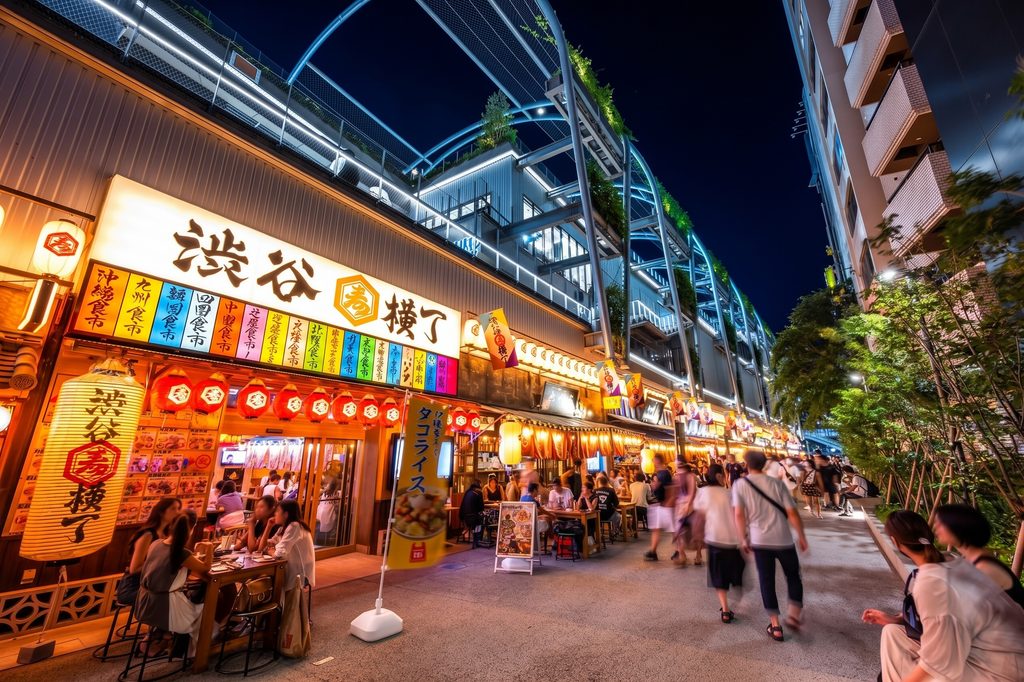
Miyashita Park is a four-storey complex that opened in 2020, with shops underneath and a long public park on the roof. The rooftop lawn is a good place to sit with a coffee between the station and Harajuku, and there is a skate park and bouldering wall for anyone with more energy. On the ground floor, Shibuya Yokocho is a covered food alley of stalls serving regional dishes from across Japan.
For real green space, go north. Yoyogi Park and the forest around Meiji Shrine sit one stop away on the JR Yamanote Line at Harajuku, and the change in atmosphere after the crossing is abrupt. The gravel approach through the trees is cool even in August. Our Meiji Shrine guide covers how to approach the shrine and what to look for on the way in.
We suggest doing this in the morning. The shrine is calmest early, and it leaves the afternoon and evening for Shibuya itself.
Shibuya After Dark
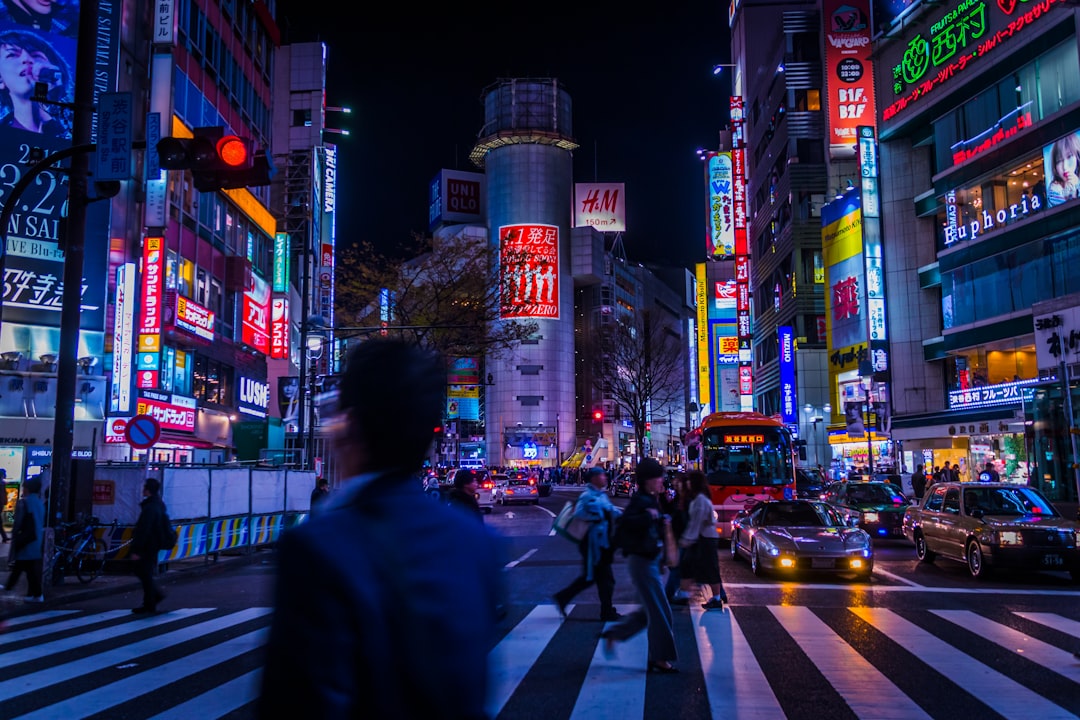
Shibuya becomes a different place after 7pm, and this is where most visitors lose their nerve. The main streets are loud and neon-lit. The good bars are upstairs, down side lanes, or behind unmarked doors, and none of them advertise in English.
Nonbei Yokocho: Postwar Bars Along the Tracks
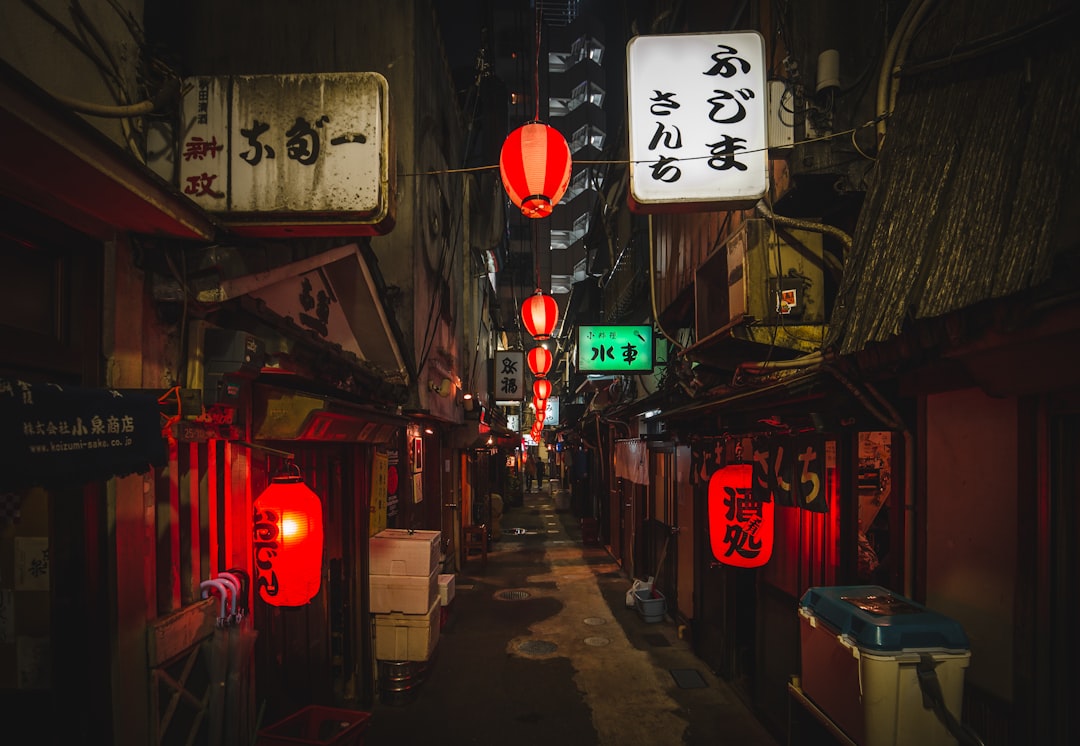
Nonbei Yokocho, a short walk from the Hachiko exit along the JR tracks, is a pair of narrow alleys that date from the early 1950s. Stallholders cleared from the postwar black market around the station were given plots here, and the layout has barely changed. Many of the bars seat half a dozen people.
It is less crowded with visitors than Golden Gai in Shinjuku, and the atmosphere is quieter and older. However, some bars have a seating charge and a few prefer regulars. Look for a posted menu with prices, or a door left open, as a sign that newcomers are welcome. Our guide to Nonbei Yokocho goes into how to choose a bar and what to expect inside.
Center-gai and the Lanes Behind It
Center-gai is the Shibuya from films: arcades, karaoke towers, chain restaurants, and a constant stream of students. It is worth walking once. It is not where you want to drink.
The lanes behind it are another matter. On our Shibuya bar crawl, the final stop is a counter in these back streets where perhaps a dozen people fit and the owner does the pouring, and it is almost always the part of the evening guests talk about afterwards. The same is true of the izakaya above the crossing and the bars along the Miyashita Park rooftop, which draw a younger local crowd and almost no foreign visitors.
None of these places are secret. They are hard to find, hard to read, and hard to order in without Japanese, which is why so few visitors get to them.
Izakaya Basics: Cash, Smoking, and Ordering
Three practical points save a lot of friction. Carry cash, because several small bars in Shibuya do not take cards. Expect smoking, which remains permitted in many of the neighbourhood’s bars. And expect a small table charge at many izakaya, often served as a little dish you did not order.
Ordering is easier than it looks. Start with a drink, point at what the next table is eating, and let the kitchen pace the food. Dishes arrive in no particular order, and that is normal.
Expert Tip
Go out on a Tuesday or Wednesday rather than a Friday. The small bars are full of regulars on weeknights, and regulars are far more likely to strike up a conversation than a Friday crowd that has come for the crossing. On weekends, the tiny counters fill early and the chance of getting a seat drops sharply.
How to Plan a Day in Shibuya
Shibuya works best as one long day that moves from quiet to loud. Trying to fit it into a single evening means you see only the crowd.
A Realistic Order
Begin at Meiji Shrine around opening time, walk through Yoyogi Park, and come down through Harajuku or Omotesando for lunch. Spend the early afternoon between Miyashita Park, Udagawacho, and Parco. Go up Shibuya Sky in the late afternoon, eat in the food halls or at an early dinner, and cross the scramble once it is fully dark.
After that, the evening is yours. Nonbei Yokocho suits a quiet drink for two. The lanes behind Center-gai suit a longer night.
This order keeps you moving south for most of the day, and it puts the crowded parts of Shibuya at the hour they look their best.
When a Guide Helps and When It Does Not
In daylight, Shibuya is easy to do alone. Signs are in English, the shopping needs no explanation, and the station is manageable once you know which exit you want.
At night the calculation changes. The difference between a tourist bar on a main street and a counter full of locals is mostly knowing which door to open and what to say once inside. That is why our evening bar crawl exists, and why travelers on a private Tokyo day often ask their guide to end the day in Shibuya rather than start it there.
Things to Do in Shibuya: Frequently Asked Questions
How much time do I need in Shibuya?
Half a day covers the crossing, Hachiko, Shibuya Sky, and some shopping. A full day plus an evening lets you add Meiji Shrine, Yoyogi Park, and the bars, which is where most of the neighbourhood’s character sits. We recommend the full day for anyone spending four or more days in Tokyo.
What is the best time to see Shibuya Crossing?
Friday and Saturday evenings after dark, when the crowds are thick and the screens are lit. Rain helps, because the wet road reflects the neon. Watch from above first, then walk it yourself, and avoid stopping in the road to film.
Is Shibuya safe at night?
Shibuya is generally safe to walk at night, including for solo travelers. The usual big-city caution applies: ignore street touts who approach you offering bars or clubs, and choose bars with visible prices or a posted menu. For a wider view of Tokyo’s entertainment districts, the same principles apply in Shinjuku and Roppongi.
Related Tours


Conclusion
Shibuya is not a place to tick off. The crossing takes a minute, and the rest of the neighbourhood takes a day and most of a night.
If you do only one thing differently, book your Shibuya Sky slot for late afternoon and leave the evening empty. Walk behind Center-gai or along the tracks to Nonbei Yokocho, carry cash, and go into the first small bar where the door is open. That is the Shibuya people who live here know, and it is ten minutes from the crossing.
Plan Your Japan Trip with Local Experts
Our team has guided 40,000+ travelers across Japan. Tell us about your trip and we’ll get back to you within 24 hours.




