In this article:
- The Four Ingredients: Rice, Water, Koji and Yeast
- How Sake Is Made, Step by Step
- How the Ingredients Show Up on the Label
- What Is Sake Made Of? Frequently Asked Questions
Introduction
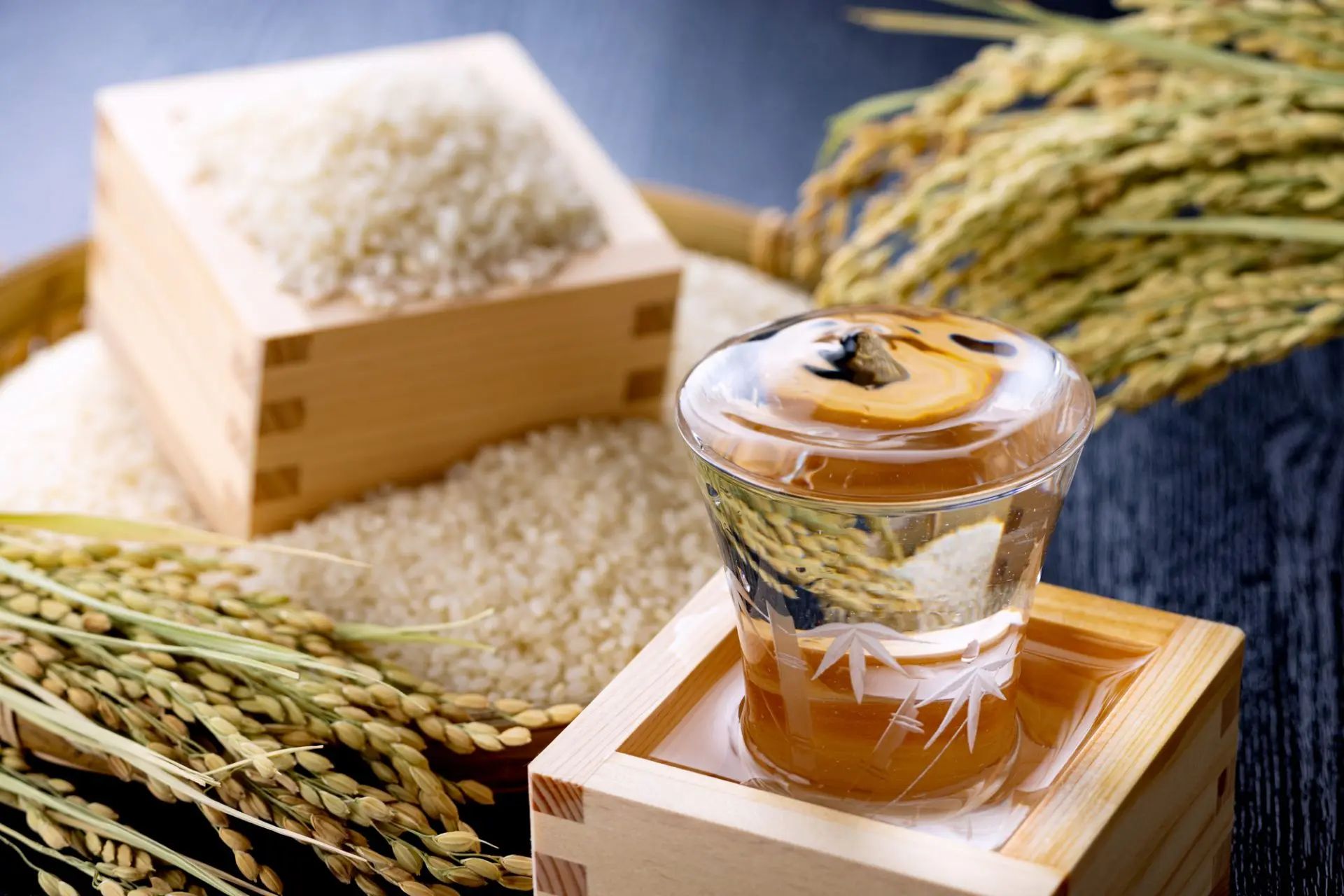
Ask a room of first-time visitors what sake is made of and most will say rice, which is correct and also about a quarter of the answer. Sake is brewed from rice, water, koji and yeast, and nothing else in its purest form. The interesting part is how those four ordinary things turn into a drink that can smell of melon, pear, steamed chestnuts or fresh cream.
We spend a lot of evenings at sake counters with travelers, and the same moment happens again and again. Someone tastes two glasses side by side, notices they are nothing alike, and asks why. The answer almost always comes back to ingredients and method: which rice, how much of it was polished away, what the water was like, and what the brewer chose to add or leave out.
Knowing this does not require becoming an expert. It takes about ten minutes of reading, and it changes what you order for the rest of the trip.
The Four Ingredients: Rice, Water, Koji and Yeast
Every bottle of sake starts from the same short list. What separates a ¥400 cup from a ¥20,000 bottle is not the list but the quality of each item and the care taken with it.
Sake Rice Is Not Dinner Rice
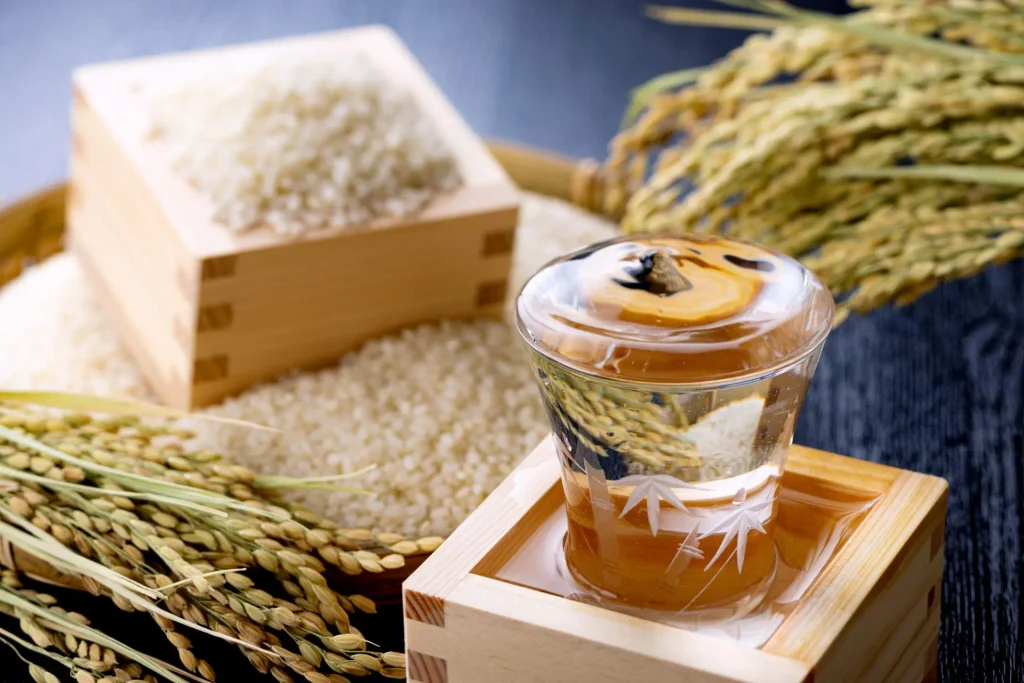
Breweries can use ordinary table rice, and many everyday sakes do. The better bottles use dedicated sake rice, known in Japan as shuzo kotekimai. According to the Japan Sake and Shochu Makers Association, sake rice grains tend to be larger than table rice and lower in protein, which makes them easier to brew with.
Protein and fat sit mostly in the outer layers of the grain, and they produce heavier, sometimes muddier flavours. Starch sits in the centre. Sake rice is bred to carry a large starchy core, which is why it can be polished hard without breaking.
Three names come up constantly. Yamada Nishiki, most of it grown in Hyogo Prefecture, is the variety you will see on the labels of many premium bottles. Omachi, largely grown in Okayama, is an older line that tends to produce earthier, broader sake. Gohyakumangoku, planted widely along the Sea of Japan coast, is associated with the crisp, dry style of Niigata.
We would not pick a bottle by rice variety alone. However, once you have tasted a Yamada Nishiki and an Omachi next to each other, the difference is easy to hear.
Water Is Most of the Glass
Water matters more than people expect. Finished sake is mostly water, and the Japan Sake and Shochu Makers Association notes that brewing uses roughly ten times more water than rice once washing, soaking and cleaning are counted.
Mineral content changes the way yeast behaves. Hard water, with more calcium and potassium, keeps fermentation vigorous and tends toward drier, firmer sake. Soft water ferments more slowly and gives a gentler, rounder result.
Japan’s two classic brewing districts show this well. Nada, in Kobe, built its reputation on miyamizu, a mineral-rich well water discovered in the nineteenth century, and its sake has long been described as masculine and dry. Fushimi, in the south of Kyoto, draws on softer spring water and is known for a smoother, more delicate style. The contrast is a generalisation, and modern brewers blur it. Still, it is a useful starting point when a menu lists sake by region.
Koji: The Mould That Does the Real Work
Rice does not ferment on its own. Unlike grapes, it has no sugar for yeast to eat, only starch. Koji solves that problem.
Koji is steamed rice inoculated with Aspergillus oryzae, a safe, cultivated mould that produces enzymes capable of breaking starch into sugar. The same organism is behind miso, soy sauce and mirin, so if you have eaten a Japanese meal you have already tasted its work. In the brewery it grows on the rice over roughly two days in a warm, humid room, and the grains end up smelling faintly of chestnuts.
Brewers often say koji is the single most important step. We agree. A sake made with careless koji is flat no matter how good the rice was.
Yeast: Converting Sugar Into Alcohol
Yeast turns the sugar released by koji into alcohol and carbon dioxide. Most breweries use cultured strains, many of them distributed through the Brewing Society of Japan, while a few work with yeast that lives in the brewery itself.
The strain has a large effect on aroma. Some produce the fruity, apple-and-banana notes associated with ginjo sake, while others stay quiet and let the rice speak. When a sake smells of fruit that was never in the bottle, yeast is usually the reason.
Expert Tip
If you want to feel the effect of water rather than read about it, order a sake from Nada and one from Fushimi at the same bar and taste them at room temperature. Chilling hides a lot of the difference. Most sake bars in Tokyo and Kyoto keep bottles from both districts, and the staff are usually happy to point them out.
How Sake Is Made, Step by Step
Sake is brewed, not distilled, and the process is closer to beer than to wine. It is traditionally made in winter, when cold air slows fermentation and keeps unwanted bacteria in check, and many small breweries still produce only between late autumn and early spring.
Polishing, Washing and Steaming
The first step is milling the brown rice to strip away the outer layers. How much remains is expressed as the seimaibuai, or polishing ratio. A figure of 70% means 30% of each grain has been ground away; a figure of 50% means half of it has.
After polishing, the rice rests for a period so it can reabsorb moisture, then it is washed and soaked. Soaking is timed closely for highly polished rice, sometimes down to the minute, because the grains absorb water quickly and turn soft if left too long. The rice is then steamed rather than boiled, which leaves it firm on the outside and soft within.
The Koji Room and the Yeast Starter
Part of the steamed rice goes into the koji room, a warm, cedar-lined space where brewers spread it on tables, sprinkle it with koji spores and tend it through the night. The rest waits for later stages.
Next comes the shubo, or yeast starter. Koji, steamed rice, water and a concentrated dose of yeast are combined in a small tank to build a healthy, acidic culture. Traditional methods called kimoto and yamahai let naturally occurring lactic acid bacteria acidify the starter slowly, which takes longer and often gives a wilder, more savoury sake. Most breweries add lactic acid directly, which is faster and more predictable.
The Three-Stage Mash
The starter is moved into a large tank and fed with koji, steamed rice and water in three additions over four days, a method called sandan shikomi. Each addition roughly doubles the volume. Feeding the tank gradually keeps the yeast population strong enough to outcompete bacteria.
What happens in that tank is the part that makes sake unusual. Koji is breaking starch into sugar while yeast is turning that sugar into alcohol, both at once in the same vessel. This is called multiple parallel fermentation. Because sugar is released steadily rather than all at the start, the yeast can keep working until the mash reaches around 20% alcohol, higher than wine or beer reach through fermentation alone. The mash, called moromi, ferments for roughly a month.
Pressing, Pasteurising and Resting
When the brewer decides the moromi is ready, it is pressed to separate the liquid from the solids. The leftover lees, sake kasu, are sold for cooking and pickling. Most sake is then filtered, pasteurised by gentle heating, rested for several months, and diluted with water to around 15% alcohol before bottling.
Each of those later steps is optional, and skipping one creates a different style. That is where the label becomes useful.
How the Ingredients Show Up on the Label
Japan’s labelling rules turn ingredient choices into named categories. About a third of the words on a sake menu are telling you what went into the tank and how hard the rice was polished.
Junmai and Added Alcohol
Junmai means “pure rice”. A junmai sake is made from rice, koji and water only, with yeast doing the work. Nothing else is added.
Honjozo and many ginjo sakes include a small amount of distilled brewer’s alcohol, added near the end of fermentation. The labelling standard caps it at under 10% of the weight of the polished rice. It is not there to make the sake stronger. A little added alcohol lifts aroma and lightens the body, and many brewers use it deliberately.
We hear travelers dismiss anything that is not junmai. That is a mistake. A good honjozo, served warm with grilled fish at an izakaya, is one of the better things you can drink in Japan.
Polishing Ratio: Ginjo and Daiginjo
Ginjo sake must be made from rice polished to 60% or less, and daiginjo to 50% or less, brewed with the slow, cool ginjo method. Add the word junmai in front, as in junmai ginjo or junmai daiginjo, and it means the same polishing with no added alcohol.
Heavier polishing tends to produce lighter, cleaner and more aromatic sake. That does not make it better with food. A daiginjo can disappear next to a plate of fatty yakitori, while a junmai polished only to 70% holds its own. In our experience the most expensive bottle on the menu is rarely the best match for what is on the table.
Namazake, Genshu and Nigori
Three more words describe what was done after pressing. Namazake has not been pasteurised, so it tastes fresher and livelier and needs to be kept cold. Genshu has not been diluted with water, so it is usually stronger, often 17% to 20%. Nigori is coarsely filtered, leaving fine rice solids that make it cloudy, soft and slightly sweet.
These are easier to taste than to read about. On our Shinjuku bar and izakaya crawl, the second stop is a small sake bar where several styles are poured side by side and chosen against what the group has already eaten. Most people arrive with no idea what they like and leave able to name it, usually because a namazake and a warmed junmai were in front of them at the same time.
For more on where to taste once you know the vocabulary, our guide to sake tasting in Japan covers bars and regional styles in detail.
Expert Tip
Ask for a sake served at nurukan, around body temperature, at least once. Warming opens up the rice and koji flavours that chilling suppresses, and junmai or honjozo made from less polished rice usually improves with it. Delicate daiginjo is the exception and is better cool.
What Is Sake Made Of? Frequently Asked Questions
Is sake a wine or a beer?
Neither, strictly. It is often called rice wine because its strength and the way it is served resemble wine, but the process is closer to beer: starch is converted into sugar first, then fermented. In sake both of those happen in the same tank at the same time. Japanese law treats it as its own category, seishu.
Is sake distilled like shochu?
No. Sake is brewed and pressed, and it usually reaches the glass at around 15% alcohol. Shochu is a distilled spirit made from ingredients such as sweet potato, barley or rice, and it is typically stronger. The only distilled element in some sake is the small dose of brewer’s alcohol added to honjozo and non-junmai ginjo styles.
Does junmai mean the sake is better?
It means the sake contains no added alcohol, not that it is higher quality. Some of Japan’s most respected brewers make excellent honjozo and ginjo with a little added alcohol, and some junmai is ordinary. Use junmai as a description of style, fuller and more rice-forward, rather than as a mark of rank.
Related Tours
Conclusion
The short answer to what sake is made of is rice, water, koji and yeast. The useful answer is that every decision about those four, which rice, how far it was polished, what water, whether anything was added after fermentation, is printed on the label in a handful of words you can learn before dinner.
Learn junmai, ginjo, daiginjo, namazake and genshu, and you can read most sake menus in Japan. Then order two glasses that differ in only one of those ways and taste them side by side. In Kyoto, where the evening on our Kawaramachi crawl starts at an izakaya and the guide handles the ordering, that comparison takes one sentence to request. If you want to read up on the rest of the table first, our guide to ordering at a Japanese izakaya covers the otoshi charge and what to eat alongside the sake, and our notes on Kyoto nightlife explain where the city drinks after dark.
Plan Your Japan Trip with Local Experts
Our team has guided 40,000+ travelers across Japan. Tell us about your trip and we’ll get back to you within 24 hours.