In this article:
- Three Ways to Get From Tokyo to Nikko
- Tickets, Passes, and What the Japan Rail Pass Covers
- Timing a Day Trip From Tokyo
- Arriving in Nikko: Two Stations and the Road Up
- Tokyo to Nikko: Frequently Asked Questions
Introduction
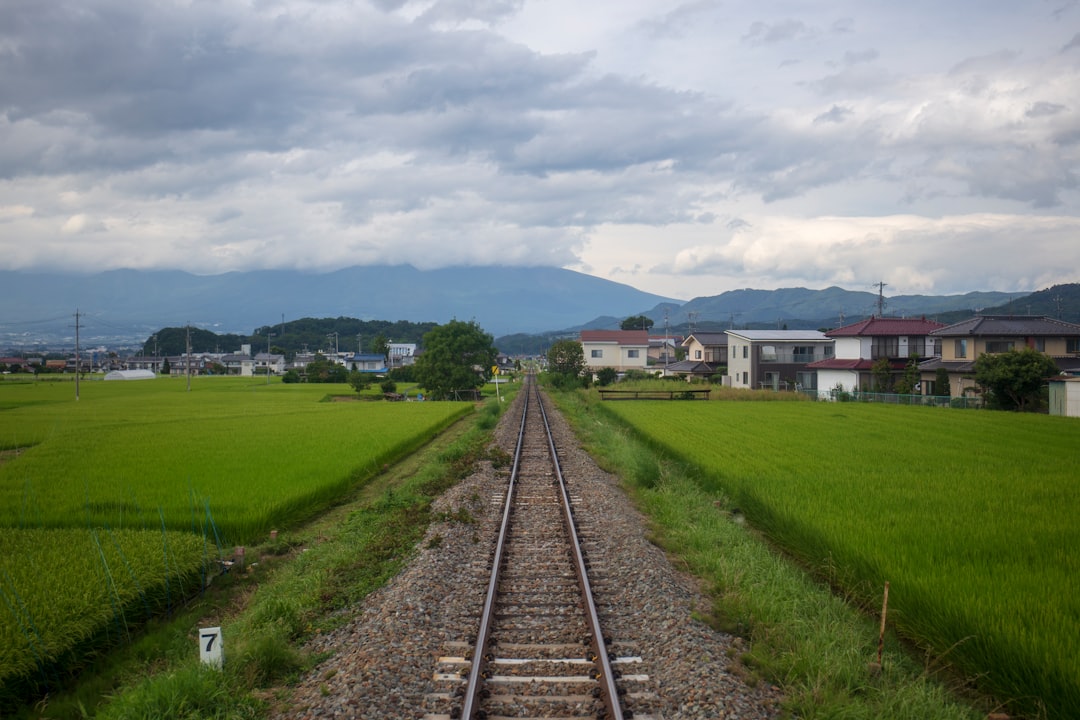
The trip from Tokyo to Nikko takes about two hours by train, and in that time the view changes from elevated expressways to rice fields to cedar-covered mountains. By the time you step off at Nikko, the air is several degrees cooler and smells faintly of wet wood.
Most first-time visitors spend longer choosing a route than the choice deserves. There are three good options, all of them around two hours, and the differences come down to price, which rail pass you hold, and where in Tokyo you start. A traveler staying in Asakusa and one staying near Tokyo Station should not take the same train.
We run private days in Nikko throughout the year, and the travelers who enjoy them most are rarely the ones who found the cheapest ticket. They are the ones who left early. What follows is the practical version: which train, which ticket, and how to arrange the hours so the shrine gets the attention it deserves.
Three Ways to Get From Tokyo to Nikko
Two railway companies serve Nikko, and they arrive at two stations a short walk apart. Tobu Railway runs from Asakusa in northeast Tokyo. JR East runs from Tokyo and Ueno stations via the Shinkansen. A third service, run jointly by both companies, leaves from Shinjuku on the west side of the city.
Tobu Limited Express From Asakusa
For most travelers this is the default, and in our view the best one. Tobu limited express trains run direct from Asakusa to Tobu-Nikko Station in roughly two hours, with no change of train. Several stop at Kita-Senju and Tokyo Skytree stations on the way out, which helps if you are staying elsewhere on the east side.
The flagship is the Spacia X, introduced in 2023, with large windows, a café counter, and a range of seat types from standard reclining seats to private compartments. The older Spacia Kegon and Revaty Kegon services cover the same route with plainer interiors. Japan-guide lists one-way fares for the limited express between about ¥2,850 and ¥3,540, depending on the train and the season.
Slower express and local trains also run to Nikko for around ¥1,400, but they involve one to three changes and take longer. That is a fair trade for a backpacker. For a day that already begins early, we would not recommend it.
Tohoku Shinkansen and the JR Nikko Line
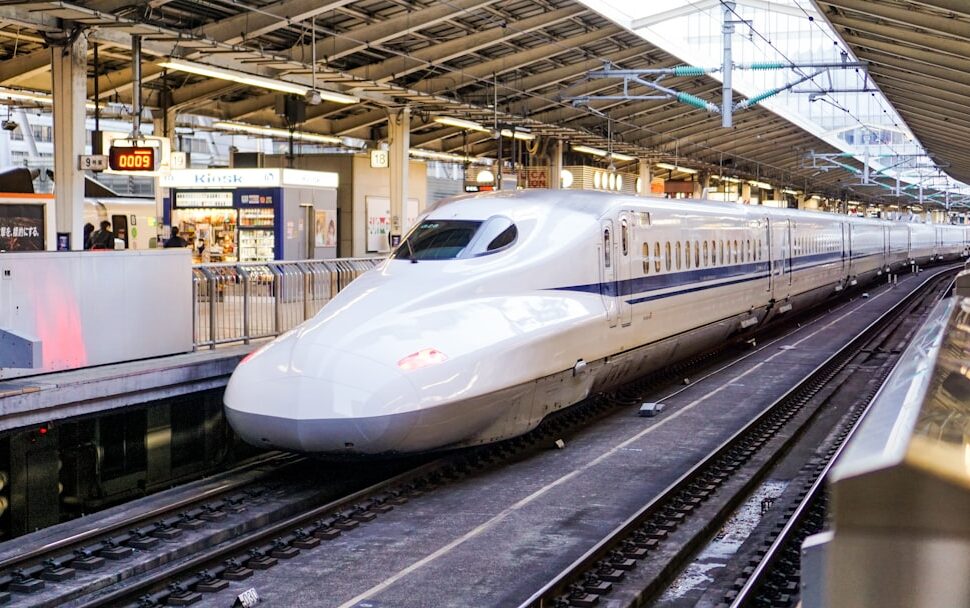
The JR route starts at Tokyo or Ueno Station. You ride the Tohoku Shinkansen to Utsunomiya, which takes around 50 to 60 minutes, then change to the JR Nikko Line for the final stretch of about 45 minutes to JR Nikko Station.
Total journey time is similar to the Tobu line once you account for the transfer. The fare is higher, at around ¥5,500 one way with a reserved seat. However, this route is fully covered by the Japan Rail Pass, which changes the arithmetic completely if you already hold one.
The Nikko Line itself is a local train and feels like it. Seats are basic, and the last few stops climb gently through farmland and forest. Utsunomiya is also known for its gyoza, and some travelers plan a lunch stop there on the way back.
The JR–Tobu Through Train From Shinjuku
A small number of limited express trains run directly from Shinjuku, stopping at Ikebukuro and Omiya, then crossing from JR tracks onto Tobu tracks at Kurihashi and continuing to Tobu-Nikko. Japan-guide lists the fare at about ¥4,140 one way, with only one or two departures a day.
The appeal is obvious if your hotel is in Shinjuku or Ikebukuro. The drawback is the timetable. With so few trains, the schedule decides your day, not you. Check it before building an itinerary around this option.
Expert Tip
Choose your route by your hotel, not by the fare table. From Asakusa, Ueno, or anywhere on the Ginza Line, the Tobu train is the obvious answer. From Marunouchi or Tokyo Station, the Shinkansen avoids a cross-city subway ride at 7am. Crossing the whole city to save a few hundred yen costs you the quietest hour of the morning.
Tickets, Passes, and What the Japan Rail Pass Covers
Ticketing is where most of the confusion sits, and the rules differ by company. The short version: Tobu limited express trains need a seat reservation, the Shinkansen route is covered by the Japan Rail Pass, and the Shinjuku through train sits awkwardly between the two.
Reserving Tobu Limited Express Seats
Every seat on a Tobu limited express is reserved. There are no unreserved cars, so you cannot walk on and stand. Tickets are sold at station counters and machines, and online through Tobu’s ticketless service.
On autumn weekends the morning trains fill up well in advance. We book our guests’ seats as soon as the travel date is fixed. If your plans are flexible, a weekday departure is both easier to book and a better day at the shrine.
NIKKO PASS: World Heritage Area or All Area
Tobu sells two passes aimed at overseas visitors. According to Tobu’s own site, the NIKKO PASS World Heritage Area costs ¥3,000 for adults and is valid for two days. It covers one round trip between Asakusa and Nikko on Tobu lines, plus Tobu buses within the World Heritage area around the shrines.
The NIKKO PASS All Area costs ¥8,000 and runs for four days. It extends bus coverage up to Lake Chuzenji and the Okunikko area, and adds Kinugawa Onsen. Both passes are sold only to foreign travelers, though Japanese nationals travelling with them may also buy one.
There is one detail that catches people out. Neither pass includes the limited express surcharge. You still pay extra for a reserved seat on the Spacia X or Kegon, or you ride the slower trains the pass covers in full. For a single day that only reaches the shrines, the World Heritage Area pass saves a modest amount. The All Area pass earns its price on a two- or three-day stay that includes the lake.
The Japan Rail Pass and IC Cards
The Japan Rail Pass covers the Shinkansen to Utsunomiya and the JR Nikko Line, including the seat reservation. It does not fully cover the Shinjuku through train, because part of that route runs on Tobu tracks and the Tobu portion is paid separately. It does not cover the Tobu line from Asakusa at all.
Regional JR East passes are more generous here. Japan-guide notes that the JR Tokyo Wide Pass and the JR East Pass cover the Shinjuku through train for the whole journey.
A Suica or other IC card will pay the base fare on both JR and Tobu local trains. That said, it will not buy you a limited express seat. Treat the IC card as the backup for slower trains and local buses, not as the main ticket for the day.
Timing a Day Trip From Tokyo
Nikko works as a day trip from Tokyo, and most of our guests do it that way. It is a long day, though, and the hours need arranging with some care.
Why the First Trains Out Matter
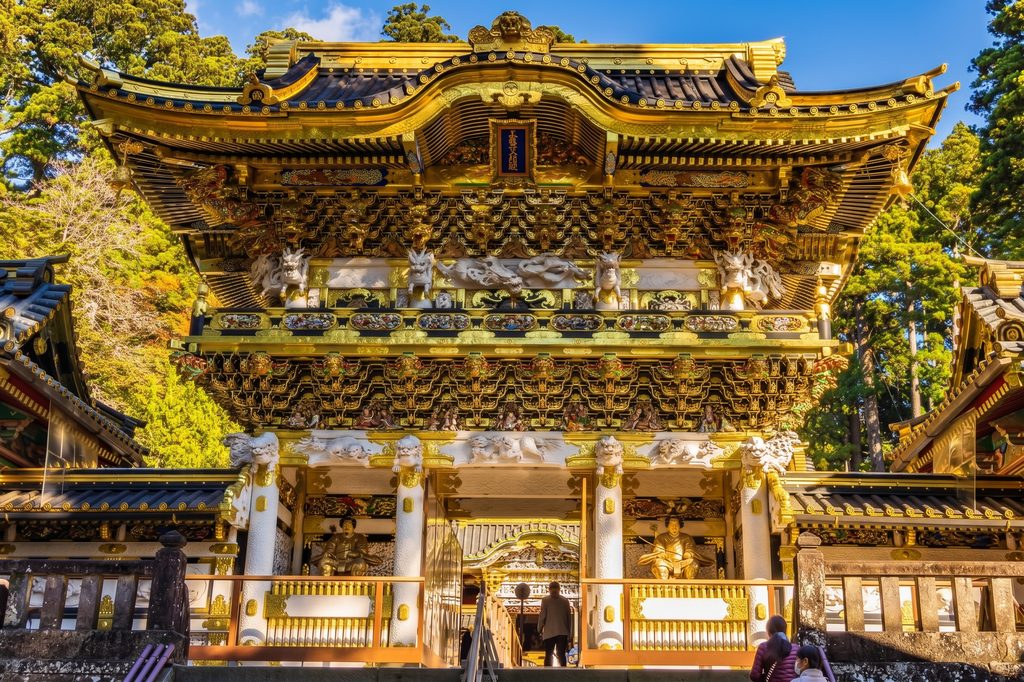
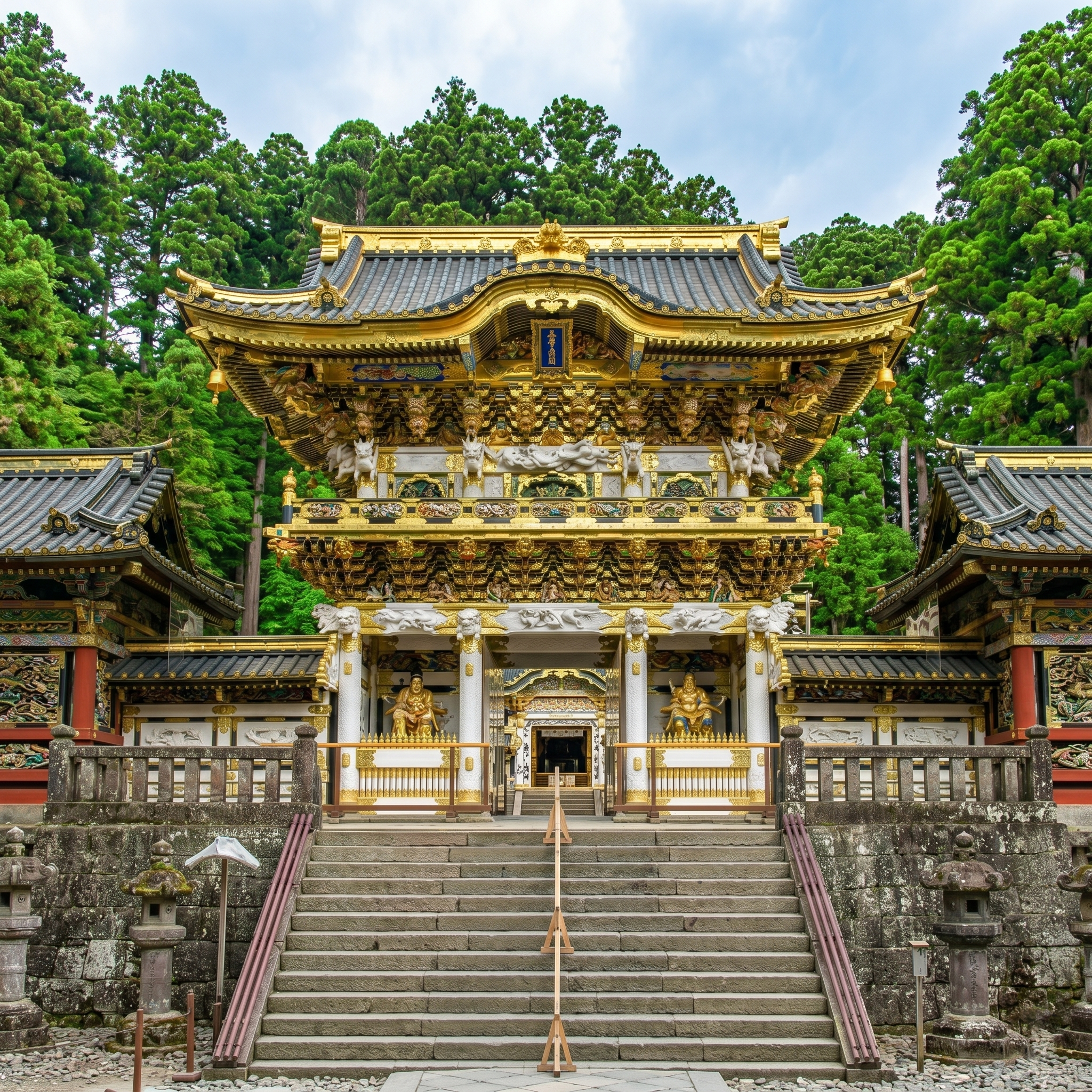
Tosho-gu fills with tour buses from mid-morning. Arrive around 9am and you walk the approach under the cedars with room to stop and look up. Arrive at 11am and the Yomeimon gate has a crowd in front of it several rows deep.
In practice, that means a train leaving Tokyo between 7am and 8am. It feels early on holiday. Even so, we have never had a guest tell us they regretted it, and several have told us the first hour at the shrine was the best part of their trip.
Closing Times and the Train Back
Tosho-gu closes at 5pm from April to October and at 4pm from November to March, with last entry about thirty minutes earlier. In winter the light goes early too, and the stone steps up to Ieyasu’s mausoleum are not somewhere to be hurrying in the dark.
We generally plan the return for late afternoon. A train back around 4pm or 5pm puts you in Tokyo in time for dinner without cutting the shrine short. If you reserved a limited express seat for the return, allow a margin. Missing a reserved Tobu train means rebooking, and on busy days the next few may already be full.
When a Day Trip Becomes an Overnight
If you want to see both the shrines and the lake, stay the night. Lake Chuzenji and Kegon Falls sit up a winding mountain road above the town, and fitting them into the same day as Tosho-gu leaves you rushing both.
A night in Nikko, or at an onsen in Kinugawa or Okunikko, turns the trip into something slower. It also changes the logistics. Forwarding your main luggage to your next Tokyo hotel means you travel up with a small overnight bag, which matters on a Nikko Line local train with limited space.
Expert Tip
Nikko is noticeably colder than Tokyo in every season, and the difference widens at Lake Chuzenji. Bring a layer even in early autumn. Carry some cash as well: bus fares, small shops, and many restaurants in the town are easier with notes and coins than with a card.
Arriving in Nikko: Two Stations and the Road Up
Nikko has two railway stations, and first-time visitors sometimes assume they are far apart. They are not. Tobu-Nikko and JR Nikko stations sit a few minutes’ walk from each other at the bottom of the town.
Tobu-Nikko and JR Nikko Stations
JR Nikko Station is the older of the two, a white wooden building from the Taisho era that is worth a glance on your way past. Tobu-Nikko Station is larger and handles most of the tourist traffic, with the bus stops and tourist information directly outside.
Our private Nikko tours meet at JR Nikko Station. Guests who come up on the Tobu line walk over in a few minutes, so the choice of route in Tokyo makes no difference to the meeting point. Your guide will have already been in touch on WhatsApp to agree the plan for the day.
Buses to the Shrines and the Lake
From either station, the shrines are about a 30 to 40 minute walk uphill, or a 10 minute bus ride. Japan-guide lists the bus fare at ¥350 one way, with a day pass at ¥600. The walk along the main street is pleasant and passes the vermilion Shinkyo Bridge. In the morning, though, we would rather save the legs for the steps at Tosho-gu.
Buses to Lake Chuzenji take around 50 minutes and cost ¥1,250 one way, according to the same source. The route climbs the Irohazaka road, a series of switchbacks where each hairpin is marked with one of the characters of an old Japanese poem. For the full picture of what to see once you are up there, our Nikko travel guide to Tosho-gu, Kegon Falls, and Lake Chuzenji covers the sights in detail.
Autumn on the Irohazaka Road
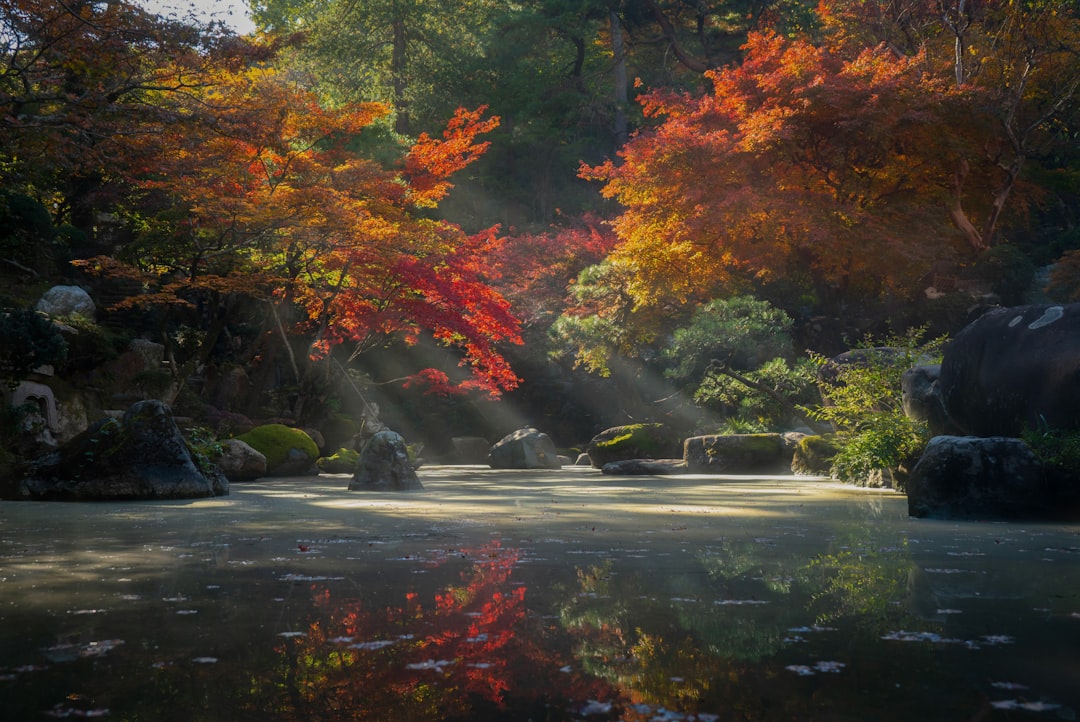
Autumn is Nikko’s peak season, and the leaves turn first at the lake and later in the town. The same road that makes the colour so easy to reach also becomes its bottleneck. On weekends in October, traffic up the Irohazaka can stall for long stretches, and the bus sits in it with everyone else.
If you are coming for the leaves, go on a weekday and go early. Better still, reverse the usual order: take the first bus up to the lake, then come down to the shrines in the afternoon when the tour groups are heading the other way.
Tokyo to Nikko: Frequently Asked Questions
Is Nikko worth a day trip from Tokyo?
Yes, if you leave early. Around two hours each way leaves five or six hours on the ground, which is enough for Tosho-gu, the mausoleum, and one or two of the neighbouring shrines and temples. Adding Lake Chuzenji and Kegon Falls in the same day is possible but rushed, and we usually suggest an overnight for that.
Which is faster, the Tobu line or the Shinkansen?
They take roughly the same time door to door, about two hours. The Shinkansen is quicker on the long stretch but loses time on the change at Utsunomiya and the local train afterwards. The Tobu train is direct. Pick the one that starts nearest your hotel.
Can I use my Japan Rail Pass to get to Nikko?
Yes, on the JR route. The pass covers the Tohoku Shinkansen from Tokyo or Ueno to Utsunomiya and the JR Nikko Line to JR Nikko Station, seat reservations included. It does not cover the Tobu line from Asakusa, and it only partly covers the through train from Shinjuku.
Related Tours


Conclusion
The route from Tokyo to Nikko matters less than the hour you leave. All three trains get you there in around two hours. What separates a good day from a tiring one is whether you reach Tosho-gu before the tour buses do.
Decide the route from your hotel’s nearest station, reserve a limited express seat or activate your rail pass the day before, and aim for a train out before 8am. If the lake and the waterfalls are on your list, book a night in the mountains rather than squeezing them into the same day.
Plan Your Japan Trip with Local Experts
Our team has guided 40,000+ travelers across Japan. Tell us about your trip and we’ll get back to you within 24 hours.