In this article:
- Why Kyoto Is a Coffee City
- The Old Kissaten Worth Sitting In
- The New Wave: Roasters and Espresso Bars
- How to Plan a Kyoto Coffee Day
- Kyoto Coffee: Frequently Asked Questions
Introduction
Most people arrive expecting matcha. Kyoto coffee is the thing that surprises them.
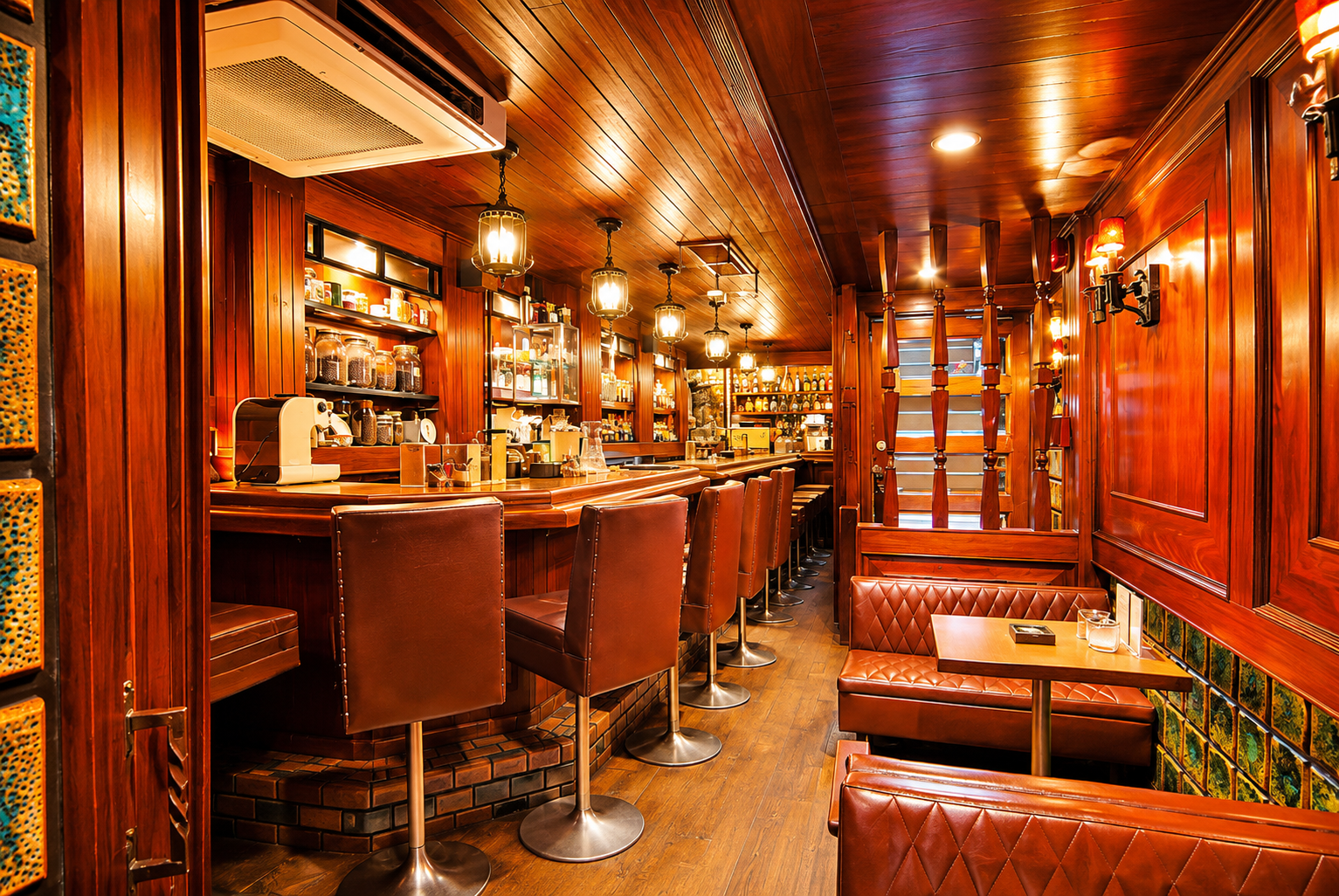
At seven in the morning on Sakaimachi-dori, the tea houses keep their doors closed, and customers fill the coffee houses already. Office workers read the paper over a blend and a plate of eggs. Retired couples sit at the same table they have occupied for years. The cup is dark, the room smells of roasting beans and toast, and nobody is in a hurry.
That scene is what we want travelers to see. The city’s coffee houses are one of the few places where Kyoto daily life happens in plain view, at prices that have nothing to do with tourism. They also solve a practical problem: if you start sightseeing early, as we recommend, you need somewhere to sit down afterwards. What follows is how we would spend a coffee morning in Kyoto, and which rooms are worth your time.
Why Kyoto Is a Coffee City
Kyoto has been drinking coffee seriously for close to a century. Several of the coffee houses still operating downtown opened before the Second World War, and they have kept their recipes, their furniture, and in some cases their staff for decades.
A Tea Capital That Drinks Coffee Every Morning
The tea reputation is deserved. Uji is a short train ride south, and the city’s confectioners and tea shops are some of the most refined in Japan. If that is what you came for, our guide to the best matcha in Kyoto is the place to start.
Even so, tea in Kyoto is often something people do. Coffee is something they drink. The morning kissaten is a habit in a way the tea ceremony is not, and it is built into the rhythm of the old merchant districts around Sanjo and Shijo.
That is the part visitors usually miss. They walk past these places because the signs look old-fashioned and the windows are small.
Kissaten and Specialty Cafes: Two Different Things
Japanese coffee culture splits into two worlds, and it helps to know which one you are walking into.
A kissaten is the older form: a sit-down coffee house with table service, a house blend, a short food menu, and an interior that has usually not changed in a generation. Coffee is brewed carefully, often by hand drip or siphon, and served in proper cups with saucers. We cover the wider tradition in our piece on kissaten culture in Japan.
Specialty cafes are the newer wave. Light roasts, single origins, espresso machines, standing counters, and baristas who will talk you through the beans. Kyoto has a strong scene here too.
Our view is that the kissaten are the more distinctive experience. You can find excellent espresso in many cities. Fewer places still have rooms like these.
The Old Kissaten Worth Sitting In
Four coffee houses in central Kyoto cover most of what makes the city’s old coffee culture interesting. All of them sit within a fifteen-minute walk of each other, between Sakaimachi and Kawaramachi, so you could visit two in a morning without effort.
Inoda Coffee Honten: Breakfast on Sakaimachi
Inoda Coffee was founded in 1940 and has become something close to a Kyoto institution. The main shop on Sakaimachi-dori, just south of Sanjo, opens at seven in the morning, and that early hour is the reason to go.
The room is large and bright, and the service has an old-fashioned formality to it. Regulars tend to order breakfast without looking at the menu. Arrive before nine and you share it with locals. Arrive at eleven and you will likely wait behind other visitors.
We like Inoda for first-time visitors because it is easy. There is space, the menu is approachable, and the room explains Kyoto’s coffee habit better than any description.
Smart Coffee: Hotcakes on Teramachi
Smart Coffee has been serving from the Teramachi covered arcade since 1932. It roasts its own beans, and the dark wood and leather seats look much as they must have decades ago.
People come for the hotcakes and the French toast as much as the coffee. That popularity has a cost. Queues often form by mid-morning, so this is a place for an early start or a weekday.
If there is a line out the door, walk on and come back later. The room is small, and it is a better experience when you are not watching the queue through the window.

Francois Kissashitsu: A Registered Cultural Property by the Canal
Francois opened in 1934 on Nishikiyamachi, a short walk from the Takase canal and Hankyu Kyoto-Kawaramachi Station. In 2003 it became the first cafe in Japan to be registered as a Tangible Cultural Property by the national government.
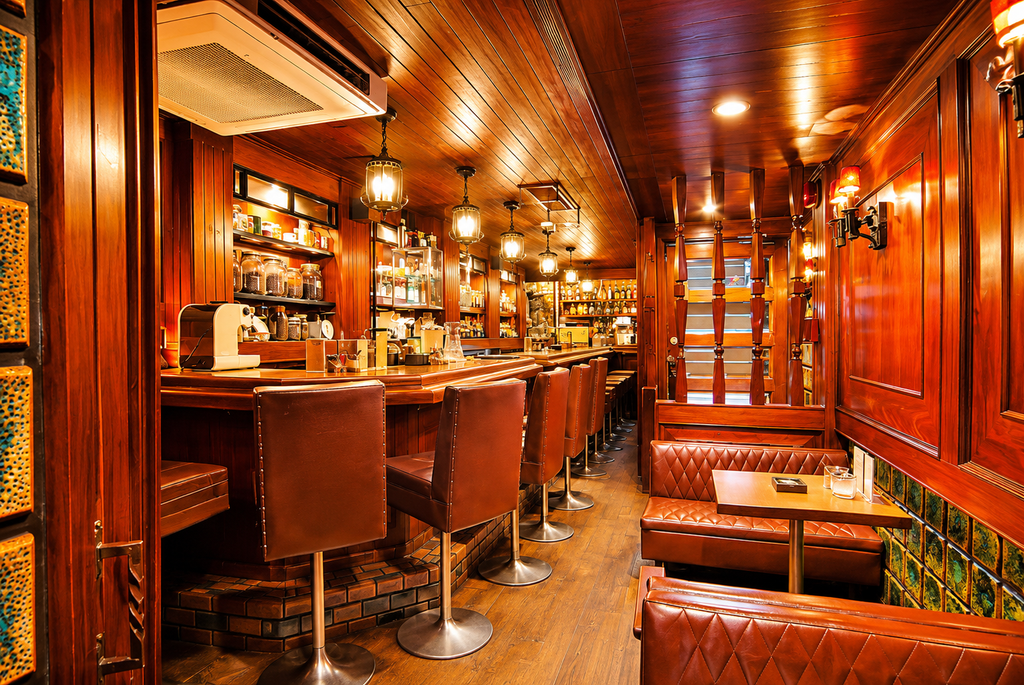
The interior is the point. It was designed to evoke the hall of a passenger ship, and that interior has been carefully preserved since a renovation in 1941. Low light, dark wood, and quiet conversation set the tone. The coffee comes with fresh cream by default, which is how the house has served it for a long time.
Order a coffee and the custard pudding, sit for half an hour, and resist the urge to photograph every corner. Other guests are there to read.
Rokuyosha: Upstairs, Downstairs, and Donuts
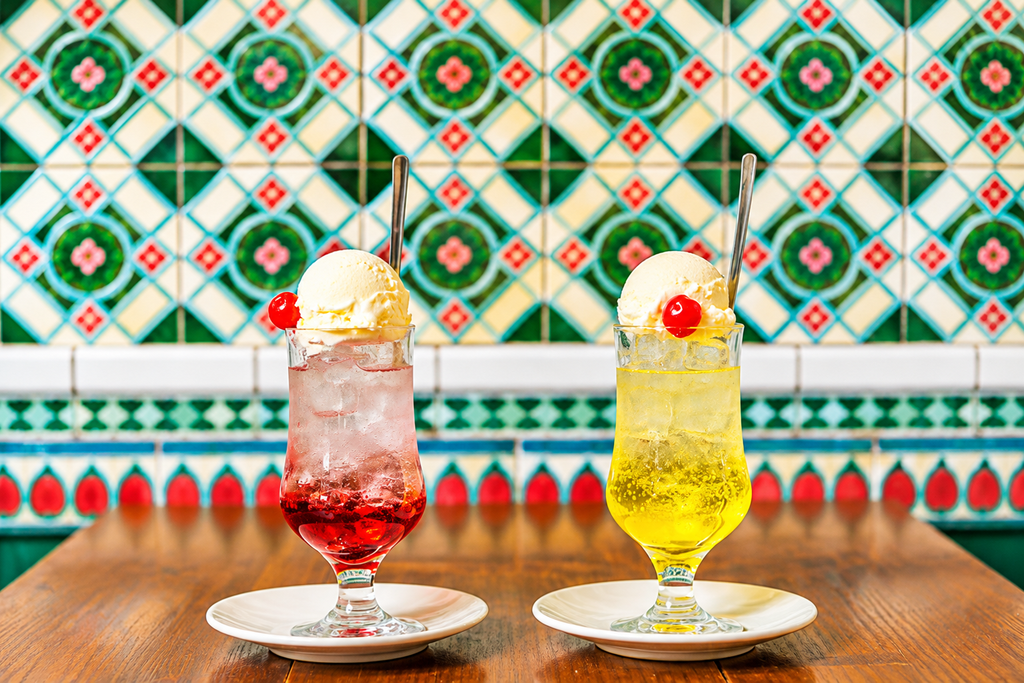
Rokuyosha has been at Kawaramachi Sanjo since 1950 and is still run by the founding family. There are two rooms: a ground-floor cafe and a basement with green tiled walls and low orange lamps, which is where we would sit.
The coffee is roasted by the family. The other reason to go is the homemade donuts, which are served in the basement from midday and have a following of their own.
Rokuyosha is the best of the four for a late-morning or afternoon visit. The basement feels like evening at any hour.
Expert Tip
Kissaten are small and many have no system for holding a table. If you are a group of four or more, split into pairs or go at opening time; a party of six arriving at ten o’clock will usually be turned away or wait a long time. Couples and solo travelers get seated far faster.

The New Wave: Roasters and Espresso Bars
Kyoto’s newer coffee scene is smaller than Tokyo’s, but it is good, and several of its cafes have built international reputations. These are places for a flat white or a careful pour-over rather than a long sit.
Weekenders Coffee Near Nishiki Market
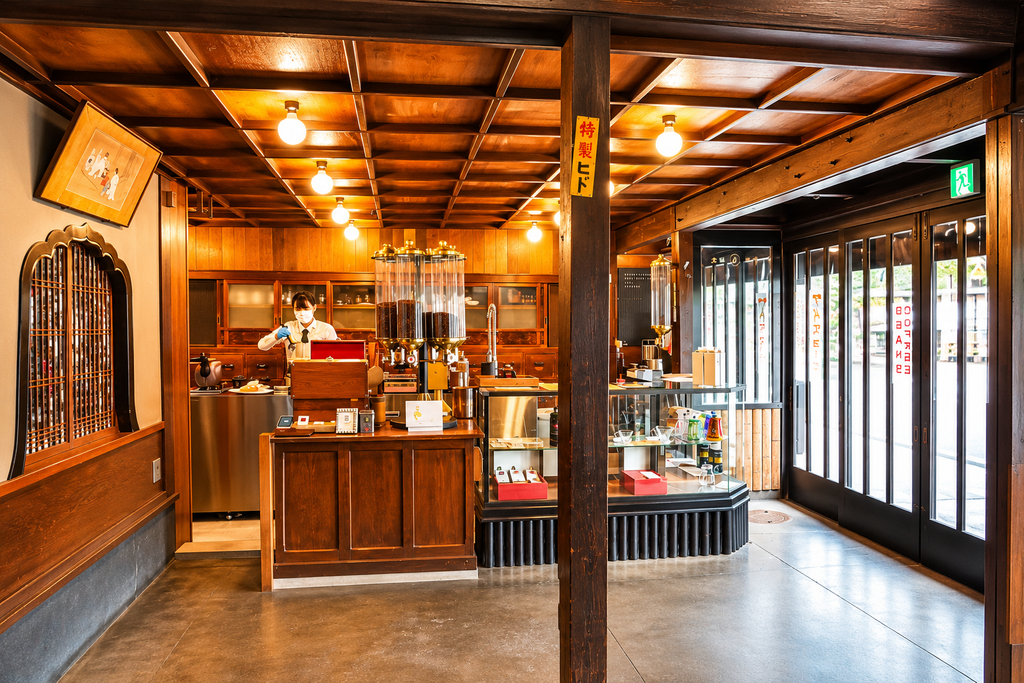
Weekenders Coffee roasts its own beans and runs a small shop on Tominokoji, a few minutes’ walk from Nishiki Market. The space is minimal and seating is very limited, so treat it as a stop rather than a destination.
Its value is location and quality. If you are spending a morning in the market and want a properly made espresso before or after, this is the nearest serious option. Check current opening days on the shop’s own site before planning around it, since independent roasters adjust their hours more often than the old kissaten do.
% Arabica Higashiyama and the Queue Question
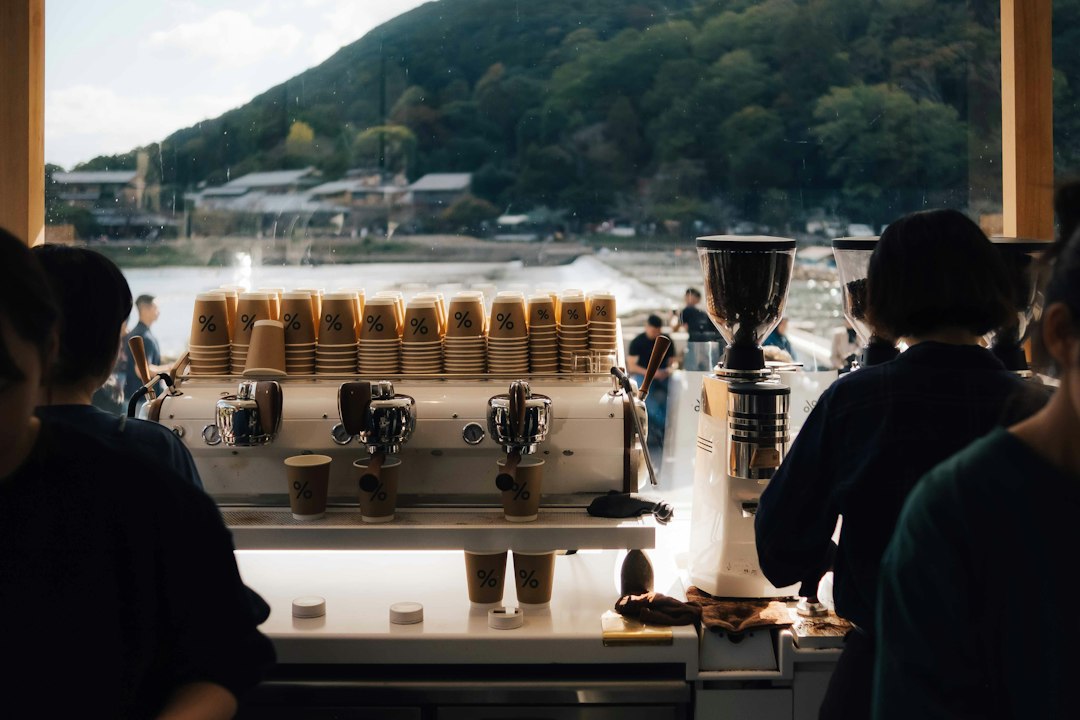
The % Arabica brand started in Kyoto in 2014, and its shop on Yasaka-dori, below the Yasaka Pagoda, is the one most visitors know. The latte is well made and the setting is photogenic.
The problem is the queue. By late morning it often stretches down the slope, and you will spend more time waiting than drinking.
Our advice is to go early or not at all. If you are in Higashiyama before the crowds arrive, it makes a good coffee stop. At midday, a quieter cafe a few streets away will give you a better hour.
How to Plan a Kyoto Coffee Day
The best Kyoto coffee mornings are built around sightseeing, not instead of it. Coffee houses fill at predictable times, and so do temples. Plan for both.
Early Morning: Coffee Before or After the Sights
Kyoto’s famous places are a different experience at first light. Gion Shirakawa is empty, Yasaka Shrine is quiet, and the path at Kinkaku-ji has space at the rail. We have written about why an early start changes Kyoto in detail.
The catch is food. On our early morning walking tour, which meets at the FamilyMart at Shijo Kiyamachi, nothing is open for breakfast at the start, so we tell guests to eat beforehand or bring something. The tour runs about two hours, which means you finish mid-morning with the busiest sightseeing hours already behind you.
That is when the kissaten come into their own. A late breakfast at Inoda or Smart Coffee after a dawn walk is, in our experience, one of the most satisfying ways to spend a Kyoto morning.
Mid-Morning Around Nishiki and Teramachi
Nishiki Market, Teramachi, and the Kawaramachi kissaten all sit inside one compact grid. You can walk between any of them in ten minutes, and the arcades are covered, so rain makes little difference.
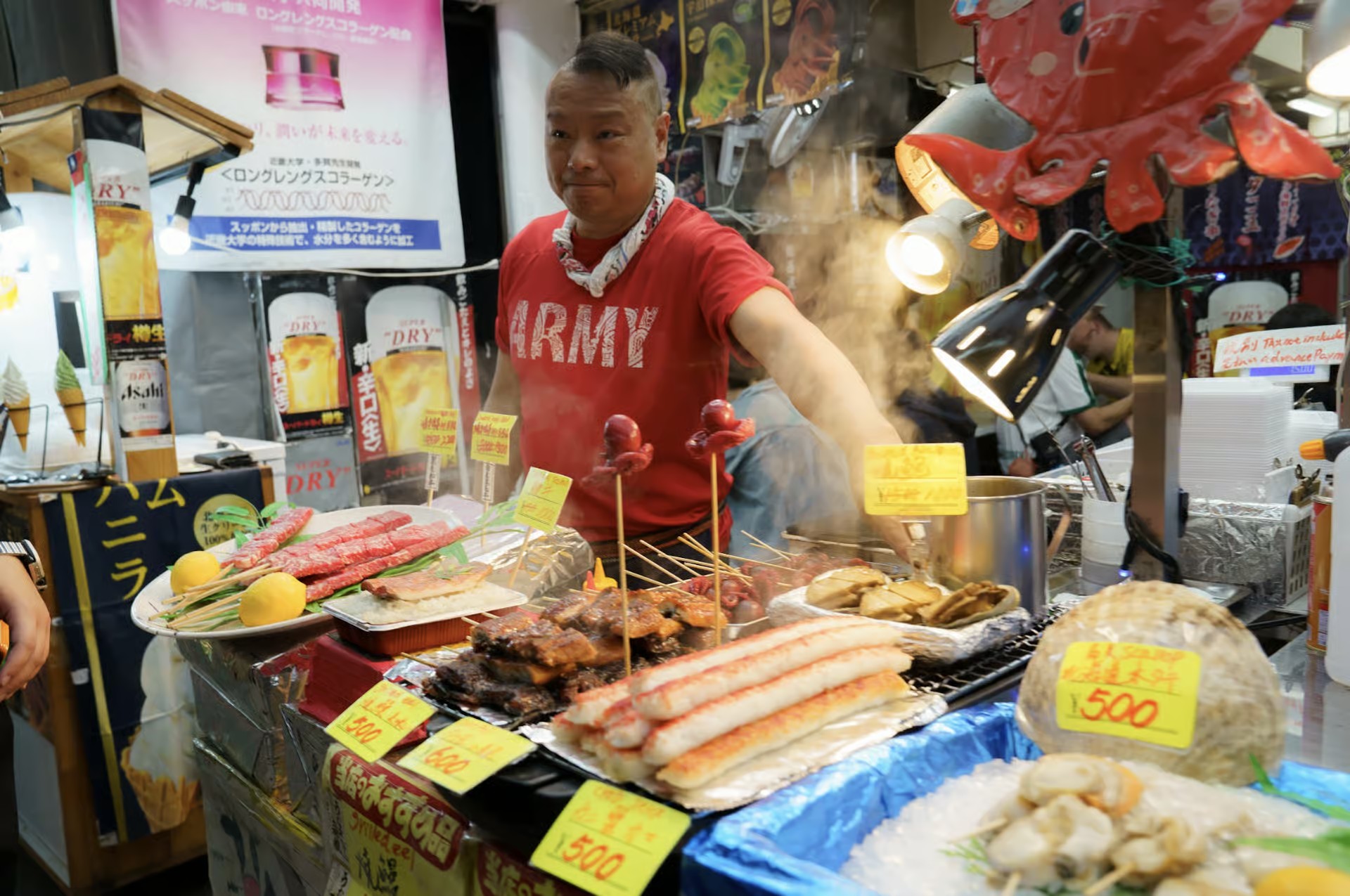
Our Nishiki Market food tour starts at the same Shijo Kiyamachi corner, walks through Pontocho and along the Kiyamachi canal, and works through seven tastings in the market. Most guests find it close to a substantial lunch. Coffee fits naturally before it, at Weekenders or Rokuyosha’s ground floor, rather than after. For a self-guided visit, our guide to Nishiki Market covers the stalls and timing.
Ordering at a Kissaten
Ordering is straightforward. The house blend is the default and almost always the right choice, since it is what the room was built around. Many kissaten also serve a morning set until late morning: coffee with toast, eggs, or a small salad at a modest price.
Bring cash. Several of the older coffee houses have historically been cash-only, and while some now accept cards, it is not something to assume.
Photography deserves some restraint. A quick photo of your cup is normal. Photographing other customers, or standing up to shoot the room while people eat, is not welcome in a small space where regulars come to sit quietly.
Expert Tip
Many kissaten close one day a week, and the day varies from shop to shop. Before building a morning around a particular coffee house, check its regular closing day on the shop’s own website or listing. Having a second option within a few streets saves a wasted walk.
Kyoto Coffee: Frequently Asked Questions
What time do Kyoto coffee shops open?
Earlier than most other businesses. Inoda Coffee’s main shop opens at seven, and several other kissaten open between eight and nine. Specialty cafes tend to open a little later and close earlier. Temples and shops mostly open around nine, which makes an early coffee a practical way to begin the day.
Is coffee in Kyoto expensive?
Not compared with most Western cities. A blend at an old kissaten usually costs less than a specialty latte in London or New York, and morning sets add food for a small extra charge. Prices at the famous historic houses are a little higher, which reflects the setting as much as the cup.
Do Kyoto kissaten take credit cards?
Some do and some do not, and policies change. The older and smaller the shop, the more likely it is to prefer cash. Carry a few thousand yen in notes and you will not have a problem anywhere on this list.
Related Tours

Conclusion
Give Kyoto coffee one unhurried morning. Pick a single kissaten, arrive near opening time, order the blend, and stay longer than feels necessary. That hour tells you more about how the city lives than a fourth temple would.
If you only have one day, put the sights first and the coffee second. Walk Gion or Higashiyama while it is still empty, then sit down on Sakaimachi or Teramachi as the rest of the city is arriving. Carry cash, keep your group small, and let the room set the pace.
Plan Your Japan Trip with Local Experts
Our team has guided 40,000+ travelers across Japan. Tell us about your trip and we’ll get back to you within 24 hours.