In this article:
- Beer Where the City Started Brewing
- Susukino: How the Night Is Structured
- Hokkaido Sake and Whisky
- How the Night Ends
- Sapporo Drink: Frequently Asked Questions
Introduction
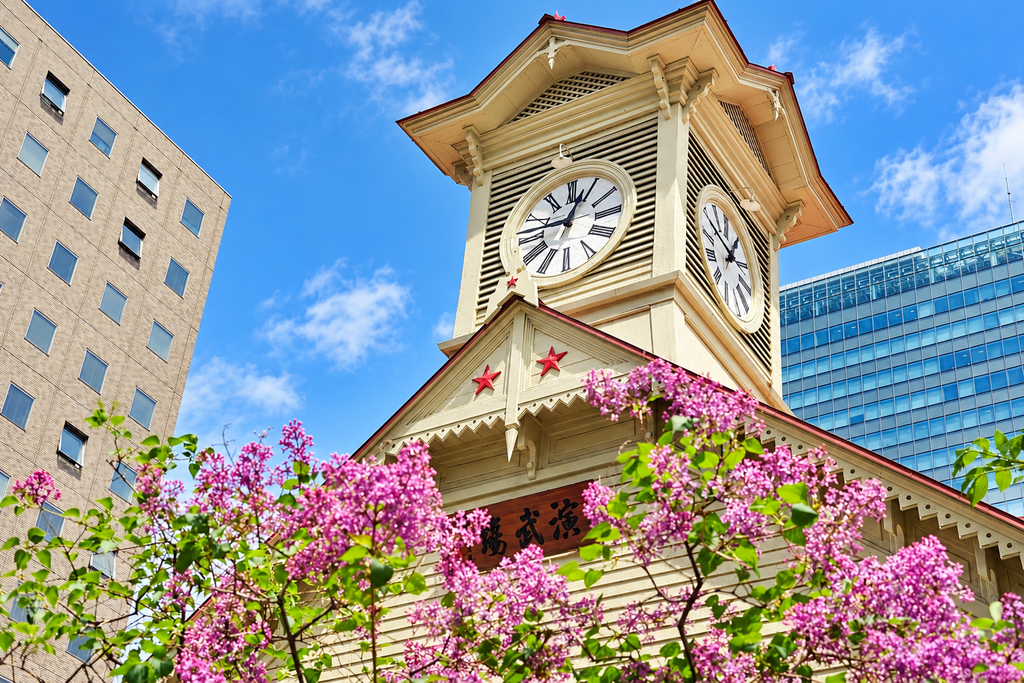
Ask anyone who has spent a winter night in Hokkaido what a Sapporo drink means and the answer is rarely just a beer. It is a beer in a brick hall that smells of grilled lamb, then a small glass of local sake at a counter of eight seats, then something sweet and cold at an hour when most of Japan has gone to bed.
The city has a particular relationship with alcohol. Brewing here began as a government project in 1876, before most of the streets had buildings on them, and the entertainment district of Susukino grew up a few blocks south of the planned centre. Today it is widely described as the largest nightlife district north of Tokyo.
For the travelers we work with, the challenge is not finding somewhere to drink. It is the opposite: thousands of doors, most of them on the fourth floor of a building with no English signage. What follows is how we would spend an evening, and a day leading into it.
Beer Where the City Started Brewing
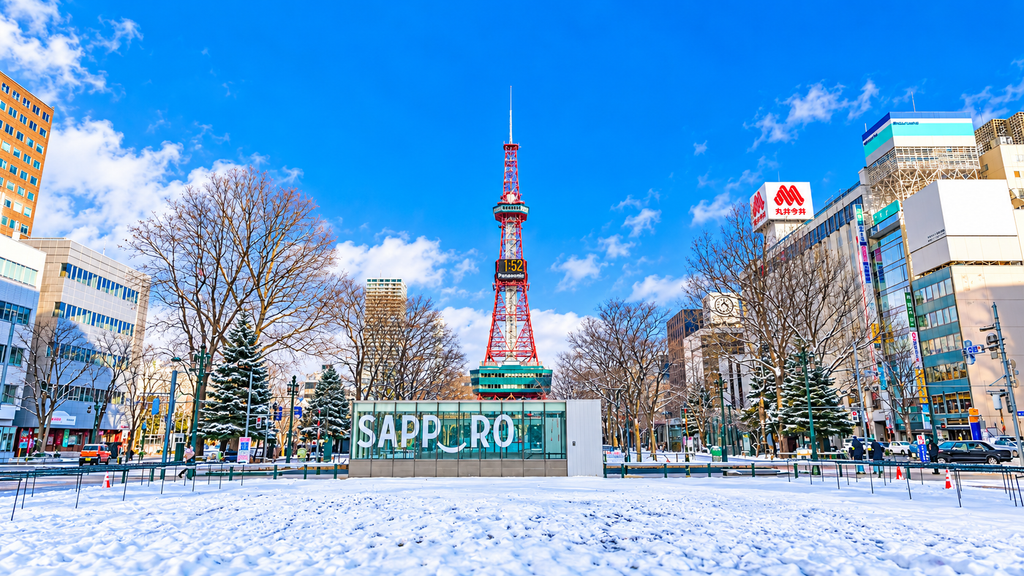
Start in the afternoon, and start with beer. In 1876 the Kaitakushi, the government office charged with developing Hokkaido, opened a brewery in Sapporo because the cool climate suited lager. The brand that came out of it still carries a red star on the label, taken from the Kaitakushi flag.
That history is the reason the drink feels local here rather than corporate. Elsewhere in Japan a Sapporo is one of four big national lagers. In Sapporo it is the city’s own product, poured a short walk from where it was first made. If you want the wider picture first, our guide to Japanese beer and the major breweries sets out how the national brands differ.
The Sapporo Beer Museum and Its Tasting Hall
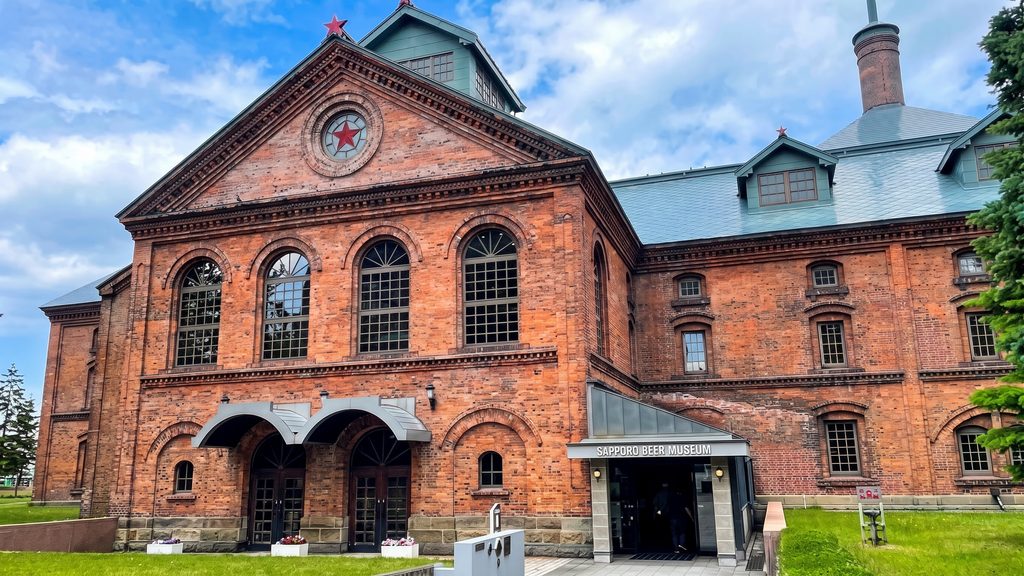
The museum occupies a red brick building on the brewery grounds, east of the station. The exhibits run through the Kaitakushi years and the German-trained brewer who set up production, and they end where most visitors want them to, in the tasting hall.
According to the official site, the museum opens at 11:00 and closes at 18:00, and the tasting hall serves until a last order at 18:00. A three-drink tasting set costs ¥1,200. Individual glasses are ¥450 to ¥550.
There is also a paid premium tour of about 55 minutes including tasting, at ¥2,000 for adults. It is conducted in Japanese, with an English audio guide available for an extra fee. For most of our guests the self-guided route and the tasting set are the better use of an hour. The premium tour adds detail, but the commentary is not in English, and it does not run on Mondays.
Sapporo Classic and the Beer Brewed On Site
Order two things at the tasting hall. The first is Sapporo Classic, which is sold only in Hokkaido. Outside the island it is hard to find. Inside it, you will see it in convenience store fridges and on izakaya taps everywhere.
The second is Kaitakushi Beer, brewed on the same site to evoke the style of the earliest Sapporo beers. Of everything on the tasting menu, it is the one glass that tells you something about 1876. You will not find it on a supermarket shelf in Tokyo.
Genghis Khan and a Beer Hall Evening
Next door to the museum, the Sapporo Beer Garden serves Genghis Khan: lamb and mutton grilled on a domed iron pan, with vegetables cooking in the fat that runs down the sides. The halls are large and loud, and the meal is built to go with draught beer.
We think this is the right place to eat early. It is the most Hokkaido meal in the city, and it makes no pretence of refinement. Wear something you do not mind smelling of lamb, because you will.
Expert Tip
Plan the beer museum for mid-afternoon and the city view from Mount Moiwa for after dark, then head into Susukino. The ropeway and the night view sit naturally between an early Genghis Khan dinner and the first bar, and the order means you arrive in Susukino around 20:00, when the counters are filling but not yet full.
Susukino: How the Night Is Structured
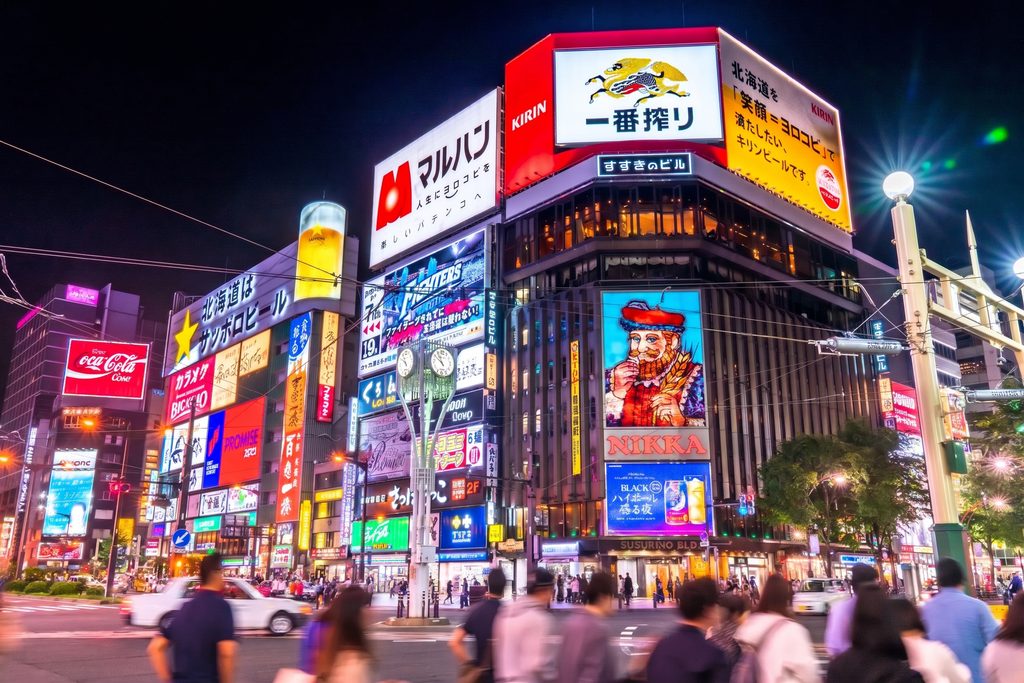
Susukino begins at the crossing where the large Nikka Whisky sign looks down on the traffic, and spreads for several blocks in every direction. From street level it is a wall of neon. The useful part is upstairs.
Most of the bars that matter here are small and sit on the upper floors of multi-tenant buildings. Each building has a directory panel by the lift listing a dozen or more establishments, almost all in Japanese. Reading those panels, and knowing which names to ignore, is the core skill of a night here.
Izakaya First, and the Otoshi Charge
The evening usually starts at an izakaya. On a Hokkaido menu, look for grilled hokke (Atka mackerel), zangi (the island’s soy-marinated fried chicken), and whatever shellfish is in season. Draught Sapporo Classic will be on tap almost everywhere.
Expect a small dish to arrive before you order. This is the otoshi, a seating charge that comes in the form of food, and it appears on the bill. It is standard practice, not a mistake. Our piece on ordering at a Japanese izakaya covers it and the rest of the etiquette in more detail.
Bring cash. Smaller independent places in Susukino are often cash-only, and a card terminal at the counter is the exception rather than the rule.
Yokocho Alleys and Snack Bars
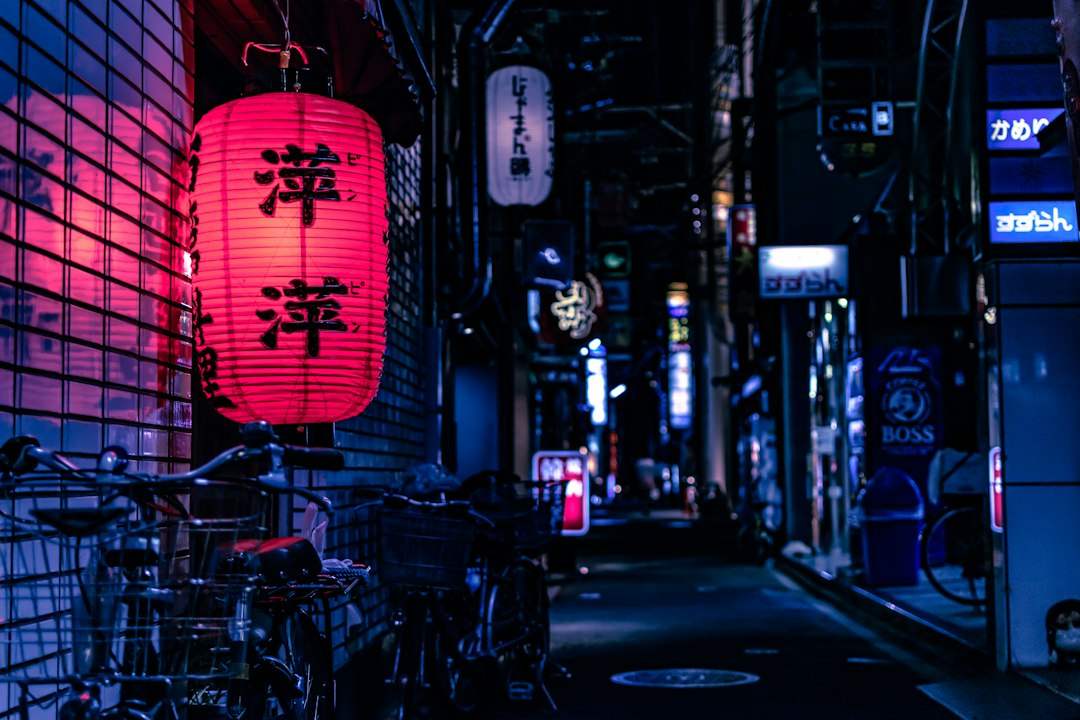
Once you have eaten, move somewhere smaller. Susukino has several clusters of tiny bars in alleys and basements, including Susukino Zero Banchi, an underground arcade of counter-seat bars and eateries. These are the places where you end up talking to the person on the next stool.
Snack bars are a different thing. A snack is a small bar run by a hostess known as the mama, usually with karaoke and a regular clientele. Many charge a fixed seating or table fee on top of drinks. Some welcome visitors and some quietly do not. We would not walk into one cold. Go with someone who knows the mama, or skip it.
Touts and Reading the Building Directory
Ignore anyone on the street who approaches you with a menu or a promise of a cheap drink. Touts in Susukino, as in every large Japanese nightlife district, lead to bars where the price on the street bears no relation to the bill.
The safer rule is the inverse: choose places that do not need to find you. A bar with a published menu, a visible price list at the door, or an English review history is a reasonable bet. A doorway with no prices and a person outside it is not.
Hokkaido Sake and Whisky
Beer gets the attention, but the island’s sake and whisky are the more interesting drinks. Both are made close enough to the city that you can taste them at the source on the same trip.
Chitosetsuru and Sake Brewed in the City Centre
Chitosetsuru is Sapporo’s own sake brand, and its brewery sits in the city centre, a short walk east of Susukino. The brewery runs the Chitosetsuru Sake Museum at Minami 3-jo Higashi 5, open from 10:00 to 18:00 with free admission. You can taste several sakes and choose a favourite, try the brewing water, and order a soft-serve made with sake lees.
It is a small museum and an easy half hour before dinner. That said, the reason to go is the tasting counter, not the exhibits. The same brewer also runs an izakaya, Kissho, where Chitosetsuru is poured alongside food designed for it.
We prefer drinking it at Kissho with Hokkaido seafood rather than at the museum counter on its own. Sake makes more sense with food, and this one was brewed a few streets away.
The Nikka Sign and the Road to Yoichi
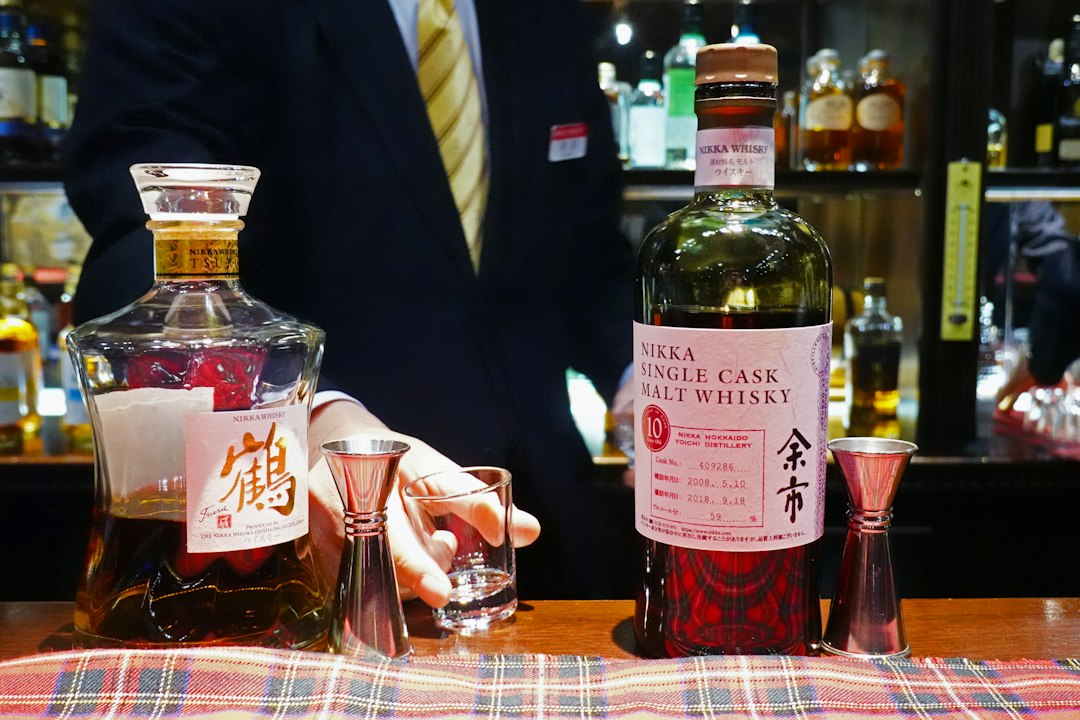
The Nikka sign at the Susukino crossing is not decoration. Nikka’s first distillery stands in Yoichi, on the coast west of Otaru, and whisky from it is poured in bars across the city.
Yoichi is a realistic half-day from Sapporo. The JR Hakodate Line runs to Otaru, and a local train continues to Yoichi Station, a few minutes’ walk from the distillery gate. Guided tours require a reservation and include a tasting. In our experience they fill weeks ahead in peak season, so book before you arrive. The distillery is also close enough to Otaru that the two pair well in a single day.
Expert Tip
In a Susukino whisky bar, ask for a Yoichi or Nikka expression you have not seen at home. Bottles that are scarce overseas are often open on the back bar here, and the bartender will usually talk you through two or three if you show interest rather than ordering the most famous name on the shelf.
How the Night Ends
Across Japan, the traditional end to a night of drinking is a bowl of ramen. In Sapporo that usually means miso ramen, which the city claims as its own, and our guide to Sapporo ramen covers where it came from and how it differs from the Tokyo bowl.
However, Sapporo has a second answer, and it is the one visitors remember.
Shime Parfait
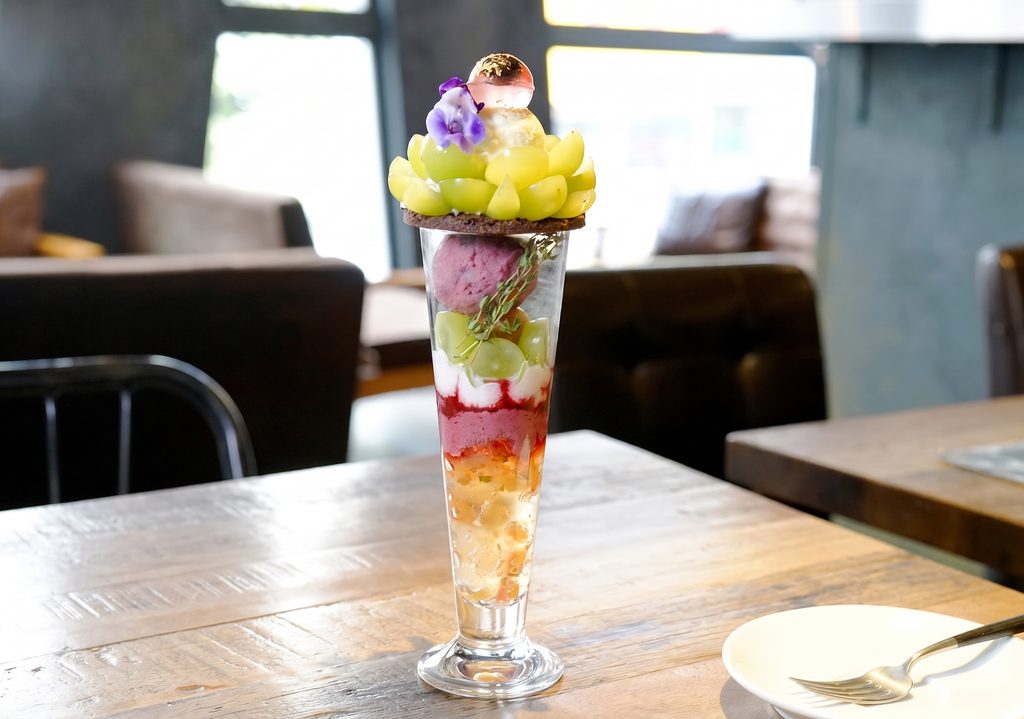
Shime means the final dish of a meal or a night out. In Sapporo it has come to mean a parfait: soft-serve or gelato, fruit, chocolate, and house-made components layered in a tall glass, eaten at 23:00 or later. The Hokkaido tourism authority describes the city as the birthplace of the custom.
Specialist parfait shops in and around Susukino stay open late, and some design their parfaits to go with a glass of wine, whisky, or liqueur. The dairy is the point. Hokkaido is the country’s dairy heartland, and the soft-serve is what the whole glass is built on.
We send guests to a parfait shop over a ramen counter for the last stop more often than not. It is lighter, it is specific to this city, and it is the one ending to the night that no other Japanese city can offer.
Sapporo Drink: Frequently Asked Questions
What is the local beer to drink in Sapporo?
Sapporo Classic. It is sold only in Hokkaido and is the default draught in most of the city’s izakaya. At the Sapporo Beer Museum you can also try Kaitakushi Beer, brewed on site in a style modelled on the brewery’s earliest beers.
Is Susukino safe for visitors at night?
Generally yes. Susukino is busy late, well lit, and full of ordinary people out for dinner and drinks. The real risk is financial rather than physical: ignore street touts, avoid bars that do not show prices, and keep to places with a menu. In winter, the icy pavements on the walk home are a more common hazard than anything in the bars.
Can I visit the Sapporo Beer Museum without speaking Japanese?
Yes. The self-guided route and the tasting hall need no Japanese, and the tasting menu is straightforward to order from. The paid premium tour is conducted in Japanese, with an English audio guide available for an additional fee, so most English-speaking visitors are better served by the self-guided route.
Related Tours
Conclusion
Sapporo rewards drinking in a sequence. Beer at the old brewery in the afternoon, lamb and draught at the beer hall, a sake or a Yoichi whisky at a small counter in Susukino, and a parfait to close. Each stop tells you something about how the city was built and what the island produces, which is more than any single bar can do.
Practically, carry cash, book a Yoichi tour before you fly if whisky matters to you, and pack boots with grip if you are visiting between December and March. The walk between bars in a Sapporo winter is short, but the pavements are ice, and the night will be long enough already.
Plan Your Japan Trip with Local Experts
Our team has guided 40,000+ travelers across Japan. Tell us about your trip and we’ll get back to you within 24 hours.