
In this article:
- Getting to the Izu Peninsula From Tokyo
- Which Izu: East Coast, South Tip, or West Coast
- Shimoda: Where Japan’s Closed Centuries Ended
- Day Trip or Overnight, and When to Go
- Izu Peninsula From Tokyo: Frequently Asked Questions
Introduction
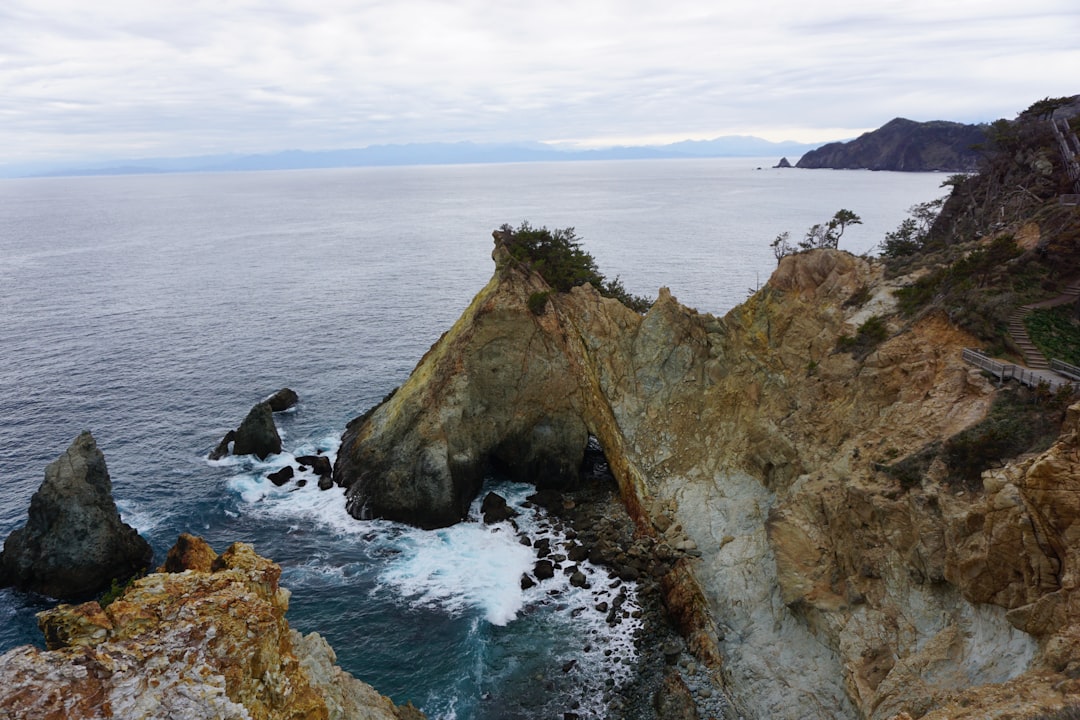
Most people who plan a trip to the Izu Peninsula from Tokyo look at the map, see that it starts barely forty minutes away by bullet train, and assume the whole thing is close. It is not.
Atami, at the neck of the peninsula, is a commuter hop. Shimoda, at the southern tip, is a different proposition: a single-track line along the coast, tunnels between fishing bays, and close to three hours from Tokyo Station on the direct train. The west coast, where the cliffs face Mount Fuji across Suruga Bay, has no railway at all.
That distance is also the reason to go. The further south you travel, the fewer Tokyo day-trippers remain, and by the time you reach the white sand at Shirahama in October you may have the beach to yourself. We run private days to Shimoda regularly, and the question we answer most often is not what to see, but how much of Izu one day can realistically hold.
Getting to the Izu Peninsula From Tokyo
There are three sensible ways down, and the right one depends entirely on which part of the peninsula you are aiming for.
Shinkansen to Atami or Mishima, Then a Local Line
The Tokaido Shinkansen reaches Atami in roughly 40 to 50 minutes and Mishima in a little under an hour. Both are gateways rather than destinations in themselves, at least for this purpose.
From Atami, the JR Ito Line runs down the east coast to Ito, where it becomes the privately run Izu Kyuko line for the rest of the way to Shimoda. From Mishima, the small Izuhakone Railway climbs inland to Shuzenji in about 35 minutes.
In practice, the bullet train saves time only if you are staying on the northern half of the peninsula. For Shimoda, the connection at Atami often eats most of what the Shinkansen gained.
Odoriko and Saphir Odoriko: The Direct Train to Shimoda
The Odoriko limited express leaves from Tokyo Station and runs through to Izukyu-Shimoda without a change, taking around two hours and forty-five minutes. Seats are reserved, and the train follows the coast closely south of Atami, with long stretches of open sea between the tunnels.
The Saphir Odoriko, introduced in 2020, covers the same route with only Green Car and Premium Green seats and tall windows facing the sea. It is not meaningfully faster. However, if you are going to spend nearly three hours on a train, this is the one we would choose, and we would book a seat on the seaward side.
Japan Rail Pass Gaps and Driving the Coast
The Japan Rail Pass covers the Shinkansen and the JR section as far as Ito. South of Ito, the Izu Kyuko line is a separate company and charges its own fare, and the Izuhakone Railway to Shuzenji does the same. Budget for both if you are relying on a pass.
Driving is slower than it looks. The coastal road winds, there is one main route along each coast, and weekend traffic out of Tokyo can stretch the three-hour run to Shimoda considerably. Still, a car is the only practical way to link the west coast with the south in a single day, because buses on that side run infrequently.
Expert Tip
For Shimoda, book the Odoriko or Saphir Odoriko rather than taking the Shinkansen and changing at Atami. The total journey time is similar, you avoid dragging bags across a platform, and the stretch between Ito and Shimoda is the most scenic part of the line, so a comfortable seat with a sea view matters more than the minutes.

Which Izu: East Coast, South Tip, or West Coast
The peninsula is really three places. The east coast is developed and reachable, the interior is quiet hot-spring country, and the west is steep, rural, and hard to reach without a car.
Atami, Ito, and the Jogasaki Coast
Atami is a large, slightly faded resort town of hotels climbing the hillside above the bay. It works as a lunch stop or an overnight onsen stay, and the MOA Museum of Art on the hill above town is the strongest reason to stop there.
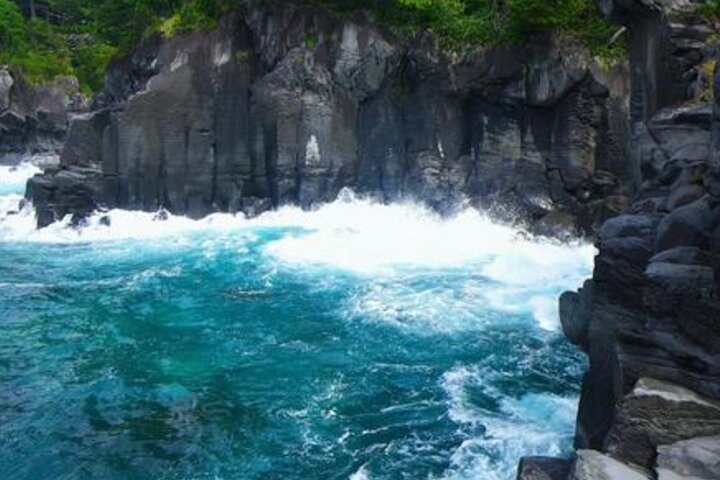
Further south, the Jogasaki Coast near Ito is the better use of an afternoon. The cliffs were formed by lava flows from Mount Omuro around 4,000 years ago, and a coastal path runs along the top of them. The Kadowaki suspension bridge, 48 metres long and 23 metres above the water, is the point everyone photographs. We prefer the quieter sections of trail on either side, where the black rock and the sound of the surf are the whole experience.
Shuzenji and the Interior
Shuzenji is a small hot-spring town built along a river, with a temple at its centre and a bamboo-lined path along the water. It is the most traditional-feeling onsen town on the peninsula, and one of the more restful places near Tokyo to spend a night in a ryokan.
Our view is that Shuzenji makes more sense as the second half of a trip than as a day out. Its appeal is stillness, and stillness is hard to feel when you are watching the clock for the train back to Mishima.
If you stay, read up on onsen etiquette before you arrive. The rules are simple, but ryokan guests are expected to know them.
Dogashima and the West Coast With Fuji Views
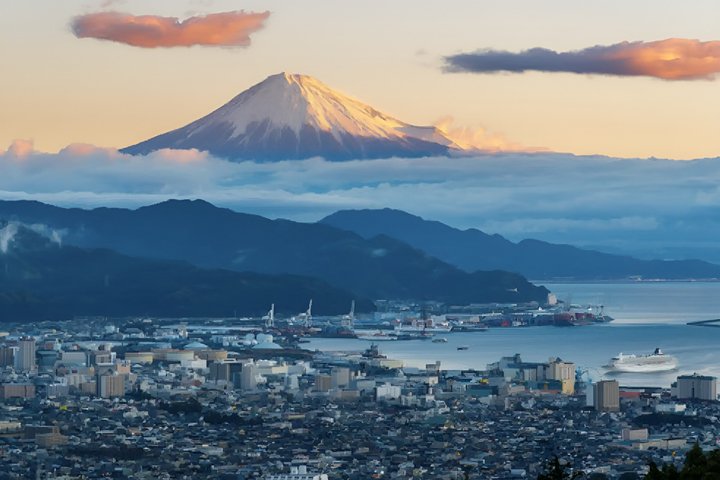
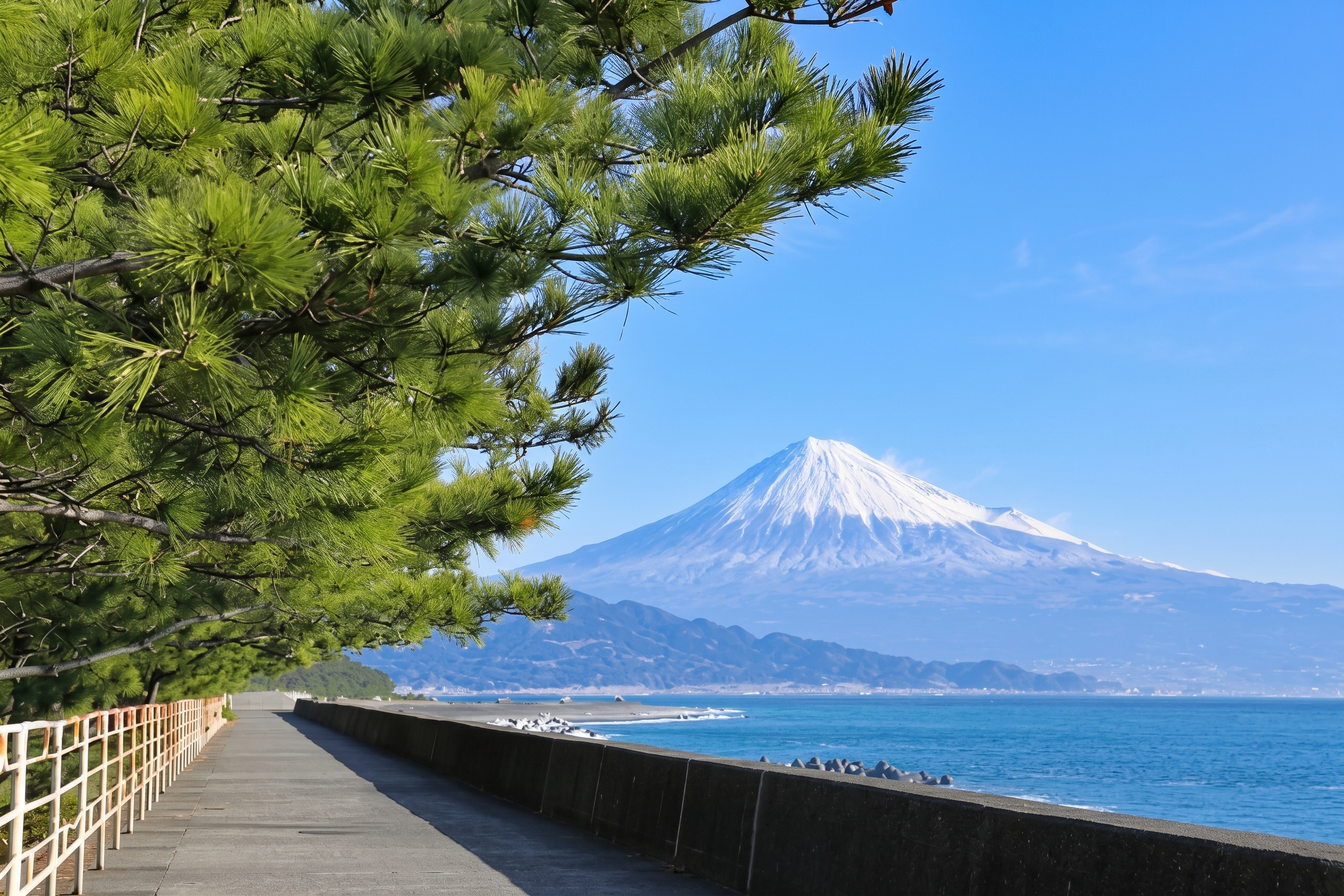
The west coast faces Suruga Bay, and on clear winter mornings Mount Fuji rises across the water. Dogashima is the centre of it: sea stacks, eroded tuff cliffs, and Tensodo, a sea cave with a hole in its roof that lights the water below a startling blue. Short sightseeing boats run into the cave from the harbour.
The drawback is access. There is no train on this coast, and linking Dogashima with Shimoda by public bus takes much of a day. If Fuji is the goal rather than the coast, our guide to getting from Tokyo to Mt Fuji will serve you better.
Shimoda: Where Japan’s Closed Centuries Ended
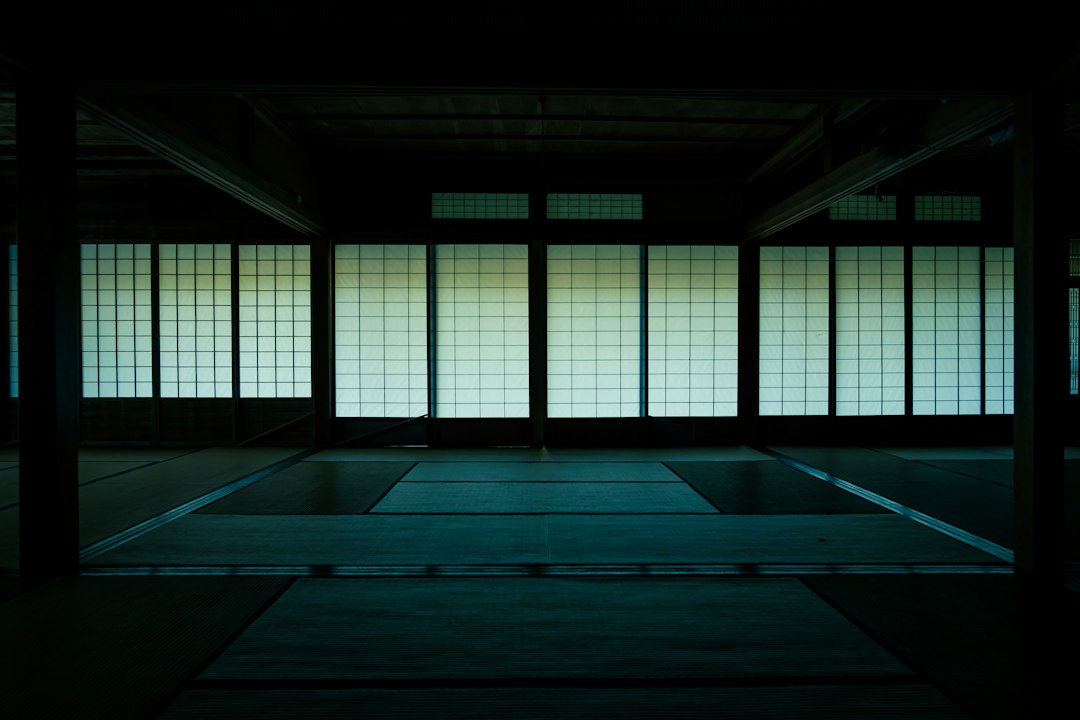
Shimoda is where we would send most first-time visitors to Izu, because it combines the best beaches on the peninsula with one of the more consequential moments in Japanese history.
For over two hundred years, Japan kept foreign contact to a minimum. In 1854, after Commodore Perry’s squadron arrived and the Convention of Kanagawa was signed, Shimoda became one of the first two ports opened to American ships. A small town at the end of a long peninsula briefly became the point where the country met the outside world.
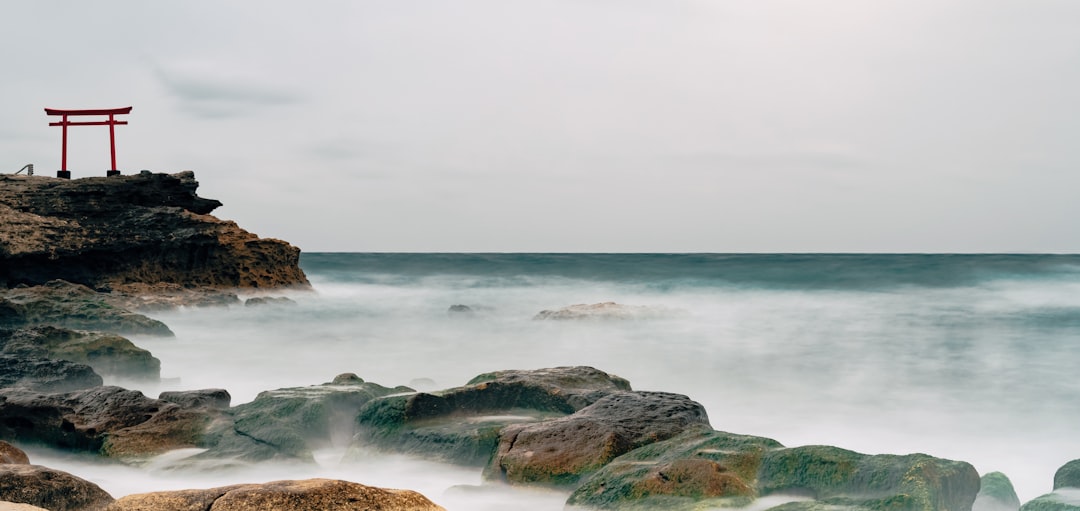
Ryosen-ji and Gyokusen-ji
At Ryosen-ji, Perry and the shogunate’s negotiators concluded the Treaty of Shimoda later that year, a set of additional articles setting out how the new arrangement would work on the ground. The temple still stands, and its small museum is one of the few places in Japan where that turning point feels physical rather than academic.
Gyokusen-ji, on the other side of the harbour, became the first American consulate in Japan when Townsend Harris arrived in 1856. It is quiet, rarely visited, and worth the short detour if the history interests you.
Almost nobody from Tokyo comes down to see either. That is part of their appeal.
Perry Road in the Late Afternoon
Perry Road is a short canal lined with willows and old timber and stone buildings, named after the commodore. It takes around twenty minutes to walk from end to end.
Time it for late afternoon if you can. The low light on the walls and the water is when the street looks its best, and by then most of the few daytime visitors have gone.
Shirahama and Cape Tsumekizaki
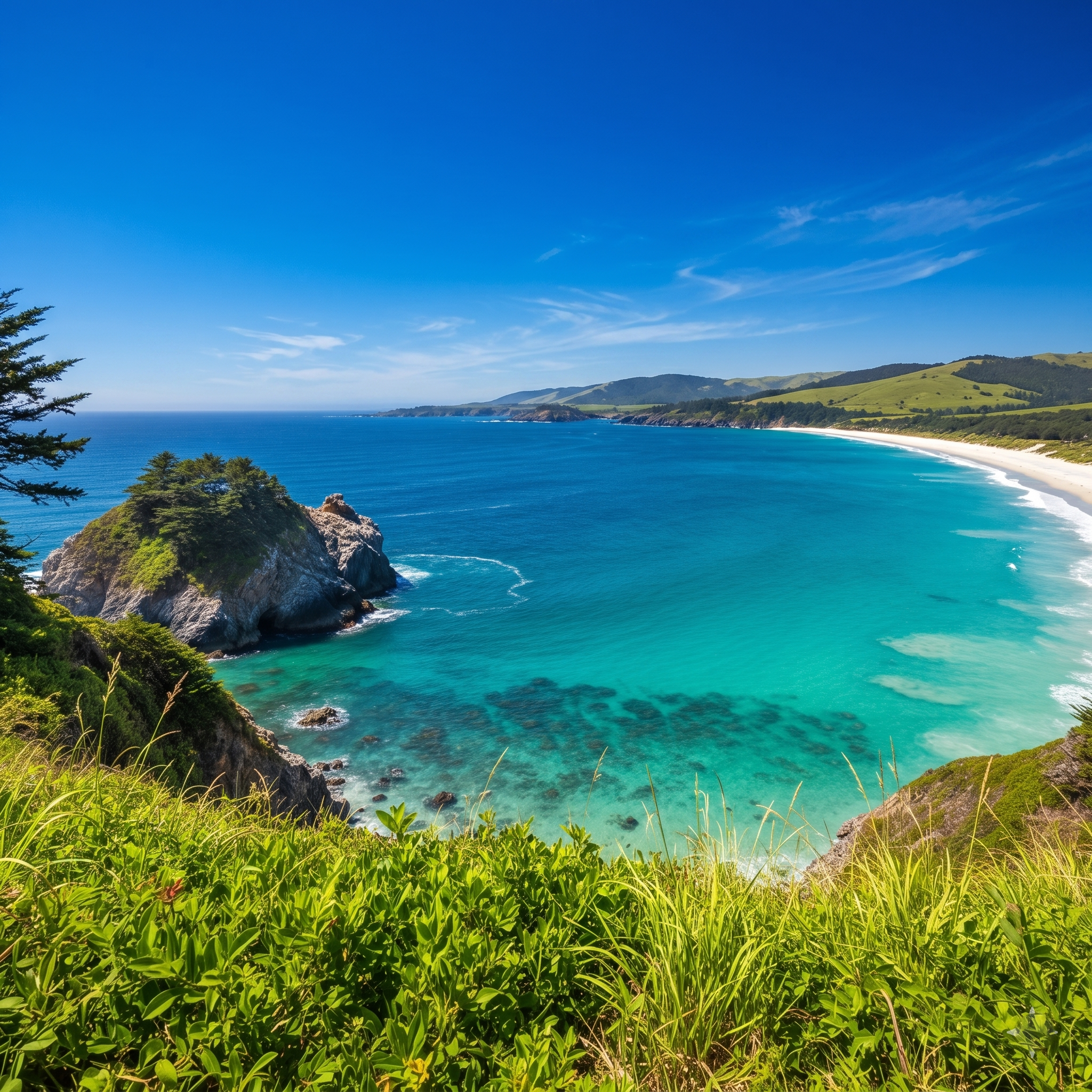
Izu’s Pacific beaches are not what people expect from Japan. Shirahama, just north of Shimoda, has pale sand and clear water, and outside August it is often close to empty. Surfers use the breaks along this stretch too; our guide to surfing in Japan covers the season.
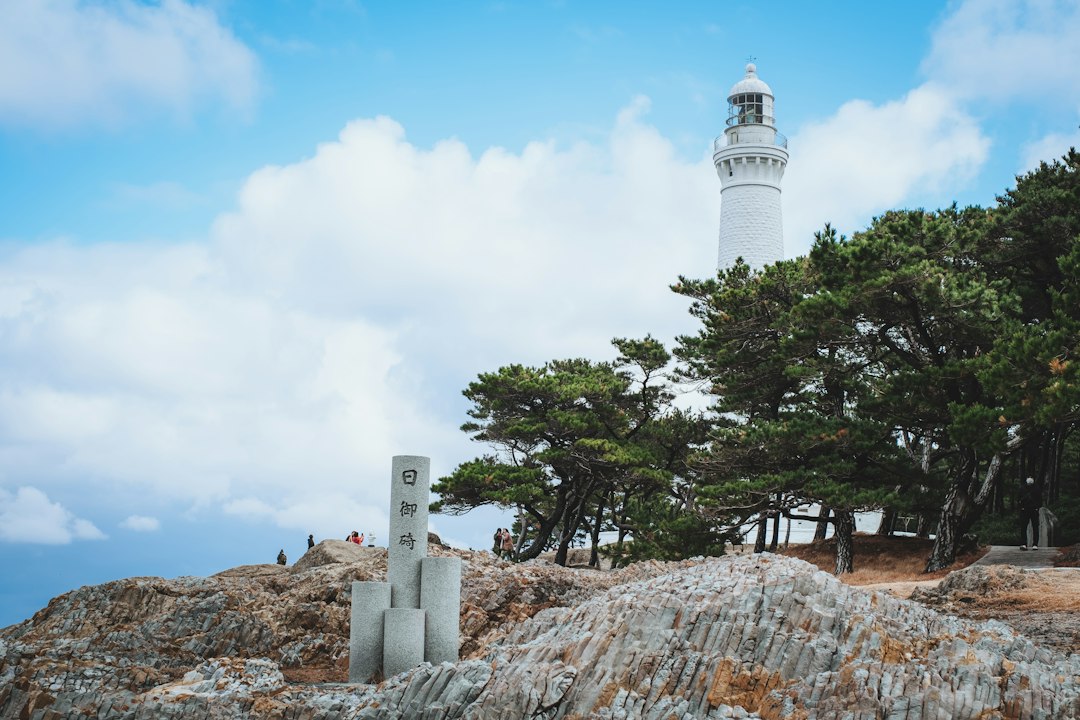
Cape Tsumekizaki sits on the peninsula east of town, with a white lighthouse and an open view of the Pacific with nothing between you and the horizon. It is exposed and windy even in summer. Bring a layer.
Day Trip or Overnight, and When to Go
A day trip to Izu works well if you pick one area and accept that the rest of the peninsula will wait for another visit.
What Fits in One Day
Atami and the Jogasaki Coast make a relaxed day by train. Shuzenji makes an easy half day. Shimoda is a full day with an early start, and it is where the choice of transport decides how much you actually see.
The sights around Shimoda are spread along the coast rather than clustered in town. Travelers who arrive by train and rely on local buses tend to manage two places properly and spend the rest of the afternoon waiting at stops. On our private Shimoda day trip, a guide and a vehicle collect travelers from their Tokyo accommodation and cover Ryosen-ji, Perry Road, Shirahama, and Cape Tsumekizaki in one day. That combination is difficult to reproduce by public transport.
A workable shape for the day, by any means, is history in the morning and coast in the afternoon. The temples are at their quietest early, and the beaches and the cape look better once the sun has moved round to the west. Lunch in town between the two keeps the driving short. Leave the lighthouse last, because the walk out to it is the part of the day most people want to linger over.
If you want the west coast and Shimoda together, or any time in an onsen, stay a night. Izu rewards a slower pace, and a ryokan dinner followed by an evening bath is a large part of why people come.
Seasons: Cherry Blossoms, Beaches, and Winter Narcissus
Izu is milder than Tokyo in winter, which shapes its calendar. The Kawazu cherry trees, an early-flowering variety, bloom from around early February into March, well ahead of the Tokyo season, and the festival along the Kawazu River draws very large crowds on weekends. Go on a weekday.
From late December through January, millions of narcissus flower on the slopes at Tsumekizaki during the annual festival. Summer belongs to the beaches, and August is by far the busiest month. Our preference is late September to November, when the sea is still warm, the light is clear, and the coast is quiet.
For comparison, the other classic escape from Tokyo is Hakone, and our guide to the Hakone loop explains how that day works.
Expert Tip
Bring cash for Shimoda. Small restaurants, temple entry, and harbour-side fish lunches are often cash-only, so withdraw what you need before you leave Tokyo. Leave the coast by mid-afternoon if you are returning to the city the same day, so you are not racing the last comfortable train.
Izu Peninsula From Tokyo: Frequently Asked Questions
Can you do Shimoda as a day trip from Tokyo?
Yes, but it is a long day. The direct train takes close to three hours each way, and the drive is similar without traffic. An early start is essential. With a private car and a guide you can see four places around Shimoda comfortably; by train and bus, plan on two.
Is the Izu Peninsula covered by the Japan Rail Pass?
Partly. The pass covers the Shinkansen to Atami and Mishima and the JR line as far as Ito. The Izu Kyuko line from Ito to Shimoda and the Izuhakone Railway from Mishima to Shuzenji are private and charge separate fares. If you ride the Odoriko to Shimoda on a pass, you pay the difference for the Izu Kyuko section.
Should I choose Izu or Hakone?
It depends on what you want from the day. Hakone is closer and built around a well-organised sightseeing loop of ropeways, boats, and museums, which makes it easier for a first trip. Izu is larger and less structured, with better beaches, more coastline, and far fewer visitors once you pass Ito. If you have already seen Hakone, Izu is the natural next step.
Related Tours
Conclusion
Decide which Izu you want before you decide how to get there. Atami and the Jogasaki Coast suit an easy day by train, Shuzenji suits a night in a ryokan, and Shimoda suits an early start and either a direct Odoriko seat or a car.
If you only have one day and want the part of the peninsula that feels furthest from Tokyo, go to Shimoda. Stand in the temple where the treaty was concluded, walk Perry Road as the light drops, and finish at the cape with the wind off the Pacific. Book your train seat on the seaward side, and bring cash and a jacket.
Plan Your Japan Trip with Local Experts
Our team has guided 40,000+ travelers across Japan. Tell us about your trip and we’ll get back to you within 24 hours.




