In this article:
- Date Masamune: Aoba Castle and Zuihoden
- The City of Trees
- Gyutan, Zunda, and the Morning Market
- Matsushima Bay
- Akiu Onsen and the Nikka Distillery
- Visiting Sendai: Frequently Asked Questions
Introduction
Sendai is a city of a million people that most international travelers pass through on the way to somewhere else in Tohoku. That is a reasonable use of it and also an incomplete one.
The city was founded in 1600 by Date Masamune, who lost an eye to smallpox as a child, wore a crescent moon on his helmet, and sent an embassy to the Pope. His planning — wide avenues, deliberate tree planting — survived the firebombing of 1945 well enough that Sendai is still called the City of Trees.
What Sendai offers is a comfortable, well-fed base with two of Tohoku’s best day trips inside an hour. Two nights is the right allocation.
Date Masamune: Aoba Castle and Zuihoden
The Date legacy is the thread running through Sendai’s historic sites, and two of them are essential.
Aoba Castle Ruins
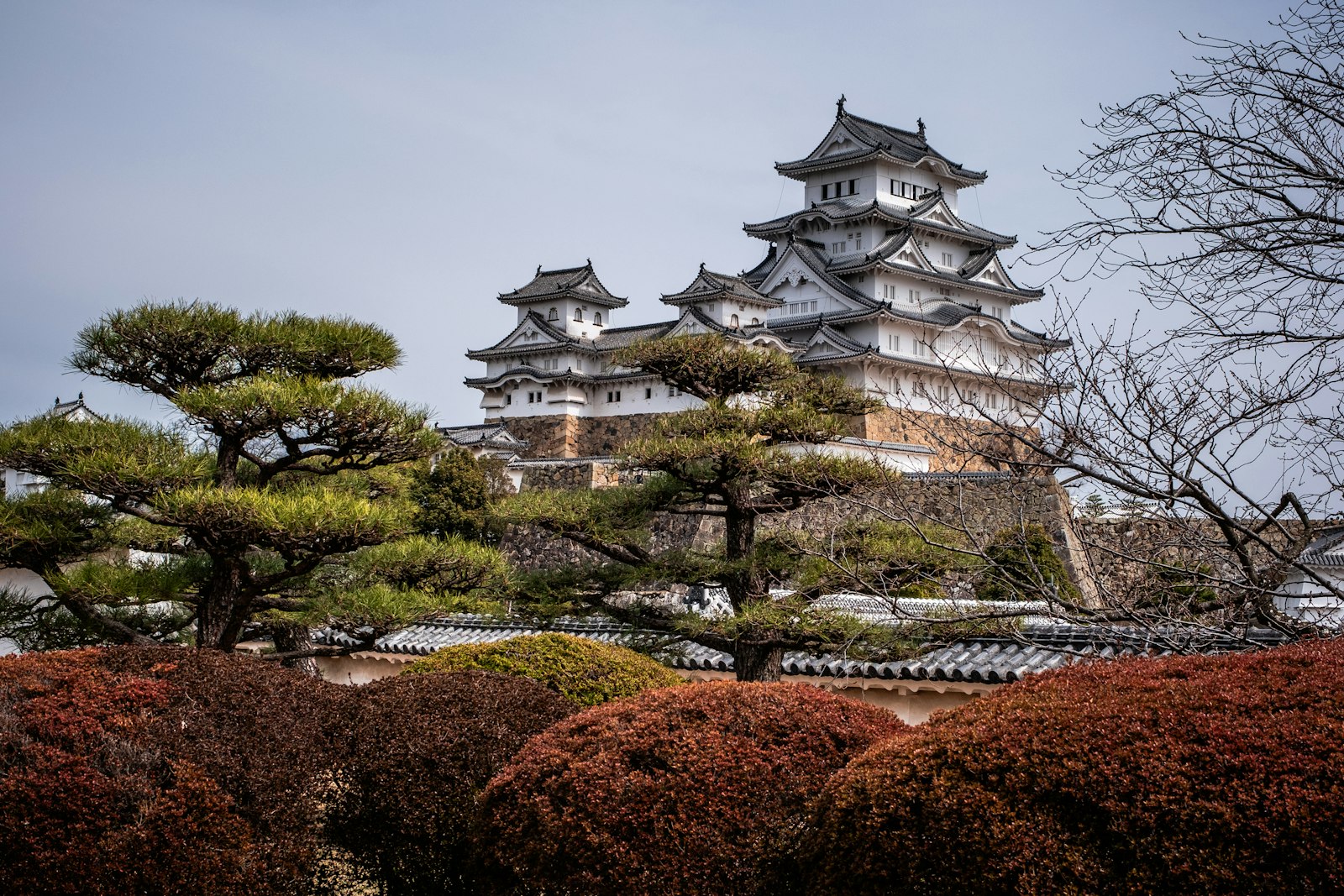
Aoba Castle stood on a bluff above the Hirose River, chosen for defence and never seriously attacked. Almost nothing of the structure survives — the buildings went to fire, war, and demolition — leaving stone walls, a reconstructed guard tower, and the view.
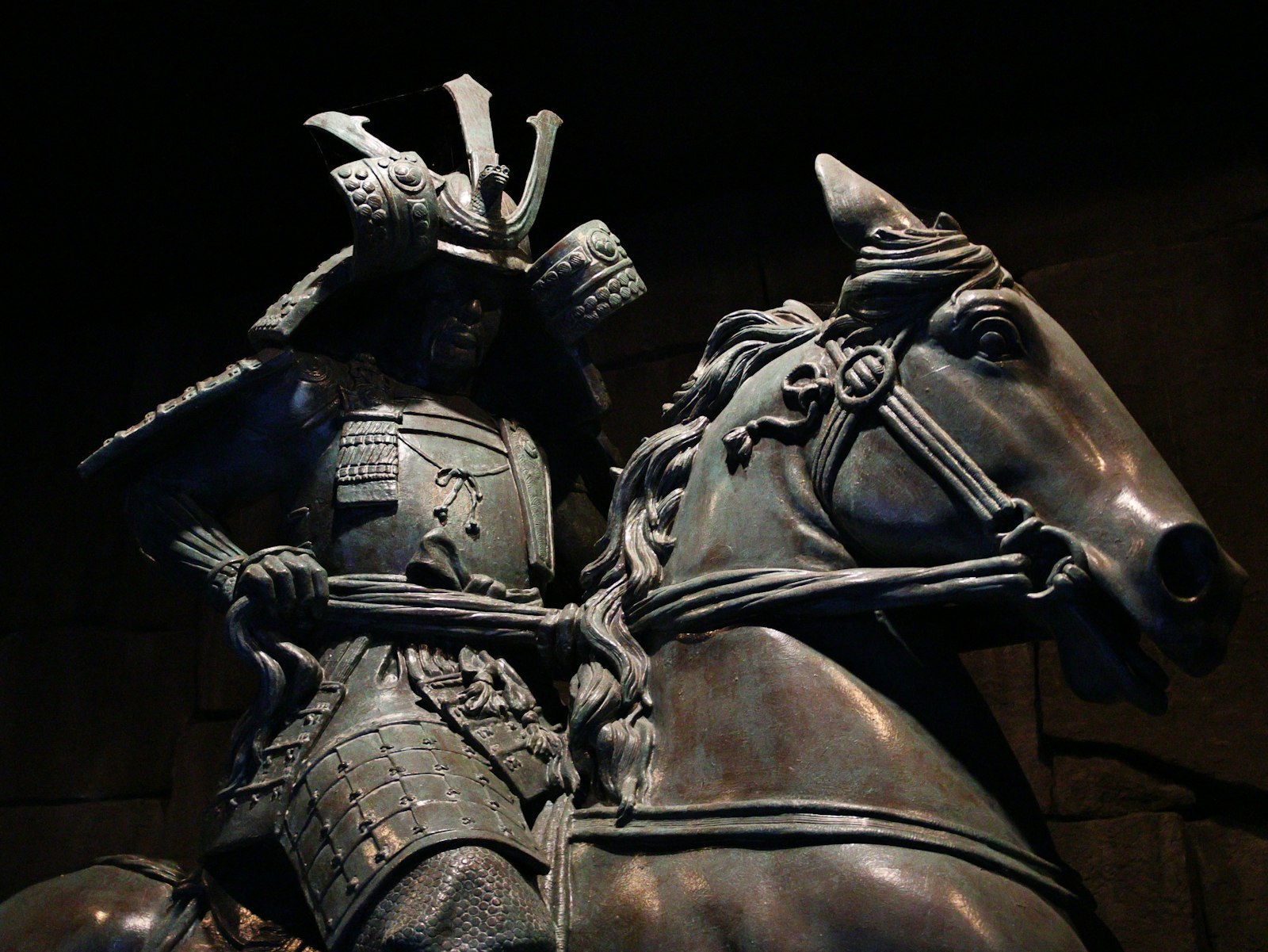
That view is the reason to climb up. The bronze statue of Masamune on horseback, in full armour with the crescent helmet, faces out over the city he laid out. Go at dusk, when the plain below fills with light.
Zuihoden Mausoleum
Zuihoden is where Masamune is buried, and it is the opposite of the austere castle site — lacquered black, gold, and vermilion, densely carved with dragons and peonies in the Momoyama style.
The original burned in 1945; this is a 1979 reconstruction, and the excavation preceding it recovered Masamune’s remains, allowing a facial reconstruction now displayed in the small museum. Two further mausoleums for his son and grandson stand along the same cedar-lined path.
Osaki Hachimangu
Osaki Hachimangu, completed in 1607, is a designated National Treasure and one of the oldest surviving buildings in the Momoyama style — black lacquer with gold leaf detail, low and dark rather than grand.
It is a working shrine some distance from the centre, and it receives a fraction of Zuihoden’s visitors. The January Donto-sai fire festival here draws tens of thousands.
The City of Trees
Sendai’s nickname is literal, and the tree planting is the most visible thing about the city centre.
Jozenji-dori Avenue
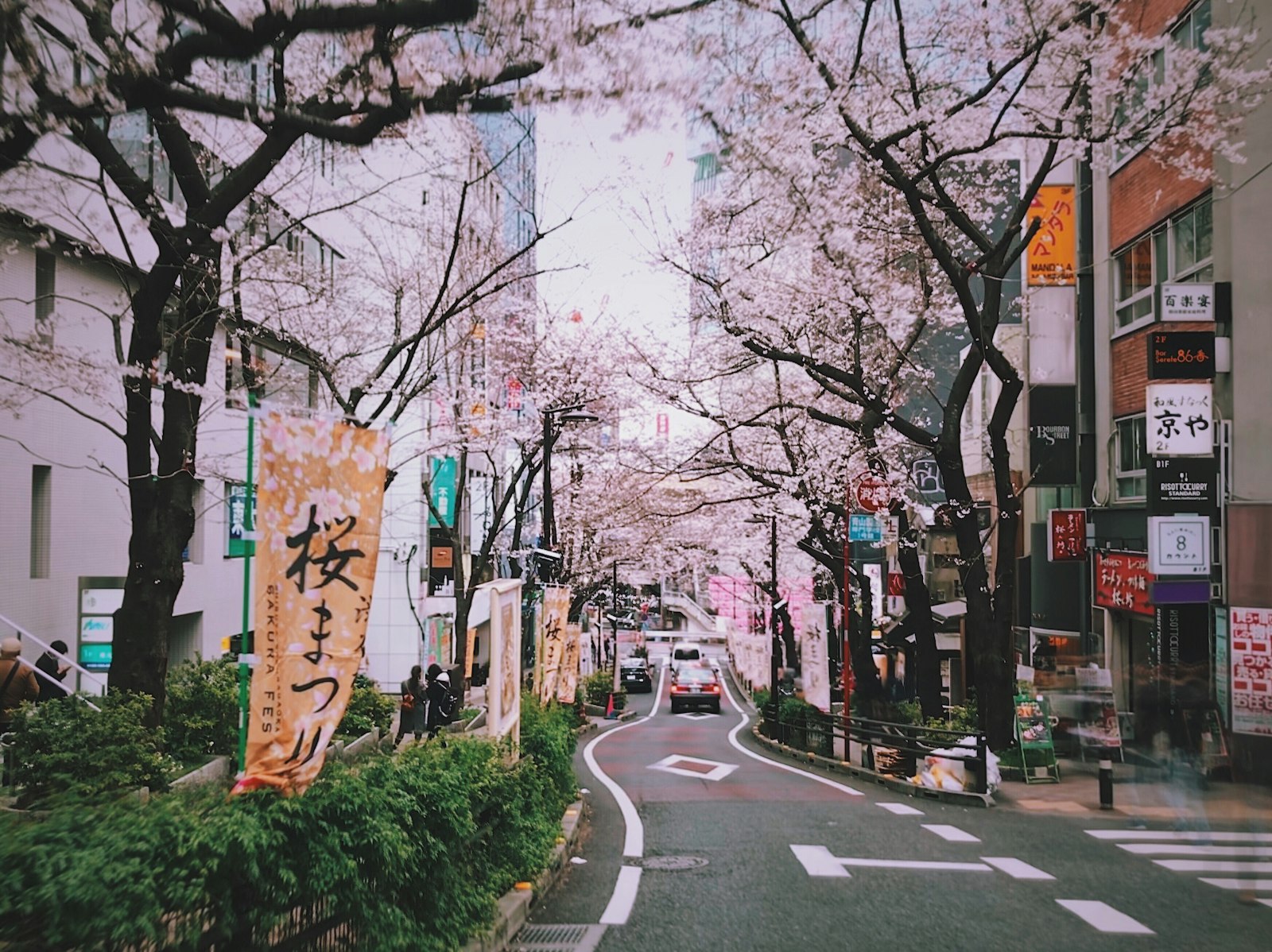
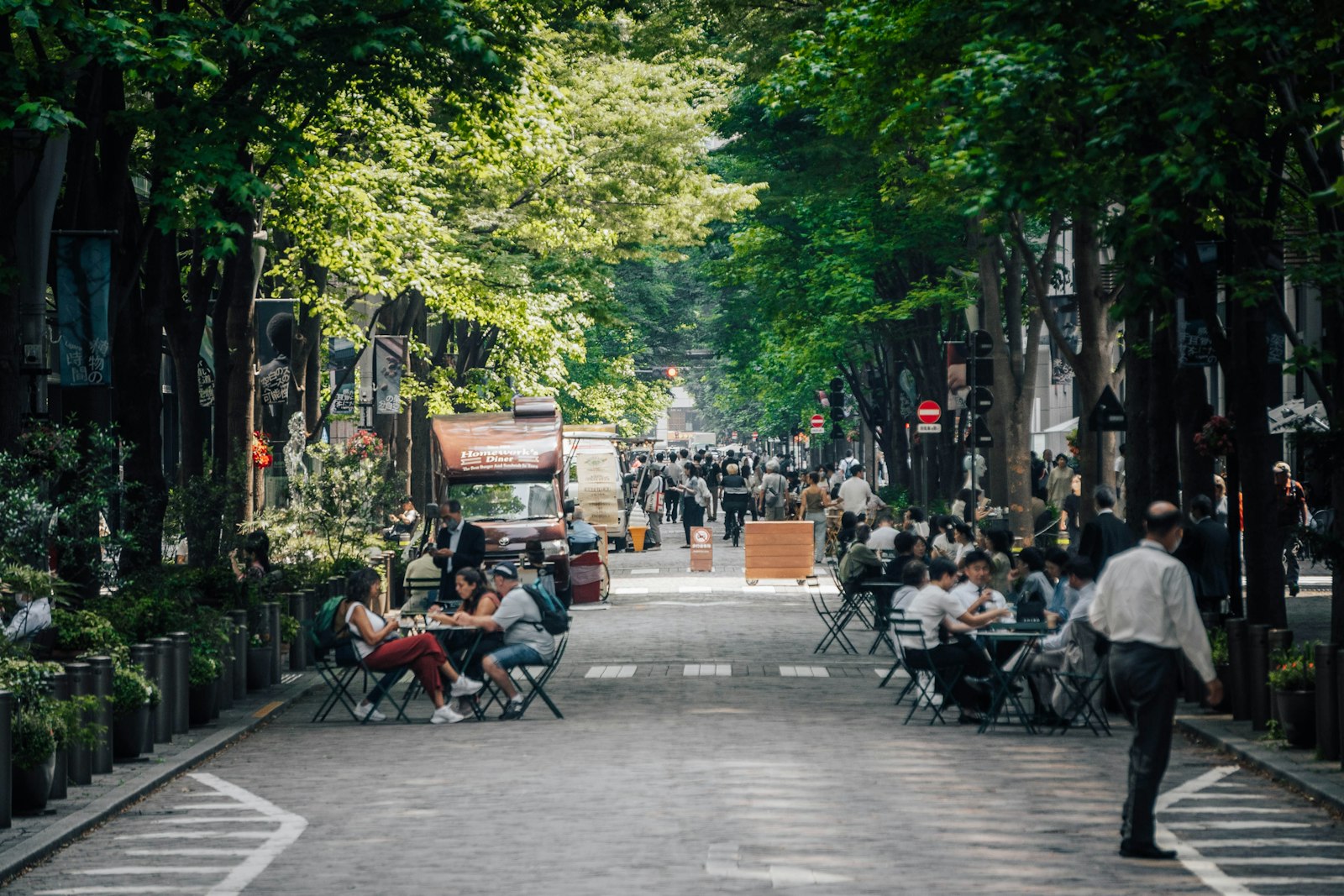
Jozenji-dori is a wide boulevard divided by a central promenade of zelkova trees, with bronze sculptures set among them. In summer the canopy closes overhead completely.
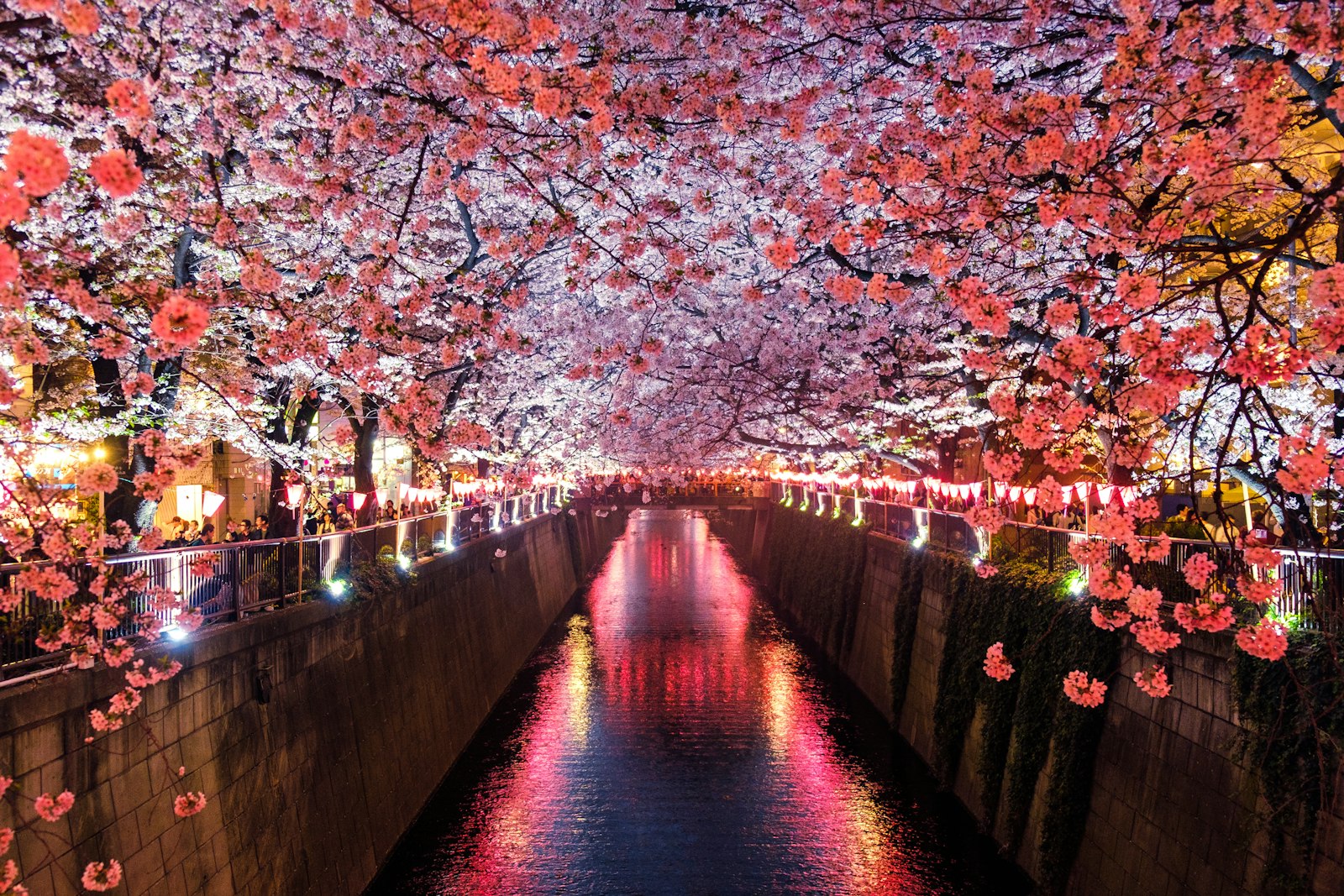
It hosts the Jozenji Street Jazz Festival in September — several hundred acts on open-air stages — and in December the trees carry around 600,000 lights for the Pageant of Starlight. Outside those events it is simply a good place to walk.
The Tanabata Festival
Sendai Tanabata, held 6 to 8 August, is the largest in Japan. The shopping arcades are hung with thousands of streamers made of washi paper — some five metres long, each handmade and hung fresh each year.
Around two million people attend. Book accommodation months ahead if your dates fall in this window, and expect the city centre to be effectively pedestrianised.
Sendai Mediatheque
Toyo Ito’s Mediatheque, completed in 2001, is a glass box supported by thirteen irregular lattice tubes that carry the structure, lifts, and services, leaving the floors entirely open.
It functions as a public library and gallery, and entry is free. It survived the 2011 earthquake with limited damage, which is often cited as a validation of the structural concept.
Expert Tip
The Loople Sendai tourist loop bus connects Aoba Castle, Zuihoden, the Mediatheque, and the museums on a single circular route from the station. A one-day pass costs about 630 yen and includes discounts at most of the sites it stops at. Ordinary city buses do not serve these efficiently.
Gyutan, Zunda, and the Morning Market
Sendai invented one dish that spread across Japan and holds onto another that never left Tohoku.
Grilled Gyutan
Gyutan — beef tongue — was created in Sendai in 1948 by a yakitori chef adapting to occupation-era beef supply. It is sliced thick, salt-cured for several days, and grilled over charcoal.
The standard set is tongue, barley rice, oxtail soup, and pickled nanban peppers, and the combination is deliberate. Texture is the point: properly cured gyutan has a firm, clean bite that bears no resemblance to stewed tongue.
Zunda Mochi
Zunda is a paste of young green soybeans, lightly sweetened and coarsely mashed, served over rice cakes. The colour is a vivid green and the flavour is closer to fresh peas than to conventional Japanese sweets.
It appears now in shakes and pastries around the station, which is fine, but the plain version over warm mochi is the one to try first.
Sendai Asaichi Market
The morning market runs a couple of hundred metres near Sendai Station, with roughly seventy stalls selling fish, vegetables, pickles, and prepared food. It has operated since just after the war.
It is a working market rather than a tourist one, busiest before nine. Several small counters serve kaisendon — seafood rice bowls — at prices well below the restaurant equivalents.
Matsushima Bay
Forty minutes northeast by local train, Matsushima has been ranked among Japan’s three great views since the seventeenth century.
The Bay and the Islands
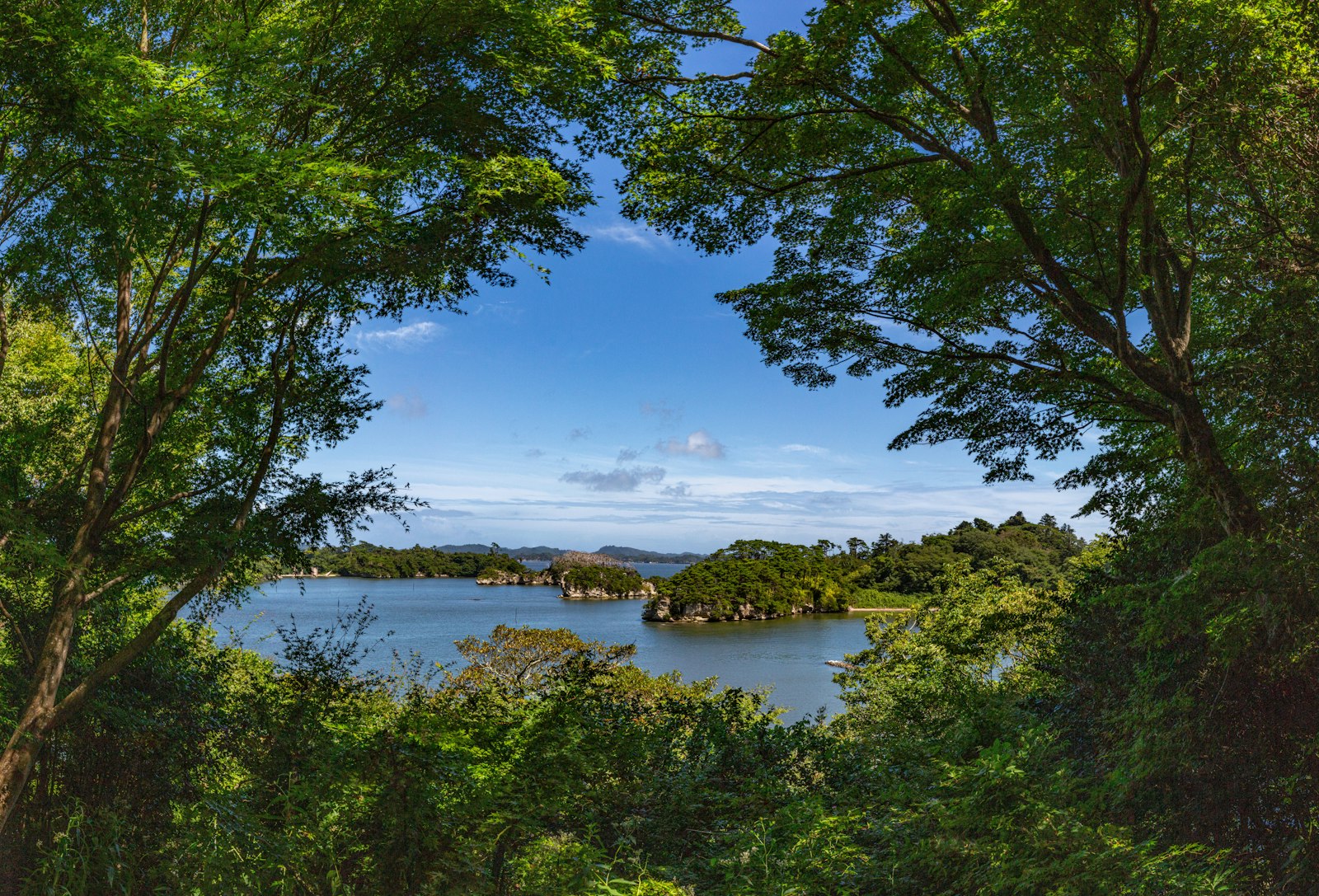
Roughly 260 small pine-covered islands sit in the bay, eroded into arches and pillars. The dense scattering is thought to have absorbed much of the 2011 tsunami’s force, which is why Matsushima survived comparatively intact while the coast either side did not.
Sightseeing cruises run about 50 minutes. Sit on the open upper deck if the weather allows; from inside, the windows flatten everything.
Godaido and Zuigan-ji
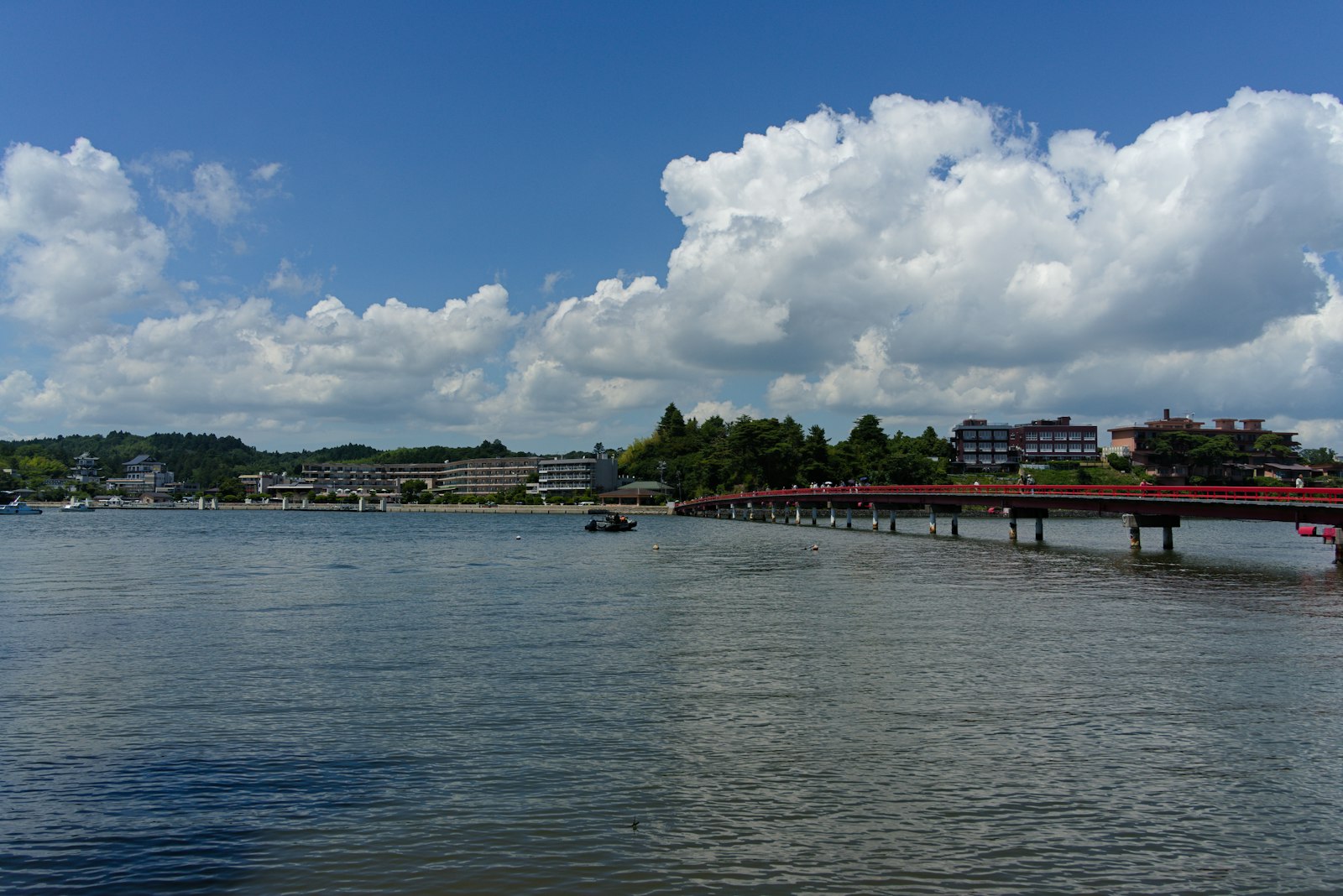
Godaido is a small wooden hall on an islet reached by two short red bridges, one of which has gaps between the planks — originally to force pilgrims to concentrate. It is the visual signature of Matsushima.
Zuigan-ji, a few minutes inland, is the Date family temple, approached along a path cut through rock with meditation caves in the walls. Its main hall took five years to build with craftsmen brought from Kyoto and Wakayama.
Oysters on the Bay
Matsushima Bay is major oyster country, and the season runs roughly October to March. Stalls along the waterfront grill them in the shell over charcoal, sold by the plate.
Several restaurants offer all-you-can-eat grilled oyster sittings in winter. Kaki-goya — oyster huts — are the local format and require no reservation outside weekends.
Akiu Onsen and the Nikka Distillery
West of the city, two very different half-day trips sit within 40 minutes.
Akiu Onsen
Akiu has been in use for around 1,500 years and was one of three springs designated for imperial use. It sits along the Natori River gorge, and the ryokan here are large and traditional rather than boutique.
Day-use bathing is widely available if you are not staying overnight. Sakunami Onsen, further west, is the smaller and quieter alternative.
Akiu Great Falls
Akiu Otaki drops 55 metres across a 6-metre width and is counted among Japan’s hundred notable waterfalls. An observation deck sits a few minutes from the car park; a stairway descends to the basin in about 20 minutes.
The autumn colour here peaks in late October, roughly a week before the city centre. The descent is steep and slippery after rain.
Nikka Miyagikyo Distillery
Masataka Taketsuru chose this site at the meeting of two rivers in 1969, reportedly deciding on the spot after tasting the water. Miyagikyo produces softer, fruitier malt than Nikka’s Yoichi distillery in Hokkaido.
Tours are free but must be booked in advance online, and they include a tasting. The site also holds Kaffir stills used for grain whisky, which is unusual to see in Japan.
Expert Tip
Sendai works better as a base than as a stop. Matsushima, Akiu, Yamadera, and Zao are all within 90 minutes, and hotel rates near Sendai Station run well below Tokyo for equivalent quality. Booking four nights here and radiating outward is usually cheaper and less tiring than moving through three Tohoku towns.
Visiting Sendai: Frequently Asked Questions
How long does the shinkansen take from Tokyo? About 90 minutes on the fastest Hayabusa services, which run roughly twice an hour. The Hayabusa requires a reserved seat and is covered by the nationwide JR Pass and the JR East Tohoku pass.
Is Sendai a good base for Tohoku? Yes, for the southern half. Matsushima, Yamadera, Zao, and Naruko are all comfortable day trips. For Aomori, Akita, or Hirosaki you will want to relocate rather than commute.
When are the zelkova trees at their best? Late April into May for new leaf, and late October into early November for autumn colour. The December illumination is a separate draw and runs through the second half of the month.
Related Tours

Conclusion
Give Sendai itself one day and its surroundings two. The city’s own sites — the castle bluff, Zuihoden, Jozenji-dori — occupy an unhurried afternoon, and the depth is in what sits within an hour of it.
Eat gyutan on your first night rather than your last. Sendai has around a hundred specialist restaurants, they get busy from seven, and most visitors decide they want a second go before they leave.
Plan Your Japan Trip with Local Experts
Our team has guided 40,000+ travelers across Japan. Tell us about your trip and we’ll get back to you within 24 hours.