In this article:
- Is Sake Really a Rice Wine?
- Reading a Sake Label
- Temperature, Vessels, and the Seasons
- Ordering Sake in Japan
- Japanese Rice Wine: Frequently Asked Questions
Introduction
Ask for Japanese rice wine in Tokyo and you will be understood, but nobody behind the counter calls it that. What arrives is sake, and the phrase “rice wine” is a translation that has caused more confusion than it has solved.
The drink itself is simple to enjoy and surprisingly difficult to choose. A typical sake bar menu lists twenty or thirty bottles, handwritten, with no tasting notes and no prices you can easily compare. Most visitors respond by ordering the house sake, drinking it, and never learning why the next table’s glass tasted completely different.
That is a shame, because a few words of vocabulary change the experience. You do not need to become an expert. You need to know what the label is telling you, what temperature to ask for, and how to let the person pouring guide you.
Is Sake Really a Rice Wine?
Not in any technical sense. Wine is made by fermenting the sugar already present in fruit; rice has no usable sugar until something breaks its starch down.
Brewed Like Beer, Drunk Like Wine
Sake is brewed. The key ingredient alongside rice and water is koji, steamed rice that has been cultivated with a mould called Aspergillus oryzae. The koji produces enzymes that turn starch into sugar, and yeast turns that sugar into alcohol.
What makes sake unusual is that both steps happen in the same tank at the same time. Brewers call this multiple parallel fermentation, and it is the reason sake reaches a higher strength than beer or most wine without any distillation. Undiluted sake, sold as genshu, typically sits around 18 to 20 percent alcohol. Most bottles are diluted with water to somewhere near 15 or 16 percent before they reach the shelf.
In the glass, however, sake behaves more like wine than beer. It is still, it is served with food, and the differences between bottles are about aroma, texture, and acidity rather than bitterness. So the “wine” label is wrong about the method and roughly right about the experience.
What Japanese People Call It
In Japanese, the word sake means alcohol in general. Beer is sake, whisky is sake, and so is the shochu highball at the next table. The drink foreigners call sake is nihonshu, literally “Japanese alcohol”, and on labels and in tax law it appears as seishu.
“Nihonshu” is also a protected geographical indication. Under the rules published by Japan’s National Tax Agency, a bottle labelled that way must use Japanese rice and rice koji, be brewed in Japan, and contain less than 22 percent alcohol. Sake brewed in California or Norway can be excellent, but it cannot use the name.
In practice, saying “nihonshu” at a bar removes any ambiguity. Saying “sake” usually works too, because staff in areas with foreign visitors know what you mean.
Sake, Mirin, and Shochu Are Not the Same Thing
A large share of searches for Japanese rice wine come from cooks, and they are usually looking for mirin. Mirin is a sweet seasoning made from glutinous rice, koji, and a distilled spirit. It is lower in alcohol and much higher in sugar than sake, and it is designed for glazes and sauces rather than a glass.
Shochu is a different category again. It is distilled rather than brewed, it can be made from barley, sweet potato, buckwheat, or rice, and it is typically drunk on the rocks, with water, or in a highball.
If a recipe asks for Japanese rice wine and gives no further detail, it almost always means cooking sake or mirin. If a bartender asks what you would like to drink, it means nihonshu.
Reading a Sake Label
Most sake labels are in Japanese, but the words that decide style are few, and many brewers now print them in roman letters on the back. Learn five or six and you can read a menu well enough to order with intent.
The core system is the special designation, a set of eight grades defined by the National Tax Agency. Anything outside it is futsushu, ordinary table sake. Futsushu is not a warning sign; a great deal of good everyday sake sits there, especially the warm sake poured at old-fashioned izakaya.
Junmai or Not: The Question of Added Alcohol
Junmai means “pure rice”. A junmai sake is made from rice, koji, and water only. The other family of grades allows the brewer to add a small amount of distilled alcohol, capped at 10 percent of the weight of the polished rice.
Added alcohol is not a shortcut to a cheaper drink. Used carefully, it lifts aroma and gives a lighter, cleaner finish, and some of the most prized competition sake contains it. Honjozo is the name for this style at the everyday end of the range.
Our view is that junmai is worth trying first if you like fuller, rounder flavours that stand up to grilled food. Honjozo tends to suit people who drink white wine and want something crisp.
Ginjo and Daiginjo: What Polishing Changes
Before brewing, rice is milled to remove the outer layers of the grain. The figure left over is called the polishing ratio, or seimaibuai, and it is often printed on the label as a percentage. A ratio of 60 percent means 40 percent of each grain has been ground away.
The grades follow this number. Honjozo requires a ratio of 70 percent or lower. Ginjo requires 60 percent or lower, and daiginjo 50 percent or lower. Add “junmai” in front of any of these and it means no alcohol was added.
More polishing usually produces lighter, more fragrant sake with notes of melon, pear, or banana. It does not automatically produce better sake. Daiginjo is excellent chilled with sashimi and often lost beside yakitori glazed in soy and sugar, where a robust junmai does more work.
The Other Words on the Bottle
A few more terms appear on almost every menu:
- Nigori: cloudy sake, coarsely filtered so fine rice sediment remains. Usually sweet and creamy.
- Namazake: unpasteurised sake. Fresh and lively, and kept refrigerated.
- Genshu: undiluted, so stronger than usual.
- Koshu: aged sake, often amber in colour, with flavours closer to sherry or soy.
- Taruzake: sake stored in cedar casks, with a clear woody aroma.
Some labels also carry a sake meter value, a positive or negative number. As a rough guide, higher positive figures lean drier and negative figures lean sweeter, although acidity changes how sweet a sake actually tastes.
Expert Tip
Ignore the price column when you order your first glass. Menus in Tokyo and Kyoto often list the most expensive daiginjo at the top, and it is rarely the most interesting thing on the list. Ask instead for “something from near here” and you will usually be poured a local brewery’s junmai that the staff actually drink themselves.
Temperature, Vessels, and the Seasons
Sake is one of very few drinks served across a range from ice-cold to steaming hot. The temperature is part of the order, and the right choice depends on the bottle.
Hot, Room Temperature, or Cold
Reishu is chilled sake, and it is how most fragrant ginjo and daiginjo are served. Cold keeps the fruit aromas tight and the finish clean.
Room temperature sake lets the rice character come forward, and it is how many brewers prefer to taste their own work. Warmed sake, called kanzake, and hot sake, atsukan, soften acidity and bring out savoury depth. Junmai and futsushu take heat well; delicate ginjo usually does not.
The old assumption that only poor sake is served hot is outdated. On a cold evening in Kyoto, a flask of warm junmai alongside oden is one of the best things you can order in the country. Still, if the staff suggest a different temperature from the one you asked for, take their advice.
Tokkuri, Ochoko, and the Masu
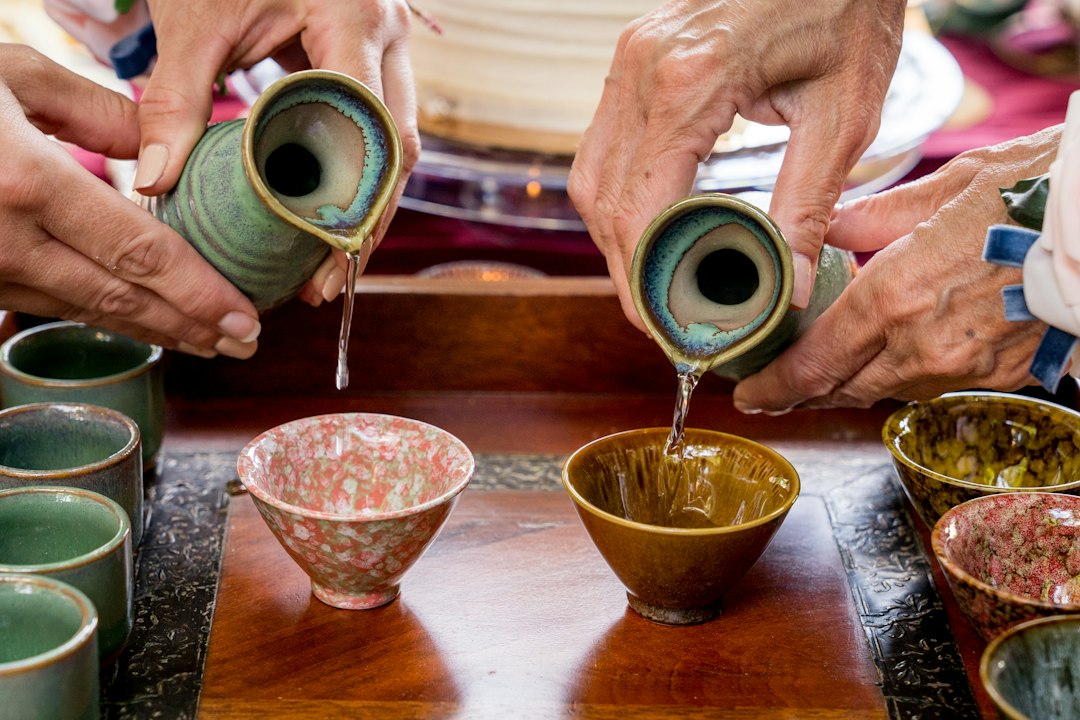
Sake by the carafe arrives in a tokkuri, a narrow-necked ceramic flask, with small cups called ochoko. The flask holds enough for two or three people to share, which is how it is meant to be drunk.
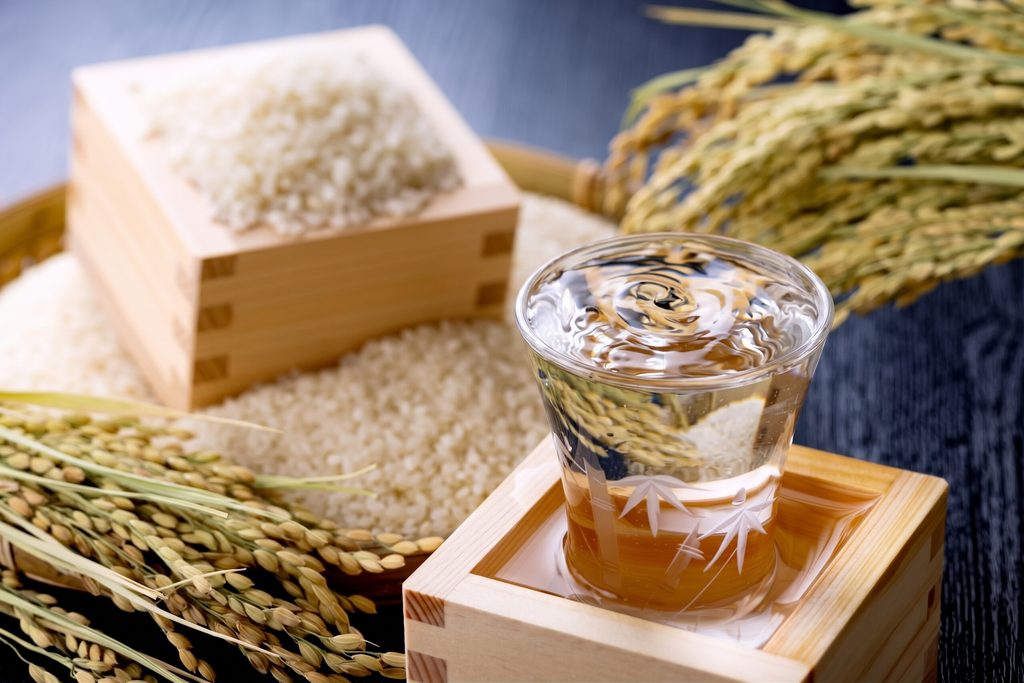
At standing bars and casual izakaya, you may see a glass placed inside a square wooden box, the masu, and filled until it overflows. The overflow is deliberate generosity, not a spill. Drink a little from the glass first, then either pour the box into it or sip from the corner of the box.
Wine glasses have also become common at modern sake bars. For aromatic ginjo they do a better job than a small ceramic cup, so do not read one as a gimmick.
Autumn Sake: Hiyaoroshi
Most sake is pasteurised twice, once before storage and once before bottling. Hiyaoroshi is pasteurised only once, rested through the summer, and released in autumn, typically from September into November.
The result is rounder and more settled than fresh spring releases, with a gentle depth that suits autumn food: grilled mushrooms, sanma, chestnut rice. If you are in Japan in the autumn, look for the word on handwritten boards. It is the seasonal bottle most bars rotate in, and it tells you something about how closely a bar follows the calendar.
Ordering Sake in Japan
Knowing the vocabulary is half the job. The other half is the room, and Japanese drinking rooms have their own logic.
At an Izakaya
Izakaya sake lists are usually short and often written only in Japanese on paper strips along the wall. Order by the glass or by the tokkuri, and expect a small dish you did not order to arrive first; that is the otoshi, a seat charge in edible form, explained in our guide to navigating Japanese izakayas.
Sake at an izakaya is a drink for the food. Order a few plates first, then ask for a sake that goes with them. On our Shinjuku evening tour, the first stop is a local izakaya where the guide reads the handwritten wall menu and orders for the table. The question guests ask most is not which sake is best, but which one goes with what just arrived.
In Kyoto the rooms are often smaller. Along the Takase canal in Kiyamachi, some bars hold six or seven people, and several do not take cards. Carry cash, which will also make the rest of a Kyoto night out easier.
At a Sake Bar
A dedicated sake bar is where the drink becomes the point. The better ones pour tasting flights of three small glasses, which is the most efficient way to learn what you like.
At the sake bar on our Shinjuku route, the staff choose bottles against what you have already eaten rather than working from a fixed list. Guests try several styles side by side, and the guide explains what separates them. Most arrive knowing nothing about sake and leave with a preference, which is exactly the right outcome for a first evening.
If you want to go further, with regional styles and brewery visits, our guide to sake tasting in Japan picks up where this one ends.
Pouring, Toasting, and Pacing
When sharing a tokkuri, it is customary to pour for the others at the table rather than for yourself, and to let someone fill your cup in return. Hold your cup up slightly when someone pours for you. The first drink of the evening starts with a shared “kanpai”.
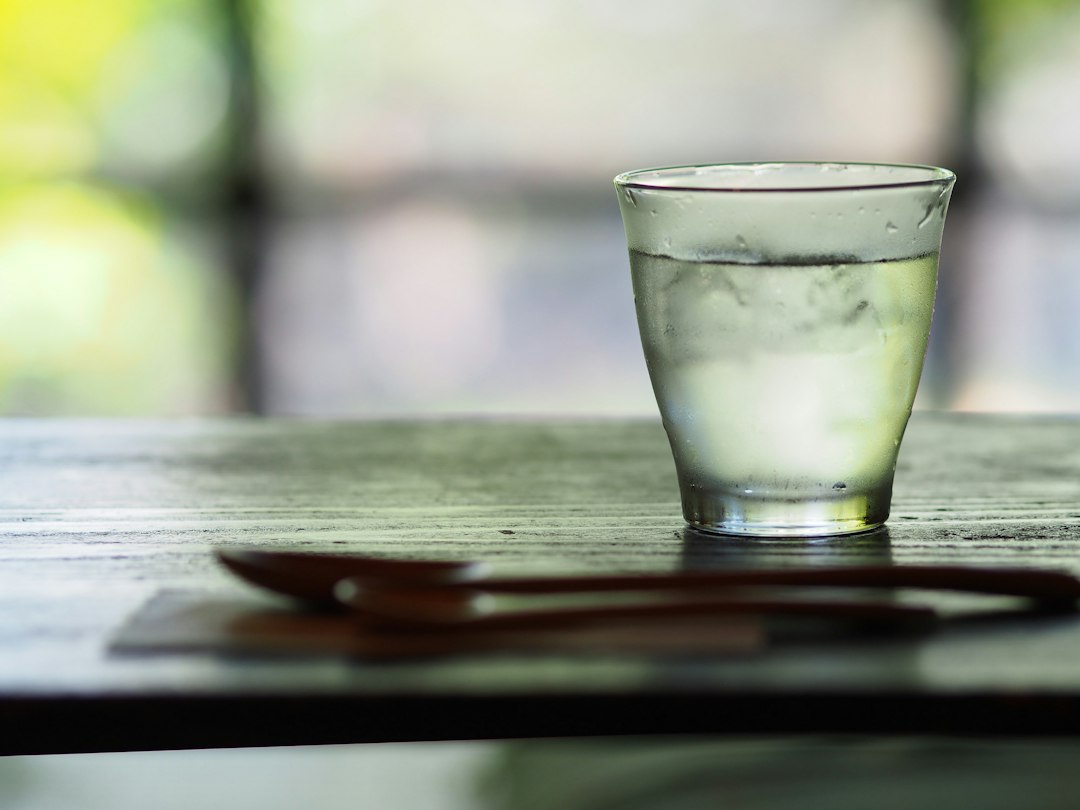
Sake at 15 percent goes down easily from small cups, and refills come often. Order water alongside it. Many sake bars will bring a glass without being asked, and some call it yawaragi-mizu, “softening water”, for good reason.
Expert Tip
If you do not drink alcohol, you can still join an evening built around sake. Every stop on our bar crawls serves tea, soft drinks, or non-alcoholic beer at the same price, and the food and the rooms are half the reason to be there.
Japanese Rice Wine: Frequently Asked Questions
Is sake stronger than wine?
Slightly. Most bottled sake sits around 15 to 16 percent alcohol, compared with 12 to 14 percent for most table wine. Undiluted genshu can reach 18 to 20 percent. Because sake is served in small cups and refilled often, it is easy to drink more than you intend, so pace it with water.
Can I use drinking sake in place of mirin?
Only partly. Sake adds depth and removes fishy or gamey notes, but it lacks the sweetness that mirin brings to a sauce or glaze. If a recipe calls for mirin and you only have sake, add a little sugar. Drinking sake works perfectly well in cooking; cooking sake, which often contains salt, should not be drunk.
What should I order first if I know nothing about sake?
Ask for a junmai from the local area, served at the temperature the staff recommend. If the bar offers a tasting flight, order that instead and compare a junmai, a ginjo, and one wildcard such as a nigori or a namazake. By the third glass you will know if you lean toward fragrant and light or full and savoury.
Related Tours

Conclusion
Calling sake Japanese rice wine is a useful starting point and a poor finishing one. The drink is brewed, not fermented from fruit, and its range runs from cloudy and sweet to aged and amber, served anywhere from ice-cold to hot.
On your first night, learn three words: junmai, ginjo, and the name of the prefecture you are in. Order a flight if you can, ask the staff what temperature they would serve it at, and keep a glass of water beside your cup. By the end of the evening you will know which bottle you would order again, and that is a better souvenir than anything from the airport shop.
Plan Your Japan Trip with Local Experts
Our team has guided 40,000+ travelers across Japan. Tell us about your trip and we’ll get back to you within 24 hours.