In this article:
- The Two Questions Behind Every Sake Label
- The Eight Premium Grades, From Honjozo to Junmai Daiginjo
- Styles That Cut Across the Grades
- Temperature, Glassware, and Reading the Menu
- Sake Types: Frequently Asked Questions
Introduction
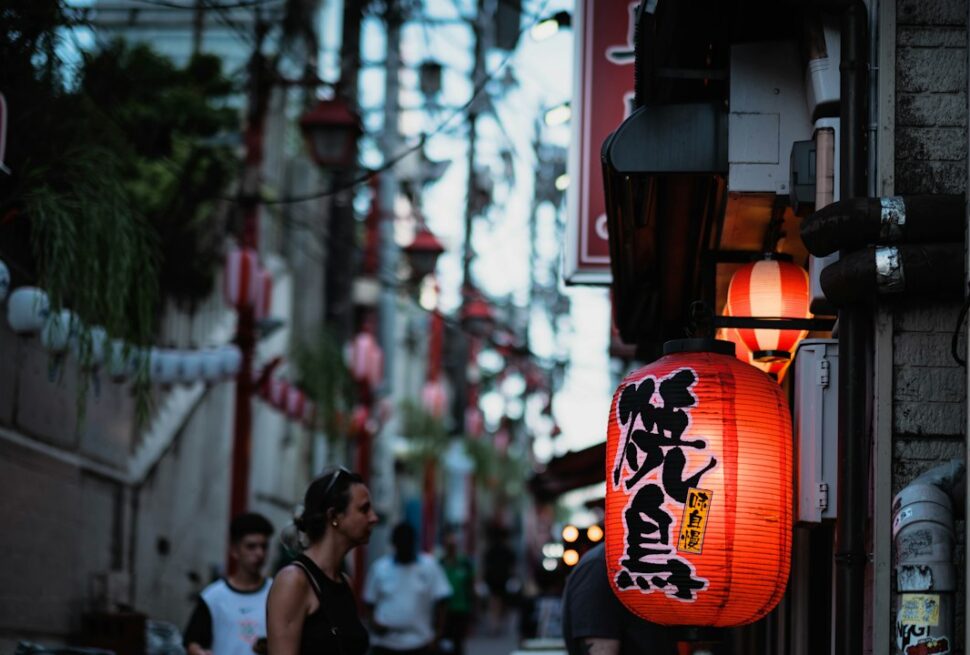
In a Tokyo izakaya, owners usually write the sake menu by hand, often orient it vertically, and almost never translate it. Most visitors respond by pointing at the most expensive line and hoping. Understanding sake types properly takes about ten minutes of reading, and it changes that moment entirely.
Here is the part that most guides bury: sake grades are not a quality ladder in the way wine regions or whisky ages sometimes are. They describe how brewers made the sake. A daiginjo is not a better junmai any more than a Sancerre is a better Barolo. Brewers craft them for different moments, different food, and different temperatures.
We pour sake for travelers several nights a week in Shinjuku and Kyoto, and the guests who enjoy it most are rarely the ones who arrived knowing the most. They are the ones who learned to ask two questions of a label. Those two questions are where this guide begins.
The Two Questions Behind Every Sake Label
Japanese labelling rules, set by the National Tax Agency, sort premium sake by only two variables. Everything else on the bottle is detail.
Junmai or Not: Rice, Koji, Water, and Brewer’s Alcohol
Brewers make sake from rice, water, and koji—the mould-cultivated rice that converts starch into sugar for the yeast to ferment. If you want a fuller explanation of the ingredients, our guide to what makes up sake covers each one.
The first question is whether the brewer added a small amount of distilled alcohol near the end of fermentation. If not, the sake can carry the word junmai, meaning pure rice. If they did, it falls into the honjozo, ginjo, or daiginjo families.
Added alcohol is not a shortcut in the premium grades. Used in small quantities, it lifts aroma out of the mash and lightens the body. The result tends to be crisper and more fragrant than a junmai made from the same rice. Junmai, by contrast, usually reads as rounder, with more acidity and a grainier depth.
Seimaibuai: What the Polishing Ratio on the Bottle Means
The second question is how much of each grain brewers milled away before brewing. The outer layers of rice carry fats and proteins that produce heavier, earthier flavours; the starchy core gives cleaner ones.
Brewers write seimaibuai, the polishing ratio, as the percentage that remains. A label reading 60 percent means brewers milled away 40 percent of each grain. Lower numbers mean more polishing, more rice consumed per bottle, and generally a more delicate, aromatic sake.
That said, the number tells you about intent, not about your preference. Some of the most satisfying bottles we pour with grilled food sit at 70 percent or higher.
Futsushu: The Table Sake Outside the Grades
People call sake that does not meet any of the premium definitions futsushu, ordinary sake. It makes up the majority of what Japan drinks, and it is what arrives when you order a carafe of hot sake without specifying anything.
Futsushu has a poor reputation abroad, partly deserved. However, a good local futsushu served warm alongside oden on a cold evening is one of the more honest pleasures in Japanese drinking, and we would not talk anyone out of it.
The Eight Premium Grades, From Honjozo to Junmai Daiginjo
The premium grades, legally called tokutei meishoshu or special designation sake, number eight. Once you see them as a grid built from the two questions above, they stop being a list to memorise.
Every one of them must use koji rice for at least 15 percent of the total rice. Where brewers add alcohol, they cap the amount at 10 percent of the weight of the polished rice. The remaining requirements are polishing ratios and, for the ginjo grades, a distinctive aroma.
Junmai and Honjozo: The Everyday Workhorses
Junmai uses only rice, koji, and water. Since authorities revised the rules in the mid-2000s, junmai has had no minimum polishing ratio, so brewers might mill it to 70 percent or to 50 percent. Check the seimaibuai on the label rather than assuming.
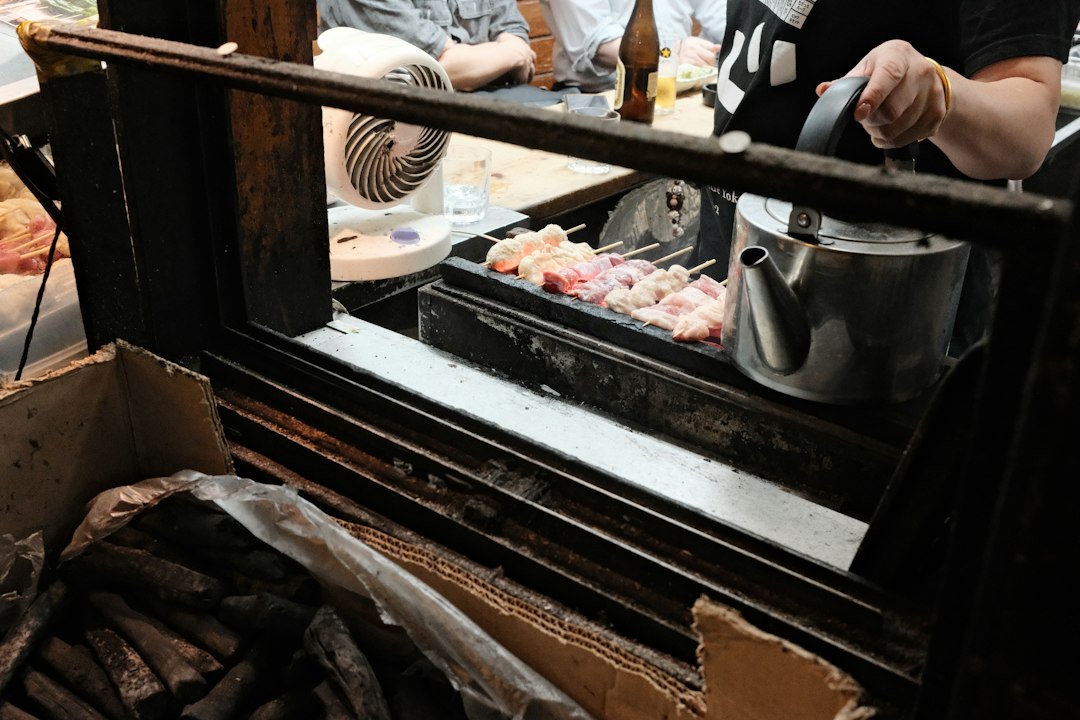
Honjozo adds a small amount of brewer’s alcohol and requires rice polished to 70 percent or less. It tends to be lighter, drier, and easy to drink across a long meal. Both styles are at their best with food that has salt, fat, or char: yakitori, grilled fish, simmered dishes.
In our experience these are the grades that suit warming best. Gently heated, a junmai opens up in a way a chilled glass never shows you.
Ginjo and Daiginjo: Polished Rice and Fruit-Led Aromas
Ginjo requires rice polished to 60 percent or less. Daiginjo goes to 50 percent or less. Brewers ferment both slowly at low temperatures, producing the aroma Japanese brewers call ginjo-ka: pear, melon, green apple, sometimes banana or white flowers.
Add the word junmai and you have junmai ginjo and junmai daiginjo, made to the same polishing thresholds without added alcohol. These four make up the fragrant end of the spectrum, and servers usually serve them chilled in a wine glass or a thin-walled cup.
Daiginjo is impressive on its own. Still, heavily seasoned food can easily mask its delicate flavor, and a table of skewers dipped in tare will overwhelm it. Save it for sashimi, a simple tofu dish, or the first glass of the evening.
The Tokubetsu Labels and Why Higher Grade Is Not Better
The final two grades are tokubetsu junmai and tokubetsu honjozo, the word tokubetsu meaning special. They require polishing to 60 percent or less, or a special brewing method that the brewery must explain on the label.
In practice, tokubetsu often signals that a brewer wanted to set one bottle apart from its standard line, perhaps through a particular rice variety. It is worth reading the back label to see what they chose.
Our firm view is that grade predicts style far better than it predicts enjoyment. Guests who order daiginjo all evening tend to end the night having tasted one kind of sake several times.
Expert Tip
When a sake menu offers a flight of three, ask for one junmai, one ginjo, and one honjozo rather than three bottles of the same grade. Tasting them side by side, with a bite of food between each, teaches you more about your own palate in fifteen minutes than any chart will. Most sake bars will happily build this for you if you describe what you are eating.
Styles That Cut Across the Grades
Grade tells you how brewers handled the rice and alcohol. A second set of words tells you what happened after fermentation, and these often matter more to how the sake tastes in your glass.
Nama, Genshu, and Muroka: How a Sake Is Finished
Most sake is pasteurised by gentle heating, typically twice, before it leaves the brewery. Namazake skips pasteurisation entirely. It tastes fresher and livelier, sometimes with a faint prickle, and it must be kept refrigerated.
Genshu is undiluted. Brewers normally add water before bottling to bring the alcohol down; genshu skips that step, so it is noticeably stronger and fuller. Some drinkers serve it over ice, and nobody at the counter will mind.
Muroka means the sake was not charcoal filtered. It keeps more colour and flavour. You will often see all three words together on a single label, as muroka nama genshu, which describes a bold, unfiltered, unpasteurised, undiluted sake.
Nigori, Sparkling, and Koshu: Texture and Age
Nigori is cloudy sake, pressed through a coarse mesh so that some of the rice solids remain. It ranges from lightly hazy to almost creamy, and many nigori lean sweet. Turn the bottle gently before pouring to mix the sediment back in.
Sparkling sake has become common in the past decade, often low in alcohol and sold in small bottles. It works well as an aperitif, though serious sake bars rarely build a list around it.
Koshu is aged sake. Where most sake is drunk within a year or so of release, koshu is held for several years and turns amber, with notes of caramel, soy, and dried fruit. It is an acquired taste, and an excellent one after dinner.
Hiyaoroshi: The Autumn Release
Visiting Japan in autumn means you can drink hiyaoroshi. These are sakes brewed in winter, pasteurised once, and rested through the summer before release in early autumn without a second pasteurisation.
The months of rest round off the sharp edges of young sake. Hiyaoroshi is typically mellower and more settled than its spring counterpart, and it suits the autumn table of grilled fish and mushrooms. If you see it chalked on a board between September and November, order it.
Temperature, Glassware, and Reading the Menu
Sake is one of very few drinks served across a wide range of temperatures, and the same bottle can taste quite different at each.
Cold, Room Temperature, and Warm
Chilled sake is called reishu, and it is the default for ginjo and daiginjo. Cold sharpens aroma and freshness, which is the point of those grades.
Hiya traditionally means room temperature, although many bars now use it loosely for chilled sake. If it matters to you, ask. Kanzake, or warmed sake, has its own scale of names, from nurukan, around body temperature, to atsukan, properly hot.
We recommend trying a junmai or honjozo warm at least once. Warmth broadens the flavour and softens the acidity, and with oily or rich food the effect is remarkable. Heating a delicate daiginjo, on the other hand, tends to flatten the aroma it was made for.
Nihonshu-do and Other Numbers on the Card
Many menus list a figure called nihonshu-do, or sake meter value. Positive numbers suggest a drier sake and negative numbers a sweeter one, measured from the density of the liquid.
It is a rough guide. Acidity changes how sweetness is perceived, so a sake with a modest nihonshu-do and high acidity can still taste dry. Use the number to narrow a choice, then let the bartender finish it.
Menus also often show the prefecture. Niigata has long been associated with clean, dry sake; Fushimi in Kyoto and Nada in Kobe are the historic brewing districts most travelers encounter first. Regional style is a tendency, not a rule.
How to Order Sake at an Izakaya or Sake Bar
The most useful thing you can tell a bartender is what you are eating and whether you like your drinks dry or soft. Owners of small counters take real pleasure in choosing for you, and they generally choose better than a menu ever will. Our guide to ordering at an izakaya covers the rest of the evening.
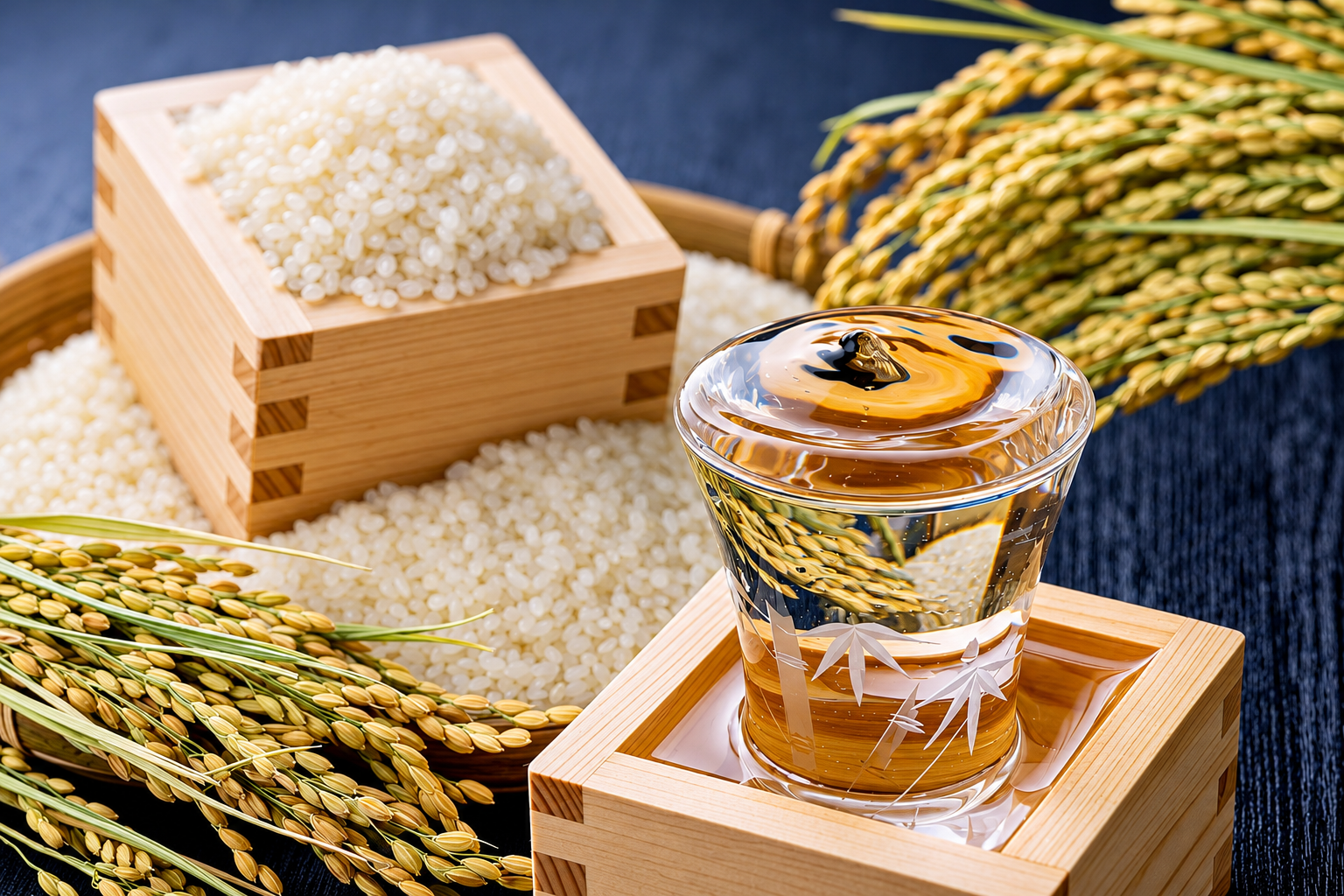
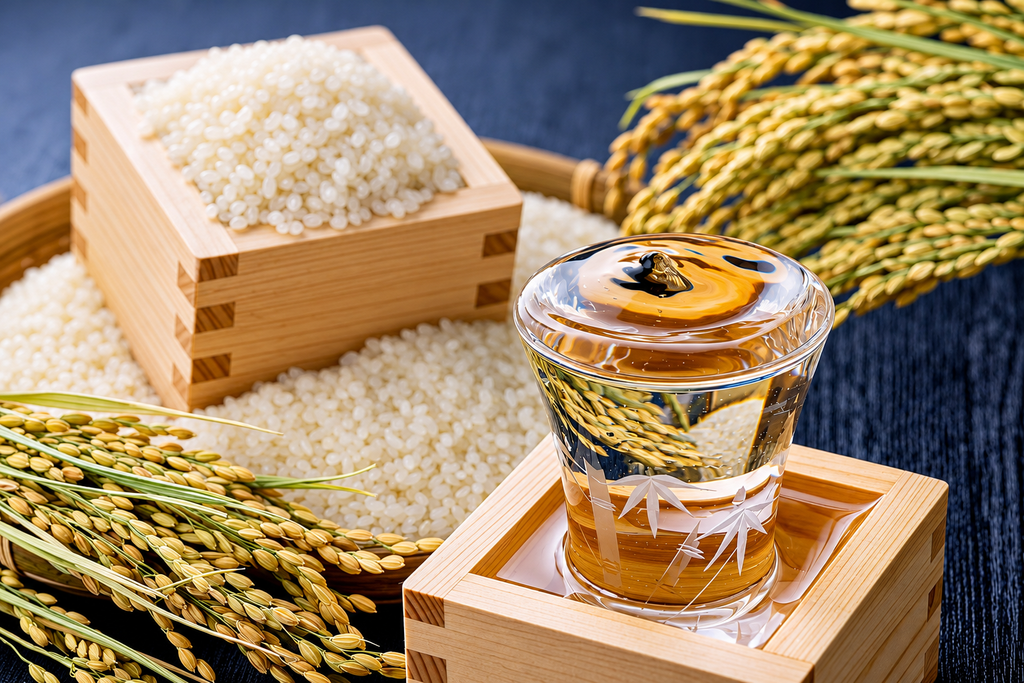
Sake is often ordered by the go, a measure of about 180 millilitres, served in a small flask called a tokkuri. Some izakaya pour into a glass standing in a square wooden masu and let it overflow; the spill is part of the generosity, and you drink from the glass first. When sharing, pour for others and let them pour for you rather than filling your own cup.
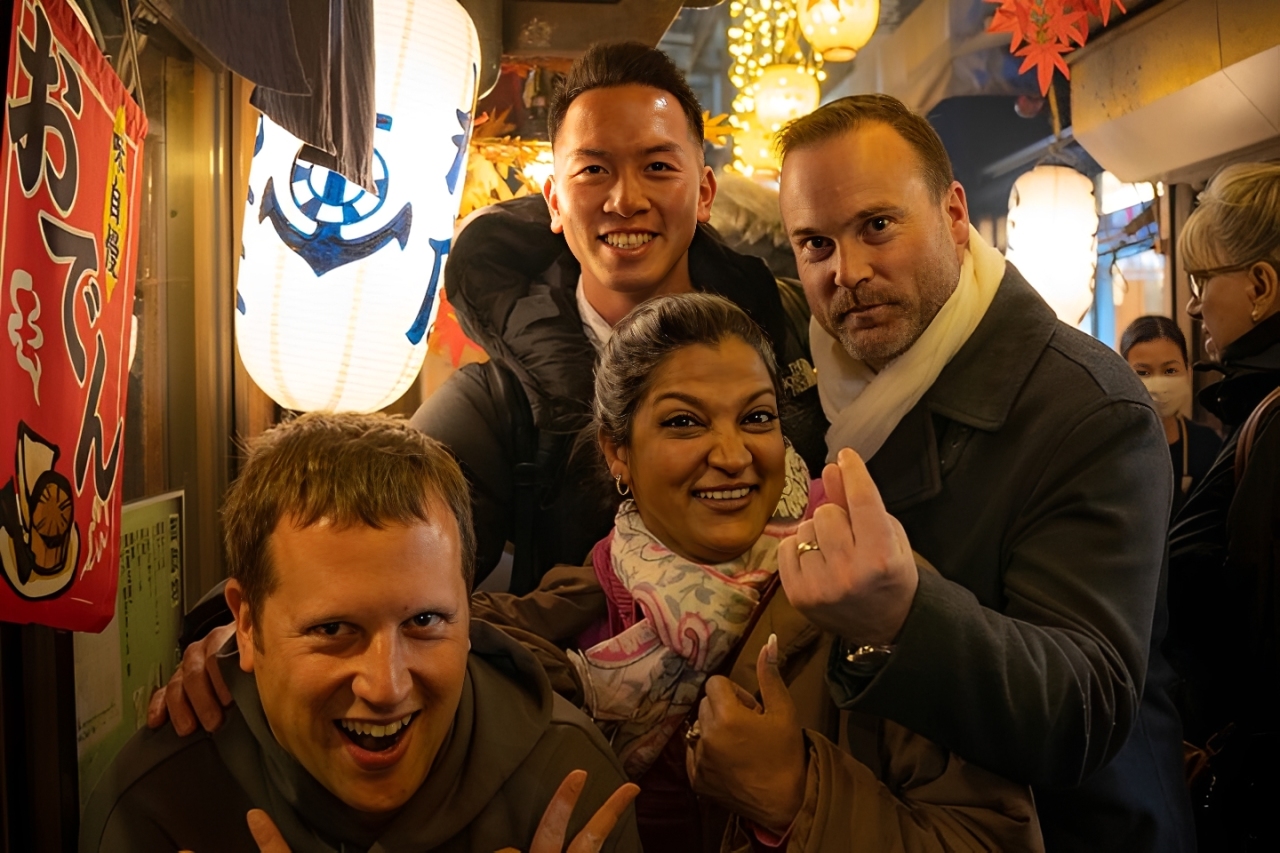
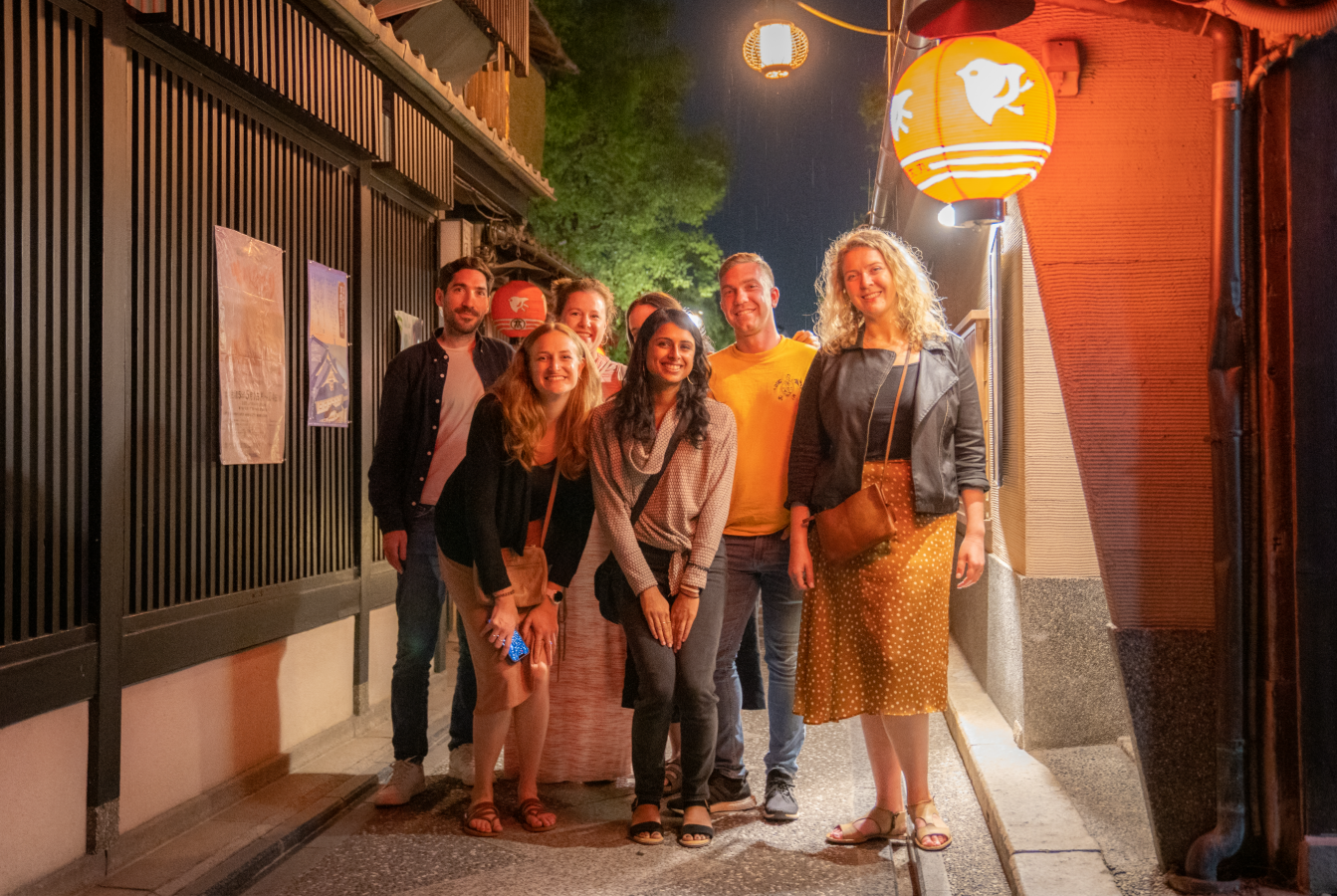
On our Shinjuku izakaya crawl, the second stop is a sake bar where the guide orders several styles side by side, chosen against what the table has already eaten. Most guests arrive knowing nothing about sake and leave with a clear preference, usually not the one they expected. In Kyoto, the evening ends at the small bars along the Takase canal in Kiyamachi, some of which hold six or seven people, which is about the right size for a long conversation over a warmed flask.
Expert Tip
Carry cash for a sake evening. Several of the small counters we visit in Kiyamachi do not take cards, and the same is true of many tiny bars in Shinjuku. If the menu does not show the size of a pour, ask before ordering; a glass and a full go can differ considerably in price.
Sake Types: Frequently Asked Questions
Is daiginjo always better than junmai?
No. Daiginjo uses more heavily polished rice and is more expensive to make, which shows in its fragrance and lightness. However, junmai often pairs better with grilled and seasoned food, and many brewers consider their junmai the truest expression of their rice. Choose by style and food rather than by price.
Should sake be served hot or cold?
It depends on the type. Aromatic ginjo and daiginjo are usually served chilled, while junmai, honjozo, and futsushu are often excellent warm. Room temperature suits many richer sakes as well. If in doubt, ask the bar how the brewer intends the bottle to be served.
What is the difference between sake and nihonshu?
In Japan the word sake can refer to alcohol in general, while nihonshu specifically means Japanese rice sake. Outside Japan, sake almost always means nihonshu. Ordering nihonshu at a bar removes any ambiguity. For the wider picture of what else is poured in Japan, see our overview of Japanese alcoholic drinks.
Related Tours

Conclusion
Read the label for two things, junmai or not and the polishing ratio, and you can place almost any bottle in Japan. Then read it for the finishing words, such as nama, genshu, or hiyaoroshi, which often tell you more about tonight’s glass than the grade does.
On your first evening, resist ordering by price. Ask for one fragrant chilled sake and one rich sake served warm, eat something salty between them, and notice which you reach for again. That preference is worth more than any ranking, and it will guide every sake menu for the rest of your trip.
Plan Your Japan Trip with Local Experts
Our team has guided 40,000+ travelers across Japan. Tell us about your trip and we’ll get back to you within 24 hours.