In this article:
- What Makes Japanese Food Healthy in the First Place
- The Foods Worth Seeking Out
- The Part Most Articles Leave Out: Salt
- How to Eat This Way as a Visitor
- Healthy Japanese Food: Frequently Asked Questions
Introduction
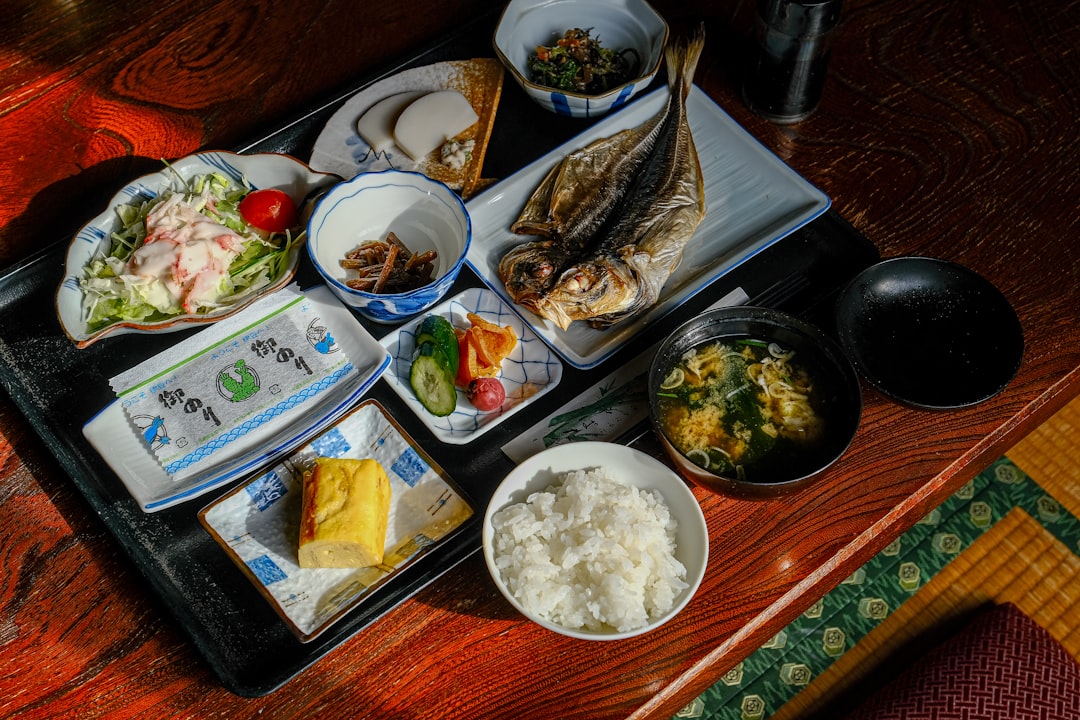
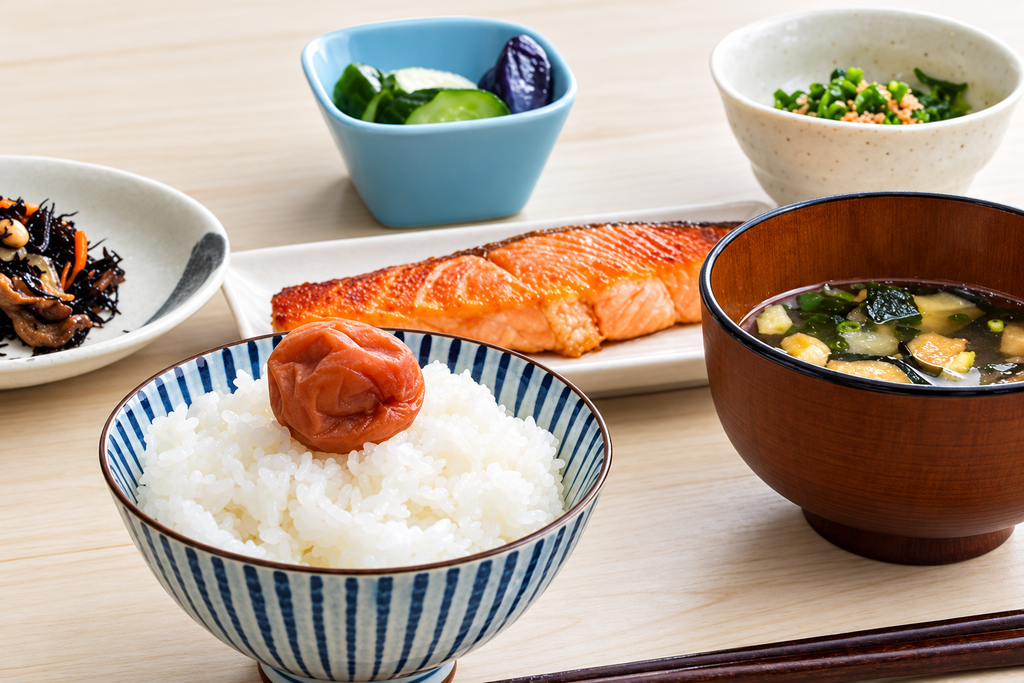
Walk into any lunch spot in an office district at half past twelve and look at what the tray holds. A piece of grilled mackerel. A bowl of rice. Miso soup. A small dish of simmered vegetables, a mound of shredded cabbage, two slices of pickle. That tray costs around a thousand yen and takes twenty minutes to eat. This is what healthy Japanese food actually looks like. It is simply everyday eating when nobody is trying to make a point about it.
The version that circulates abroad is different. It tends to be a list of superfoods, such as natto, matcha, seaweed, and konjac. These are presented as individual items you can add to an existing diet. That framing misses the thing that matters most. The key is not any single ingredient. It is the overall shape of the meal. Most importantly, it is the fat and sugar that never enter it in the first place.
The outcomes are hard to argue with. Japanese life expectancy sits around 84 years, roughly three years above the OECD average. Adult obesity here is also the lowest in the developed world by a wide margin. Over the years, we have taken thousands of travellers through markets and izakaya. The question we field most often is whether the food is really that healthy. Visitors also ask if they can eat that way for two weeks. Above all, they want to know if they can do it without turning it into a chore. The honest answer is mostly yes, with one significant caveat that we will get to.
What Makes Japanese Food Healthy in the First Place
The health benefit comes from architecture rather than from any magic ingredient. A traditional meal is assembled from a fixed set of components in fixed proportions, and that structure does most of the work before anyone chooses what to cook.
Ichiju-Sansai: One Soup, Three Sides
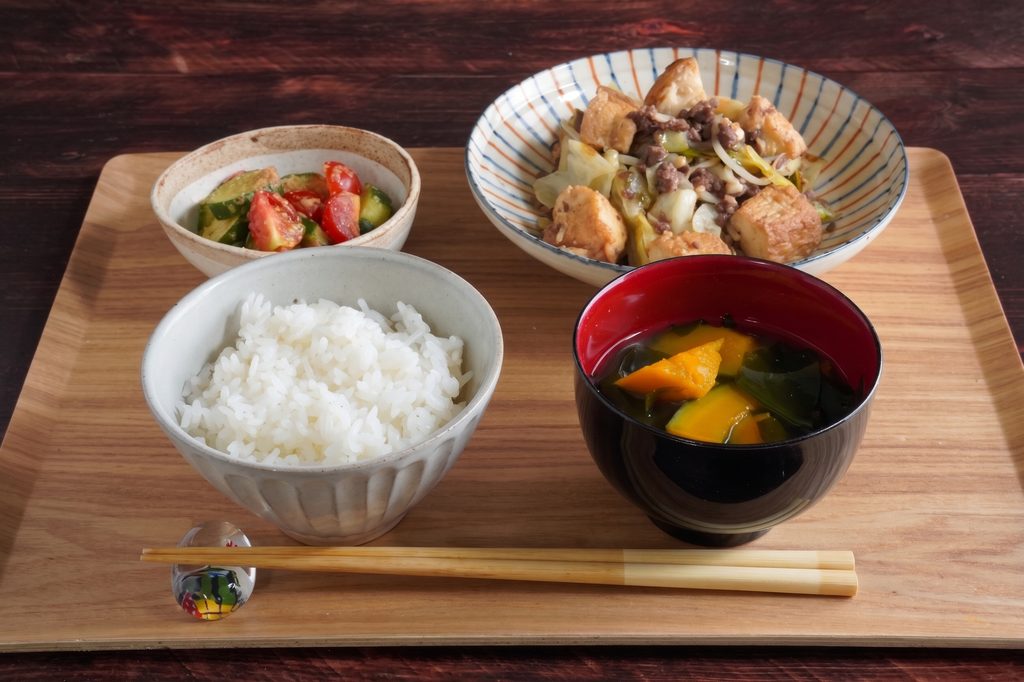
The traditional format is called ichiju-sansai — one soup, three sides, served alongside rice. It is the reason a Japanese meal arrives as five or six small vessels rather than one large plate with a protein in the centre.
What this format does, quietly, is cap the portion of any single thing. The fish is one component of six, not the event. Vegetables appear three or four times across the tray in different preparations. The volume adds up without anyone having to think about it. Rice is filling and cheap. It is also eaten in a bowl that holds less than most Western diners assume.
UNESCO added washoku—the traditional dietary culture of Japan—to its Intangible Cultural Heritage list in 2013. The nomination cited nutritional balance as one of its defining characteristics, alongside seasonality and presentation.That balance is not aspiration. It is the default configuration of a tray.
Fish, Soy, and Very Little Added Fat
Protein here comes disproportionately from fish and from soy — tofu, natto, miso, edamame, yuba. Both are lean in a way that beef and cheese are not, and the fat that does come with oily fish is the kind nutritionists spend their careers recommending.
The cooking methods matter as much as the ingredients. Grilling, steaming, simmering in dashi, and dressing with vinegar dominate traditional preparation. The traditional repertoire almost completely excludes butter and cream. Cheese appears only where people have adopted Western food.
Dashi is the piece most visitors overlook. Cooks brew this stock from kombu seaweed and dried bonito. It carries enormous savoury depth. It delivers that rich flavour with essentially no fat. A large part of why Japanese food tastes satisfying without being rich comes down to this one stock.
Seasonality as a Nutrition Strategy
Shun is the word for an ingredient at its seasonal peak, and it governs menus here in a way it does not in most countries. Bamboo shoots in April, hamo in midsummer, matsutake and chestnuts in October, fugu and daikon in deep winter.
The practical result is dietary variety on a rolling schedule. Eating what is in season means eating something different every few weeks rather than the same six vegetables year-round, and that rotation delivers a broader range of nutrients with no planning required.
It also means a restaurant menu in Kyoto in November genuinely differs from the same restaurant’s menu in June. If you eat at the same place on two trips a season apart, you will not be served the same meal.
Expert Tip
The healthiest thing on most Japanese menus is the one nobody orders: the small side dishes listed separately at the bottom. Hijiki seaweed, kinpira gobo (burdock root and carrot in soy and sesame), ohitashi (blanched greens in dashi), and sunomono (vinegared cucumber) cost a few hundred yen each and turn a single-bowl meal into something resembling a balanced tray. Order two alongside whatever else you are having.
The Foods Worth Seeking Out
Some celebrated superfoods genuinely earn their reputation. Others work best when you view them simply as everyday staples that happen to support your health. Here is where we would spend your attention.
Fermented Staples: Miso, Natto, and Pickles
Fermentation is the backbone of the Japanese pantry. Miso, soy sauce, mirin, rice vinegar, sake, natto, and the entire category of tsukemono pickles are all fermented, which means live culture and concentrated flavour appear in nearly every meal without anyone treating it as a health practice.
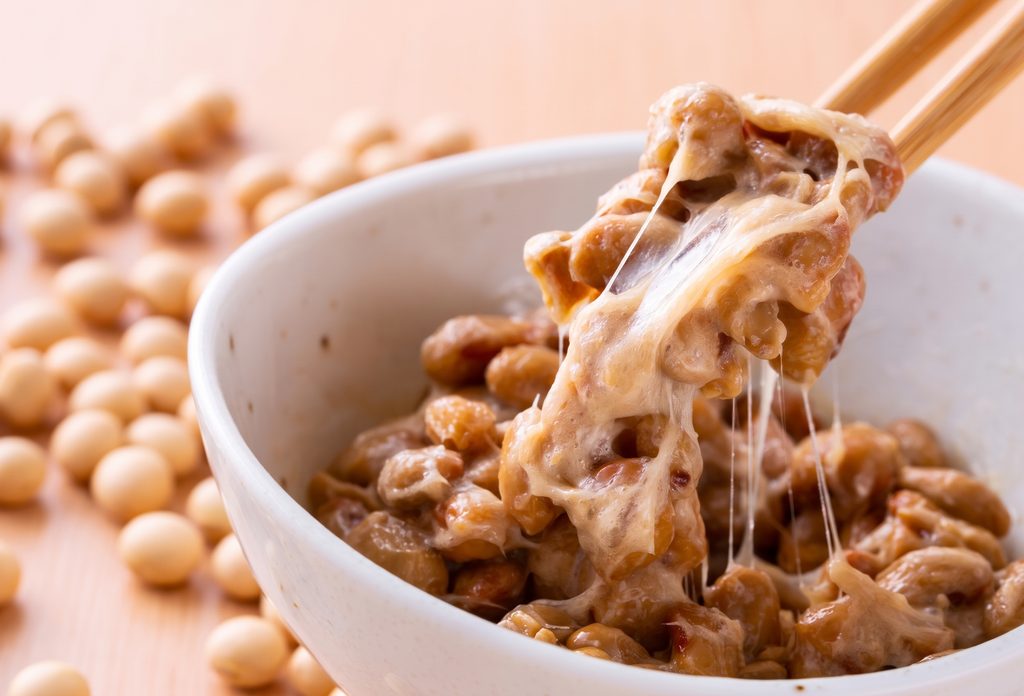
Natto is the one that divides people. Fermented soybeans, sticky, pungent, eaten at breakfast over rice with mustard and a splash of soy sauce. It packs plenty of protein and fibre. Nutritionists frequently cite it as one of the richest dietary sources of vitamin K2. Sample it at a hotel breakfast where you pay nothing extra. If you dislike it, locals will completely understand your reaction.
Pickles are the easier entry point. On our Kyoto market tour, the tsukemono stall is consistently the stop that changes people’s minds — a slice of shibazuke or senmaizuke, eaten standing up, tastes nothing like what the word “pickle” prepares you for. Nishiki has pickle specialists along most of its length, and the arcade is worth walking properly rather than passing through.
Tofu, Seaweed, and Temple Cooking
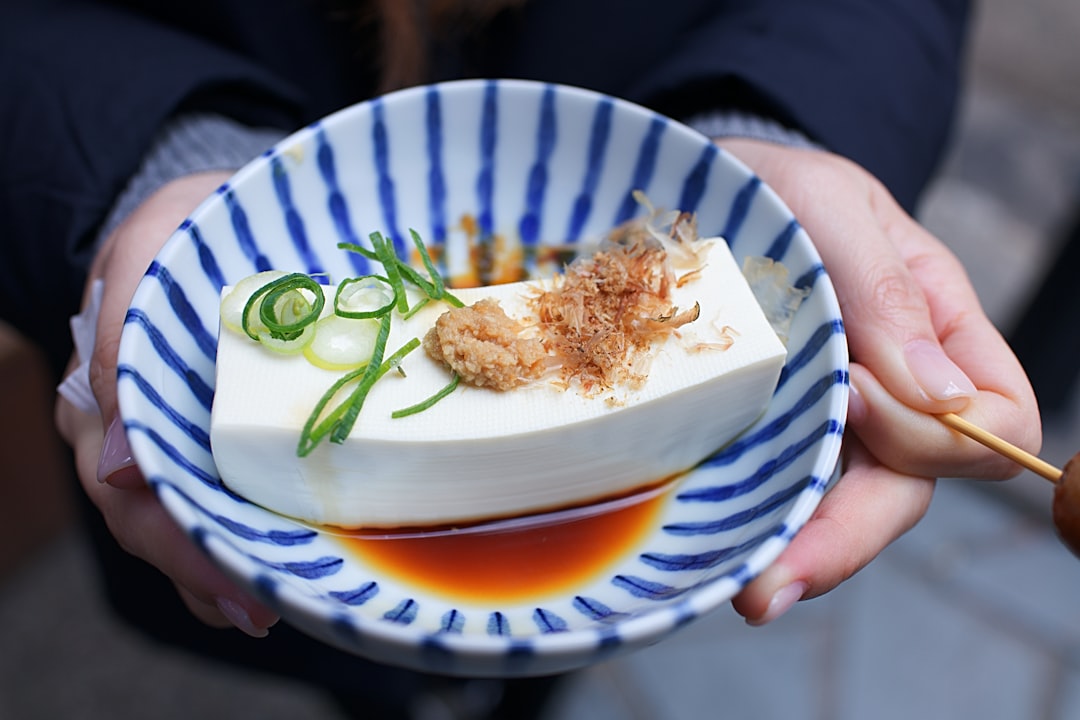
Tofu in Japan is not the refrigerated block sold in Western supermarkets. Fresh tofu from a specialist maker, served cold with ginger and spring onion, or as yudofu simmered in kombu broth, is a completely different food with a texture closer to custard than to anything rubbery.
Seaweed appears constantly and passes unnoticed: nori around onigiri, wakame in miso soup, kombu in dashi, hijiki as a side dish. Collectively it supplies iodine, minerals, and fibre across almost every meal of the day.
The purest expression of this cooking is shojin ryori, the Buddhist temple cuisine introduced to Japan along with Buddhism in the sixth century. No meat, no fish, and — because they were thought to excite the passions — no garlic or onion either. A temple stay at Koyasan includes shojin ryori served in your room, and it remains the best demonstration we know of how far plant-based cooking can go when it has twelve centuries of refinement behind it.
Soba, Rice, and the Carbohydrate Question
Cooks make soba from buckwheat. This grain contains more protein and fibre than wheat. It also carries a lower glycaemic load than white rice. Order it cold as zaru soba in summer and it is one of the lightest lunches available anywhere in Japan.
One caveat travellers rarely hear: most commercial soba is not pure buckwheat. Makers blend standard noodles with wheat flour, often heavily. If you want the real thing, look for juwari soba, which is one hundred percent buckwheat, and expect it to cost more and taste noticeably earthier.
White rice at every meal worries some visitors. In practice, the bowls hold modest portions. Diners pair the rice with protein and vegetables rather than eating it alone. Ultimately, portion control matters far more than grain choice. Brown rice — genmai — is available at health-oriented cafes and increasingly at ordinary teishoku restaurants, usually as a small surcharge on the set.
The Part Most Articles Leave Out: Salt
Japanese food has one clear nutritional weakness, and it is almost never mentioned in articles about how healthy it is. The flavour system runs on salt.
How Much Sodium a Japanese Meal Carries
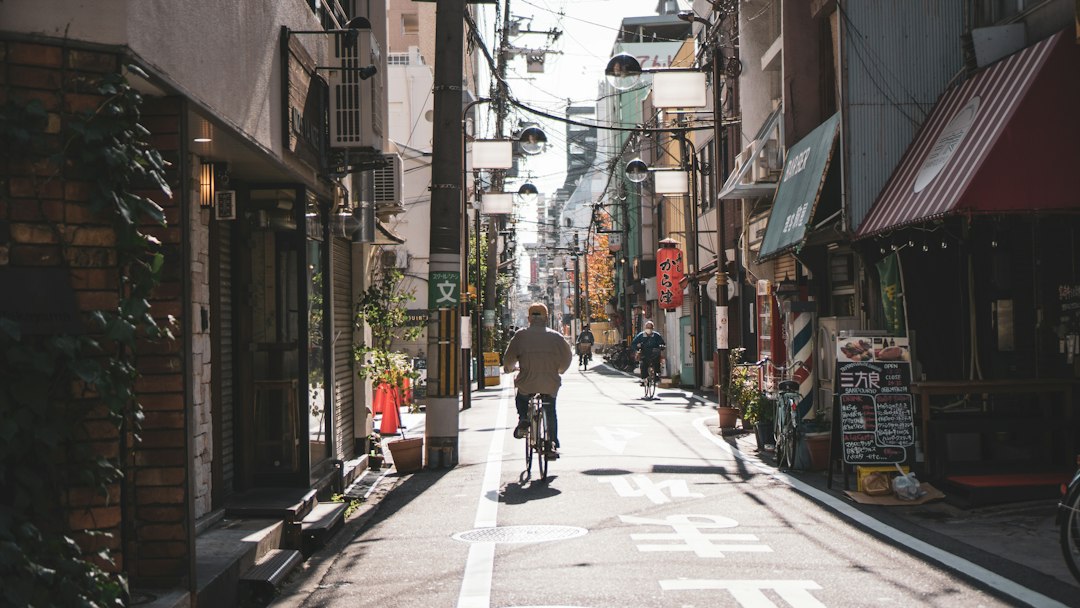
Soy sauce, miso, pickles, dried fish, and ramen broth are all heavily salted, and they are not occasional items — they are the daily base of the diet. Japan’s own National Health and Nutrition Survey has recorded average adult salt intake at around 10 grams a day, roughly double the World Health Organization’s recommendation of under 5 grams.
The government treats this as a public health problem rather than a quirk. The current Health Japan 21 programme sets a national target of 7 grams a day, and food manufacturers have been reformulating products downward for years.
None of this undoes the benefits of the rest of the diet. It does mean that anyone managing blood pressure should not assume that eating Japanese food is automatically the healthier choice, and that a fortnight of ramen and pickles is not the wellness reset it might appear to be.
Practical Ways to Eat Around It
Leave the ramen broth in the bowl. Nobody expects you to finish it, and the broth holds the overwhelming majority of the sodium in the dish. Locals leave it routinely.
Use the soy sauce dish as a dish rather than a pour. Dip the edge of the sashimi, not the whole piece, and never pour soy sauce over rice — which is also, separately, poor table manners. Sashimi, grilled fish, and vinegared dishes are the low-sodium end of almost every menu.
Drink water, which restaurants serve free and unprompted, and eat fruit. Japanese fruit is expensive but the potassium helps, and a department store basement is the easiest place to buy it.
Expert Tip
If you are eating out three times a day for two weeks, the single highest-impact swap is breakfast. A Western hotel buffet plate of bacon, pastries, and coffee carries more fat and sugar than the rest of your Japanese day combined. Switching to the washoku breakfast option — grilled fish, rice, miso soup, egg — costs nothing extra at most hotels and changes the arithmetic of the entire trip.
How to Eat This Way as a Visitor
Knowing why the diet works is one thing. Ordering it in a restaurant where you cannot read the menu is another, and this is where most travellers default to whatever has a picture.
Teishoku: The Set Meal That Does the Work for You
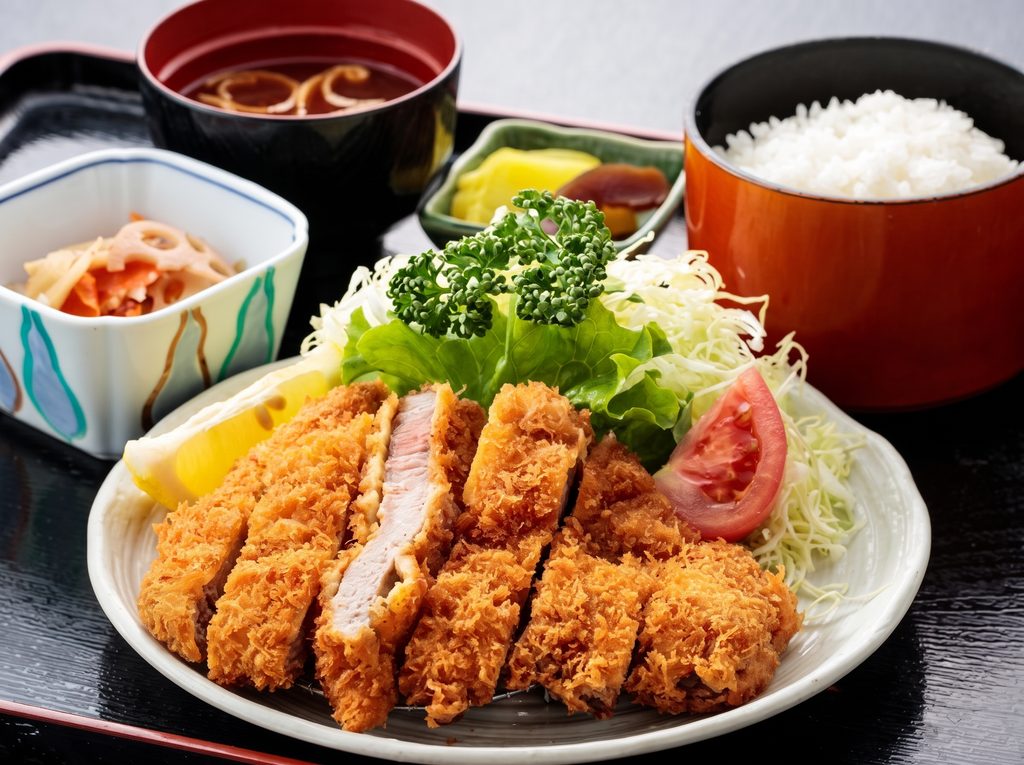
Teishoku means set meal, and it is ichiju-sansai sold at lunch prices. One main — grilled fish, simmered fish, ginger pork, fried chicken if you want it — plus rice, miso soup, pickles, and one or two small vegetable dishes, all on a single tray for roughly ¥900 to ¥1,500.
Every neighbourhood has teishoku restaurants, and chains like Ootoya and Yayoiken are reliable, English-friendly, and open all day. Ordering one removes every decision about balance, because the tray is balanced by construction.
This is what we recommend to travellers who want to eat well without turning meals into planning sessions. Eat teishoku at lunch, eat whatever you like in the evening, and the week takes care of itself. Ordering in a Japanese restaurant is more predictable than it looks once you know the sequence.
The Japanese Breakfast, and Why It Is Worth Ordering
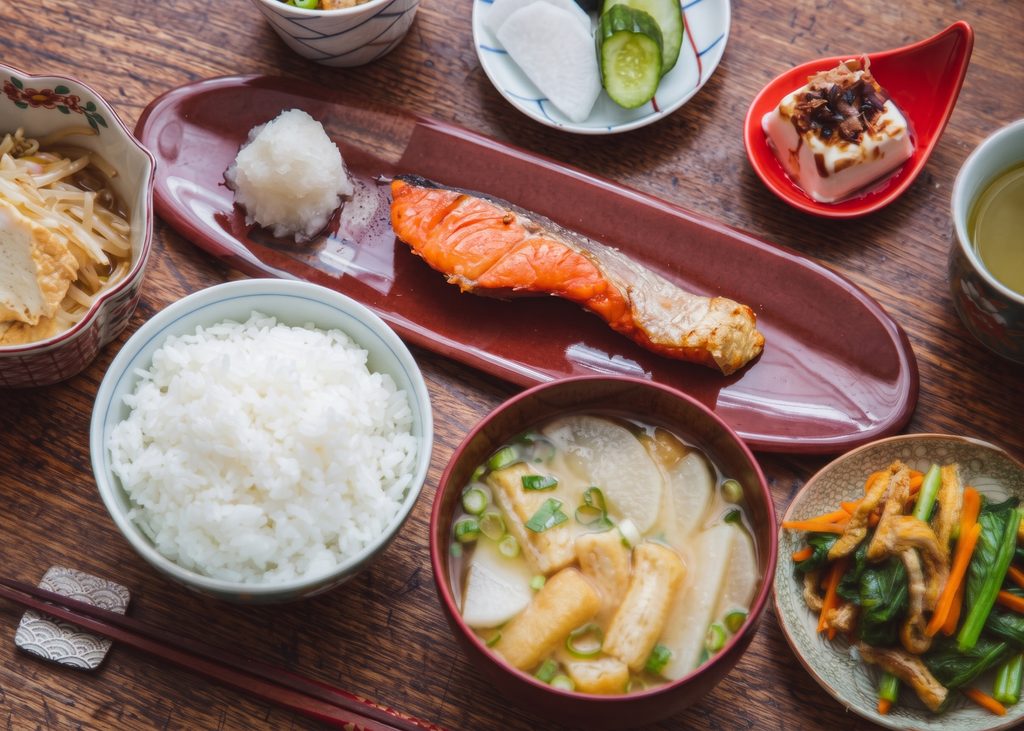
The traditional breakfast is grilled salted salmon, rice, miso soup, a rolled omelette, pickles, seaweed, and often natto. Ryokan serve it as a matter of course, and most city hotels offer it alongside the Western buffet.
It is a strange thing to eat at seven in the morning if you have never done it, and it is also the most nutritionally complete meal of the Japanese day. Protein, vegetables, fermented food, and no sugar at all.
Our travellers split roughly evenly on this. The ones who convert usually do so on day three, after their body stops expecting sweetness first thing.
Convenience Stores and Supermarkets
A Japanese convenience store is a genuinely viable place to assemble a decent meal, which is not true of the equivalent in most countries. Onigiri with salmon or kombu, a boiled egg, a bag of cut vegetables, yoghurt, unsweetened tea. Salted edamame and cold tofu are stocked year-round.
Read the labels for sugar in drinks. Japanese bottled tea is almost always unsweetened, which is the opposite of the American assumption, but bottled coffee and anything labelled as a lactic drink is not.
Supermarkets do it better and cheaper, especially after seven in the evening when fresh sashimi and prepared side dishes are marked down. Japanese supermarkets reward a proper look around, and the prepared-foods counter sells the same small vegetable dishes that restaurants charge several hundred yen for.
What Is Not Healthy, and Why That Is Fine
Japan eats plenty of things that are not good for you. Tonkatsu, karaage, tempura, ramen, okonomiyaki, takoyaki, and a national sweets industry of formidable output. Any claim that Japanese food is uniformly healthy is a claim made by someone who has not eaten here.
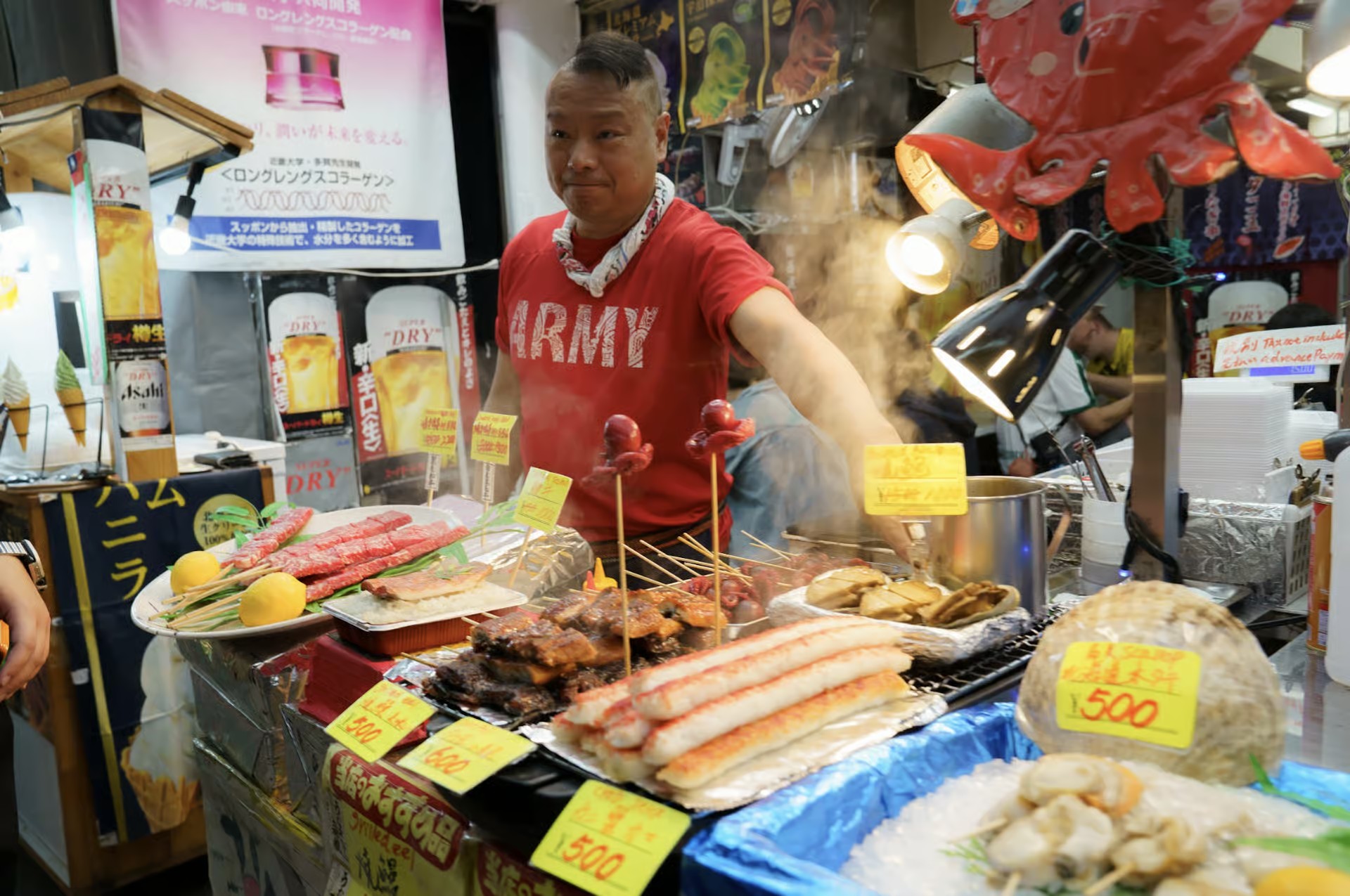
What differs is rhythm and quantity. Fried food appears as one element of a tray rather than as the whole plate, portions are smaller, and sweet things are eaten in small quantities with tea rather than as large desserts. On our Shinjuku evening tour, fifteen dishes across four eateries sounds excessive until you see them — izakaya portions, shared across the table, spread over three hours. Nobody leaves overfull.
Eat the fried chicken. Eat the takoyaki in Osaka. The structure of the diet absorbs it, which is exactly the point.
Healthy Japanese Food: Frequently Asked Questions
Is Japanese food healthy if I eat it for two weeks straight?
For most people, yes, and many travellers tell us they return home lighter despite eating constantly. The combination of small portions, low added fat, and a great deal of walking does it. The exception is sodium: if you have high blood pressure, two weeks of ramen, pickles, and soy sauce will show, and you should lean toward sashimi, grilled fish, and vinegared dishes instead.
Can I eat a healthy Japanese diet without eating fish?
Yes, but it takes more effort than you would expect, because dashi is made from dried bonito and appears in miso soup, simmered vegetables, and most sauces. Shojin ryori uses kombu-only dashi and is entirely plant-based, and tofu, natto, edamame, and yuba cover protein comfortably. Our guide to vegetarian food in Japan covers the dashi problem and the phrases that get you around it.
Is sushi the healthiest thing to order in Japan?
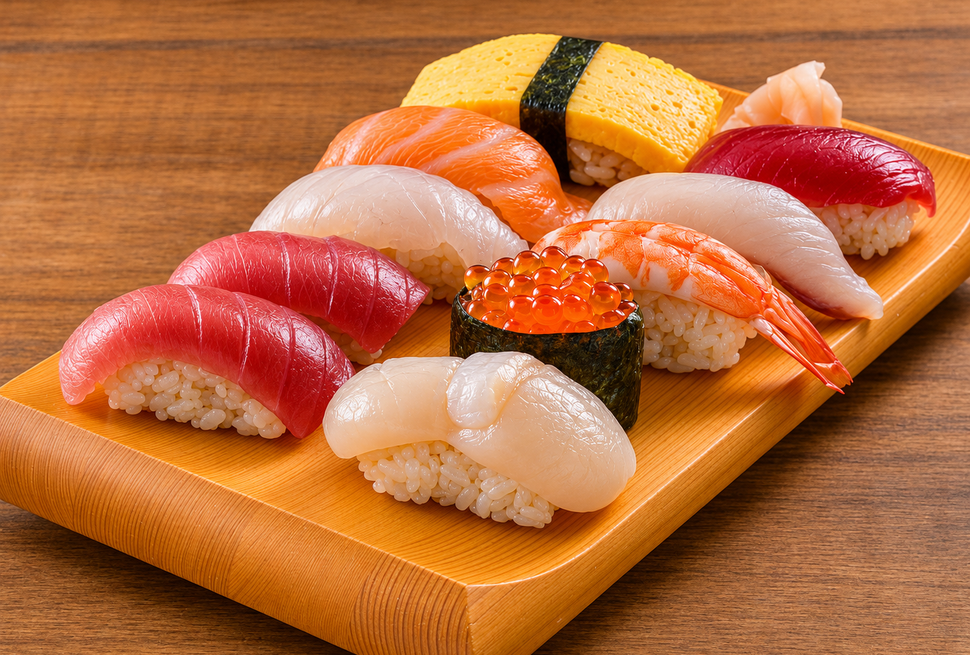
It is good, but it is not the best answer. Nigiri is roughly half rice by volume, sushi rice is seasoned with sugar and vinegar, and soy sauce adds sodium on top. Sashimi is the leaner version of the same thing, and a grilled fish teishoku gives you more vegetables and more fibre for less money. We would order sashimi or teishoku over a sushi set if the goal is eating well rather than eating memorably.
Related Tours
Conclusion
If you take one operational habit home from Japan, make it the tray. Not the individual foods — you can buy natto and seaweed anywhere now — but the habit of building a meal from several small components rather than one large centre. That is the part that transfers, and it is the part that does the work.
While you are here, the simplest version of all of this is to order teishoku at lunch and take the Japanese breakfast option at your hotel. Two decisions, made once, and the rest of your eating can be entirely about pleasure. Leave the ramen broth in the bowl and you have covered the one real weakness in an otherwise excellent diet.
Plan Your Japan Trip with Local Experts
Our team has guided 40,000+ travelers across Japan. Tell us about your trip and we’ll get back to you within 24 hours.