In this article:
- The Art Triangle
- Roppongi Hills and Tokyo Midtown
- Tokyo City View and the Sky Deck
- The Nightlife, Honestly Assessed
- Seasonal Events and Illuminations
- Roppongi Tokyo: Frequently Asked Questions
Introduction
Roppongi has a reputation among Japanese people that lags about fifteen years behind reality. Ask a Tokyo resident and you will hear about the drinking district that grew up around the postwar American military presence — foreigners, touts, trouble at 3am.
Then in 2003 Mori Building opened Roppongi Hills with a contemporary art museum on the 53rd floor, Tokyo Midtown followed in 2007, and the National Art Center opened the same year. Three major institutions inside a ten-minute walk, in the district everyone’s parents told them to avoid.
Both Roppongis are real. The art is genuinely first-rate and the streets after midnight genuinely require some judgement. This guide covers both.
The Art Triangle
Three museums form a rough triangle across the district, and a discount ticket links them.
Mori Art Museum
The Mori sits on the 53rd floor of Roppongi Hills and shows contemporary work — no permanent collection, only major temporary exhibitions running three to four months. Recent programming has covered Asian contemporary art, architecture, and single-artist retrospectives.
Its opening hours are the unusual part: until 10pm most nights, last entry 9.30. It is the only major museum in Tokyo you can visit after dinner, and Tuesday evenings are noticeably quiet.
The National Art Center Tokyo
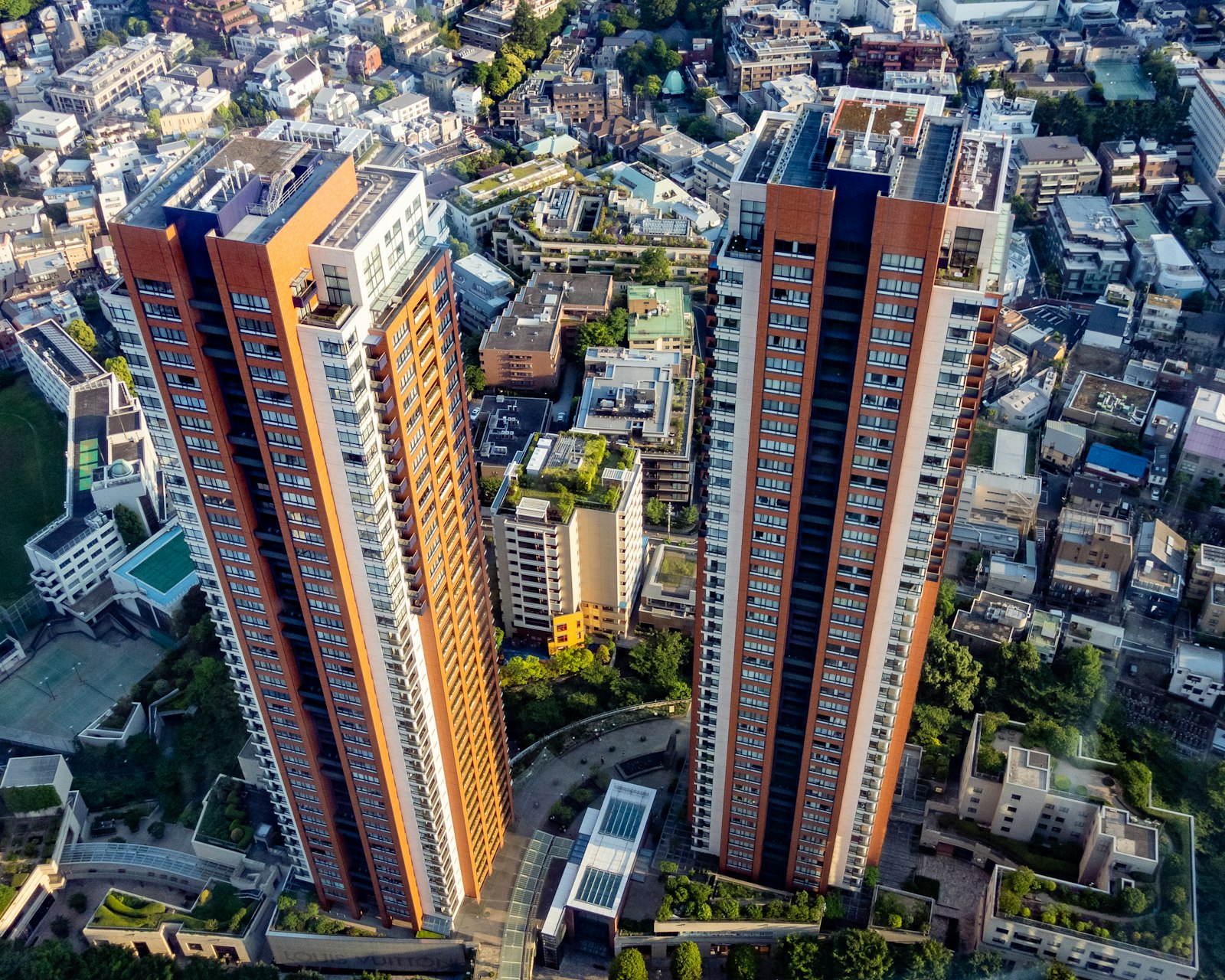
Kisho Kurokawa’s building has no permanent collection at all — it is 14,000 square metres of exhibition space with an undulating glass facade and two enormous inverted cones inside the atrium holding a restaurant and cafe.
The building itself is the draw as much as the shows. Entry to the atrium is free, and the third-floor Salon de The Rond sits on top of one cone, which is a reasonable place to sit for half an hour whether or not you buy a ticket.
Suntory Museum of Art
In Tokyo Midtown, the Suntory is the traditional counterweight — Japanese lacquerware, ceramics, glass, and textiles, in a Kengo Kuma interior of pale wood and washi paper.
Exhibitions rotate every couple of months and are usually themed rather than encyclopaedic. It is the smallest of the three and takes about an hour, which makes it the right one to pair with either of the others.
Expert Tip
The Atro Ticket gives discounted entry across all three museums and is sold at each. But the three are rarely all showing something you want at once — check what is actually on before committing. Mori and the National Art Center in one afternoon is the usual best pairing, and they are a seven-minute walk apart.
Roppongi Hills and Tokyo Midtown
Two large mixed-use complexes anchor the district, built four years apart on competing philosophies.
Roppongi Hills
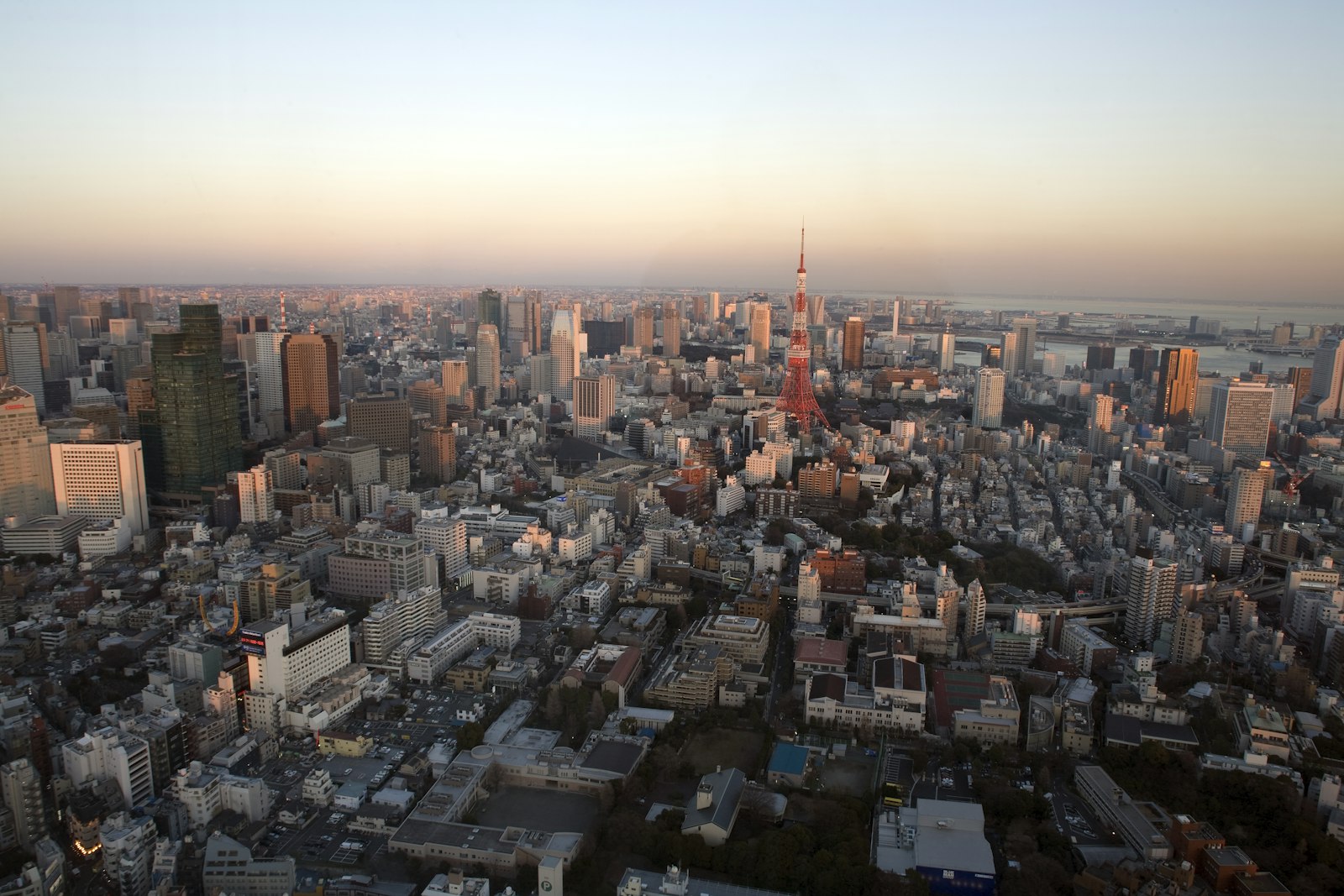
Roppongi Hills is a 54-storey tower with shops, offices, a cinema, and the museum, arranged around outdoor plazas. Louise Bourgeois’s Maman — a nine-metre bronze spider — stands at the base and is the district’s most photographed object.
The complex is dense and slightly disorienting by design. The Mori Garden behind it is a small traditional Japanese garden with a pond, which survives from the estate that stood here previously and is easy to miss entirely.
Tokyo Midtown
Midtown took the opposite approach: lower buildings, more open ground, and a large lawn and park at the rear that connects to the Hinokicho Park gardens.
It is calmer than Roppongi Hills and better for an unhurried hour. The design shops on the lower floors, and 21_21 Design Sight — a Tadao Ando building in the park showing design rather than art — are the substantive parts.
Tsutaya Books
The Roppongi branch of Tsutaya, on the edge of Roppongi Hills, runs 24 hours and combines a bookshop with a Starbucks where you can read unpurchased books at the table.
The travel and design sections carry substantial English-language stock. At 2am it is one of very few civilised places open in the district, which is a more useful fact than it sounds.
Tokyo City View and the Sky Deck
Roppongi’s observation offering is the most interesting in Tokyo for one specific reason.
Tokyo City View
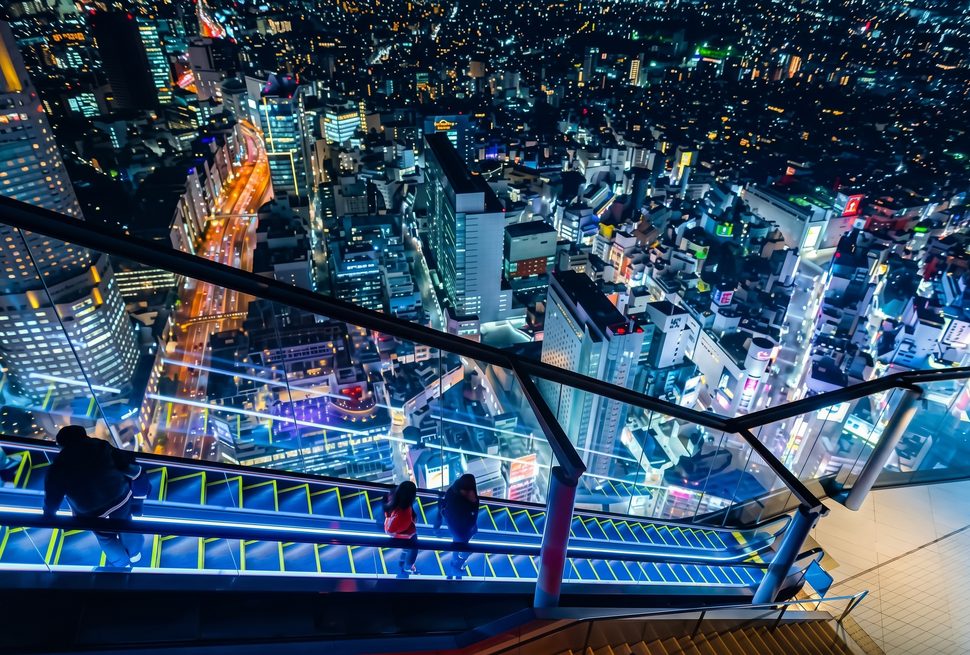
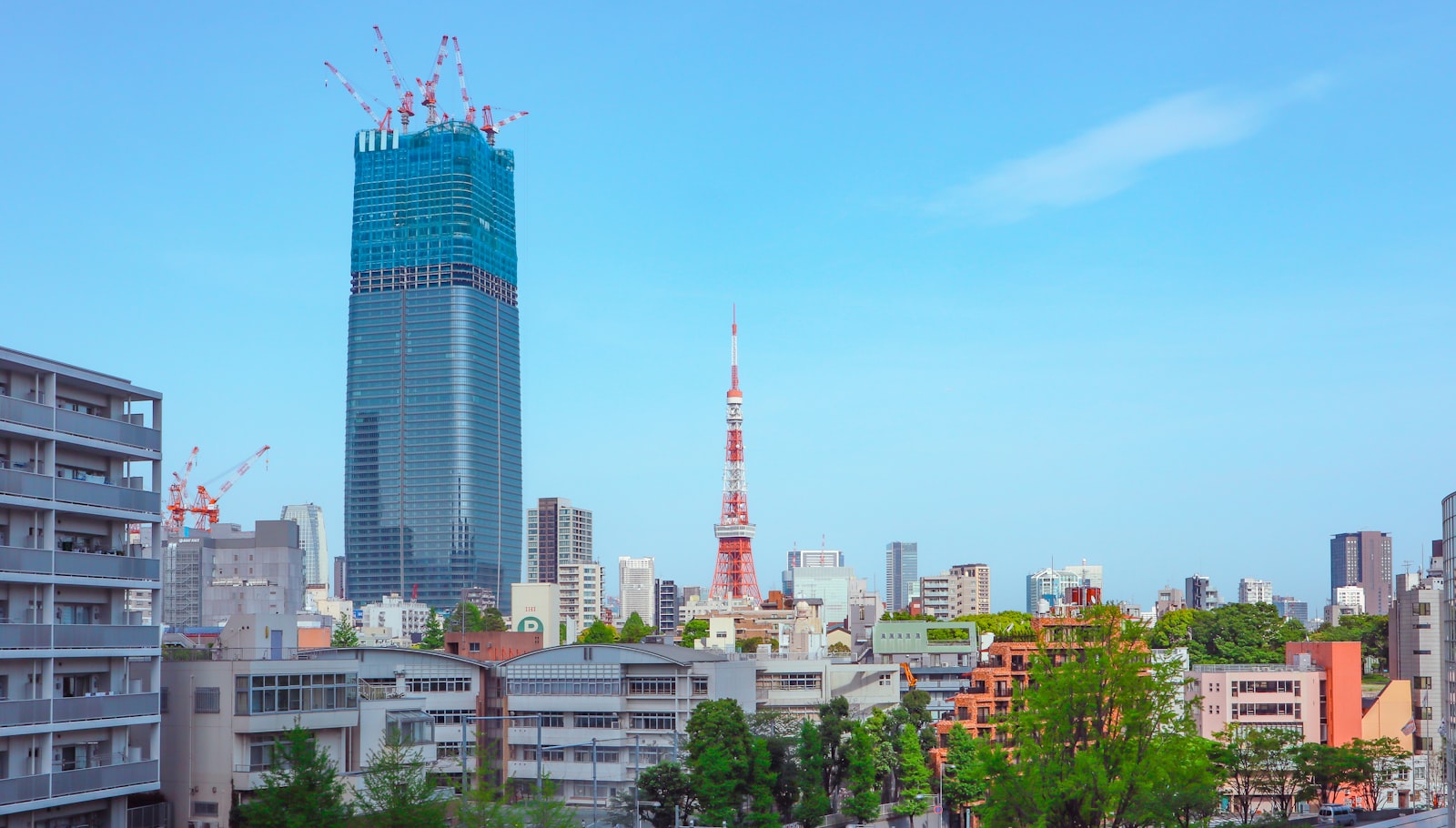
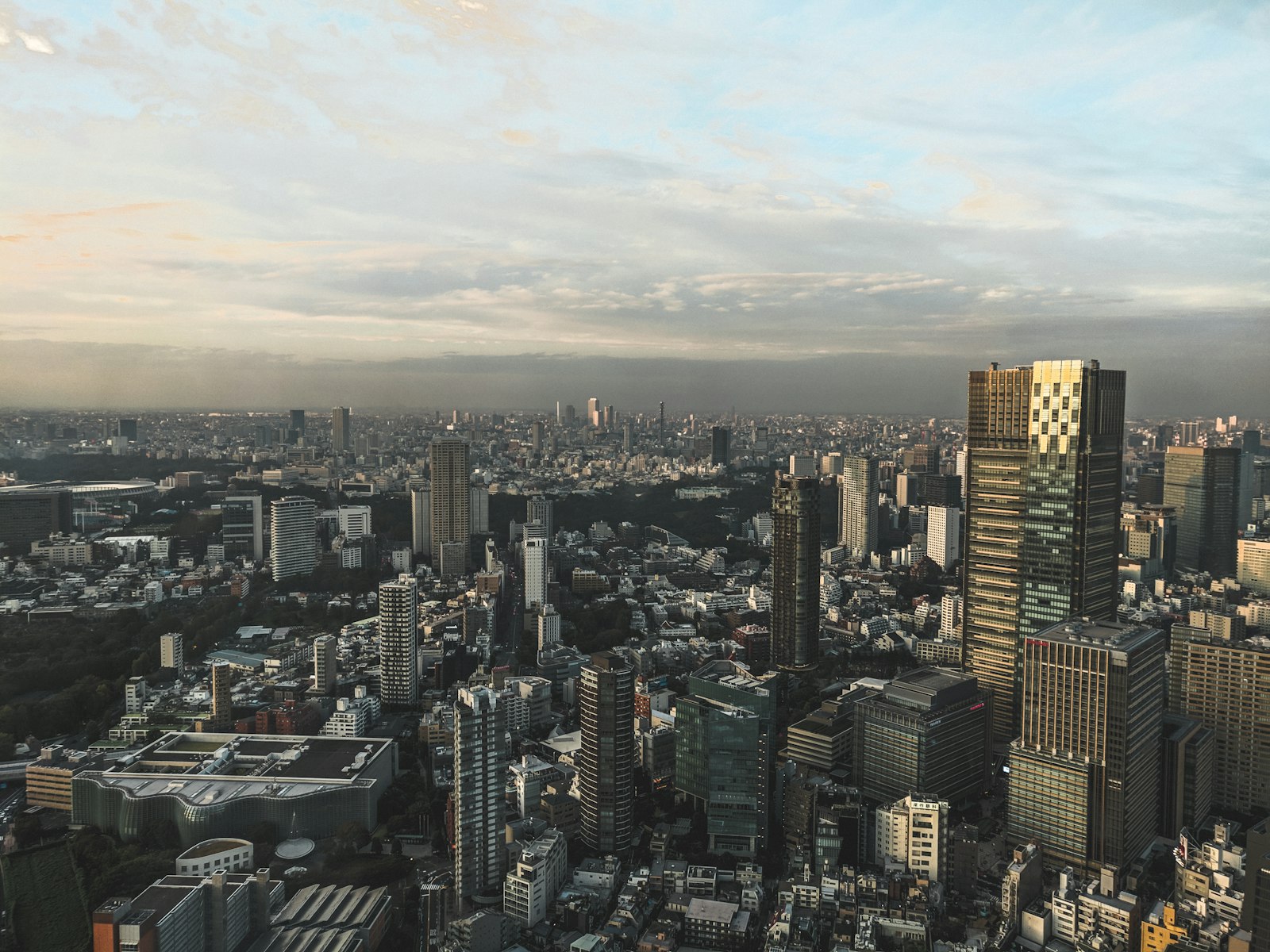
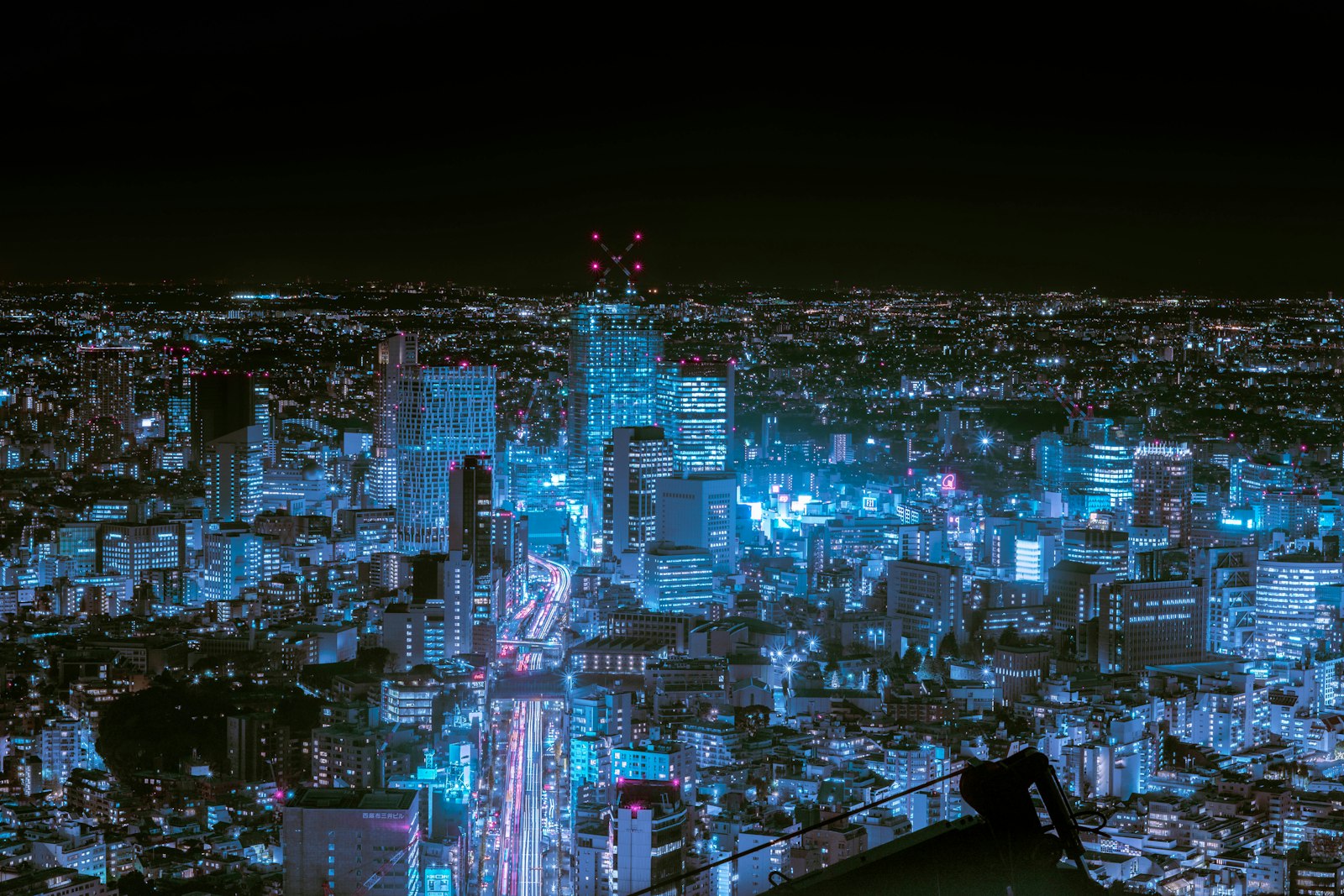
The indoor deck on the 52nd floor gives a 360-degree view at 250 metres. Tokyo Tower sits close and low in the foreground, with Shinjuku’s cluster to the northwest and Mount Fuji visible on clear winter mornings.
That foreground is the argument for Roppongi over the alternatives. From Shibuya Sky or Skytree, Tokyo Tower is a distant object; from here it dominates.
The Sky Deck
The Sky Deck is the rooftop helipad at 270 metres, open to the air with no glass at all. It is the only open-air rooftop deck of this height in Tokyo.
It closes in rain or strong wind, which happens often. Bags, tripods, and loose items must be stored in lockers before you go up, and there is a separate additional fee on top of the indoor deck.
Keyakizaka Street
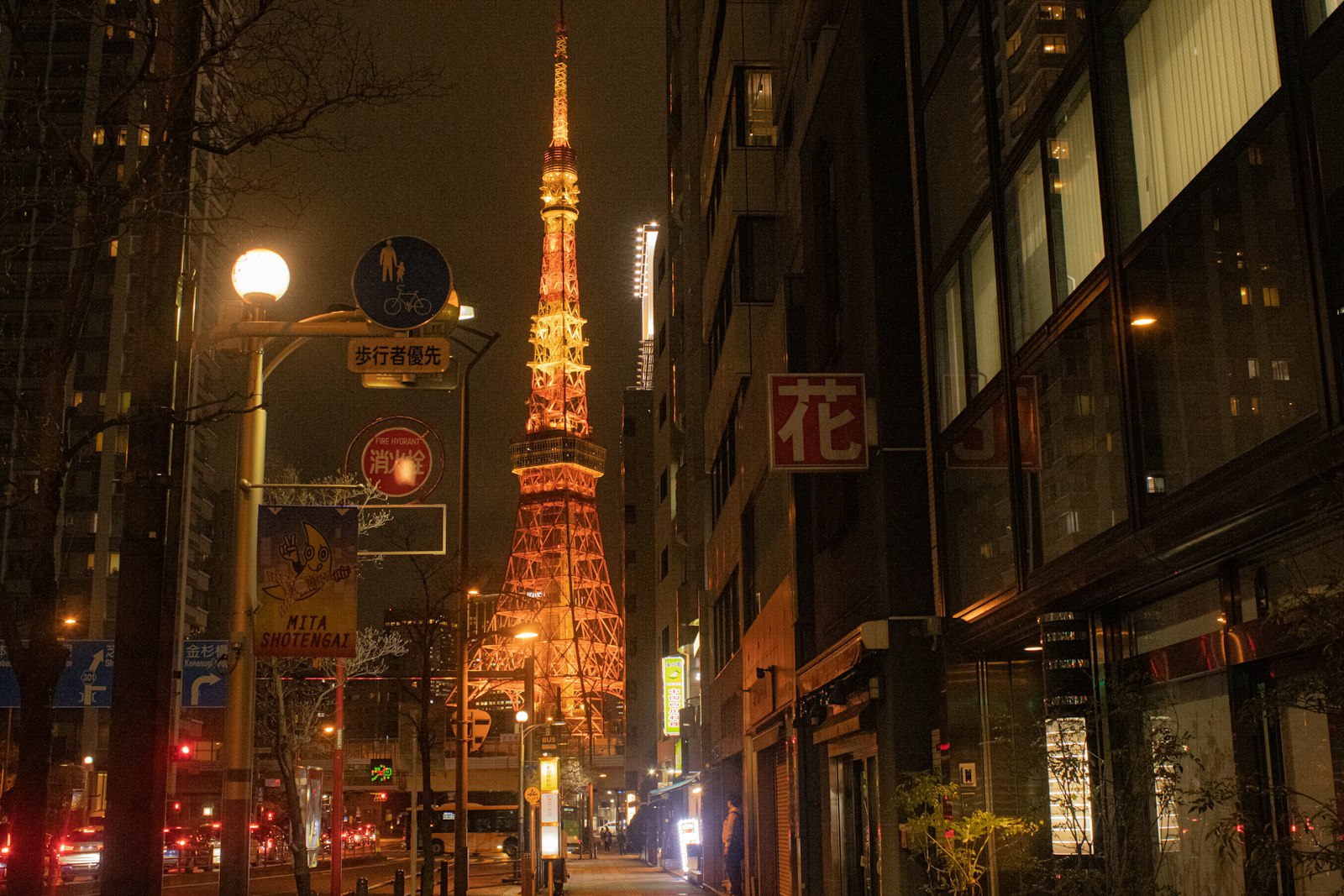
Keyakizaka runs downhill from Roppongi Hills, and from partway down the slope Tokyo Tower appears framed at the end of the street between the buildings.
This is the standard photograph, and in winter the zelkova trees along both sides carry blue and white LEDs that make it substantially better. The illumination runs from mid-November to Christmas.
The Nightlife, Honestly Assessed
Roppongi’s nightlife covers a wide range of quality, and the range is wider than in any other Tokyo district.
Cocktail Bars
The top end is excellent. Tokyo has more world-ranked cocktail bars than any city outside London and New York, and several sit in Roppongi and neighbouring Nishi-Azabu — small rooms, ten seats, a bartender in a white jacket carving ice by hand.
These are quiet, expensive, and take reservations. A seat charge of 1,000 to 2,000 yen is normal and is not a scam. Ask your hotel concierge to book rather than walking in.
Pubs and Craft Beer
The middle band is international pubs, sports bars, and craft beer places serving Roppongi’s large expatriate population. These are straightforward, priced normally, and open until the small hours.
This is the reliable option for a drink without planning. Places with menus and prices posted at the door are fine; that visibility is itself the signal.
Clubs, and What to Avoid
The large multi-floor clubs run until dawn, and the crowd is a mix of residents, visitors, and people working the door for commission.
Street touts are the actual problem in Roppongi and they are persistent around the crossing after 11pm. The standard warning applies and it is not theoretical: do not follow anyone into a bar you have not chosen, and do not enter anywhere without visible prices. Drink-spiking and inflated bills are documented enough that several embassies issue specific advisories about this district.
Expert Tip
The last trains leave Roppongi between roughly midnight and 12.30am, and taxis after that are expensive and hard to get on Friday and Saturday. Either commit to being out until the trains restart at 5am, or leave by 11.45pm. The window between 1am and 3am is when Roppongi is at its least pleasant and its most expensive.
Seasonal Events and Illuminations
Two annual events change the district substantially.
Roppongi Art Night
Roppongi Art Night runs one weekend a year, usually in spring, and turns the whole district into an all-night art event — installations in plazas, performances on the street, and museums open through the night.
It is free, extremely crowded, and unlike anything else in Tokyo’s cultural calendar. Dates are announced a few months ahead.
Winter Illuminations
The Keyakizaka lights run from mid-November to Christmas, and Tokyo Midtown mounts a separate and larger display across its lawn — usually a blue field of LEDs meant to read as the sea.
Both are free. Weekday evenings before 7pm are manageable; weekends in December are extremely crowded and the photographs are worse for it.
Staying Sensible
Roppongi is safe by any international standard for a major city district, and violent crime is rare. The risk here is commercial rather than physical.
Stick to establishments you chose in advance or that display prices, decline touts without engaging, and keep an eye on your drink. Those three things eliminate essentially all of the documented problems.
Roppongi Tokyo: Frequently Asked Questions
Is Roppongi safe late at night for solo travelers? Broadly yes, with the caveats above. Tokyo’s overall crime rate is very low and the streets are well lit and busy. The specific risks in Roppongi are touts, overpriced bills, and drink-spiking in unvetted bars — all avoidable by choosing where you drink in advance.
Roppongi Hills or Shibuya Sky for the view? Roppongi for Tokyo Tower, which sits close and central in the frame. Shibuya Sky for the Shibuya crossing and a wider western panorama including Fuji. Roppongi’s Sky Deck is the only open-air rooftop of the two, which decides it for many people.
Are Roppongi’s museums open late? Yes, and this is genuinely unusual. The Mori Art Museum runs until 10pm most nights and the National Art Center until 8pm on Fridays and Saturdays. Most Tokyo museums close at 5pm.
Related Tours

Conclusion
Treat Roppongi as an afternoon-into-evening district rather than a late-night one. Two museums, the Sky Deck at sunset, dinner, and one good bar is the sequence that uses what the area is actually good at.
If you do stay out, decide in advance where you are drinking. Roppongi punishes improvisation after midnight more than any other part of Tokyo, and rewards a booked reservation more than most.
Plan Your Japan Trip with Local Experts
Our team has guided 40,000+ travelers across Japan. Tell us about your trip and we’ll get back to you within 24 hours.