In this article:
- Does Tokyo Have Real Onsen?
- Neighbourhood Sento With Natural Hot Springs
- The Large Spa Complexes
- Tattoos, Etiquette, and Timing
- Onsen in Tokyo: Frequently Asked Questions
Introduction
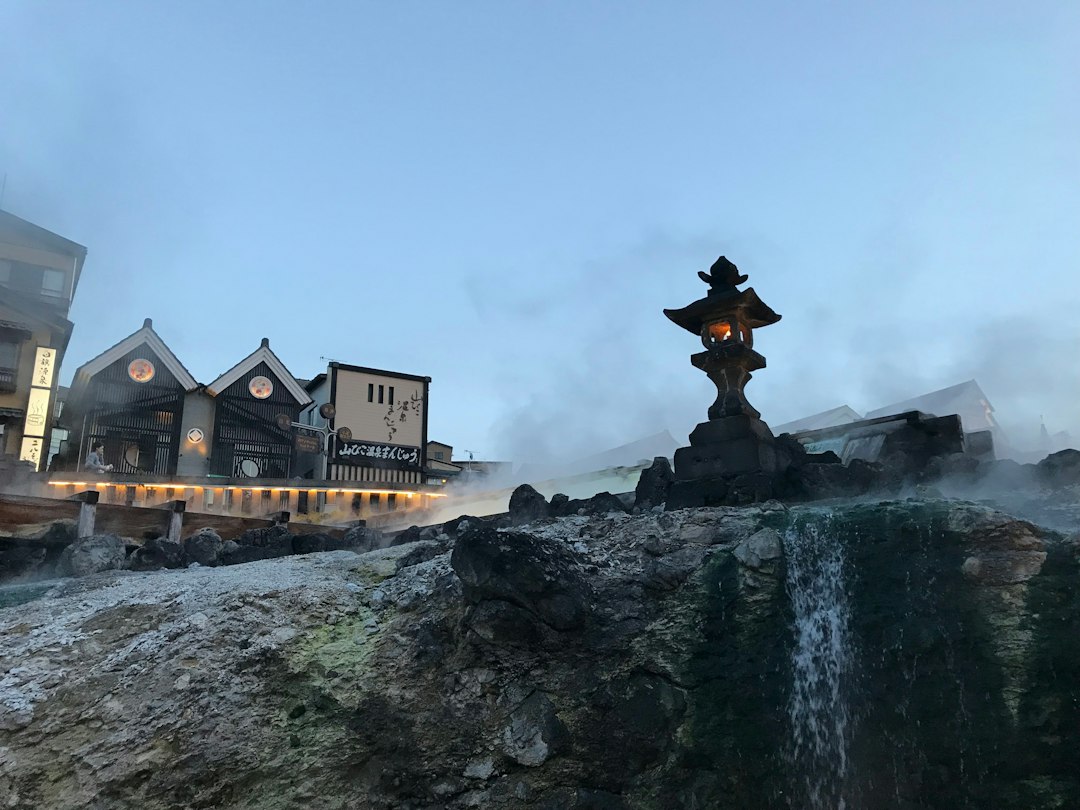
Most travelers assume that an onsen in Tokyo is a compromise, a city stand-in for the real thing in Hakone or the Japanese Alps. That assumption is half right.
The other half is more interesting. Underneath the southern wards of the city sits a layer of ancient seabed, and the water that rises through it comes up the colour of strong tea. Locals have been bathing in it for decades at small neighbourhood bathhouses, for a few hundred yen, after work. There is no view, no garden, and no kaiseki dinner afterwards. There is, however, genuine mineral water, a stool, a bucket, and a room full of people who come every evening.
For travelers with only a few days in the city, that distinction matters more than any ranking. Below we explain what qualifies as an onsen, which Tokyo baths draw their own water and which import it, where tattoos are and are not a problem, and how to end a long day of walking in a bath rather than a hotel shower.
Does Tokyo Have Real Onsen?
Yes, and the answer depends on a legal definition most visitors never hear about.
What Legally Counts as an Onsen in Japan
Japan’s Hot Springs Act defines an onsen by what comes out of the ground, not by how scenic the setting is. Water that emerges at 25°C or warmer qualifies on temperature alone. Cooler water can still qualify if it carries enough of the dissolved minerals listed in the law.
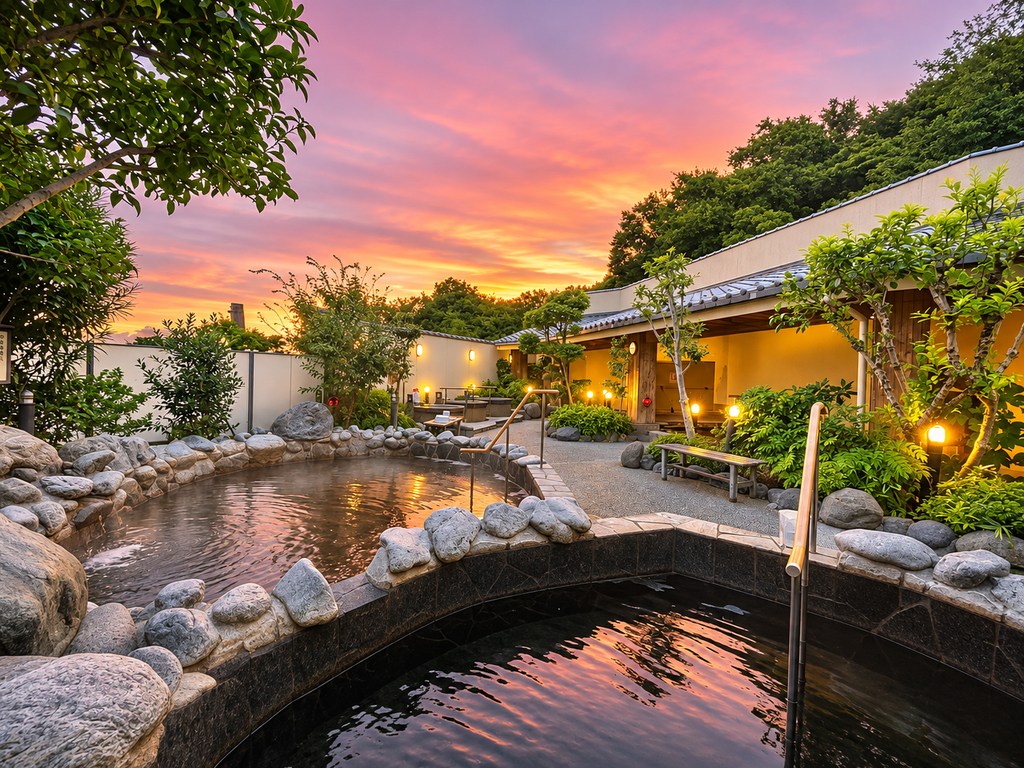
That is a low bar, and drilling makes it reachable almost anywhere in Japan. Tokyo’s deep wells reach water that meets the definition, which is why a bathhouse next to a train line in a residential street can legitimately hang an onsen sign.
In practice, the word on the door tells you that the water is natural. It tells you nothing about atmosphere, and nothing about whether the source is under the building or a hundred kilometres away.
Kuro-yu: The Black Water Under the City
The signature Tokyo spring is kuro-yu, literally black water. Ota City, the ward that covers Kamata and the area around Haneda, describes it as a deep brown, cola-coloured water formed over long periods as groundwater interacts with buried organic matter such as ancient seaweed and plant material.
You cannot see your feet in it. The water feels soft, slightly slick on the skin, and smells faintly of earth rather than sulphur. Travelers who have bathed in the milky, sulphurous springs of the mountains are usually surprised by how different it is.
We think kuro-yu is the most distinctly Tokyo bathing experience available. It is not a lesser version of a mountain onsen. It is a different water altogether, and very few places outside the Kanto plain have it.
Piped-In Water: Spas That Truck Their Springs From Izu and Hakone
Some of the city’s best-known spa complexes do not use Tokyo water at all. Thermae-Yu in Shinjuku uses spring water brought in from Nakaizu on the Izu Peninsula. Tokyo Toyosu Manyo Club, on the waterfront in Toyosu, brings in water from Hakone and Yugawara by tanker.
That is legal and openly stated. The water is still natural hot spring water. Even so, it has travelled, been reheated, and is often filtered and recirculated, so it is not quite the same as soaking in water that rose under your feet.
None of this makes those facilities poor choices. It means you should choose them for their comfort and convenience, and choose a local sento if the water itself is what you came for.
Expert Tip
Look for the words “gensen kakenagashi” on a bathhouse sign or website. It means the water flows straight from the source into the bath and overflows without being recirculated. Few Tokyo baths can claim it for every tub, but those that do for even one bath are usually proud enough to say so at the entrance.
Neighbourhood Sento With Natural Hot Springs
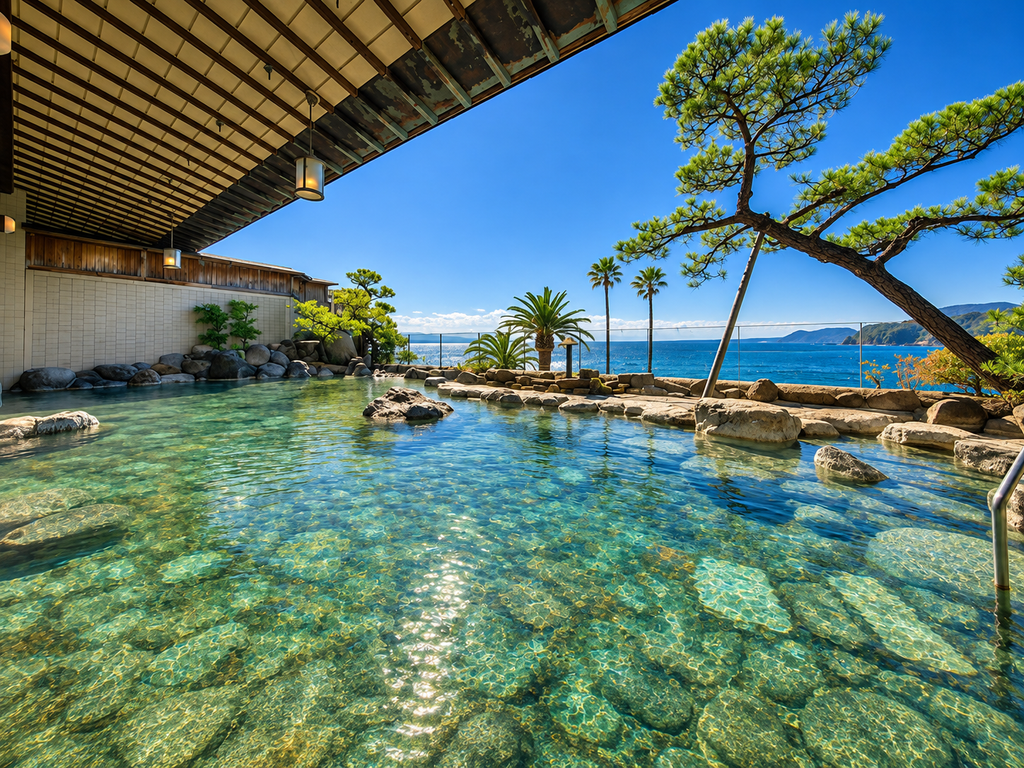
The most rewarding onsen bathing in Tokyo happens in buildings that look like nothing from the street.
Ota Ward and the Kamata Kuro-yu Baths
Ota City states that it has more public bathhouses than any other area in Tokyo, and many of them run on kuro-yu. The area around Kamata Station on the JR Keihin-Tohoku Line is the easiest place to start, because several bathhouses sit within walking distance of the station and the neighbourhood is otherwise residential and unhurried.
Nu Land Sagami-yu in Nakarokugo has kuro-yu baths and a sauna, and charges more than a standard sento for the wider range of facilities. Smaller neighbourhood places cost far less and offer only a few tubs, but they are where you will share the water with the same regulars who have been coming for years.
Kamata is a short ride from Haneda Airport. For travelers arriving on an evening flight, or flying out late, a kuro-yu bath in Ota is one of the more civilised ways to spend a spare two hours.
Musashi-Koyama Onsen Shimizuyu: Golden and Black Water
Shimizuyu, near Musashi-Koyama Station in Shinagawa, draws two different springs from beneath the same building. One is a dark kuro-yu. The other is a rust-gold water from a much deeper source, used in the outdoor bath.
Having both on one site makes it a good introduction. You can move between them in a single visit and feel the difference on your skin, and the building was renovated with a cleaner, more contemporary interior than most neighbourhood baths.
It is also only a few stops from Meguro on the Tokyu Meguro Line, which makes it easy to reach from central hotels in the afternoon or evening.
What a Sento Costs and What to Bring
Public bathhouse fees in Tokyo are capped by the metropolitan government. From 1 August 2026 the maximum adult price rose to ¥600, with lower rates for children. Saunas, towels, and soap are often extra.
Bring a small towel, a larger towel for drying off, and coins or small notes. Many neighbourhood sento sell or rent towels and basic toiletries at the front desk, but not all of them do. Cards are frequently not accepted.
A sento visit is short by design. Forty-five minutes to an hour is normal, and that is part of the appeal: it fits between dinner and bed without reorganising the day.
The Large Spa Complexes
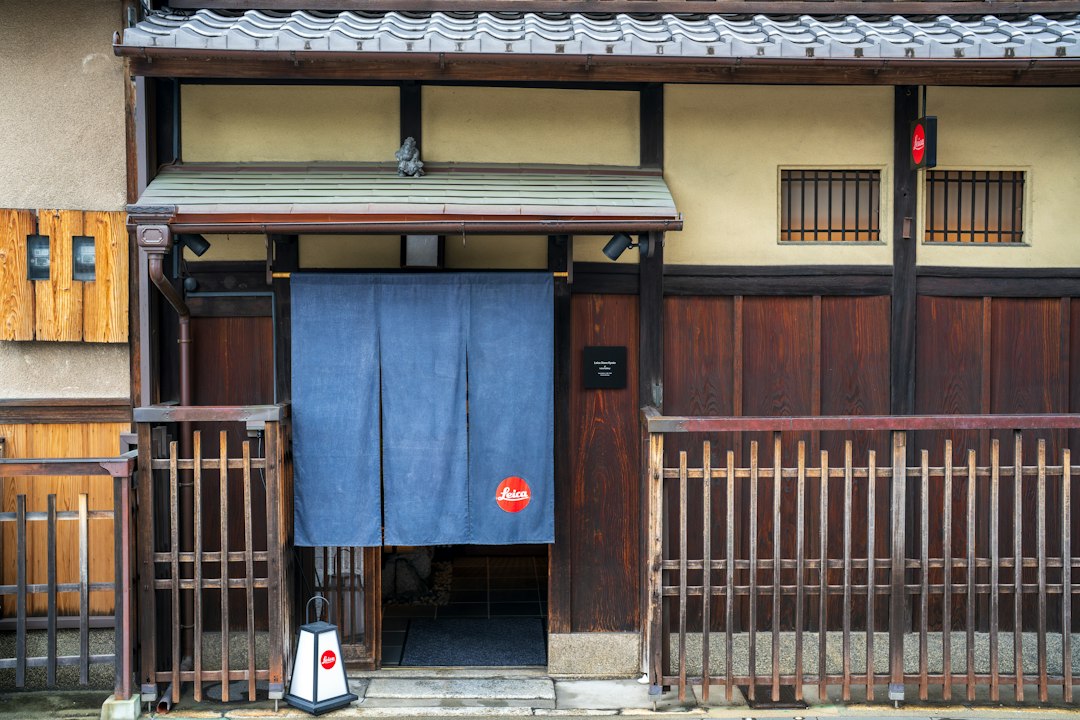
Large spa complexes trade intimacy for range. They are the right choice for a rainy afternoon, for travelers nervous about their first bath, or for anyone who wants a lounge, a restaurant, and a nap in the same building.
Spa LaQua at Tokyo Dome City
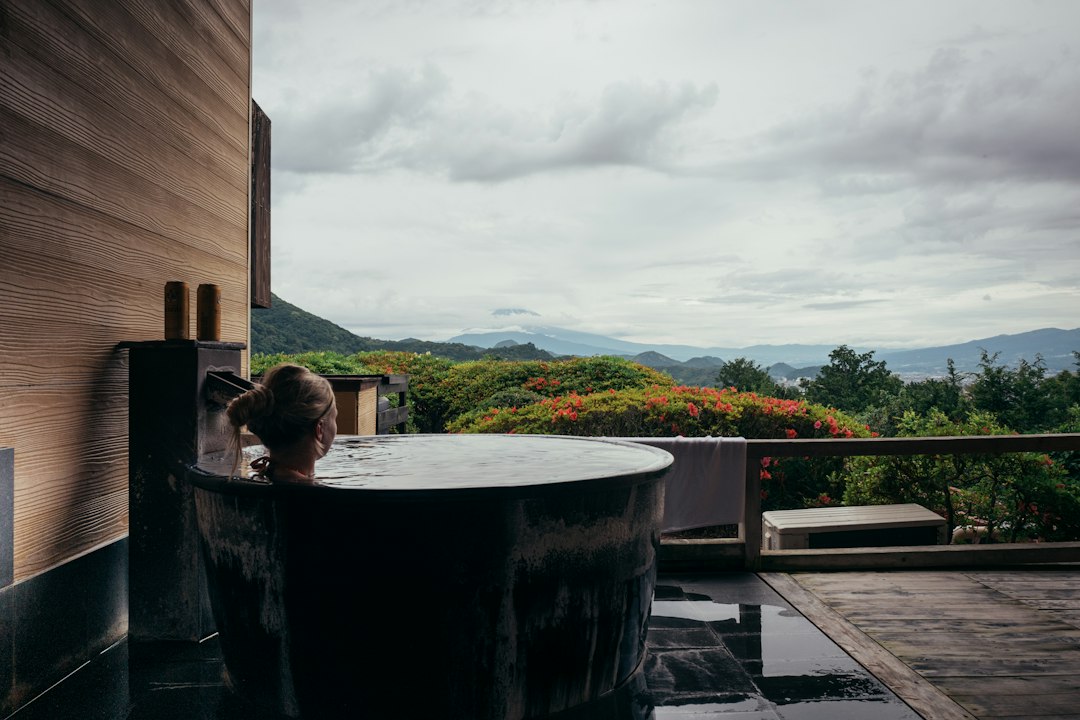
Spa LaQua, in the Tokyo Dome City complex in Bunkyo, draws its spring water from about 1,700 metres underground. It has indoor and outdoor baths, several saunas, and relaxation lounges, and is open late into the night.
It is a polished, urban place. Expect lockers with wristbands, loaned loungewear, and a crowd of office workers on weekday evenings. Admission is considerably higher than a sento and varies by day, so check the current rate on the official site.
Spa LaQua does not admit guests with tattoos. That single rule removes it from the list for a large share of the travelers we work with.
Thermae-Yu in Shinjuku and Tokyo Toyosu Manyo Club
Thermae-Yu sits in Kabukicho, a few minutes’ walk from Shinjuku Station, and is open around the clock. Its location is the main argument for it. You can bathe at 11pm after dinner in Shinjuku and be back at your hotel by midnight.
Tokyo Toyosu Manyo Club opened in February 2024 next to the Toyosu fish market and is also open 24 hours. Admission includes loungewear and towels, and the location pairs naturally with an early visit to the market.
Both use spring water brought in from outside Tokyo, as described above. Both also charge several thousand yen, with surcharges for staying overnight. We see them as comfortable, well-run facilities rather than places to understand Tokyo’s own water.
Why Oedo Onsen Monogatari No Longer Appears on Our List
Many older guides still recommend Oedo Onsen Monogatari in Odaiba. It closed permanently on 5 September 2021, when its land lease came to an end.
Older articles also list Jakotsuyu in Asakusa, a well-loved kuro-yu sento near Senso-ji. It closed in 2019. If a guide you are reading recommends either, treat the rest of its information with some caution as well.
Tattoos, Etiquette, and Timing
Two questions decide where most of our travelers end up bathing: whether they have tattoos, and how much of the day they want to give to it.
Tattoo Policies Vary Facility by Facility
There is no single Tokyo rule. Spa LaQua and Keio Takaosan Onsen Gokurakuyu refuse guests with tattoos. Thermae-Yu and Tokyo Toyosu Manyo Club have published conditions under which small tattoos covered with patches are accepted, but the size limits and rules differ and can change.
Neighbourhood sento are generally more relaxed. They serve the local community, and many have never had a tattoo policy at all. Still, the safest approach is to check each facility before you go rather than relying on lists, which age quickly.
For travelers with larger tattoos, private baths are the cleanest answer. Our guide to tattoo-friendly onsen and private ryokans covers the options in more detail.
The Basic Bathing Sequence
Wash first, soak second. Sit on a stool at the washing station, soap and rinse thoroughly, and only then step into the bath. Swimsuits are not worn, and your small towel stays out of the water, folded on your head or on the edge of the tub.
Keep your voice low and do not swim. When you finish, dry off with your small towel before walking back into the changing room so you do not drip on the floor. Our full guide to onsen etiquette in Japan goes through each step.
That is all most first-timers need. Regulars at a local sento tend to be patient with small mistakes.
Fitting a Bath Into a Tokyo Day
We recommend the evening. A day in Tokyo routinely means fifteen or twenty thousand steps, and a hot bath at the end of it does more for the next morning than anything else we know.
On a private day tour, the route is decided with you rather than for you, so you can ask your guide to plan the afternoon so that it finishes near a neighbourhood sento. You then go in on your own after the tour ends, with directions and a sense of what to expect. On our private Tokyo day tour, the guide contacts you on WhatsApp beforehand to agree the plan, which is the moment to mention it.
If you have a free day, Mount Takao offers a different version. Keio Takaosan Onsen Gokurakuyu sits beside Takaosanguchi Station, still inside Tokyo, and a morning on the mountain trails followed by an afternoon bath is the closest the city comes to a mountain onsen trip.
Expert Tip
Weekday evenings between about 5pm and 7pm are busy at neighbourhood sento, as regulars come straight from work. Going after 8pm, or in the first hour after opening, usually means a much quieter bath and a better chance of sitting in the outdoor tub alone.
Onsen in Tokyo: Frequently Asked Questions
Are there natural onsen in central Tokyo?
Yes. Many neighbourhood sento in Ota, Shinagawa, and other wards draw natural mineral water from beneath the city, often the dark kuro-yu. Spa LaQua at Tokyo Dome City also uses water from its own deep well. Some large spas, such as Thermae-Yu and Tokyo Toyosu Manyo Club, use natural spring water transported from Izu or Hakone instead.
Can I visit an onsen in Tokyo with tattoos?
It depends on the facility. Some large spas refuse tattoos entirely, others accept small tattoos covered with patches, and many neighbourhood sento have no restriction. Check the policy of each bath before going, and consider a private bath if your tattoos are large.
Is it worth leaving Tokyo for a better onsen?
If you want scenery, a ryokan, and a night away, yes. Hakone is the nearest full onsen town and works well as an overnight trip. If you only want the bath itself, a Tokyo kuro-yu sento gives you a genuine mineral spring without losing a day to travel.
Related Tours
Conclusion
Tokyo will not give you a mountain valley or a snow-covered outdoor bath. What it gives you instead is black water from an old seabed, in small bathhouses where the price has been held down by law and the regulars arrive with their own soap.
Decide first whether the water or the comfort matters more to you. If it is the water, go to a kuro-yu sento in Ota or Shinagawa in the evening. If it is comfort, choose a large spa near your hotel, and check its tattoo policy before you leave.
Plan Your Japan Trip with Local Experts
Our team has guided 40,000+ travelers across Japan. Tell us about your trip and we’ll get back to you within 24 hours.