
In this article:
- Introduction
- The Pagoda and the Temple Behind It
- The Halls Worth Your Time
- Kobo-san: The Market on the 21st
- Planning a Visit
- Toji Temple: Frequently Asked Questions
Introduction
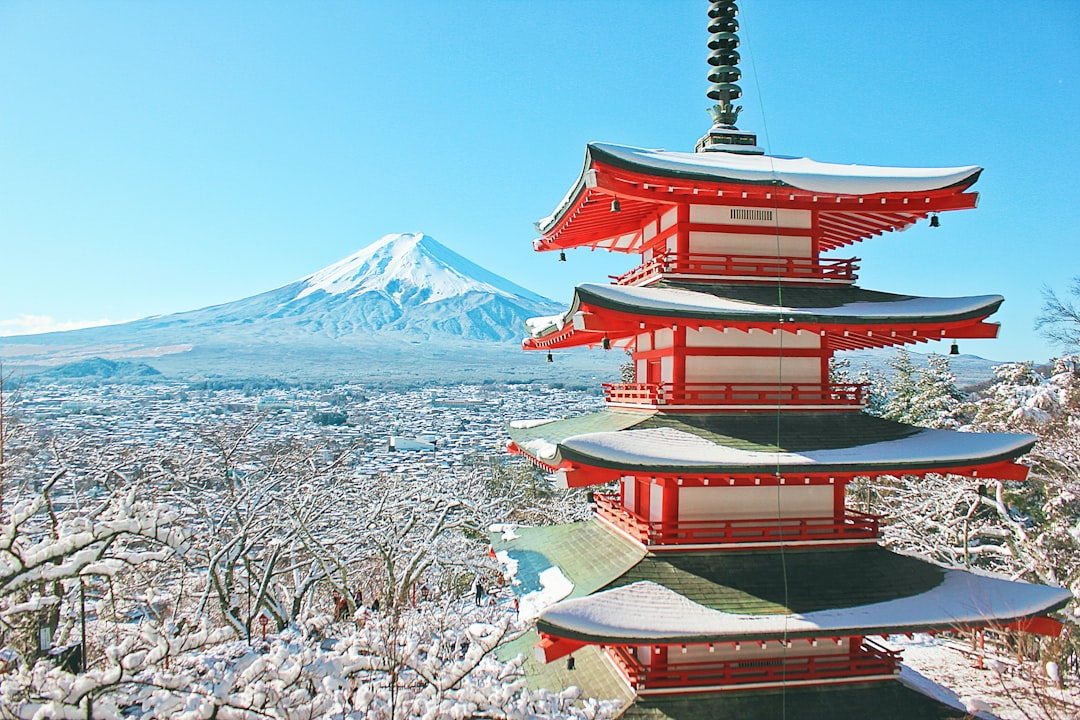
Most travelers see Toji Temple before they know what it is. The dark silhouette of the pagoda rises above the rooftops to the southwest as the Shinkansen slows into Kyoto Station, and then the train stops, everyone heads north toward Gion and Kiyomizu-dera, and the pagoda is forgotten.
That is a mistake we see often. Toji is one of the oldest institutions in the city, a UNESCO World Heritage site, and home to a room of Buddhist sculpture that we would put ahead of almost anything in the Higashiyama temples. It is also fifteen minutes on foot from the station, which makes it the easiest serious temple in Kyoto to reach.
On the 21st of every month, the grounds change character entirely. The Kobo-san market fills the precincts with antique dealers, kimono sellers, pickle stalls, and a crowd of locals who have been coming for decades. Below, we cover both versions of Toji, the quiet one and the crowded one, and how to decide which you want.
The Pagoda and the Temple Behind It
Toji was built as a statement of state power, and it still reads that way from the gate.
A Guardian at the Southern Gate of the Capital
When the imperial court moved to Heian-kyo, the city we now call Kyoto, two temples were built on either side of Rashomon, the great gate at the southern end of the main avenue. Toji, the East Temple, was founded in 796. Its twin, Saiji, the West Temple, has long since disappeared; only its site remains.
In 823 the temple was entrusted to Kukai, the monk known after his death as Kobo Daishi and the founder of Shingon Buddhism in Japan. He had returned from China with esoteric texts, ritual objects, and a new visual language of mandalas. Toji became the place where that teaching was set out for the capital. Mount Koya became its mountain retreat.
That link matters for how you read the site. If you have been to Koyasan and its temple lodgings, Toji is the same tradition in an urban register: less mist and cedar, more imperial ceremony.
Japan’s Tallest Wooden Pagoda
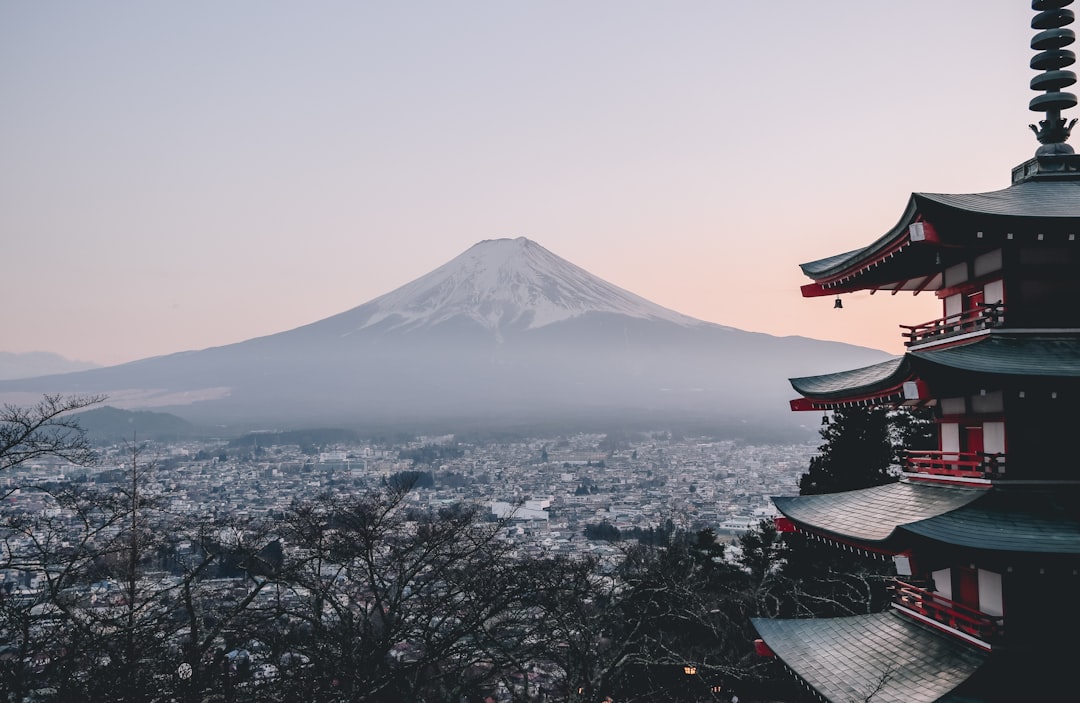
The five-story pagoda stands 55 meters high, the tallest pagoda of its kind in Japan. The first one went up in the 9th century. It has burned down four times since, and the present structure dates from 1644, rebuilt under the patronage of the third Tokugawa shogun, Iemitsu.
Seen up close, the proportions are what hold you. Each roof is slightly smaller than the one below, so the tower seems taller than it is, and the eaves are deep enough to throw the upper stories into shadow for most of the day. Late afternoon light from the west is the best time to photograph it. Early morning works too, from the east side of the pond.
Inside the Pagoda on Special Openings
For most of the year you see the pagoda only from outside. During special openings, usually in spring and autumn, the ground floor is opened to visitors.
Inside, four Buddha statues sit on a platform around the central pillar, and the pillars and walls are painted with Buddhist figures and motifs. The space is small and dim. Still, it is one of the few places in Japan where you can stand inside a working pagoda rather than looking up at one, and we think it is worth planning around if your dates overlap. Check the temple’s official site for the current opening period, because the dates move each year.
Expert Tip
The temple gate opens at 5:00am, long before the paid halls. On a clear morning you can walk the outer grounds, see the pagoda against a pale sky, and join the 6:00am service at the Miedo, all before the city’s main sights have opened. For travelers who are awake early with jet lag, this is the best use of that time we know of near Kyoto Station.
The Halls Worth Your Time
The pagoda is the image, but the Kodo is the reason to go inside.
Kodo: A Mandala Built in Wood
The Lecture Hall holds 21 statues arranged as a three-dimensional mandala, with Dainichi Nyorai, the cosmic Buddha of Shingon teaching, at the center. Around him are Buddhas, bodhisattvas, wrathful wisdom kings, and guardian deities, grouped so that the whole platform works as a diagram of the esoteric universe. Kukai conceived the arrangement. The present building dates from 1491.
Walking into this room is a different experience from any other temple interior in Kyoto. Most halls give you one principal image framed in gold. Here you face a crowd of figures, some serene, some with multiple arms and flaming halos, and the effect is closer to a theater set than an altar.
Give it time. In our experience, the travelers who spend twenty minutes in the Kodo leave Toji talking about it, and the ones who spend five leave talking about the pagoda. Photography is not permitted inside.
Kondo: The Medicine Buddha, the Sun, and the Moon
Next door, the Main Hall enshrines Yakushi Nyorai, the Buddha of healing, flanked by the bodhisattvas of the sun and the moon, Nikko and Gakko. The hall burned in 1486 and was rebuilt in 1603.
Architecturally, it is an unusual building. The design combines a Japanese double-roofed style with the so-called Tenjiku style of bracketing, which gives the Kondo a heavier, more vertical presence than most Kyoto temple halls. Although it lacks the drama of the Kodo, it is the older idea of what a temple was for.
Miedo and the 6am Service
The Miedo, the Founder’s Hall, sits in the western part of the grounds and is free to enter. It enshrines a statue of Kukai and dates from the late 14th century. It is a National Treasure.
Every morning at 6:00am, a meal and tea are offered before the statue of Kukai in a short service that anyone may attend. Local regulars arrive in the dark, some with prayer beads, some straight from walking the dog. Nobody explains anything and nobody needs to. Stand at the back, stay quiet, and watch. If you want context on how this fits into Japanese religious practice, our guide to shrines versus temples is a useful companion.
Kobo-san: The Market on the 21st
Kukai died on the 21st day of the month, and for centuries people have come to Toji on that date to honor him. The market grew out of the pilgrims.
What You Will Find
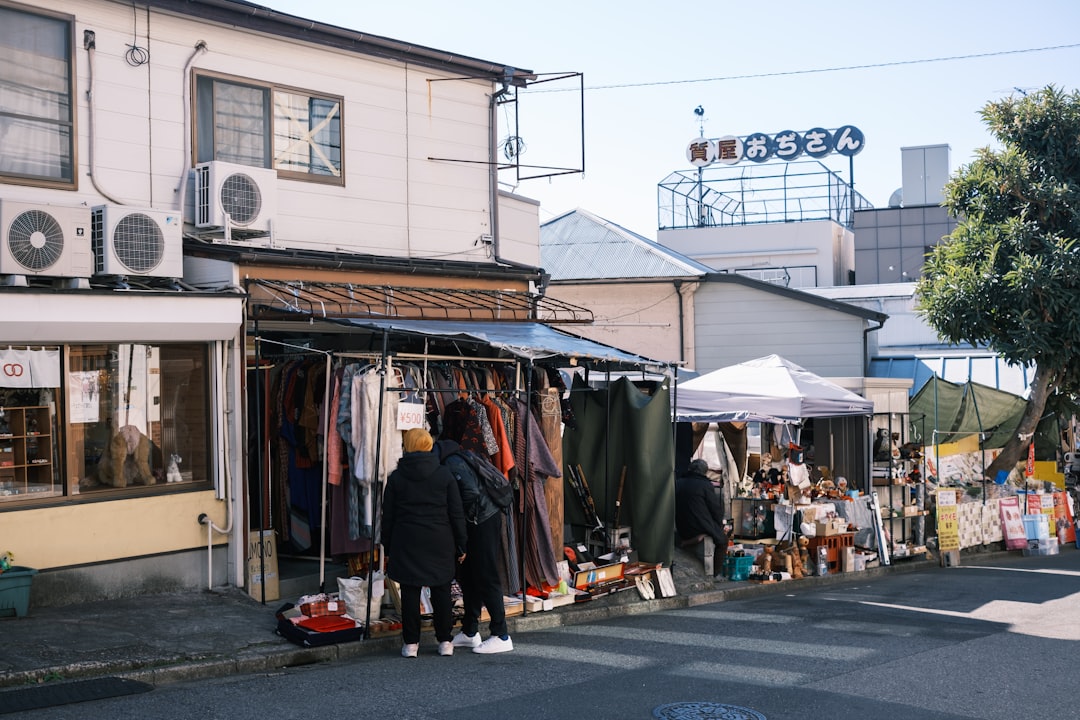
Today the Kobo-ichi, known locally as Kobo-san, spreads across the temple grounds with more than a thousand stalls. The range is wide. Antique ceramics and lacquerware, secondhand kimono and obi by the pile, old tools, woodblock prints, bonsai, dried fish, Kyoto pickles, and grilled street food all compete for the same gravel.
This is not a curated craft fair. Much of what is sold is ordinary household stock, and the prices reflect that. The pleasure is in the mix: a dealer in Meiji-era porcelain next to a grandmother selling homemade pickles, and a monk walking past both.
For shoppers, the best finds tend to be vintage kimono and haori jackets, small ceramics, and old indigo textiles. Serious furniture and high-value antiques are better bought from a dealer who can document them.
How to Do the Market Well
Go early. The dealers set up in the morning, and the regular buyers work through the antique stalls first; by late morning the aisles are packed and the better pieces are gone. We suggest arriving by 8:00am, walking the full circuit once without buying, then going back to what stayed in your mind.
Bring cash in small notes. Most stalls do not take cards. Light bargaining is accepted at antique and secondhand stalls, particularly for multiple items, but it is quiet and brief. A polite question about whether the price can come down is enough. Food and new goods are sold at the marked price.
One more point. The market takes over the outer grounds, not the paid halls, so you can combine shopping with the Kodo and Kondo on the same visit. The halls themselves stay calm even when the grounds are full.
Garakuta-ichi on the First Sunday
A second, smaller market is held on the first Sunday of every month. Garakuta-ichi, roughly “junk market”, focuses on antiques and secondhand goods with fewer food stalls.
It is the better choice if you are hunting for objects rather than atmosphere. The crowds are thinner and the dealers have more time to talk. If your dates allow only one, however, the 21st is the one most Kyoto residents would send you to.
Planning a Visit
Toji is one of the least complicated major temples in Kyoto to visit, provided you know which parts are paid.
Hours and Tickets
The temple gate opens at 5:00am and closes at 5:00pm. The Kondo and Kodo are open from 8:00am to 5:00pm, with last entry at 4:30pm. The outer grounds, the Miedo, and the Jikido refectory hall are free.
Admission to the Kondo and Kodo is ¥800 for adults for most of the year. During special opening periods, when the pagoda interior or the treasure hall is open, combined tickets cost more. The Homotsukan treasure hall opens only in two seasonal windows, in spring and in autumn, with changing exhibitions from the temple’s collection.
Fees and opening periods change, so check the official site before you go.
Getting There
From Kyoto Station, leave by the Hachijo exit on the south side and walk west and south. The official estimate is fifteen minutes, and it is a flat, uncomplicated walk. By contrast, taking a train saves little: Toji Station on the Kintetsu Kyoto Line is one stop from Kyoto Station, and you still walk from there.
If you are arriving on the Shinkansen with luggage, the station’s coin lockers make Toji an easy first or last stop of a Kyoto stay. We often suggest it for travelers with a late-afternoon train out.
Fitting Toji Into a Kyoto Day
Toji sits in the south of the city, which makes it a natural partner for the hike up Fushimi Inari, a short ride from Kyoto Station on the JR Nara Line. We like Fushimi Inari first thing, before the crowds build, and Toji afterward, when the gates at Inari are full and the Kodo is still quiet.
On our private Kyoto day tours, the route is decided with the traveler rather than fixed in advance, and Toji is one of the places a guide will suggest when someone says they care more about Buddhist art than about famous photographs. That flexibility suits Toji. Some visitors want forty minutes; others want the Kodo, the market, and a long lunch nearby.
Timing matters here as much as anywhere in Kyoto. Our early-morning walking tour is built on one idea, reaching famous places before the coaches do, and the same logic applies to Toji on the 21st. The market in the first hour is a different event from the market at noon.
Toji Temple: Frequently Asked Questions
Is Toji Temple worth visiting if I only have two days in Kyoto?
Yes, particularly if your hotel is near Kyoto Station or you have a train to catch. It is close, the core visit takes about an hour, and the Kodo interior is one of the finest collections of Buddhist sculpture you can see in the city. If you are there on the 21st, the market is a strong reason to move it up your list.
Can I go inside the five-story pagoda?
Only during special openings, which are usually held in spring and autumn and require a separate or combined ticket. At other times you can view it from the grounds and the garden around the pond. The temple’s official site announces the dates each year.
Is Toji crowded on market days?
The outer grounds are very crowded on the 21st, especially from mid-morning. The paid halls stay comparatively calm. If you want to see the pagoda and gardens quietly, avoid the 21st and the first Sunday of the month; if the market is the point, arrive early.
Related Tours


Conclusion
Toji is the rare Kyoto temple that asks almost nothing of your schedule. It is a short walk from the station, the core visit fits into an hour, and the room of statues in the Kodo will stay with you longer than most of what you see in the busier parts of the city.
Decide first which Toji you want. For stillness, go early on an ordinary weekday, and consider the 6:00am service at the Miedo. For the market, go on the 21st, arrive before the crowds, and bring cash. Either way, look up at the pagoda as your train pulls out of Kyoto Station, and you will know what you are looking at.
Plan Your Japan Trip with Local Experts
Our team has guided 40,000+ travelers across Japan. Tell us about your trip and we’ll get back to you within 24 hours.




